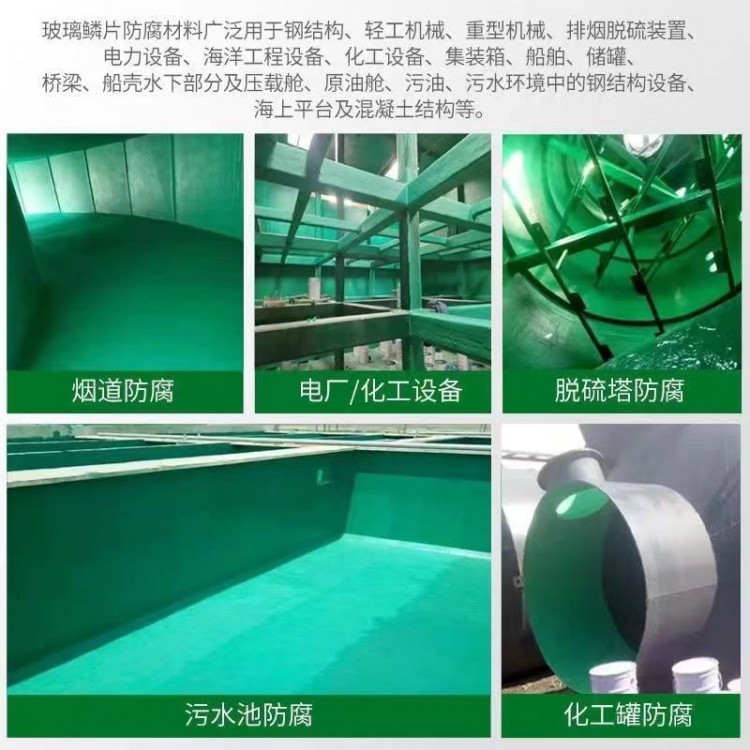

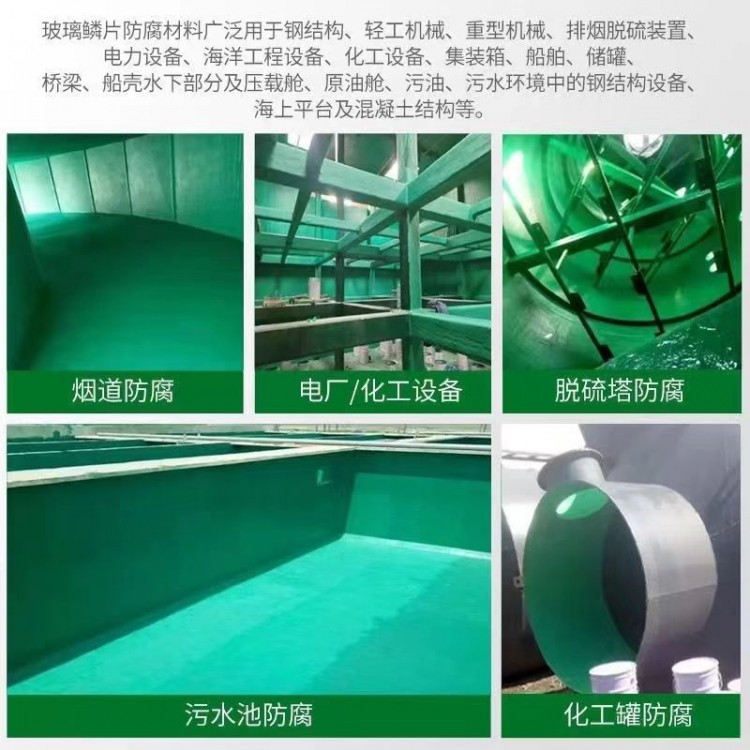
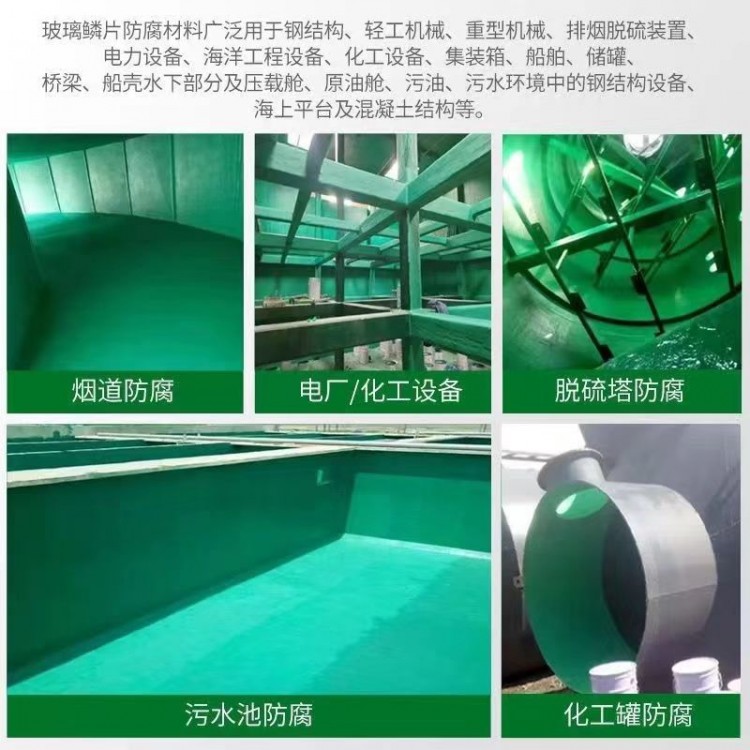
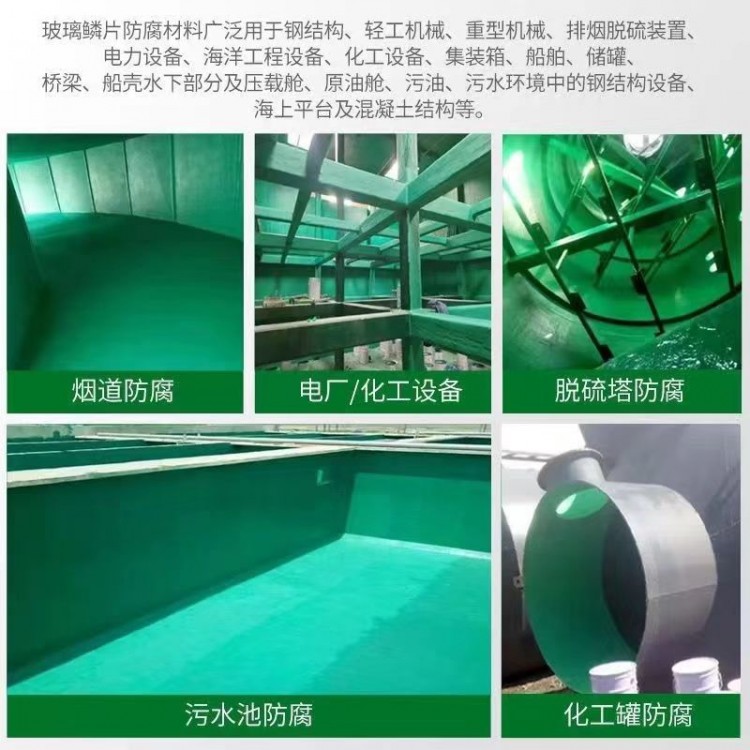







Overview of Anti-corrosion Construction
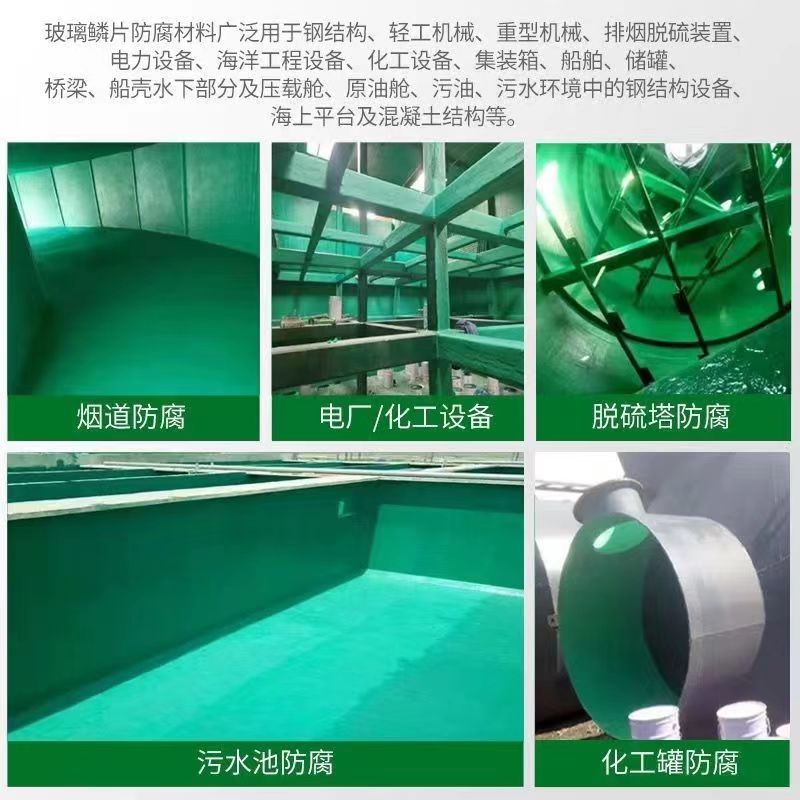
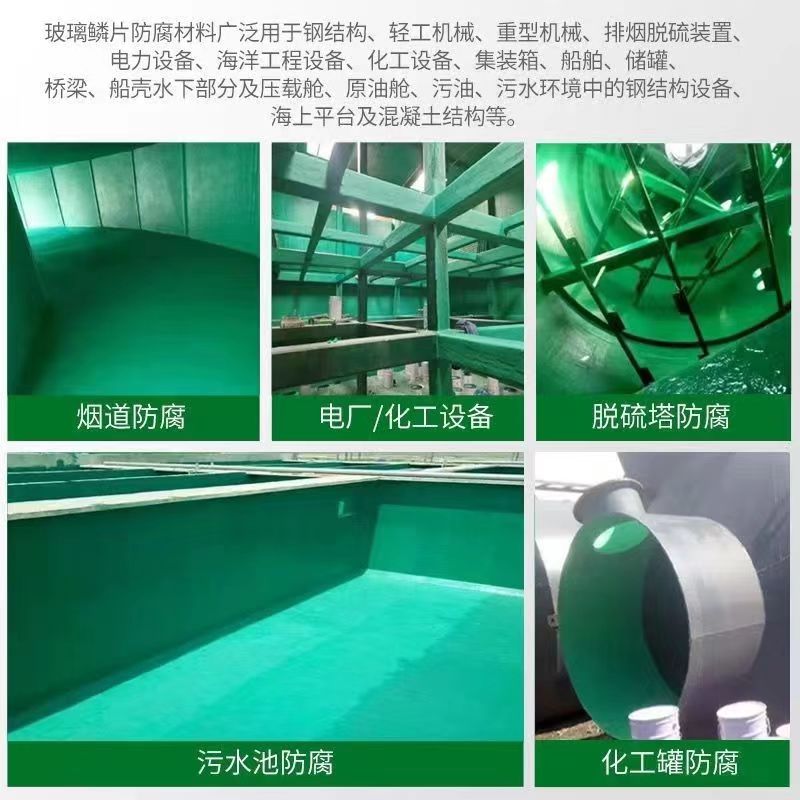
Corrosion protection during construction is a crucial protective measure for metal materials, structures, or equipment in use, aiming to prevent or slow down corrosion and extend their service life. Corrosion refers to the physical and chemical changes that occur in metal materials under environmental factors (such as humidity, oxygen, chemicals, etc.), leading to a decline in material properties or even failure. Effective corrosion protection not only saves maintenance costs but also plays a significant role in ensuring personal and equipment safety.

Types of Corrosion Protection Construction
Corrosion prevention construction mainly includes the following types:
Coating Corrosion Protection
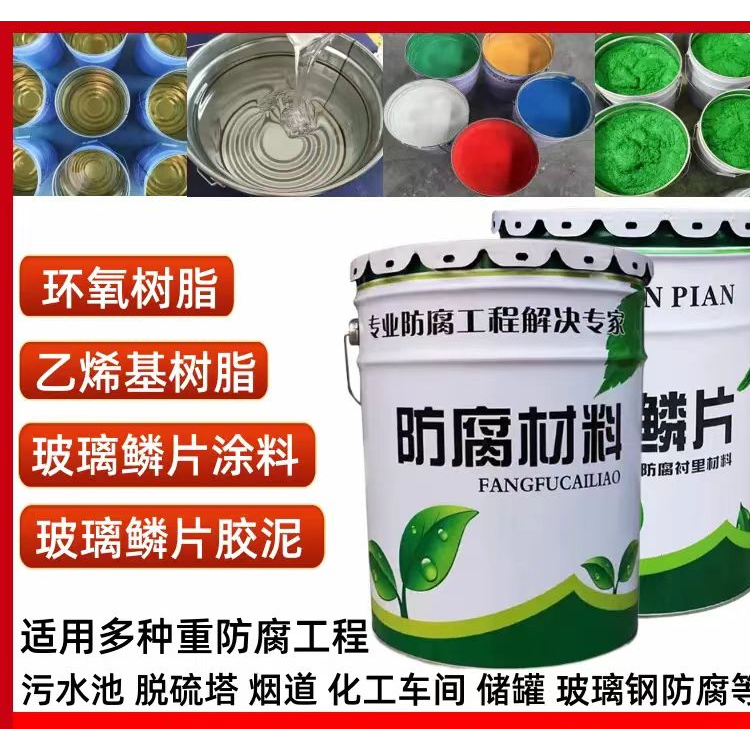
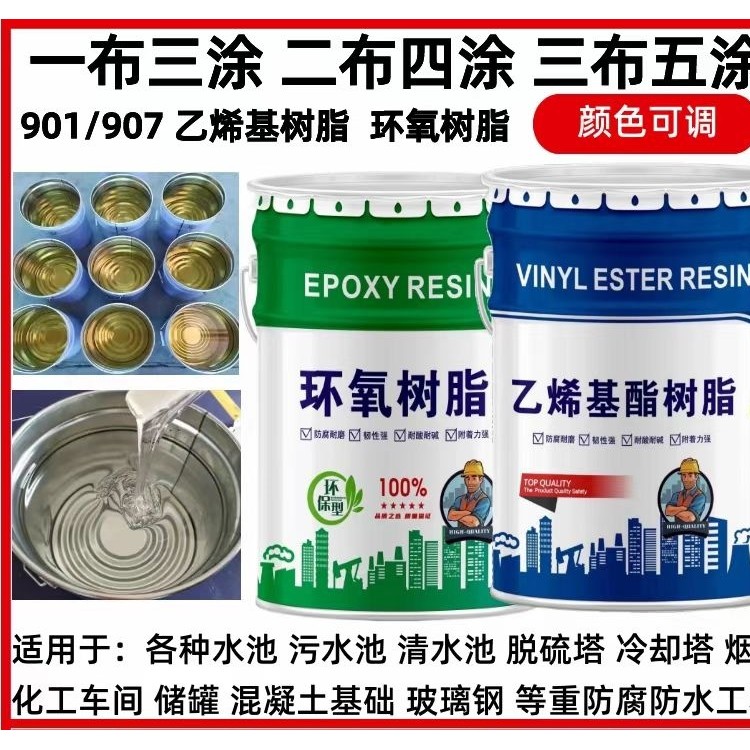
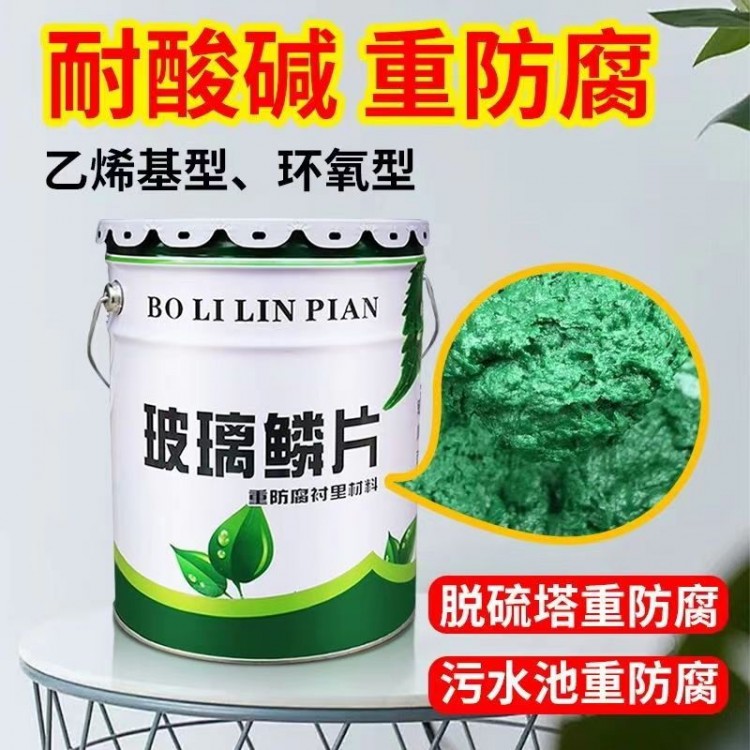
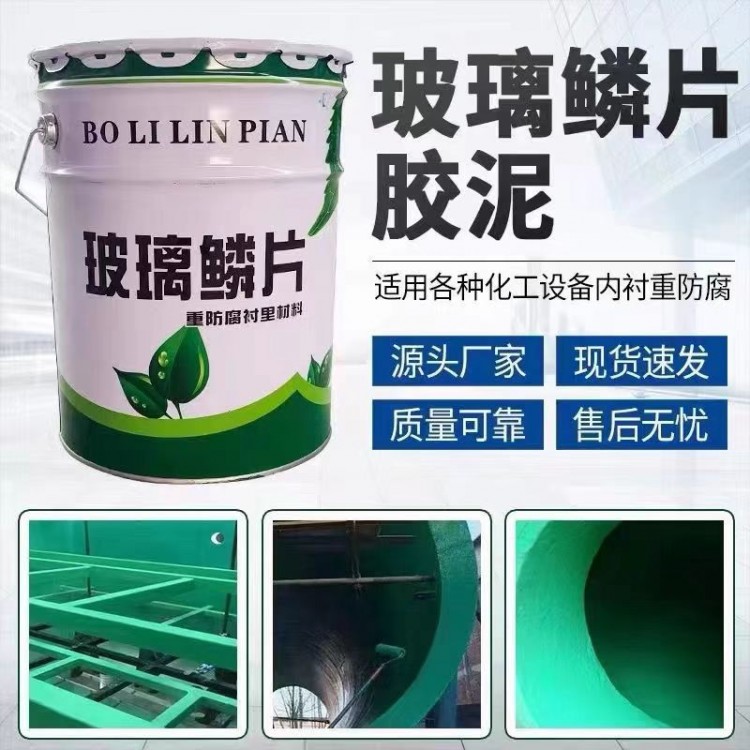
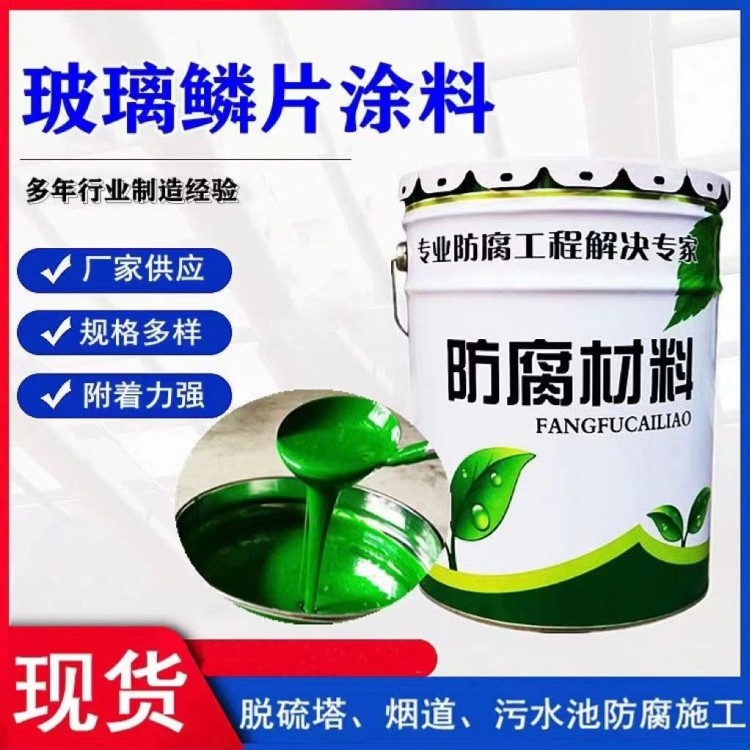
Coating anti-corrosion involves forming an isolation film on the metal surface using paint, to prevent direct contact between the metal and the environment. Common coatings include paints, epoxy resins, polyurethanes, etc. The coating not only provides excellent anti-corrosion properties but also enhances aesthetics.Electrochemical Corrosion Protection
Including cathodic protection and anodic protection. Cathodic protection reduces the potential of the metal surface by using an external current or a sacrificial anode, thereby inhibiting corrosion. Anodic protection employs metals like magnesium and zinc as sacrificial anodes, forming an electrochemical reaction with the protected metal to prevent corrosion.Coating Corrosion Protection
Form a corrosion-resistant coating on the metal surface through physical or chemical methods, such as hot-dip galvanizing, chrome plating, nickel plating, etc. These coatings effectively block the intrusion of corrosive mediums.Chemical Antirust
Form a chemical protective film on the metal surface using preservatives and inhibitors (such as passivators) to prevent the metal from reacting with corrosive media.