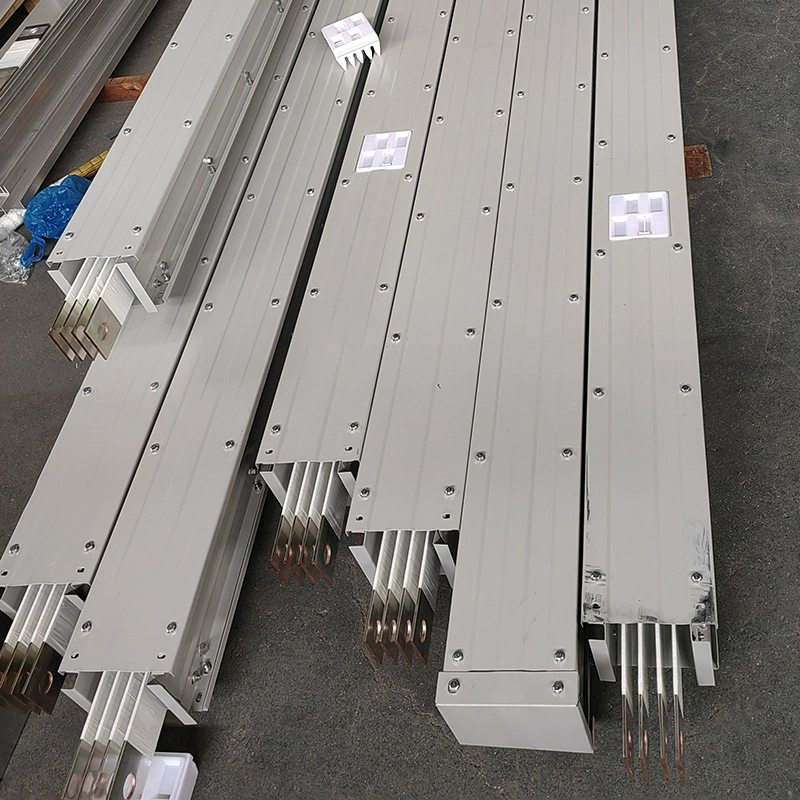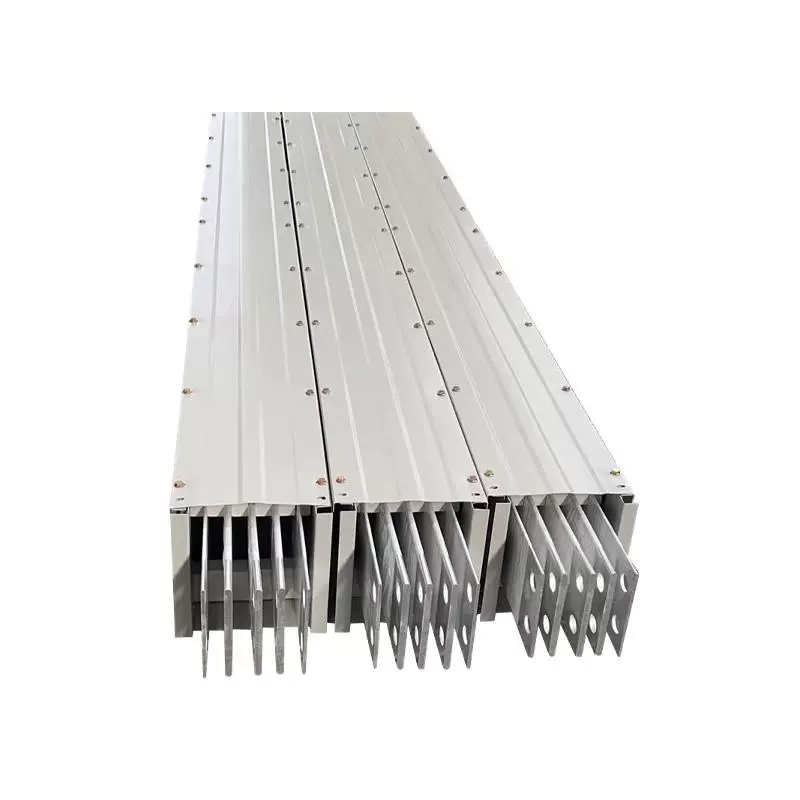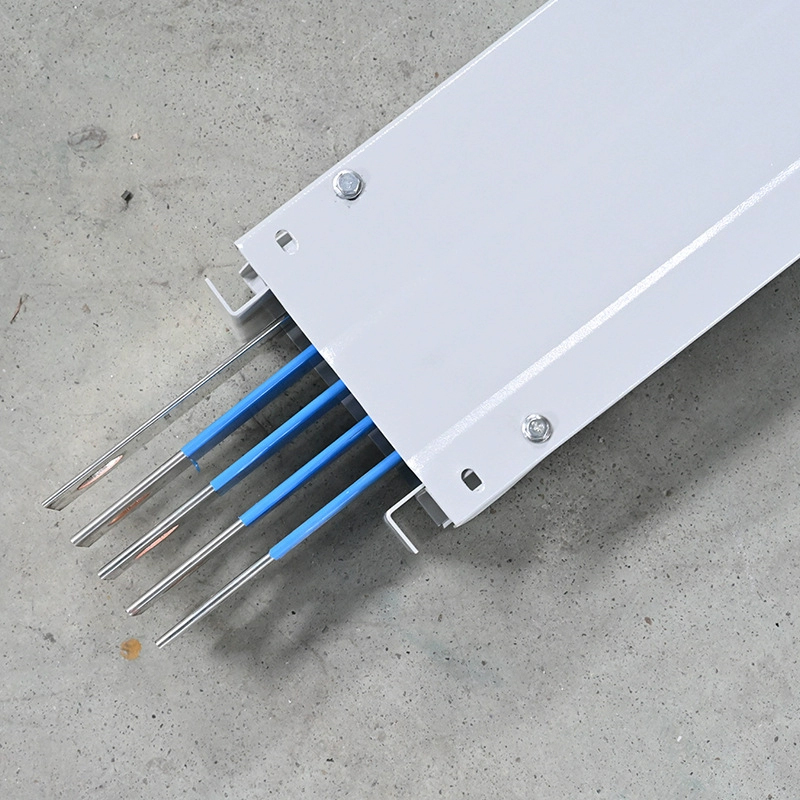














I. Applicable Range
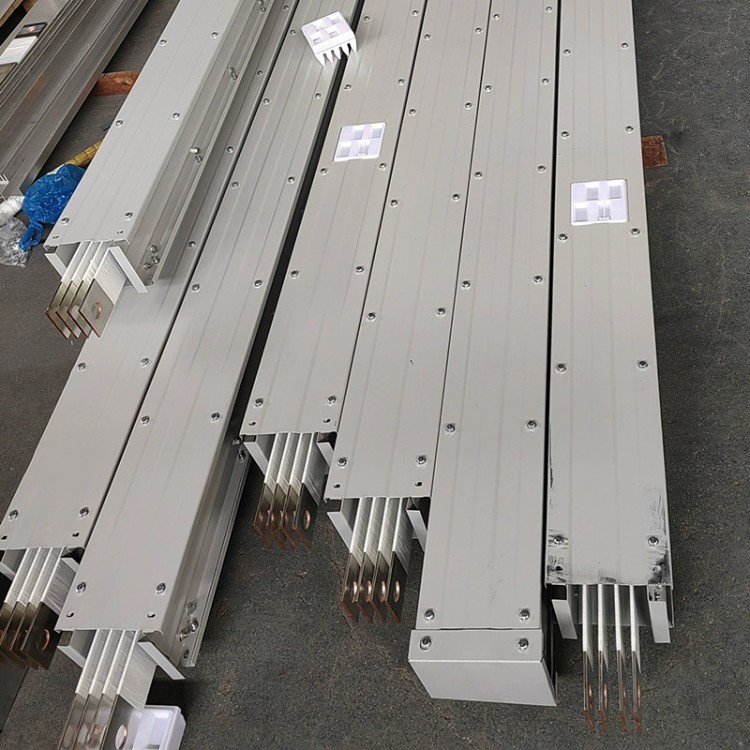
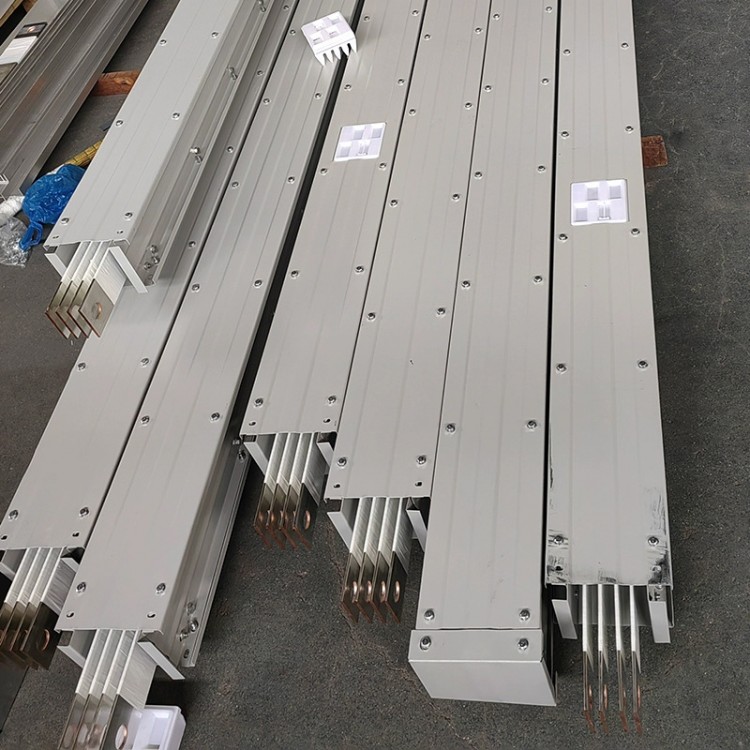
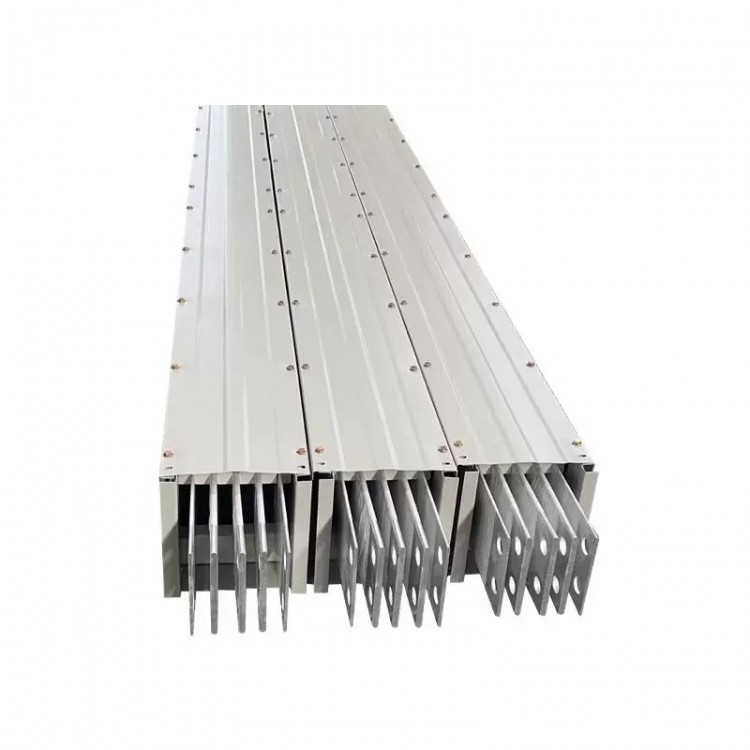
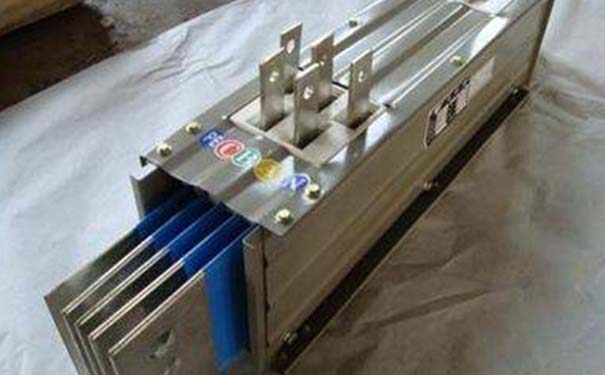
The LSMK series air-insulated enclosed busway is suitable for AC three-phase four-wire systems, three-phase five-wire systems, with frequencies of 50~60Hz, rated voltages up to 660V, and rated working currents of 250~5000A. It is used for power distribution systems, taking on the distribution task, connecting low-voltage distribution panels to large and medium-sized loads. Mainly used in modern workshops, factories, and high-rise buildings.
II. Structural Features
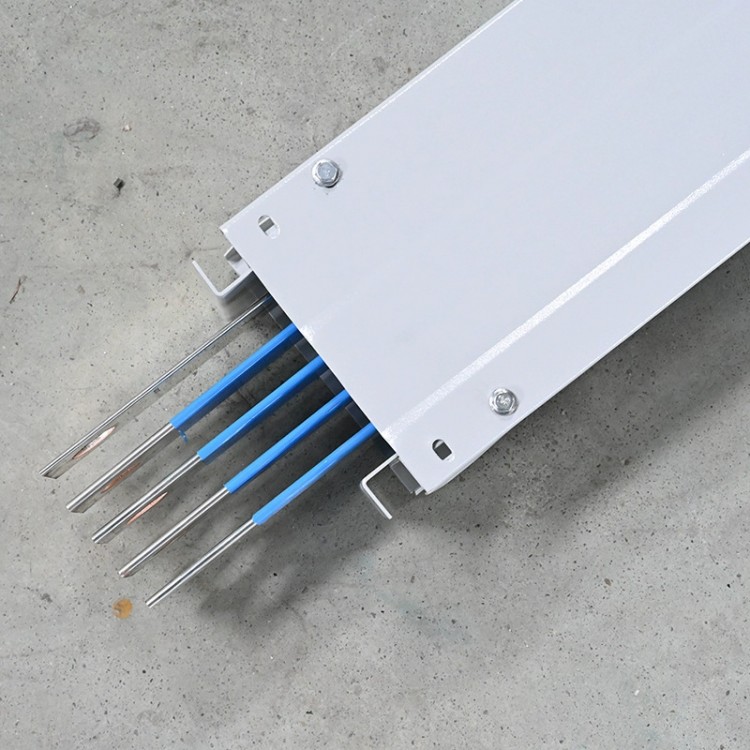
1. Busbars are installed using a mating slot method, making the installation process extremely convenient, flexible, and significantly reducing the installation time.
2. The busway slots use a separated air insulation design, enhancing the heat dissipation of the busway and reducing impedance. The internal insulation components are made of high-strength epoxy resin, improving the busway's resistance to vibration and thermal stability.
3. All busbars with varying current ratings feature a unified cover, boasting high standardization, strong interchangeability, and convenient capacity adjustment interfaces.
4. Busbars are分流via plug-in boxes, thereby avoiding the hassle of cable stripping and unsafe connections. Should your products or equipment be replaced, you can reassemble and reinstall the busbars, ensuring that the busbar outlets always reach the position you need. Therefore, using busbar distribution boxes guarantees lifelong satisfaction.
III. Busway Functional Unit and Brief Introduction
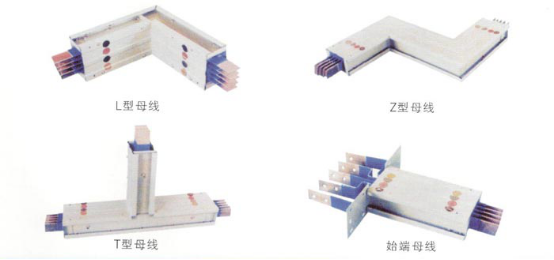
1. Shell
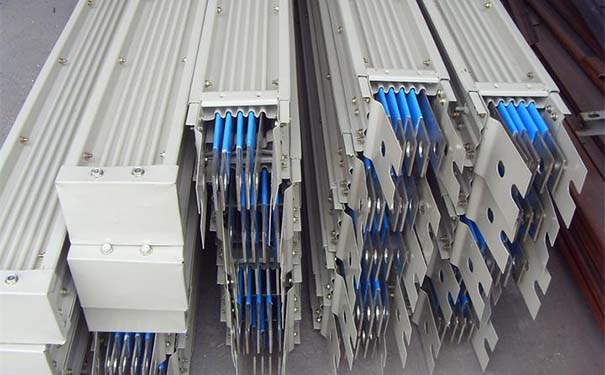
Our factory's produced busbar trunking外壳 is formed by roller pressing, featuring compact size, exquisite appearance, and sufficient load-bearing capacity to support and protect the busbar trunking system, preventing mechanical damage.
The housing (except for the cooling holes) ensures an IP40 or higher protection rating, with the housing itself through the busbar providing good grounding continuity.
Outer shells are generally made of steel plates, with corrosion prevention treatments such as painting, plastic coating, electroplating, hot-dip galvanizing, and hot spray zinc. For busbars above 4000A, due to the heating caused by shell eddy currents, aluminum plates or stainless steel plates are used. If the user has special requirements for corrosion prevention, busbars below 4000A can also be made of aluminum plates or stainless steel plates and other corrosion-resistant materials.
Conductor
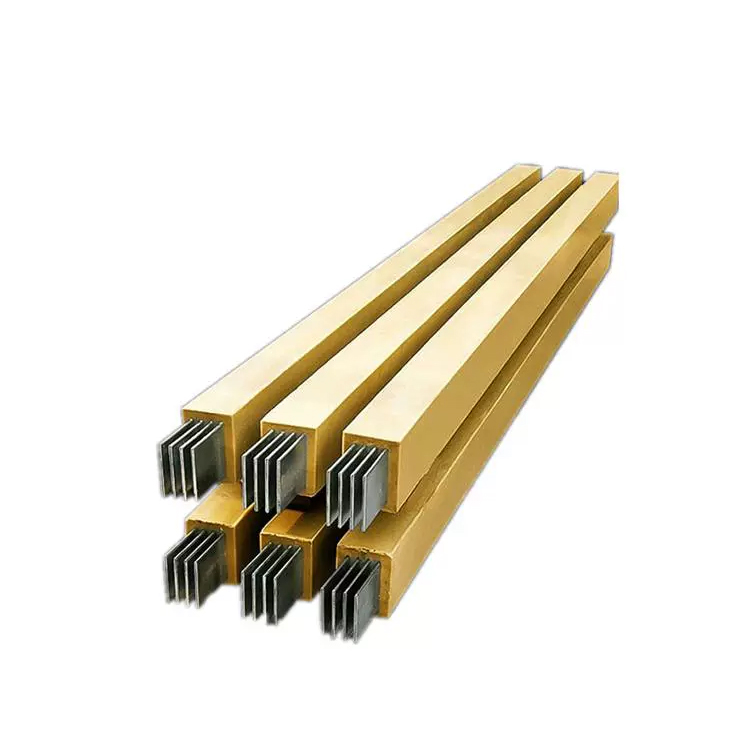
Conducting components are made of copper, aluminum, or their alloys, and all busbar junctions and connections are tin-plated.
3. Insulating Components
The insulating materials used in air-insulated busbars can withstand the long-term heat resistance at the test temperature, and possess sufficient insulating capacity, mechanical strength, and aging resistance.
4. Connector
Busbar connector ensures sufficient contact area and insulation capability; all connector bolts are set for easy safety inspection and maintenance.
IV. Main Technical Parameters
Busway can ensure long-term normal operation under rated current and 110% of rated voltage.
2. Protection rating: IP40.
3. The insulation resistance of each section of the busbar channel is not less than 20MΩ under normal conditions with ambient air temperature of 20±5°C and relative humidity of 50~70%.
4. The busbar system can withstand a working frequency withstand voltage of 3750V, with no breakdown or flashover occurring for a duration of 1 minute.
5. The busbar system, when continuously operating at the rated current, will not exceed the following temperature rises: 60K for the connecting terminals, 30K for the metallic housing, and 40K for the surface of the insulated components within the slot.
6. The plug-and-pull次数 for junction boxes and busbars should not be less than 200.
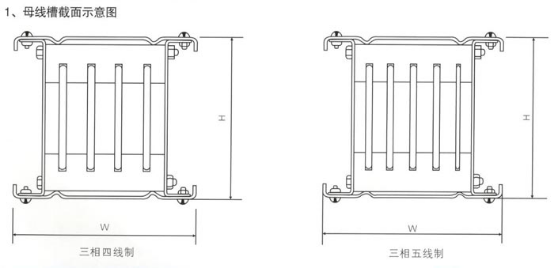
V. Busbar Channel Section Diagram and Performance Parameters