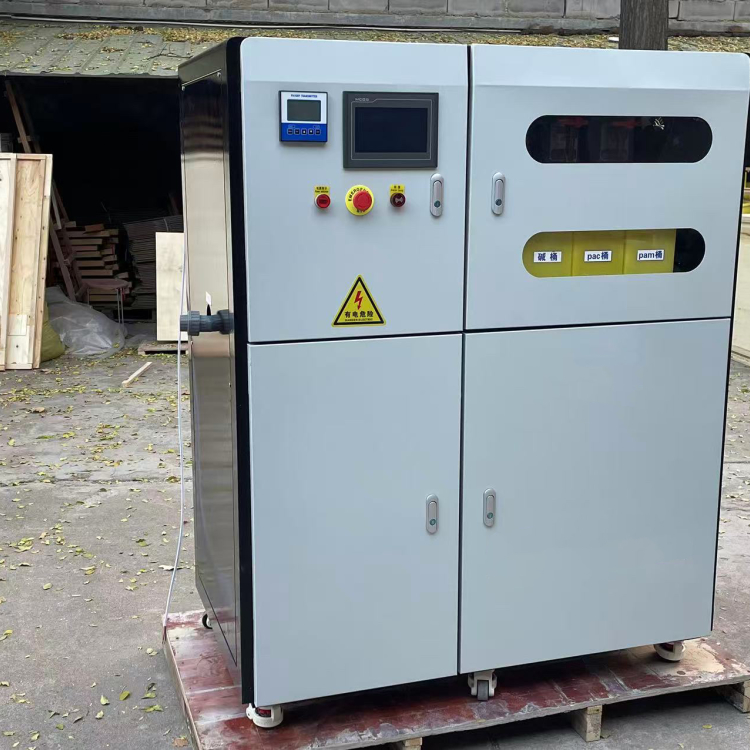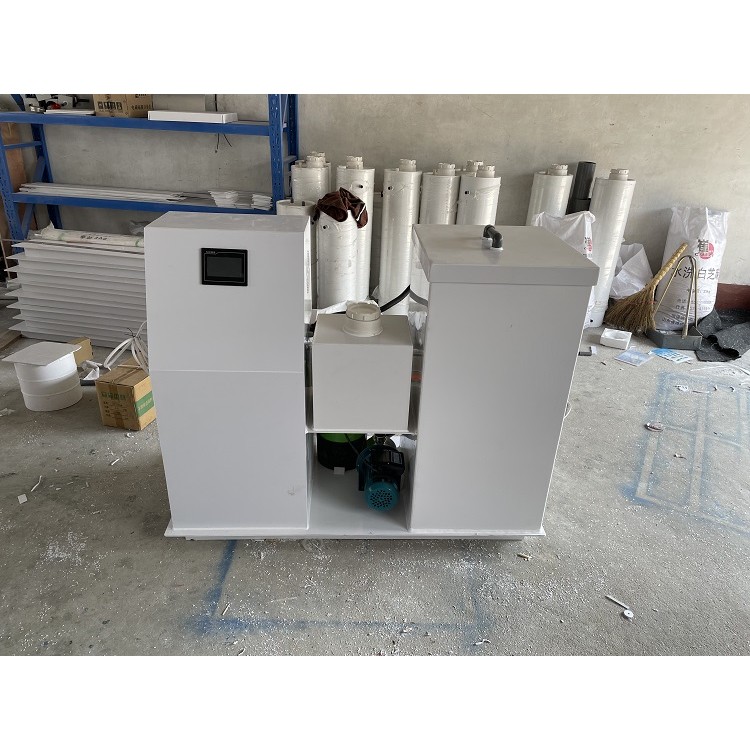
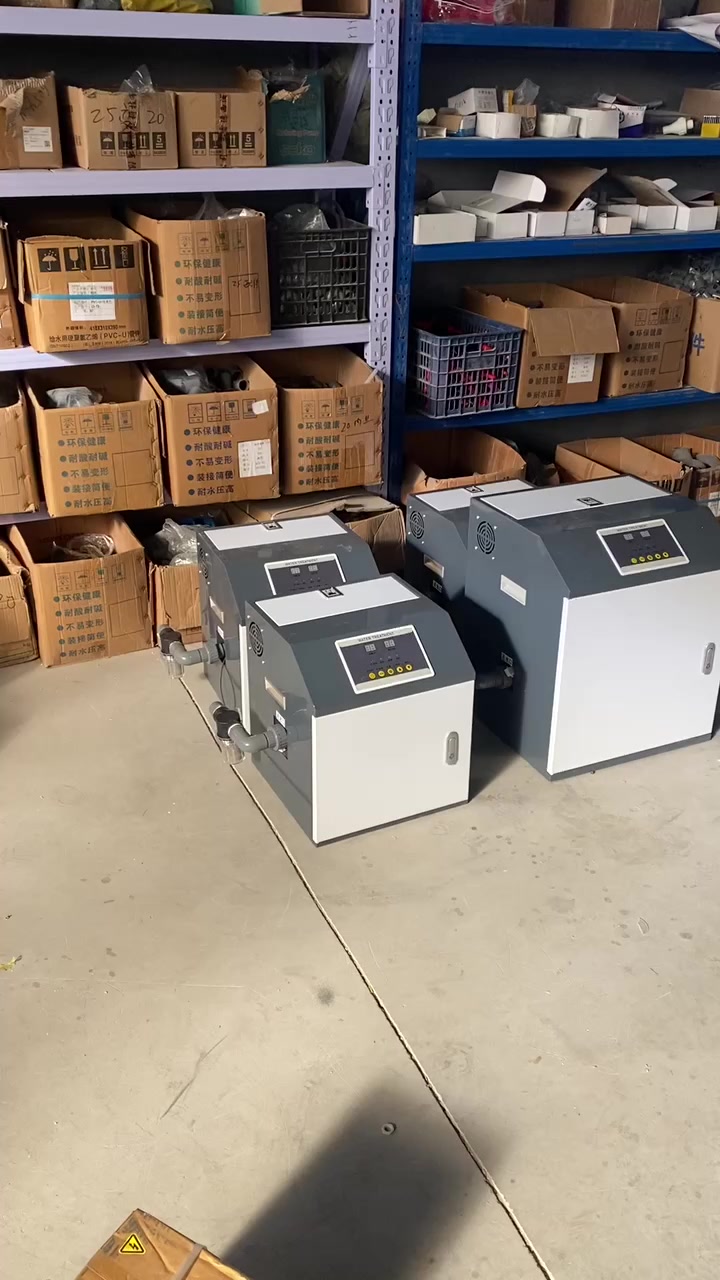
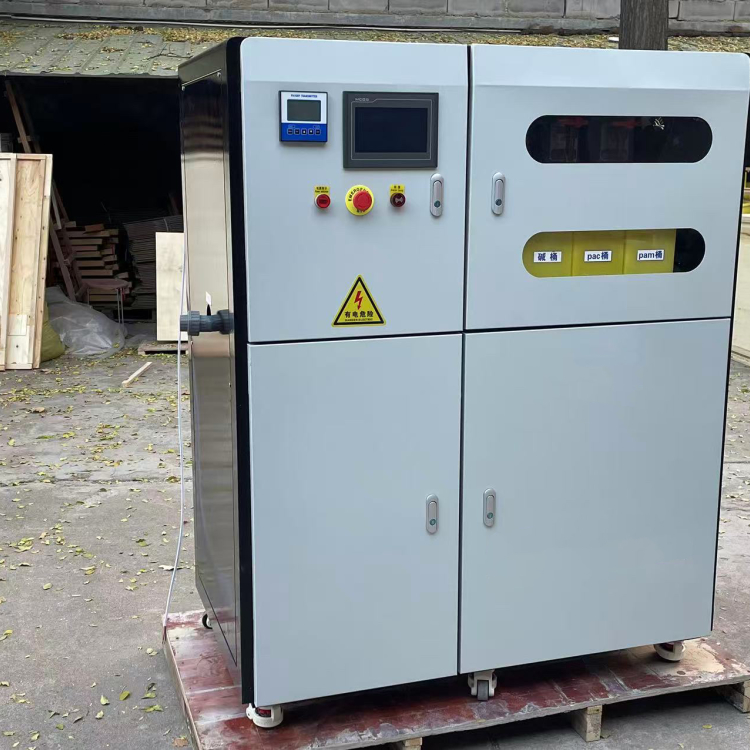








An air flotation machine is a water treatment equipment, widely used in wastewater treatment, industrial water treatment, and water body purification. Its main working principle is to introduce air into the liquid, causing particles and oils to float to the surface, thereby achieving removal.
The main structure and working process of the air flotation machine include the following aspects:
Gas Injection: Air or other gases are injected into wastewater through a specialized bubble generator to form tiny bubbles.
2. **Bubble Agglomeration**: Bubbles combine with suspended matter, oils, and other particles in the water, forming larger bubble-particle complexes.
3. **Buoyant Separation**: The composite rises to the water surface under the action of bubbles, forming a floating scum layer.
4. **Scum Removal**: Remove impurities floating on the water surface using a scraper or other device to achieve water purification.
The advantages of the air flotation machine include high processing efficiency, wide applicability, and the ability to remove various pollutants such as oil-water separation, suspended matter, and particulates, with relatively small land occupation. Common types of air flotation machines include dissolved air flotation machines and dissolved oxygen flotation machines. Choosing the appropriate model and parameters of the air flotation machine can enhance the effectiveness of wastewater treatment.
If interested in specific products or equipment, it's recommended to review the information from the relevant manufacturers or suppliers.
The wastewater treatment equipment at the health check center is primarily used to process the wastewater generated during the center's daily operations, ensuring that the wastewater meets local environmental protection standards before discharge. Below are some common wastewater treatment equipment and their functions:
1. **Pre-treatment Equipment**: Includes grates, sedimentation basins, etc., used for removing large particles and sediments from wastewater.
2. **Biological Treatment Equipment**: Including activated sludge process, MBR (Membrane Bioreactor), etc., which decompose organic matter in wastewater through microbial action.
3. **Chemical Treatment Equipment**: Such as coagulation sedimentation tanks, dosing units, etc., used for removing suspended solids, pollutants, and heavy metals from water.
4. **Disinfection Equipment**: Including ultraviolet disinfection, chlorine disinfection, etc., for safe discharge or reuse.
5. **Sludge Treatment Equipment**: Includes sludge dewatering machines, sludge drying equipment, etc., used for processing and reducing sludge generated in wastewater treatment.
6. **Full-Automatic Control System**: Used for real-time monitoring and control of the wastewater treatment process, enhancing efficiency and stability.
When selecting wastewater treatment equipment, the health center should consider the following factors:
- **Treatment Capacity**: Select appropriate equipment based on the actual wastewater generated.
- **Treatment Effect**: Ensures water quality meets relevant standards after treatment.
- Operating Costs: Consider the maintenance and operational expenses of the equipment.
- **Environmental Measures**: Ensure equipment to minimize environmental impact.
Consult with water treatment companies for advice when selecting equipment to obtain the appropriate solutions and services.
Laundry wastewater treatment equipment is primarily used to process wastewater generated during the laundry process, to meet discharge standards and protect the environment. Below are some common laundry wastewater treatment equipment and their functions:
**Wastewater Pre-treatment Equipment**
- **Grate**: Removes large particle impurities from wastewater, such as fabric fragments and sand.
Sedimentation Pond: Sediments sand particles and heavy metals from wastewater.
2. **Physical Processing Equipment**
- **F浮设备**: Removes suspended solids from wastewater using bubbles.
- **Filter Bags/Filter Mesh**: Physically filter solid impurities from wastewater.
3. **Biological Treatment Equipment**
- **Activated Sludge Process**: Utilizes microorganisms to degrade organic matter in wastewater.
- **Biofilter**: Further degrades pollutants in wastewater through the growth of biofilm attached to its surface.
4. **Chemical Processing Equipment**
- **Sedimentation Pond**: Coagulants are added to aggregate suspended particles for settlement.
- **Ozone Disinfection Equipment**: Utilizes ozone to disinfect wastewater, eliminating odors.
Wastewater Disinfection Equipment
Ultraviolet Disinfection Equipment
Chlorine Disinfection Equipment: Disinfects using chlorine to ensure water quality meets standards.
6. **Sludge Treatment Equipment**
Sludge Dewatering Machine: Removes moisture from sludge generated during the treatment process, reducing its volume.
Sludge Recirculation System: Recycles treated sludge for enhanced processing efficiency.
When selecting laundry wastewater treatment equipment, it's essential to configure it reasonably based on the actual wastewater quality and treatment requirements, while also complying with local environmental protection regulations.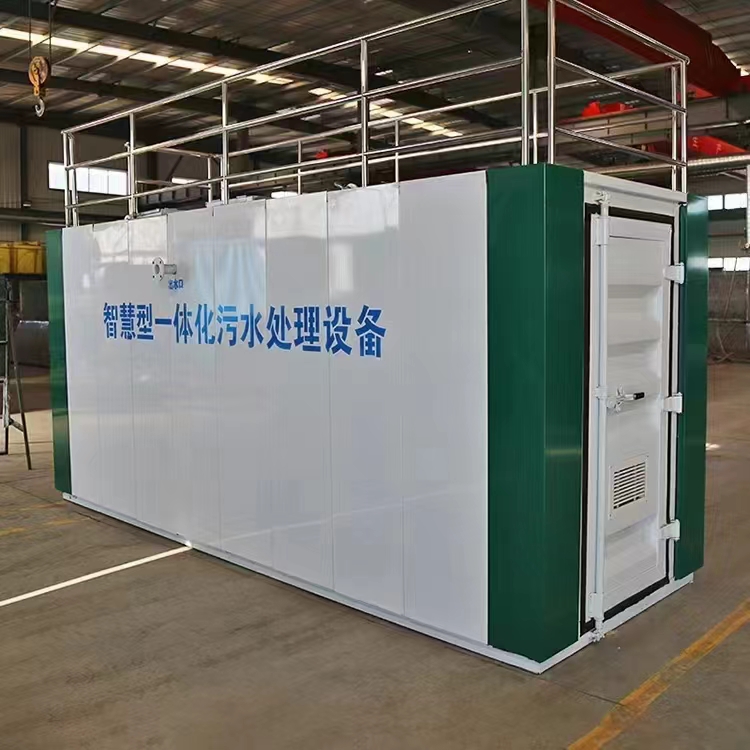 Poultry farm wastewater treatment equipment is primarily used to process wastewater generated during the chicken farming process, to reduce environmental pollution and protect water sources. Common wastewater treatment equipment includes:
Sedimentation Tank: Allows solid particles in wastewater to settle by gravity, removing a portion of suspended matter.
2. **Biological Treatment Ponds**: Utilizing microorganisms to decompose organic matter in wastewater, common methods include activated sludge process and anaerobic digestion.
3. **Filter Pools**: Further remove suspended solids and pollutants from water through methods such as sand filtration and carbon filtration.
4. **Chemical Treatment Equipment**: Removes dissolved pollutants from water by adding chemicals such as flocculants and oxidizers.
5. **Membrane Filtration Equipment**: Such as ultrafiltration, nanofiltration, and reverse osmosis, used for further water purification.
6. **Disinfection Equipment**: Including UV sterilizers, chlorination, etc., to ensure the treated water meets discharge standards.
7. **Wastewater Recycling System**: Recycles treated water for uses such as irrigation, reducing water waste.
The wastewater treatment system for a poultry farm should be designed and the appropriate equipment selected based on the farming scale, wastewater discharge volume, and local environmental protection requirements.
A sedimentation tank is a facility used for water treatment, primarily designed to separate solid particles and sediments from water, allowing them to settle to the bottom of the tank under the force of gravity. Sedimentation tanks are widely used in urban wastewater treatment, industrial wastewater treatment, and water source purification fields. Their main functions include:
1. **Removal of Suspended Solids**: Sedimentation ponds efficiently remove suspended solid particles from water, such as silt and sediment.
2. **Reduce Turbidity**: Sedimentation can significantly lower water turbidity, improving water quality.
3. **Enhance Subsequent Process Efficiency**: Removing solid particles from the sedimentation tank can alleviate the burden on subsequent water treatment processes (such as biological treatment, filtration, etc.), thereby improving overall processing efficiency.
4. **Sludge Collection and Treatment**: A sludge sediment layer forms at the bottom of the sedimentation pond, which can be regularly cleaned and then processed or disposed of accordingly.
The design and operational parameters of the sedimentation pond, such as hydraulic retention time, sedimentation area, and pond depth, will be adjusted according to specific water treatment requirements and water quality conditions.
WeChat Official Account

Scan to follow Official Account