







Glass-fiber Reinforced Plastic (FRP) septic tanks are a new type of wastewater treatment facility, primarily used for the treatment and storage of domestic wastewater and waste. They are made with FRP as the main material and offer several advantages:
Lightweight and High-Strength: The glass fiber septic tank is lightweight yet strong, with excellent compressive properties, making transportation and installation convenient.
2. **High Corrosion Resistance**: Glass fiber materials offer excellent resistance to corrosion, able to withstand the侵蚀 of chemicals in wastewater, ensuring a long service life.
3. **Leakproof**: The glass-fiber septic tank boasts excellent sealing properties, effectively preventing sewage leakage and minimizing pollution to soil and groundwater.
4. **Low Maintenance Costs**: Due to its corrosion-resistant and aging-resistant properties, the maintenance costs are relatively low.
5. **Environmental Protection**: High processing efficiency, unlikely to cause secondary pollution, and contributes to environmental protection.
In practical applications, fiberglass septic tanks are suitable for rural areas, urban communities, industrial parks, and other locations, effectively treating and storing wastewater to enhance efficiency and safety in wastewater management. When selecting the appropriate model of a fiberglass septic tank, it is necessary to determine based on the specific usage scenario and requirements.
Slaughterhouse wastewater treatment equipment typically includes the following categories:
1. **Pre-treatment Equipment**: Includes grates, grit chambers, etc., designed to remove large particles and sand, protecting subsequent processing equipment.
2. **Biological Treatment Systems**: Commonly employs methods such as activated sludge process and biofilm process, utilizing microorganisms to degrade organic matter in wastewater.
3. **Anaerobic Wastewater Treatment Equipment**: For high-concentration organic wastewater, anaerobic reactors can be used for anaerobic digestion to reduce organic load.
4. **Wastewater Flocculation and Sedimentation Equipment**: Adds flocculants to promote the settling of suspended solids in wastewater, thereby purifying the water quality.
5. **Disinfection Equipment**: Utilizes ozone or ultraviolet light for sterilization to ensure the water quality meets relevant standards.
6. **Sludge Treatment System**: Treats generated sludge through dewatering and drying processes to reduce its volume, facilitating handling and disposal.
When selecting wastewater treatment equipment, factors such as the characteristics of the slaughterhouse wastewater, treatment capacity, operating costs, and environmental protection requirements should be considered. Ensuring compliance with environmental regulations and meeting emission standards is the primary goal of wastewater treatment for slaughterhouses.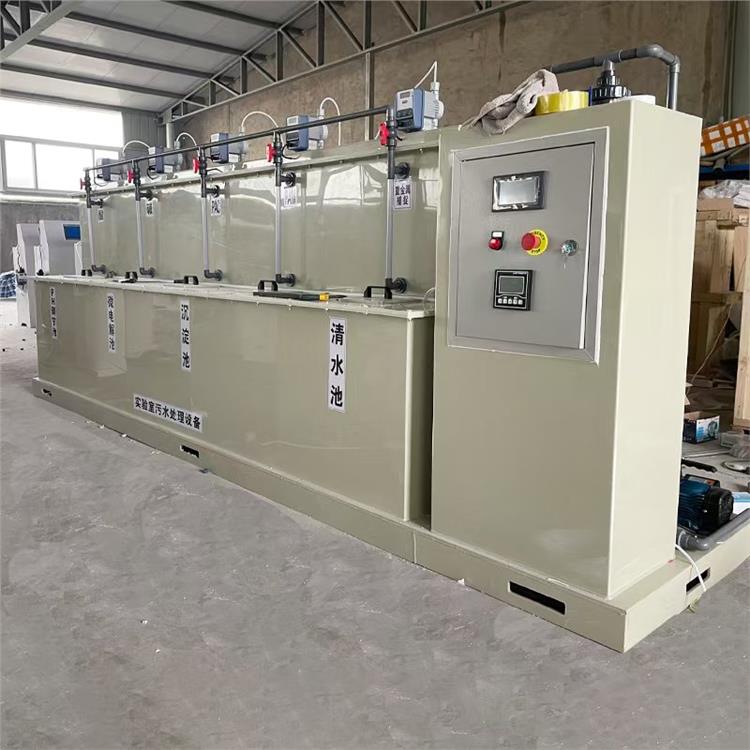 Wastewater treatment equipment plays a crucial role in this process, common equipment includes:
1. **Pre-treatment Equipment**: Includes grates and sedimentation basins, used for removing large particles and sediments from wastewater.
2. **Biological Treatment Systems**: Such as activated sludge process, membrane bioreactor (MBR), etc., which degrade organic matter in wastewater through microbial action.
3. **Disinfection Equipment**: Including UV sterilizers, ozone generators, and chlorination disinfection systems
4. **Sludge Treatment Equipment**: Comprising sludge thickening and dewatering machines, designed for treating sludge generated during the wastewater treatment process.
5. **Monitoring System**: Used for real-time monitoring of water quality indicators during the wastewater treatment process, ensuring the treatment meets standards.
The selection and configuration of these equipment typically depend on the specific characteristics and treatment requirements of the wastewater, with the aim of ensuring that wastewater treatment meets environmental protection standards.
Wastewater treatment equipment at the inspection center typically includes the following types to ensure effective treatment and purification of wastewater, meeting discharge standards:
Pre-treatment Equipment
- **Grate**: Used to remove large particles from wastewater, such as branches, plastic bags, etc.
Sedimentation pond: Removes sand particles and heavy objects from wastewater.
2. **Biological Treatment Equipment**
- **Activated Sludge Process**: Utilizes microorganisms to decompose organic matter in wastewater.
- **Biofilter**: Removes pollutants from wastewater through the action of a biofilm.
3. **Chemical Processing Equipment**
- **Coagulation and Sedimentation Equipment**: Adds chemicals to wastewater to promote the aggregation and sedimentation of pollutants.
- Disinfection Equipment: Such as ozone generators, ultraviolet sterilizers, etc.
4. **Sludge Treatment Equipment**
Sludge Concentrator: Removes excess water, enhancing sludge concentration.
Sludge Dewatering Machine: Further removes moisture from sludge, reducing its volume.
5. **Monitoring and Control Systems**
- **Online Monitoring Instruments**: Real-time monitoring of various indicators in the wastewater treatment process, such as pH value, turbidity, and COD.
- **Automated Control Systems**: Achieve automated operation and intelligent management of equipment.
6. **Wastewater Reuse System**
Treated water can be used for irrigation, flushing toilets, and other non-drinking water applications.
When selecting and configuring wastewater treatment equipment, it's crucial to consider the specific requirements of the testing center, the quality of the wastewater, and the scale of treatment. Additionally, proper maintenance and management of the equipment are essential to ensure its long-term stable operation.
**Wastewater Pre-Treatment Equipment**
- **Grating**: Used to remove large particles of debris and solid waste, preventing blockages in subsequent equipment.
Sedimentation Pond: Removes settled solids from wastewater through natural sedimentation.
2. **Oxidation Equipment**
- Treat wastewater with ozone, chlorine, and peroxide as oxidizing agents for disinfection and organic matter removal.
3. **Biological Treatment Equipment**
- **Bioreactor**: Utilizes microorganisms to degrade organic pollutants in wastewater, which can be either aerobic or anaerobic biological treatment.
4. **Membrane Separation Technology**
Ultrafiltration Membranes and Nanofiltration Membranes
5. **Wastewater Disinfection Equipment**
- Further treat with ultraviolet sterilization or chemical disinfectants to ensure the safety of the effluent water quality.
6. Wastewater Recycling System
- Treated wastewater is used for non-drinking purposes, such as toilet flushing and gardening.
When using these equipment, adhere to relevant waste disposal regulations to ensure a safe and effective process. When purchasing, also consider factors such as the equipment's processing capacity, maintenance costs, and environmental adaptability.
An integrated pumping station is a water pump system that incorporates multiple functions, commonly used for urban sewage, rainwater drainage, and water treatment. By integrating pumps, pipelines, electrical control equipment, and other accessories into a single structural unit, it offers enhanced efficiency and convenience. This type of pumping station features several characteristics:
Space-saving: Due to the high integration of components, it occupies less space, making installation and layout convenient.
2. **Easy Installation**: The integrated design simplifies installation and reduces the complexity of on-site construction.
3. **Our pumps and control systems are designed to enhance pump efficiency and reduce energy consumption.**
4. **Smart Control**: Modern integrated lifting stations are typically equipped with intelligent monitoring systems that can real-time monitor the equipment's operating status, ensuring system stability and safety.
5. **Easy Maintenance**: Modular design facilitates maintenance and repair, reducing operational costs.
6. **High Corrosion Resistance**: Many integrated lift stations are made with corrosion-resistant materials, suitable for transporting sewage and acidic or alkaline liquids.
These pump stations are widely used in urban construction, park development, agricultural irrigation, and other fields, playing a crucial role in enhancing the efficiency of water resource utilization and management.
WeChat Official Account

Scan to follow Official Account