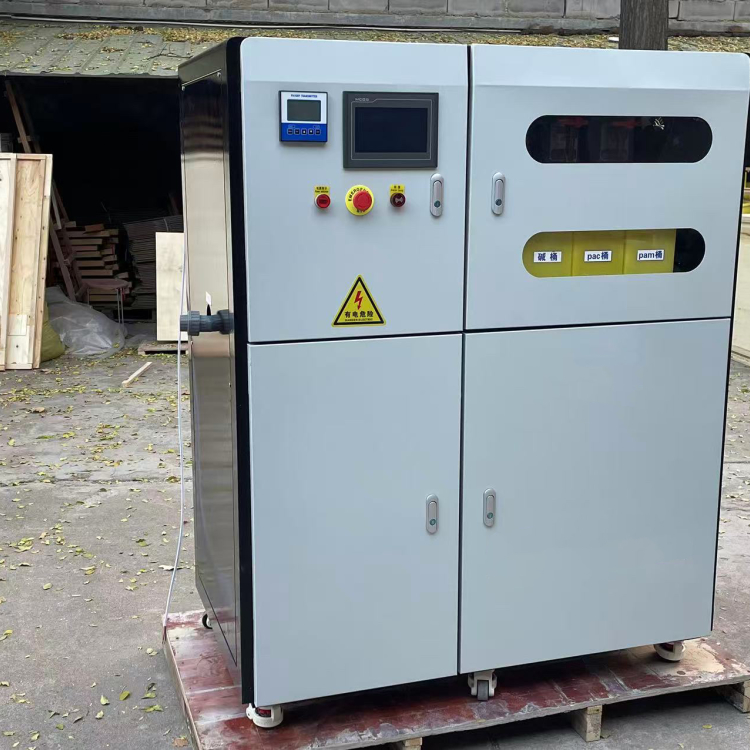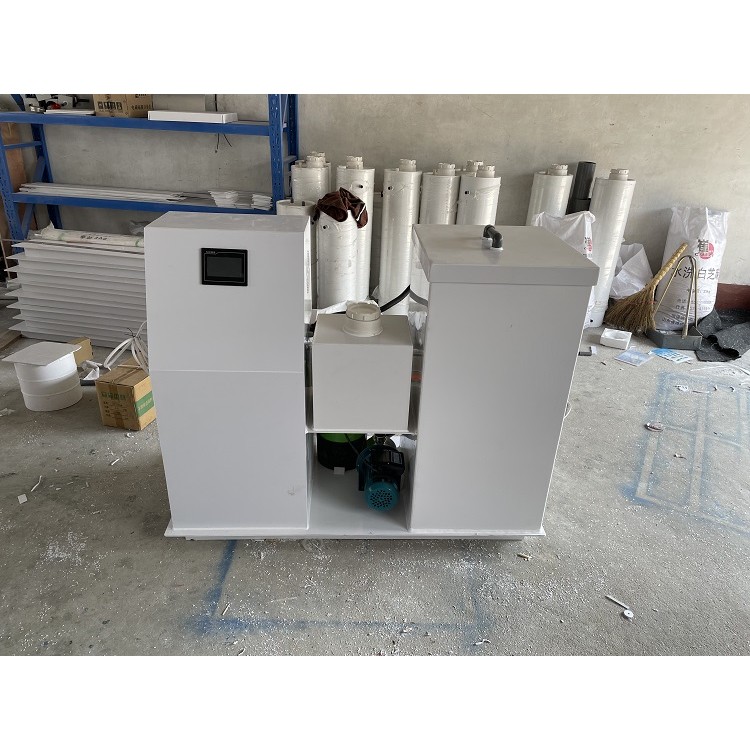
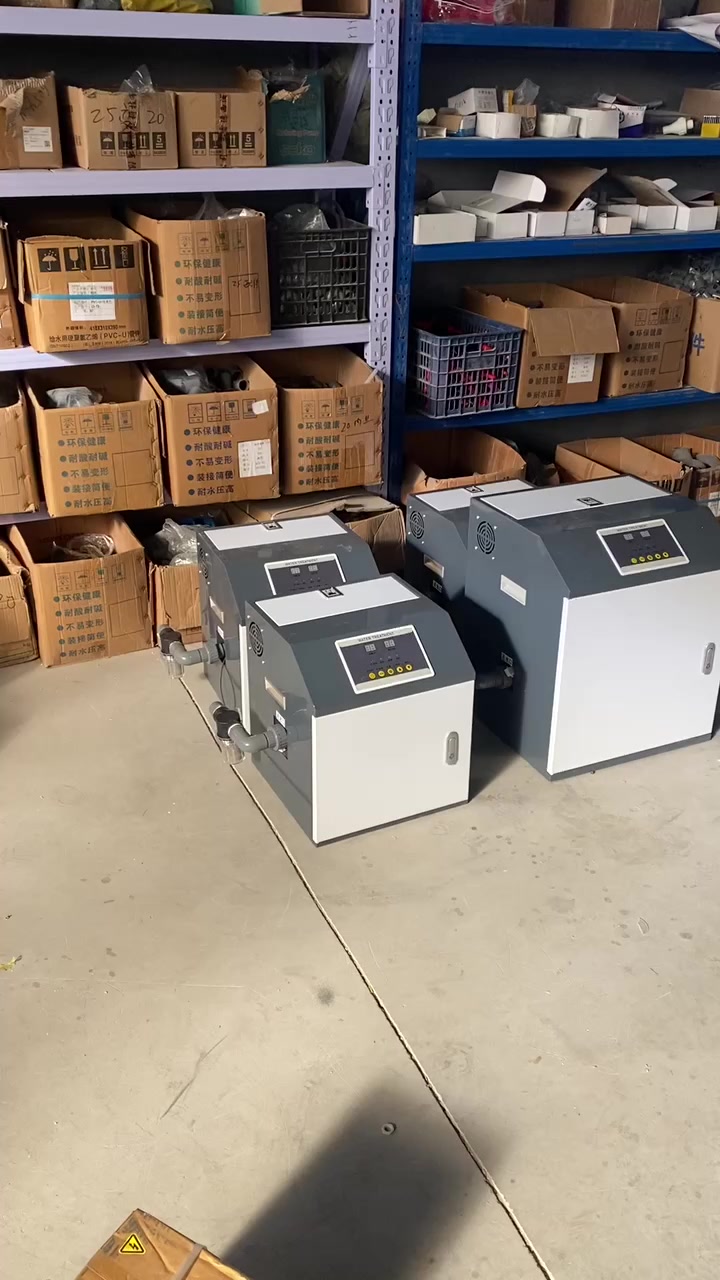
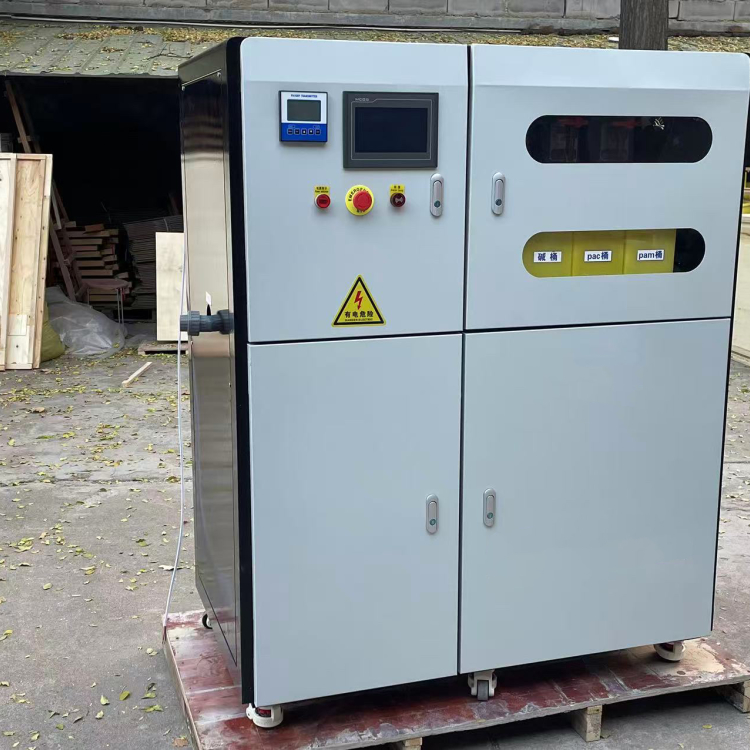








Wastewater treatment equipment is primarily used to process sewage generated from residential, commercial, and public facilities, aiming to reduce environmental pollution and recover usable water resources. Common types of wastewater treatment equipment include:
1. **Wastewater Treatment Plant**: A large facility typically including physical, chemical, and biological treatment processes, suitable for centralized treatment of domestic wastewater from urban areas or large-scale communities.
2. **Wastewater Treatment Pond**: Designed for sedimentation and filtration, typically including primary and secondary settling ponds, capable of removing solid suspended particles.
3. **Bioreactors**: Utilize microorganisms to degrade organic matter in wastewater, typically categorized into aerobic and anaerobic reactors.
4. **Sand Filter**: Removes suspended particles and fine debris from water through a sand layer, commonly used for preliminary filtration.
5. Chemical Coagulation Equipment: Adds coagulants to wastewater to aggregate pollutants for easy sedimentation and removal.
6. **Membrane Filtration Equipment**: Utilizes membrane separation technology to remove fine particles and organic matter from water, commonly used for further purification of water quality.
7. **Integrated Wastewater Treatment Equipment**: Combines multiple treatment processes for use in small communities or rural areas.
8. **Sludge Dewatering Equipment**: Designed for treating sludge generated during wastewater treatment, reducing the sludge volume for easier transportation and disposal.
Selecting the appropriate domestic wastewater treatment equipment requires considering factors such as the source of wastewater, treatment scale, pre-treatment requirements, and final discharge standards. Effective wastewater treatment can mitigate environmental impact and enhance the utilization of water resources.
2. **Easy Installation**: The integrated design simplifies installation, reducing the complexity of on-site construction.
3. **Our pumps and control systems are designed to enhance pump efficiency and reduce energy consumption.**
4. **Intelligent Control**: Modern integrated lift stations typically come equipped with an intelligent monitoring system that can real-time monitor the equipment's operating status, ensuring the system's stability and safety.
5. **Easy Maintenance**: Modular design simplifies maintenance and repair, reducing operational costs.
6. **High Corrosion Resistance**: Many integrated lift stations are made with corrosion-resistant materials, suitable for transporting wastewater and acidic or alkaline liquids.
These pump stations are widely used in urban construction, park development, and agricultural irrigation, playing a crucial role in enhancing the efficiency of water resource utilization and management.
WeChat Official Account

Scan to follow Official Account