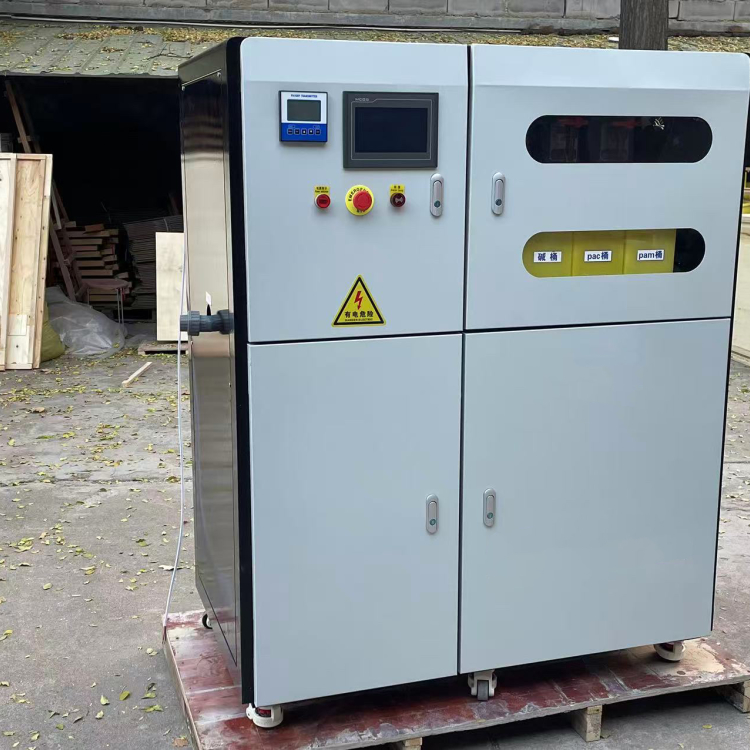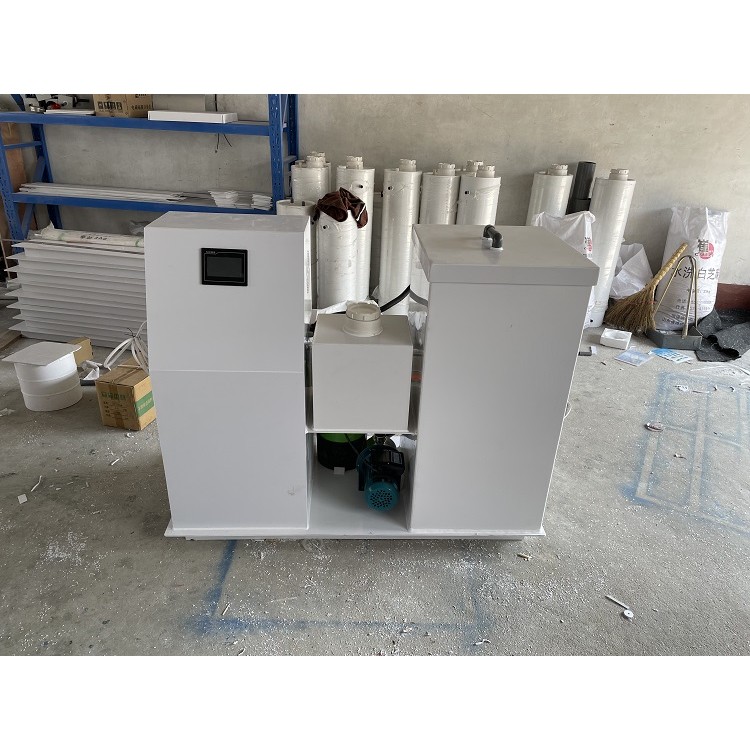
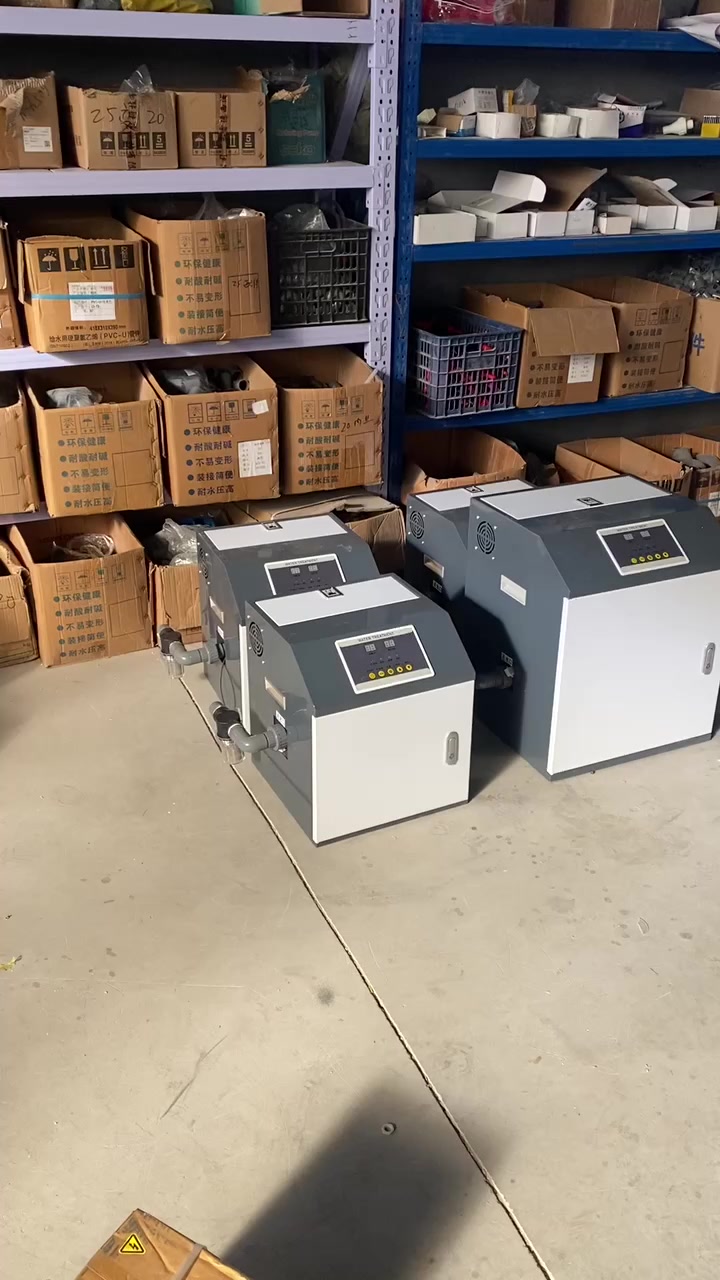
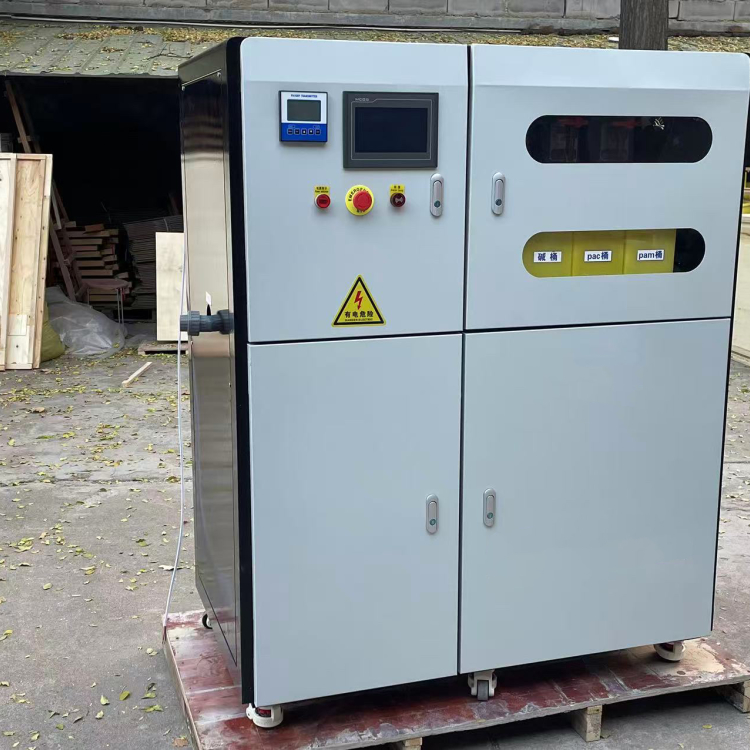








An acid-base neutralization pond is a facility used to neutralize acidic or alkaline wastewater, commonly employed in industrial wastewater treatment, sewage treatment, and chemical experiments. The primary function of such ponds or reactors is to neutralize wastewater with pH levels that are too low (acidic) or too high (alkaline) by adding acid or alkali, thereby achieving safe discharge standards.
### Principle of Acid-Base Neutralization Tank Operation:
Monitor pH Levels: Neutralization pools are typically equipped with pH monitoring devices to continuously monitor the pH levels of the water entering and within the pool.
2. **Add Neutralizer**: Automatically or manually add an appropriate amount of acid (e.g.,) or alkali (e.g., calcium oxide) to the pool based on the monitored pH value for neutralization.
3. **Mixing and Reaction**: Wastewater is thoroughly mixed with neutralizing agents in the pond, where a chemical reaction occurs to neutralize the acidity or alkalinity.
4. **Effluent Testing**: The pH level of the neutralized wastewater is rechecked prior to discharge to ensure compliance with environmental standards.
5. **Discharge or Further Treatment**: Neutralized water can be safely discharged, but may require further treatment, such as sedimentation, filtration, disinfection, etc., to remove other pollutants.
### Application Areas:
- Industrial Wastewater Treatment: Including sectors such as chemicals and food processing.
- **Municipal Sewage Treatment**: Secondary treatment conducted at the sewage treatment plant.
- Laboratory Waste Management: Handling acidic and alkaline waste liquids generated during laboratory processes in universities and research institutions.
### Important Notes:
- **Safety**: Pay attention to the safety of chemicals during operation and wear appropriate protective gear.
Waste Management: Ensure the use of neutralizing agents and proper disposal of waste.
- **Maintain Equipment**: Regularly service and calibrate monitoring instruments to ensure their accuracy and reliability.
Effective acid-base neutralization can reduce environmental pollution, protect water resources, and enhance water reuse rates.
The wastewater treatment equipment at the inspection center typically includes the following types to ensure effective treatment and purification of wastewater, meeting discharge standards:
Pre-treatment Equipment
- **Grating**: Used to remove large particles from wastewater, such as branches, plastic bags, etc.
Sedimentation Tank: Removes sand particles and heavy materials from wastewater.
2. **Biological Treatment Equipment**
- **Activated Sludge Process**: Utilizes microorganisms to decompose organic matter in wastewater.
- **Biofilter**: Removes pollutants from wastewater through the action of a biofilm.
Chemical Treatment Equipment
- **Coagulation and Sedimentation Equipment**: Adds chemical reagents to wastewater to facilitate the aggregation and sedimentation of pollutants.
Disinfection Equipment: Such as ozone generators, UV sterilizers, etc.
4. **Sludge Treatment Equipment**
- **Sludge Thickener**: Removes excess water, increasing sludge concentration.
- **Sludge Dewatering Machine**: Further removes moisture from sludge, reducing its volume.
5. **Monitoring and Control Systems**
- **Online Monitoring Instruments**: Real-time monitoring of various indicators in the wastewater treatment process, such as pH value, turbidity, COD, etc.
- **Automated Control Systems**: Achieve automated operation and intelligent management of equipment.
6. **Wastewater Reuse System**
Treated water can be used for non-drinking purposes such as irrigation and flushing toilets.
When selecting and configuring wastewater treatment equipment, it's crucial to consider the specific requirements of the testing center, the quality of the wastewater, and the scale of treatment. Additionally, proper maintenance and management of the equipment are essential to ensure its long-term stable operation.
WeChat Official Account

Scan to follow Official Account