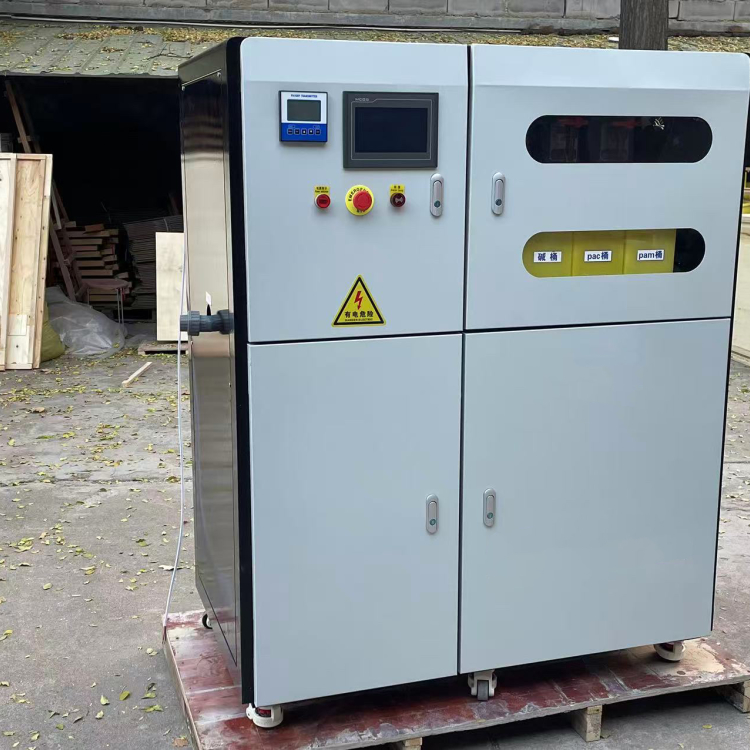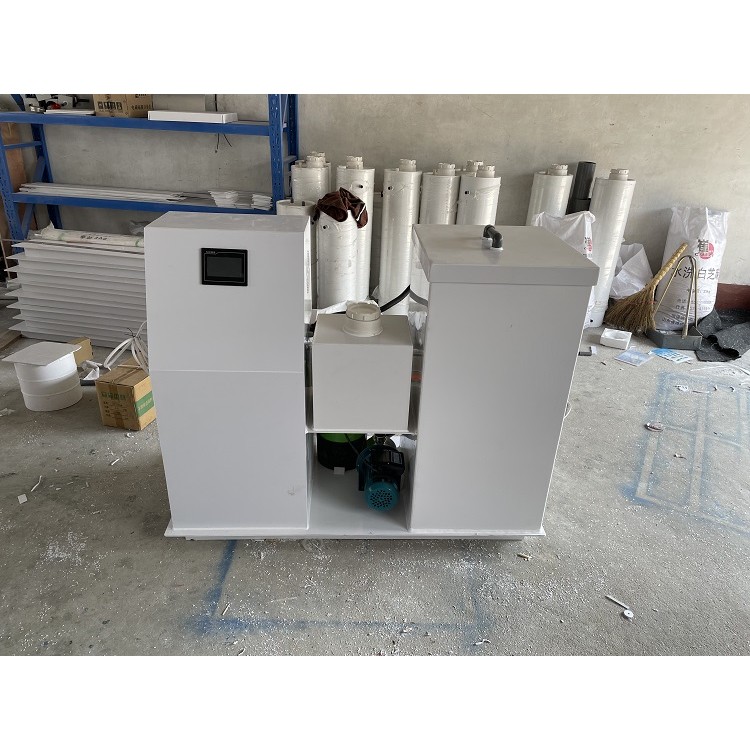
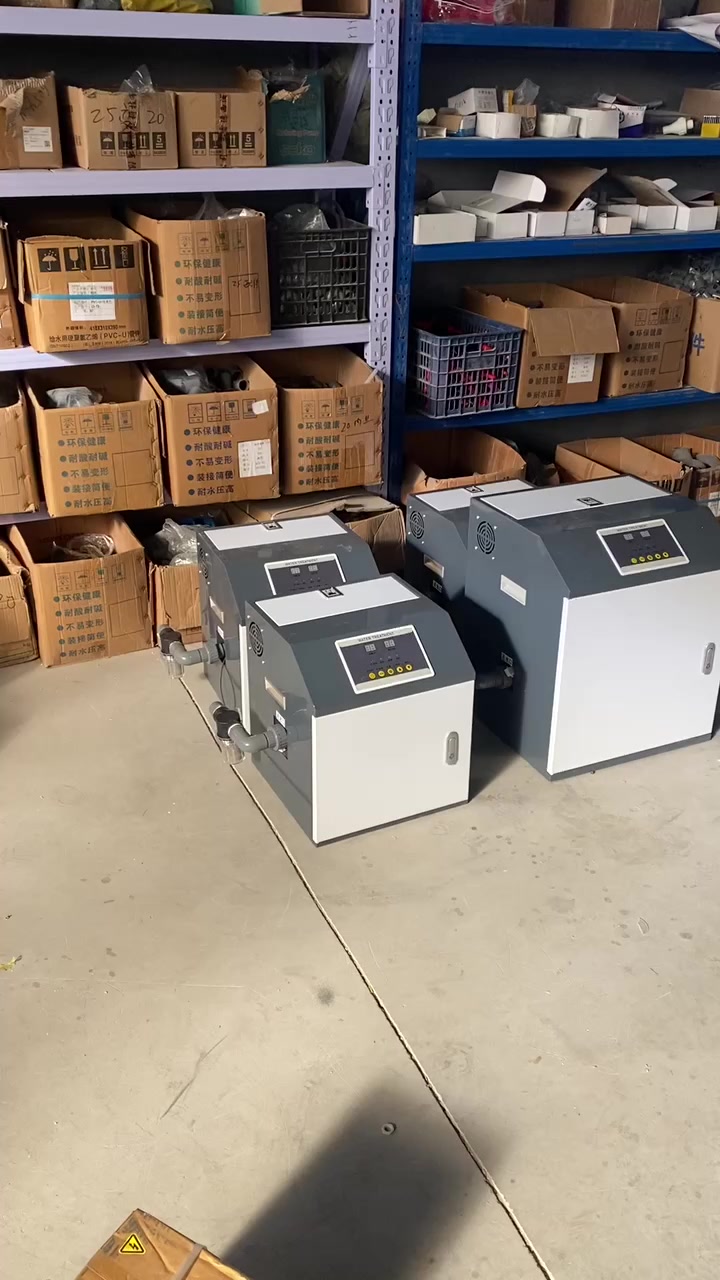








Hotel wastewater treatment equipment is a device designed to process wastewater generated by the hotel industry. As hotels produce wastewater during operation, including bathwater, kitchen waste, and laundry water, these wastewaters may contain large amounts of organic matter, oils, and other pollutants. Therefore, they require treatment through wastewater treatment equipment to meet discharge standards.
Common hotel wastewater treatment equipment includes:
1. **Wastewater Treatment Plant**: Large hotels often establish wastewater treatment plants, utilizing biological, chemical, or physical treatment methods to process wastewater.
2. **MBR Membrane Bioreactor**: Combines biological treatment with membrane separation technology, effectively removing pollutants from wastewater and producing a large amount of treated water.
3. ** activated sludge process**: A common wastewater treatment method that involves cultivating activated sludge to degrade organic matter in sewage.
4. **Froth Flotation Equipment**: Removes suspended solids and oils from wastewater using froth flotation technology.
5. **Disinfection Equipment**: Treated wastewater requires disinfection, with common methods including chlorination, ozonation, and ultraviolet disinfection.
6. **Sludge Treatment Equipment**: Concentrates, dewateres, and dries sludge produced during the treatment process.
When selecting the appropriate wastewater treatment equipment, factors such as the hotel's size, wastewater generation, treatment standards, and operational costs should be considered. Additionally, regular maintenance and inspections of the equipment to ensure its proper functioning are also crucial.
Wastewater treatment equipment in paper mills is primarily used to process the wastewater generated during the paper production process, in order to reduce environmental pollution. The composition of paper mill wastewater is complex, typically containing cellulose, lignin, chemicals, bleaching agents, and other impurities, thus necessitating the use of various wastewater treatment methods and equipment. Common wastewater treatment equipment includes:
1. **Primary Sedimentation Tank**: Used to remove large suspended solids and fibers from wastewater, thereby easing the burden on subsequent treatment equipment.
2. **Grate**: Designed for removing large solid particles from wastewater, to prevent damage to downstream equipment.
3. **F浮选机**: Uses bubbles to float suspended solids and oils in wastewater to the surface for easy removal.
4. **Bioreactor**: Utilizes activated sludge and other microorganisms to biodegrade wastewater, removing organic matter.
5. **Settling Pond**: Sedimentation of wastewater treated biologically to remove residual suspended solids and sediments.
6. **Filter**: Further removes suspended particles through physical filtration to enhance water quality.
7. **Sludge Treatment Equipment**: Includes sludge dewatering machines, sludge drying equipment, etc., for treating and reducing the volume of sludge generated.
8. **Wastewater Disinfection Equipment**: Common methods include chlorine disinfection, ozone disinfection, and ultraviolet disinfection.
9. **Heat Treatment Equipment**: In some cases, heat treatment methods may be required to degrade difficult-to-treat organic matter.
Using appropriate wastewater treatment equipment can effectively reduce the environmental impact of paper mill effluents and also achieve the recycling of water resources. With the increasing environmental protection requirements, many paper mills are exploring new wastewater treatment technologies and equipment to improve processing efficiency and reduce costs. Sanitary wastewater treatment equipment is primarily used to process sewage generated from residential or public toilets, to reduce environmental pollution. Common types of sanitary wastewater treatment equipment include:
1. **Sewage Lift Pumps**: Designed to elevate wastewater from low-lying areas to higher discharge points, ensuring smooth wastewater expulsion.
2. **Settling Tank**: Removes solid particles from wastewater through sedimentation, reducing the burden on subsequent treatment.
3. **Bioreactor**: Utilizes microorganisms to degrade organic matter in wastewater, typically including aerobic and anaerobic biological treatments.
4. **Filters**: Used to remove suspended solids and other impurities from wastewater, commonly including sand filters and activated carbon filters.
5. Chemical Reactor: Facilitates the sedimentation and decomposition of harmful substances in wastewater by adding chemical agents.
6. **Disinfection Equipment**: Such as UV sterilizers or ozone sterilizers, ensuring safe water quality for output.
7. **Integrated Wastewater Treatment Equipment**: A multi-functional wastewater treatment system suitable for small residential or villa wastewater treatment.
When selecting a wastewater treatment equipment for a restroom, it's essential to consider factors such as actual requirements, wastewater quality, and treatment scale. Additionally, regular maintenance and inspection are crucial for ensuring the proper operation of the wastewater treatment system.
A sedimentation tank is a facility used for water treatment, primarily designed to separate solid particles and sediments from water, allowing them to settle to the bottom of the tank under the force of gravity. Sedimentation tanks are widely used in urban wastewater treatment, industrial wastewater treatment, and water source purification fields. Their main functions include:
**Removal of Suspended Solids**: Sedimentation ponds effectively remove suspended solid particles from water, such as silt and sediment.
2. **Reduce Turbidity**: Sedimentation can significantly decrease water turbidity, improving water quality.
3. **Enhance Post-Treatment Efficiency**: Removing solid particles from the sedimentation pond alleviates the burden on subsequent water treatment processes (such as biological treatment, filtration, etc.), thereby improving overall efficiency.
4. **Sludge Collection and Treatment**: A sludge sediment layer forms at the bottom of the sedimentation pond, which can be regularly cleaned and then processed or disposed of accordingly.
The design and operational parameters of the sedimentation tank, such as hydraulic retention time, sedimentation area, and tank depth, are adjusted according to specific water treatment requirements and water quality conditions.
WeChat Official Account

Scan to follow Official Account