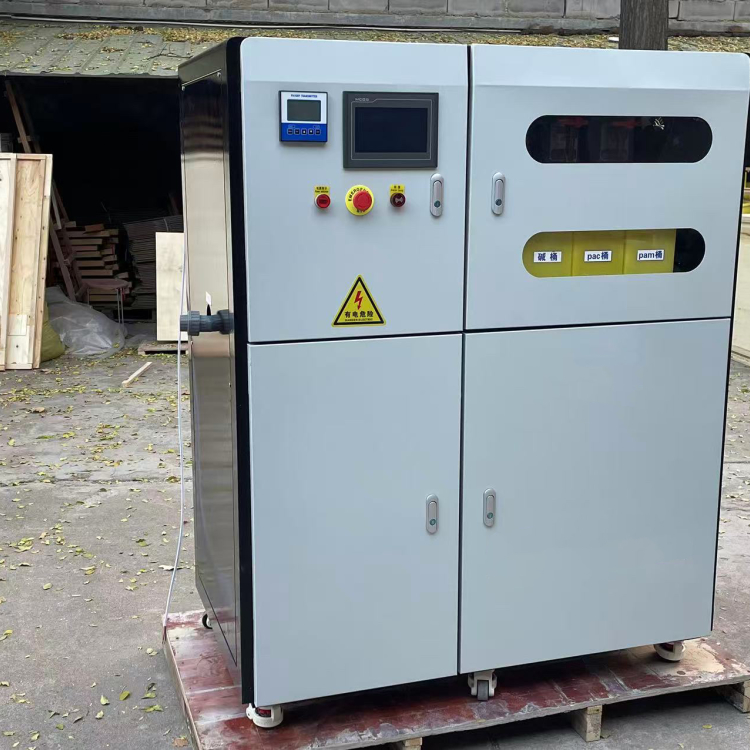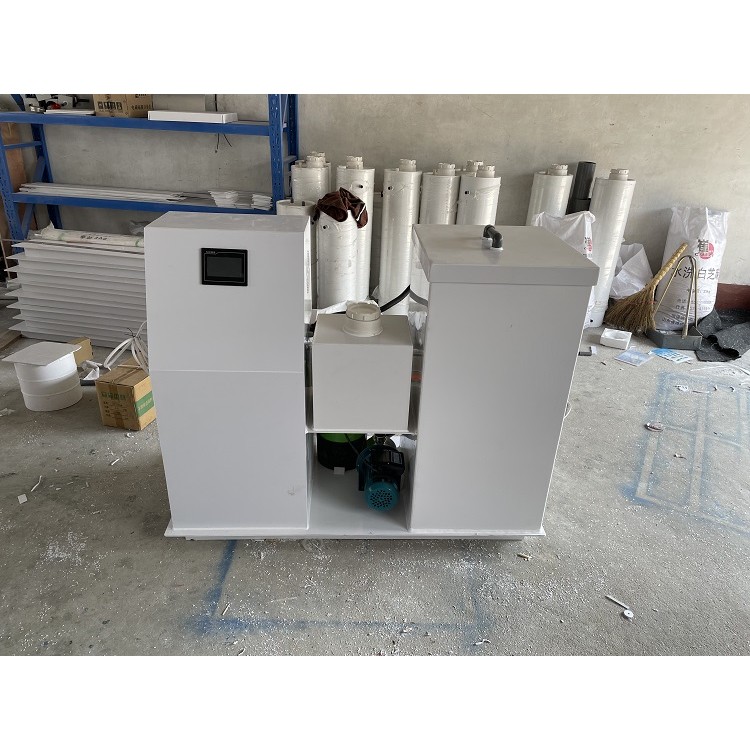
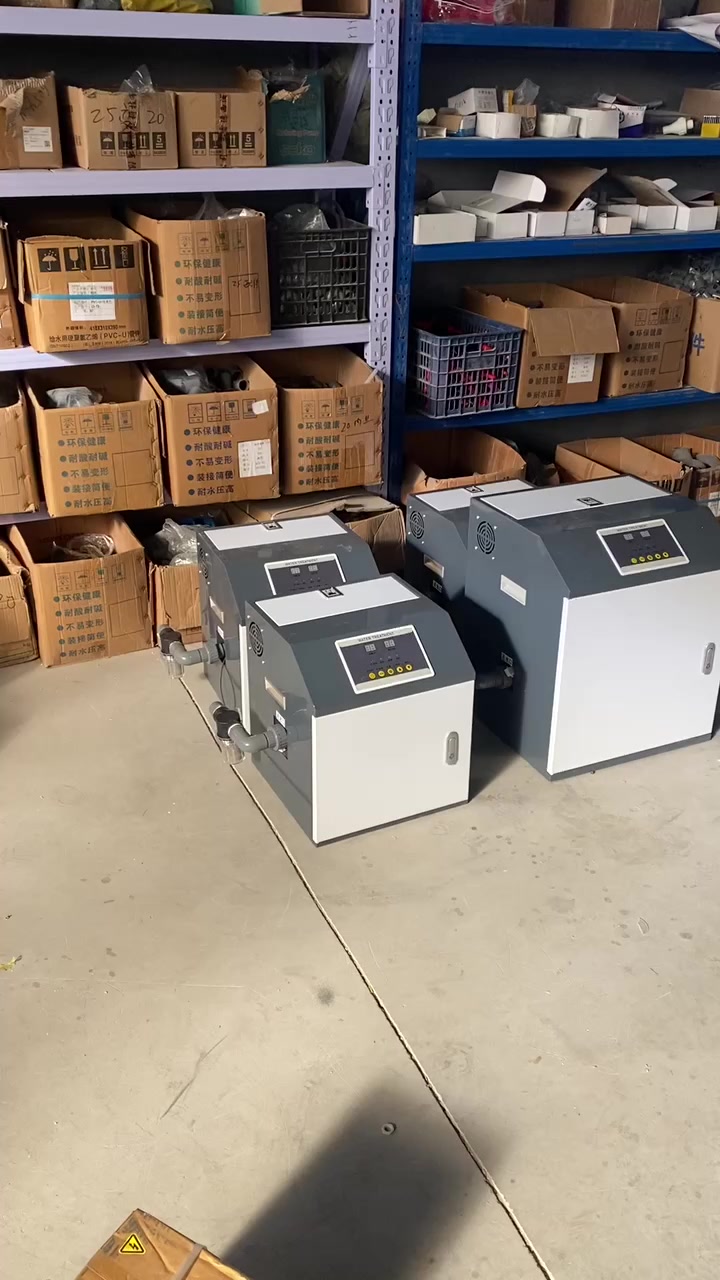
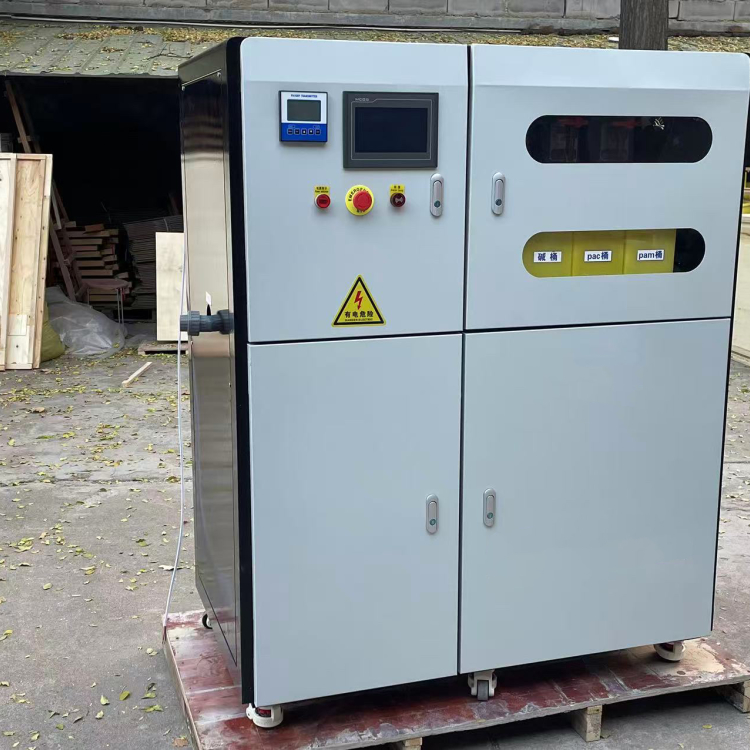








A prefabricated integrated pump station is a modern wastewater treatment and drainage facility, commonly used in municipal engineering and industrial wastewater management. Compared to traditional pump stations, the integrated prefabricated pump station has several distinct features:
1. **Integrated Design**: The integrated pre-fabricated pumping station integrates the pump, pipes, valves, and control systems, all designed as a single unit. Factory manufacturing and on-site assembly reduce construction time and complexity.
2. **Small Land Area Requirement**: Due to its modular design, the integrated pre-fabricated pumping station can install the pump and related equipment in a smaller space, making it suitable for use in urban areas with high density.
3. **Easy Maintenance**: The integrated pump station's structural design facilitates inspection and maintenance, allowing users to operate it conveniently based on specific usage conditions.
4. **High Efficiency**: With advanced pump and control technologies, the integrated precast pump station effectively enhances the efficiency of drainage and wastewater treatment.
5. **Energy-Saving and Eco-Friendly**: Modern integrated pump stations prioritize energy efficiency and environmental protection in design and material selection, effectively reducing energy consumption and minimizing impact on the surrounding environment.
6. **High Automation Level**: Many integrated precast pumping stations are equipped with intelligent control systems, enabling remote monitoring and management, thus enhancing operational safety and reliability.
Integrated precast pump stations are widely used in urban drainage, sewage treatment, and rainwater collection. With the acceleration of urbanization, their importance and application scope will further expand.
Wastewater treatment equipment at the inspection center typically includes the following types to ensure effective treatment and purification of wastewater, meeting discharge standards:
Pre-treatment Equipment
- **Grating**: Used to remove large particles from wastewater, such as branches, plastic bags, etc.
- **Sedimentation Tank**: Removes sand particles and heavy objects from wastewater.
2. **Biological Treatment Equipment**
- **Activated Sludge Process**: Utilizes microorganisms to decompose organic matter in wastewater.
- **Biofilter**: Removes pollutants from wastewater through the action of a biofilm.
3. Chemical Processing Equipment
- **Sedimentation Equipment**: Adds chemicals to wastewater to facilitate the aggregation and settling of pollutants.
- **Disinfection Equipment**: Ozone generators, UV sterilizers, etc.
4. **Sludge Treatment Equipment**
Sludge Thickener: Removes excess water to increase sludge concentration.
- **Sludge Dewatering Machine**: Further removes moisture from sludge, reducing its volume.
5. **Monitoring and Control Systems**
- **Online Monitoring Instruments**: Real-time monitoring of various indicators in the wastewater treatment process, such as pH level, turbidity, and COD.
- **Automated Control Systems**: Achieve automated operation and intelligent management of equipment.
6. **Wastewater Reclamation System**
Treated water can be used for non-drinking purposes such as irrigation and flushing toilets.
When selecting and configuring wastewater treatment equipment, it's essential to consider the specific requirements of the testing center, the quality of the wastewater, and the treatment scale. Additionally, equipment maintenance and management are crucial to ensure its long-term stable operation.
Rural domestic wastewater treatment equipment is a facility designed to address the issue of domestic wastewater treatment in rural areas. Due to the lower population density in rural regions, traditional large-scale wastewater treatment plants are often not suitable, necessitating the development of small-scale treatment equipment tailored to the characteristics of rural areas. Below are some common types of rural domestic wastewater treatment equipment:
Anaerobic Pond: Utilizes anaerobic bacteria to decompose organic wastewater in an oxygen-free environment, suitable for preliminary wastewater treatment.
2. **Wastewater Treatment Integrated Equipment**: Combines various treatment processes (such as sedimentation, aeration, biological filters, etc.) to effectively remove suspended solids and organic matter from water.
3. **constructed wetland**: A natural method of filtering and treating wastewater through the roots of plants and the action of soil microorganisms, representing an eco-friendly treatment approach.
4. **Biofilm Reactor**: Utilizes microorganisms forming a biofilm on a carrier to treat wastewater, offering advantages such as small land occupation and high treatment efficiency.
5. Microfiltration and Ultrafiltration Equipment: Removes bacteria, sediments, etc., to improve water quality, suitable for secondary treatment.
6. **Solar-Powered Wastewater Treatment Equipment**: Harnesses solar energy for operation, ideal for rural areas with abundant sunlight, effectively reducing operational costs.
When selecting rural wastewater treatment equipment, factors such as the source of wastewater, treatment scale, standards, and investment and operating costs should be considered. Additionally, the maintenance and management of the equipment are crucial for ensuring effective treatment.
2. **Real-time Monitoring**: Equipped with water quality sensors, it can monitor indicators in real-time, such as pH level, turbidity, and residual chlorine, and automatically adjust based on the monitoring data.
3. **Remote Control**: Many fully automatic dosing and disinfection units can be remotely monitored and managed via the internet or software, allowing operators to adjust parameters at any time for convenience.
4. **High Safety**: The equipment is typically equipped with multiple safety protection measures, such as chemical leakage alarms and overpressure protection, to ensure safety during operation.
5. **Energy-Saving & Environmentally Friendly**: By optimizing the dosing program, we reduce the amount of chemicals used, lower operational costs, and have a minimal environmental impact.
6. **Easy Maintenance**: The equipment is designed with ease of maintenance in mind, facilitating cleaning and part replacement.
This device is widely used in waterworks, sewage treatment plants, industrial water treatment, and swimming pools, enhancing the efficiency and effectiveness of water treatment, and achieving intelligent management.
Washing wastewater treatment equipment is used to treat and purify wastewater generated during the washing process. Such equipment is commonly applied in laundries, car washes, industrial washing facilities, and similar settings. The purpose of wastewater treatment is to meet environmental protection requirements, reduce environmental pollution, and recover potential resources. Below are some key components and treatment processes of washing wastewater treatment equipment:
1. **Coarse Filtration**: Removes large particles from wastewater, such as clothing fibers and silt.
2. **Settling Tank**: Removes suspended solids from wastewater through gravity sedimentation, reducing water turbidity.
3. **Biological Treatment**: Utilizes microorganisms to decompose organic matter in wastewater. Common biological treatment methods include activated sludge process and biofilm process.
4. **Chemical Treatment**: By adding chemical agents, pollutants in wastewater are neutralized, such as removing heavy metals, phosphorus, and nitrogen.
5. **Filtering and Disinfection**: Remove residual minute particles from processed water through methods like sand filtration and activated carbon filtering, followed by disinfection using ultraviolet light and ozone.
6. **Reclaimed Water System**: Recycles treated water for uses such as washing and irrigation, enhancing water resource utilization.
When selecting wastewater treatment equipment, factors such as the characteristics of the wastewater, treatment scale, efficiency, and maintenance costs should be considered. Proper equipment configuration can effectively reduce the cost of wastewater treatment and meet environmental protection regulations.
WeChat Official Account

Scan to follow Official Account