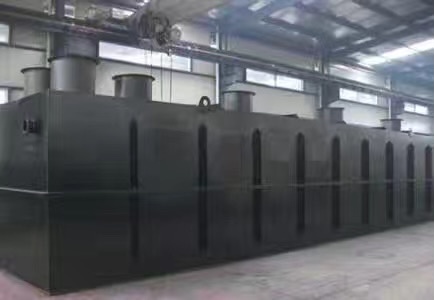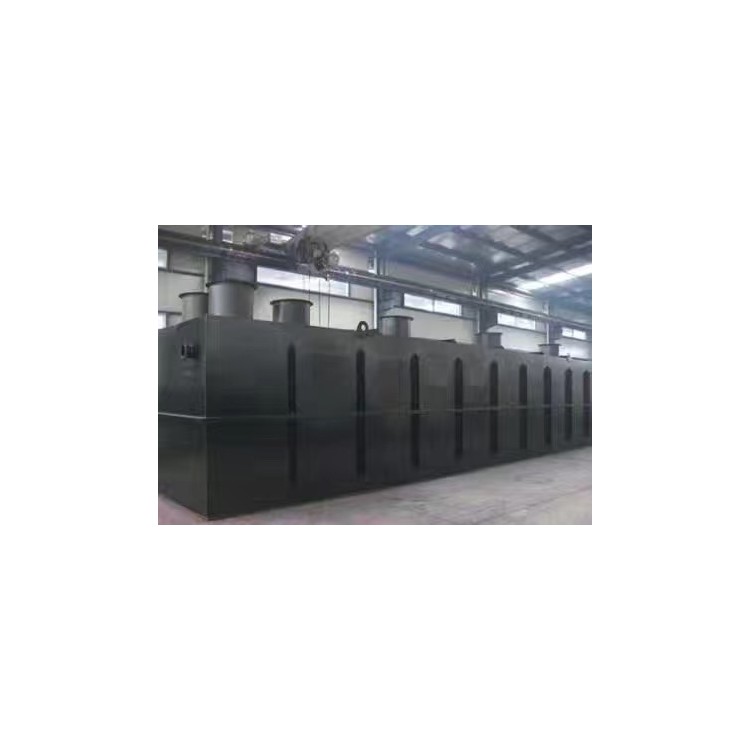


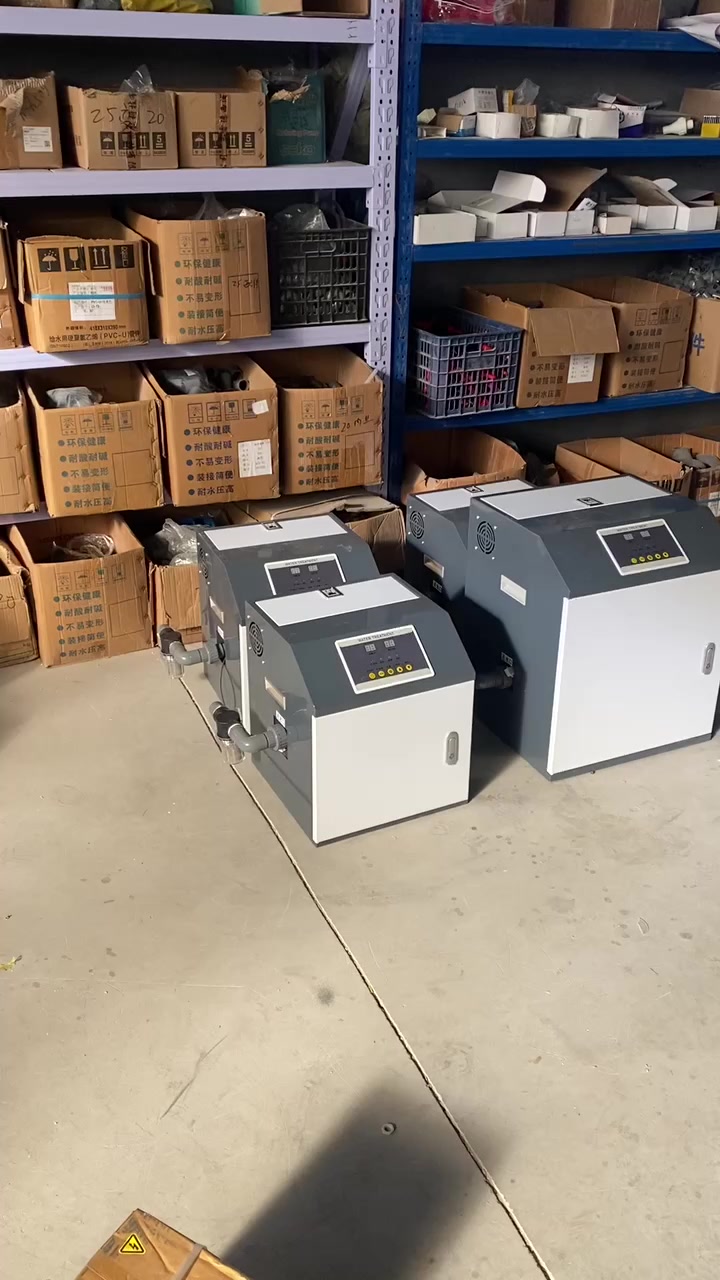
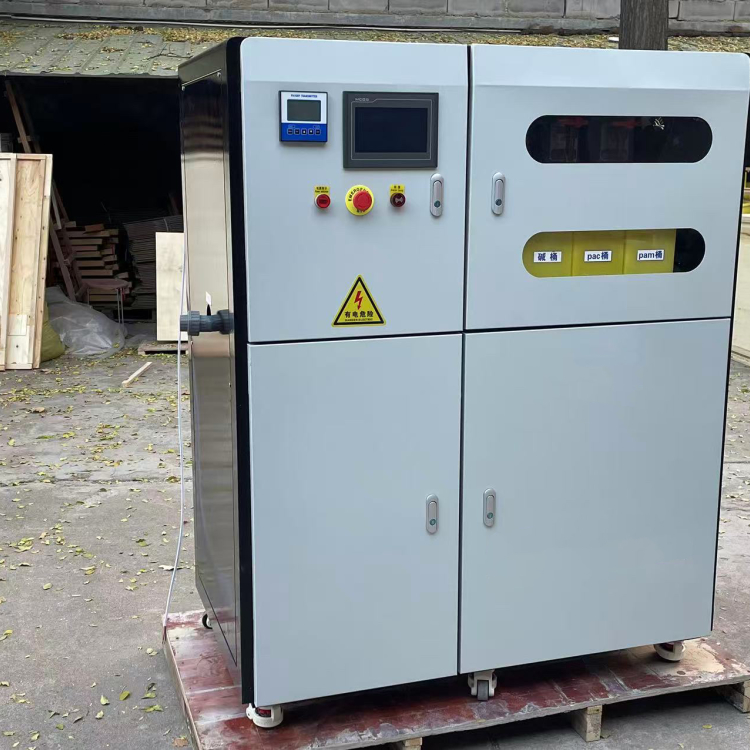








Canteen wastewater treatment equipment is primarily used to treat wastewater generated by canteens, ensuring that the discharged water quality meets relevant standards and protects the environment and public health. Generally, the basic functions of these devices include:
Physical Treatment: Removes suspended solids and particulate matter from wastewater through processes such as sedimentation and filtration.
2. **Chemical Treatment**: Utilizing chemicals for flocculation, disinfection, and other processes to remove harmful substances from wastewater.
3. **Biological Treatment**: Utilizes microorganisms to decompose organic matter in wastewater, commonly employing techniques such as activated sludge process and biological filters.
4. **Ozone Treatment**: Utilize ozone to oxidize wastewater for the removal of odors and harmful substances.
5. **Wastewater Reuse**: Treated water can be reused for purposes such as flushing toilets and watering gardens.
Common canteen wastewater treatment equipment includes:
Grille Debris Cleaning Equipment
Sedimentation pond
Bioreactors (such as aeration equipment, aerobic ponds)
- Dewatering Equipment (such as belt filter presses)
When selecting and installing catering wastewater treatment equipment, it's essential to configure it reasonably based on the scale of the cafeteria, wastewater volume, and treatment standards, while adhering to local environmental protection regulations.
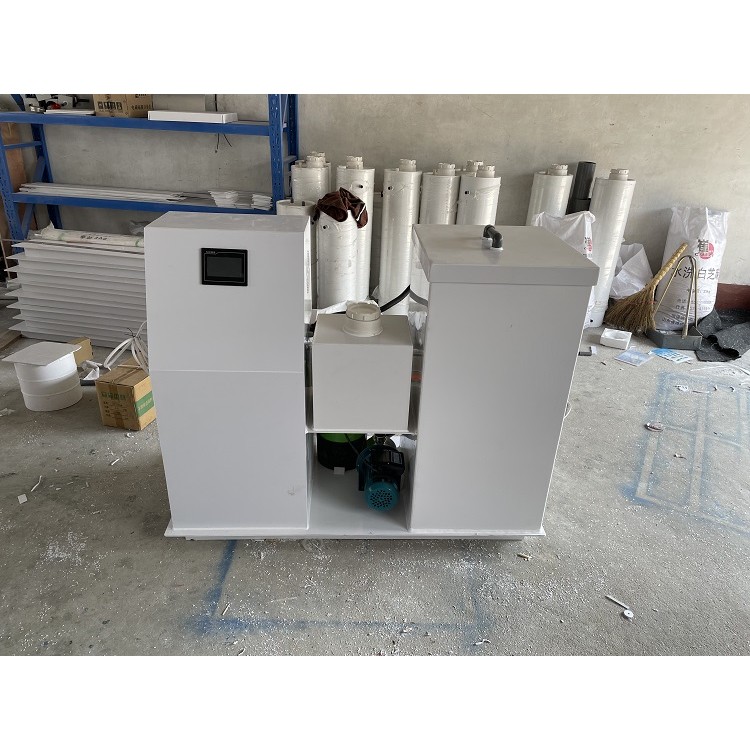
Surgical operating room wastewater treatment equipment is primarily used to treat waste water generated in operating rooms, ensuring it meets environmental protection standards before discharge. The following are some common types of operating room wastewater treatment equipment and their functions:
Wastewater Pretreatment Equipment
- **Grating**: Used for removing large debris and solid waste, to prevent clogging in subsequent equipment.
Sedimentation Pond: Removes sediment from wastewater through natural sedimentation.
2. **Oxidation Equipment**
- Treat wastewater with ozone, chlorine, peroxide, and other oxidants for disinfection and organic matter removal.
3. **Biological Treatment Equipment**
- **Bioreactor**: Utilizes microorganisms to degrade organic pollutants in wastewater, which can be either aerobic or anaerobic biological treatment.
4. **Membrane Separation Technology**
Ultrafiltration Membranes and Nanofiltration Membranes
5. **Wastewater Disinfection Equipment**
- Further treated with ultraviolet disinfection or chemical disinfectants to ensure safe water discharge quality.
6. Wastewater Reuse System
Treated wastewater is used for non-drinking purposes, such as toilet flushing and gardening.
When using these equipment, comply with relevant waste disposal regulations to ensure a safe and effective process. When purchasing, also consider factors such as the equipment's disposal capacity, maintenance costs, and environmental adaptability. Slaughterhouse wastewater treatment equipment typically includes the following categories:
1. **Pre-treatment Equipment**: Comprising grates, sedimentation basins, etc., designed to remove large particles and sandstones, safeguarding the subsequent processing equipment.
2. **Biological Treatment Systems**: Commonly employing activated sludge process and biofilm process, utilizing microorganisms to degrade organic matter in wastewater.
3. **Anaerobic Wastewater Treatment Equipment**: For high-concentration organic wastewater, anaerobic reactors can be used for anaerobic digestion to reduce organic load.
4. **Wastewater Flocculation and Sedimentation Equipment**: Adds flocculants to promote the settling of suspended solids in wastewater, thereby purifying the water quality.
5. **Disinfection Equipment**: Utilizes ozone or ultraviolet light for sterilization to ensure the water quality meets relevant standards.
6. **Sludge Treatment System**: Treats generated sludge through dewatering and drying processes to reduce sludge volume, facilitating handling and disposal.
When selecting wastewater treatment equipment, factors such as the characteristics of the meat processing plant's wastewater, treatment capacity, operational costs, and environmental requirements should be considered. Ensuring compliance with environmental regulations and achieving discharge standards is the primary goal of wastewater treatment for meat processing plants.
Below are some of the main features and characteristics:
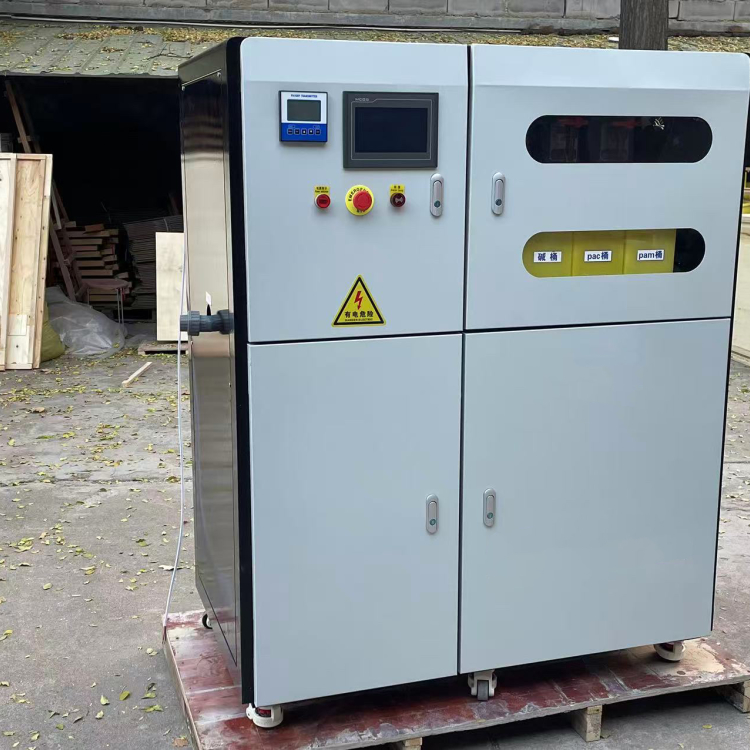
**Real-time Monitoring**: Equipped with water quality sensors, it monitors indicators in real-time, such as pH level, turbidity, and residual chlorine, and can automatically adjust based on monitoring data.
**Remote Control**: Many fully automatic dosing and disinfection units can be remotely monitored and managed via the internet or software, allowing operators to adjust parameters at any time for convenience.
**High Safety**: The equipment is typically equipped with multiple safety protection measures, such as chemical leakage alarms and overpressure protection, to ensure safety during operation.
**Energy-saving and Environmental Protection**: Achieved through optimized dosing plans, it reduces operational costs while minimizing environmental impact.
**Easy to Maintain**: Equipment design typically considers ease of maintenance, making cleaning and part replacement straightforward.
This device is widely used in waterworks, sewage treatment plants, industrial water treatment, and swimming pools, enhancing the efficiency and effectiveness of water treatment while achieving intelligent management.
Wastewater treatment equipment in paper mills is primarily used to process the effluent generated during the paper production process, in order to minimize environmental pollution. The composition of paper mill wastewater is complex, usually containing cellulose, lignin, chemicals, bleaching agents, and other impurities, necessitating the use of various wastewater treatment methods and equipment. Common wastewater treatment equipment includes:
1. **Primary Sedimentation Tank**: Designed to remove large suspended particles and fibers from wastewater, thereby alleviating the burden on subsequent treatment equipment.
2. **Grating**: Designed for large solid particles in wastewater to prevent damage to subsequent equipment.
3. **Air flotation machine**: Utilizes bubbles to float suspended solids and oils in wastewater to the surface for easy removal.
4. **Bioreactor**: Utilizes activated sludge and other microorganisms to biodegrade wastewater, removing organic matter.
5. **Settling Pond**: Allows for the sedimentation of treated wastewater, removing residual suspended solids and sludge.
6. **Filter**: Further removes suspended particles through physical filtration to enhance water quality.
7. **Sludge Treatment Equipment**: Includes sludge dewatering machines, sludge drying equipment, etc., for processing and reducing the volume of sludge generated.
8. **Wastewater Disinfection Equipment**: Common methods include chlorine disinfection, ozone disinfection, and ultraviolet disinfection.
9. **Heat Treatment Equipment**: In certain cases, heat treatment methods may be required to degrade difficult-to-handle organic matter.
Using appropriate wastewater treatment equipment can effectively reduce the environmental impact of paper mill effluent, while also achieving the recycling of water resources. With the increasing environmental protection requirements, many paper mills are also exploring new wastewater treatment technologies and equipment to improve treatment efficiency and reduce costs.
Wastewater treatment equipment refers to the machinery and facilities used for treating and purifying waste water. Its primary purpose is to remove pollutants from the water, enabling it to meet discharge or reuse standards. Common wastewater treatment equipment includes:
**Sieve**: Used for removing large particles from wastewater, such as plastic, branches, etc.
2. **Settling Tank**: Utilizes gravity to settle suspended solids in wastewater to the bottom of the tank, thereby achieving solid-liquid separation.
3. **Bioreactors**: Utilize the metabolic action of microorganisms to remove organic matter from wastewater, commonly employing methods such as activated sludge and biofilm processes.
4. **Filter**: Further removes suspended particles and dissolved substances from water through physical or chemical means.
5. **Disinfection Equipment**: Common methods include chlorination, ozonation, and ultraviolet disinfection.
6. **Sludge Treatment Equipment**: Designed for concentrating, dewatering, and stabilizing settled sludge.
7. **Froth Flotation Equipment**: Removes oils and suspended solids from water by introducing bubbles to utilize the flotation principle.
Modern wastewater treatment equipment is continually evolving, increasingly incorporating smart and automated technologies to enhance processing efficiency and reduce operational costs. Selecting the appropriate wastewater treatment equipment requires a comprehensive consideration of factors such as the nature of the wastewater, processing scale, and discharge standards.
WeChat Official Account

Scan to follow Official Account