







"PAC" can refer to various concepts or organizations, depending on the context. Here are some common meanings:
1. **Political Action Committee (PAC)**: In the U.S., a PAC is an organization that raises funds for specific interests or candidates, typically associated with political activities.
2. **Consumer Electronics Association (Professional Association for Computers)**: This organization focuses on the standards and promotion of electronic products.
3. **Public Utilities Commission**: An agency responsible for overseeing public service companies, such as those in the water, electricity, and gas industries.
4. **Other or Academic Institutions**: In various fields or industries, PAC may represent specific associations or societies.
Please inform us of the specific content or information you wish to learn about!
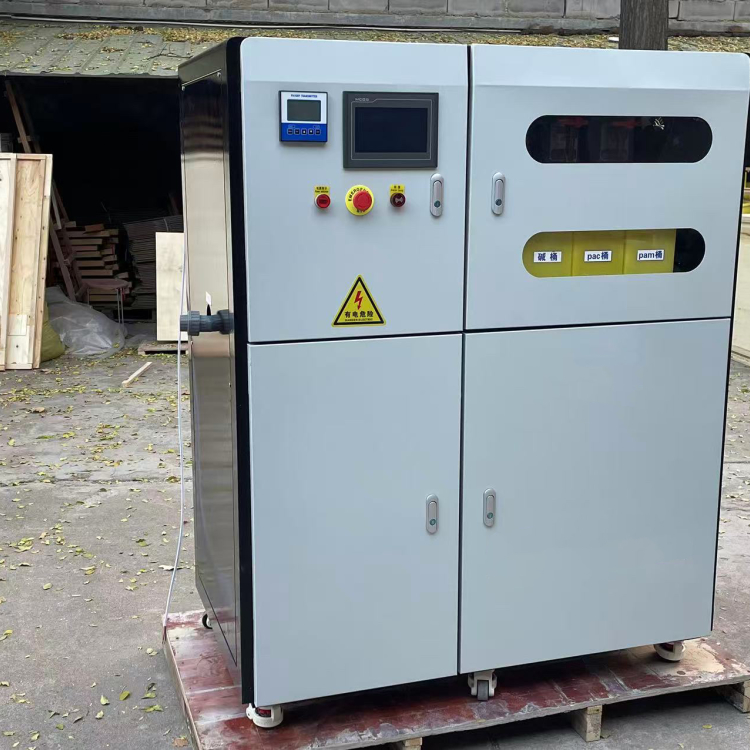
Emergency center wastewater treatment equipment is typically designed to ensure effective treatment of waste and wastewater, preventing pollution and the spread of infections. Below are some common types of emergency center wastewater treatment equipment and their functions:
Wastewater Treatment System
- **Primary Sedimentation Tank**: Used for removing larger particles to reduce the load on subsequent treatment processes.
- **Biological Treatment Equipment**: Utilizes microorganisms to decompose organic matter in wastewater, such as biological filters or activated sludge process.
Disinfection Equipment
- **Ultraviolet Disinfectant**: Utilizes ultraviolet light to eliminate bacteria and viruses from water.
Chlorine Disinfection System: Disinfects wastewater by adding chlorine agents to kill pathogenic microorganisms.
3. **Wastewater Collection and Transportation System**
- **Sewage Pumps**: Designed for collecting and transporting sewage from various areas to the treatment system.
- **Pipe System**: Ensures safe and efficient transport of wastewater from various collection points to treatment equipment.
4. **Solid Waste Treatment System**
Sludge Dewatering Equipment: Used for treating sludge generated during the wastewater treatment process, reducing volume for easier disposal.
Incinerator for Waste: Used for disposing of non-biodegradable waste.
5. **Monitoring and Automation Systems**
Water Quality Monitoring Equipment: Real-time monitoring of wastewater parameters such as pH, turbidity, and dissolved oxygen to ensure treatment effectiveness.
- **Automated Control Systems**: Monitor and adjust equipment operation status via a control panel, enhancing processing efficiency.
When selecting the appropriate wastewater treatment equipment, the emergency center needs to consider the source and characteristics of the wastewater, as well as the scale and standards of treatment. Additionally, maintenance and operation training for the equipment is crucial to ensure its long-term stable operation.
A medical small-release sterilizer is a device for institutions designed to continuously release sterilizing agents to maintain cleanliness and hygiene in the environment. Such equipment typically features the following characteristics:
Continuous Release: Slowly releases disinfectant over an extended period, ensuring continuous disinfection of air and surfaces, reducing the risk of pathogen transmission.
2. **Compact Design**: Small in size, easy to place in different locations such as patient rooms, examination rooms, operating rooms, etc., without taking up too much space.
3. **Safety**: Designed with the specific needs of medical environments in mind, the disinfectants used should be non-toxic and free of residues, ensuring safety for patients and medical staff.
4. **Automation and Intelligence**: Some products may be equipped with sensors to automatically adjust the release rate based on environmental conditions, enhancing the disinfection effect.
5. **Effectiveness**: Capable of effectively killing a variety of bacteria, viruses, and fungi, achieving the purpose of sterilization.
Using such equipment can help institutions improve infection control and reduce the incidence of infections. If interested in specific products, it is recommended to review information from the equipment manufacturers or suppliers.
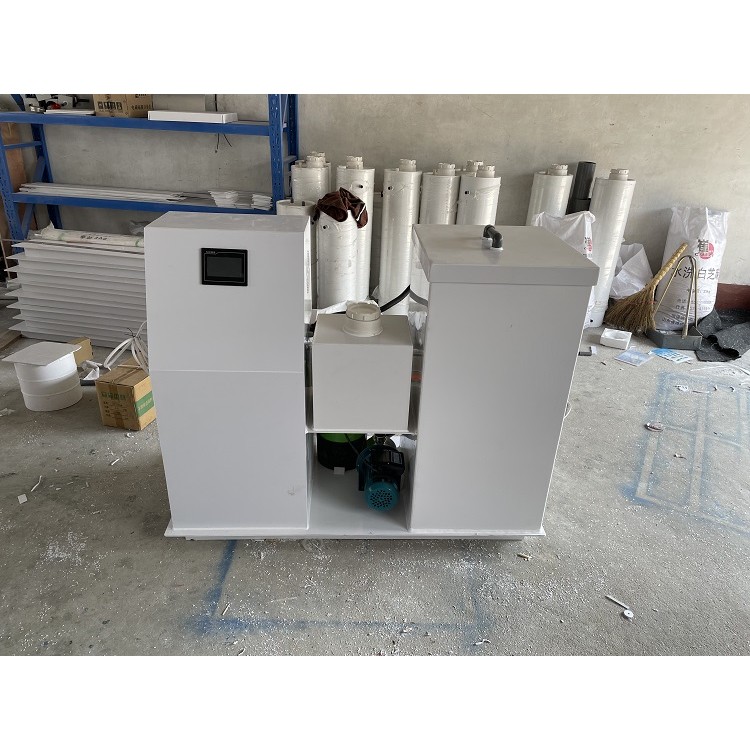
The wastewater treatment equipment at the health check center is primarily used to process the wastewater generated during the center's daily operations, ensuring compliance with local environmental protection standards prior to discharge. Below are some common wastewater treatment equipment and their functions:
1. **Pre-treatment Equipment**: Includes grates, sedimentation basins, etc., used for removing large particles and sediments from wastewater.
2. **Biological Treatment Equipment**: Such as activated sludge process, MBR membrane bioreactor, etc., which decompose organic matter in wastewater through the action of microorganisms.
3. **Chemical Treatment Equipment**: Including coagulation and sedimentation tanks, dosing devices, etc., used for removing suspended solids, pollutants, and heavy metals from water.
4. **Disinfection Equipment**: Including UV disinfection, chlorine disinfection, etc., ensuring the treated wastewater is free of pathogenic bacteria for safe discharge or reuse.
5. **Sludge Treatment Equipment**: Comprising sludge dewatering machines, sludge drying equipment, etc., for processing and reducing sludge generated in wastewater treatment.
6. **Full-Automatic Control System**: Designed for real-time monitoring and control of the wastewater treatment process, enhancing efficiency and stability.
When selecting wastewater treatment equipment, the health center should consider the following factors:
- **Processing Capacity**: Select appropriate equipment based on the actual amount of wastewater generated.
**Treatment Effect**: Ensures water quality meets relevant standards after treatment.
- **Operating Costs**: Consider the maintenance and operational expenses of the equipment.
- Environmental Measures: Ensure equipment to minimize environmental impact.
Consult with water treatment companies for equipment selection to obtain the proposed solutions and services.
Wastewater treatment equipment for breweries is primarily used to process wastewater generated during the production process to meet environmental protection standards and minimize environmental impact. Brewery wastewater typically contains high concentrations of organic matter, suspended solids, nitrogen, and phosphorus, making the treatment process relatively complex. The following are some commonly used wastewater treatment equipment and technologies:
1. **Primary Sedimentation Tank**: Used for settling large suspended particles in wastewater, alleviating the burden on subsequent treatment.
2. **Aeration Tank**: Increases dissolved oxygen in water through aeration, facilitating the decomposition of organic matter in wastewater by microorganisms.
3. **Biological Filter**: Utilizes microorganisms growing on fixed media to decompose organic matter in water. Commonly used for treating high-concentration organic wastewater.
4. **F浮选设备**: Floats suspended matter in water using introduced bubbles, achieving the purpose of separation.
5. **Membrane Filtration (e.g., Ultrafiltration, Nanofiltration)**: Used to remove suspended particles, bacteria, and certain dissolved substances from water, improving water quality.
6. Chemical Precipitation Equipment: Promotes the precipitation of pollutants such as phosphorus in wastewater by adding chemical agents.
7. **Sludge Dewatering Equipment**: Reduces the volume of treated sludge for easier subsequent disposal.
8. **Disinfection Equipment**: Includes ozone, chlorine, or UV disinfection to eliminate pathogens and microorganisms in water, ensuring safe output water quality.
When selecting specific wastewater treatment equipment, it's essential to consider the brewery's production scale, wastewater volume, and quality characteristics to ensure both effective treatment and cost-effectiveness.
Acid-base neutralization tanks are facilities used for treating acidic or alkaline wastewater. They achieve neutralization by mixing acidic wastewater with alkaline substances (such as lime) or by mixing alkaline wastewater with acidic substances (such as sulfuric acid), thereby making the wastewater meet environmental discharge standards.
The design of neutralization ponds typically considers the following aspects:
Reaction Efficiency: It is essential to ensure thorough mixing of the acid and base to guarantee the complete neutralization reaction.
2. **Reaction Time**: The reaction time should be sufficiently long to ensure a complete acid-base reaction.
3. **pH Monitoring**: During the neutralization process, it is essential to continuously monitor the pH level within the pool to ensure effective neutralization and prevent the excessive use of chemicals.
4. **Safety Design**: Due to the involvement of acidic and alkaline chemical reactions, necessary safety measures and protective equipment should be in place to prevent accidental spills or excessive reactions.
5. **Water Discharge Standards**: Water quality after neutralization must meet relevant environmental protection standards before it can be discharged or further processed.
Neutralization ponds are widely used in many industrial facilities, such as chemical plants, pharmaceutical factories, electroplating plants, etc., aiming to reduce environmental pollution and protect water resources.
WeChat Official Account

Scan to follow Official Account