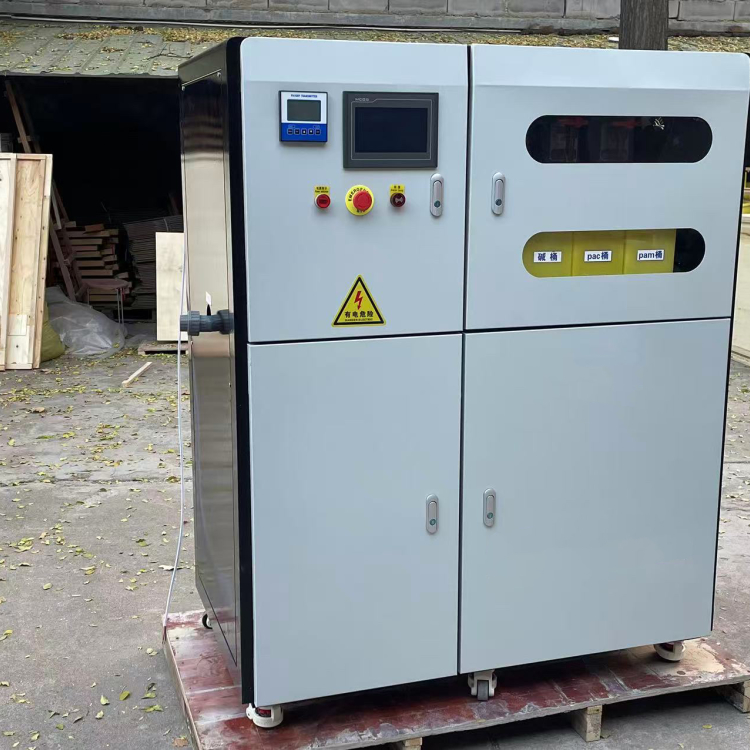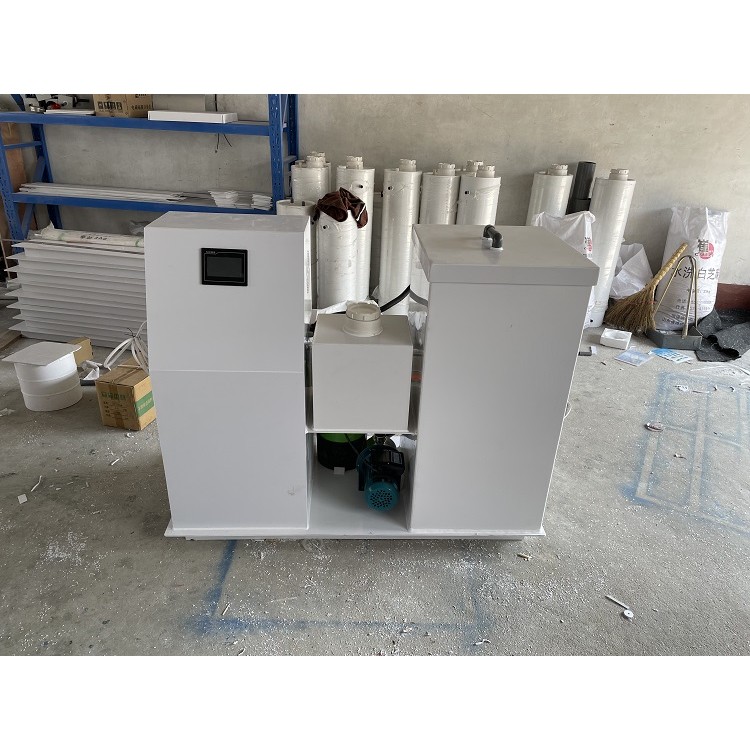
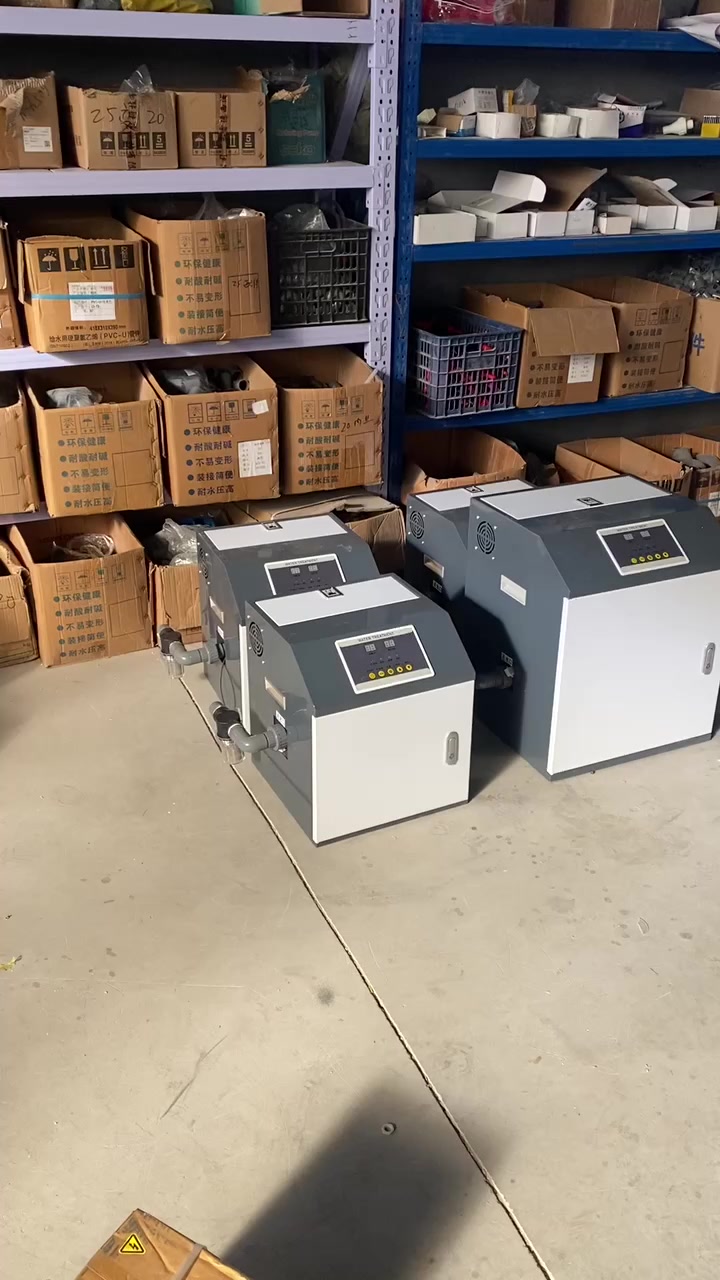
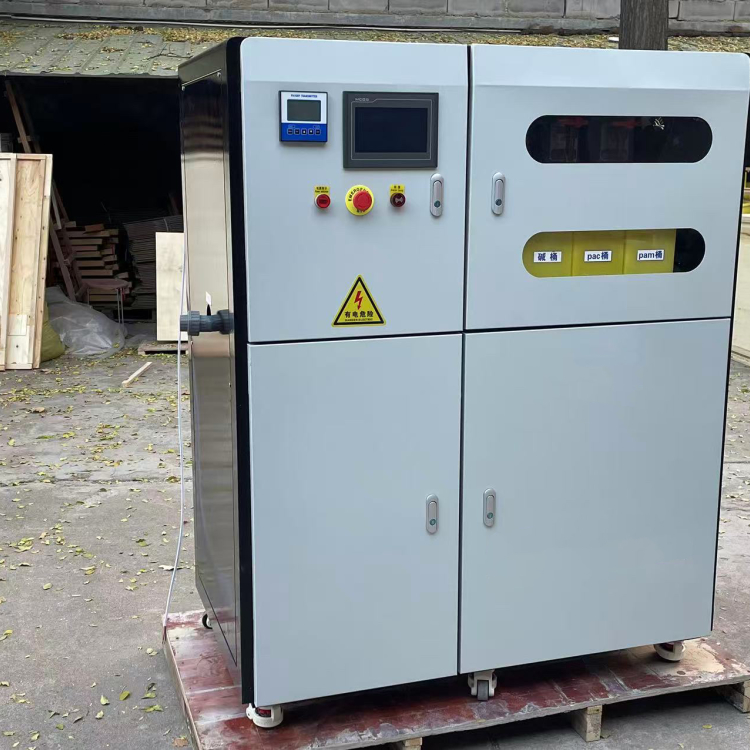








Canteen wastewater treatment equipment is primarily used to process wastewater generated by canteens to ensure the discharged water quality meets relevant standards, protecting the environment and public health. Generally, the basic functions of these devices include:
Physical Treatment: Removes suspended solids and solid particles from wastewater through processes such as sedimentation and filtration.
2. **Chemical Treatment**: Utilizing chemicals for flocculation, disinfection, and other processes to remove harmful substances from wastewater.
3. **Biological Treatment**: Utilizes microorganisms to decompose organic matter in wastewater, commonly employing techniques such as activated sludge process and biological filters.
4. **Ozone Treatment**: Utilizes ozone for wastewater oxidation to eliminate odors and harmful substances.
5. **Wastewater Reuse**: Treated water can be reused for purposes such as toilet flushing and garden irrigation.
Common canteen wastewater treatment equipment includes:
Grille Cleaning Equipment
Sedimentation pond
Bioreactors (such as air flotation equipment, aerobic ponds)
- Dewatering equipment (such as belt filter press)
When selecting and installing a canteen wastewater treatment system, it's crucial to properly configure based on the canteen's size, wastewater volume, and treatment standards, and adhere to local environmental protection regulations.
Slaughterhouse wastewater treatment equipment typically includes the following categories:
1. **Pre-treatment Equipment**: Includes grates, grit chambers, etc., designed to remove large particles and debris such as sand and stones, protecting downstream equipment.
2. **Biological Treatment Systems**: Commonly employ methods such as activated sludge process and biofilm process, utilizing microorganisms to degrade organic matter in wastewater.
3. **Anaerobic Wastewater Treatment Equipment**: For high-concentration organic wastewater, anaerobic reactors can be used for anaerobic digestion to reduce organic load.
4. **Wastewater Flocculation and Sedimentation Equipment**: Adds flocculants to promote the sedimentation of suspended solids in wastewater, thereby purifying water quality.
5. **Disinfection Equipment**: Typically uses ozone or ultraviolet light for disinfection, ensuring the water quality meets relevant standards.
6. **Sludge Treatment System**: Treats the generated sludge through dewatering and drying processes, reducing sludge volume for easier handling and disposal.
When selecting wastewater treatment equipment, factors such as the characteristics of the meat processing plant's wastewater, treatment capacity, operational costs, and environmental protection requirements should be considered. Ensuring compliance with environmental regulations and achieving discharge standards is the primary goal of meat processing plant wastewater treatment.
Wastewater treatment equipment for breweries is primarily used to process waste water generated during the production process to meet environmental protection standards and minimize environmental impact. Brewery wastewater typically contains high concentrations of organic matter, suspended solids, nitrogen, and phosphorus, making the treatment process quite complex. The following are some commonly used wastewater treatment equipment and technologies:
1. **Primary Sedimentation Tank**: Used for settling large suspended particles in wastewater, reducing the burden on subsequent treatment.
2. **Aeration Tank**: Increases dissolved oxygen in the water through aeration, facilitating the decomposition of organic matter in wastewater by microorganisms.
3. **Biological Filter**: Utilizes microorganisms growing on fixed media to decompose organic matter in water. Commonly used for treating high-concentration organic wastewater.
4. **F浮选设备**: Utilizes the introduction of bubbles to float suspended matter in water, achieving the purpose of separation.
5. **Membrane Filtration (e.g., Ultrafiltration, Nanofiltration)**: Used for removing suspended particles, bacteria, and certain soluble substances from water, enhancing water quality.
6. **Chemical Sedimentation Equipment**: Facilitates the precipitation of pollutants like phosphorus in wastewater through the addition of chemical reagents.
7. **Sludge Dewatering Equipment**: Reduces the volume of treated sludge for easier subsequent disposal.
8. **Disinfection Equipment**: Including ozone, chlorine, or UV disinfection to eliminate pathogenic microorganisms in water, ensuring safe water quality output.
When selecting specific wastewater treatment equipment, it's essential to consider the brewery's production scale, wastewater volume, and water quality characteristics for comprehensive assessment to ensure both treatment effectiveness and cost-effectiveness.
A medical mini-release sterilizer is a device for institutions designed to continuously release sterilizing agents to maintain cleanliness and hygiene in the environment. Such equipment typically features the following characteristics:
1. **Continuous Release**: Delivers disinfectant slowly over an extended period, ensuring ongoing disinfection of air and surfaces, and reducing the risk of pathogen spread.
2. **Compact Design**: Small in size, easy to place in various locations such as patient rooms, examination rooms, operating rooms, etc., without occupying too much space.
3. **Safety**: Designed with the specific needs of medical environments in mind, the disinfectants used should be gender-neutral, with no residues, ensuring safety for patients and medical staff.
4. **Automation and Intelligence**: Some products may be equipped with sensors to automatically adjust the release amount based on environmental conditions, enhancing the disinfection effect.
5. **Effectiveness**: Capable of effectively killing a variety of bacteria, viruses, and fungi, achieving the purpose of sterilization.
Using such equipment can help institutions improve infection control and reduce the incidence of infection. If interested in learning more or specific products, it is recommended to consult the information from the equipment manufacturers or suppliers.
Rural domestic wastewater treatment equipment is a facility designed to address the issue of domestic wastewater treatment in rural areas. Due to the lower population density in rural regions, traditional large-scale wastewater treatment plants are often not suitable, hence the need for the development of small-scale treatment equipment tailored to rural characteristics. The following are some common types of rural domestic wastewater treatment equipment:
Anaerobic Pond: Utilizes anaerobic bacteria to decompose organic wastewater in an oxygen-depleted environment, suitable for preliminary wastewater treatment.
2. **Wastewater Treatment Integrated Equipment**: Combines various treatment processes (such as sedimentation, aeration, biological filter beds, etc.), effectively removing suspended solids and organic matter from water.
3. **Artificial Wetlands**: Naturally filter and treat wastewater through the roots of plants and soil microorganisms, an eco-friendly treatment method.
4. **Biofilm Reactor**: Utilizes biofilms formed by microorganisms on a carrier to treat wastewater, offering advantages such as small land footprint and high treatment efficiency.
5. Microfiltration and Ultrafiltration Equipment: Removes bacteria, sediments, etc., to enhance water quality, suitable for secondary treatment.
6. **Solar-Powered Wastewater Treatment Equipment**: Harnesses solar energy for power, ideal for rural areas with abundant sunlight, effectively reducing operational costs.
When selecting rural domestic wastewater treatment equipment, factors such as the source of wastewater, treatment scale, standards, and investment and operational costs should be considered. Additionally, the maintenance and management of the equipment are crucial for ensuring effective treatment.
Washing and wastewater treatment equipment is used for the treatment and purification of wastewater generated during the washing process. Such equipment is commonly used in laundries, car washes, industrial cleaning, and similar facilities. The purpose of wastewater treatment is to meet environmental protection requirements, reduce pollution to the environment, and recover potential resources. Below are some key components and treatment processes of washing wastewater treatment equipment:
1. **Coarse Filtration**: Removes large particles from wastewater, such as clothing fibers, silt, and sand.
2. **Settling Tank**: Removes suspended solids from wastewater by gravity settling, reducing water turbidity.
3. **Biological Treatment**: Utilizes microorganisms to decompose organic matter in wastewater, common methods include activated sludge process and biofilm process.
4. **Chemical Treatment**: By adding chemical agents, to neutralize pollutants in wastewater, such as removing heavy metals, phosphorus, nitrogen, etc.
5. **Filtering and Disinfection**: Remove residual fine particles from treated water through methods such as sand filtration and activated carbon filtration, followed by disinfection using UV light and ozone.
6. **Recycled Water System**: Reclaims treated water for use in washing, irrigation, and various other applications, enhancing water resource efficiency.
When selecting wastewater treatment equipment, factors such as the quality of the wastewater, treatment scale, efficiency, and maintenance costs should be considered. Proper equipment configuration can effectively reduce treatment costs and meet environmental protection regulations.
WeChat Official Account

Scan to follow Official Account