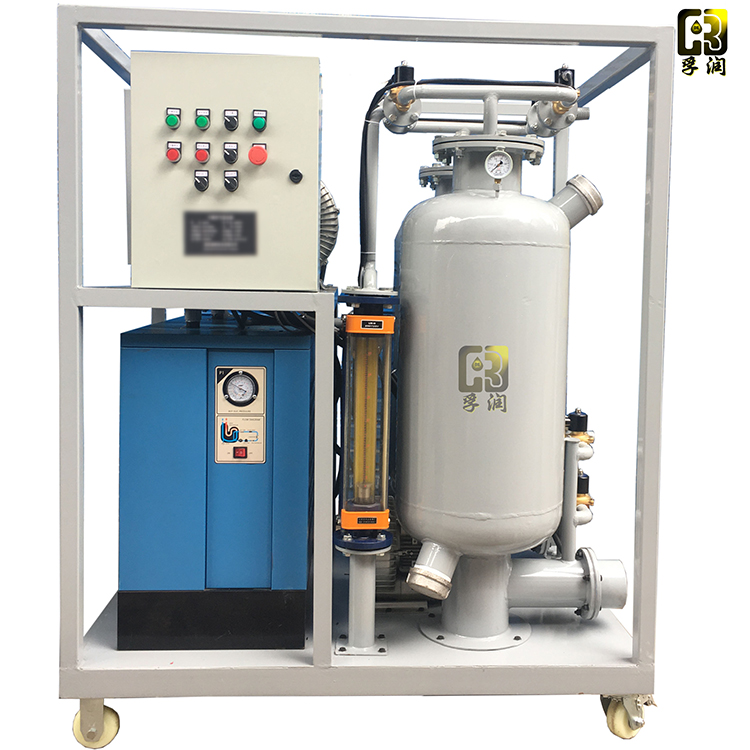
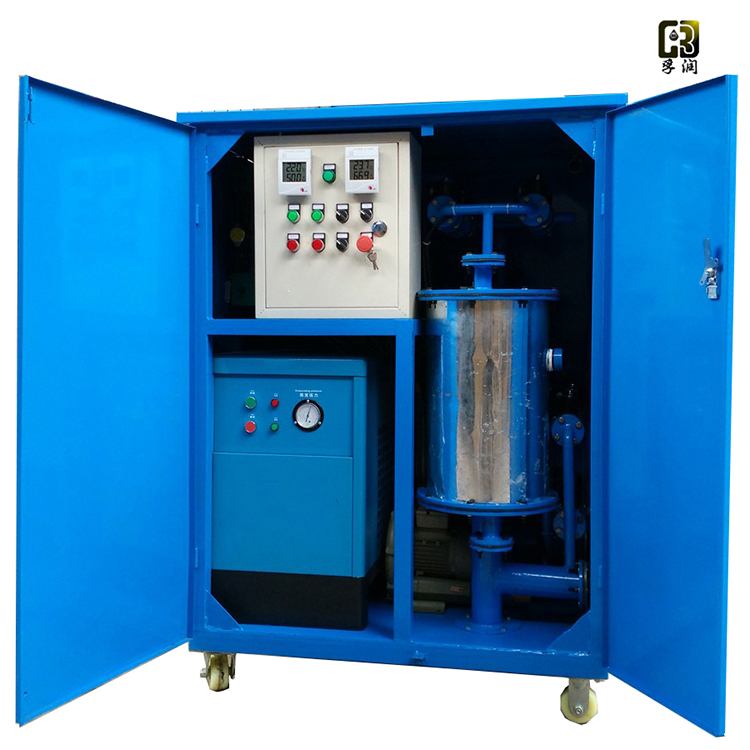







Boiler water tanks are an essential component of the boiler system, primarily serving to provide a stable water supply for the boiler. Typically located at the bottom or side of the boiler, they consist mainly of a water storage chamber, water level control devices, and pipelines for inlets and outlets.
The water storage chamber is the main structure of the water tank, used for storing feedwater for the boiler. The size of the water tank's capacity depends on the boiler's evaporation rate and continuous operating time, typically matching the boiler's water consumption. Common materials for water tanks include carbon steel and stainless steel.
The water level regulating device is responsible for maintaining a stable water level within the tank. It includes a water level gauge, an automatic water-filling device, etc., which automatically adjusts the water level in the tank by monitoring water level information. This ensures that the boiler has an adequate water supply, avoiding issues caused by water levels that are too high or too low.
Inlet and outlet piping connect the boiler and water tank, responsible for water supply transport. The inlet pipe transports water from the supply system to the tank, while the outlet pipe delivers the tank's water to the boiler. The piping design must be rational to ensure sufficient and smooth water supply.
Proper tank dimensions and structural design are crucial for the stable operation of the boiler system. Additionally, regular maintenance of the tank is necessary to ensure internal cleanliness, sensitive water level adjustment, and to extend the tank's lifespan.