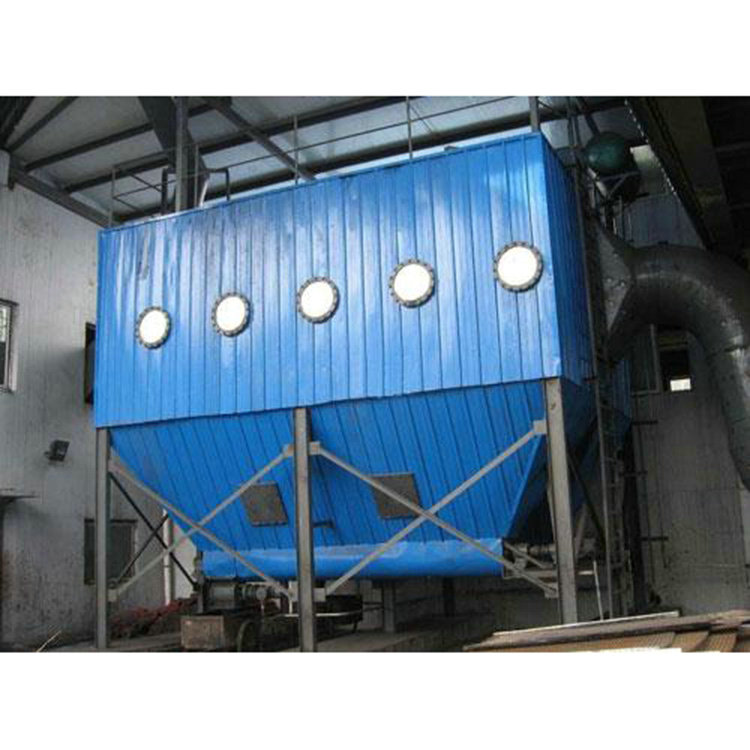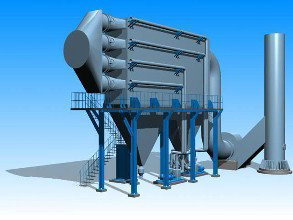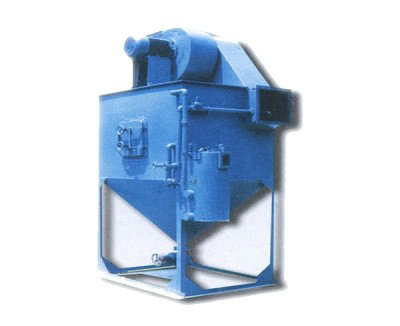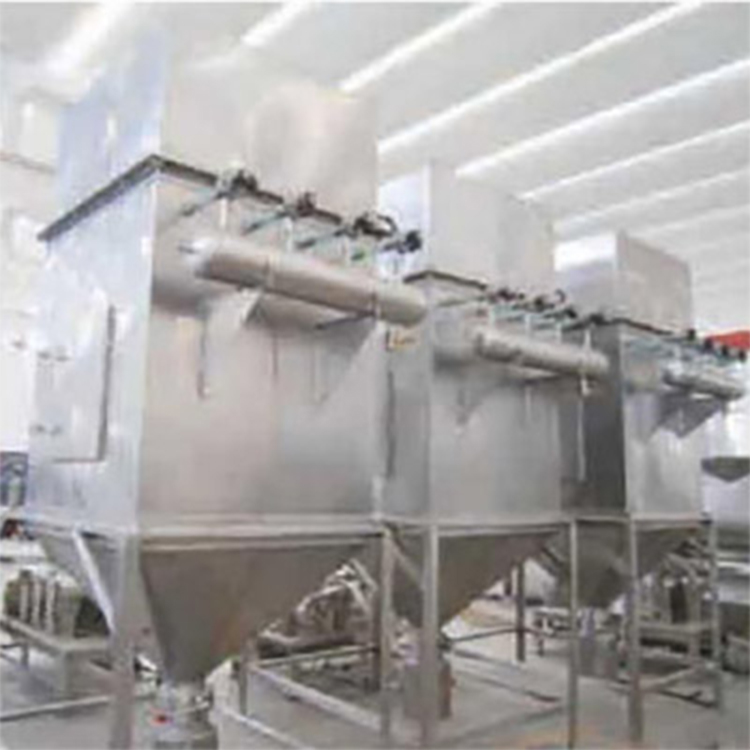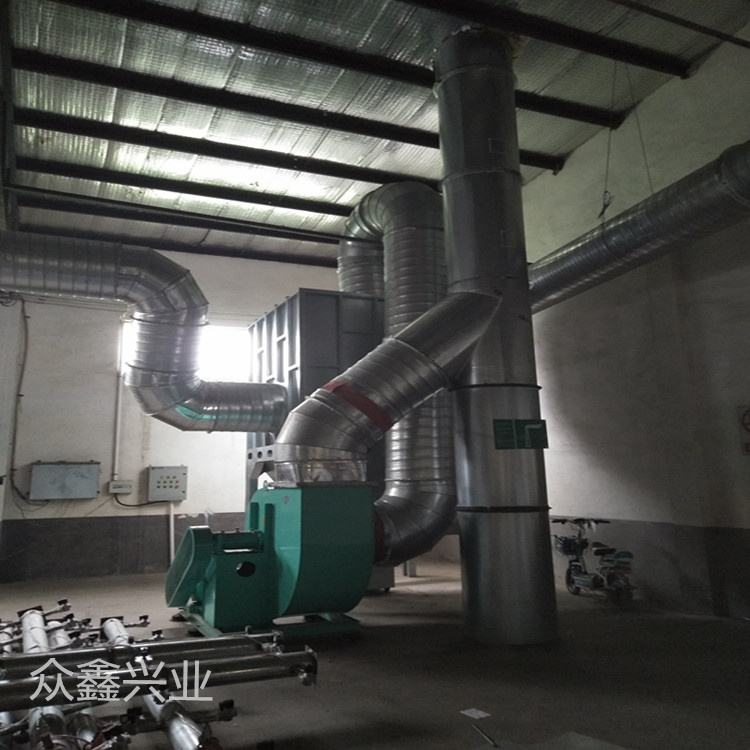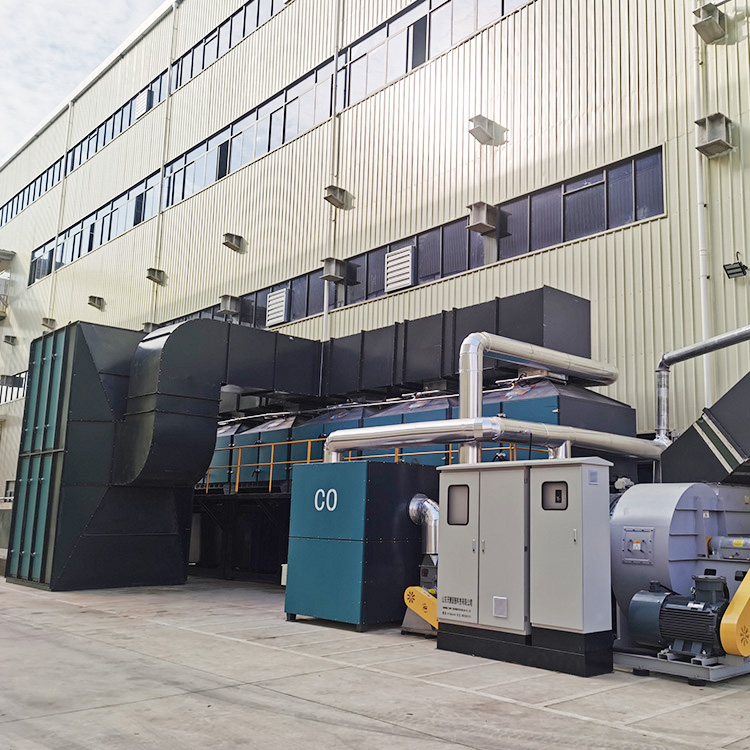

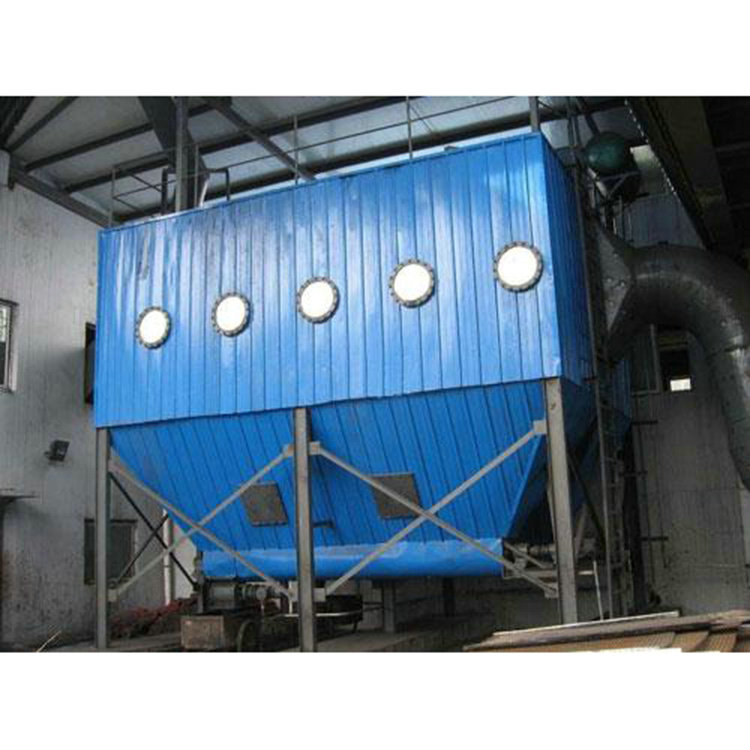


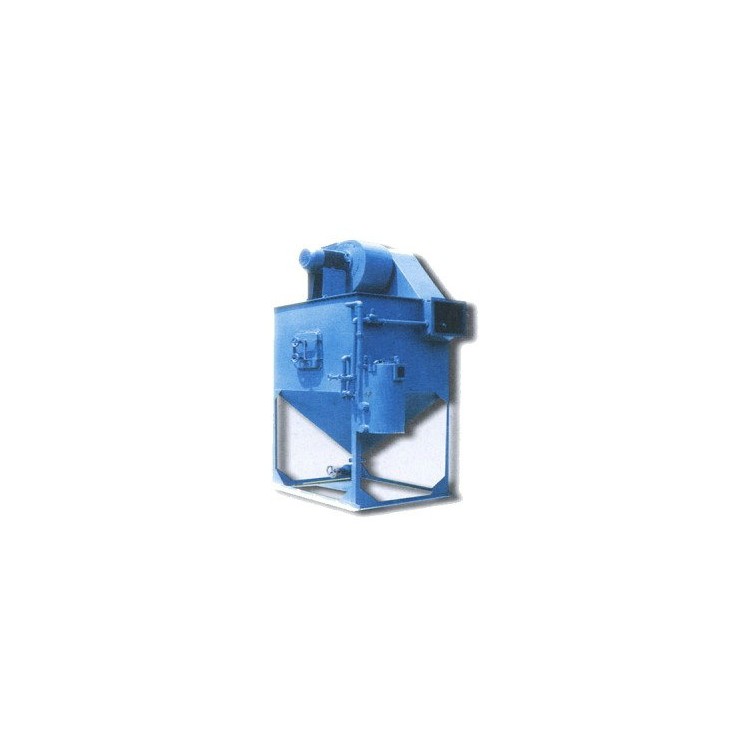


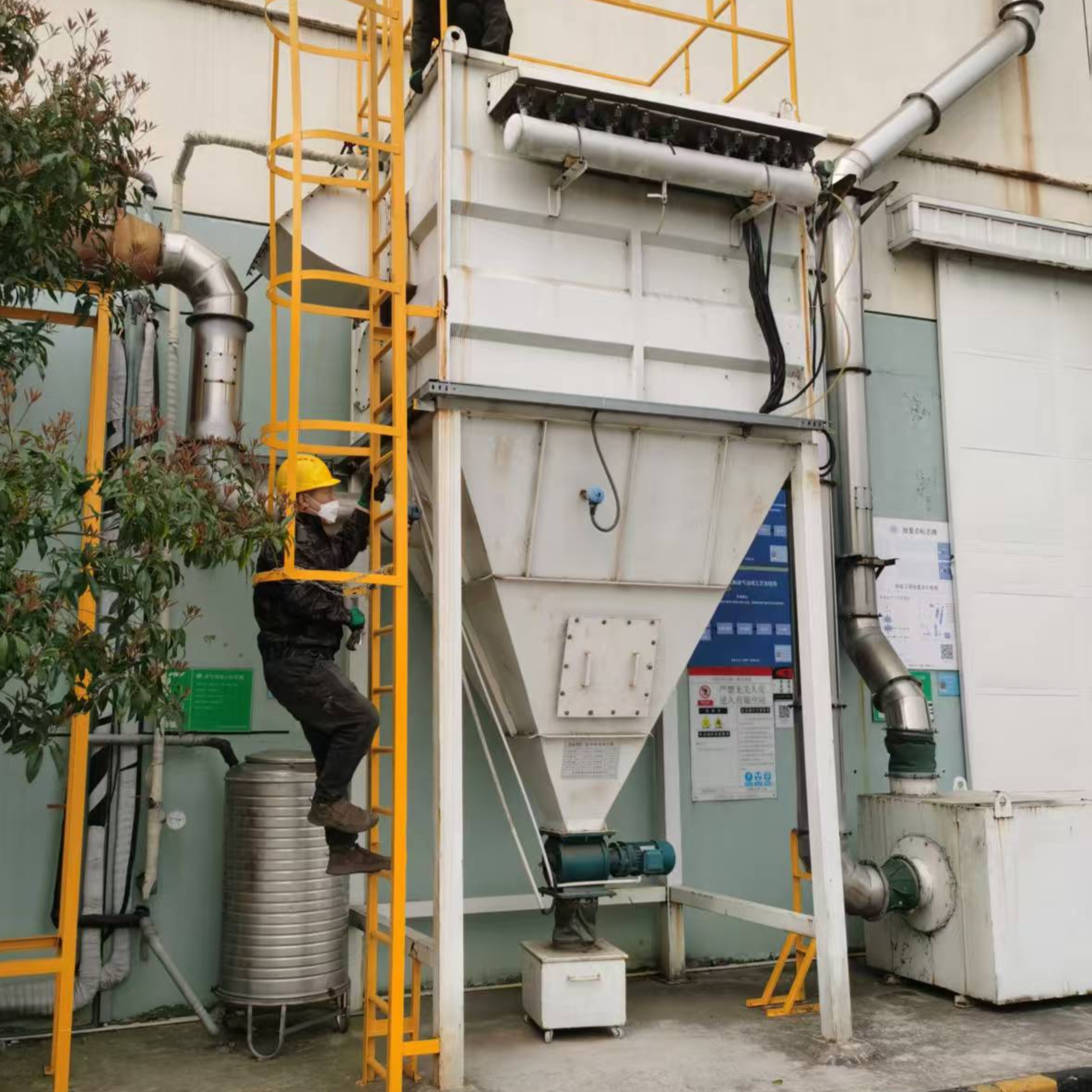
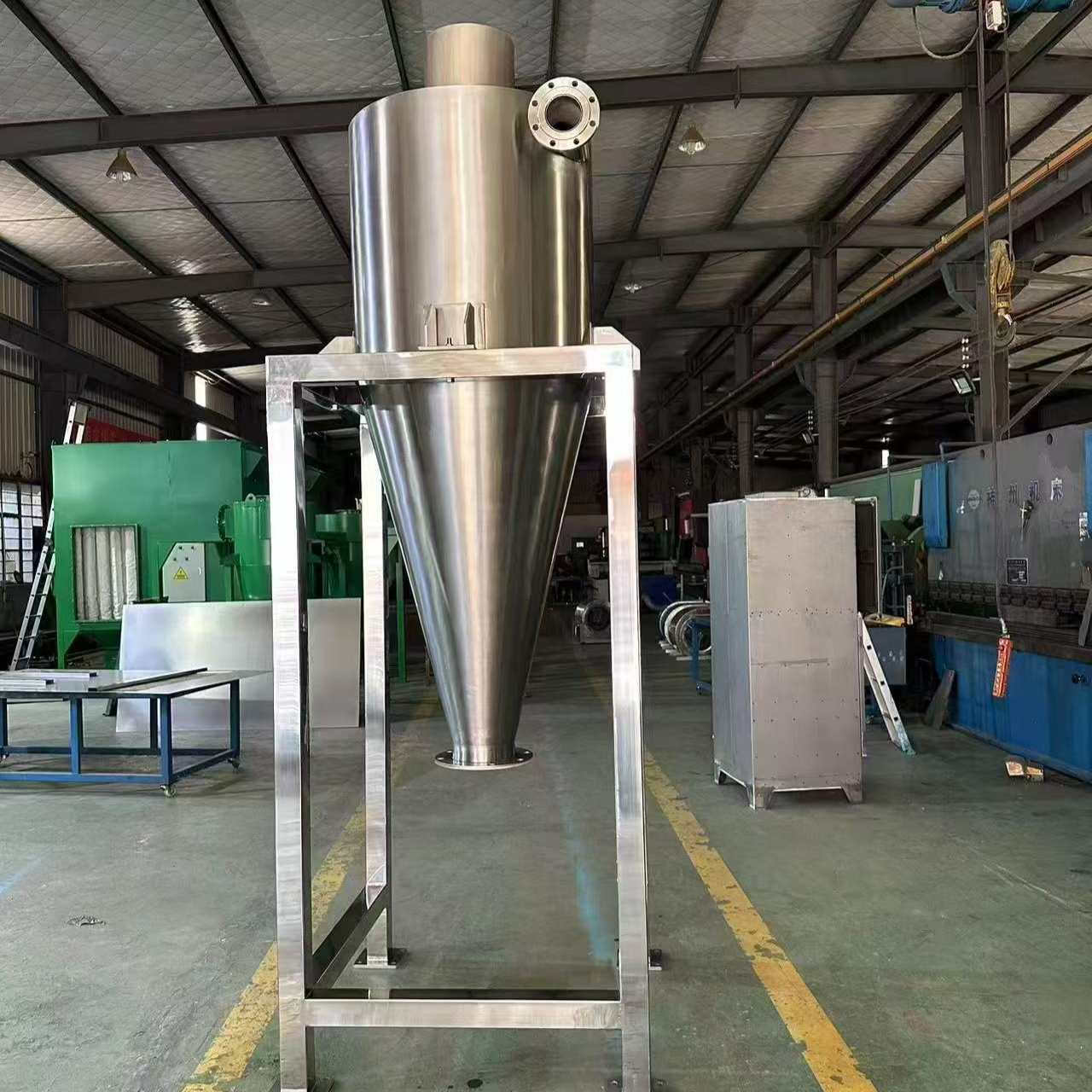
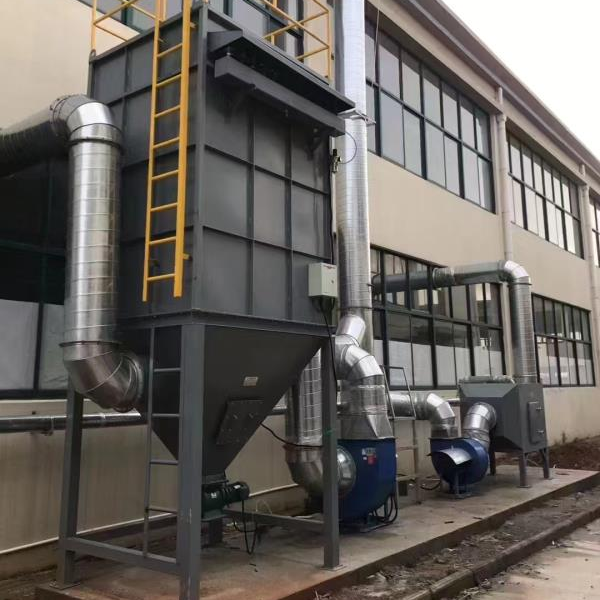
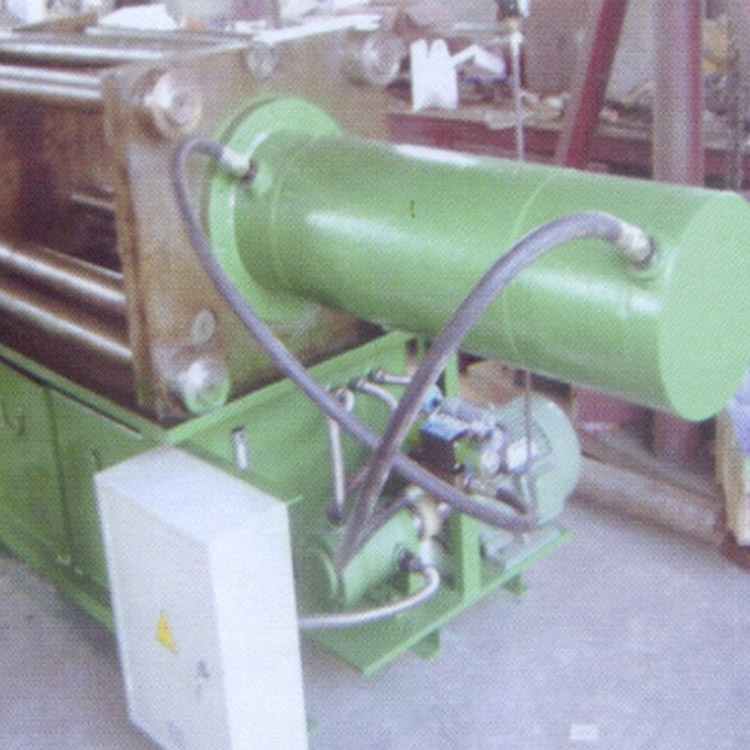





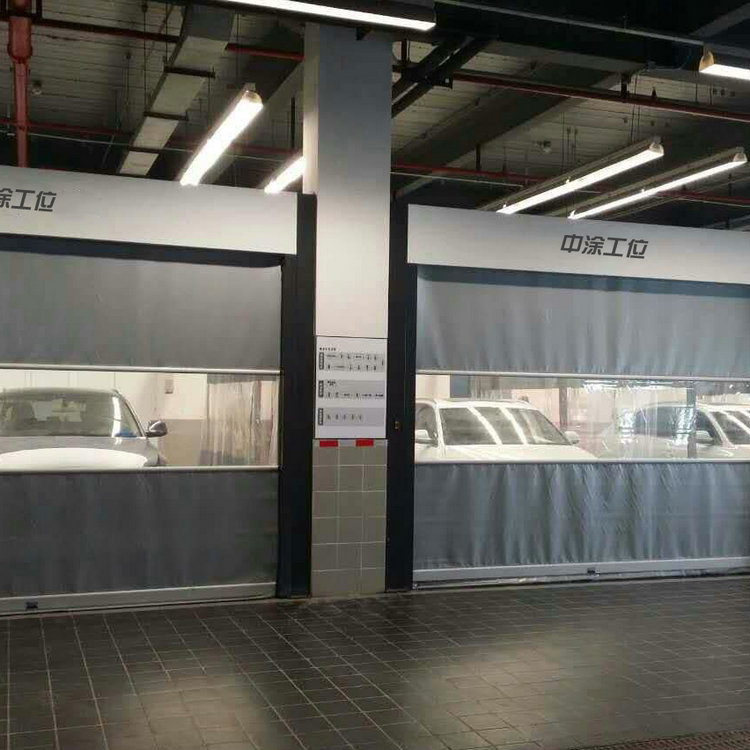
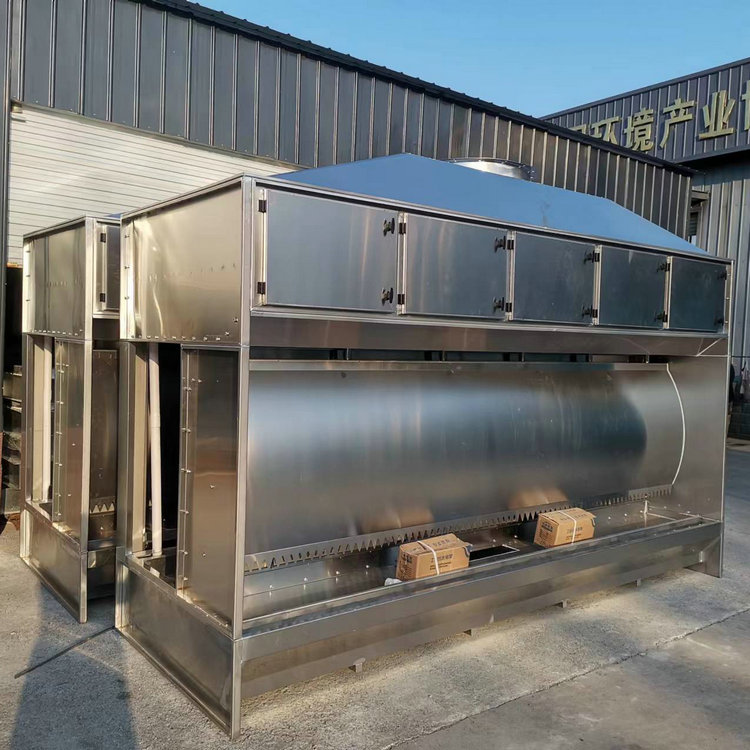
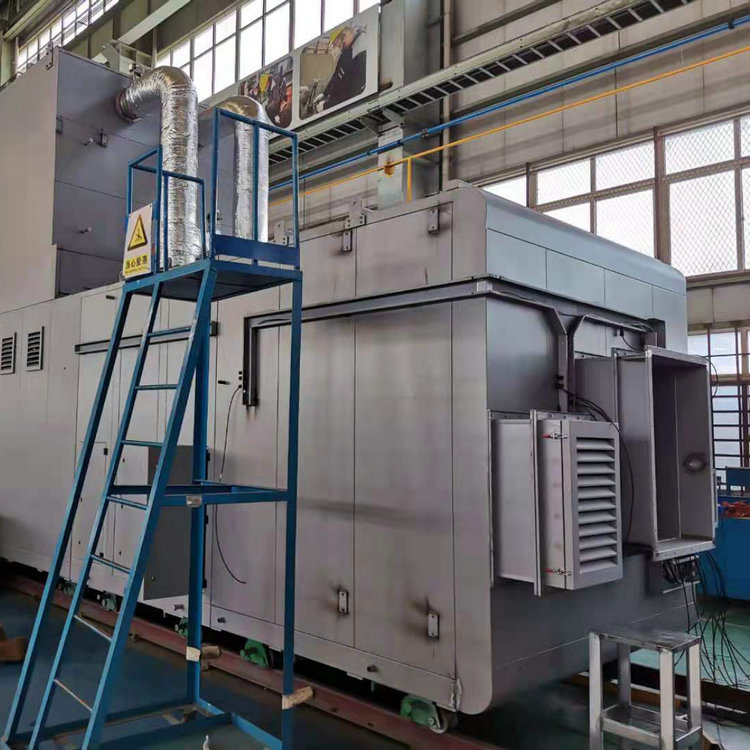
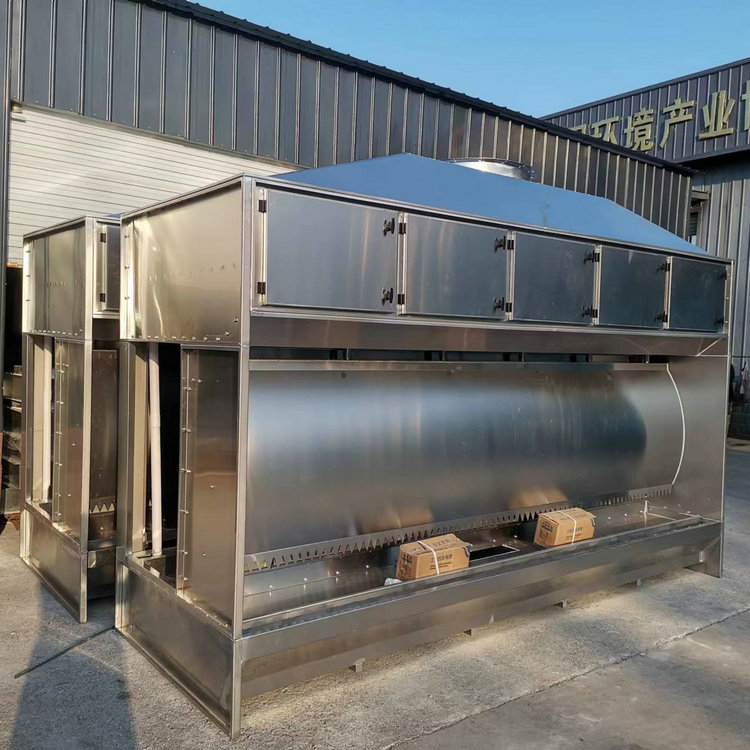
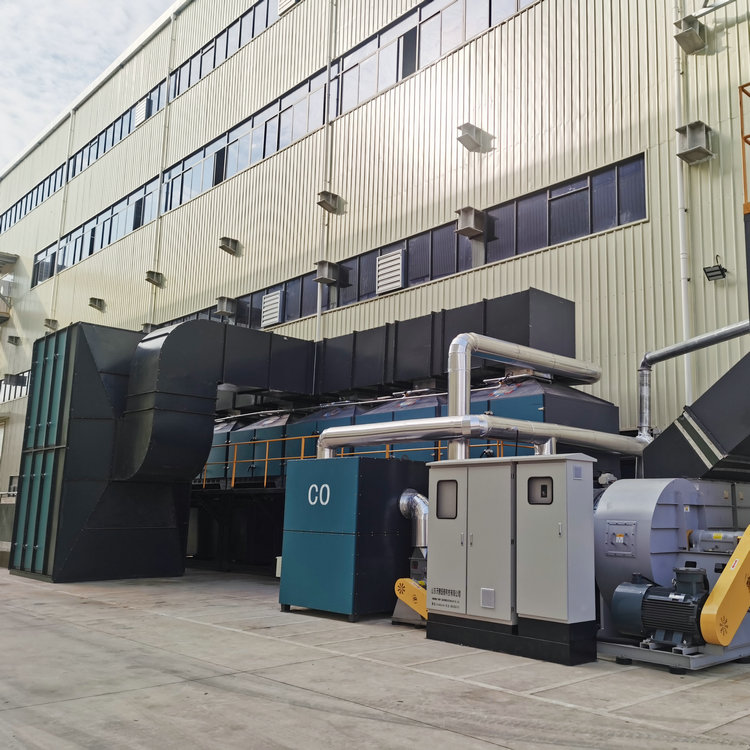
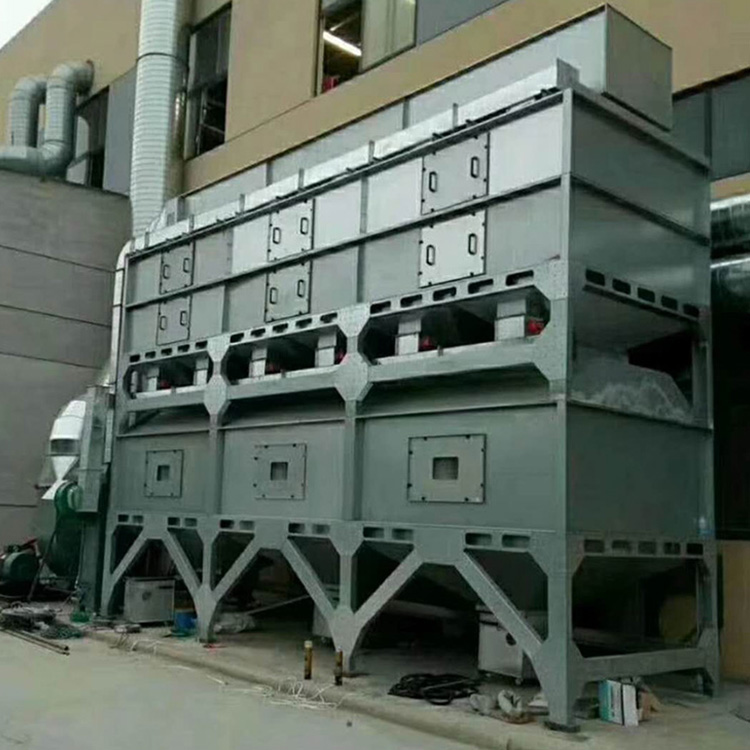
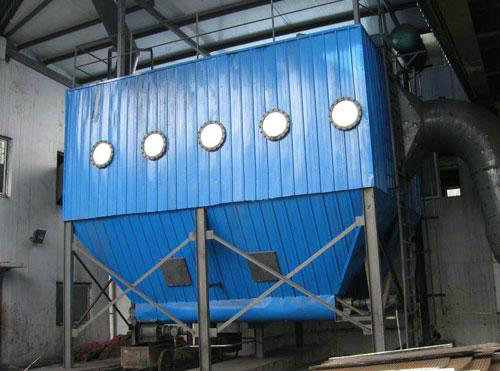

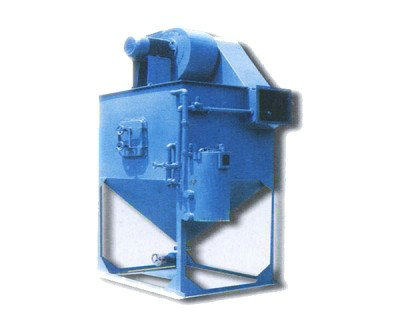
A wet dust collector, also known as a "dehumidifier," is a device that allows dusty gases to come into close contact with a liquid (usually water). It collects particles by utilizing the inertial collision of water droplets and particles, or by the thorough mixing of water and dust, along with other mechanisms, to achieve the separation of water and dust, either by trapping the particles or keeping them within a fixed container.
The wet dust collector integrates water bath and spray forms into one. Initially, it uses the suction power of a high-pressure centrifugal blower to press the dust-laden gas into a water tank filled to a certain height. The water bath吸附 some dust into the water. After uniform distribution and分流, the gas flows from bottom to top, while the high-pressure spray nozzles spray water mist from top to bottom, capturing the remaining dust particles. Its filtration efficiency can reach over 85%.
Wet scrubbers can effectively remove liquid or solid particles with diameters ranging from 0.1 to 20 micrometers from the air stream, and also remove some gaseous pollutants. They have the advantages of simple structure, small footprint, easy operation and maintenance, and high purification efficiency, capable of handling high-temperature and high-humidity air streams, reducing the risk of ignition and explosion. However, when using wet scrubbers, special attention must be paid to equipment and pipeline corrosion, as well as the treatment of wastewater and sludge. The wet scrubbing process is also not conducive to the recovery of by-products. If the equipment is installed indoors, the potential for freezing during winter must also be considered. Moreover, if a high efficiency in removing fine particles is required, better dispersion of the liquid phase is needed, but this results in high energy consumption.
The dust collector boasts a high dust removal efficiency for particles smaller than 5μm, with a service life of up to 5 to 8 years. It features a compact structure, occupying minimal space and requiring low water consumption. The area needed to process 5 to 7 cubic meters of dusty air per second is approximately 4 square meters, with a water usage of about 1 ton per hour.