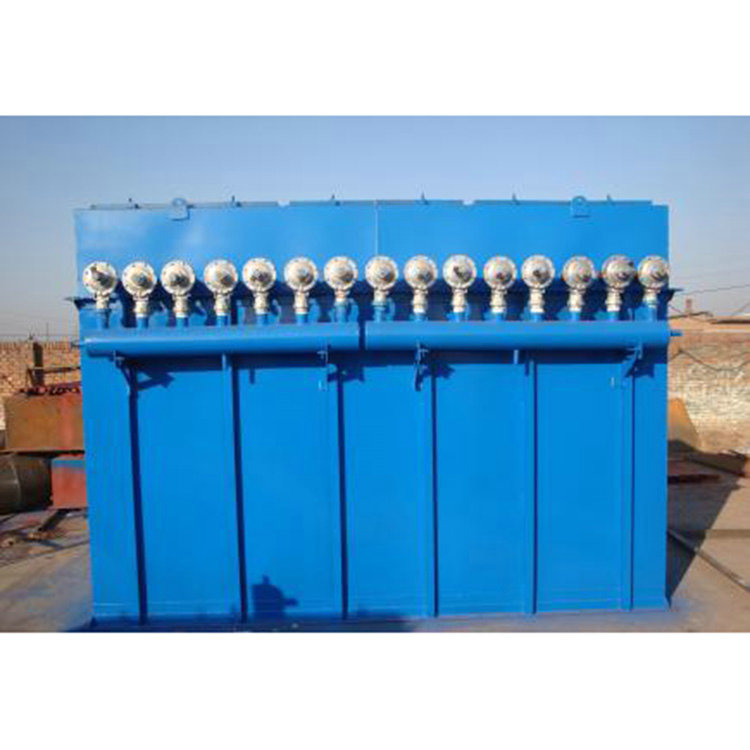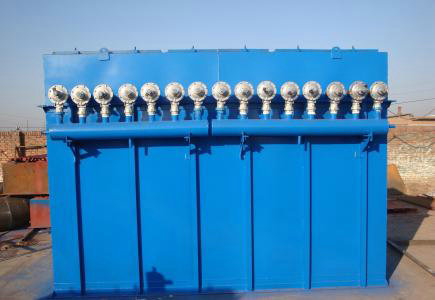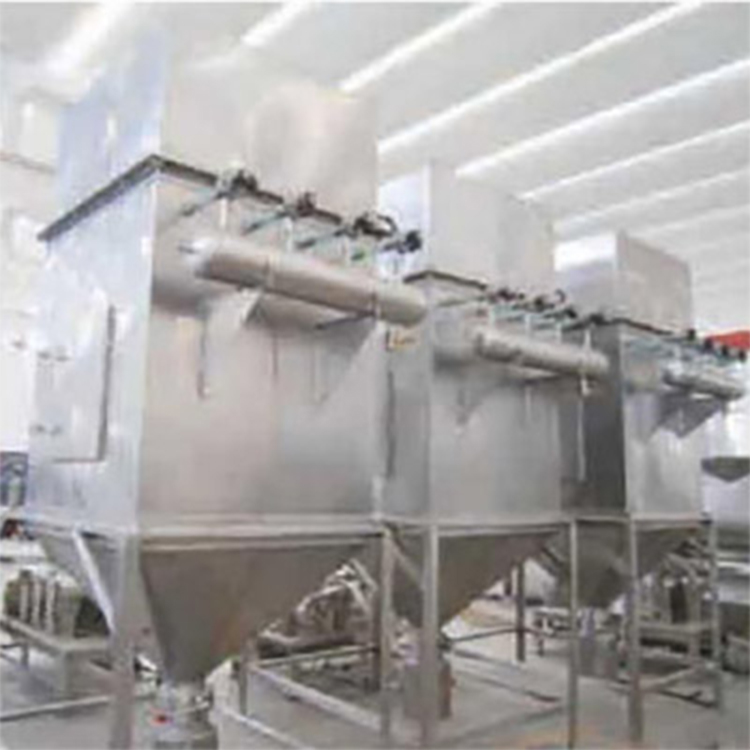

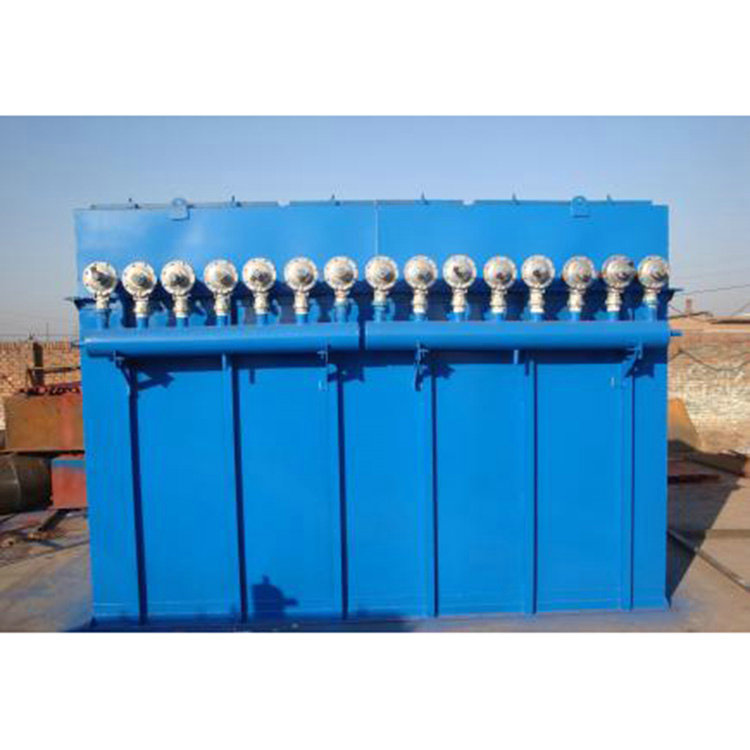

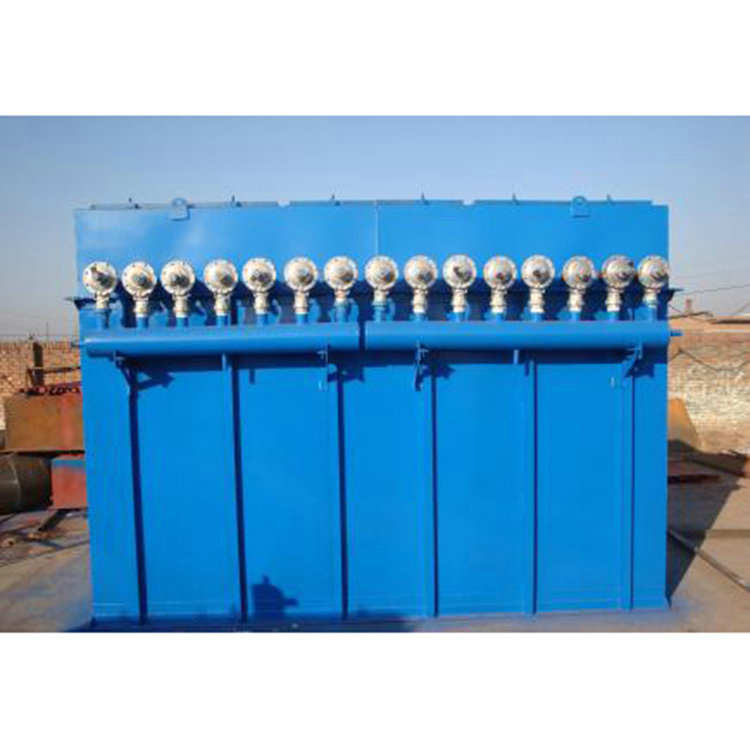
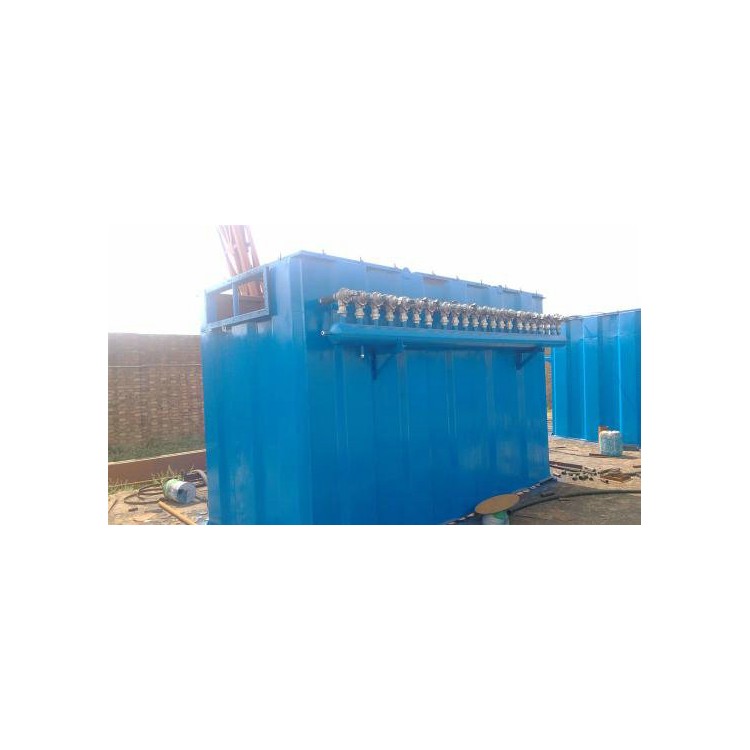
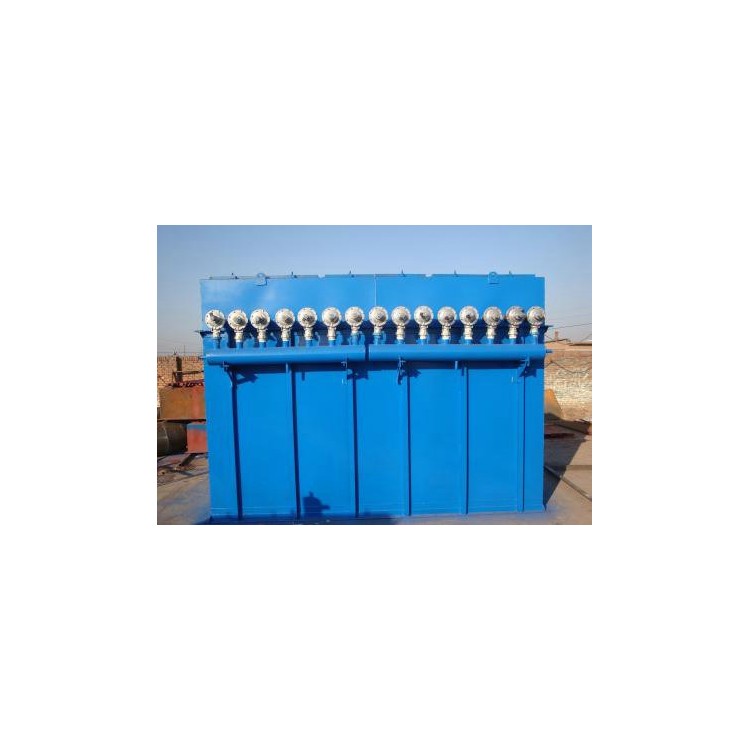


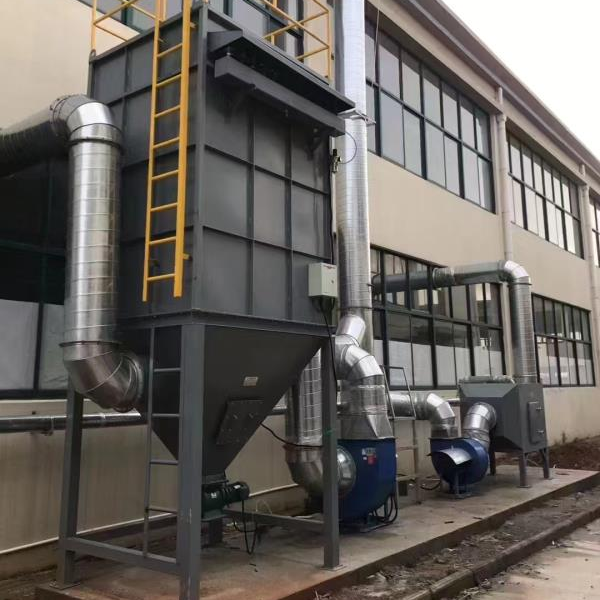





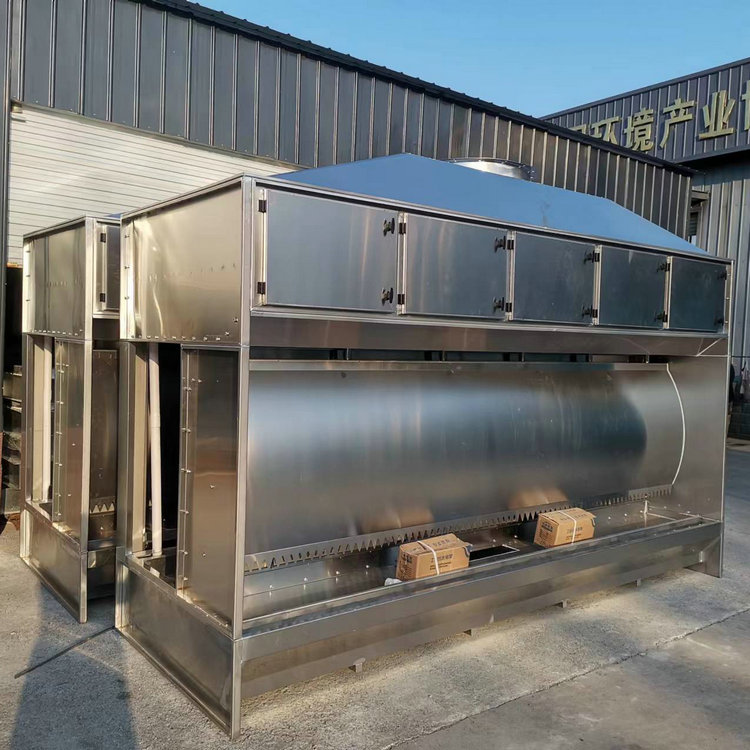
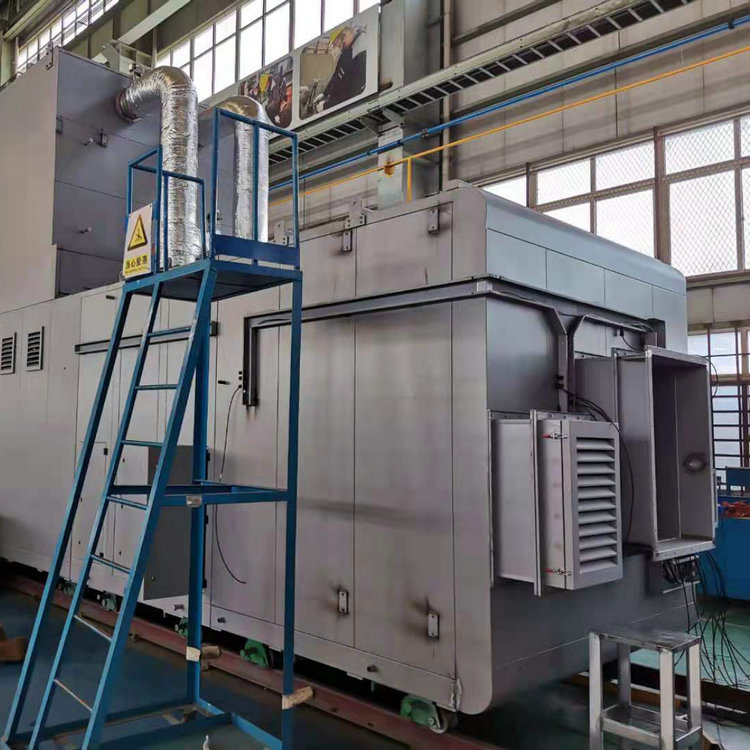
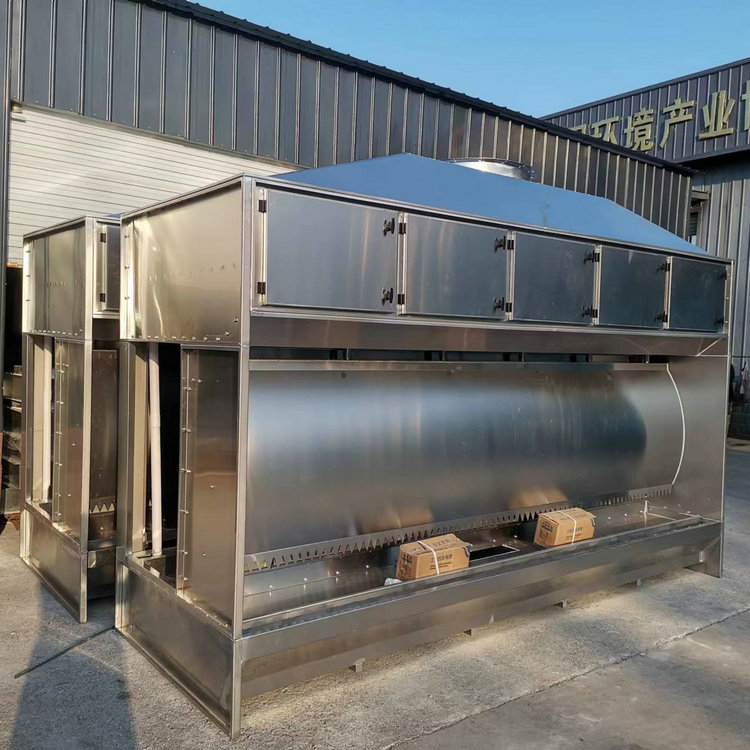
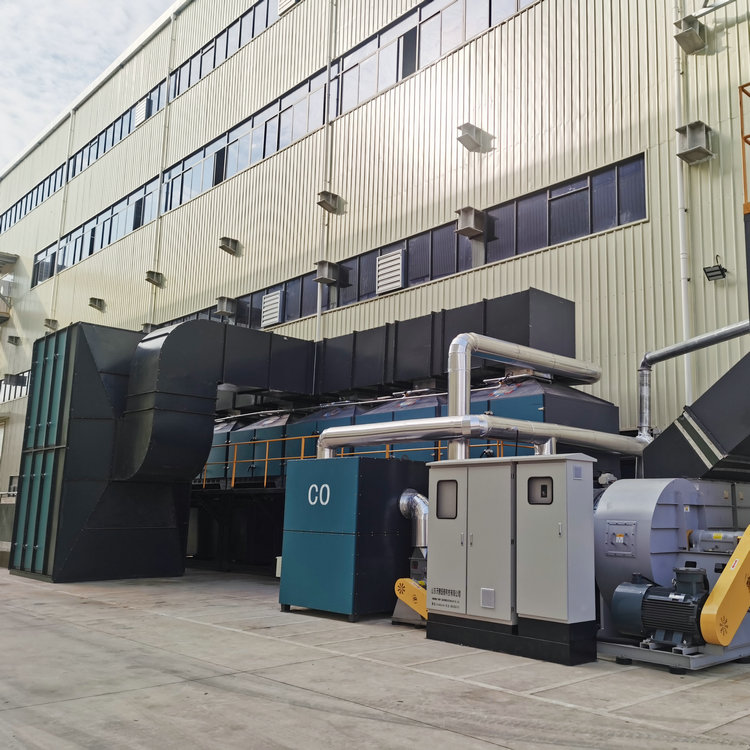
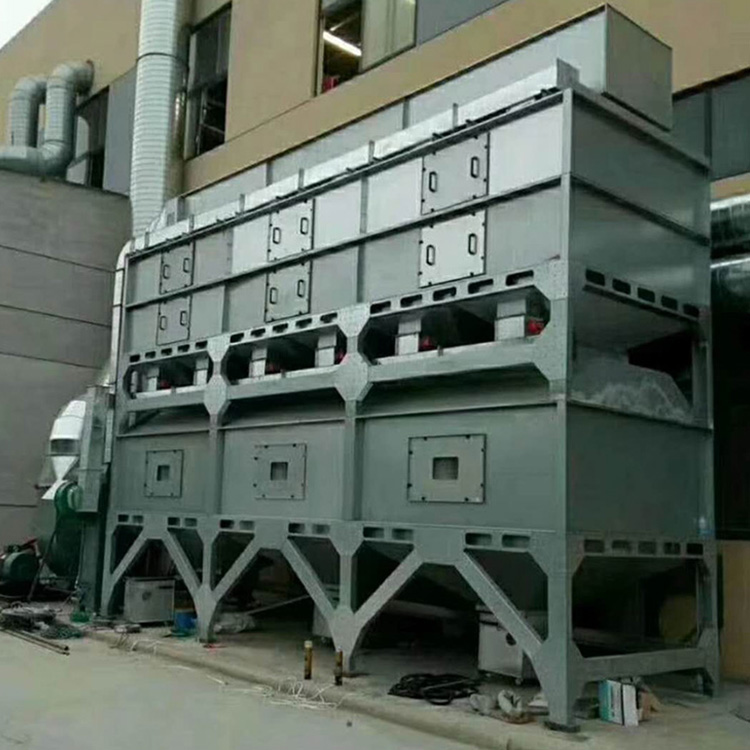

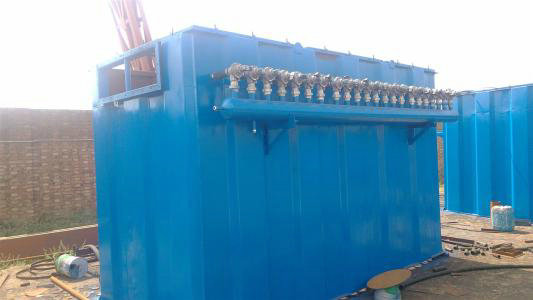
The Pulse Dust Collector is an improved, high-efficiency model based on the MC-I type, featuring high purification efficiency, large gas handling capacity, stable performance, long filter bag lifespan, easy operation, and minimal maintenance workload.
The Pulse Dust Collector is an improved, high-efficiency model based on the bag dust collector. It integrates the advantages of various pulse-jet dust collectors with chamber back-flushing, overcoming the shortcomings of insufficient cleaning strength in separate chambers and uneven air distribution, thereby expanding its application range.
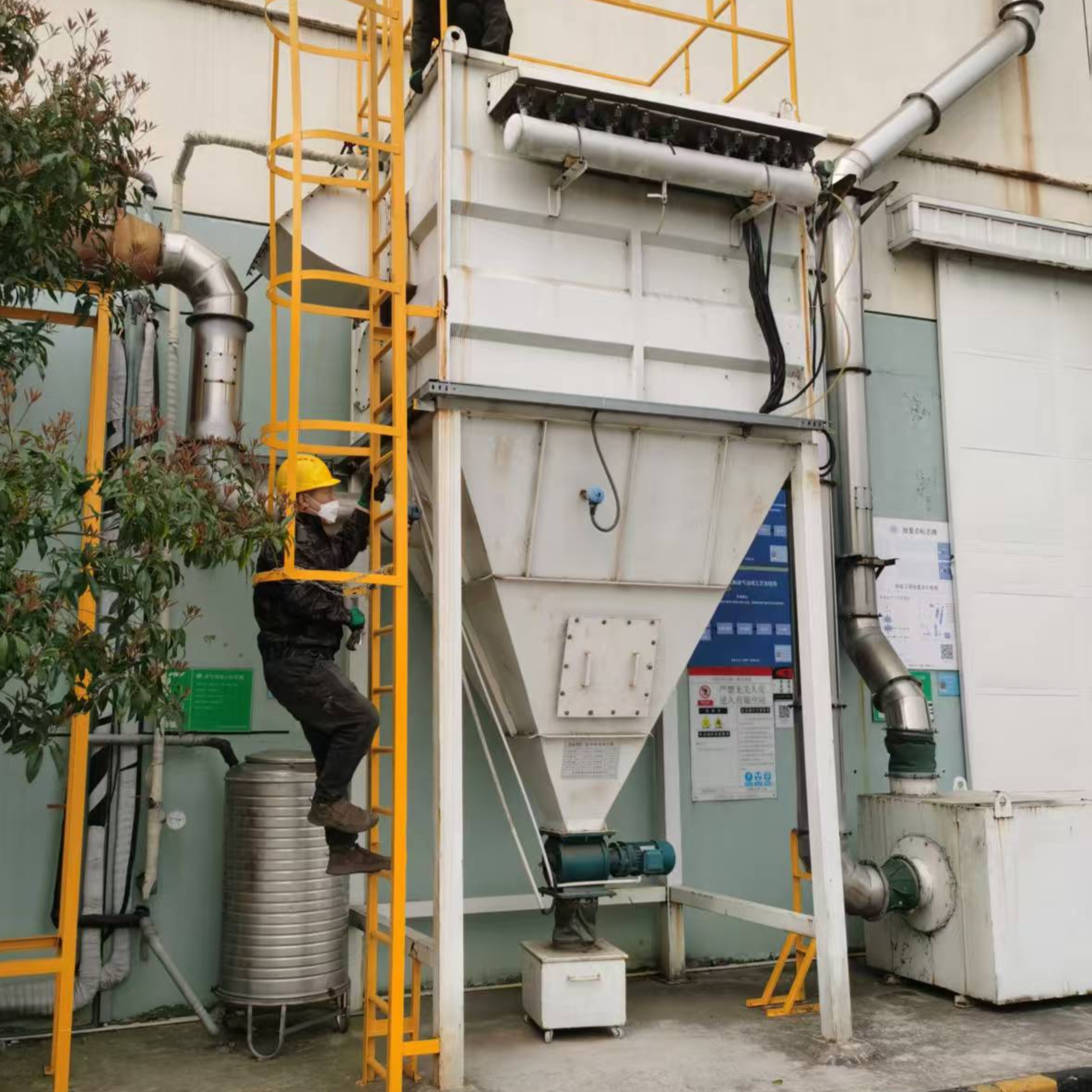
The pulse dust collector operates by allowing dusty gas to enter through the inlet, first hitting the inclined plates and baffles in the middle of the inlet and outlet, causing the airflow to turn and flow into the ash hopper. The airflow slows down, and due to inertia, coarse particles of dust fall directly into the ash hopper. This serves as a pre-collection of dust. The airflow entering the ash hopper then turns upward and flows through filter bags housed within a metallic frame, where the dust is collected on the outer surface of the bags. The purified gas then enters the upper clean room of the filter bag chamber, collects at the outlet, and is discharged. As the dusty gas passes through the filter bags, dust accumulates on them over time, increasing the resistance of the bags and gradually reducing the air volume handled. To maintain normal operation, the resistance must be controlled within a range of 140 to 170 mm water column. If it exceeds this range, the filter bags need to be cleaned. During cleaning, the pulse control instrument sequentially triggers the opening of the control valves, causing compressed air from the gas accumulator to be喷射 through the nozzles of the blowpipe and the Venturi tube into the corresponding filter bags. This causes the bags to instantly and dramatically expand, causing the accumulated dust on the surface to fall off, restoring the bags to their initial state. The fallen dust then drops into the ash hopper and is discharged from the unit via the ash removal system. This cyclically pulse-jets the accumulated dust on the bags, ensuring the normal passage of the purified gas and maintaining the dust removal system's operation.