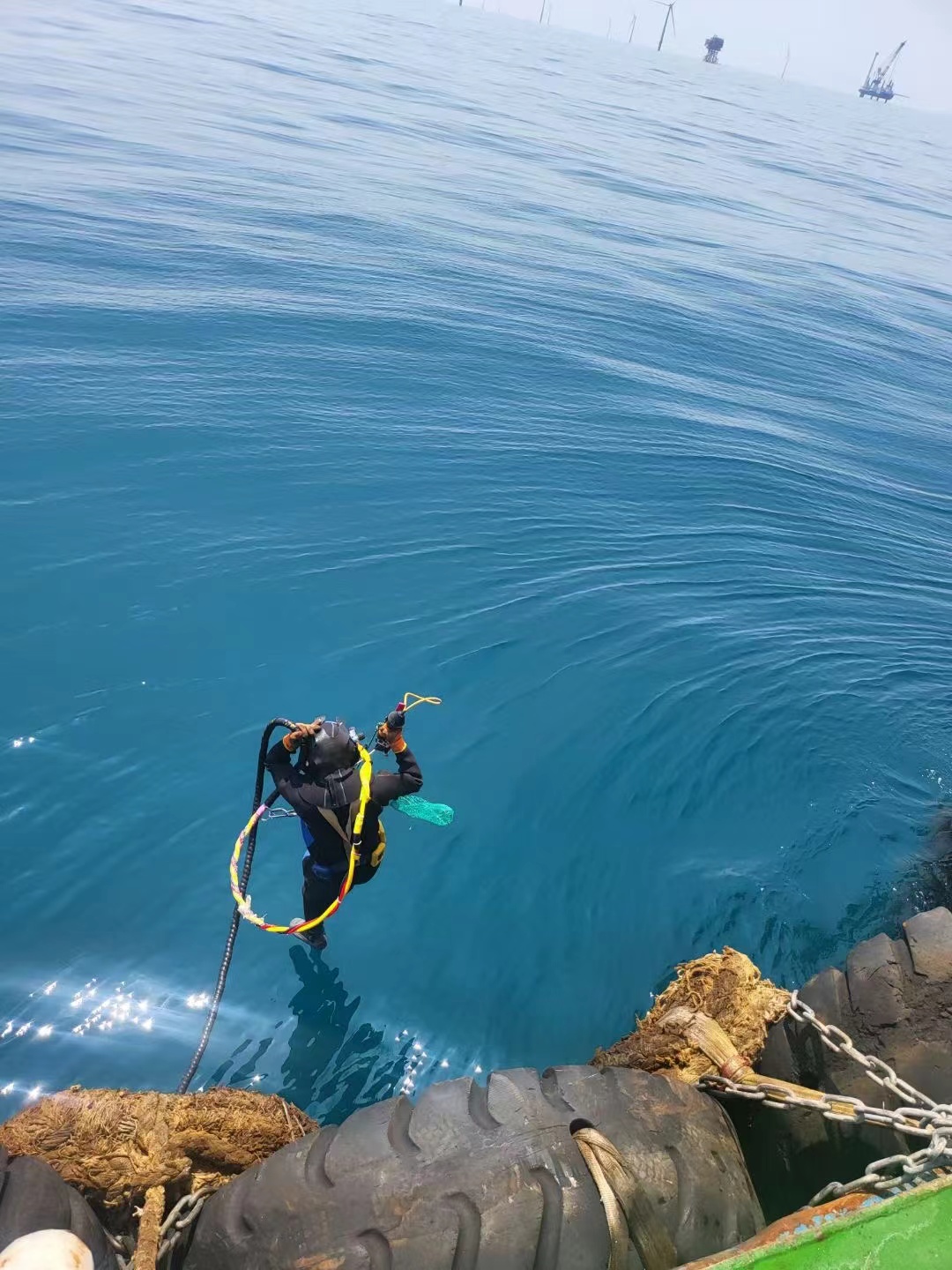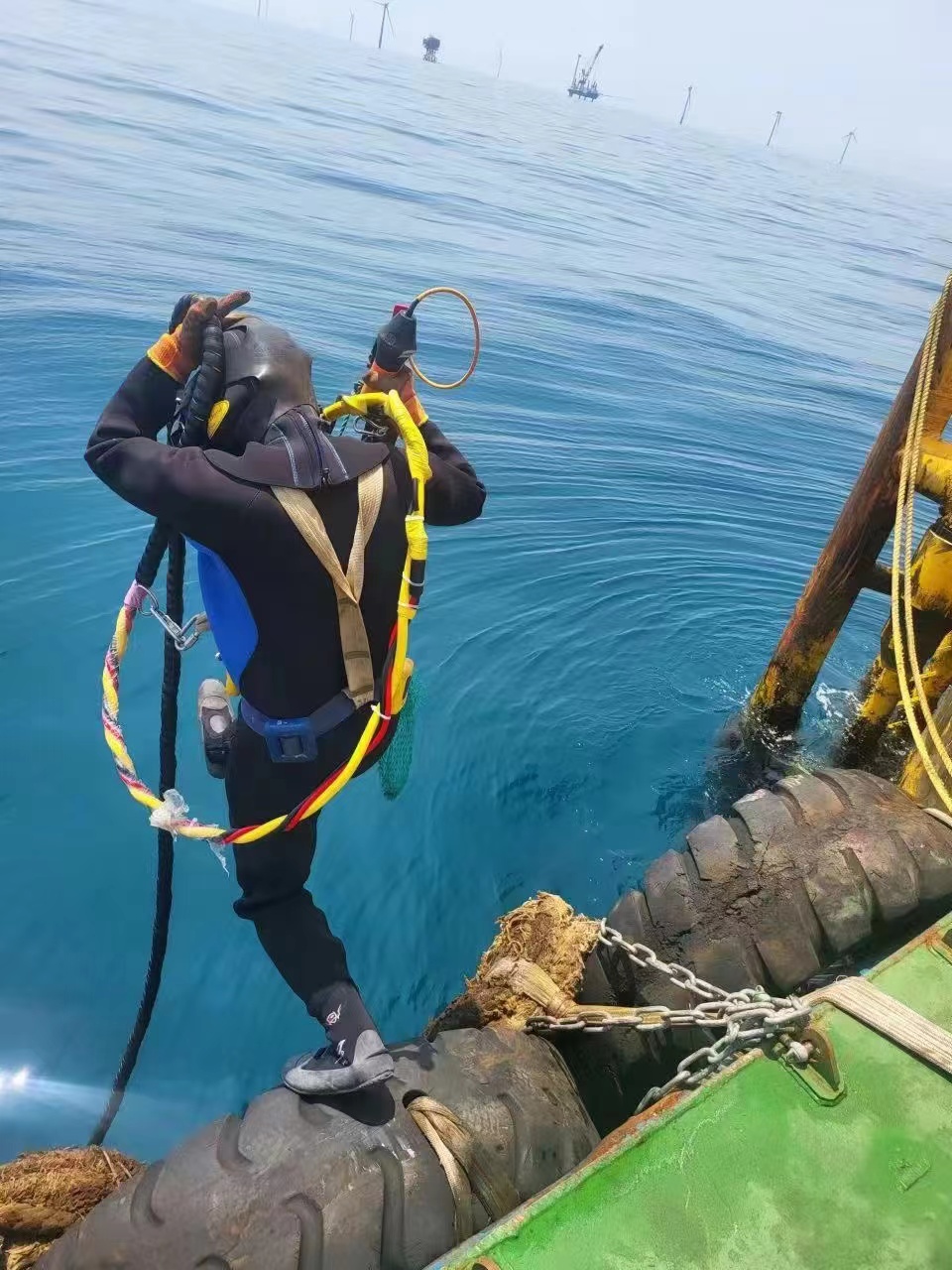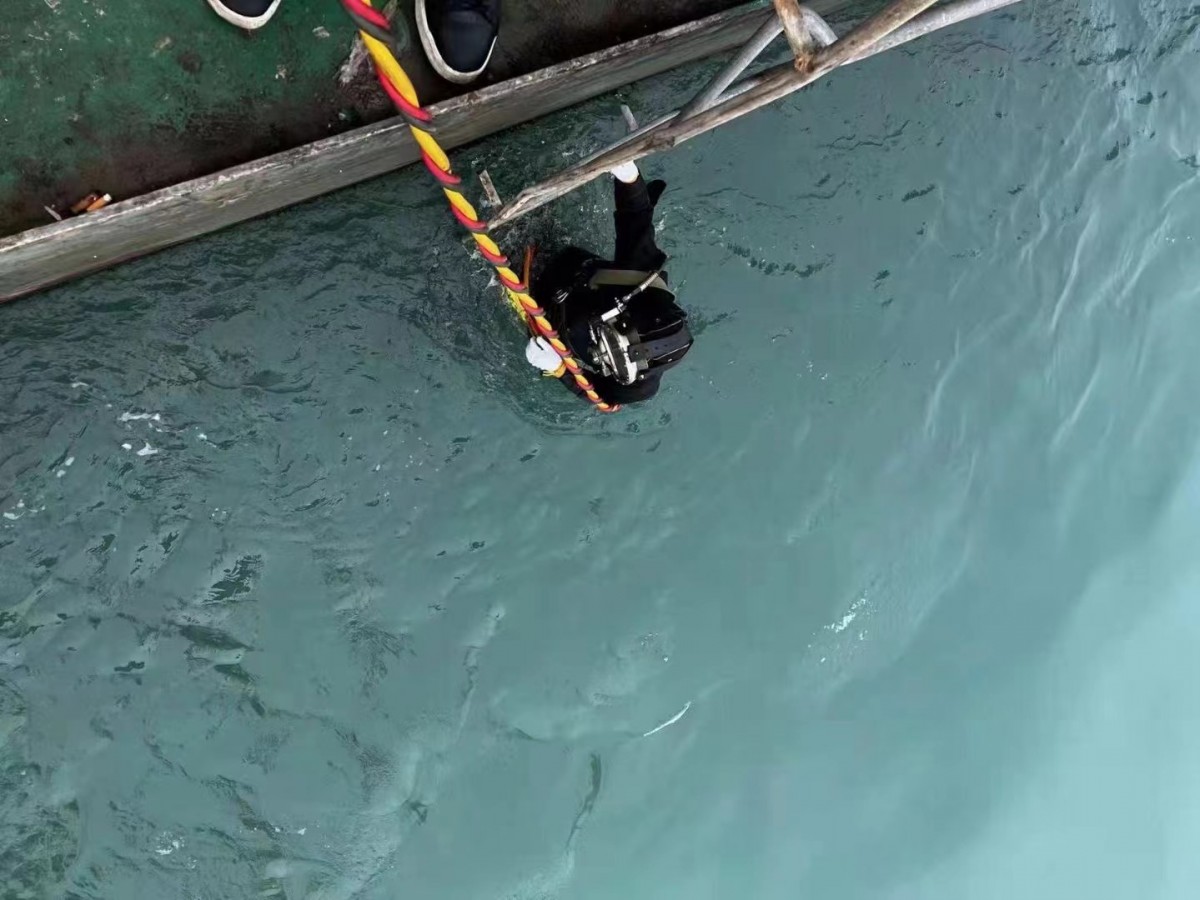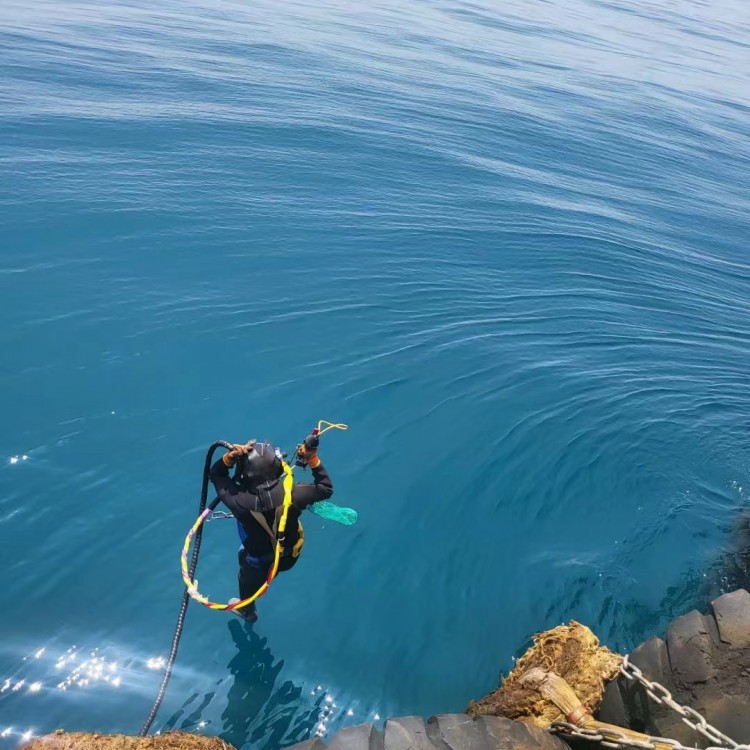


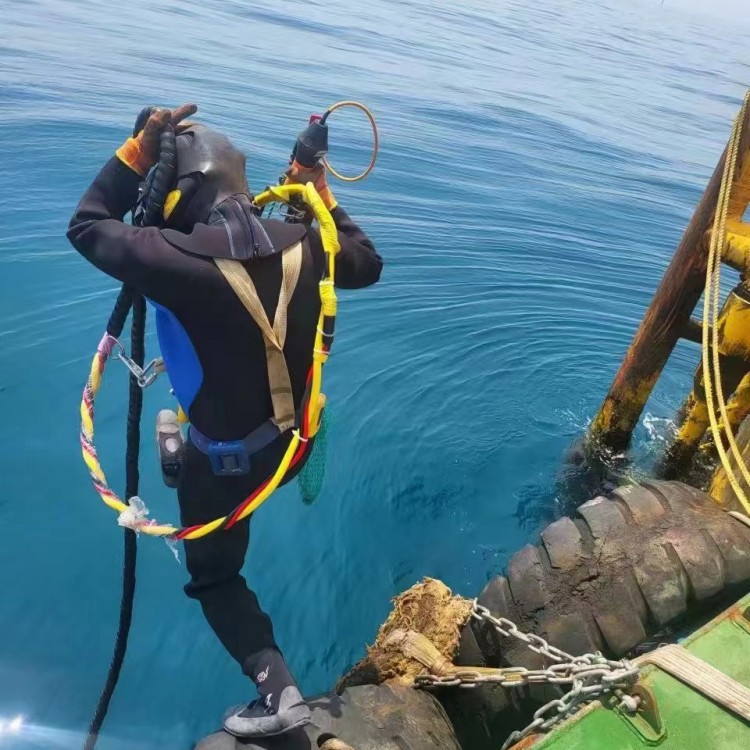







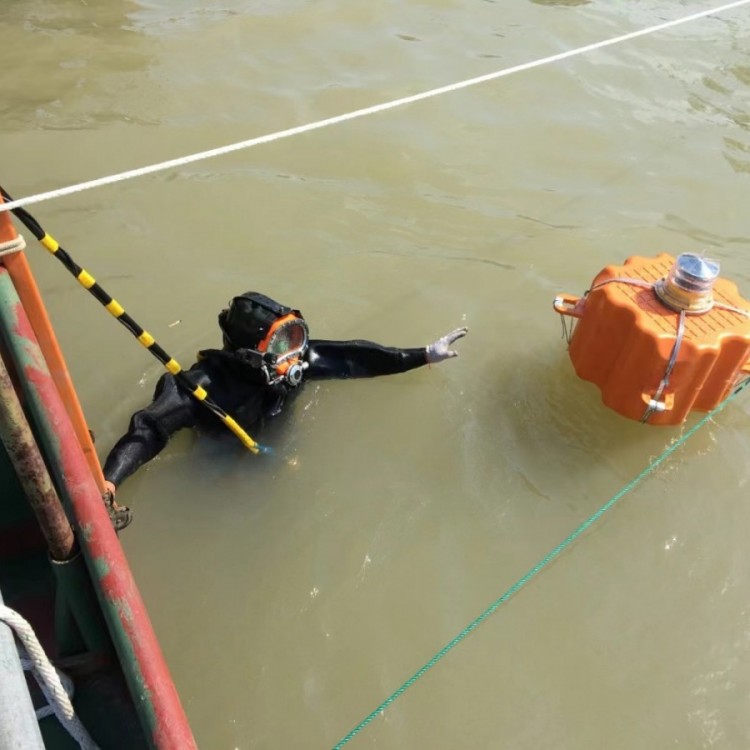
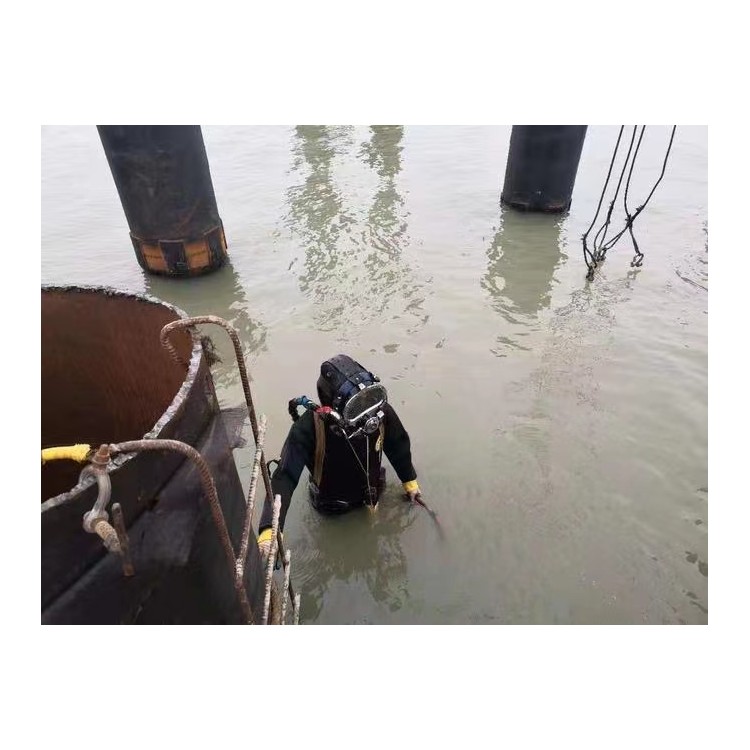
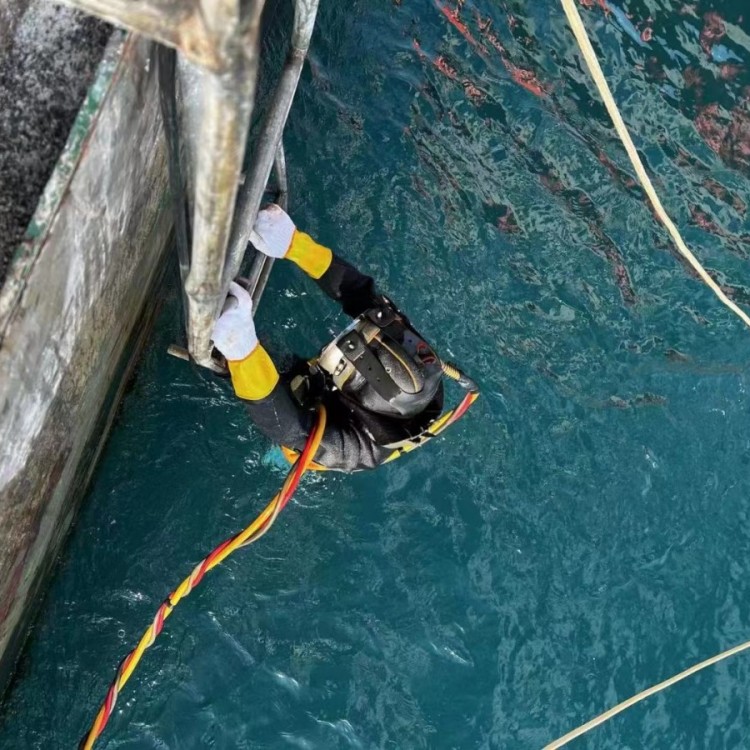
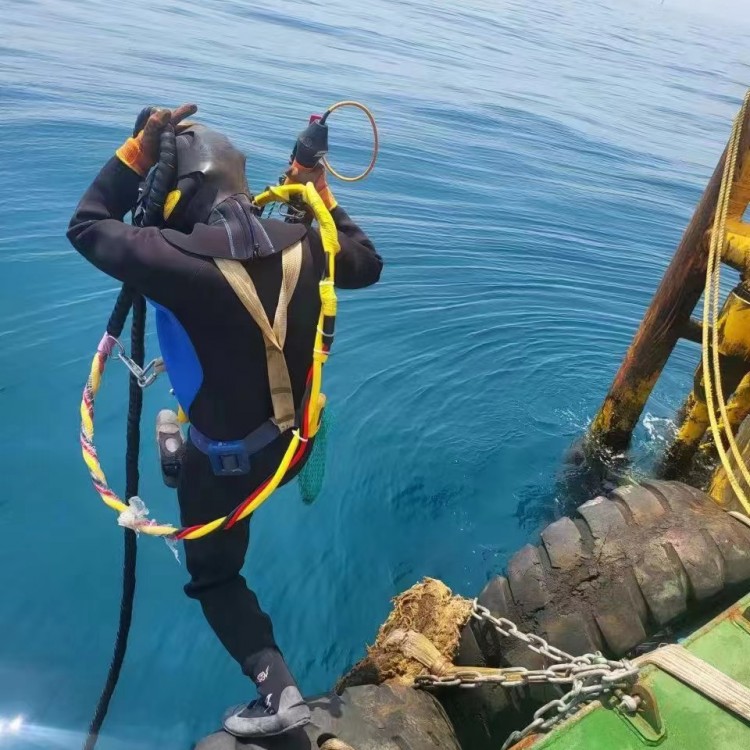
Underwater cutting, as a crucial technology, plays a significant role in marine engineering, ship repair, and submarine pipeline installation. With the continuous expansion of marine resource development and the increasing number of deep-sea projects, the demand for underwater cutting companies in the market is also growing. This article will provide a detailed introduction to the characteristics, market prospects, and practical experience of underwater cutting companies, offering readers insight and reference.

Underwater cutting is a highly complex process that requires operators to possess extensive experience and professional knowledge. Compared to land-based cutting techniques, underwater cutting presents more challenges: the resistance of water currents, the complexity of the seabed environment, and the portability of cutting tools all demand a higher level of underwater cutting technology. Therefore, underwater cutting companies need to invest more effort in personnel training and technological research and development to tackle these challenges.
Underwater Cutting Market Outlook
In recent years, with the exploration of oil and gas, development of marine energy, and exploitation of deep-sea mineral resources, the global underwater cutting market has shown rapid growth. Market research data indicates an annual compound growth rate of over 10%. Particularly in the field of marine engineering, underwater cutting technology has almost become a standard process. As a result, underwater cutting companies possess significant potential for development and market opportunities.
As a leader in the underwater cutting industry, the underwater cutting company has accumulated extensive experience in technology development, personnel training, and project management. Firstly, they prioritize technology development, continuously introducing innovative underwater cutting equipment and processes to enhance operational efficiency and quality. Secondly, they emphasize personnel training, fostering a high-quality underwater cutting team through rigorous selection and training programs. They also focus on project management, establishing scientific operational procedures and a quality management system to ensure the smooth progress of each project.
Amidst increasing competition, underwater cutting companies must possess core competitive advantages. Technically, continuous innovation and improvement in equipment precision and efficiency are crucial. In terms of staff training, establishing a professional training system to enhance employees' skills and overall quality to adapt to market demand changes is essential. Furthermore, strengthening communication and collaboration with customers, providing customized solutions and high-quality services can effectively boost customer satisfaction and the reputation of the business.
In summary, underwater cutting companies have vast market prospects and room for growth, yet they also face immense competitive pressures. Only by continuously innovating and enhancing their technology and service levels can they stand out in the fierce market competition. We believe that with unwavering efforts and a spirit of innovation, underwater cutting companies are sure to become industry leaders.