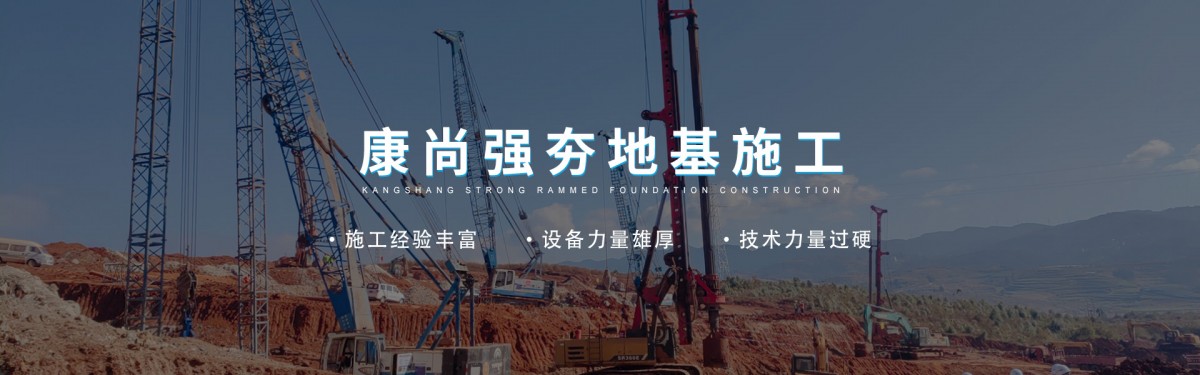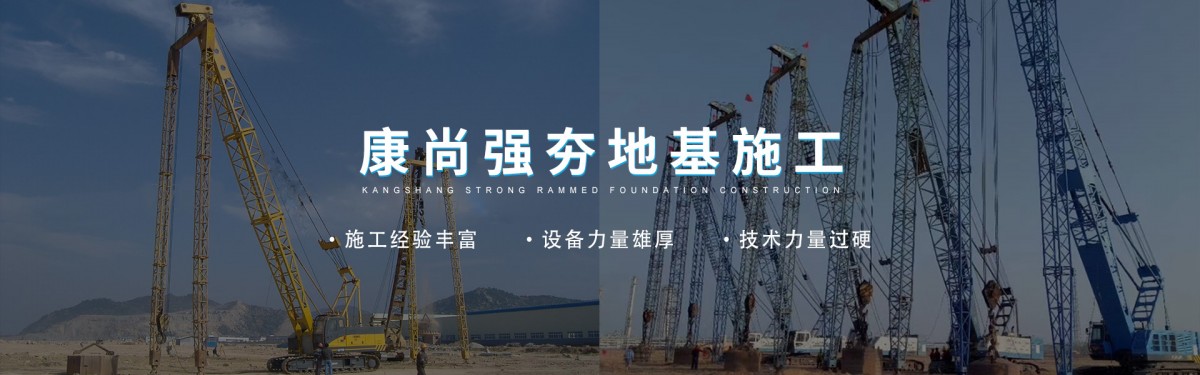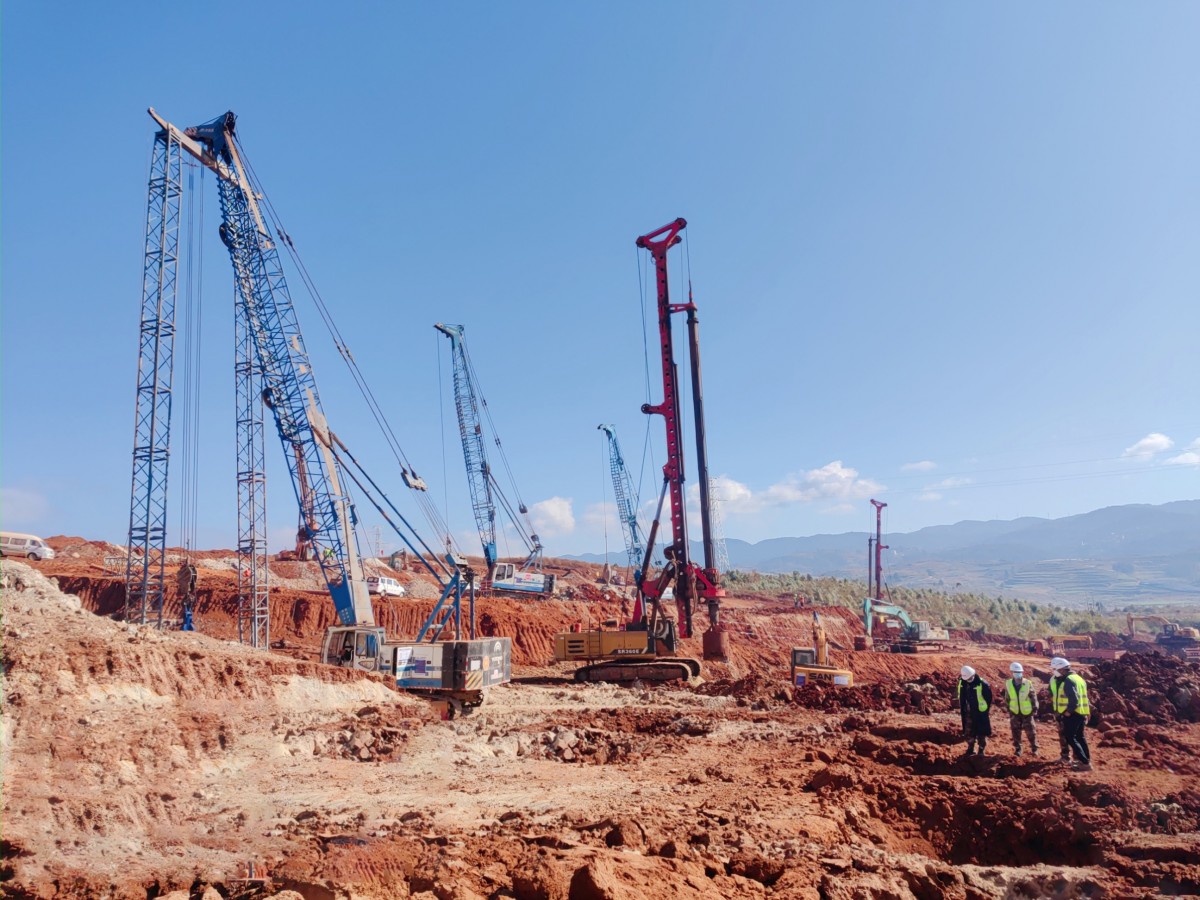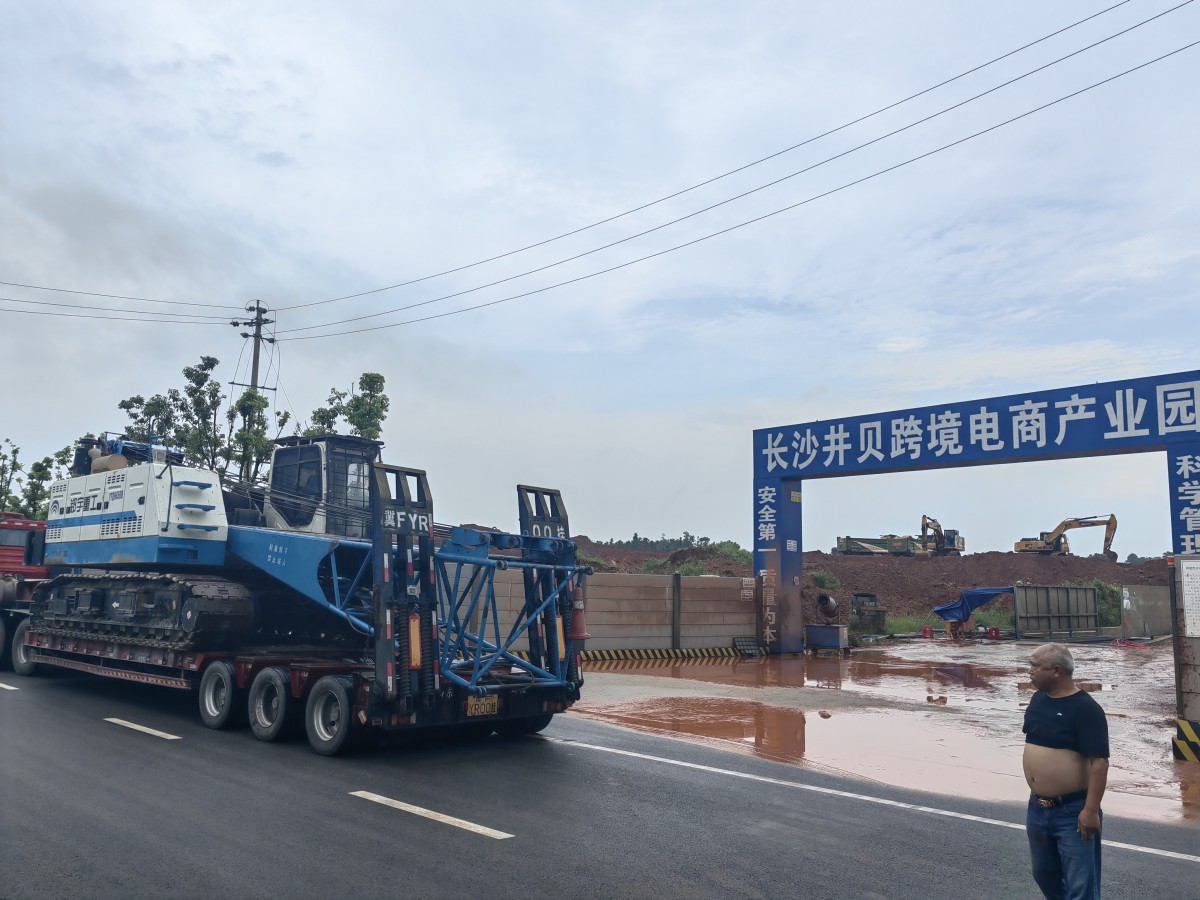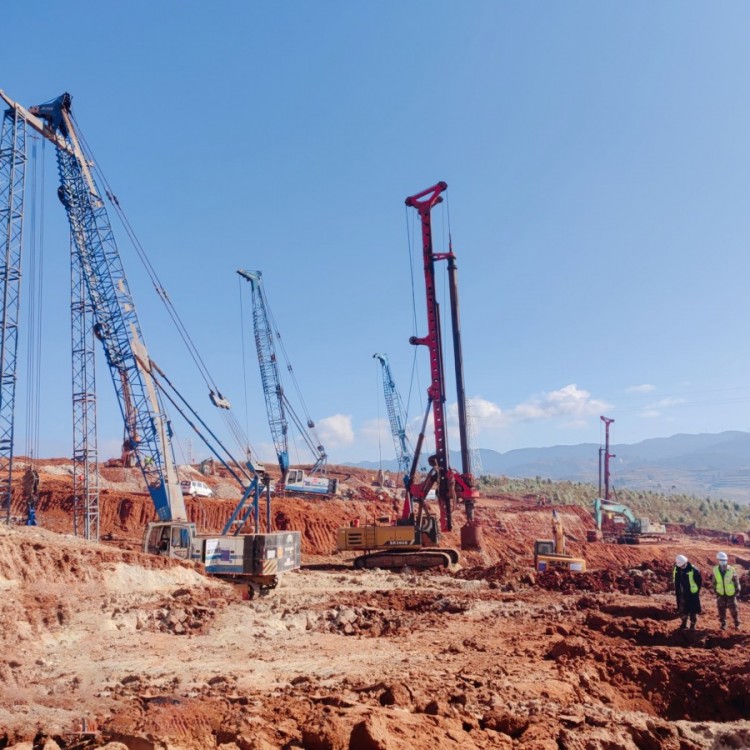

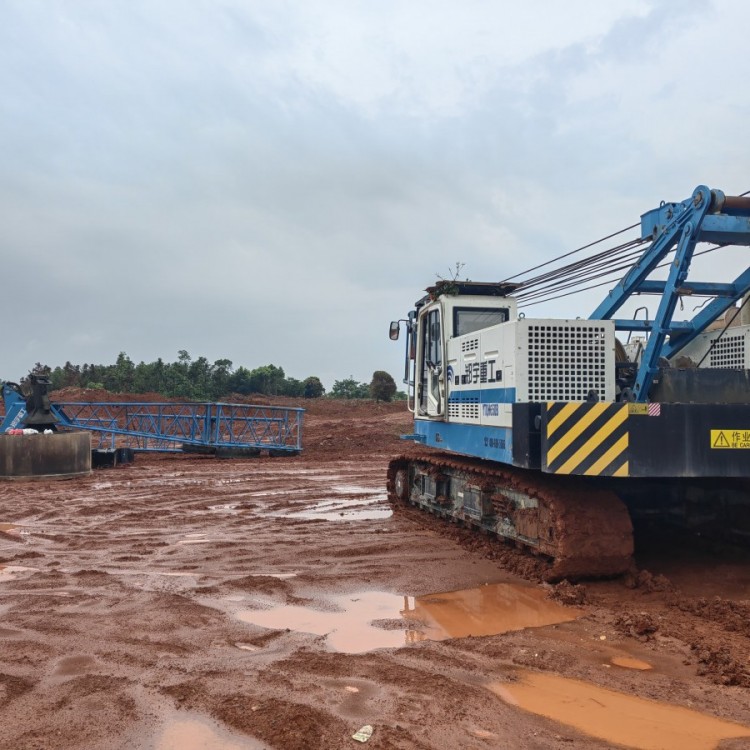
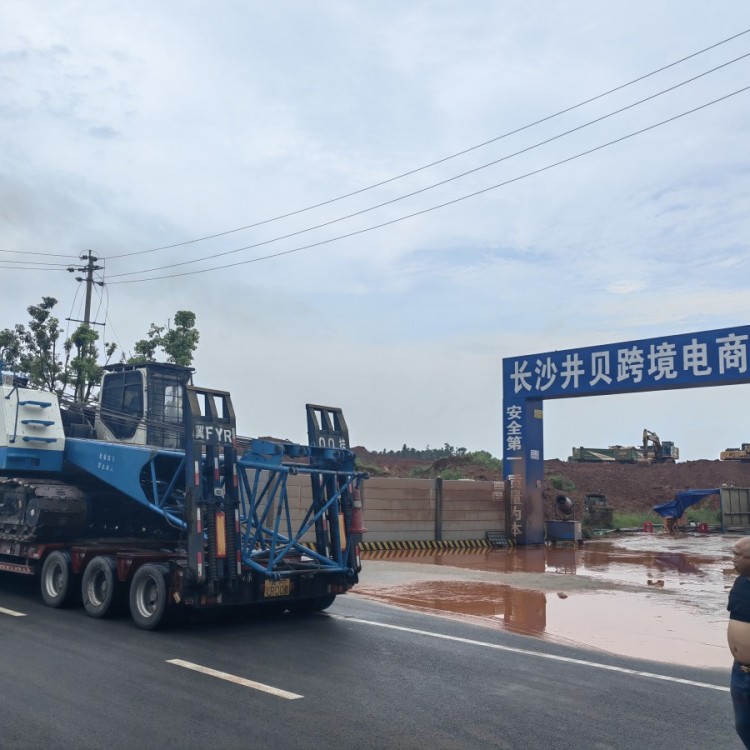


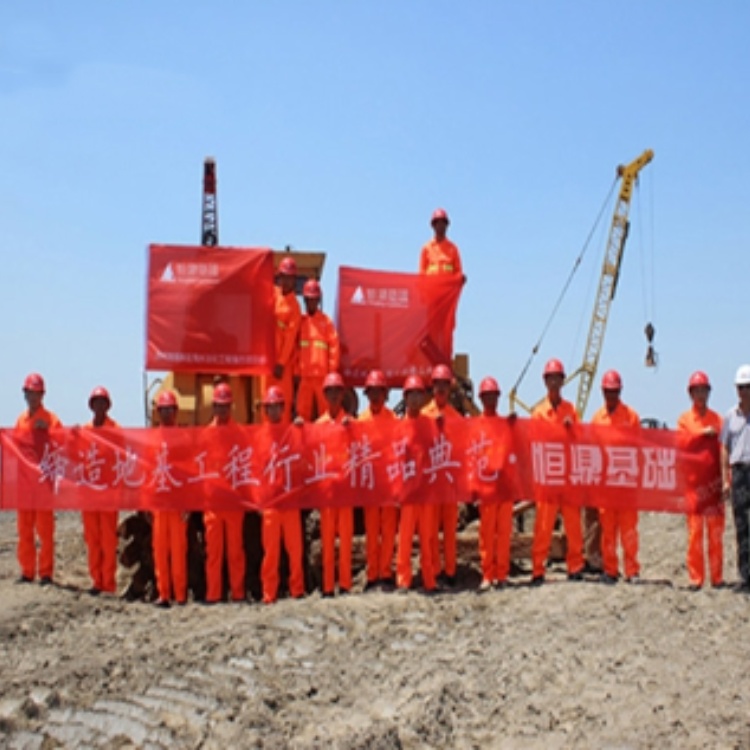





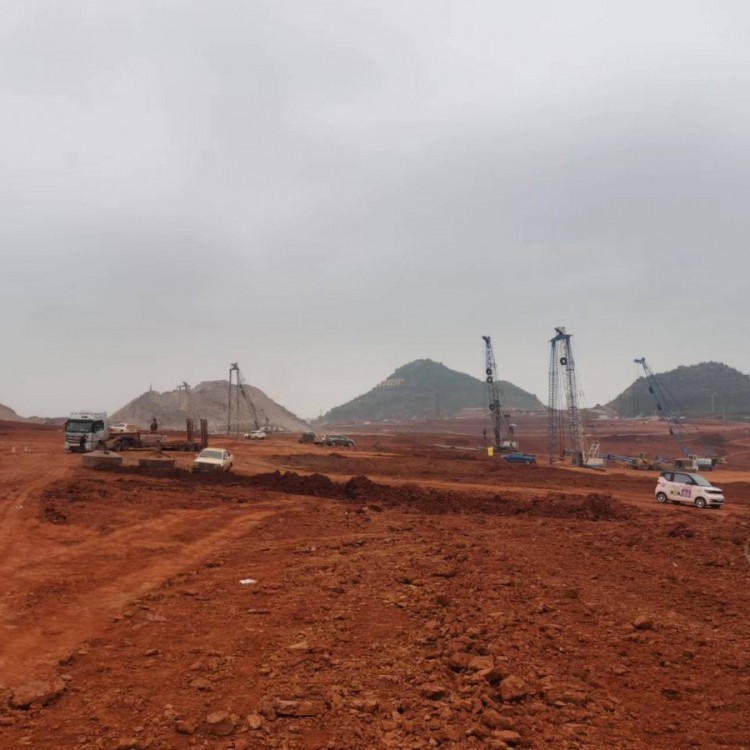
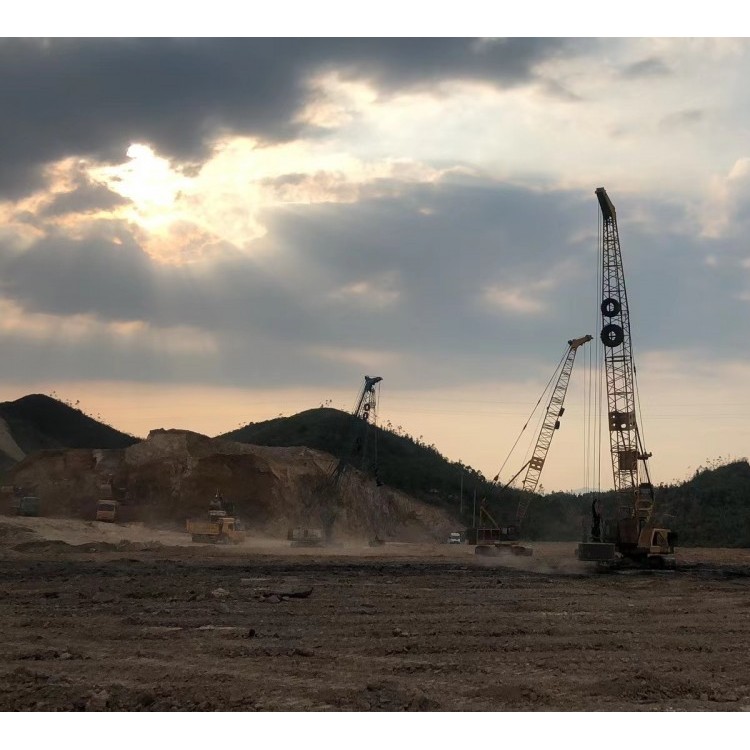
Kangshang Construction Engineering Co., Ltd. is a professional contractor specializing in deep compaction and deep compaction replacement for soft foundation treatment. The company owns over 30 sets of new hydraulic deep compaction equipment, capable of handling projects ranging from 1000 kN·m to 20,000 kN·m. Our services are available nationwide, with over a thousand successful construction cases. Our management and technical team are among the earliest builders in the field, having gained significant recognition and a great reputation through years of exploration and practice. We have earned the praise and recognition of numerous clients, gradually establishing ourselves as a brand company with strong equipment, technical, and management capabilities in foundation construction!
The main advantages of the dynamic compaction method include: wide application range, significant reinforcement effect, large effective reinforcement depth, simple construction equipment, material and cost savings, and environmental friendliness.
(1) Application Scope: Compaction method can be used to reinforce various sandy soils, silt soils, general clay soils, loess, artificial fill soils, especially suitable for reinforcing large stone-like soils that are difficult to reinforce by general methods, as well as miscellaneous fill soils composed of shallow, domestic waste, or industrial waste. The replacement method can also be used to reinforce soft soil foundations.
(2) Significant Reinforcement Effect: After the foundation is treated with dynamic compaction, it can significantly enhance the shear strength and bearing capacity of the soil, and reduce its compressibility.
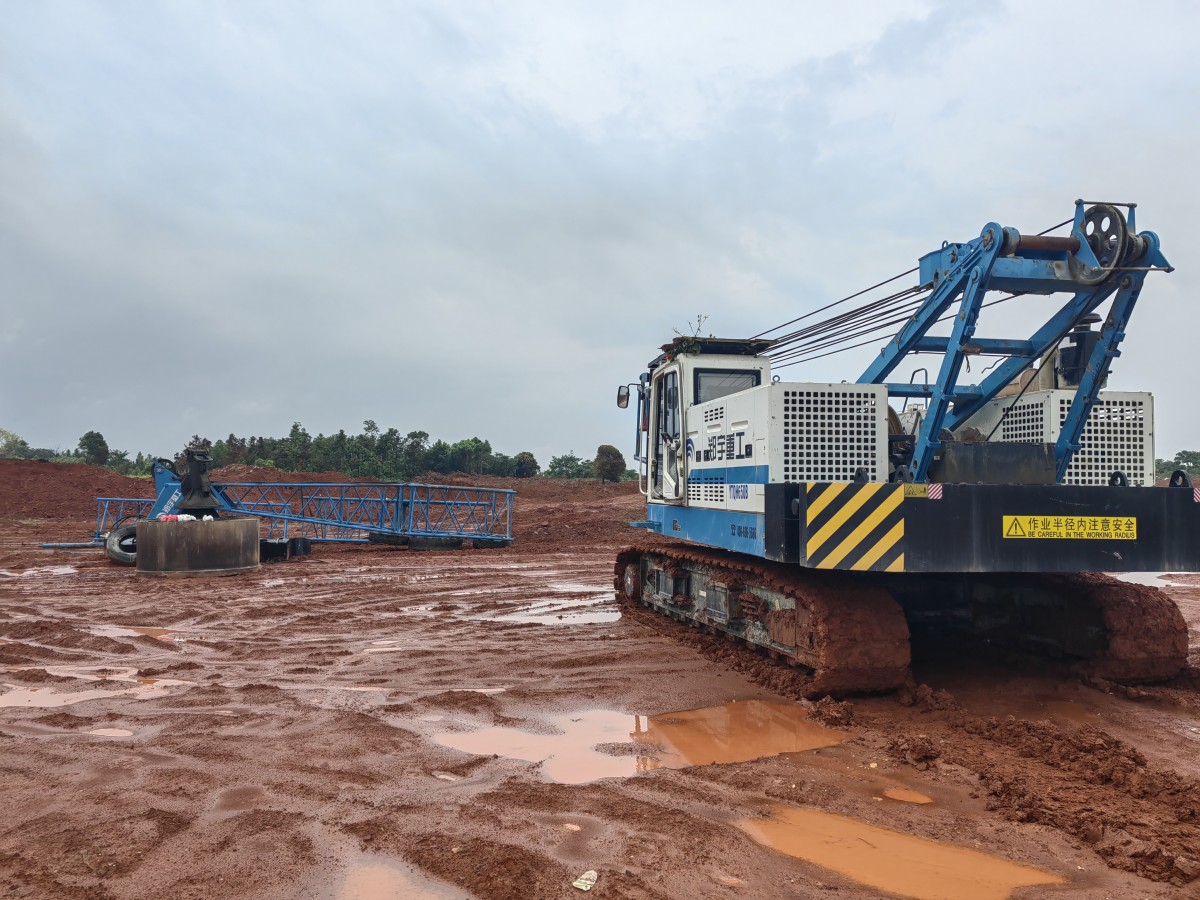
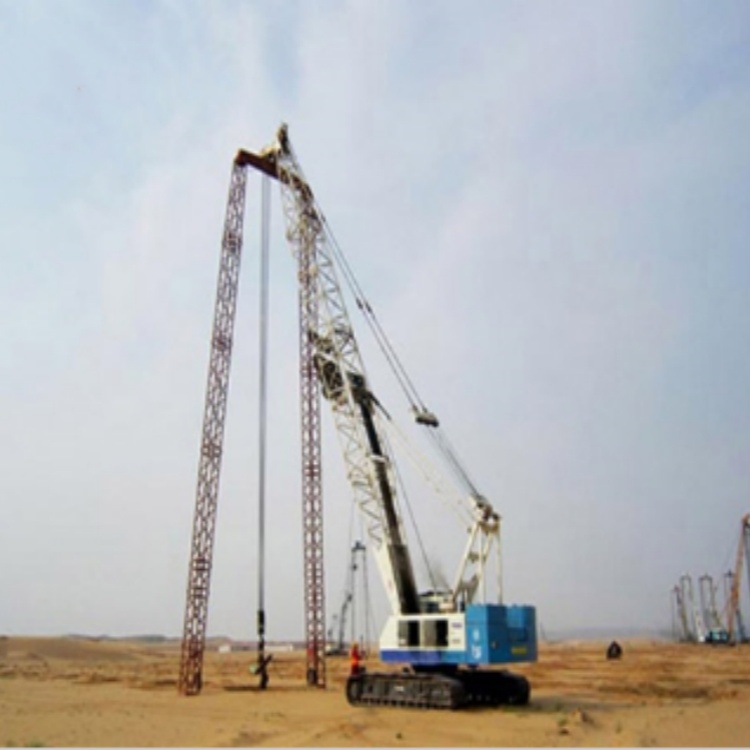
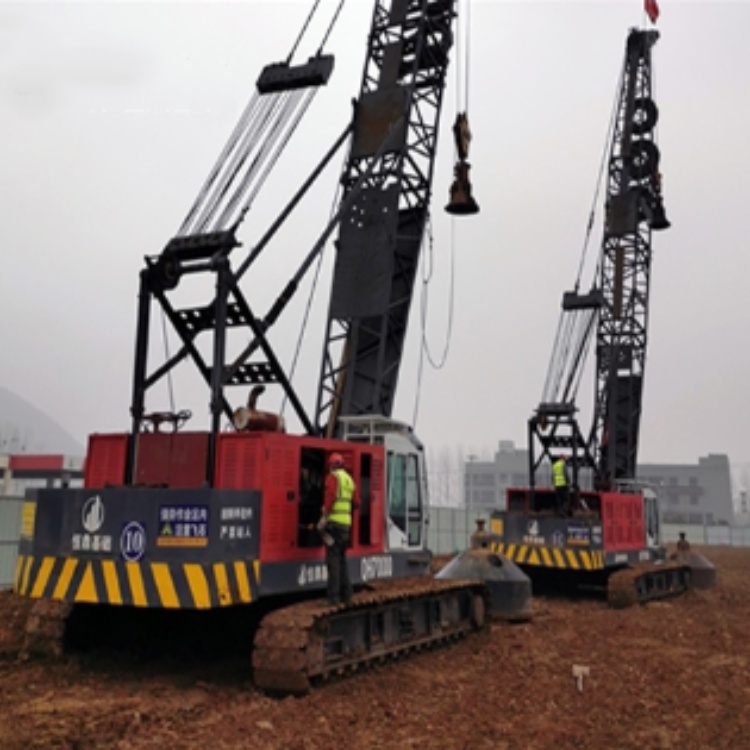
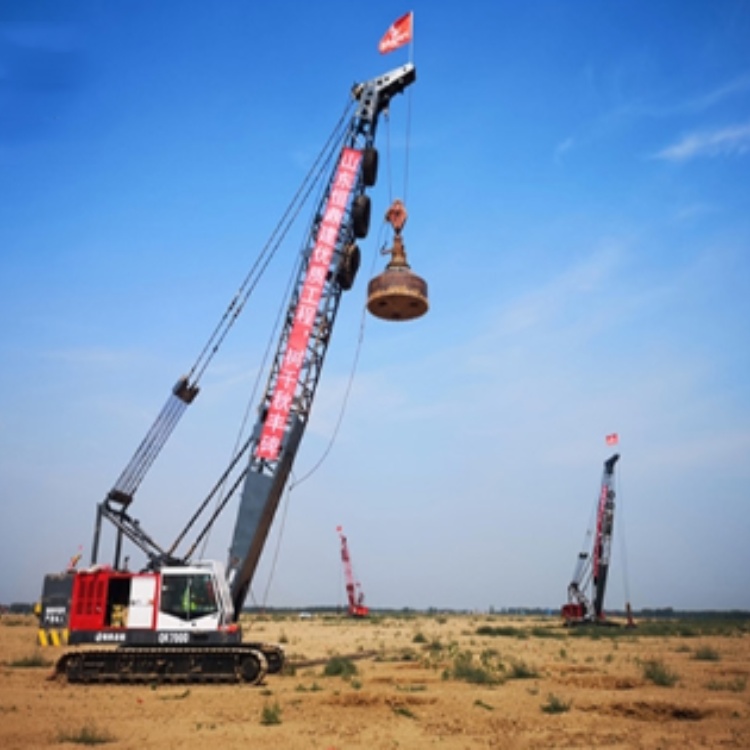
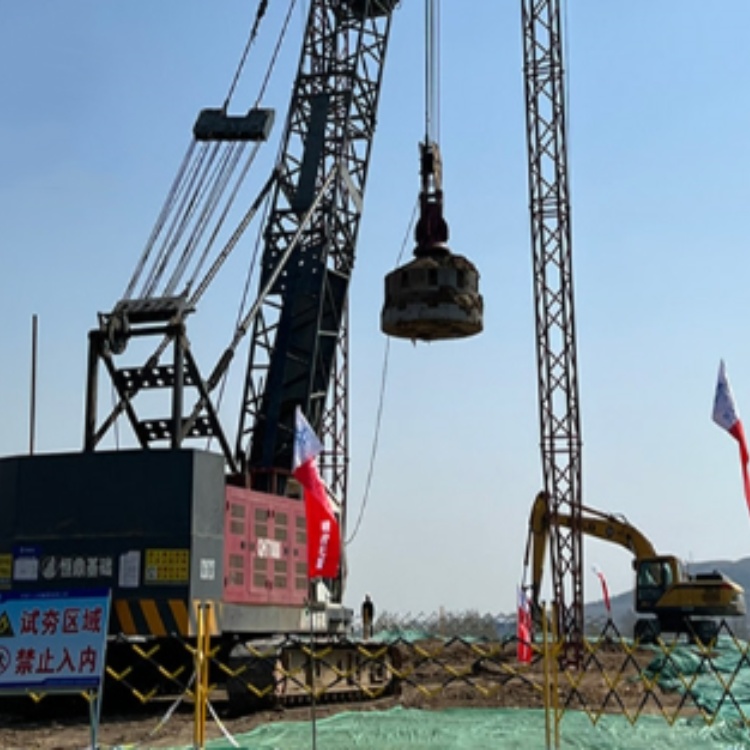
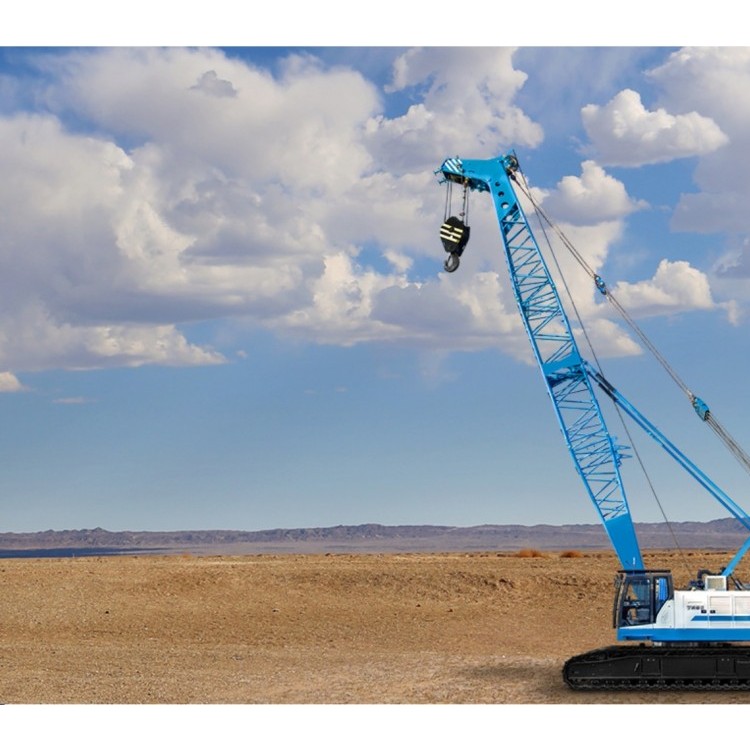
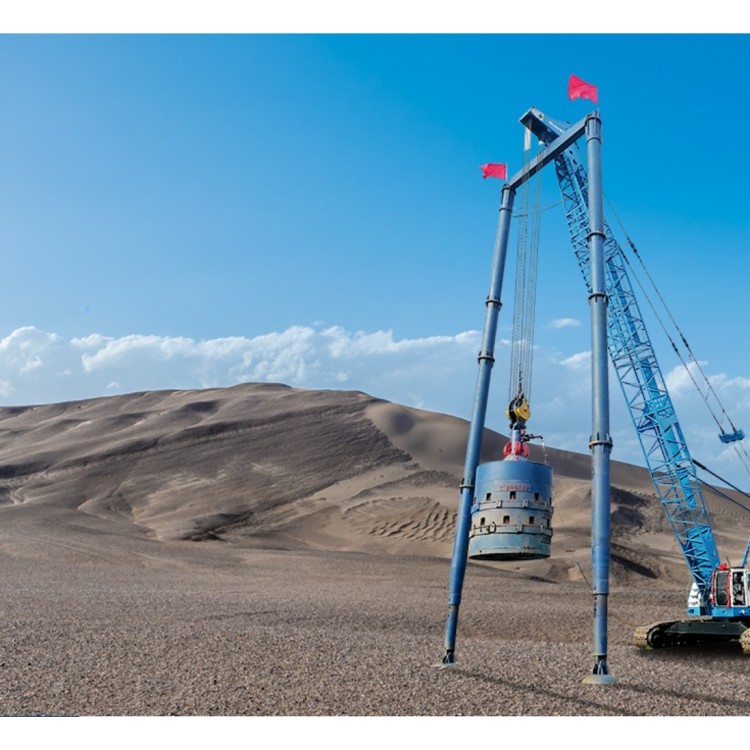
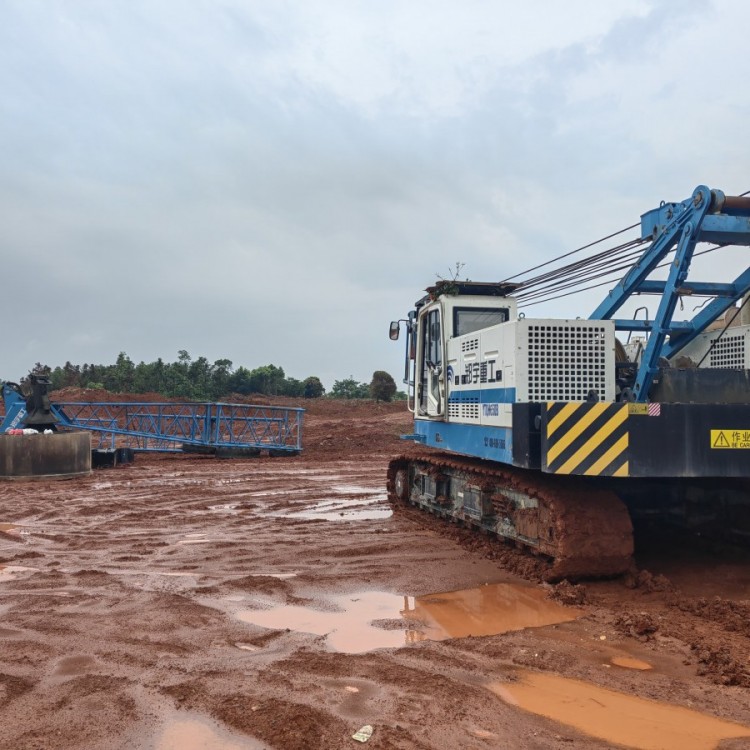
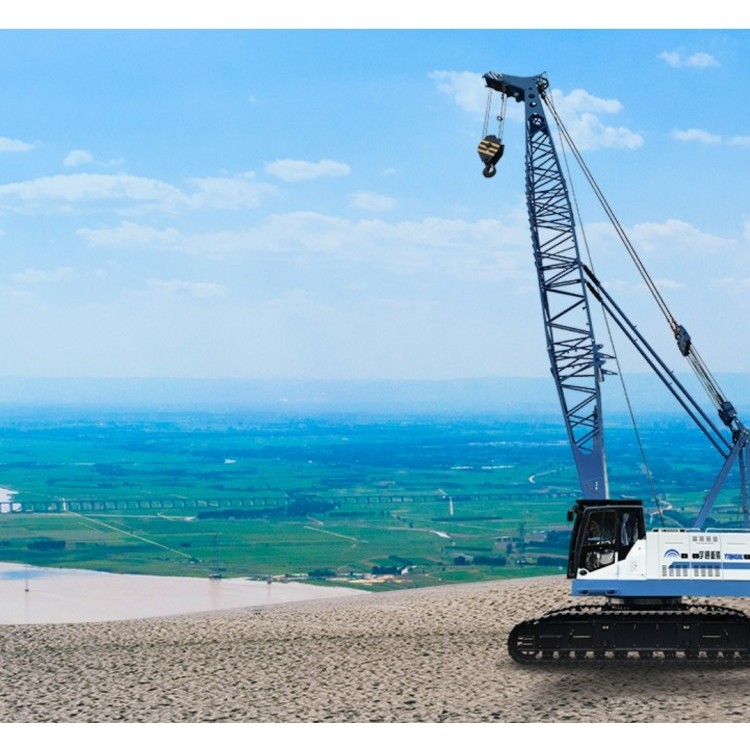
(3) Construction Equipment Simplified: The main equipment for dynamic compaction is crawler cranes. Substitute dynamic compaction equipment can be used with gantry frames and other facilities when necessary to enhance lifting capacity and stability.
(4) Material Savings: Compared to other ground treatment methods, the dynamic compaction method does not require steel, cement, and other construction materials, which can significantly reduce the consumption of building materials.
(5) Cost Savings: The dynamic compaction method is cost-effective compared to commonly used ground treatment techniques, being only 1/6 of the cost of CFG piles, 1/1 of the cost of mixing piles, and 1/2 of the cost of lime-soil piles.
(6) Eco-friendly: The compaction method for construction does not consume materials like steel and cement that are high in energy consumption, and it does not pollute the surrounding environment.
The main drawback of the dynamic compaction method is that it generates significant vibration and noise during construction, which can have an impact on surrounding buildings, structures, and the environment.
The dynamic compaction method is suitable for treating foundations such as crushed soil, sandy soil, low-saturation silt and clay, collapsible loess, plain fill, and mixed fill. The treated foundation not only enhances the strength of the soil but also reduces its compressibility, while also improving its resistance to vibration-induced liquefaction. Therefore, the dynamic compaction method is often used for treating foundations with liquefiable sandy soil, among others.
The dynamic compaction method is simple to operate, widely applicable to soil types, and significantly enhances reinforcement, achieving higher bearing capacity, typically increasing the ground strength by 2 to 5 times; it reduces deformation settlement by 2 to 10 times; soil particles are tightly bonded, offering high structural strength; it is highly efficient, speeding up construction, cutting the project timeline in half compared to soil replacement and backfilling; it conserves reinforcement materials; has low construction costs, saving investment; it saves 60% of costs compared to soil replacement and backfilling, reduces investment by 50% to 70% compared to precast pile reinforcement, and by 40% to 50% compared to sand piles.