












I. Brief Description of Carbonated Beverage Sampling Equipment
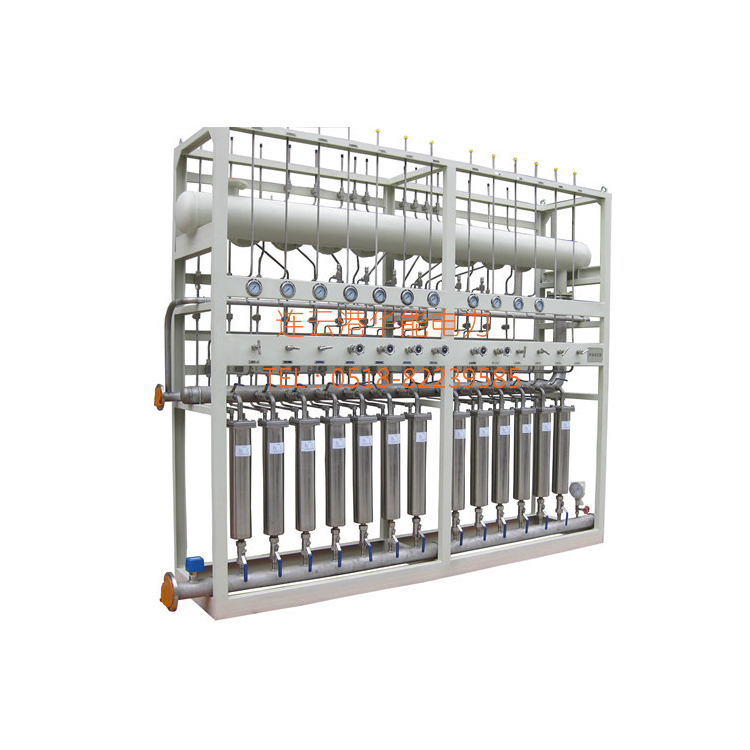
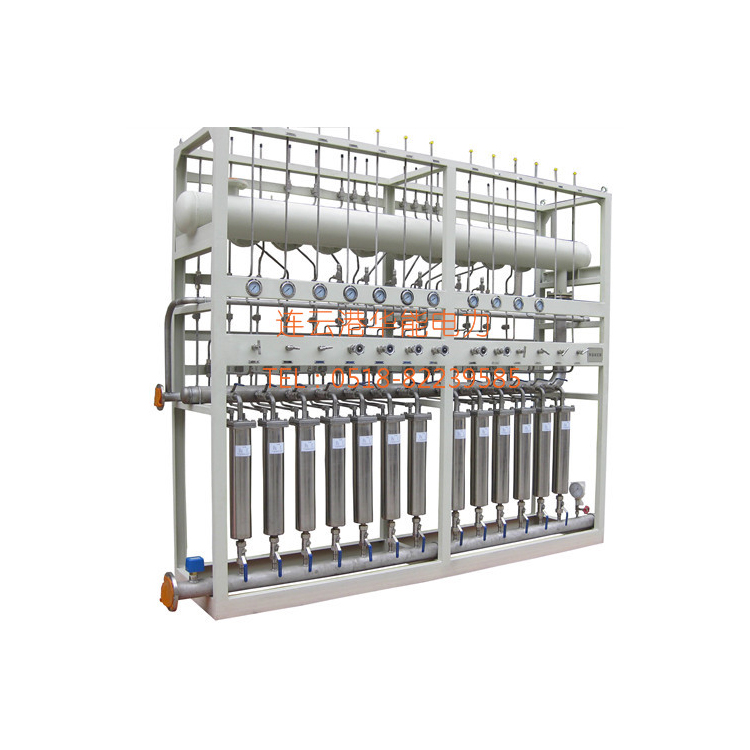
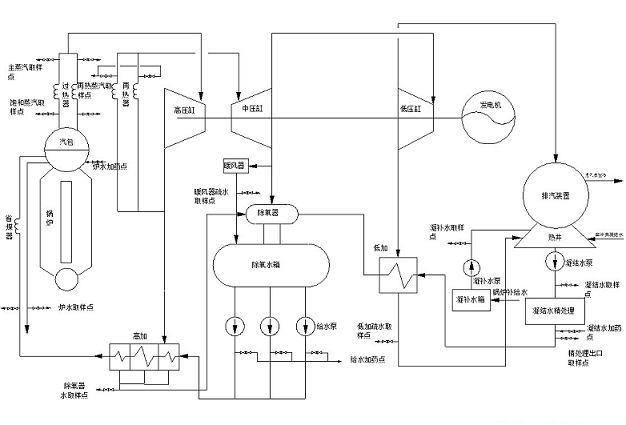
Water and steam sampling devices are used for thermal systems in power plants and secondary loop systems in nuclear power plants. They facilitate online chemical analysis, measurement, and network monitoring of water and steam quality. The instrument racks are centrally located to house various analytical instruments and allow for manual sampling. The devices protect against over-temperature, over-pressure, and flow interruption for the water samples entering the instruments. Additionally, a cooling water flow interruption protection system is set up to ensure the safe and reliable operation of the instruments.
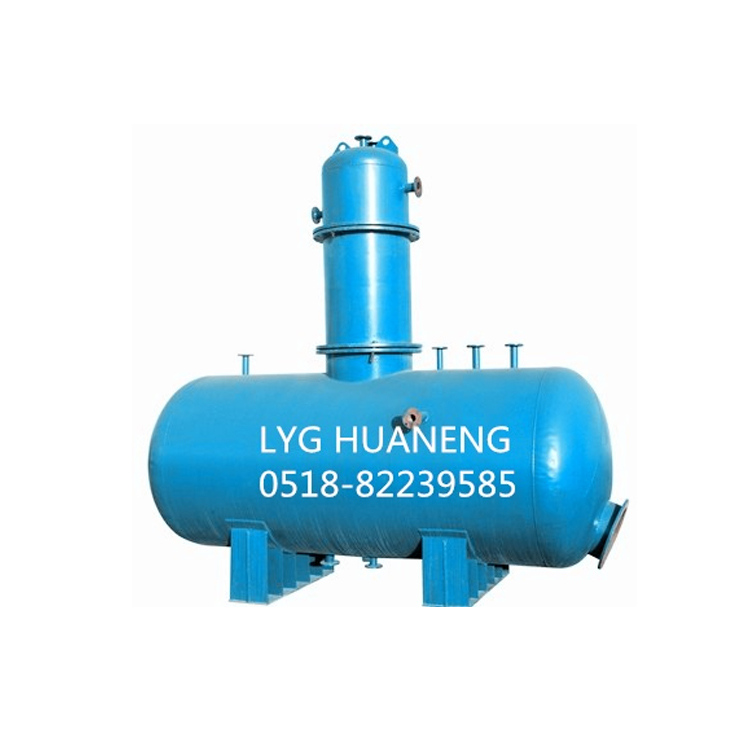
Carbonated Water Sampling Device and Boiler Water Sampling Apparatus are used for sampling and cooling water for chemical testing in boiler rooms or power plants. The sampling cooler is used for heat exchange of liquids and gases at high temperatures. The water in boilers and thermal systems is usually at high temperatures, which is not convenient for sampling and testing. Therefore, cooling should be added during sampling, i.e., cooling the samples taken at the sampling point. When the cooler cools the samples, it is generally required to ensure that the flow rate is between 500-700 mL/min, and the samples can be cooled to below 30-40 degrees to meet the standard DL/T 457-91 of the People's Republic of China's power industry.
Section II: Features of Carbonated Beverage Sampling Equipment:
The dashboard features a front panel design, offering a compact and aesthetically pleasing structure.
2. Equipped with over-temperature and over-pressure protection devices to safeguard valuable instruments.
3. Utilizing a rod-type pressure relief valve for online continuous adjustment of pressure and flow.
4. Utilize a thermostatic device for temperature control, with a flow-through cooler for high cooling efficiency, ensuring the sample water temperature remains constant at 25+1°C.
5. Utilizing cold bending and welding techniques, pipeline system leaks are completely eliminated.
6. The dashboard features an accessible passage for easy maintenance and inspection.
7. Utilizes prototype water pre-cooling technology to extend the lifespan of high-temperature and high-pressure drain valves.
8. High-pressure backwash filter to prevent pressure reducing valve clogging, with self-cleaning and draining capabilities
Section 3: Common Sampling Point Parameters:
1. Water Supply:
PH: 9.0-9.5YDOumol/L Fe≤20 ug/L Si02≤20 ug/L 02≤7ug/L CC≤0.2us/cm DD≤30ug/L Cu≤3 ug/l
2. Boiler Water:
PH: 9.1-9.3 YD~0umol/L Fe≤20 ug/L Si02≤200ug/L CC≤1.5us/cm DD≤10us/cm NaOH≤1mg/L
3. Condensate pH: 9.0-9.6; YD~0 umol/L; Fe≤20 ug/L; SiO2≤20 ug/L; O2≤30ug/L
CC≤0.3us/cm Cu≤3ug/L Na+≤10 ug/L
4. Steam: CC ≤ 0.2 us/cm, SiO2 ≤ 20 μg/L, Fe ≤ 10 μg/L, Cu ≤ 3 μg/L, Na+ ≤ 3 μg/L
5. Cool Water pH: 7-9
YD~0umol/L Cu≤40 ug/L DD≤2us/cm
6. Closed water pH > 8.5
YD ~ 0 umol/L, DD ≤ 30 us/cm Trend Analysis for Fe and Cu
IV. System Structure:
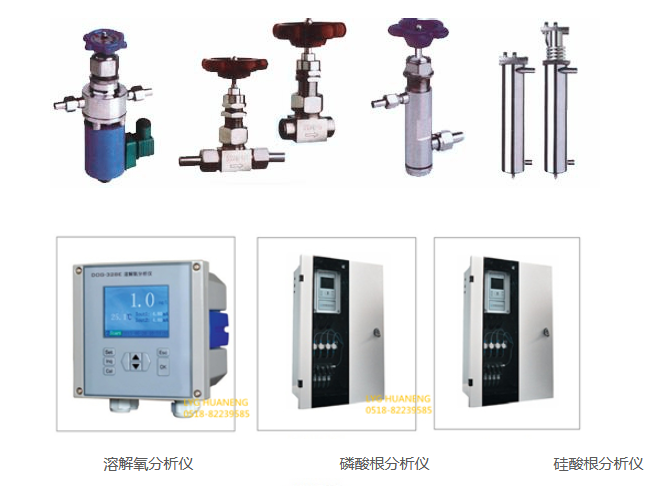
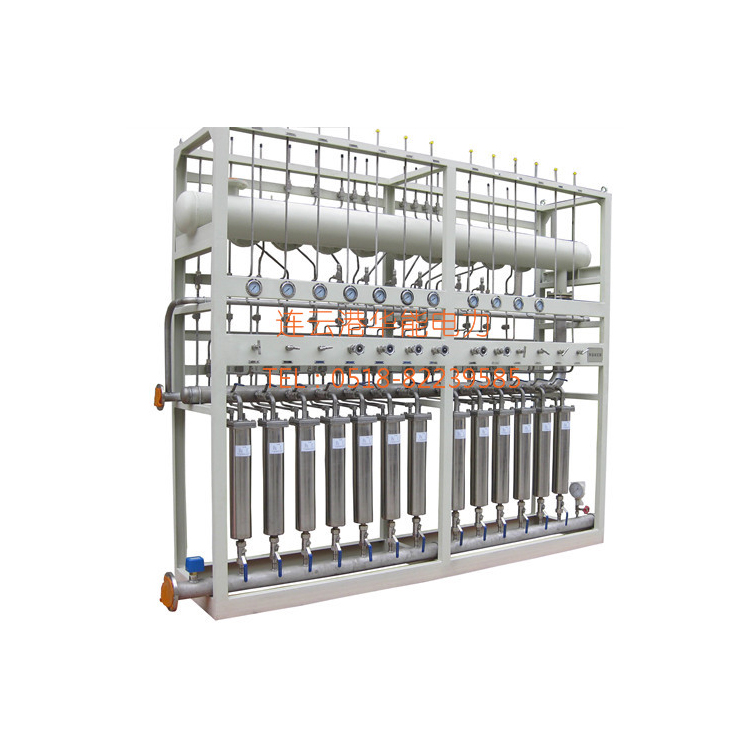
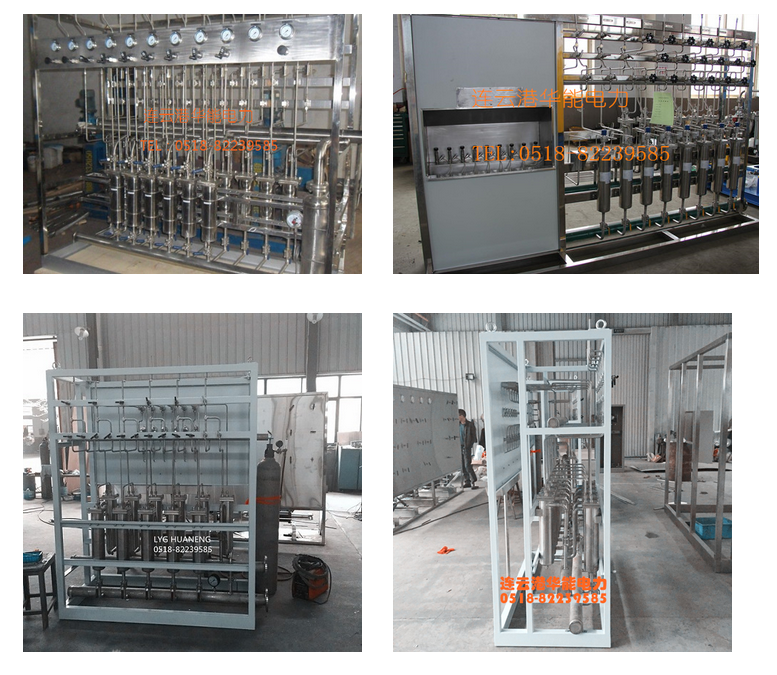
High-temperature racks are equipped with high-temperature and high-pressure valves, drain valves, pressure-reducing valves, pre-cooling units, coolers, protection systems, main inlets and outlets for cooling water, and temperature, pressure, and flow indicating instruments, among other functional components, to handle high-temperature
High-pressure sample water and steam cooling and pressure reduction treatment, lowering the supercritical water samples to the temperature and pressure range required by the instrument after pressure reduction and cooling, with temperature <40°C and pressure <0.5 mPa.
Section 5: Matching Instrument Valves