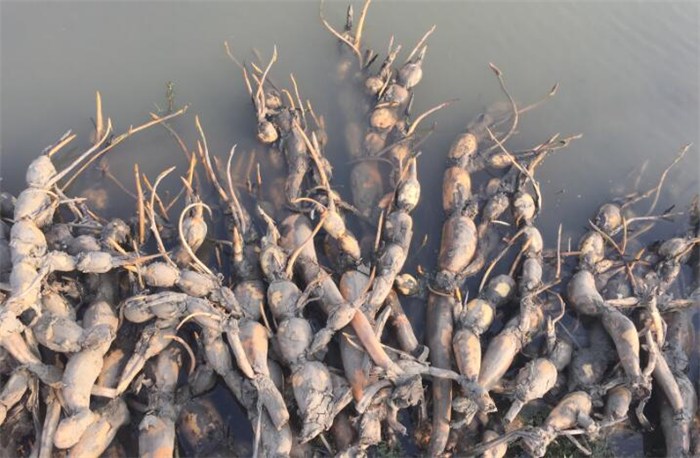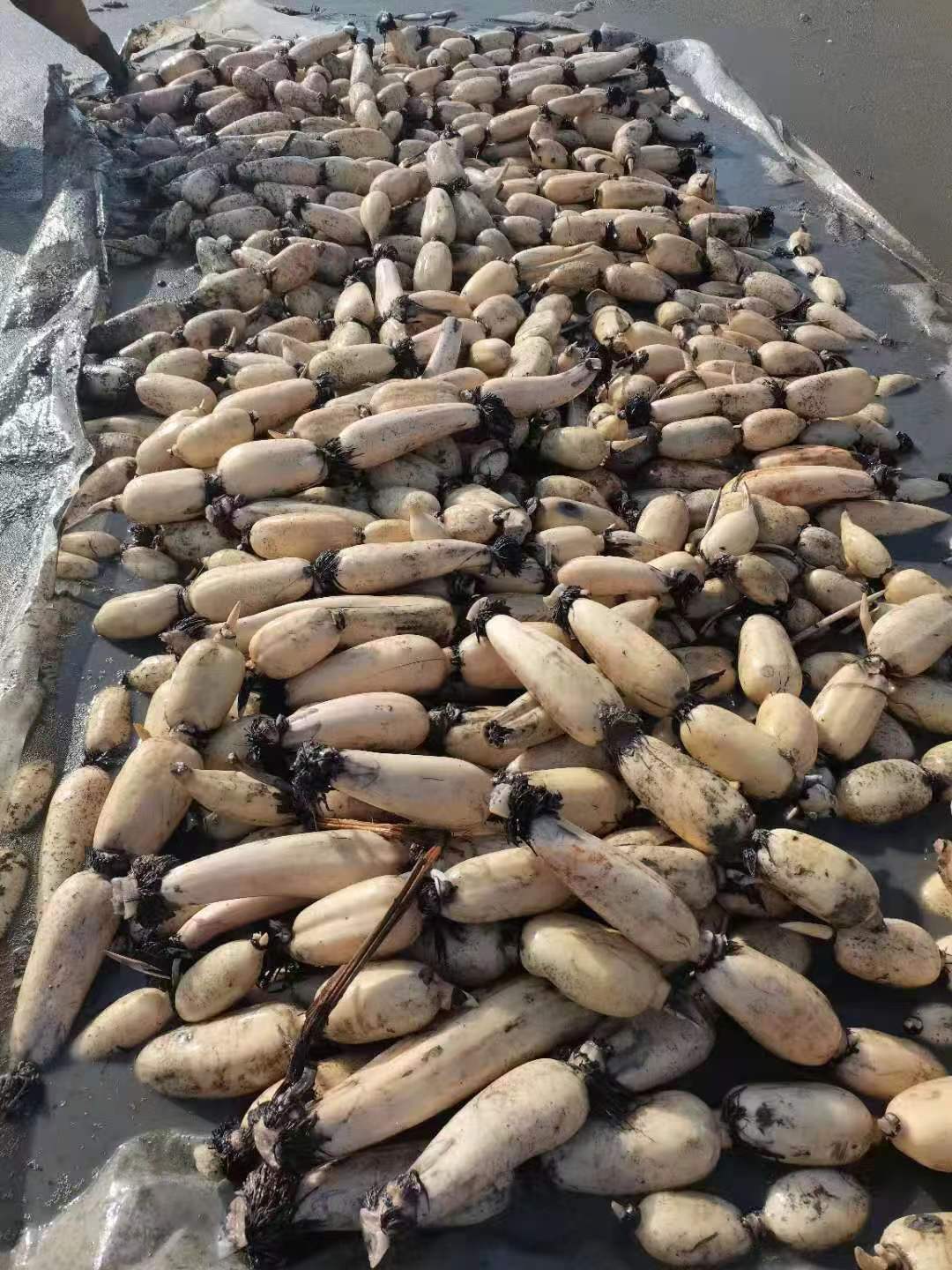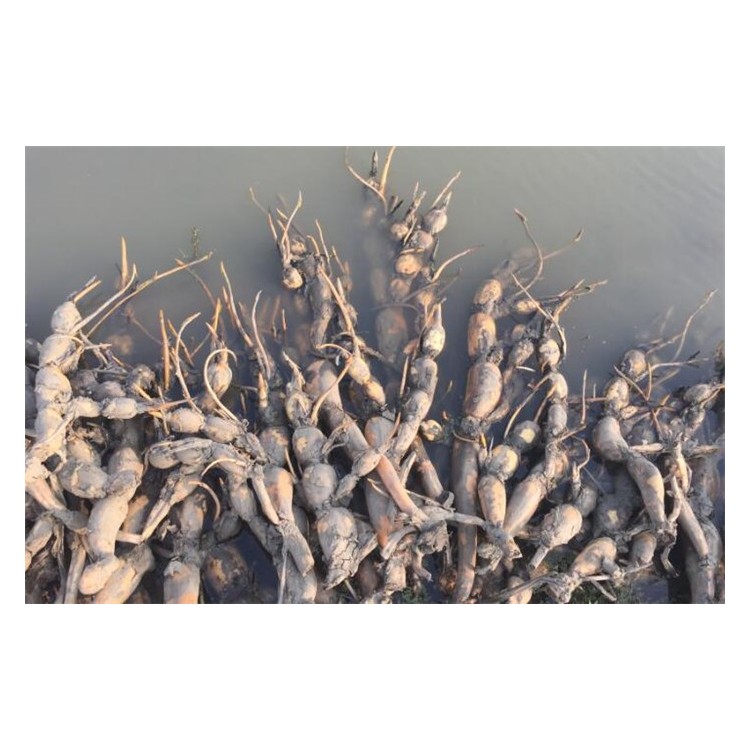

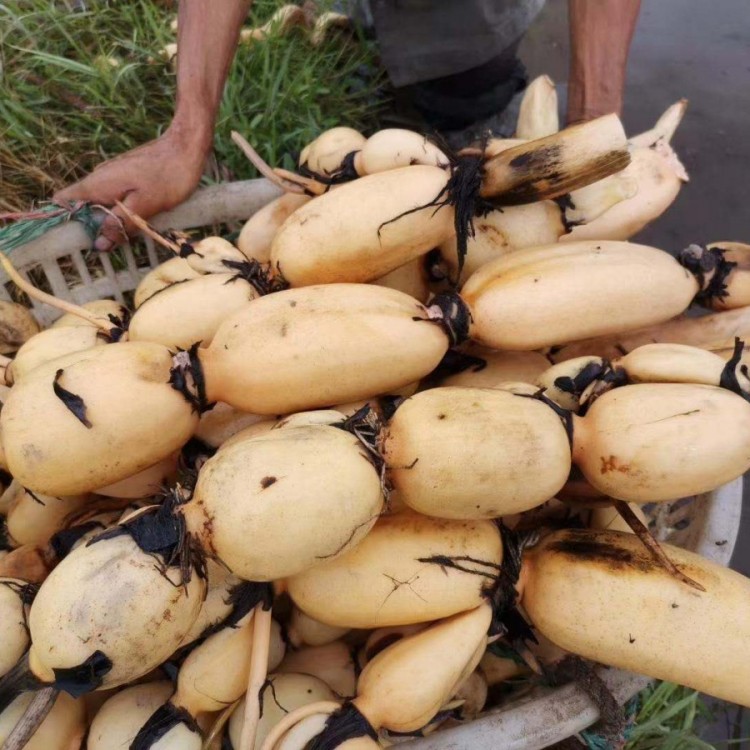
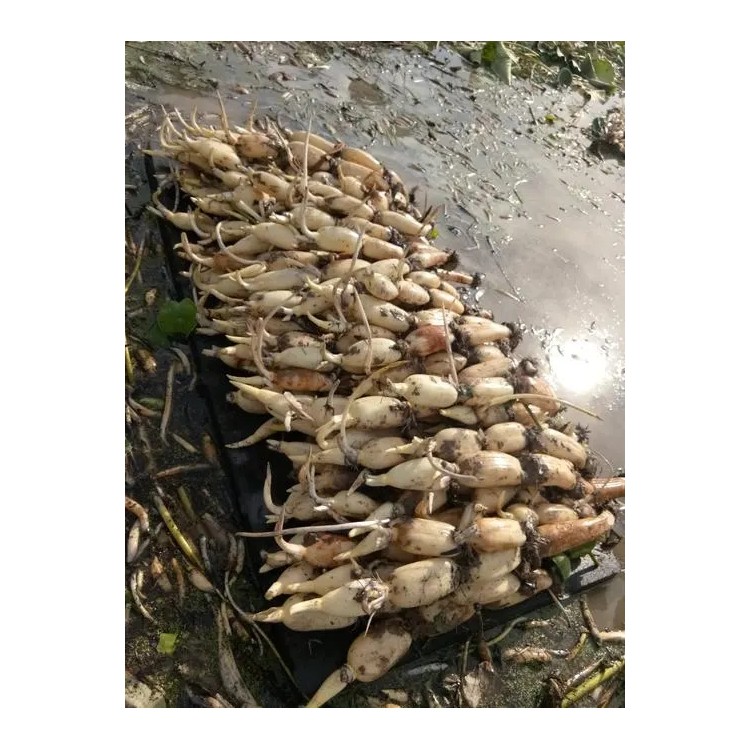


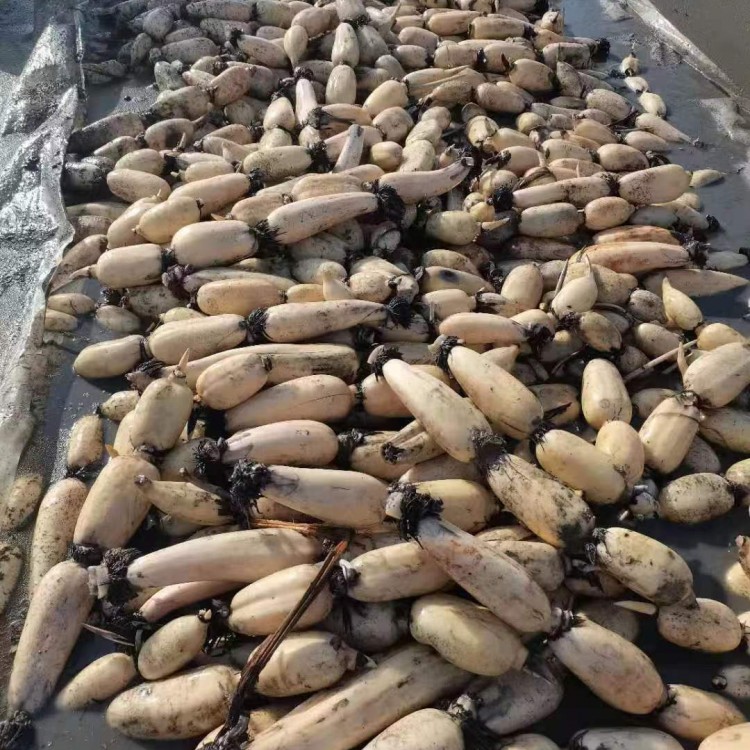





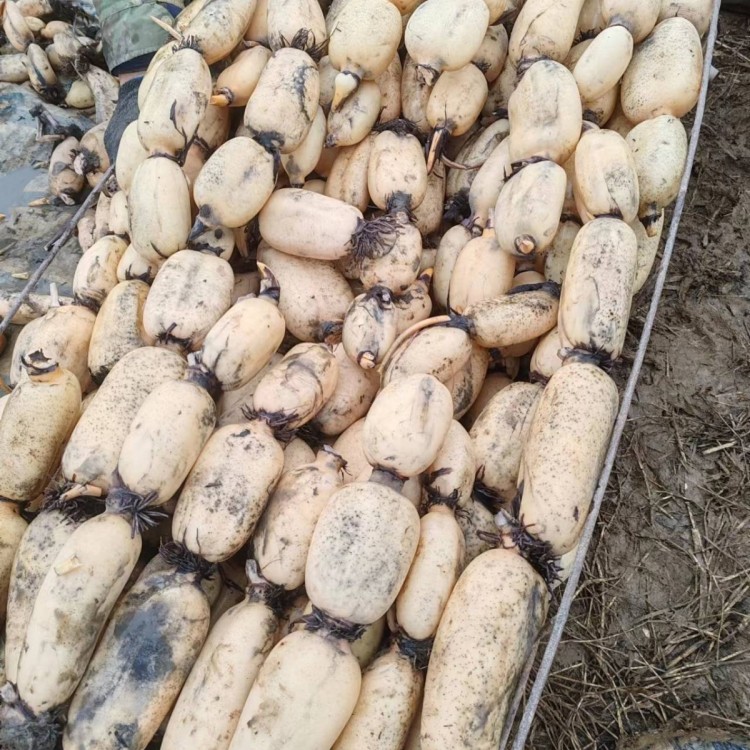


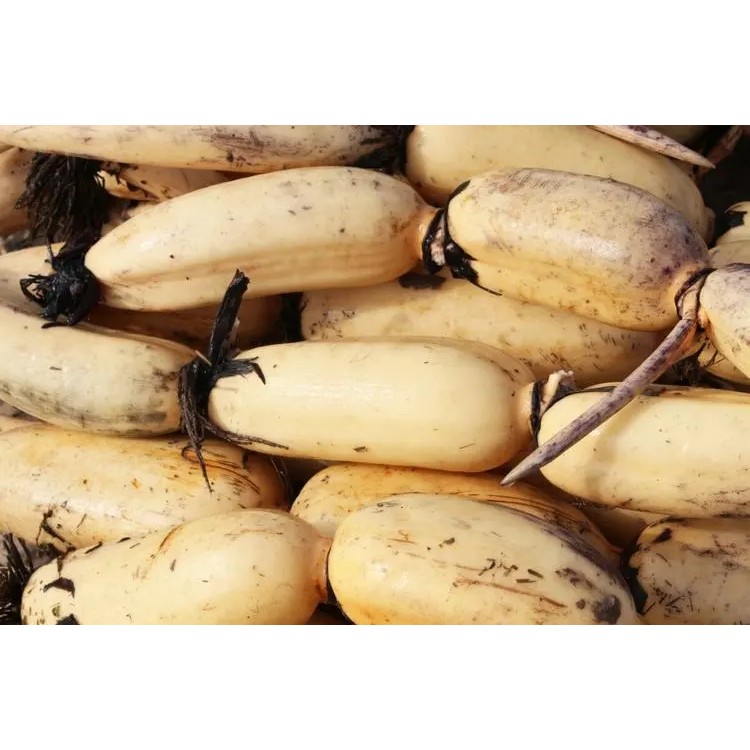
Lotus root is a common vegetable, belonging to the Nymphaeaceae family. Based on growth characteristics and uses, lotus root can be divided into two types: shallow water lotus root and deep water lotus root. Shallow water lotus root, also known as paddy field lotus root or pond lotus root, thrives in shallow water fields or ponds, grows quickly, with lush green stems and leaves, and has a crisp, tender texture, making it ideal for fresh vegetable consumption. Deep water lotus root, also known as lake lotus root or pond lotus root, is suited for growth in deep water lakes or ponds, grows more slowly, has smaller stems and leaves, and has a more floury texture, making it suitable for use as starch or processing material.
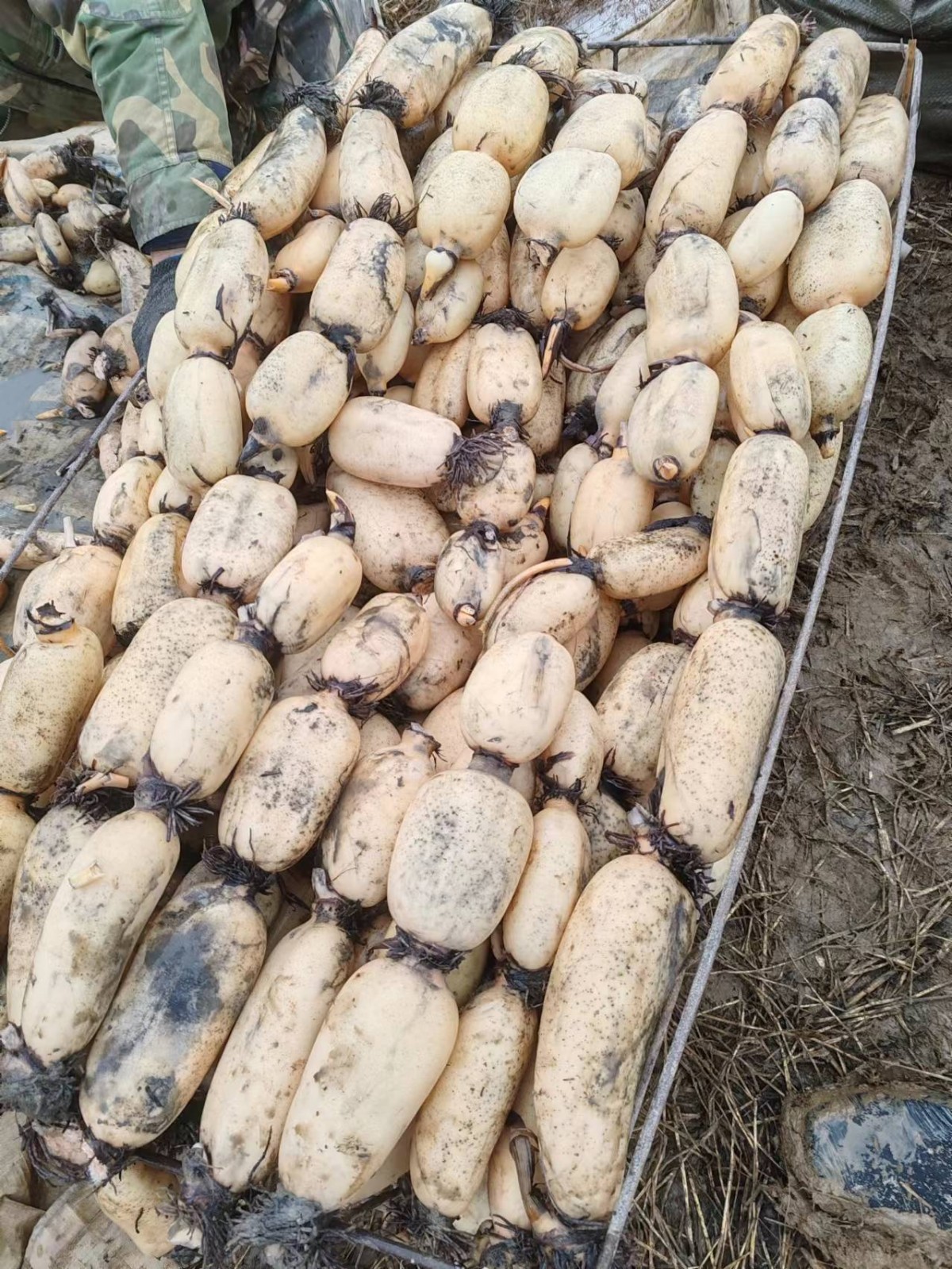
In addition to the two types mentioned above, lotus root can be categorized into early-maturing, mid-maturing, and late-maturing varieties. The growth characteristics of different varieties of lotus root can also vary. For instance, Suzhou's flower lotus is an extremely early-maturing variety with thick, short, round stems, yellowish-white skin, excellent quality, crisp, sweet, and suitable for raw consumption. Hangzhou's white flower lotus is an early-maturing variety with weak growth, white flowers, thick, short stems, slightly oval cross-section, brown skin, thick flesh, crisp texture, large holes, and high moisture content, also suitable for raw consumption. The Hainan Zhou lotus from Guangzhou is also an early-maturing variety, with a growth period of about 150 days, stems about 100 cm long, with 4-5 nodes, large and short nodes, large holes, short leaf buds, single root weight of 1.5-2 kg, tender and delicious, suitable for raw consumption.