











Cyclic Salt Spray Corrosion Test
Brief Introduction:
Long-term practice has proven that the correlation between the test results of the simple salt spray method and the actual corrosion outcomes from outdoor exposure is not good, and some products even showed results that contradicted the actual corrosion. In contrast, the cyclic salt spray is a more realistic testing method than the traditional constant-state salt spray exposure. As cyclic salt spray periodically subjects products to environmental stresses like salt spray, temperature, and humidity, which aligns with the frequent exposure of most products to alternating dry and wet conditions, the correlation between the test results of both is higher. Numerous cases also indicate that after corrosion cycle testing, the relative corrosion rate, structure, and morphology of the products are very similar to the actual outdoor corrosion outcomes. A simple and common cyclic salt spray corrosion test consists of salt-free spray and temperature and humidity storage. More complex cyclic salt spray tests, on the other hand, incorporate additional tests like saltwater immersion, condensation, UV ultraviolet aging, and atmosphere corrosion, on top of the salt spray and temperature and humidity storage. Conducting cyclic salt spray corrosion tests is crucial for effective corrosion control in the early stages of metal component development, which is significant for extending the lifespan of metal components.
Application Fields: Automotive and its accessories, electrical and electronic components, electronic hardware elements, metal protective coatings, aviation equipment, building materials, ship materials, film elements, electrical machinery, instruments and meters, etc.
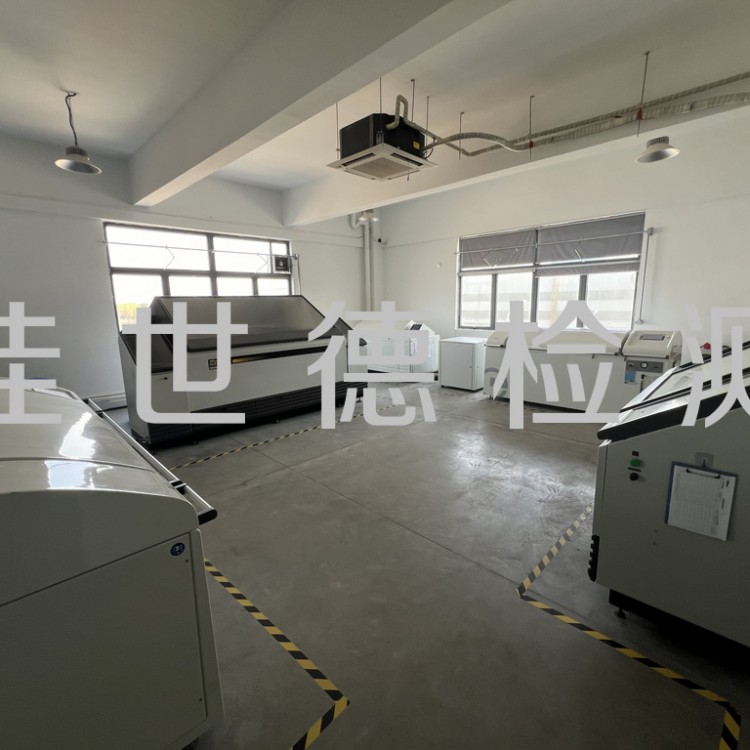
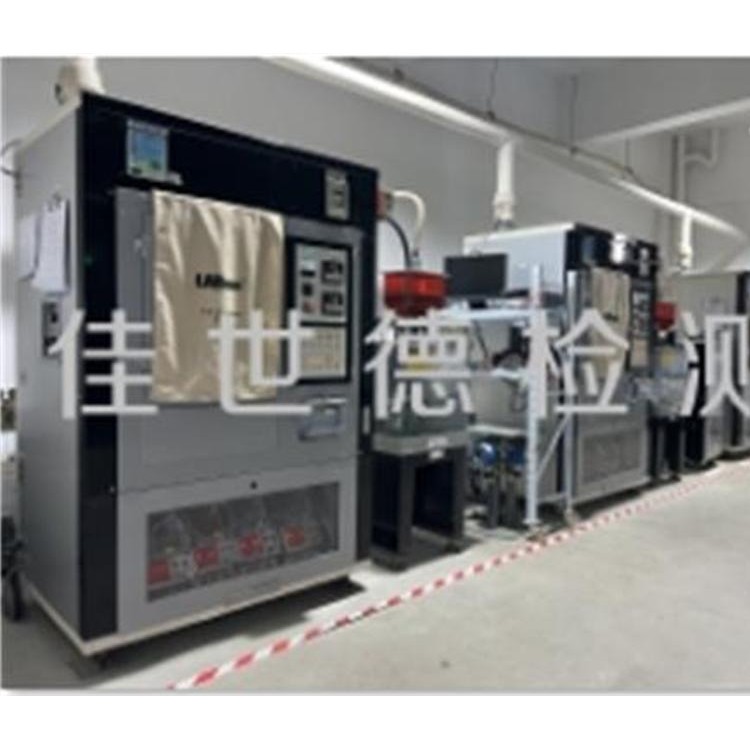
Primary Equipment: Circulating (Salt Spray) Corrosion Test Chamber.

Reference Standards: GB/T2423.17, GB/T2423.18, GB/T10125, ISO 9227, IEC60068-2-11, IEC60068-2-52, ASTM B117, ASTM B368, ASTM G85, SAEJ2334, etc. Some automotive industry standards that can be implemented include Volkswagen VW 80000, PV 1210 standard, GMW 14872 from General Motors, DBL7382 from Mercedes-Benz, and so on.
Case Introduction:
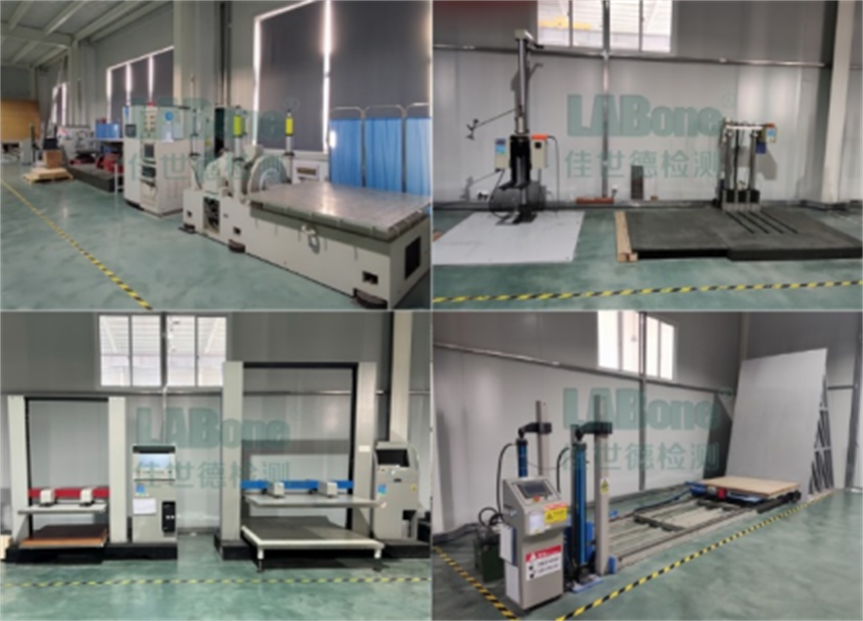
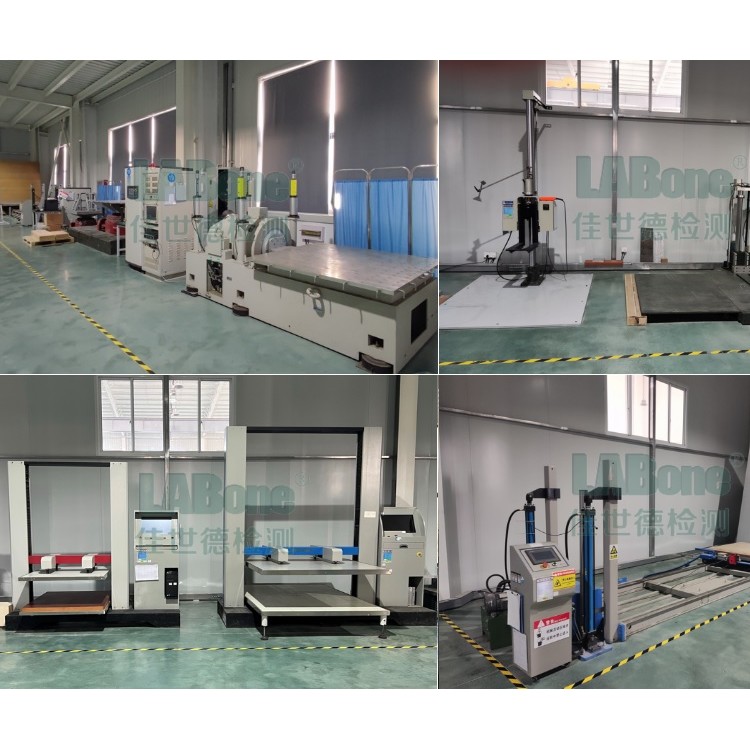
Expertise & Advantages: Accurate testing requires precise equipment, and Jiashi Detect utilizes mostly imported machinery, including brands like British ASCOTT, American ATLAS, QLAB, and German LIEBISCH. For large components, a 12-cubic-meter walk-in salt spray chamber is also available. These high-end devices can conduct the vast majority of current testing standards.