















Brief Introduction:
In the daily production and life, most failures of electrical, electronic products, and devices are caused by corrosion of conductive materials, electrical contact parts, and metal components. As for the corrosion of metals in the atmosphere, the presence of corrosive gases around them has a significant impact. Traditional corrosive gases include sulfur dioxide (SO2).2Nitrogen Dioxide (NO)2Sulfur Hydride (H₂S)2S) and Chlorine (Cl)2). Generally speaking, SO2、NO2Primarily emitted from flue gas of power plants, steel mills, and internal combustion engines, with some NO.2Also originates from arc discharge; H2S is primarily produced from geothermal power plants, paper mills, and wastewater treatment plants; Cl2Primarily produced from chemical plants, water treatment facilities, and combustion byproducts (excreted in the form of HCl), etc.
Four primary corrosive gases —
Different types of corrosive gases exhibit varying chemical reactions and corrosive properties, which may necessitate different product materials to address them.
SO2Significant impact on copper and nickel; NO2Significant impact on copper and copper alloys; H2S causes corrosion at temperatures not too high, significantly affecting silver and copper; Cl2Almost all metals can be subject to corrosion. Four types of corrosive gases can be tested on samples individually, or combined for testing based on the actual environmental stress surrounding the sample or specific research objectives. For example, in natural environments, due to the combustion by-products of fossil fuels and automotive exhaust, which generally contain SO2、NO2Gases, so the main sources of air pollution are primarily SO.2With NO2Therefore, in many gas corrosion tests, SO2With NO2Very common.
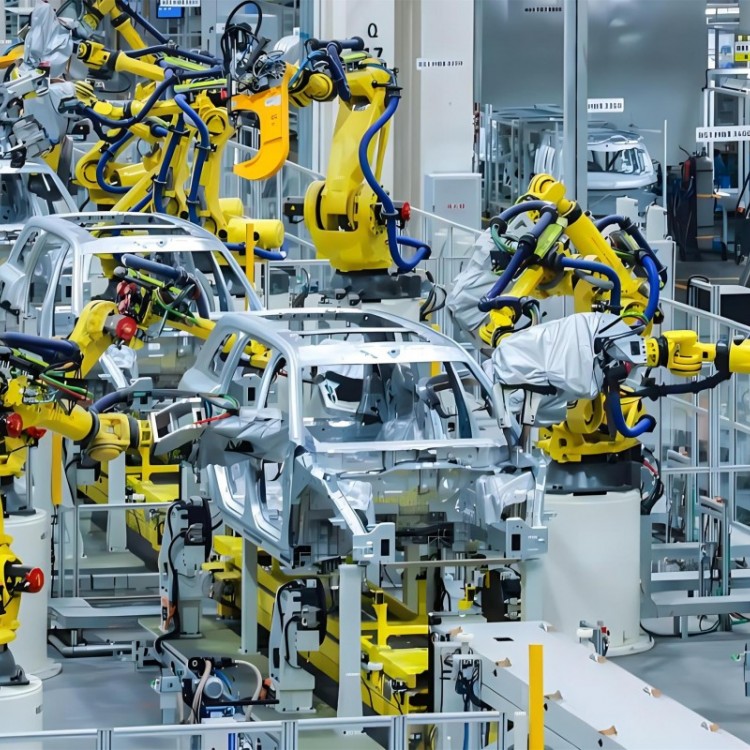
Application FieldsAutomotive parts, electronic components, metal materials, electrical and electronic product coatings, as well as industrial goods.
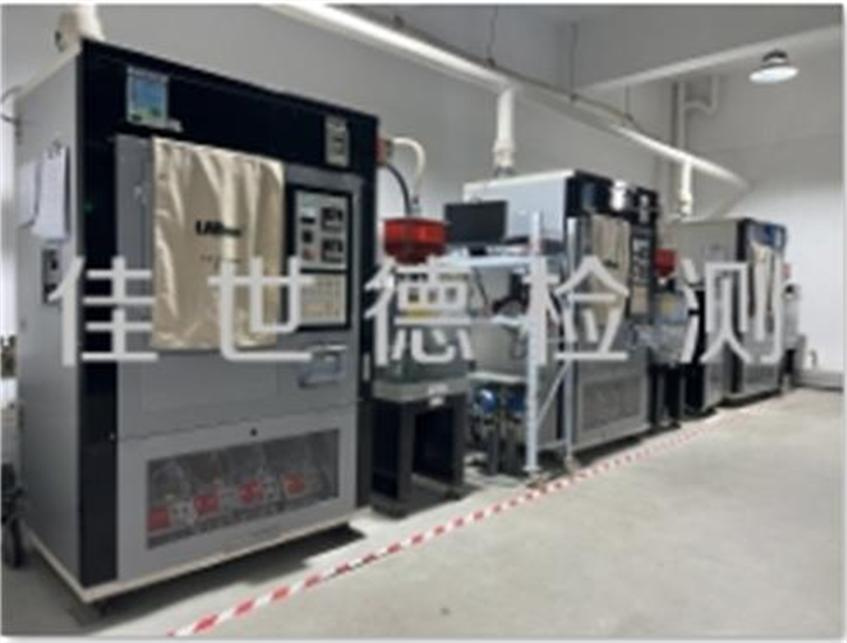
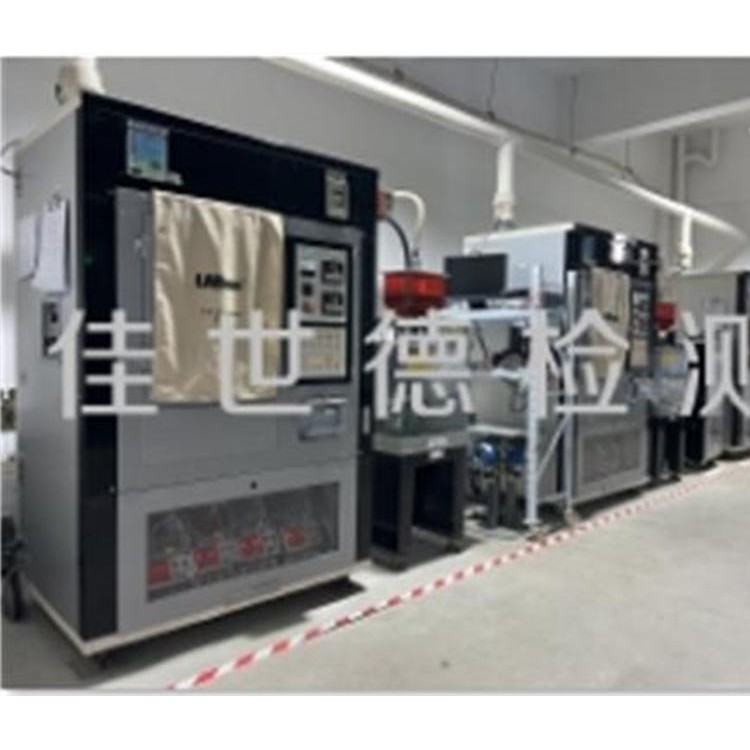
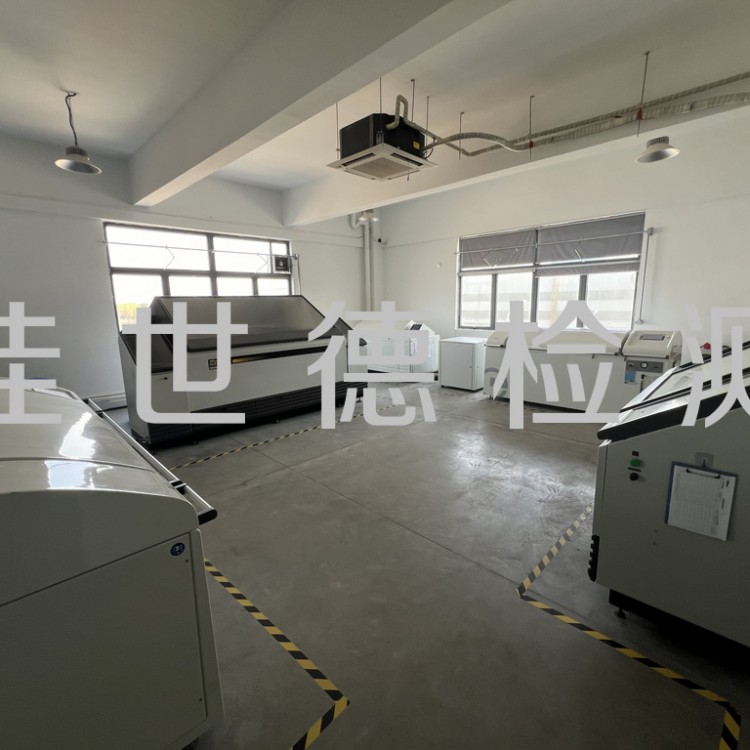
Primary InstrumentsGas Corrosion Test Chamber

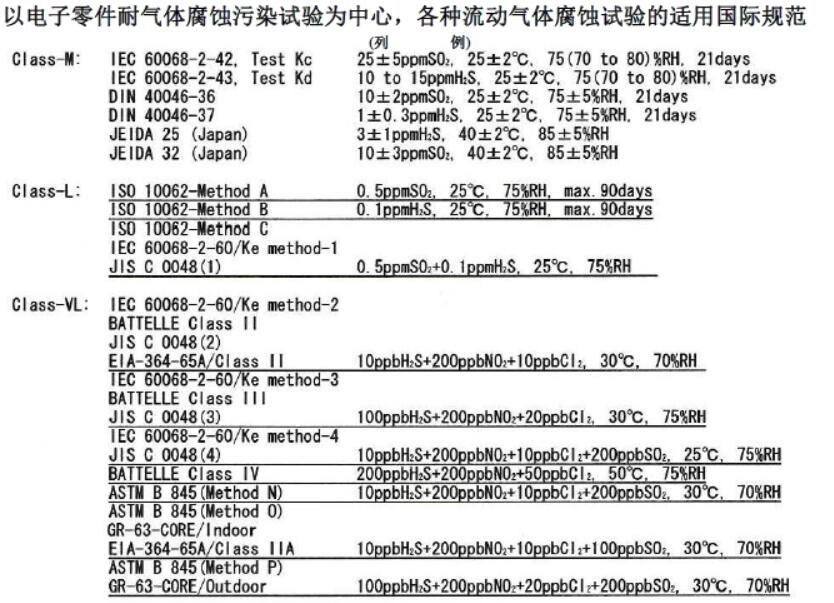
Reference Standard:GB/T 2423.51, EIA-364-65
Case Introduction:

Our Capabilities and Advantages: Accurate testing requires precise equipment, and our GASAKI testing utilizes gas corrosion test chambers exclusively from the Japanese brand YAMASAKI.
Branded and equipped with multiple units, capable of executing conditions in the vast majority of known standards for both high and low concentrations.