












Salt Spray Test
Brief Introduction:
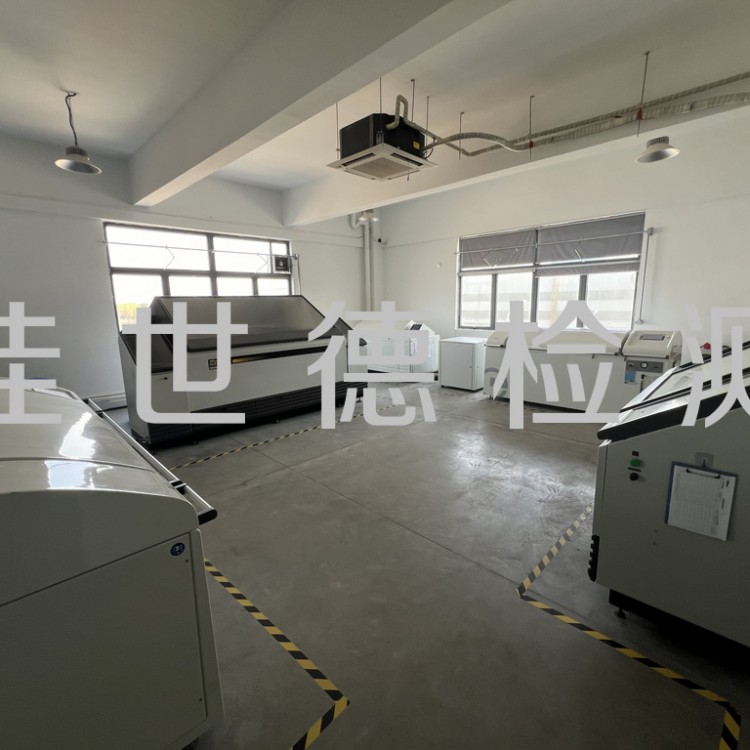
Salt spray testing is a type of reliability environmental test that mainly utilizes salt spray test equipment to create an artificial simulated salt spray environment to evaluate the corrosion resistance of metal, metal coatings, or metal alloy products. As a common and destructive atmospheric corrosion, the main corrosive component of salt spray is sodium chloride (NaCl), commonly known as table salt found in production and daily life. The corrosion mechanism of metal materials by salt spray is that ammonium ions (C|-) penetrate the oxide and protective layers on the surface of the metal and undergo electrochemical reactions with the internal metal. Moreover, due to the certain hydrating energy of ammonium ions, they are easily adsorbed in the pores and cracks of the metal surface, converting insoluble oxides into soluble ammonium compounds, causing the sample surface to transition from passivated to active state, leading to the degradation or failure of product performance. Generally, salt spray tests are categorized into three types: Neutral Salt Spray Test (NSS), Acid Salt Spray Test (ASS), and Copper Accelerated Acetic Acid Salt Spray Test (CASS). Different salt spray tests simulate different actual operating environments.
Application Fields: Automotive and its accessories, electronic electrical components, electronic hardware elements, metal protective coatings, aviation equipment, construction materials, ship materials, film elements, electrical machinery, instruments and meters, etc.