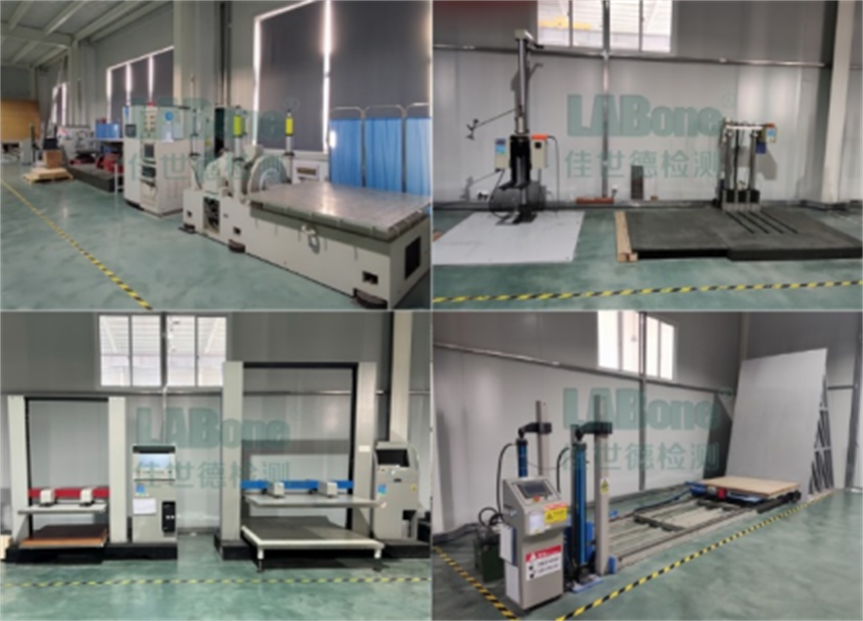












Vibration Test
Brief Introduction: Vibration testing simulates various vibration environments that a product may encounter during transportation, installation, and use, and is used to evaluate the product's vibration resistance. Generally, vibrations are categorized into sinusoidal and random vibrations. Sinusoidal vibration tests are applied when assessing the vibration resistance of automotive electronic and electrical equipment, mainly simulating the sinusoidal excitation from the engine or transmission. These excitations typically vary in frequency and can be either fixed or variable. Therefore, fixed-frequency and swept-frequency vibrations are commonly used to simulate such actual conditions. Random vibration primarily simulates the vibration environment a product may experience during transportation. Generally, random vibration is suitable for evaluating the vibration resistance of products with inherent frequencies that are narrow or distributed over a wide frequency band.
Application Fields: Automotive Products, Electronic Electrical Parts, Communication Products, PCB, PCBA, Measuring Instruments, Household Appliances, Medical Devices, Transportation Packaging, etc.
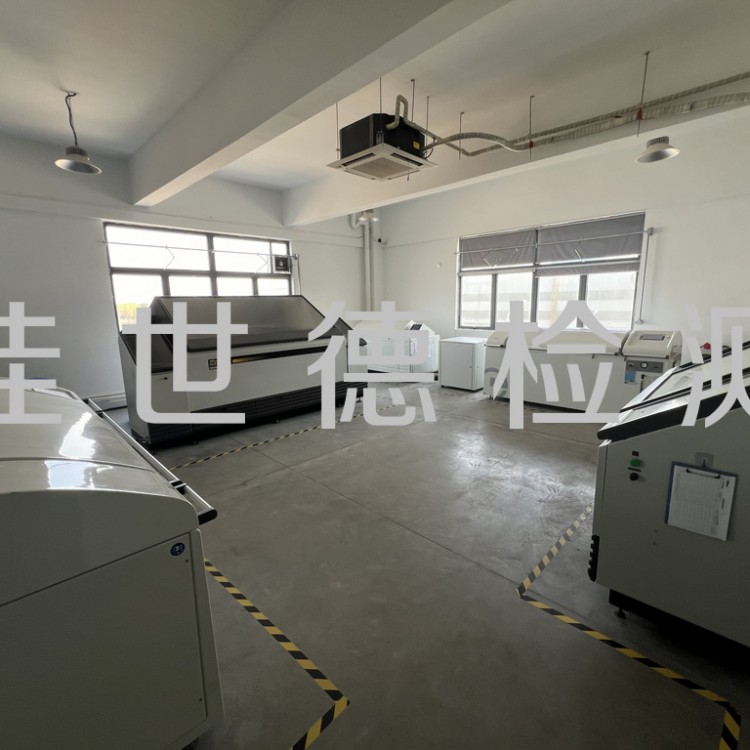
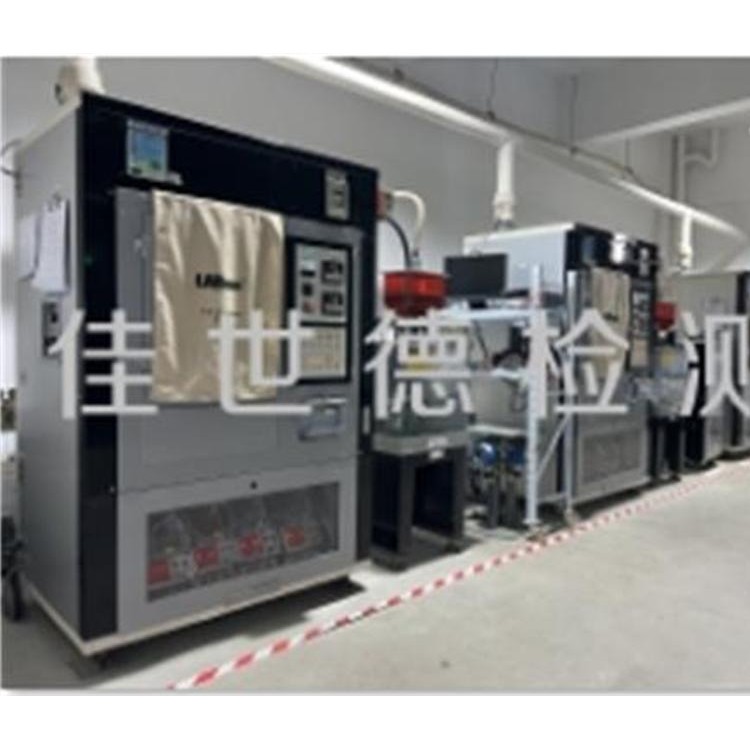
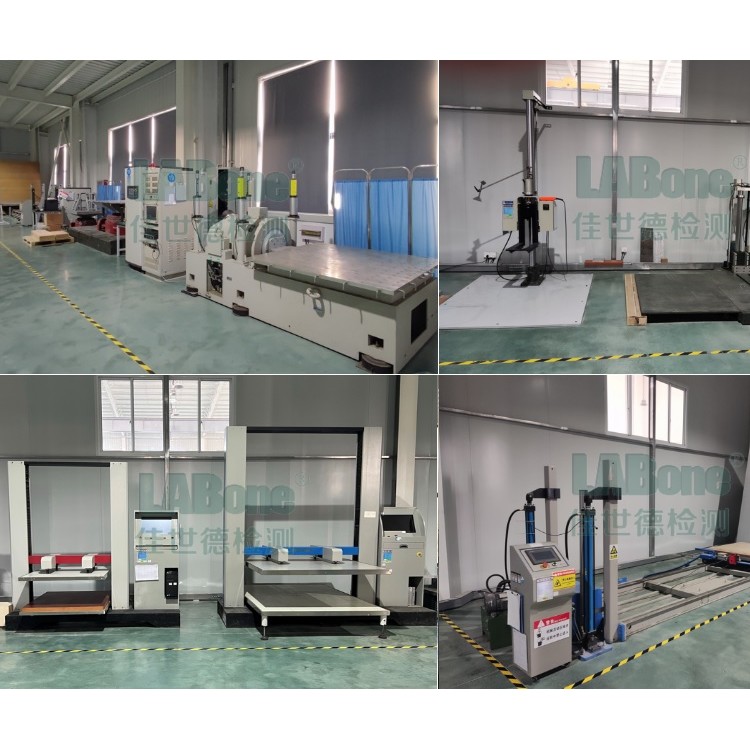
Primary Equipment: Vibration Test Machine.
Reference Standards: GBT2423.10, IEC60068-2-6, GB/T2423.56, IEC60068-2-64, IEC61373, ISO 16750-3, GB/T 21563, etc.