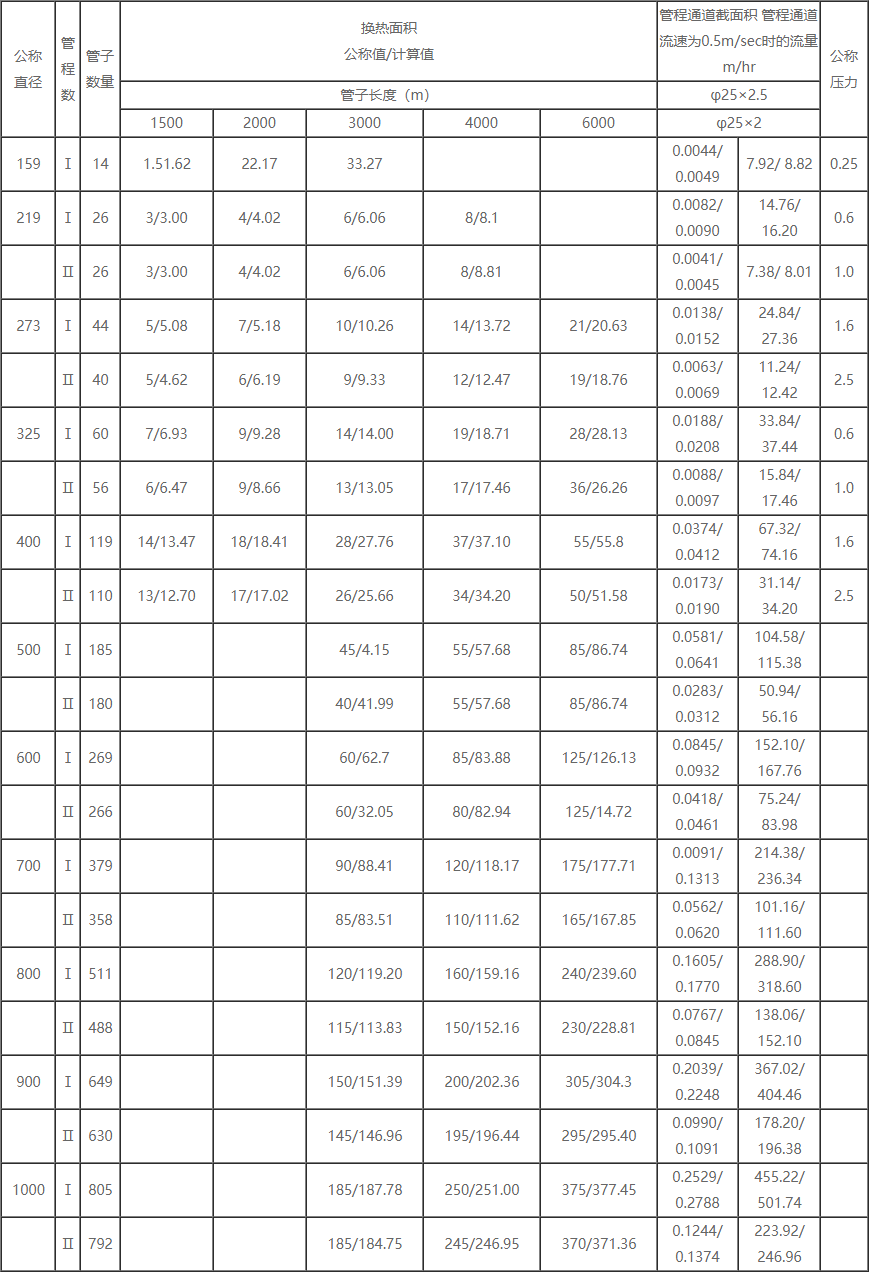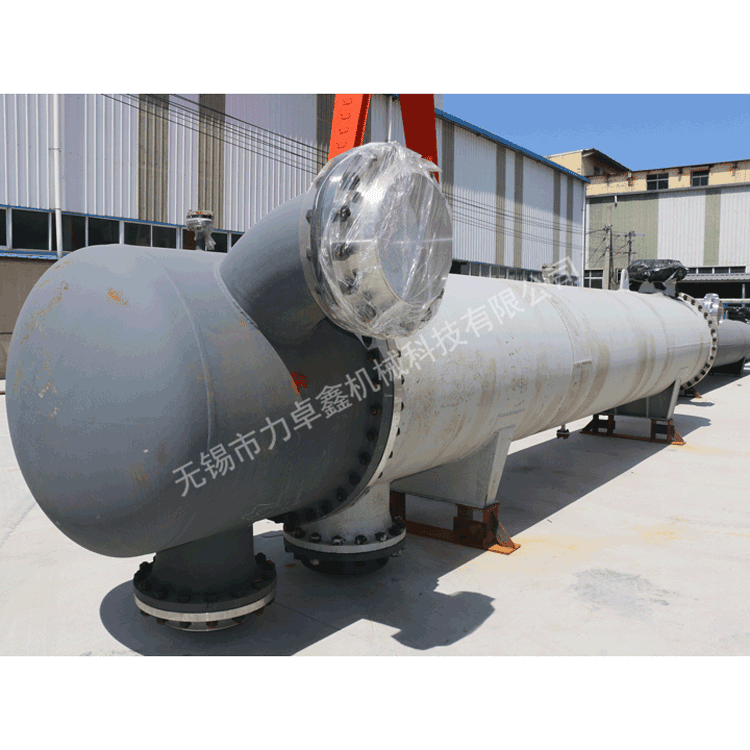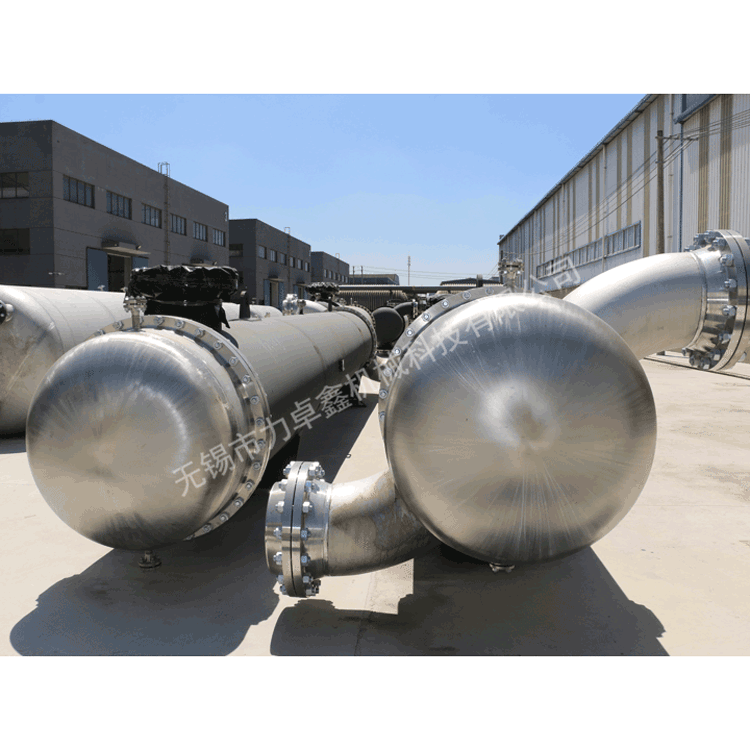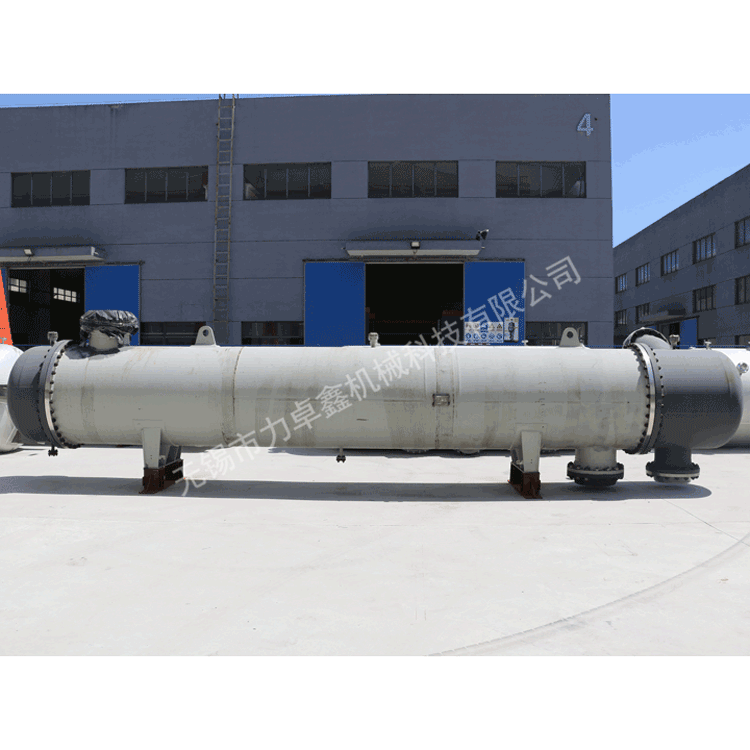










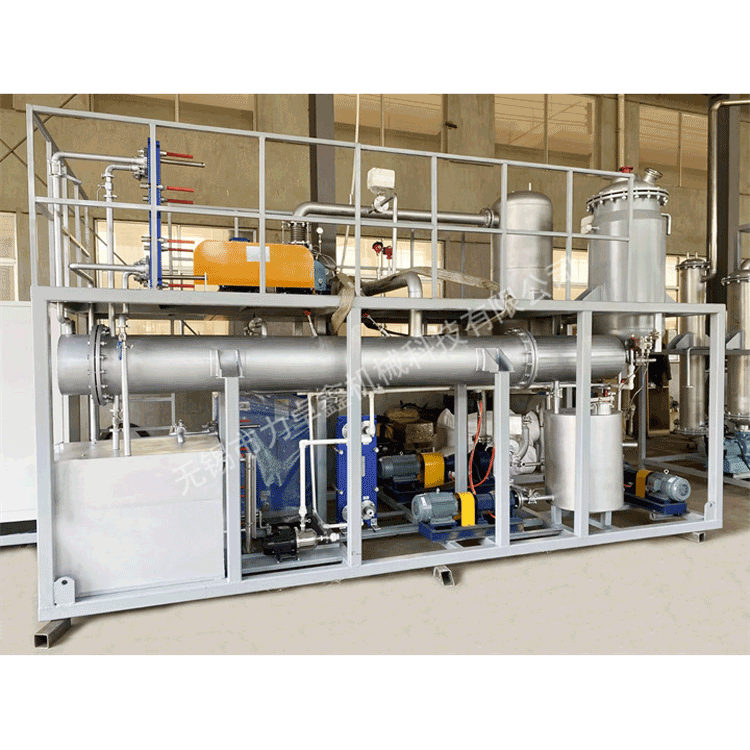
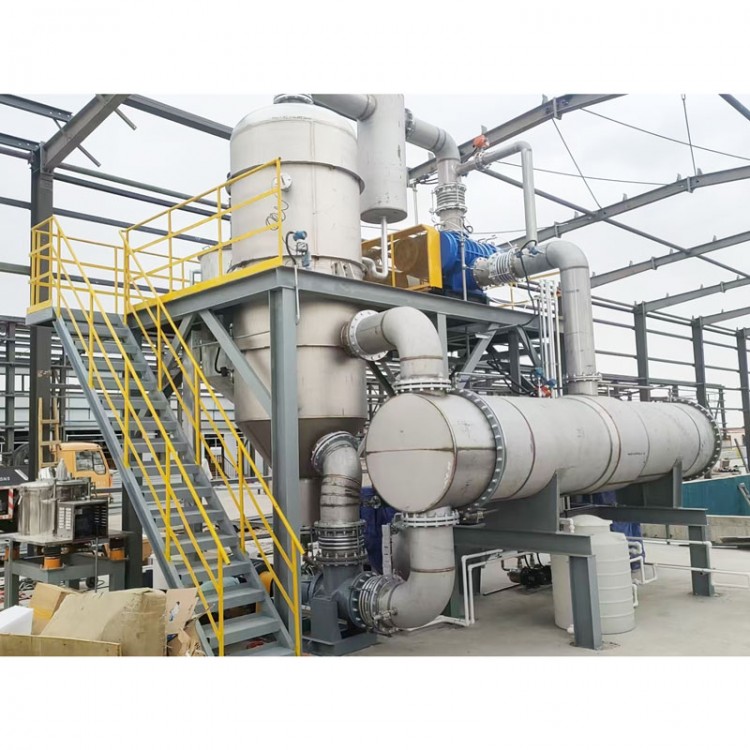
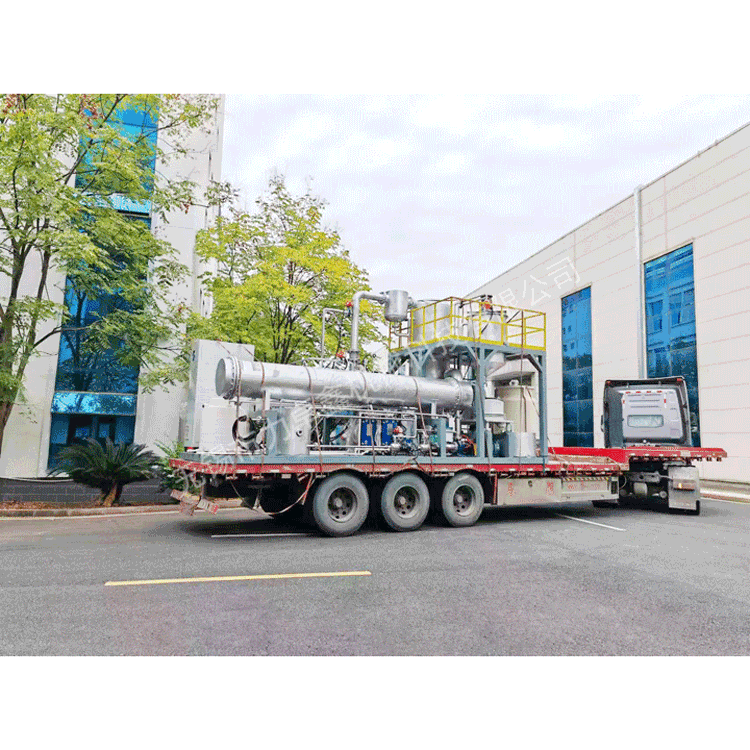
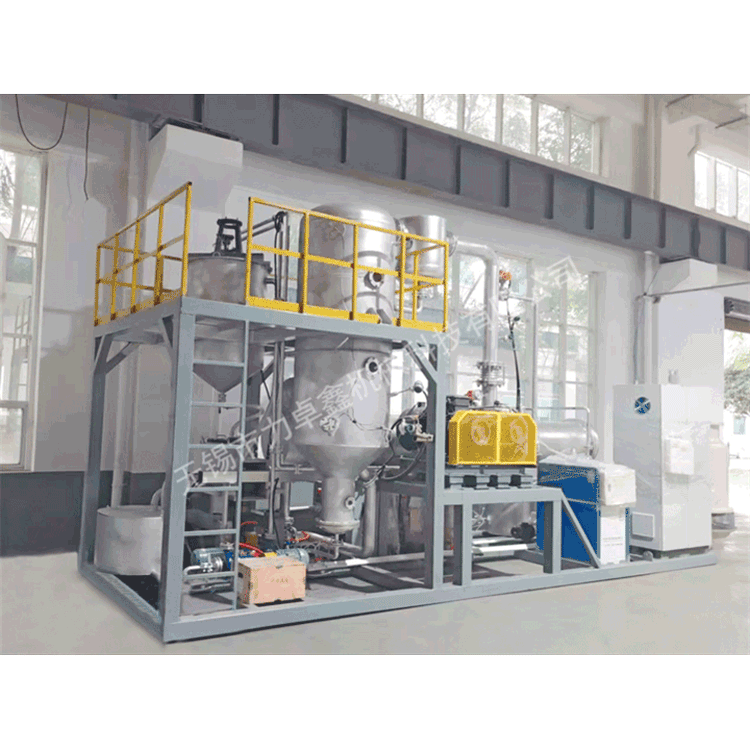
Shell and Tube Heat Exchanger
Product Overview
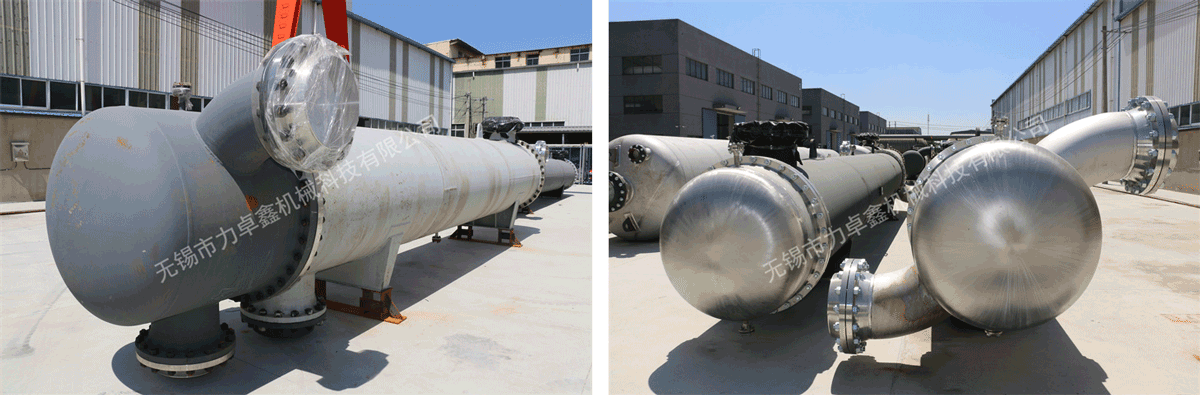
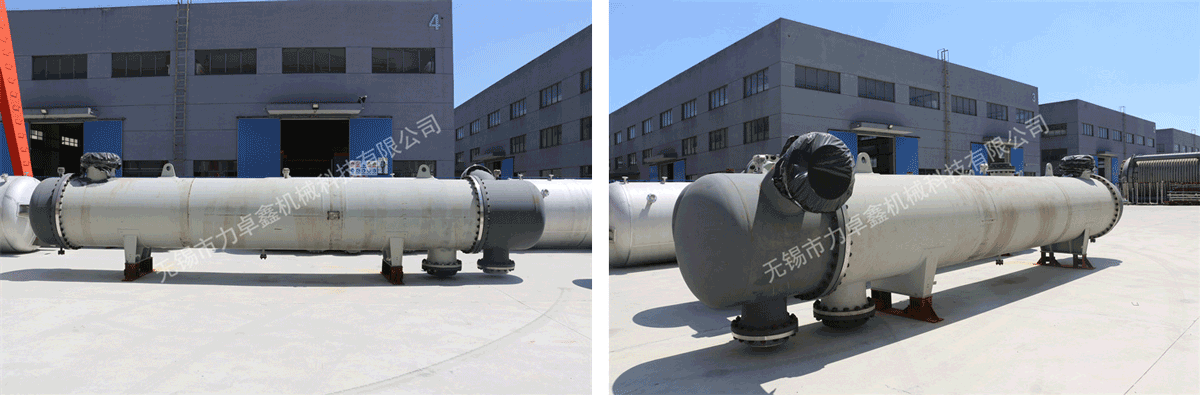
Shell-and-tube heat exchangers, also known as tube-shell heat exchangers, are interfacial heat exchangers where the wall surface of the tube bundle enclosed in the shell serves as the heat transfer surface. These exchangers can be manufactured from various structural materials (mainly metals) and are capable of operation under high temperatures and pressures. They feature simple design, low cost, wider flow cross-sections, and are easy to clean of scale.
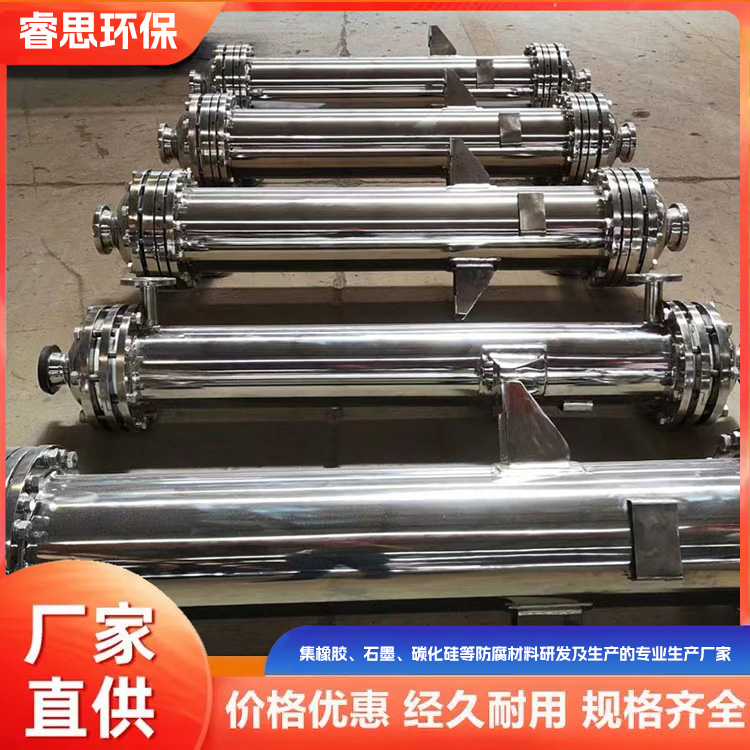
Fixed tube sheet shell and tube heat exchangers, floating head shell and tube heat exchangers, packed gland shell and tube heat exchangers, U-tube shell and tube heat exchangers, turbulent heat film shell and tube heat exchangers, baffle plate shell and tube heat exchangers, and multi-pass shell and tube heat exchangers.
Structural Process
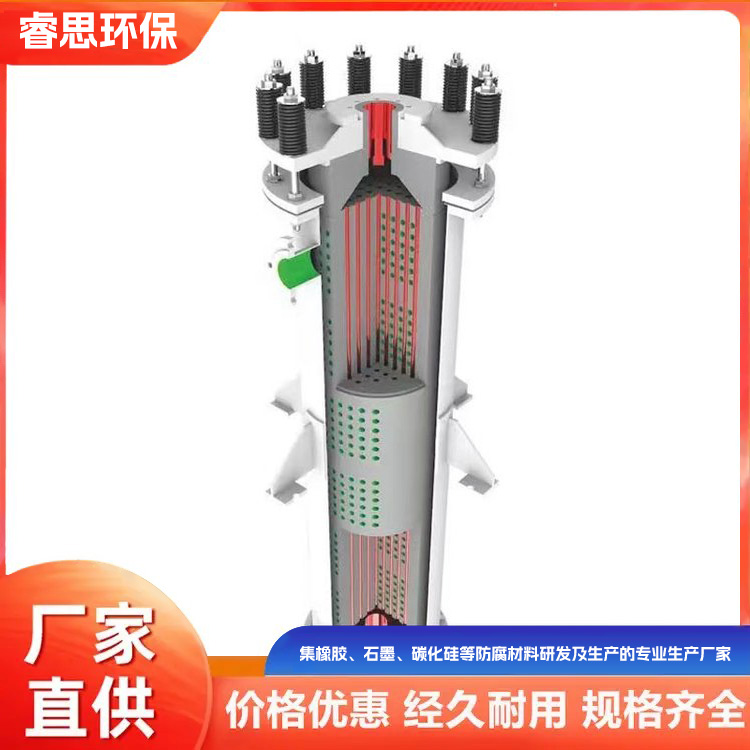
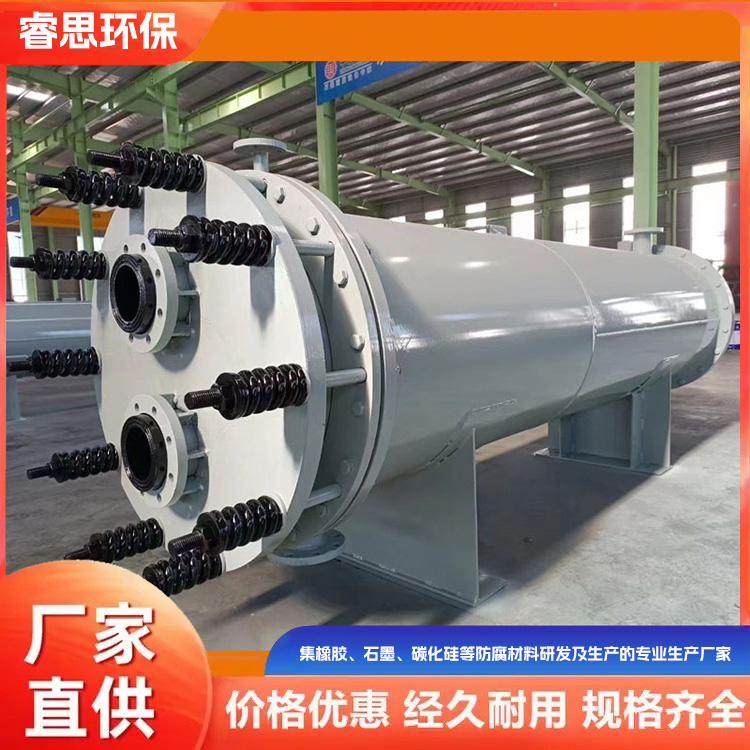
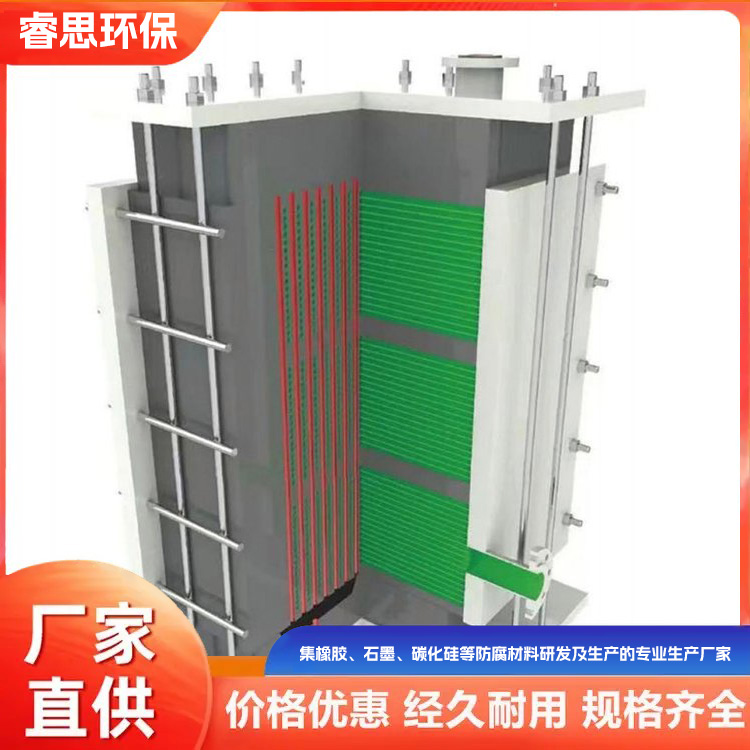
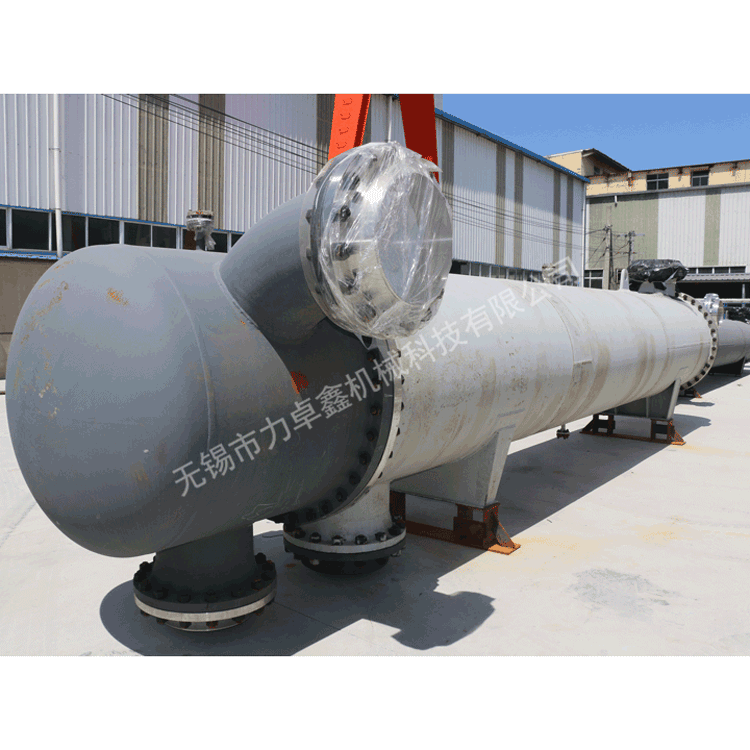
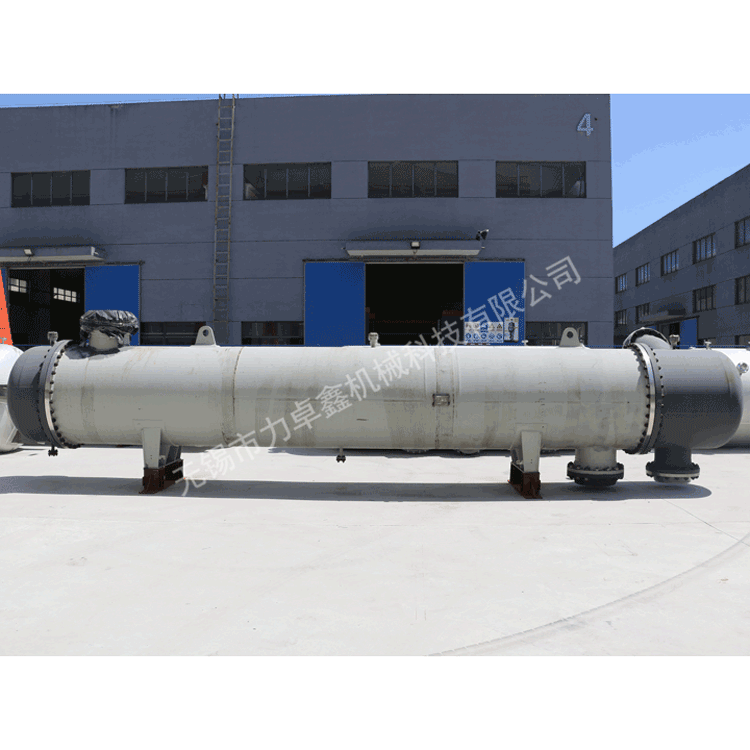
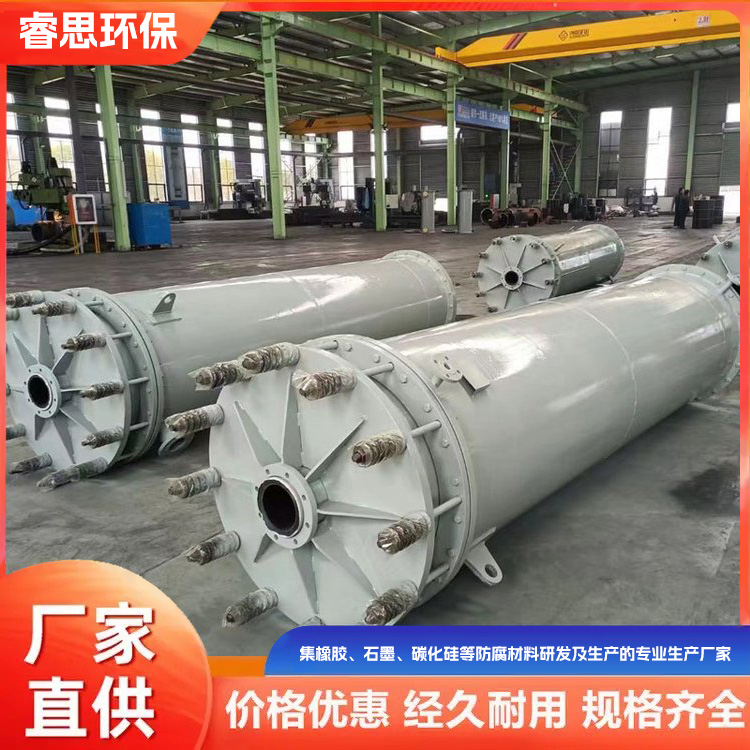
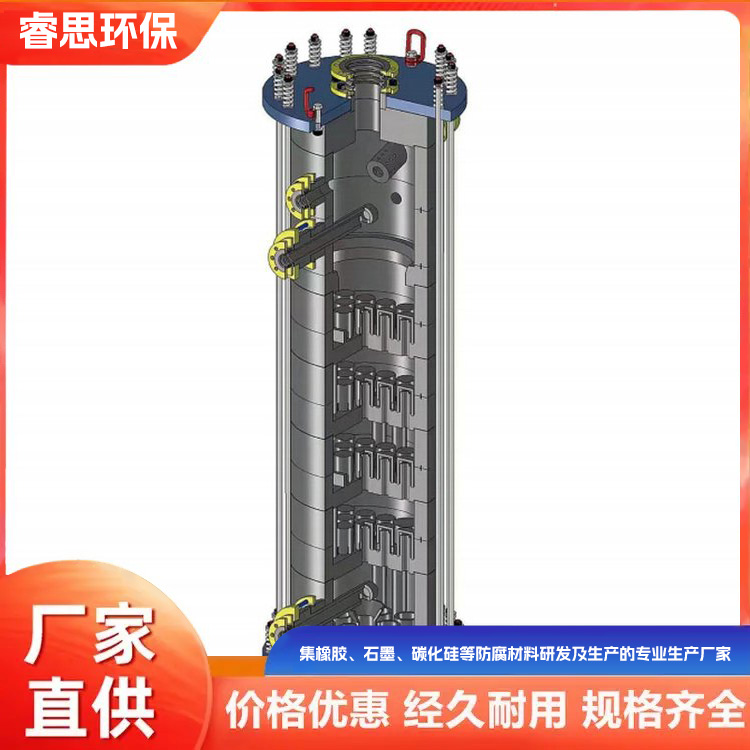
Shell-and-tube heat exchangers consist of a shell, a bundle of heat transfer tubes, tube plates, baffle plates (shutters), and a header. The shell is typically cylindrical, housing the tube bundle inside, with both ends of the tubes secured to the tube plates. The two fluids, one cold and one hot, for heat exchange flow inside and outside the tubes, respectively known as the tube side fluid and the shell side fluid.
To enhance the heat transfer coefficient of the fluid outside the tubes, baffles are typically installed inside the shell. These baffles increase the fluid velocity in the shell, forcing the fluid to pass laterally through the tube bundle multiple times along the prescribed path, thereby enhancing the turbulence of the fluid. The heat exchange tubes can be arranged on the tube plates in an equilateral triangle or a square pattern. The equilateral triangle arrangement is more compact, with higher turbulence of the fluid outside the tubes and a larger heat transfer coefficient; the square arrangement is easier to clean outside the tubes and is suitable for fluids that tend to scale.
A fluid passing through the bundle once is called a tube pass; passing through the shell once is called a shell pass. To increase the fluid velocity inside the tubes, baffles can be set up in the ends of the tube boxes, dividing all the tubes into several groups. This way, the fluid only passes through a portion of the tubes each time, thus traveling back and forth multiple times within the bundle, which is referred to as multi-pass. Similarly, to enhance the fluid velocity outside the tubes, longitudinal baffles can also be installed inside the shell, forcing the fluid to pass through the shell space multiple times, known as multi-shell pass. Multi-pass and multi-shell pass can be used in conjunction.
Technical Specifications