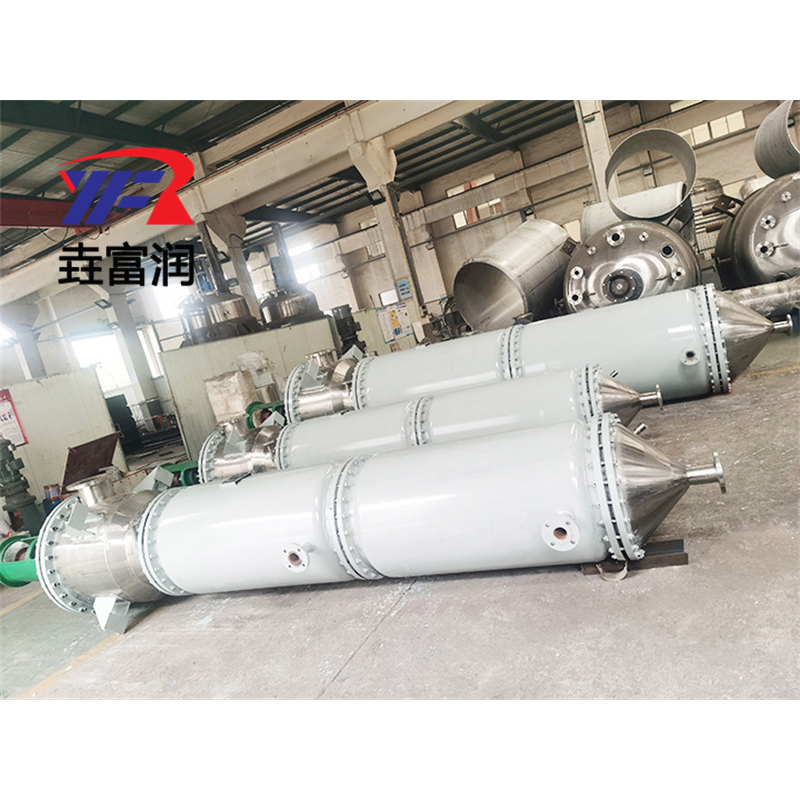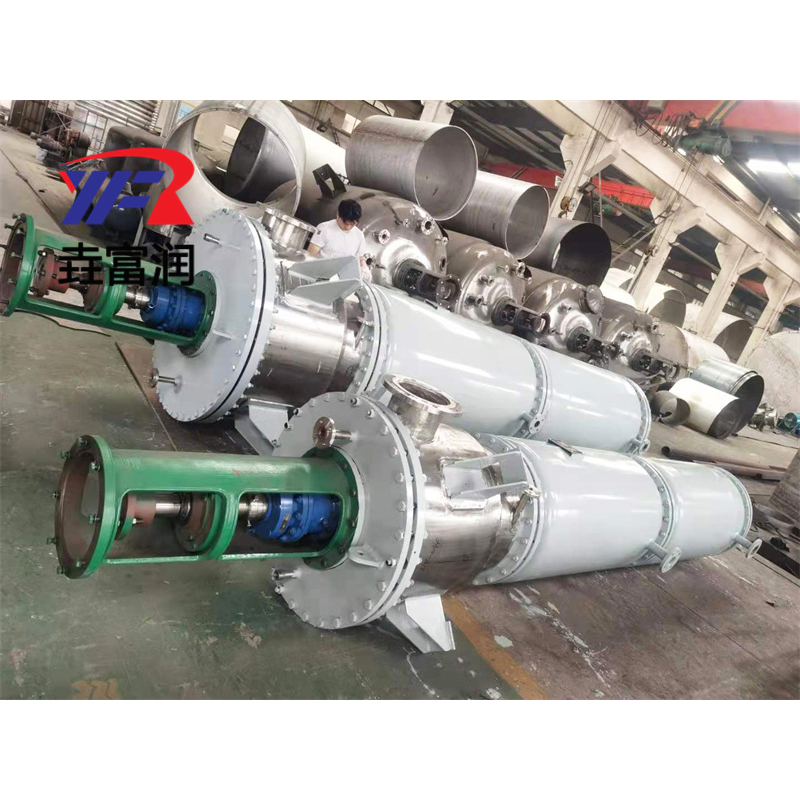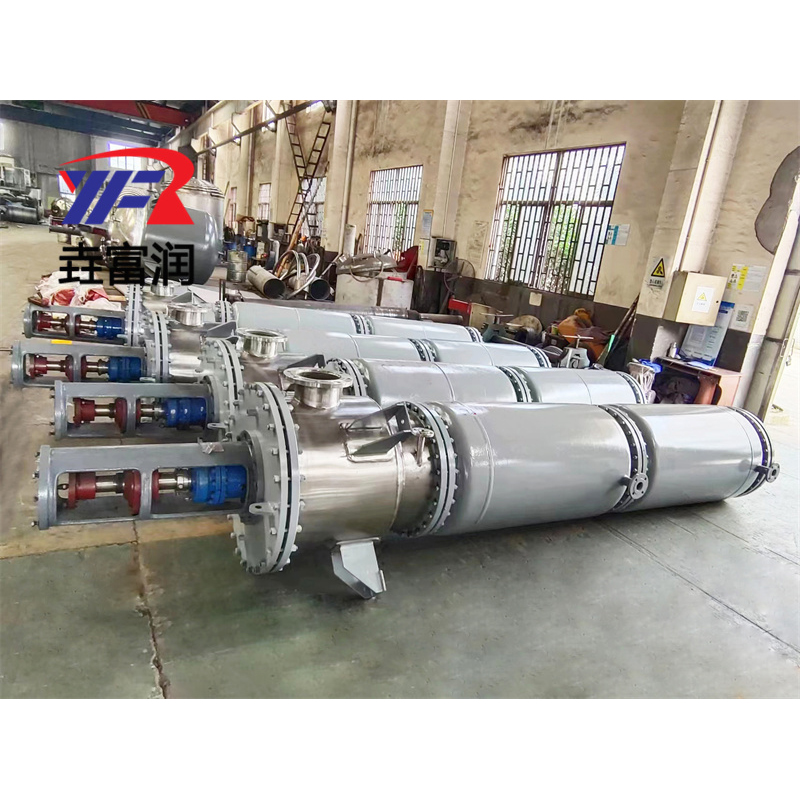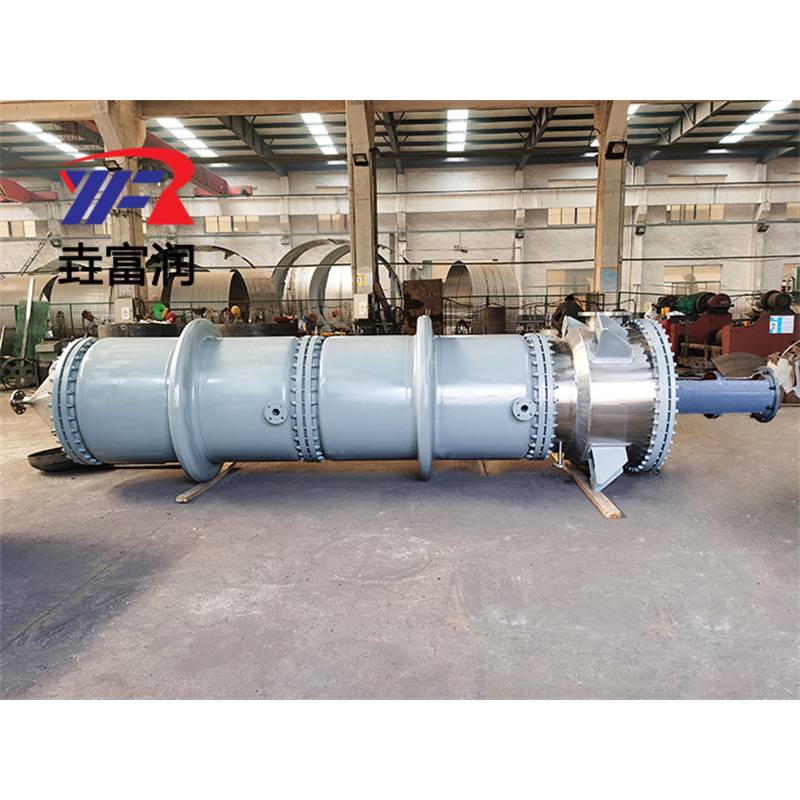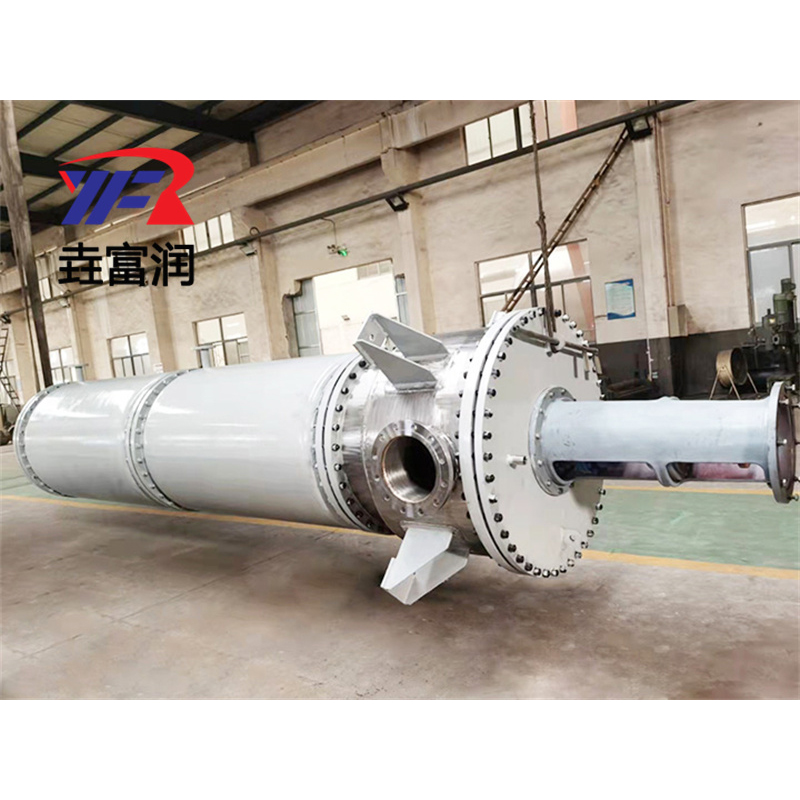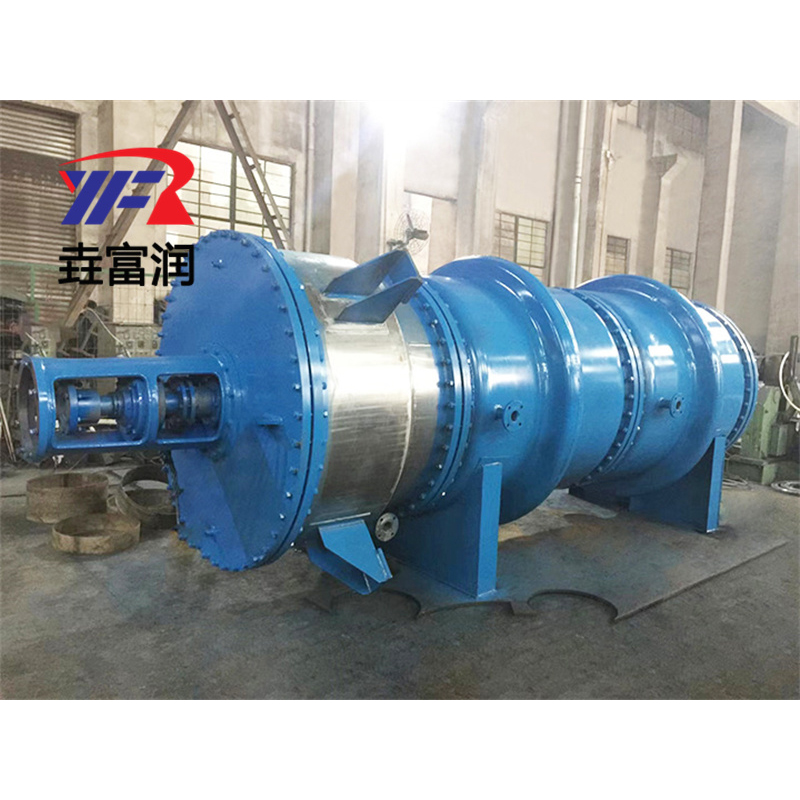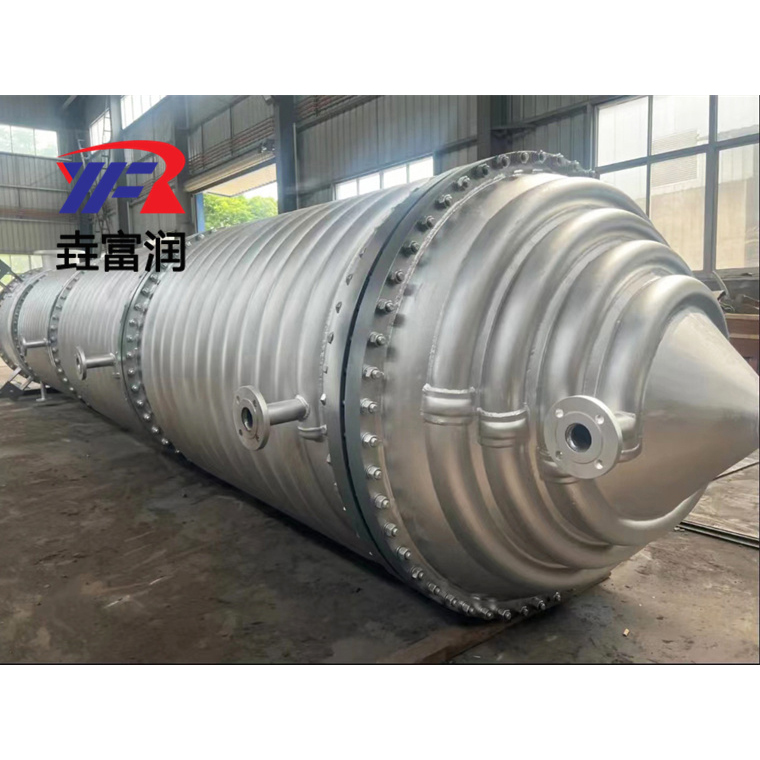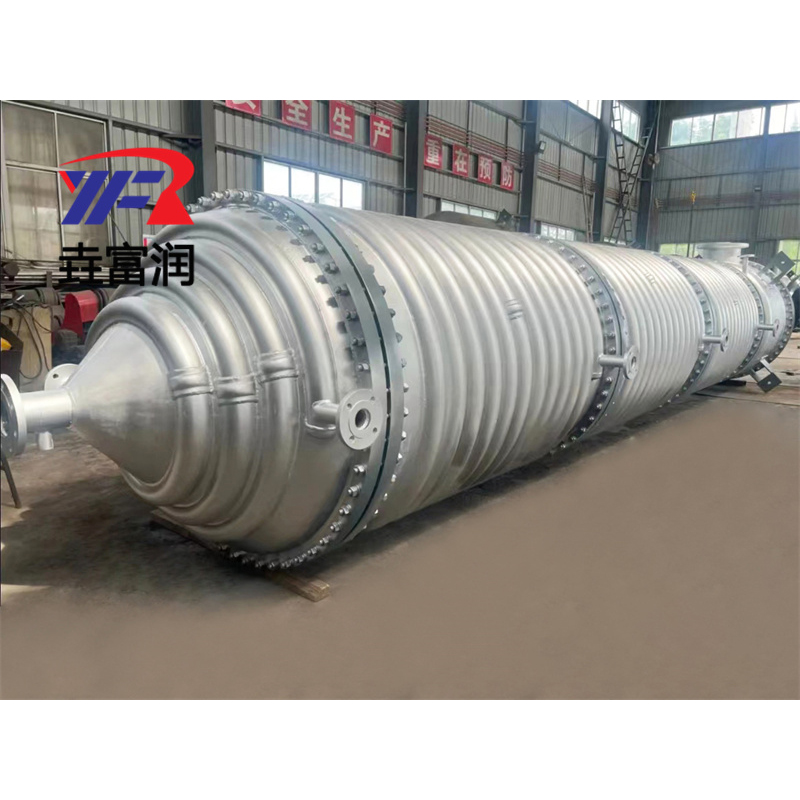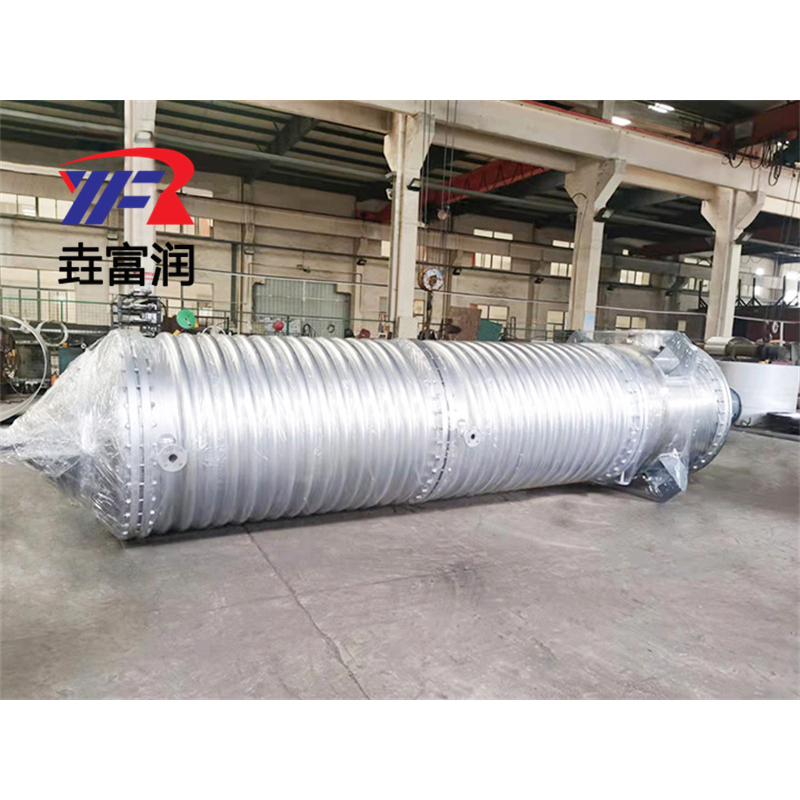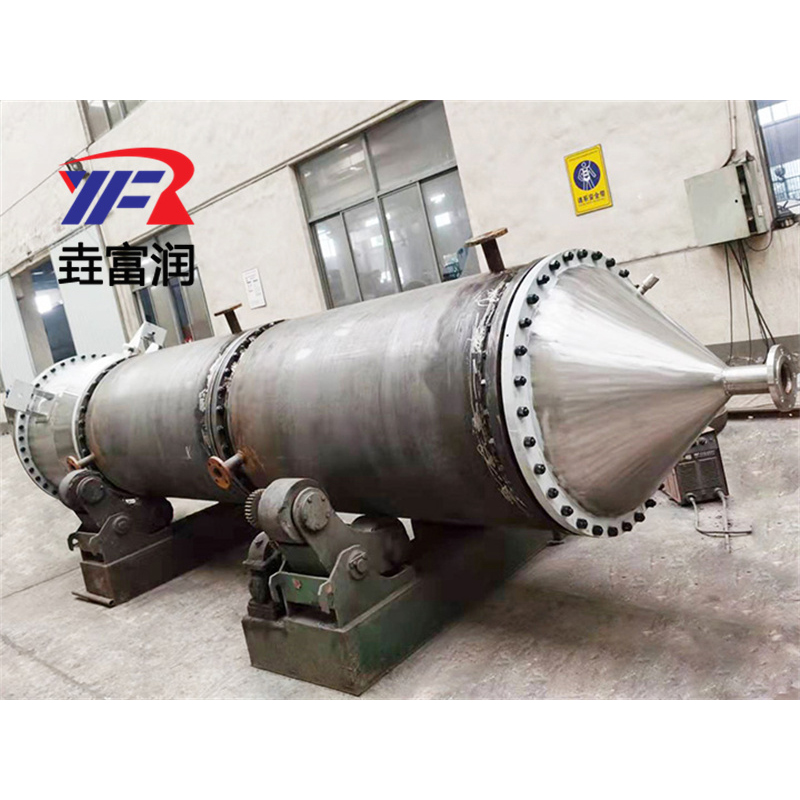

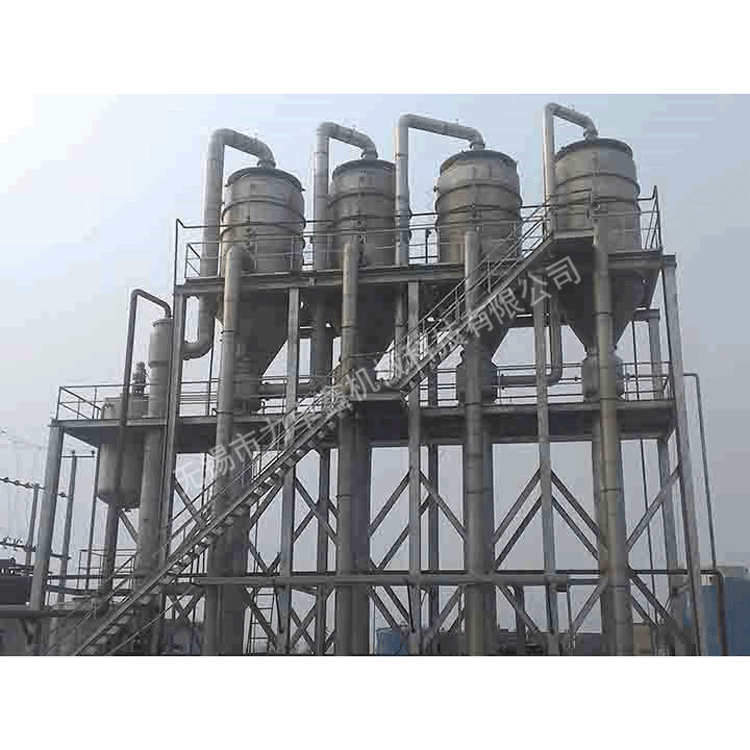

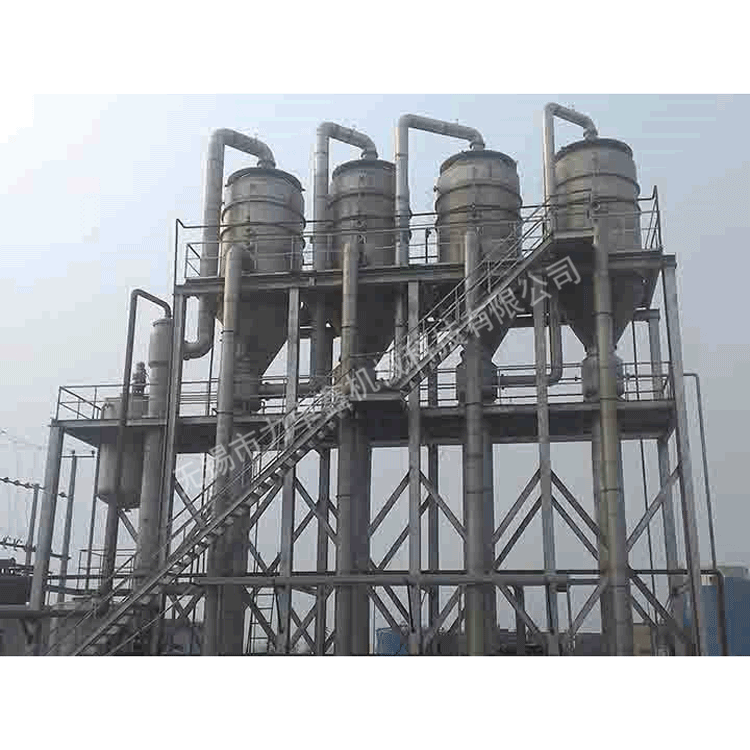
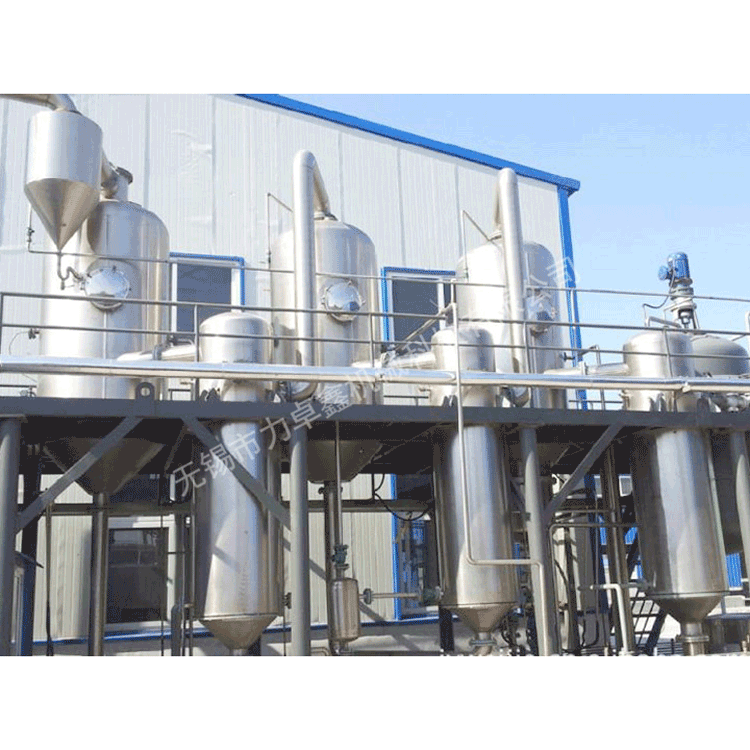
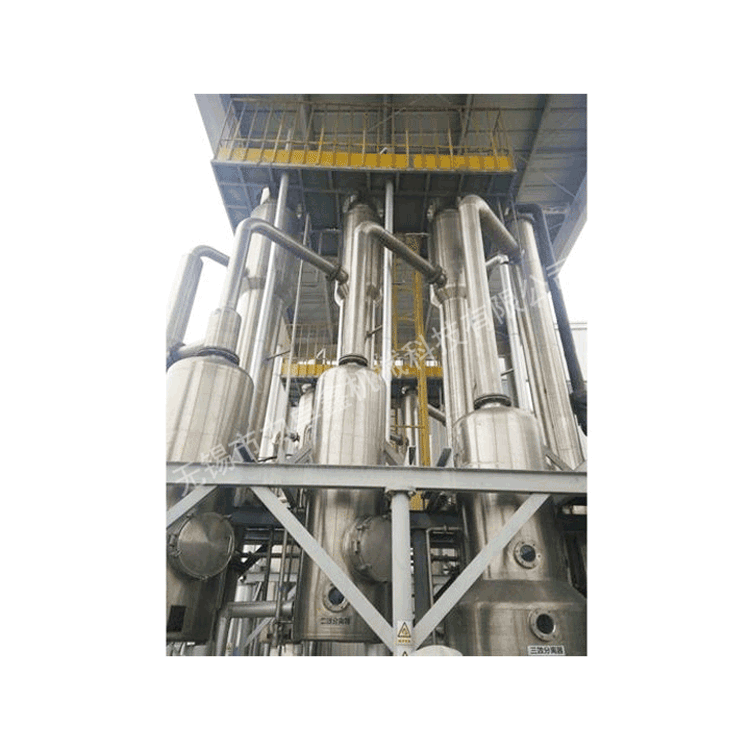


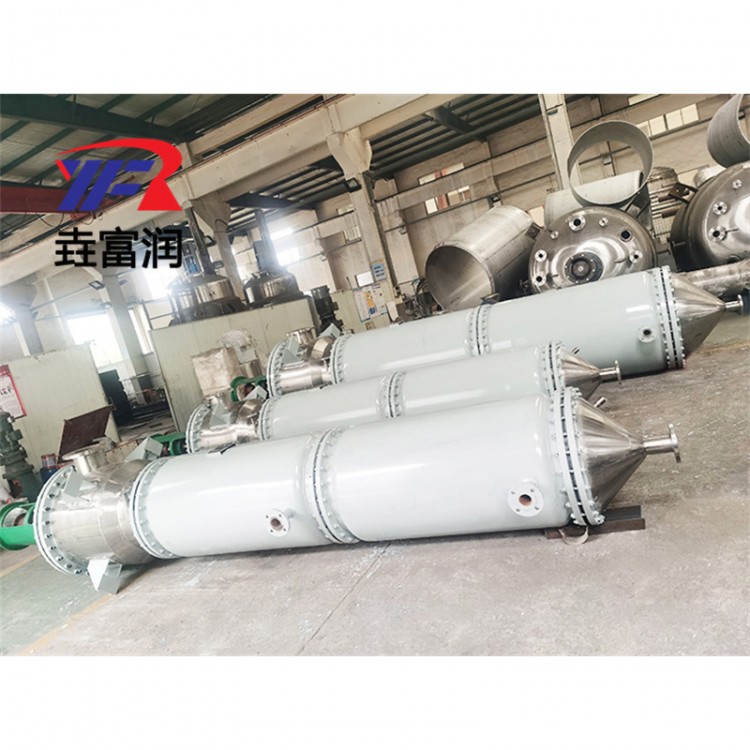
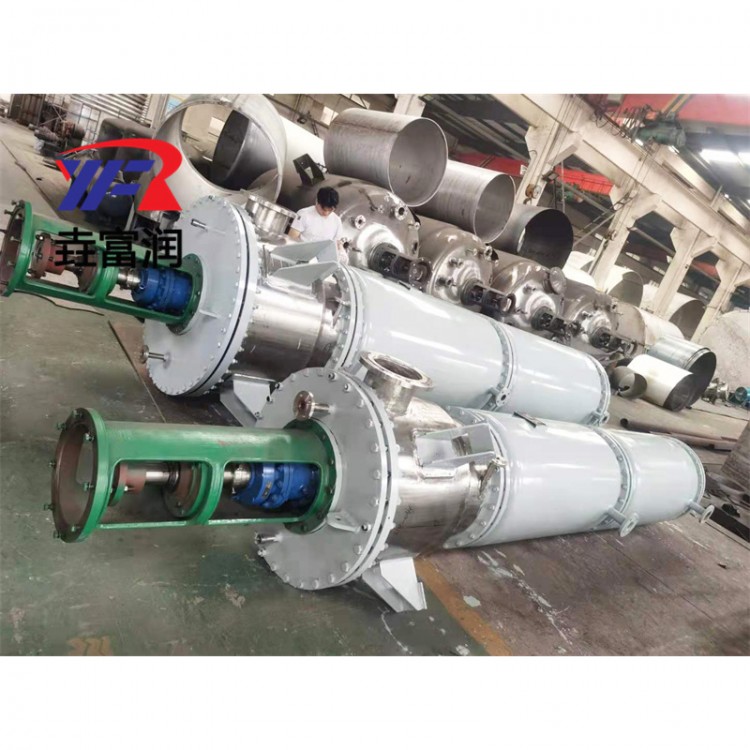
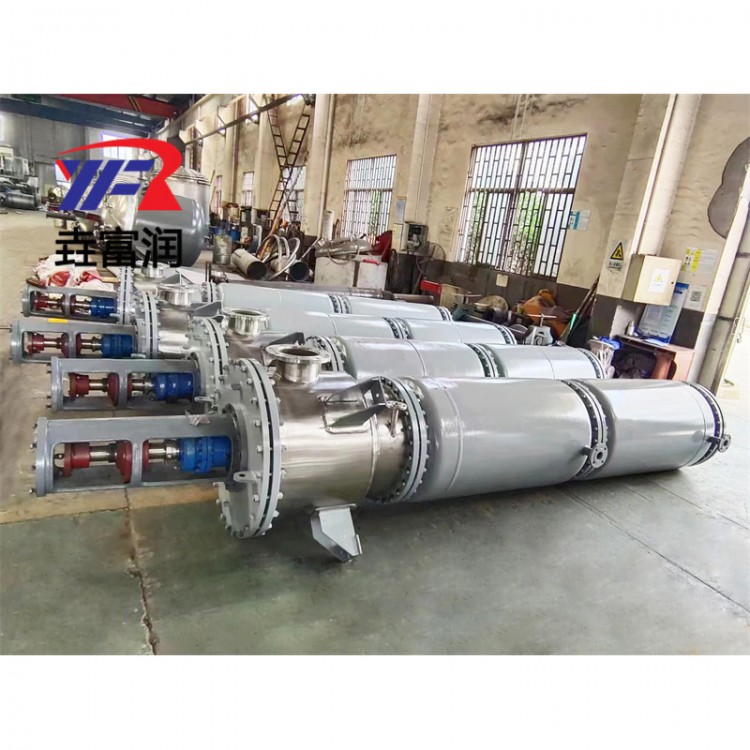
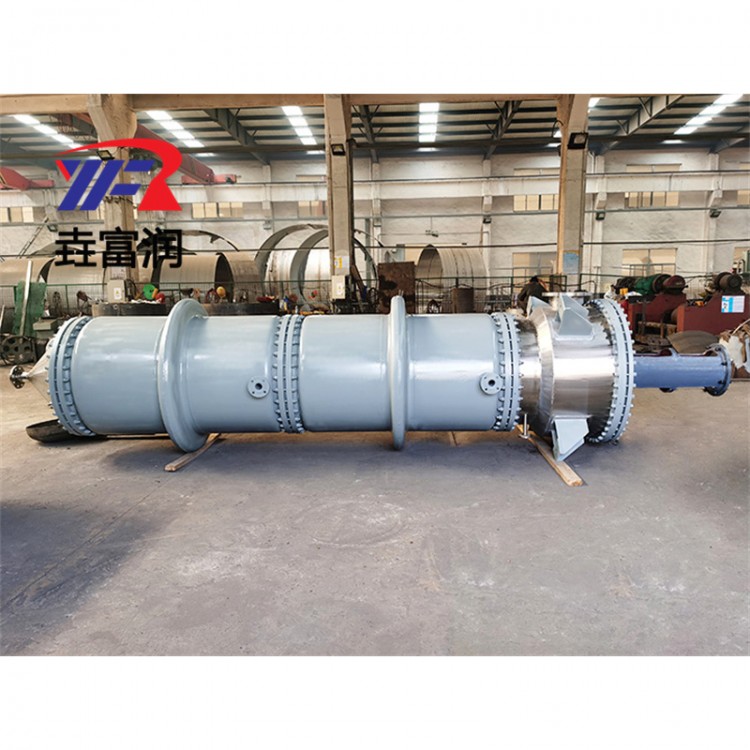
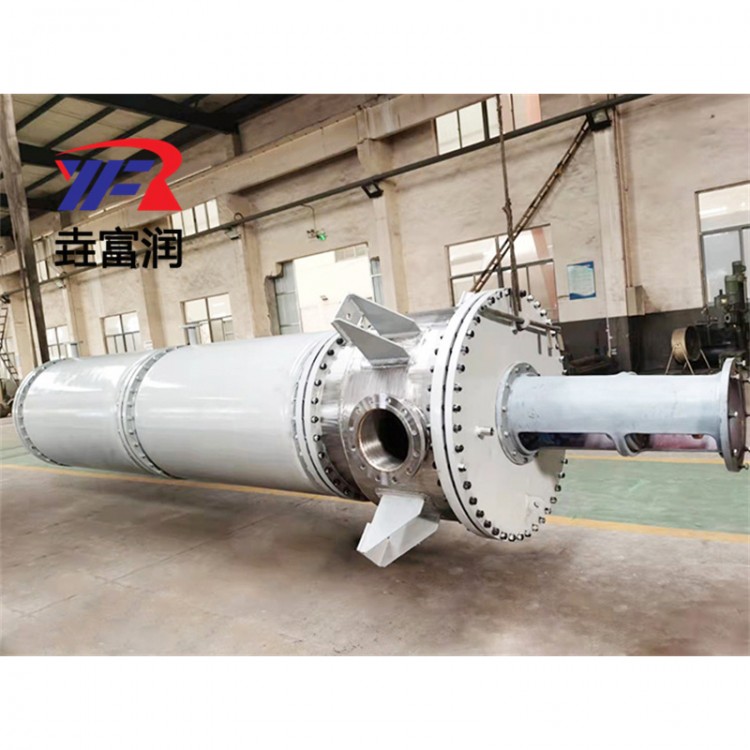





Multi-effect evaporator
Product Overview
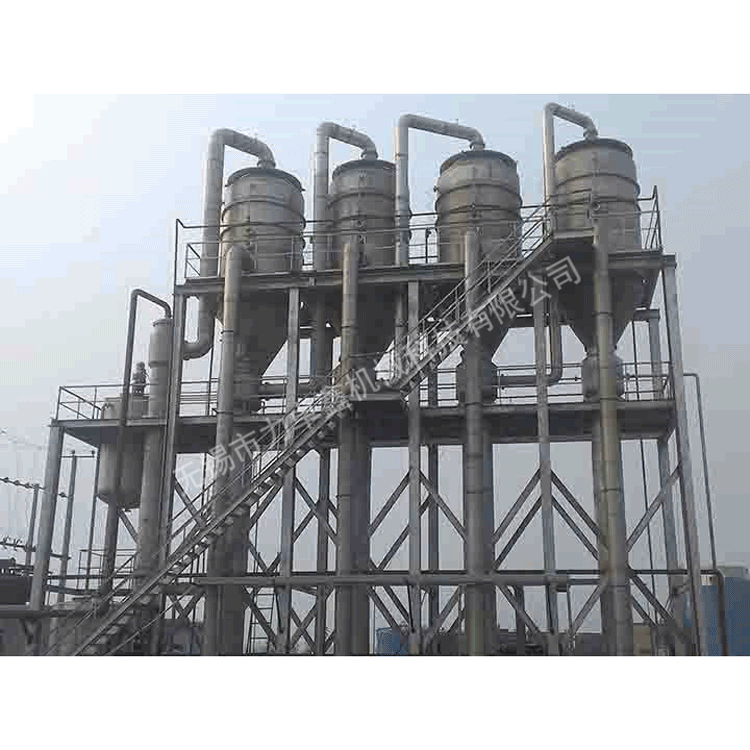
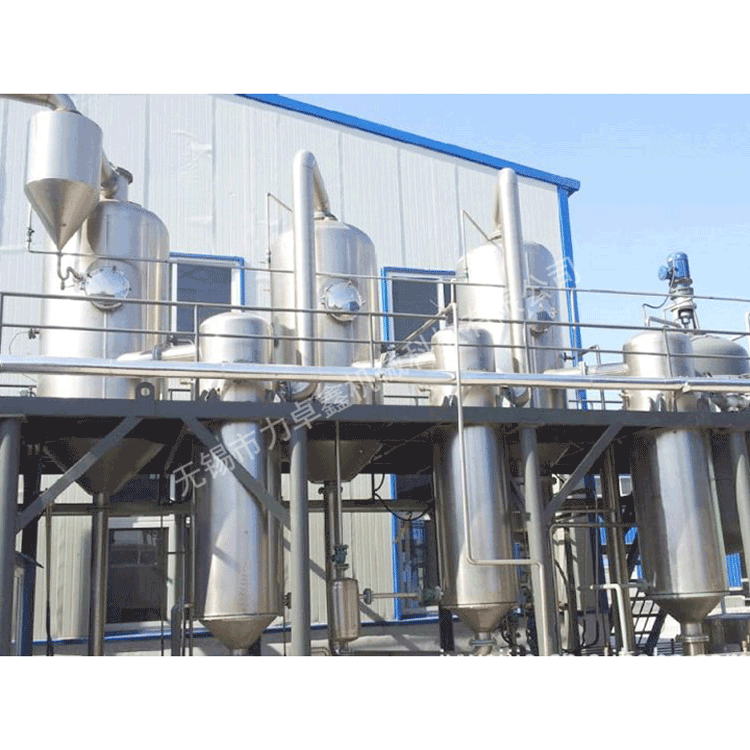
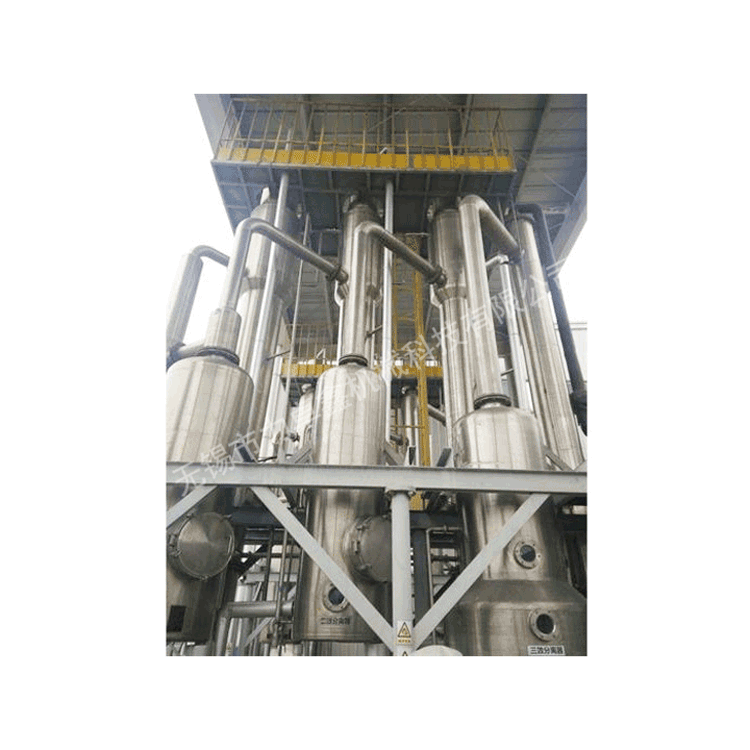
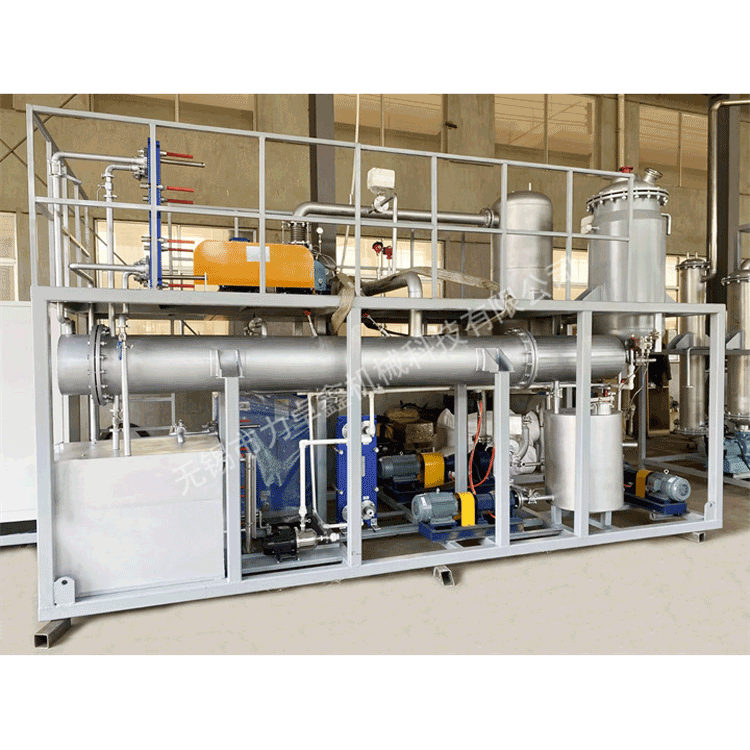
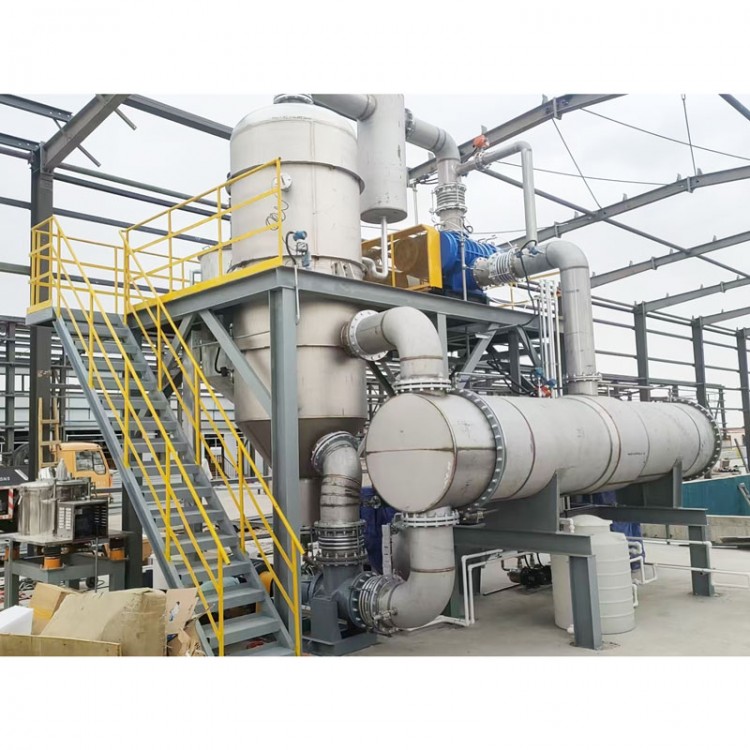
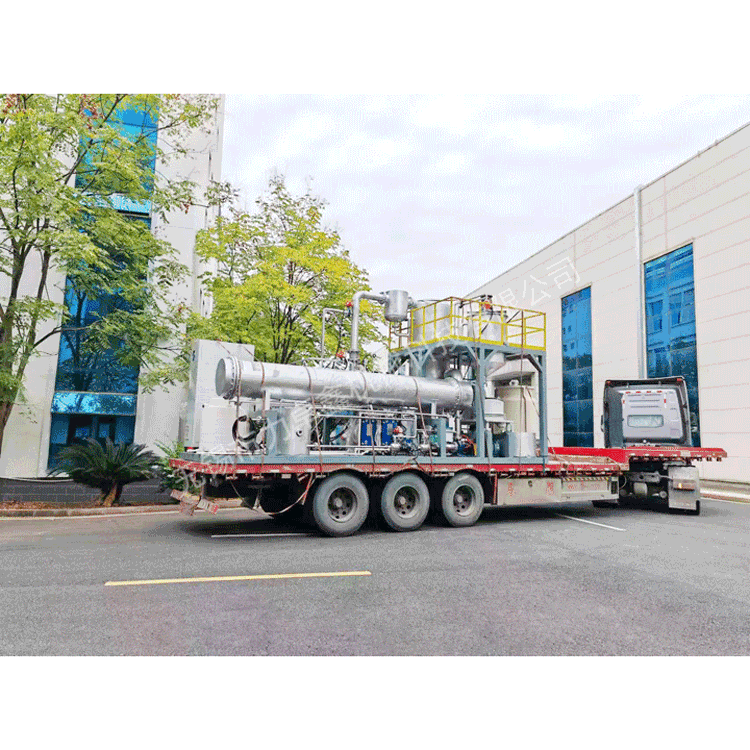
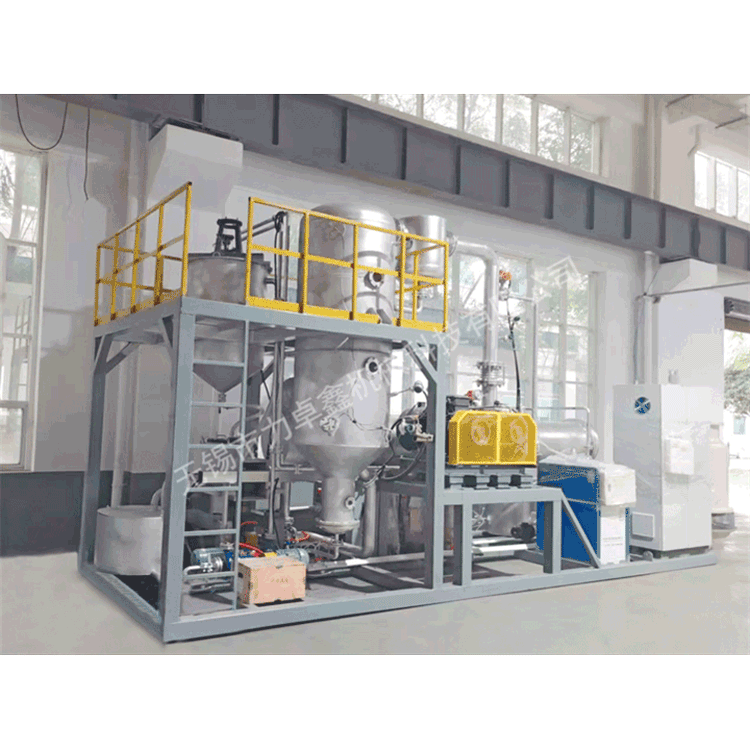
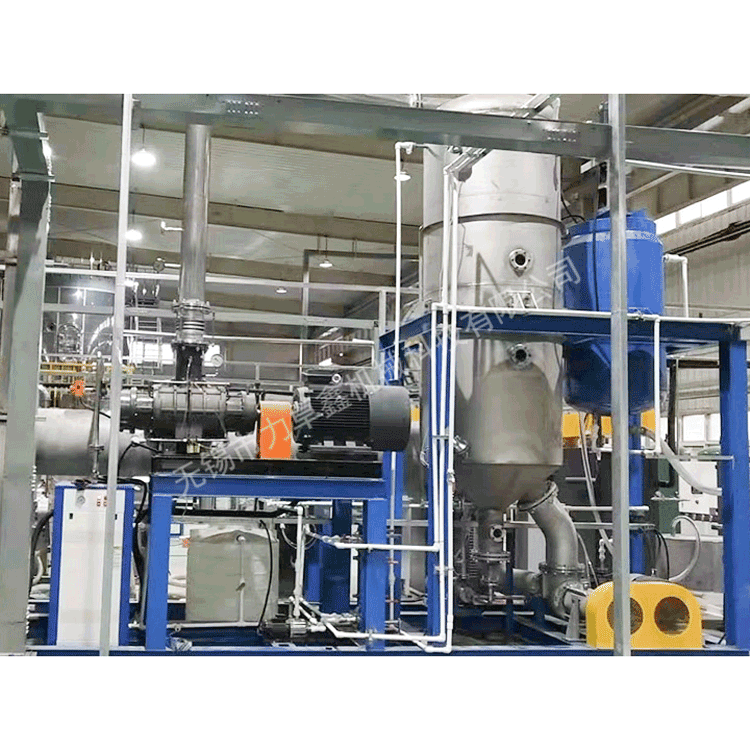
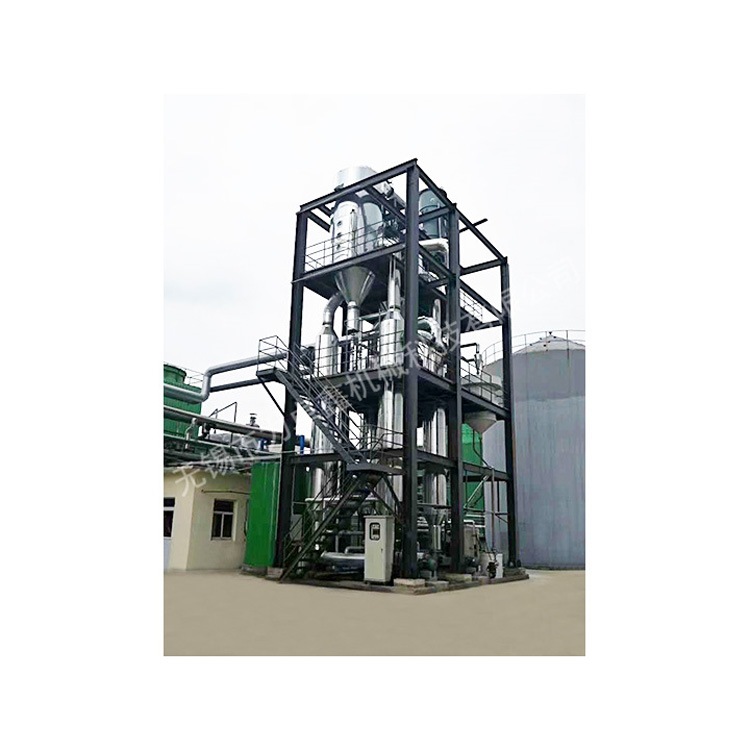
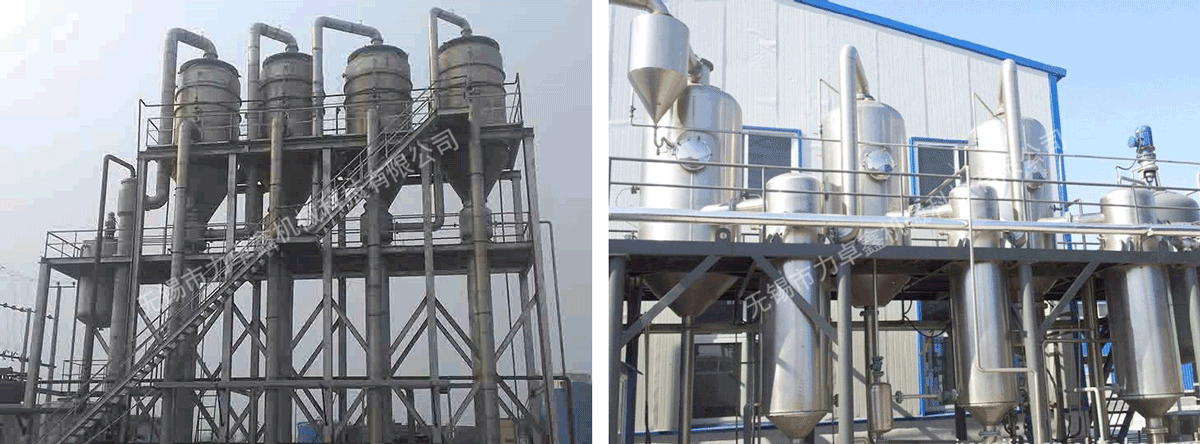
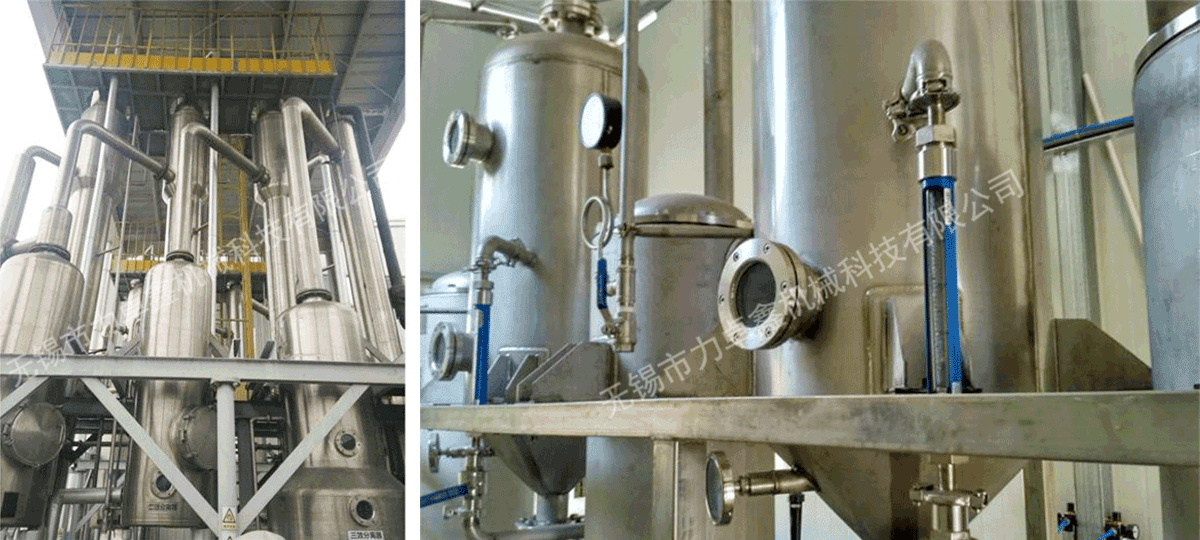
The multi-effect evaporator is composed of various systems including effect heating evaporators, effect separators, condensers, thermal pumps, sterilizers, insulation pipes, vacuum systems, effect liquid transfer pumps, condensate discharge pumps, operation platforms, electrical instrument control cabinets, and valves, as well as piping. A multi-effect evaporator combines multiple single-effect evaporators into a single evaporation system, known as a multi-effect evaporator. Depending on the connection type, they can be classified into countercurrent, cocurrent, and mixed flow types. The characteristic of multi-effect evaporation is to utilize the secondary steam produced in the previous effect to drive the subsequent effect evaporator, thereby saving energy consumption. Typically, there are double-effect, triple-effect, and even more multi-effect evaporation systems, but as the number of stages increases, so does the number of control points, and the driving force of temperature difference between stages decreases. The specific configuration should be determined based on practical feasibility.
Multi-effect evaporators can be categorized by their applications into two types: the standard multi-effect evaporation system and the forced circulation multi-effect evaporator. The forced circulation evaporator is an enhanced version of the multi-effect evaporator, which incorporates an additional external circulation pump. This increases the flow rate of the material within the evaporation tubes, enhancing the heat transfer efficiency and boosting the evaporation intensity. The forced circulation evaporator is suitable for situations involving crystallization during the evaporation process and for non-thermosensitive materials.
Application Scope
This unit is suitable for industries such as milk, starch, xylose, chemicals, biotechnology, environmental engineering, and waste liquid recycling, where it performs low-temperature continuous evaporation concentration. It boasts high heat transfer efficiency and short heating time for materials, making it particularly ideal for heat-sensitive, adhesive, and foaming materials.
Operation Principle
In industrial production, a significant amount of water vapor must be evaporated, consuming a large volume of heating steam. To reduce heating steam consumption, multiple-effect evaporation can be employed. Multiple-effect evaporation requires the operating pressure and boiling point of the solution in the later effects to be lower than those in the earlier effects. Consequently, the secondary steam from the earlier effects can be used as the heating medium for the later effects, making the later effect's heating chamber act as a condenser for the earlier effect's secondary steam. Only the first effect requires the use of live steam, which is the principle of multiple-effect evaporation. Generally, the final effect or the last few effects of a multiple-effect evaporation unit operate under vacuum. Since the secondary steam from all effects (except the final effect) serves as the heating steam for the next effect's evaporator, the utilization of live steam is improved, enhancing the economic efficiency. If the amount of water evaporated in single-effect or multiple-effect evaporation units is the same, the former requires a significantly greater volume of live steam than the latter.
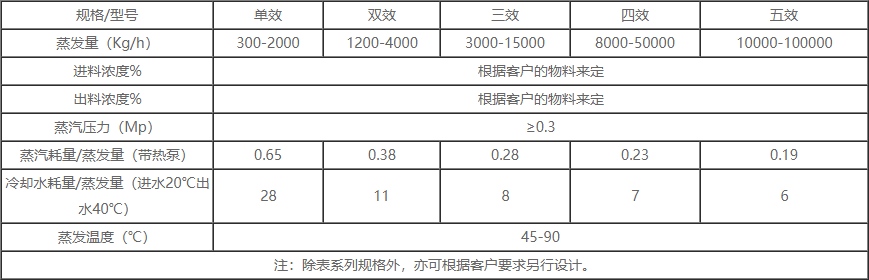
Technical Specifications