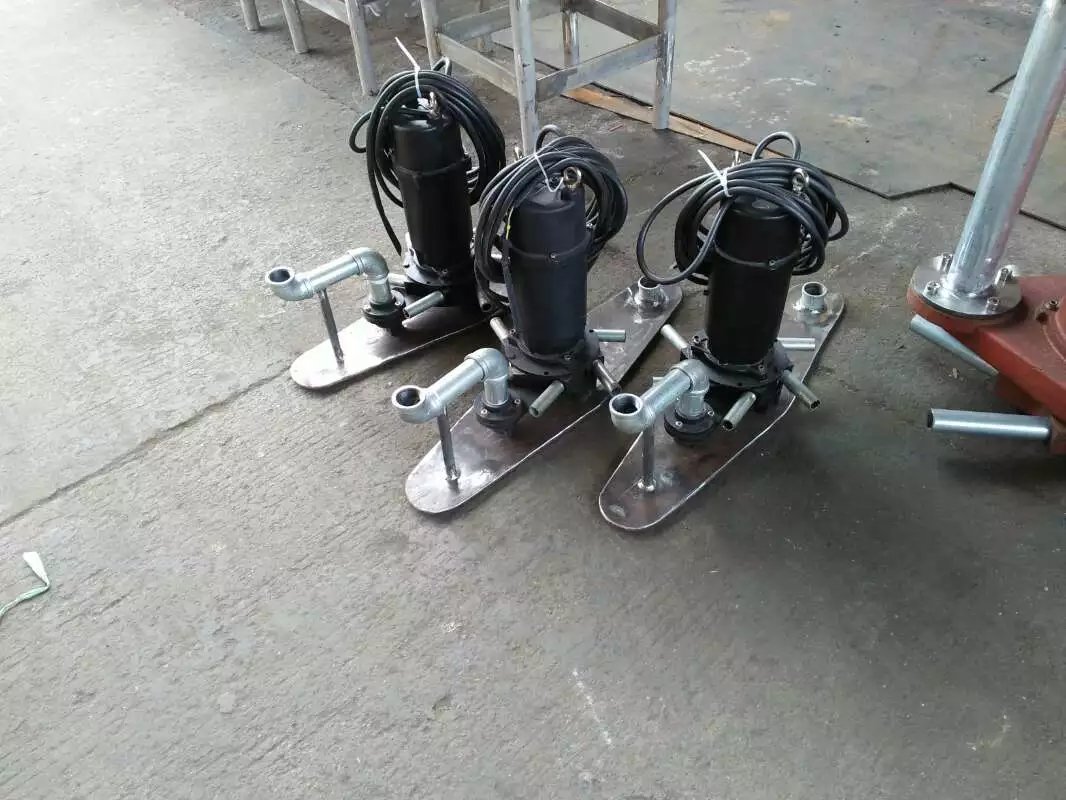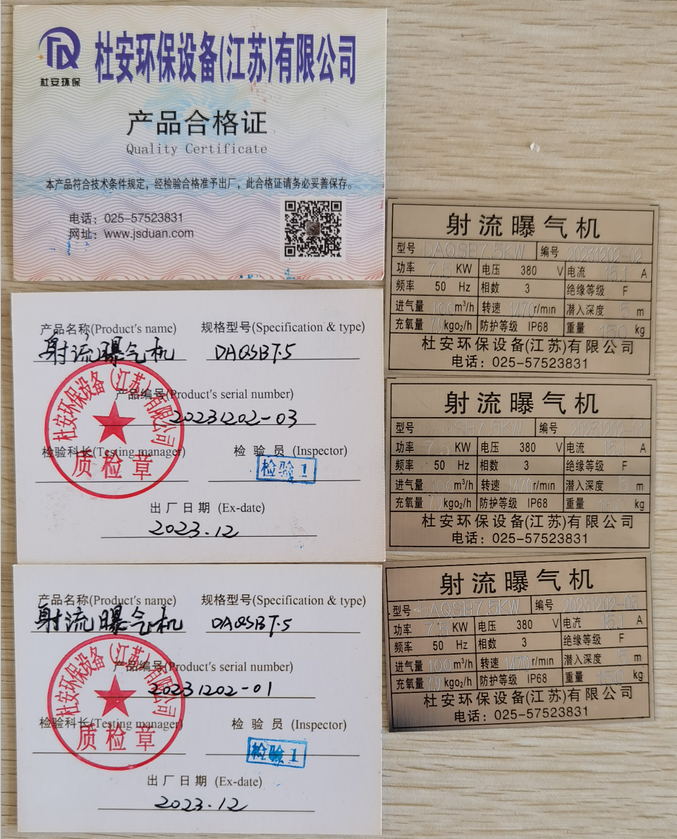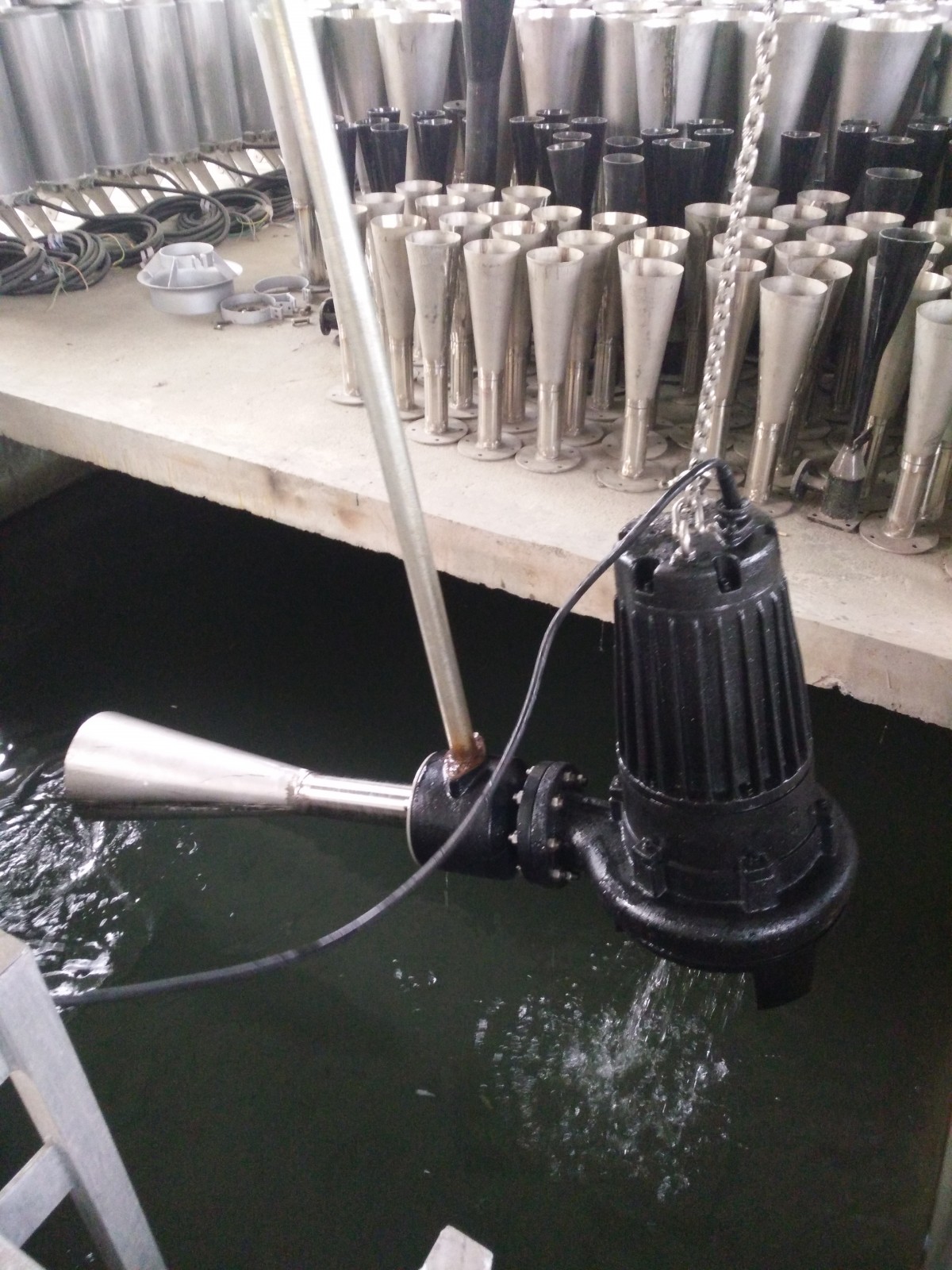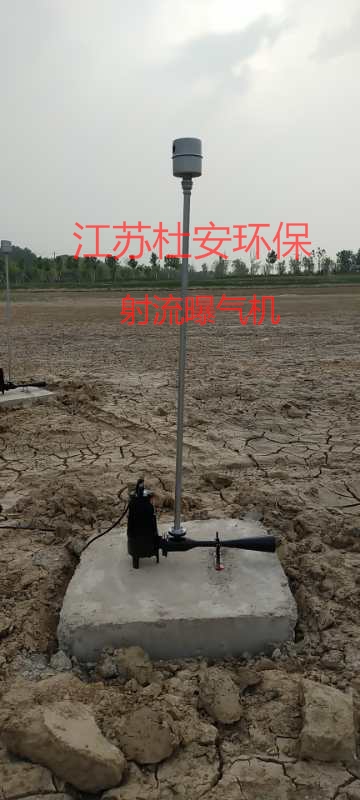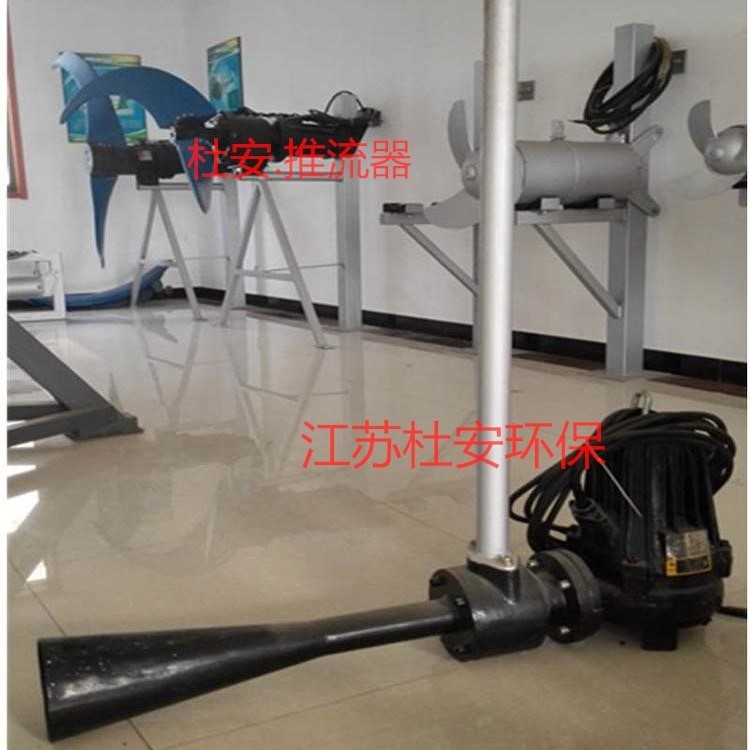

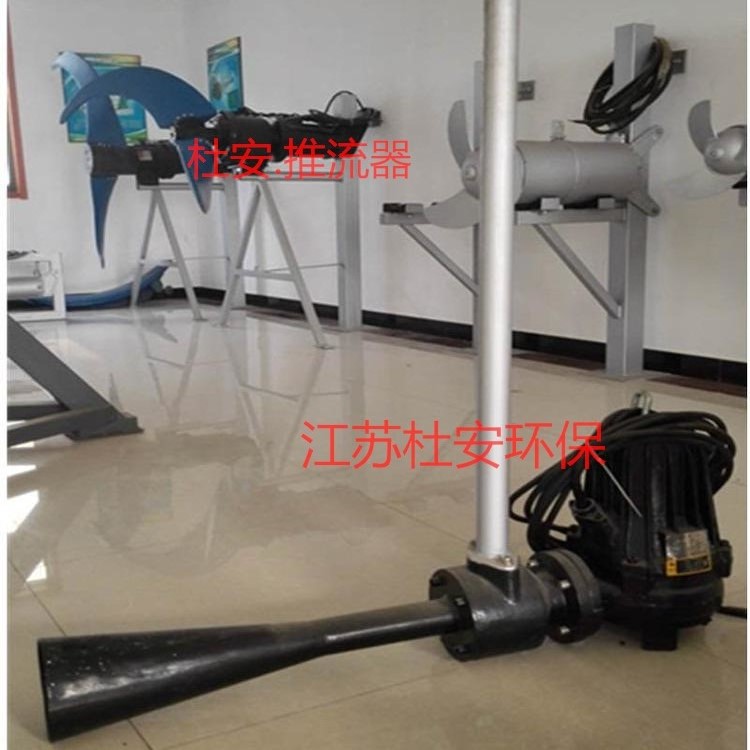
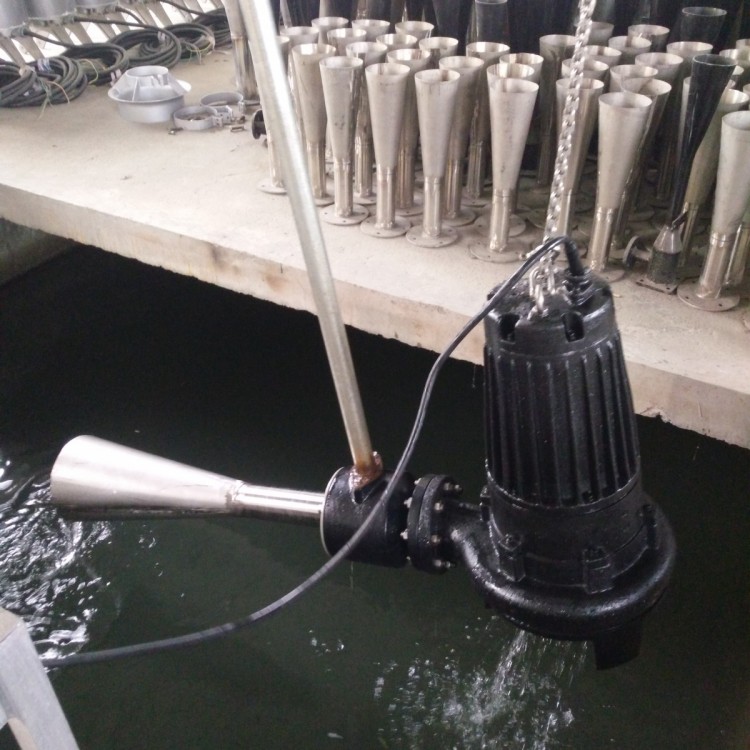
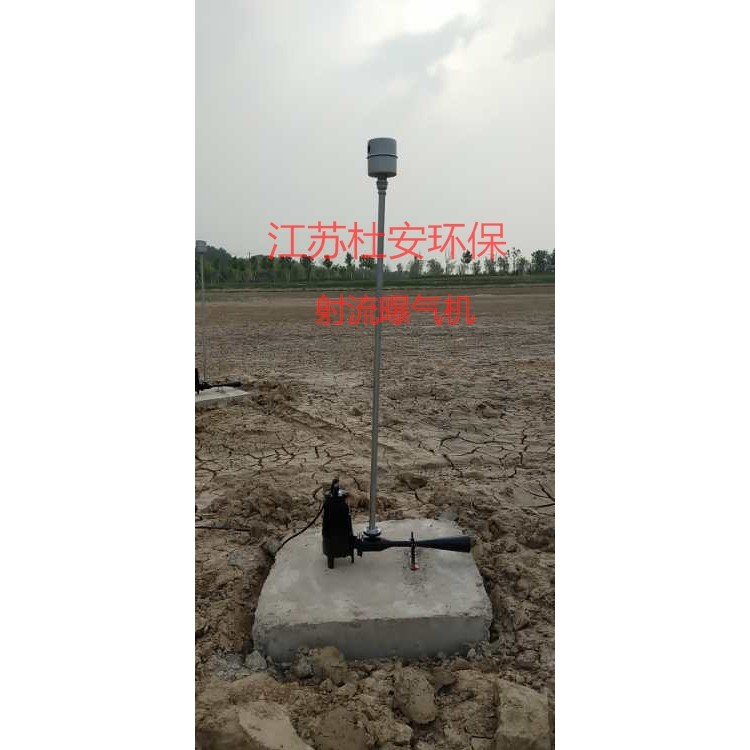







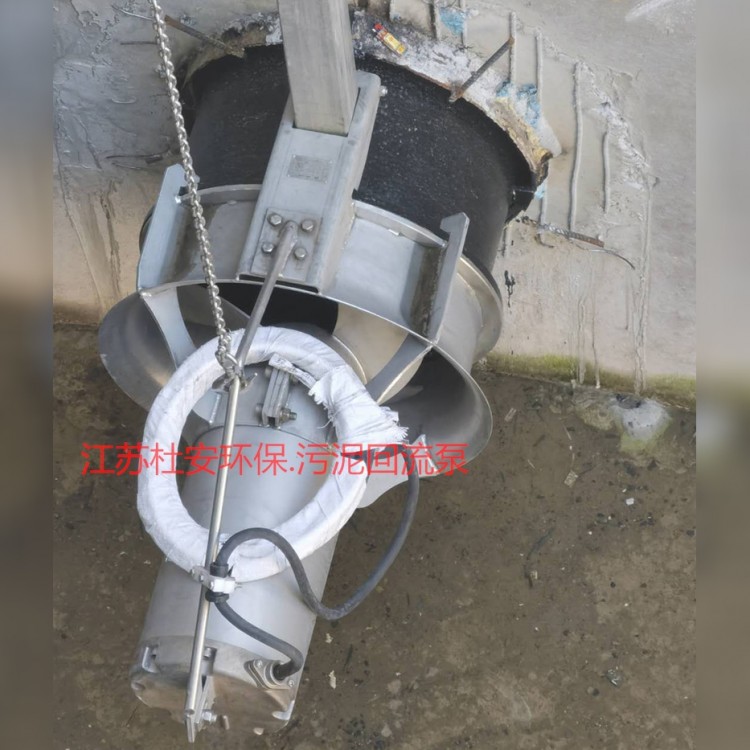
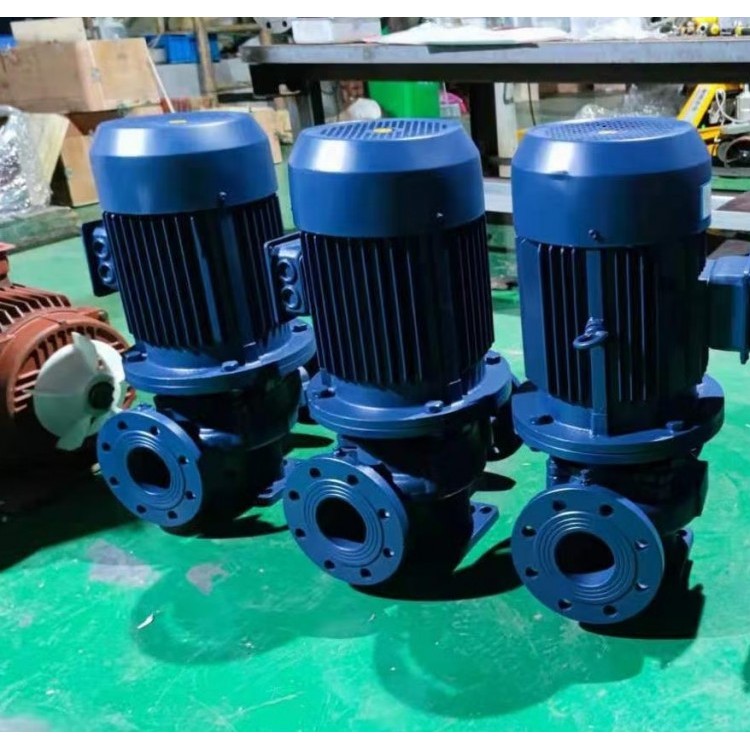
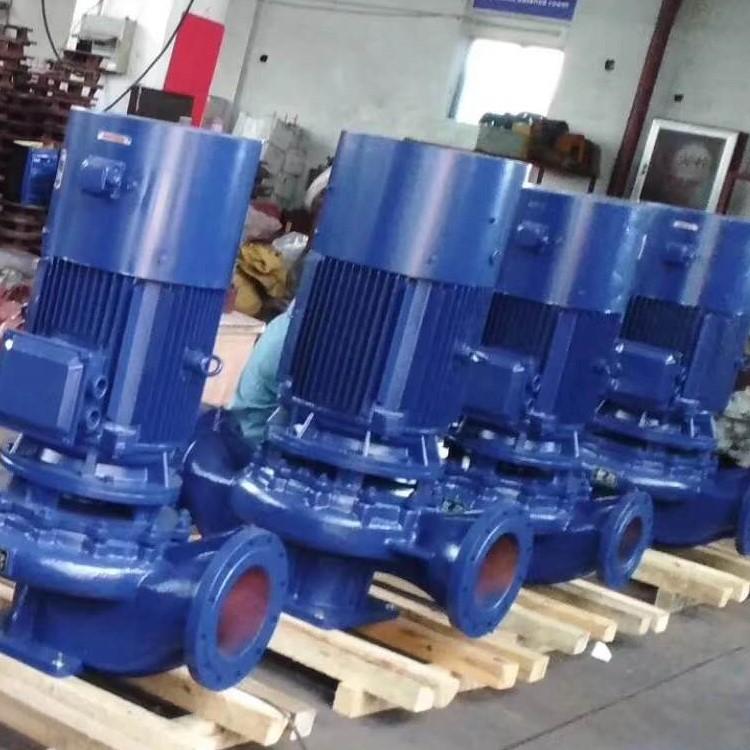
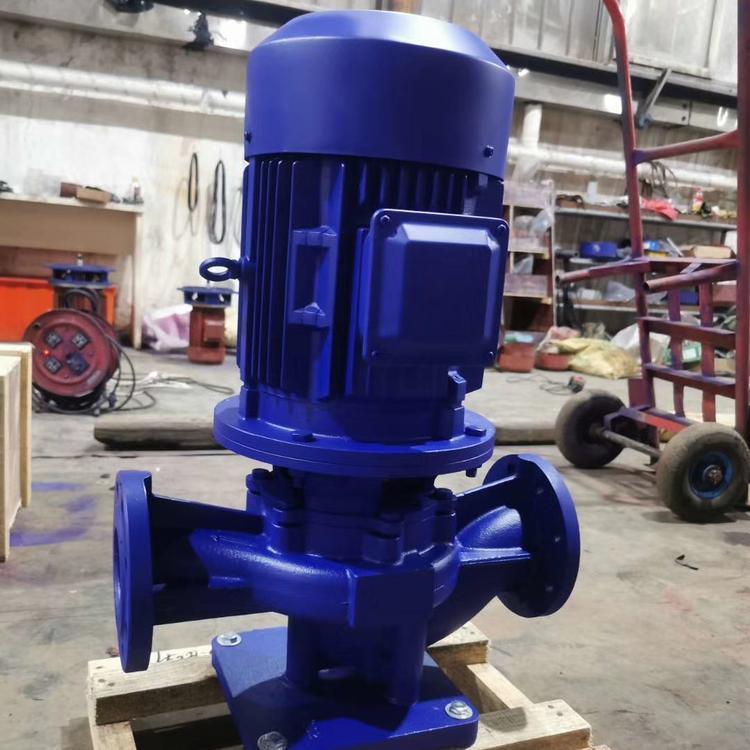
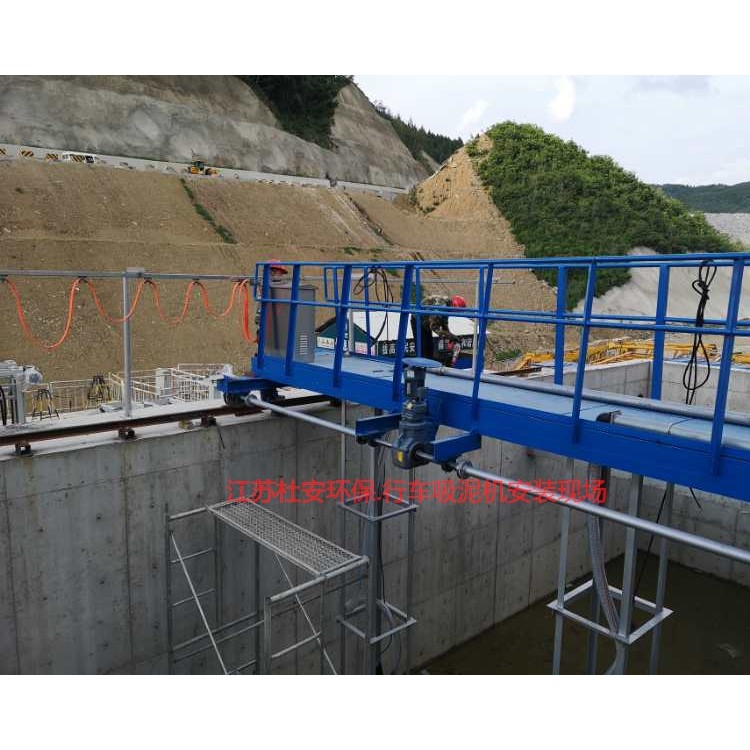
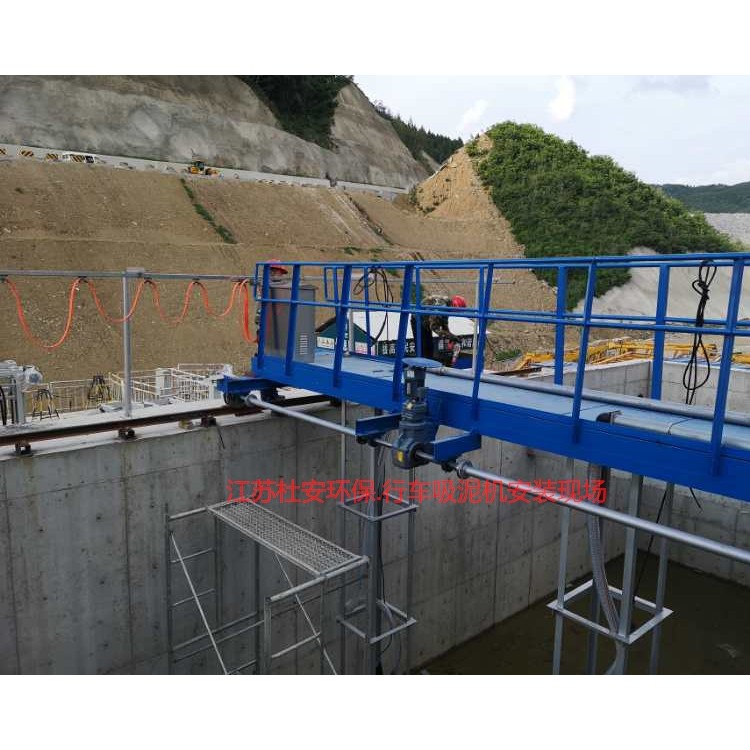
Duane Jet Aerator QSB1.5-32 QSB2.2-50 QSB3.0-50
Duane Jet Aerator Features:
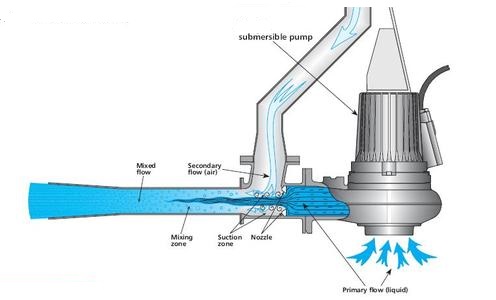
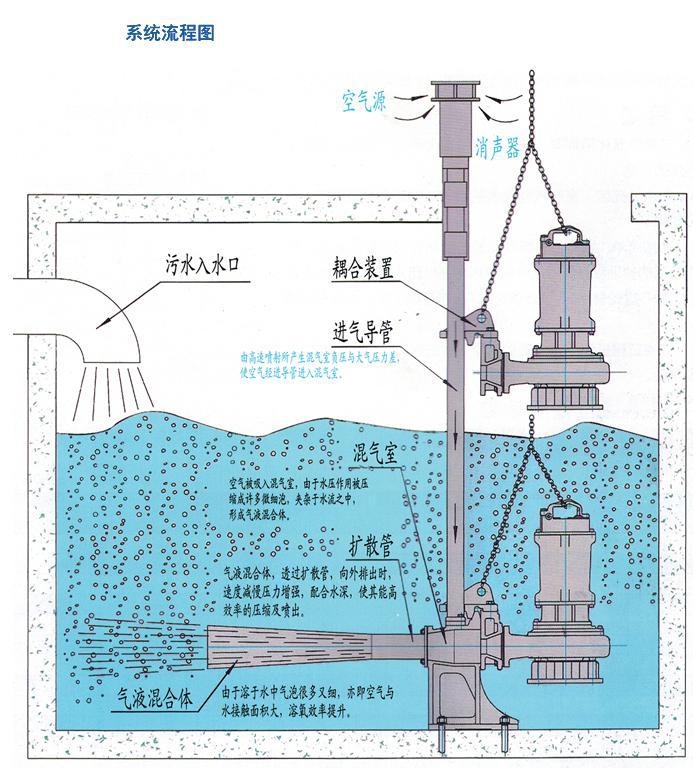
1The Submersible Jet Aerator features a compact design, small footprint, and easy installation. This is due to its composition of three main parts: the submersible sewage pump, the aeration unit, and the intake pipe, which results in a compact structure and minimal space requirement. Additionally, the aerator is easy to install and maintain.
2Its aeration efficiency is high, with a wide range of applications. The aeration machine features a high-speed jet flow state, with thorough liquid-gas mixing, high oxygen absorption rate, and high power efficiency. It has a higher treatment efficiency than traditional aeration ponds.3~4Increased aeration efficiency, reduced aeration time, and applicable to various wastewater treatment systems, including plug flow aeration basins, mixed aeration basins,延时aeration basins, oxidation ditches, oxidation ponds, etc.
3The aeration system is simple and highly reliable. Since the aeration machine does not require blowers or other equipment, the system is straightforward. Besides the intake port, the rest operates submerged in water, resulting in minimal noise.
4Low investment and operating costs. The jet aeration machine, suitable for deeper aeration ponds, reduces the land area required, simplifies the system, saves investment costs, and has high treatment efficiency.
Jiangsu Du'an Environmental Jet Submerged Aerator Model Precautions
1、 Do not lift cables directly or use cables to lift other heavy objects during equipment hoisting. When transporting or suspending a submersible aeration unit, use a chain with a hook to hang from the lifting ring on the cover or lid.
2、 Cable ends must not be immersed in water.
3、 All equipment shells should be reliably grounded to prevent electric shock accidents.
4、 Due to the working principle,The immersion depth should not exceed the specified value.
5The submersible aeration pump should not be placed at the wastewater intake. If the base is placed on muddy ground or floating sand, the pump may sink due to vibration. In this case, it is recommended to suspend the aeration pump or place it on a larger base plate.
6As the temperature drops0Below 0°C, if the diving air compressor continues to operate normally, it can be used as usual; otherwise, it should be lifted.
Store in a well-ventilated, dry area and prevent freezing.
1 Exhaust pump base, pump housing, etc. for aeration useHT250Cast iron casting with certain corrosion resistance and ability to withstand impact loads.
2 Exhaust pump motor shaft is specifically designed for aeration.2cr13Manufactured from corrosion-resistant materials, the structural design incorporates measures to eliminate stress concentration.
3 Mechanical seals for aeration pumps can be made of silicon carbide/silicon carbide or tungsten carbide, depending on the pumped medium./Tungsten carbide, silicon carbide/Tungsten carbide material, mechanical seal design service life of12000Over 1 hour.
4 Bearings for aeration pumps are importedNSKBearings, with an accumulated design service life that ensures40000Over 1 hour.
5 The static seal of the submersible jet aeration machine employs nitrile rubber.-70 OO-Ring.
6 All fasteners of the submersible jet aerator are made of stainless steel.
7 The intake pipe material of the submersible jet aeration machine is galvanized.
8 The nozzle is made of cast iron.
Submersible aeration pumps with a three-phase power supply should have the rotation direction checked upon the initial start-up or after each re-installation. An incorrect rotation direction will reduce efficiency and damage the pump.
The inspection method is: Before installation, look at the suction inlet of the submersible aeration pump from the bottom up, and the impeller rotates counterclockwise. If multiple submersible aeration pumps are connected to one controller, each pump must be checked individually. If the rotation direction is incorrect, you can change the rotation direction by swapping the positions of any two of the three-phase wires on the controller.
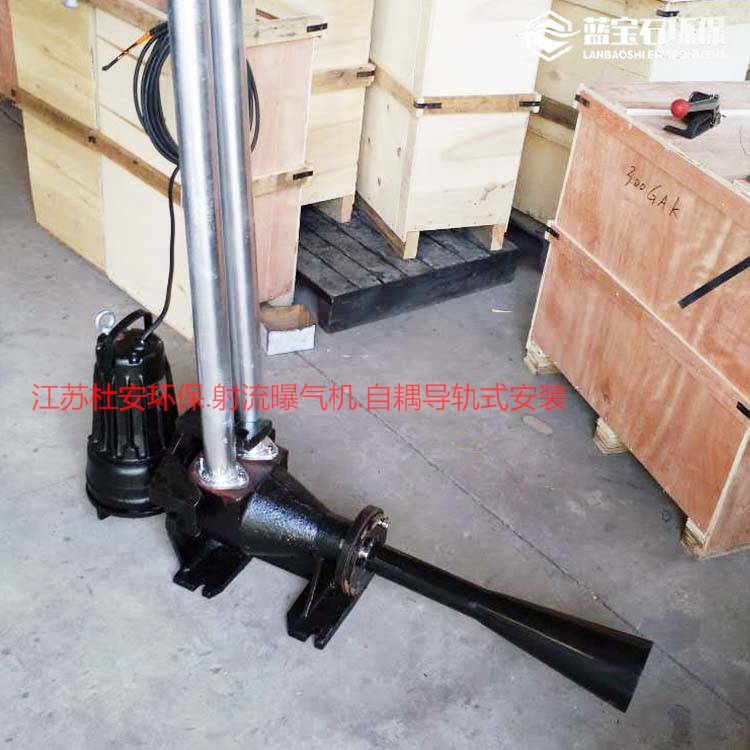
Duwan QSB Submersible Jet Aerator
Prior to starting the潜水曝气机, a qualified electrician must inspect the system to ensure the electrical protection measures required by the following items are in place.
1Before operation, the diving aeration pump should be...0-500VMegohmmeter checks the insulation resistance of the motor stator winding, not less than1Megaohm.
2The power voltage must be marked on the label as the rated voltage.5Within the scope of %,The increase in power voltage is not allowed to exceed the rated voltage.10℅,If the power source is located far from the place where the diving aerator is used,The cross-sectional area of the cable should be thicker.,Connectors should be minimized as much as possible.,Otherwise, the voltage would drop too much.,The joint should be sealed and waterproof.
3Four-core cable,Grounded with a grounding symbol is the earth wire.,Generally, it is yellow-green line.,To ensure safety,The earth wire must be securely connected and longer than the other wires.50mm
4. Check the impeller rotation direction.
Submersible aeration pumps with three-phase power should have the rotation direction checked upon initial startup or after each reinstallation. Incorrect rotation can reduce efficiency and damage the pump.
The inspection method is: Before installation, look at the water intake of the submersible aeration pump from the bottom up, and the impeller rotates counterclockwise. If multiple submersible aeration pumps are connected to one controller, each pump must be checked individually. If the rotation direction is incorrect, you can change the rotation direction by swapping the positions of any two of the three-phase wires on the controller.
Each submersible jet aeration unit undergoes rigorous inspection before shipment to ensure reliable operation. To ensure the longevity of the aeration unit, it is recommended to perform regular checks and maintenance.
Cleaning
To prevent impurities from accumulating inside the submersible aeration pump at different times, clean water can be drawn using the submersible aeration pump to clean it. If the submersible aeration pump is not used for a long time, it should be stored in a dry place and attention should be paid to prevent freezing.
2. Oil Injection and Oil Change
The oil chamber of the submersible aeration pump has been filled with an appropriate amount of lubricating oil before shipment. This oil should be changed annually. The oil change should be performed as follows: Place the submersible aeration pump properly, ensuring the oil chamber plug is facing down, loosen the plug, drain the lubricating oil, then clean the oil chamber with cleaning oil, refill with an appropriate amount of lubricating oil, replace with a new O-ring, and tighten the plug. If water is found in the oil, flush the oil chamber according to regulations and refill it, tighten the plug.OO-ring plug. A re-inspection is required after three weeks; if the oil has turned into a milky liquid, inspect the mechanical seals. Replacement is necessary if required.(Please contact our Maintenance Department.)Note::The oil is transformer oil.
3. Operation Failure
In the event of a malfunction in the submersible jet aeration unit, if the cause cannot be determined and the troubleshooting methods provided later fail to resolve the issue, do not resort to makeshift solutions or attempt to repair or disassemble it on your own.
Fault Phenomenon | Please provide the Chinese content to be translated. Due to | Cleaning Method |
Power equipment overloading | 1The intake pool does not meet the requirements. 2Propellers of the潜水曝气机are encrusted with debris. 3Propellers of the submersible aerator rub against guide vanes. 4The rotational speed of the submersible aeration pump exceeds the specified value. | 1Improve water intake conditions 2Clear debris; wash with water 3Inspect blade wear and re-adjust installation 4Adjust the original motor to match the rated speed. |
Decreased aeration or no aeration | 1The immersion depth of the water aeration pump is too deep. 2Impeller blade outer diameter wear, or partial blade damage 3Dive aeration direction is incorrect 4Propeller loose 5Submersible aeration pump has impurities blocking | 1Enhance Diving Aeration Equipment 2Replace Impeller 3Correct rotation direction 4Tightening screw 5Clear away debris, wash with water |
Operational with noise or vibration
| 1The foundation of the潜水曝气机is not sufficiently sturdy or the nuts are loose. 2Impeller and guide vane friction 3Propeller screw loose or blade partial damage 4Inconsistent water intake state 5Submersible aeration pumps have impurities causing blockage. | 1Strengthen the foundation, tighten the screws 2Inspect impeller and guide vane clearance 3Tighten screws or replace impellers 4Adjust water intake state 5Clear debris, wash with water |
Dive aeration pump fails to start or fuse blows | 1Winding, connector, or cable breakage 2Dive Aerator Clogging 3Leakage of electricity or water 4Short circuit | 1Check with an ohmmeter 2Cut power and clear debris. 3Inspect insulation; below the specified value, must be dried. 4Inspected and repaired before use |
Diving aeration pump starts, circuit breaker and overload protector trip. | 1Low voltage 2High voltage 3Motor wiring incorrect or terminals mixed up 4Control cabinet electrical failure | 1If not in use or voltage drop due to excessive wiring length, the power cable should be reinforced. 2Install transformer, adjust voltage to the specified level 3Adjust wiring and connectors 4Inspect and replace electrical components |