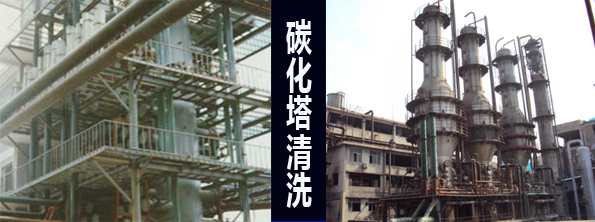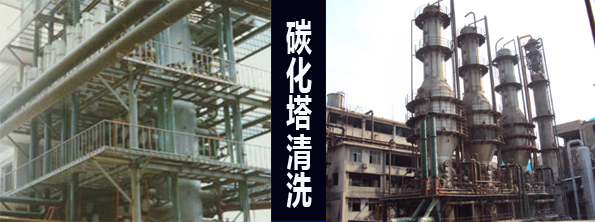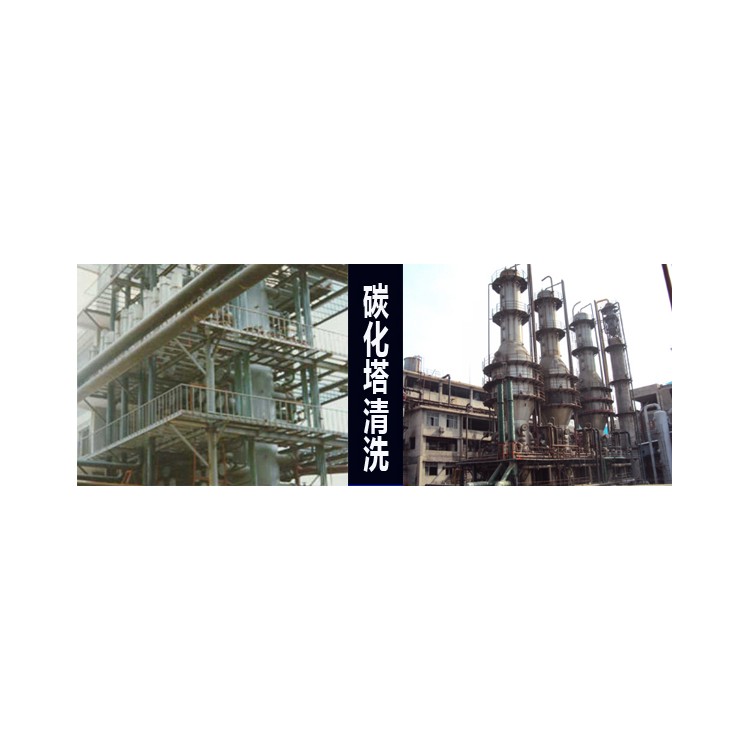

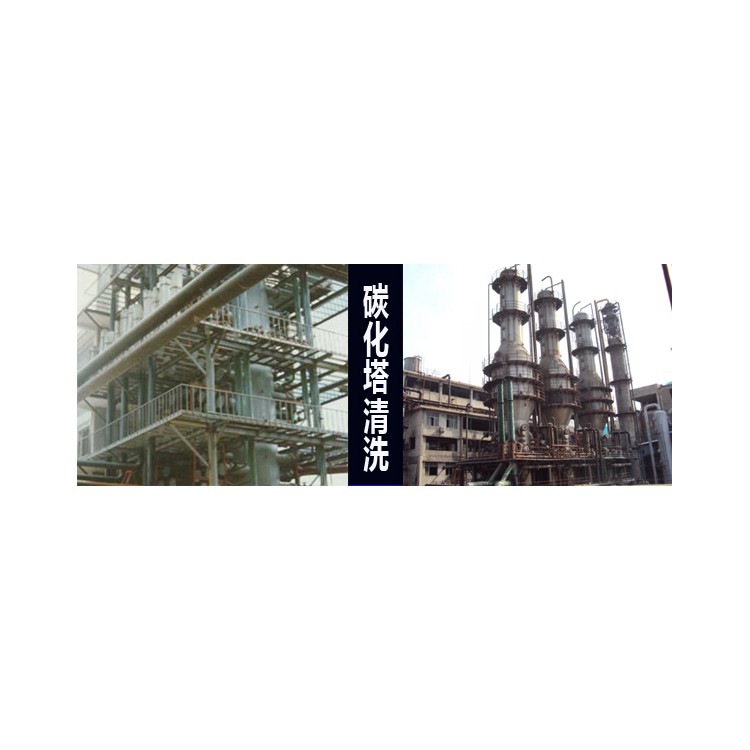

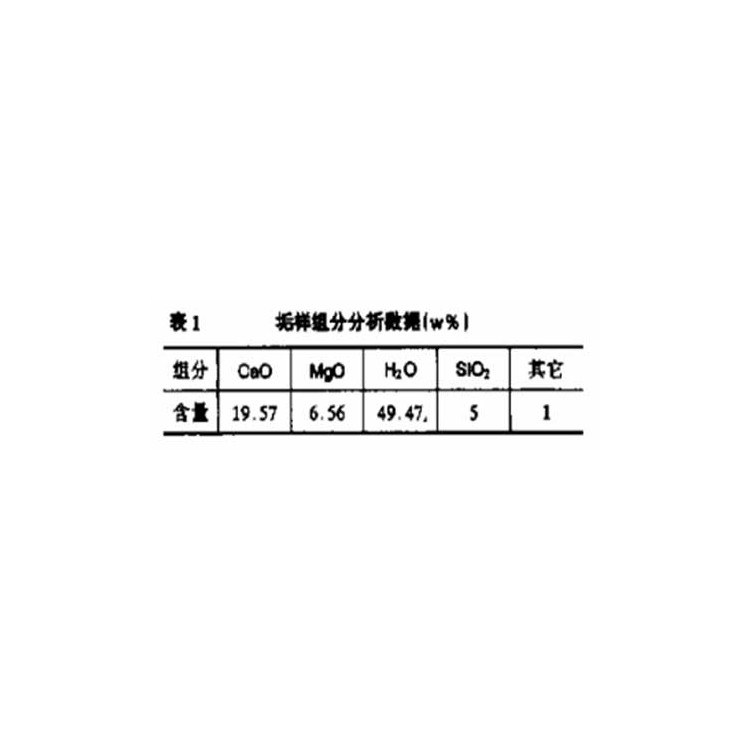







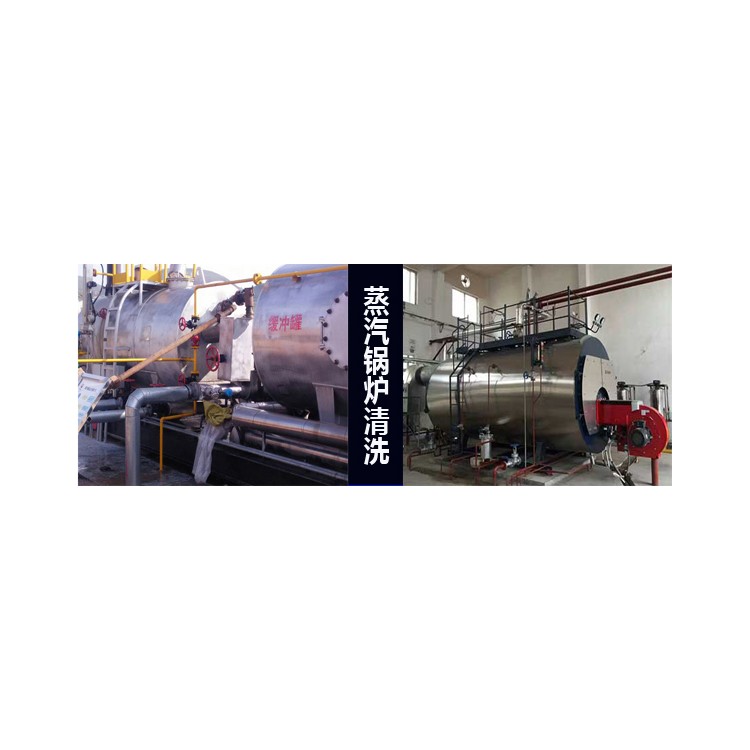
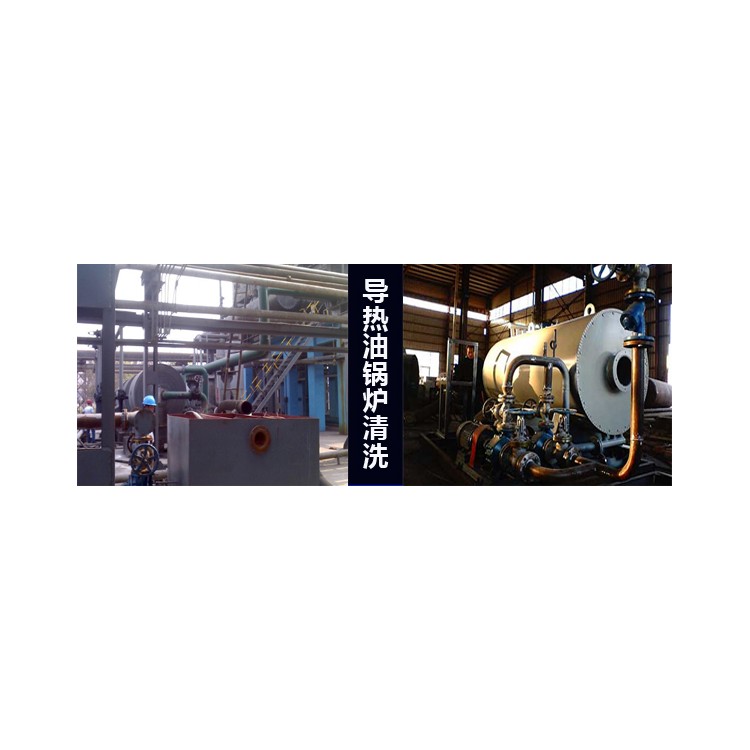
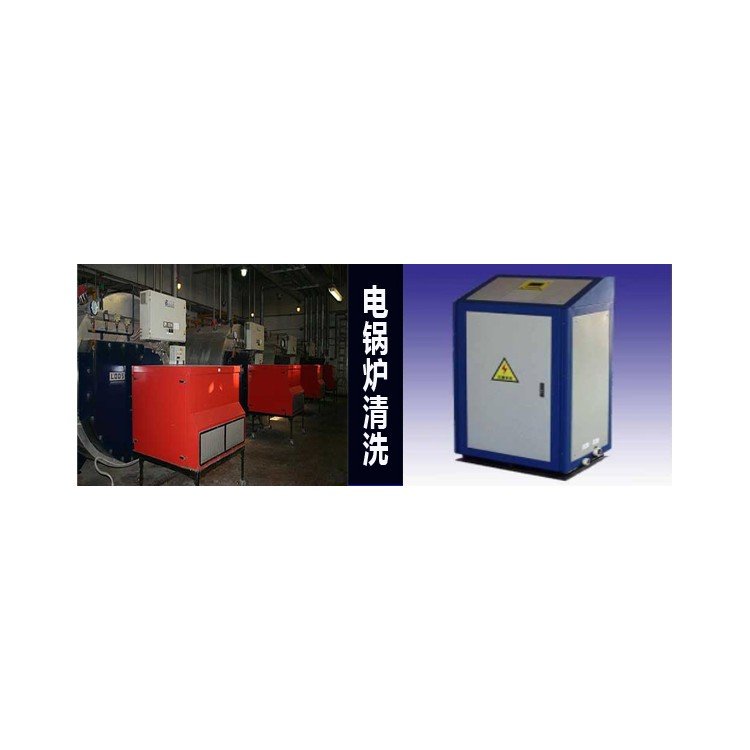
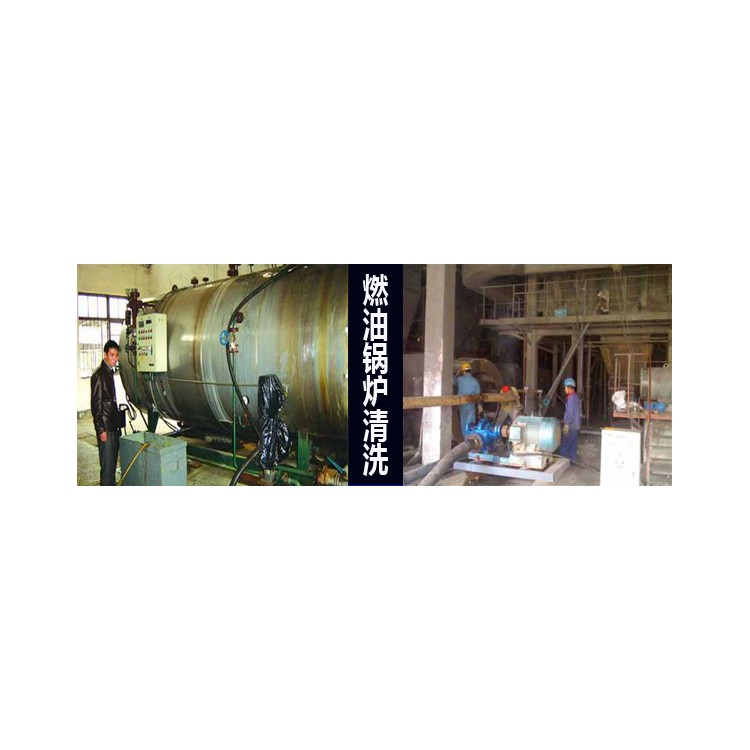
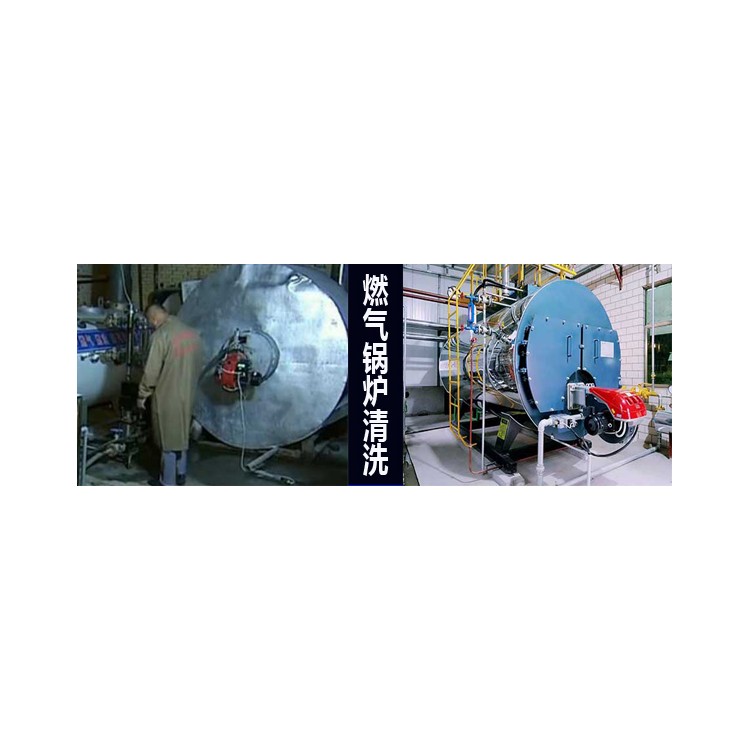
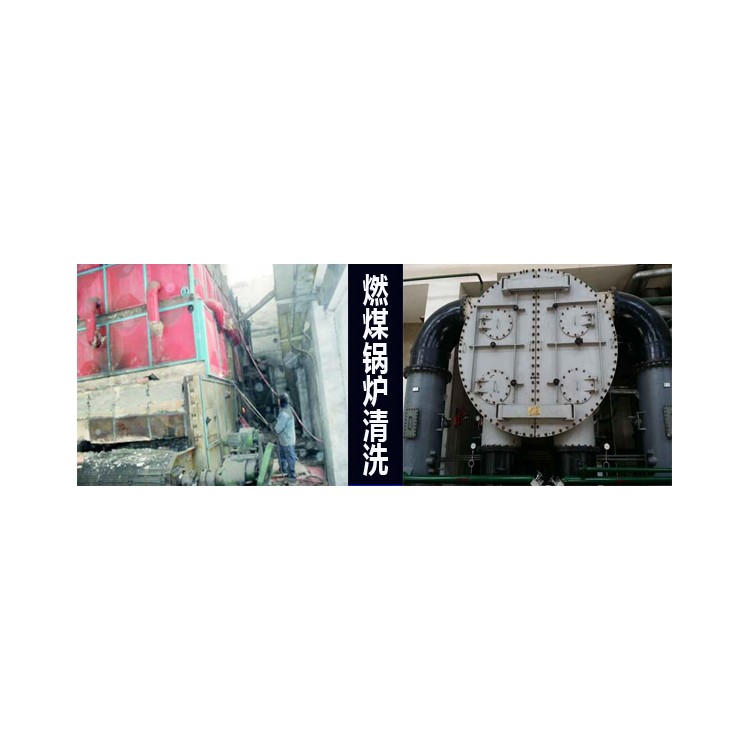
The factory utilizes a substantial amount of cooling water, primarily sourced from rivers or groundwater. It contains a high concentration of inorganic salt ions, such as calcium and magnesium. During the use of cooling water, these ions tend to form precipitates like calcium carbonate, magnesium hydroxide, and magnesium carbonate. They adhere to the surface of equipment, forming thick oxide layers over time. Since scale has a low thermal conductivity, it affects heat transfer rates, reducing the equipment's heat exchange efficiency, impacting process operations, and increasing production costs. Therefore, the factory has taken measures to minimize scale formation to ensure the normal operation of equipment. Currently, descaling from the carbonation tower's water tank is typically carried out after production stops by removing the scale. Cleaning methods also involve protective shields and water hoses to remove the scale. However, this process is time-consuming, and descaling may not be completed. During the factory's major overhaul, descaling is performed only once a year, which is often insufficient and significantly impacts production. In light of this, to avoid disrupting normal production and descaling, we have adopted a continuous production descaling method based on the characteristics of the equipment. This method has been implemented and has yielded positive results through sampling and analysis of the scale within the carbonation tower's water tank.