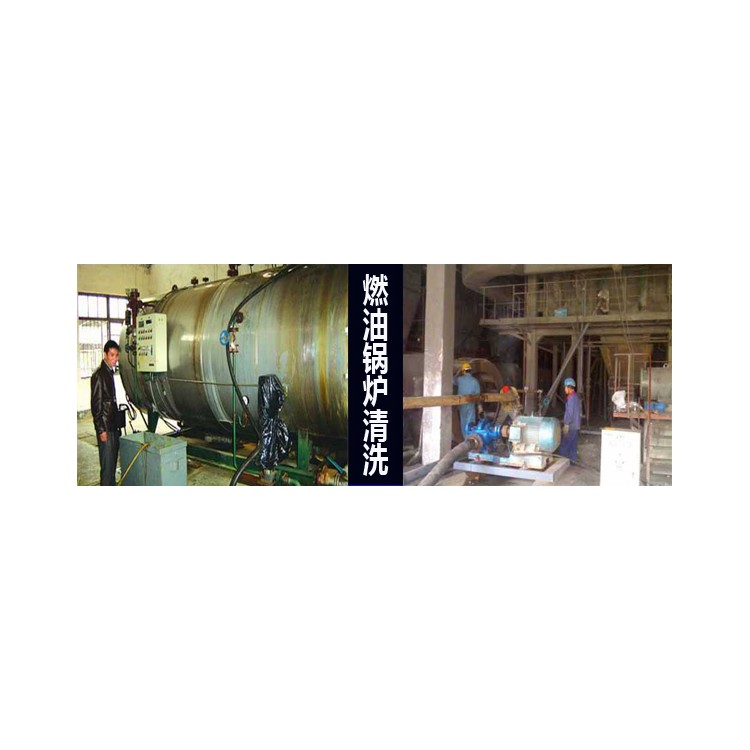

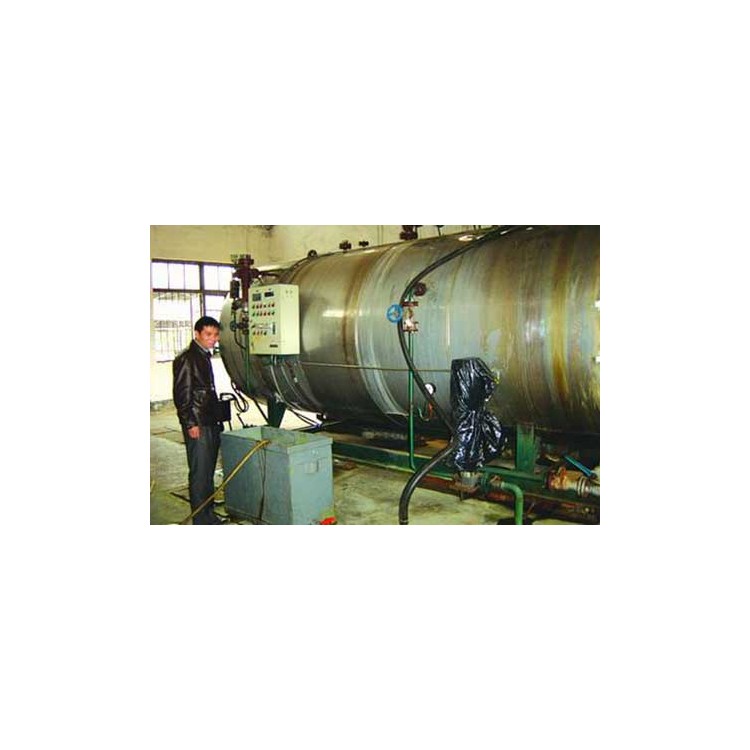












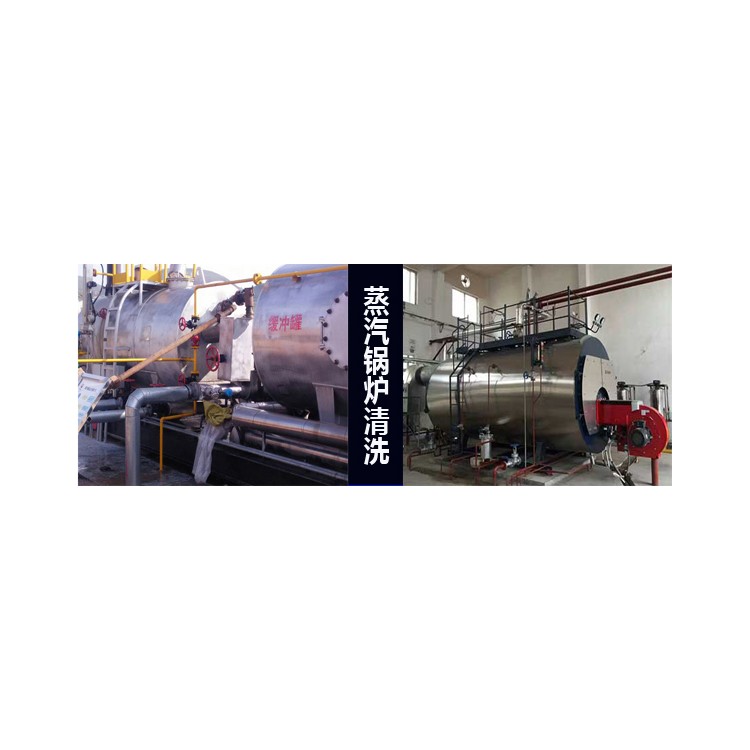
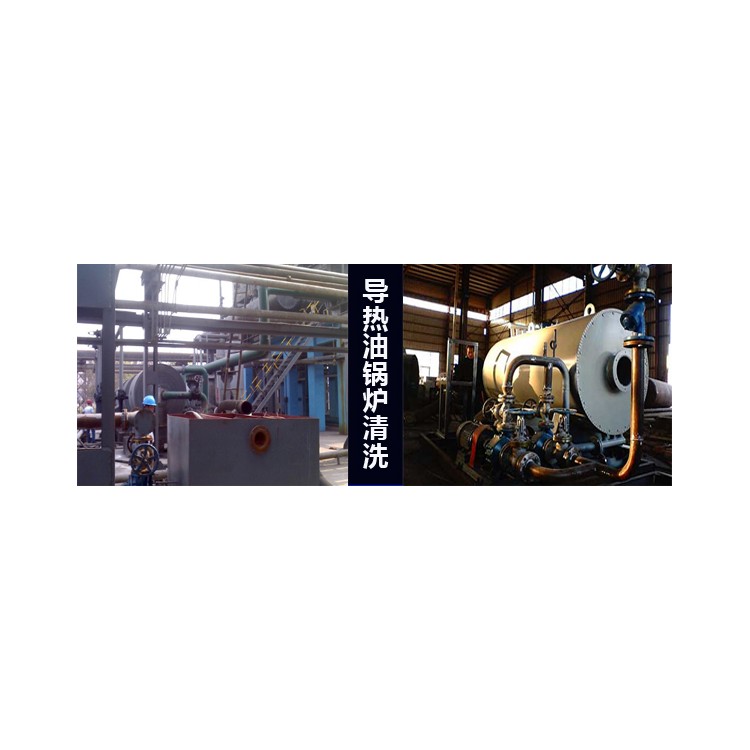
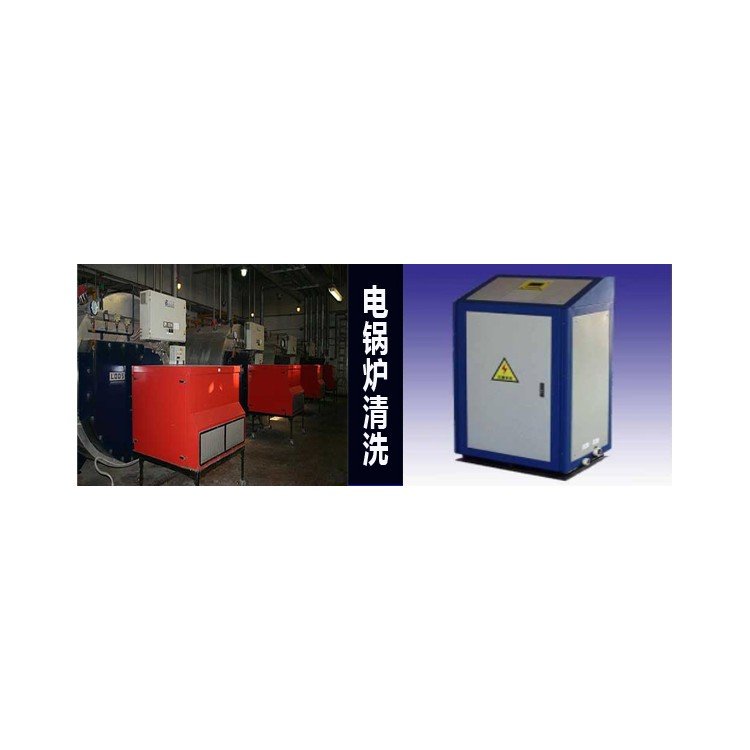
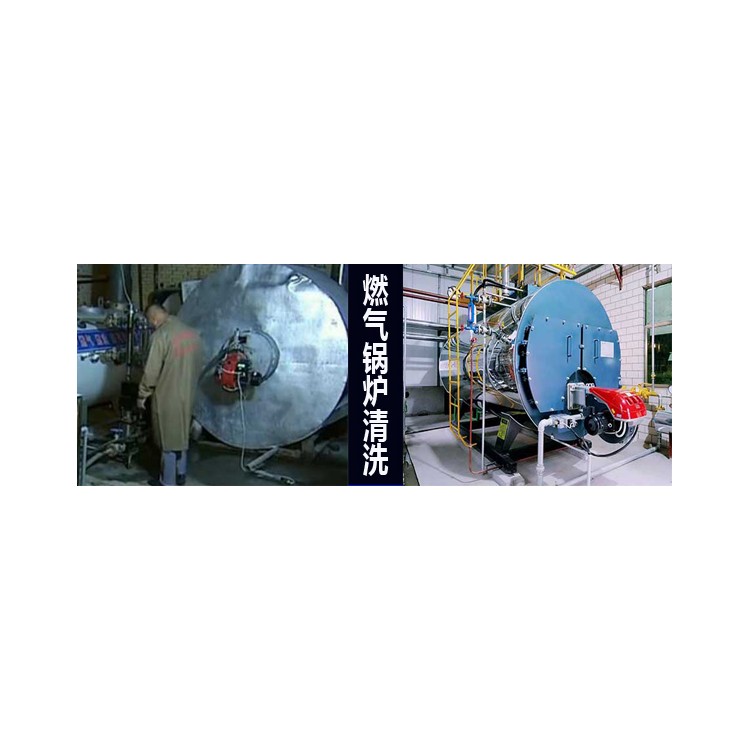
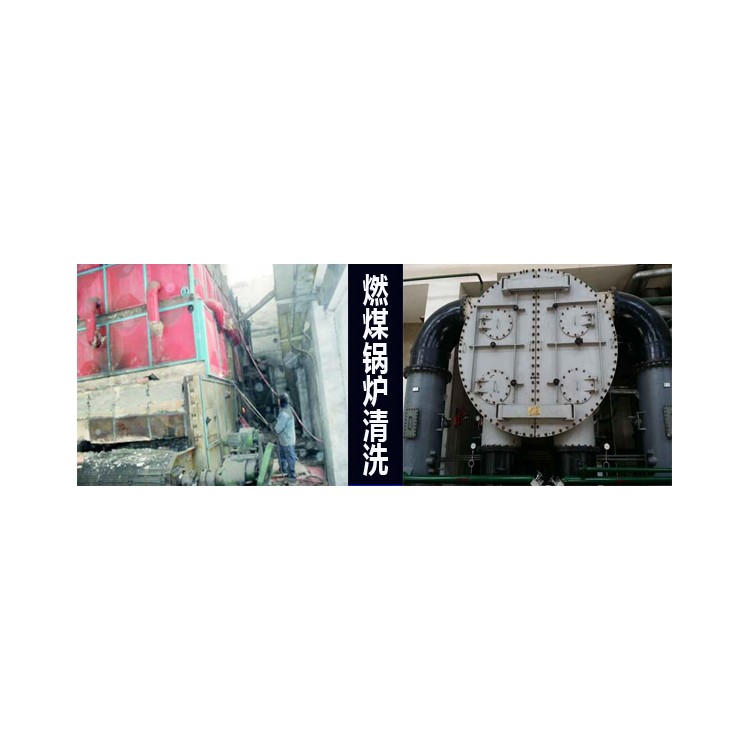
Boiler cleaning, commonly known as descaling, is a chemical agent capable of removing scale from the inside of a boiler. It is widely used for descaling electric, oil, gas, coal-fired, and steam boilers, as well as water heaters, hot water boilers, heating boilers, bath boilers, heat transfer oil boilers, steam boilers, and plate heat exchangers.
I. Cleaning Solutions
Before cleaning, representative scale samples must be collected from the boiler heating surface for analysis to determine the type of scale, and a small-scale test must be conducted.
Section II: The cleaning plan should include the following:
1. Boiler scaling or rust conditions, including scaling distribution, sediment volume or thickness, and analysis results of scaling composition
2. Cleaning Scope & Cleaning Process
3. Cleaning media and process conditions based on mini-tests
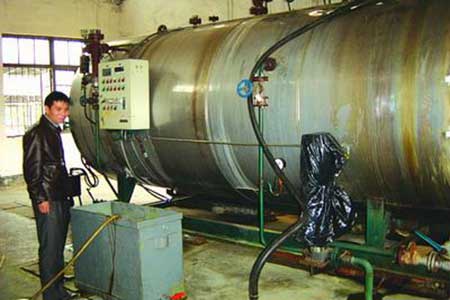
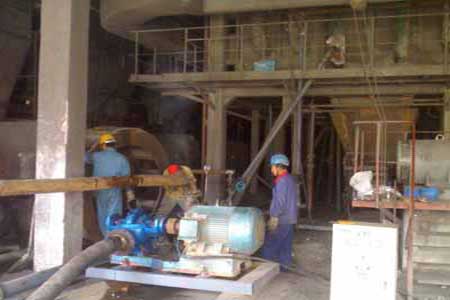
4. Cleaning System Diagram (including recirculating system, semi-open/semi-closed system, and open system).
5 throttling, isolation, and protection measures
Items and control requirements to be monitored and recorded during the cleaning process
7. Waste Liquid Discharge Treatment
8. "AnTong" and accident prevention measures
9. After cleaning, strictly adhere to the cleaning plan when inspecting the cleaned parts of the boiler, assessing cleaning quality, and undergoing other chemical boiler cleaning procedures.
III. The cleaning medium should meet the following requirements:
The selection of cleaning media should be based on the composition of the scale, the structure and material of the boiler equipment, the corrosion inhibition effect of the corrosion inhibitor, the toxicity of the chemicals, and environmental protection requirements, and should be chosen through testing.
2. Prohibit the use of recycled cleaning fluids for boiler cleaning, and ban the use of acids from chemical by-products for boiler cleaning. The rate of metal corrosion by the acid must be determined in advance. If the acid contains contaminants that easily cause metal corrosion or other harmful substances to the boiler, affecting "497," it should not be used for boiler cleaning.
3. Select an appropriate corrosion inhibitor based on factors like cleaning medium, temperature, and boiler material. The corrosion inhibition efficiency of the inhibitor must be above 98×10×2, and it should not exhibit hydrogen embrittlement, pitting corrosion, or other localized corrosion. Additionally, opt for an inhibitor that has minimal odor, is non-toxic, has stable performance, good water solubility, and excellent uniformity.
If a cleaning additive is added, it should be pre-determined how the additive affects the corrosion inhibition efficiency to ensure that the corrosion rate of the metal and the efficiency of the additive in inhibiting corrosion meet the requirements of this rule.
4. Regularly repeat the cleaning of the corrosion inhibitor to prevent its failure.
Four, the corrosion control for metal chemical cleaning must comply with the following requirements:
During cleaning, it is mandatory to hang the corresponding material corrosion indicator in the cleaning system to determine the corrosion rate and amount of the metal.
2. Appropriate corrosion inhibitors must be added during the cleaning process. Determine the concentration and usage method based on product description and test results. Cleaning solutions without corrosion inhibitors are not to be introduced into the pot.
When the concentration of free Fe3+ in the cleaning solution is too high, an appropriate reducing agent should be added to control the Fe3+ concentration to be less than or equal to 300mg/L.
During the cleaning process, the internal flow rate of the boiler tube cleaning liquid should be maintained at 0.2~0.5 ms, with a maximum of up to 1 ms.
5. During cleaning, the higher temperature control of the cleaning solution must ensure that the corrosion inhibitor's efficiency and the rate of metal corrosion meet the irregular regulations.
6. The cleaning time should not exceed 10 hours from the system adding cleaning fluid. Due to severe contamination and difficulty in dissolving scale, with stable corrosion inhibitor performance and strict supervision, the cleaning time may be appropriately extended; however, the corrosion indicated by the corrosion indicator after cleaning should not exceed the permitted value.
7. After cleaning, the time from cleaning solution to passivation should be no more than 4 hours. Rust prevention measures should be taken if the time is exceeded.
V. The chemical supervision and monitoring criteria for the cleaning process should meet the following requirements:
1. Pickling Process: The acid concentration and Fe3- and Fe2+ concentrations of the cleaning solution are measured every 30 minutes. As the process nears completion, the measurement intervals should be shortened.
2. Laundry Detergent Removal and Neutralization in Water Washing Process: pH of the effluent is measured every 15 minutes in the latter stage
3. After cleaning, the cleaning fluid should be emptied immediately, and the tank should be quickly rinsed with clean water. If the rinsing water is insufficient, it can also be used for side drainage and water supply (removal speed not exceeding the flow speed). If there is a large amount of scaling or sediment, the sediment should be cleaned thoroughly before passivation. During the late water rinsing stage, use an appropriate dilute alkaline solution to rinse until the pH of the effluent is reached, then open all inspection holes to remove the sediment.
4. Passivation Process: pH value and PO43- concentration in the passivation solution are measured every 3-4 hours.
Section 6: Cleanliness Quality Should Meet the Following Requirements:
Scalping effect meets the requirements of the "Industrial Equipment Chemical Cleaning Quality Standard."
2. The metal corrosion rate measured by the corrosion indicator should be less than 6g/(m²h), and the total corrosion amount should not exceed 80g/m².
3. The surface of the gold plating forms a good passivation protective film, with no obvious secondary rusting or pinpoint erosion.
After cleaning, effective measures should be taken by the cleaning device to remove any slag residues inside the pot, ensuring unobstructed flow through all the pipes within the pot.
After passivation, all inspection holes should be opened, and the loose residue and sediment in the boiler should be thoroughly cleaned by hand. Use tools such as water jets to flush or clear the furnace tubes until all pipes flow smoothly. Prevent residue leakage and blockages in the pipes.