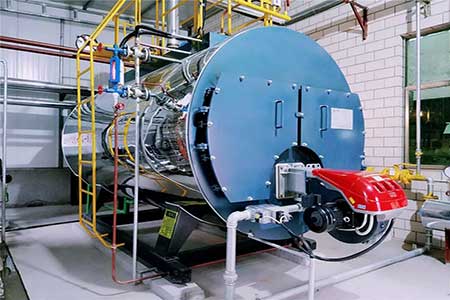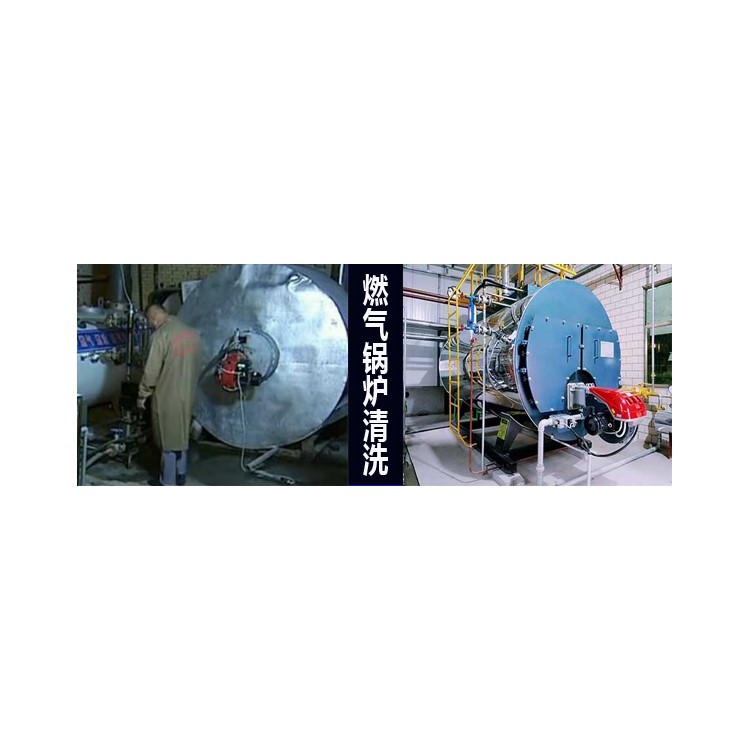

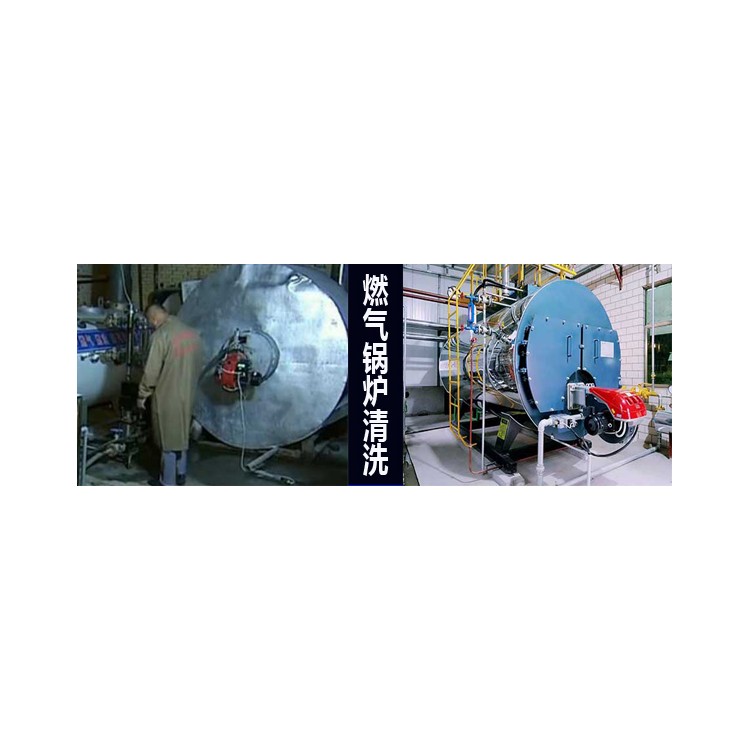
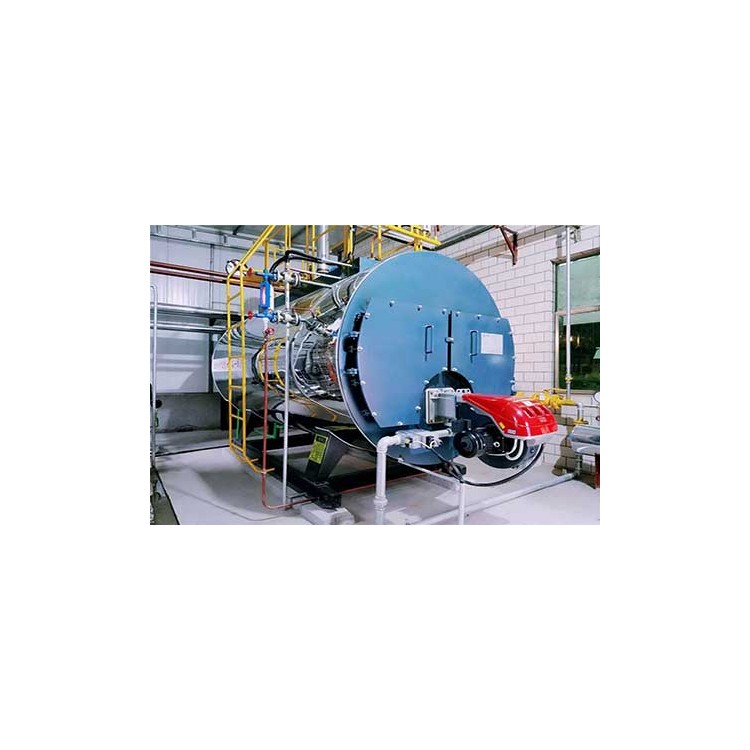












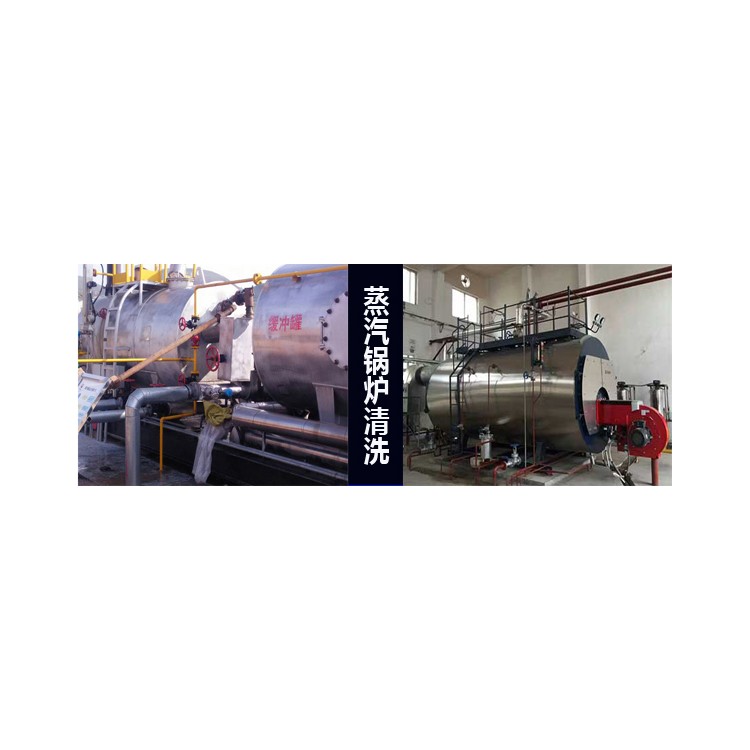
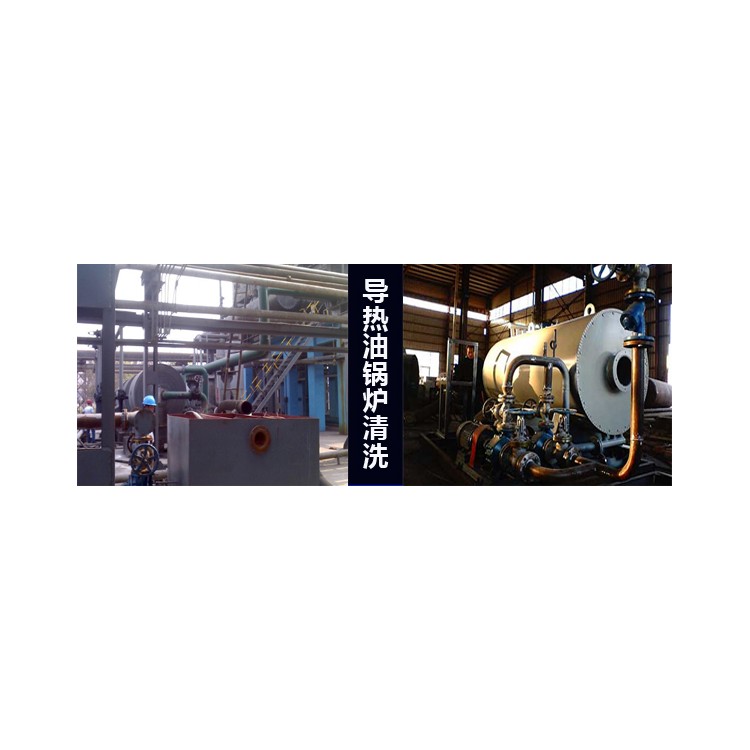
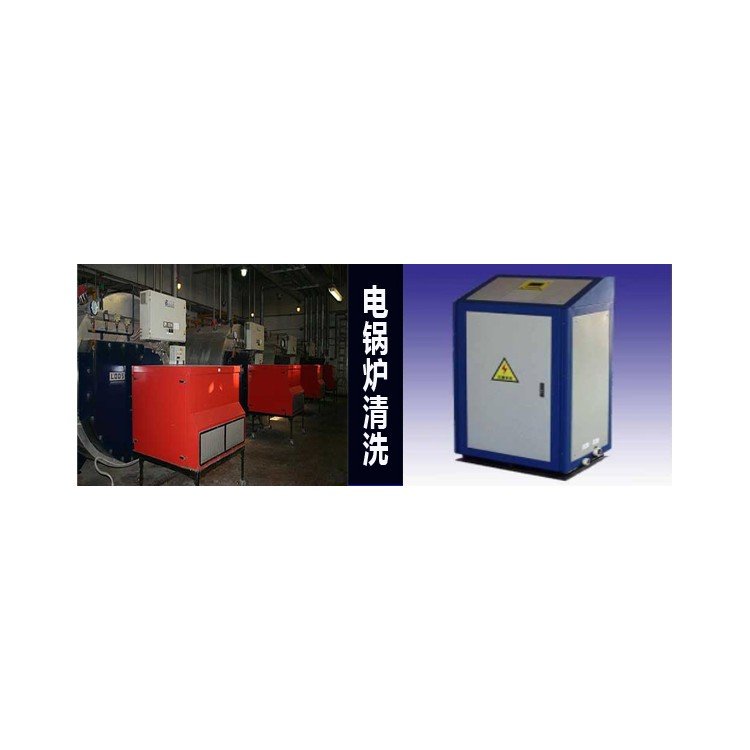
Gas boilers include gas water boilers, gas hot water boilers, gas steam boilers, etc. Among them, gas hot water boilers are also known as gas heating boilers and gas bathing boilers. As the name implies, gas boilers refer to boilers that use gas as fuel. Compared to oil-fired and electric boilers, gas boilers are more economical, which is why most people choose gas boilers as equipment for steam, heating, and bathing.
Gas Boiler Cleaning Methods
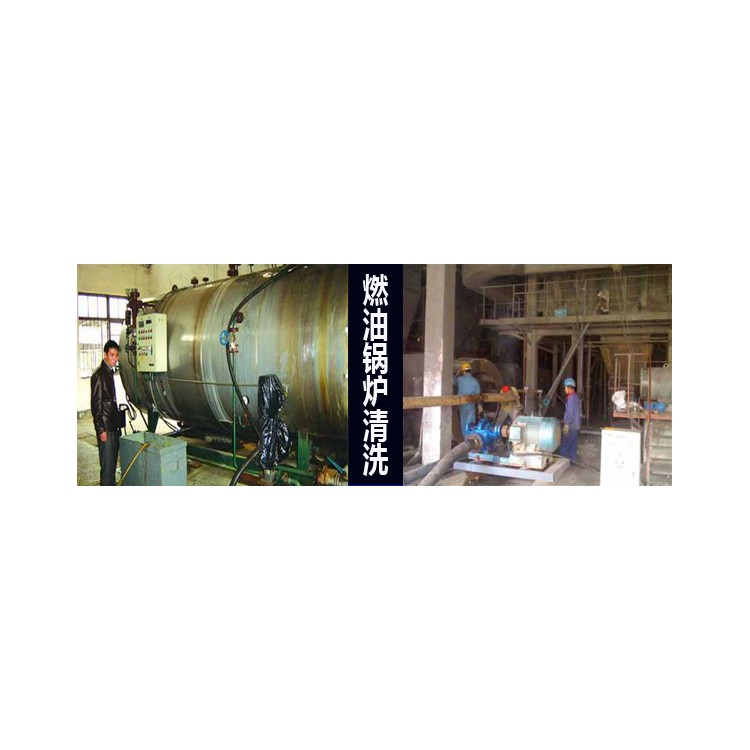
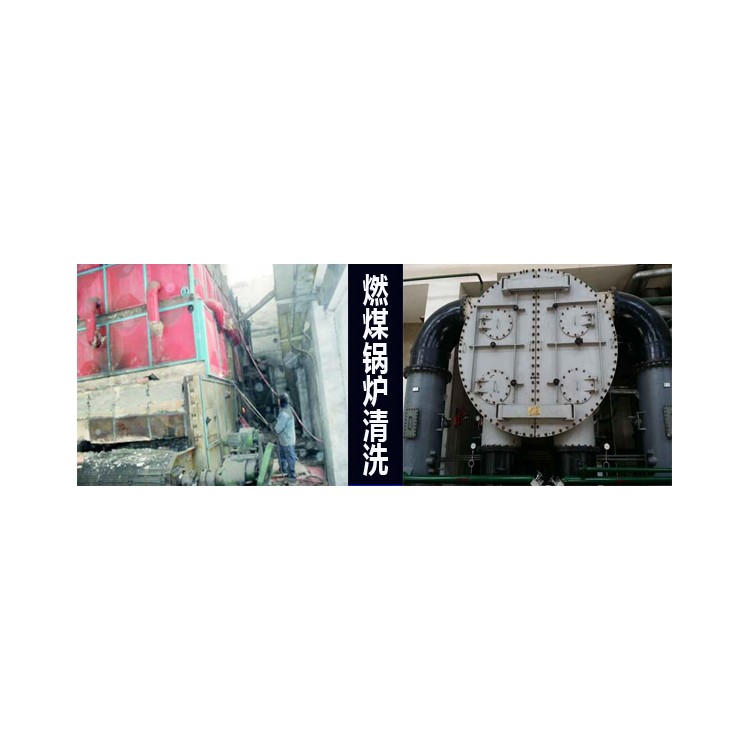
1. When a boiler has loose scales and slag, it should be cooled and discharged after stopping operation. After rinsing with water, scales can be removed using methods such as a flat shovel, wire brush, or motorized pipe mill. This method is relatively simple and is often used for small-scale, low-capacity boilers. However, it requires high labor intensity, has poor descaling effectiveness, and can easily damage the boiler body.
2. Most descaling methods use hydrochloric or nitric acid for cleaning. The acid cleaning solution is composed of hydrochloric acid, corrosion inhibitors, or nitric acid with corrosion inhibitors. This solution not only removes boiler scale (it should be added when removing nitrates, and it also causes less corrosion to the boiler. The descaling process involves dissolution, peeling, and loosening effects.
3. Alkaline cooking and descaling methods have less effective descaling than acid washing, but the scale becomes loose after soaking, making it difficult to remove with hydrochloric acid. Therefore, scale that is hard to remove with hydrochloric acid can be pre-treated with alkaline boiling before acid washing. The alkaline cooking method is simple to operate with minimal side effects. The drawbacks include longer cooking times, higher consumption of chemicals, and less effective results.
Gas Boiler Maintenance Tips
1. Cleaning Gas Boilers.
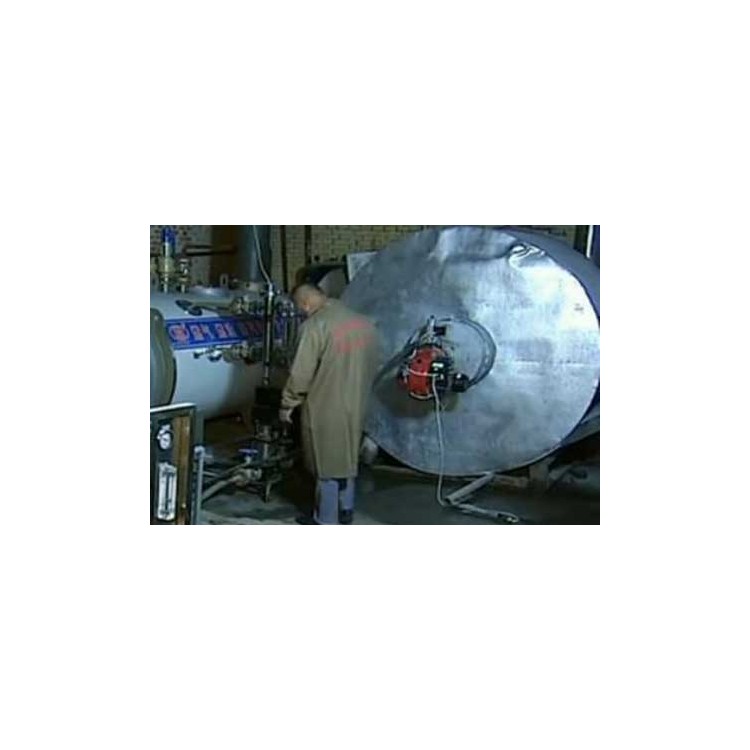
Gas boilers require cleaning and descaling after a period of use. The general procedure is to first open the burner door, remove the rear shell panel, and then unscrew the boiler's rear cleaning port screws. The magic trick is to use an 18-gauge wire brush to clean the gas pipes and a soft brush for the combustion chamber. After cleaning the residue inside the boiler, tighten the cleaning port screws, close the burner door, and check for a good seal.
2. Gas boiler anti-freezing.
Boilers are typically installed outdoors and frequently come into contact with water. During the winter when temperatures are very low, gas boilers exposed at locations like steel pipes are prone to freezing, and can even crack due to the ice. Therefore, this movement must be executed well for protective measures. Cover the exposed parts of the boiler pipes with good insulation materials to prevent cracking.
3. Flue gas boiler sludge removal.
Gas boilers typically feature a sewage system, and proper sewage treatment is crucial to prevent condensation of flue gases. Cathodic protection measures must be implemented to prevent electrochemical corrosion of the boiler.