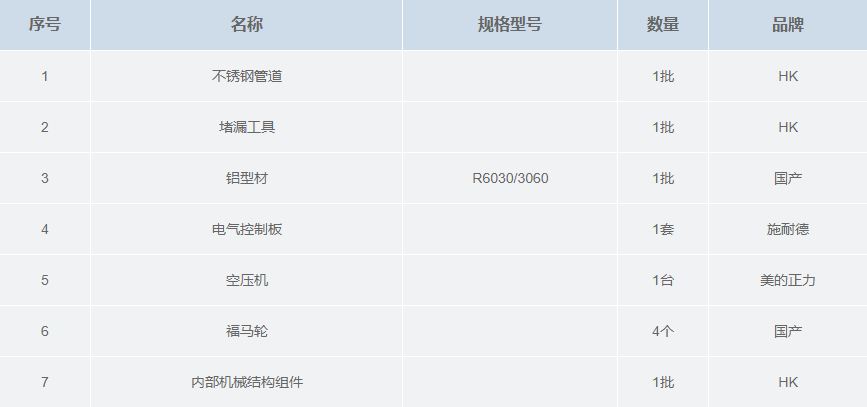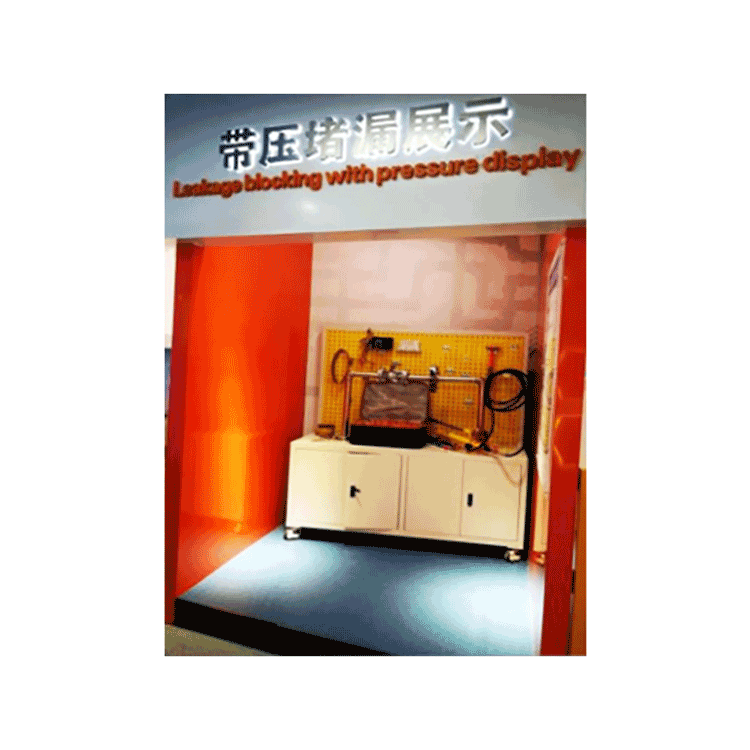


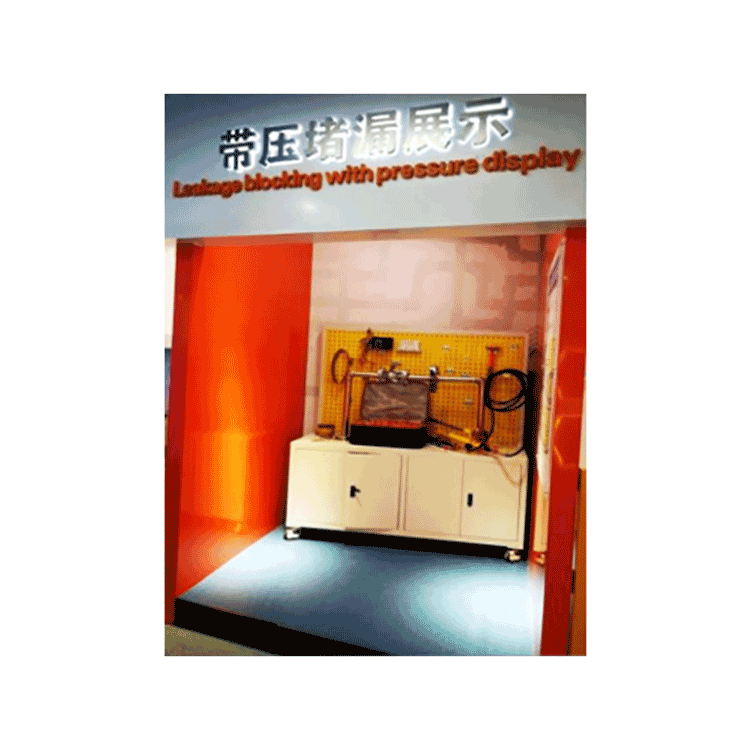














Pressure Sealant Operation Safety Experience
Feature Overview
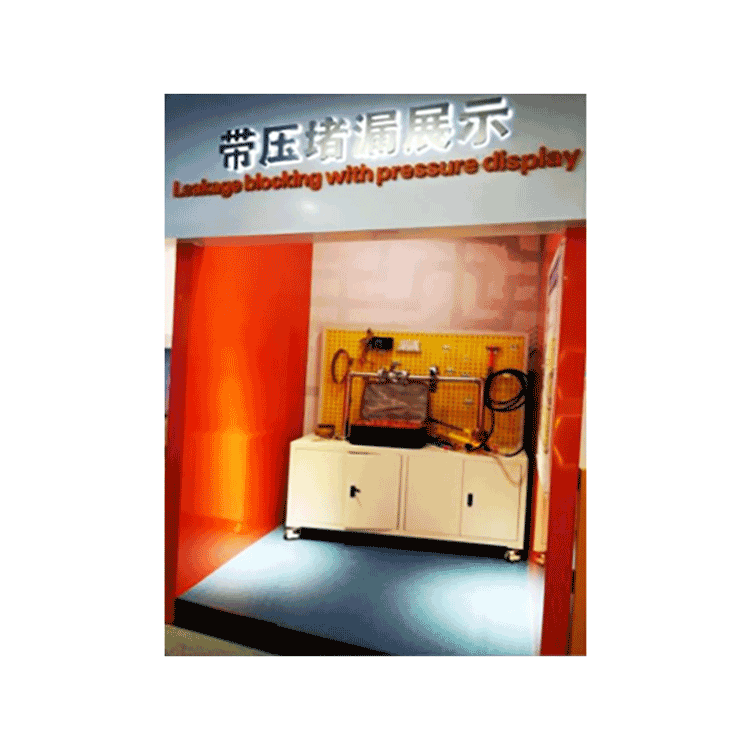
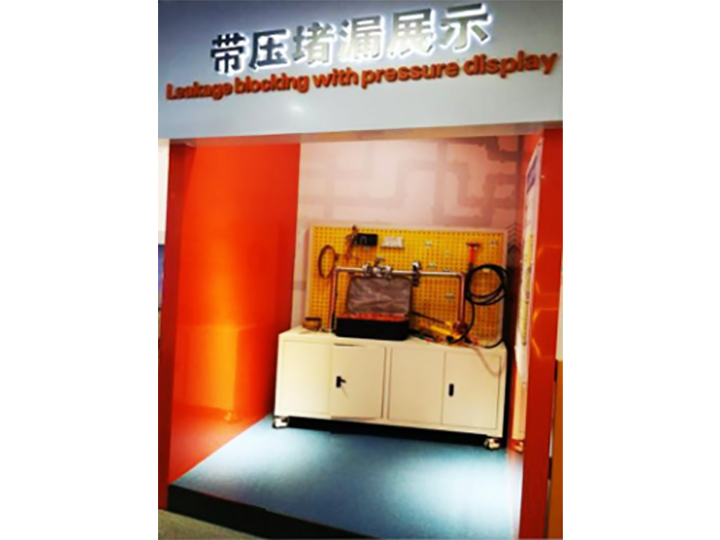
Experience Projects: Simulate chemical pipeline leaks and practice plugging and stopping leaks with wood plugs, wrapping tapes, adhesives, etc., which includes experiencing various leak plugging tools.
Process Design
1. Familiarize with common pressure sealant methods: Welding sealant, Plug-in sealant, Plug sealant, Solder sealant, Mastic sealant, Glass fiber sealant, Sealant agent sealant, Quick binding sealant, Steel clamp injection sealant.
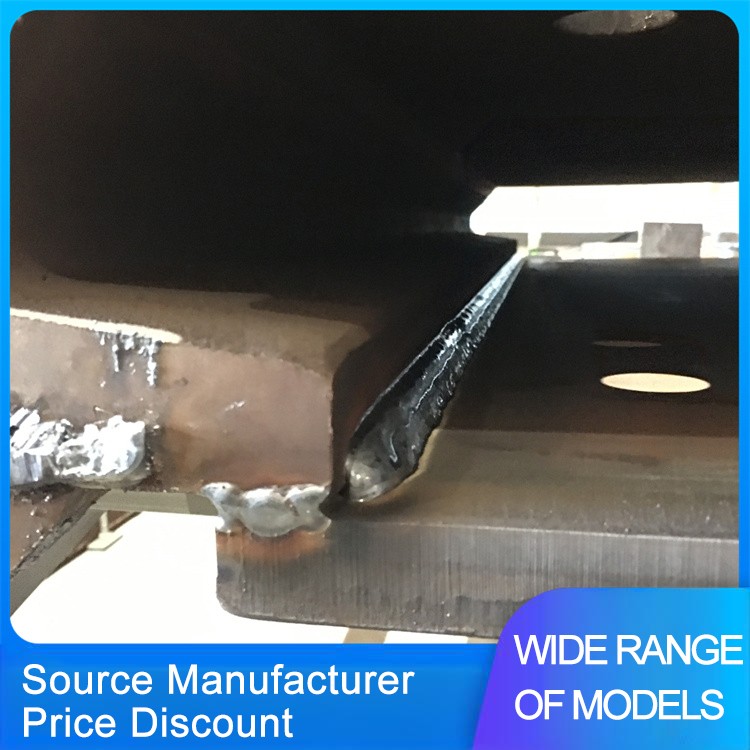
2. Method/Step: Leak-proofing with annular groove clamps, which have grooves around the periphery and on the sealing surface, forming an integrated unit. The grooves contain injection holes, and within them, asbestosis gaskets are embedded. After the clamp is tightened, sealant is injected through the holes, which compresses the gaskets to eliminate leakage. This method ensures that the sealant does not enter the sealing cavity, thus avoiding compression of thin-walled pipe walls. However, the clamp must ensure sufficient width to ensure that both ends rest on the pipe wall without damage or cracks. Rapid Tie-Down Leak-proofing: Suitable for straight pipes, elbows, reducers, flanges, and other components with a diameter ≤ DN300mm, and for hot networks with working pressure ≤ 1.4MPa and working temperature ≤ 120°C. Material is high-strength, high-temperature-resistant plastic tie-down belt. Steel Clamp Injection Leak-proofing: Suitable for straight pipes and large-radius bend pipes, for hot networks with working pressure ≤ 2.5MPa and working temperature ≤ 450°C. Materials include steel clamps, high-temperature-resistant flexible sealant materials, and tools such as high-pressure injection guns, hammers, and wrenches. Welding Leak-proofing Method: Weld at the junction of the clamp, and to ensure welding quality, install a drain valve on the clamp in advance to expel the medium promptly, making the pressure inside the sealing cavity zero. Fill the gaskets as required on both sides and compress the packing box gaskets. After welding, close the drain valve, and the leak-proofing is complete. This ensures both safety during the welding process and reinforcement of the leakage area.
Module Function Requirements
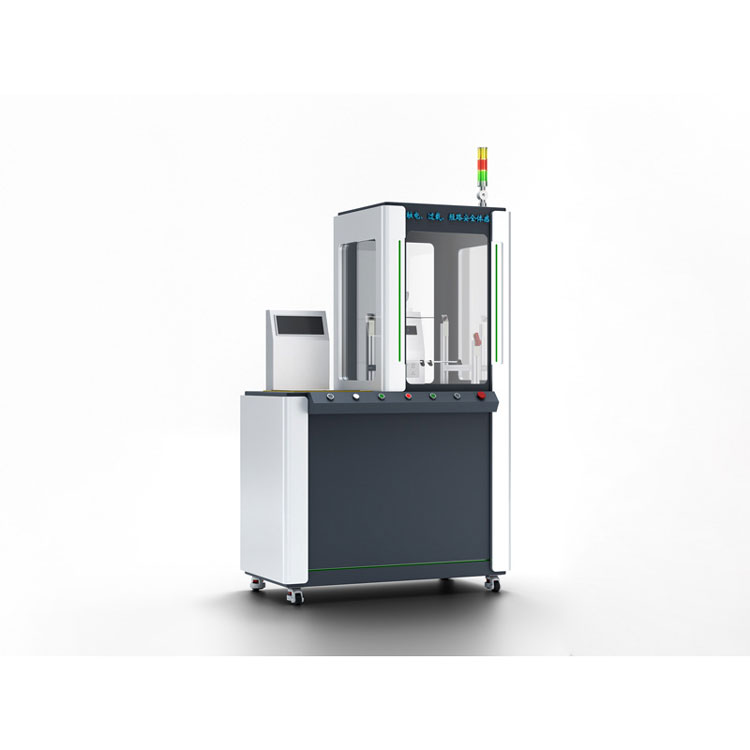
Key Technical Specifications
Model: HK-DL 130
Rated Voltage: AC 220V/50Hz/10A
Pressure: 0.5-0.8 Mpa
Dimensions: 1300*600*1800mm
Weight: 100 Kg
Main Configuration