













Fall Protection Harness
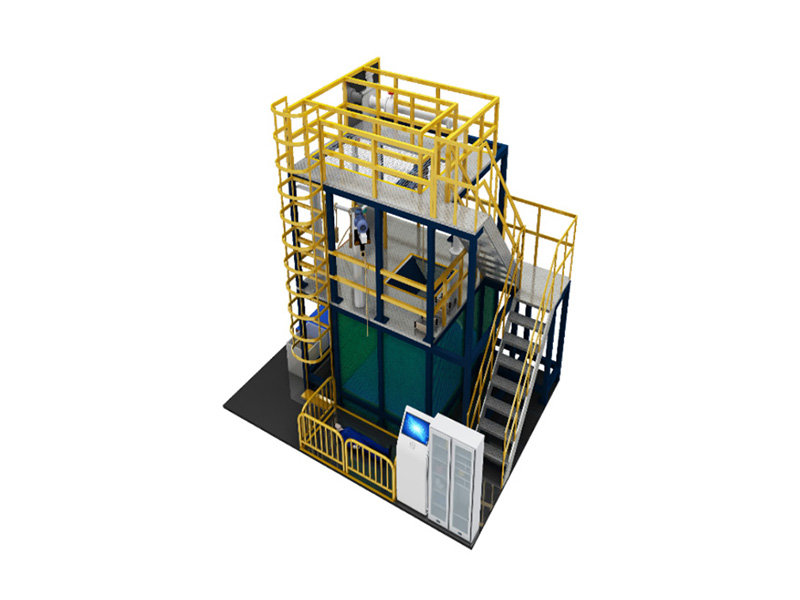
Overview
Chapter 1 General Provisions for High-Altitude Operations
Article 1: To ensure the safety and health of workers involved in the construction activities within the factory area and to guarantee the completion of construction tasks, a special High-Altitude Work Safety Management System is established.
Article 2: This system applies to all construction departments and to construction units undertaking factory engineering projects (hereinafter referred to as the Construction Units).
Chapter 2 General Requirements for High-Altitude Construction Work
Section 3: Technical leaders and engineers in the construction department must be familiar with all provisions of this system. In the construction organization plans they prepare, they must propose safety measures and be responsible for explaining the safety operation procedures to relevant personnel. Engineers who are not familiar with this system and workers who have not received safety training are prohibited from participating in construction work.
Article 4: New, renovated, and expanded construction projects, as well as temporary structures like worksheds, must be designed first and reviewed by the construction contractor. Relevant departments must approve and sign off, and the factory leadership must approve before construction can commence (new projects, etc., must be approved by the relevant city主管部门). After the project is completed, a commission consisting of the factory's leading official (or chief engineer), the contractor, the user unit, and departments such as technical safety and environmental protection, industrial hygiene, transportation, security, and the labor union, should inspect the project. Only after inspection can the facility be put into use.
Article 5: Individuals with hypertension, heart disease, epilepsy, and others not suitable for high-altitude work are prohibited from engaging in high-altitude operations.
Article 6: For personnel engaged in high-altitude work, necessary safety equipment must be provided, protective gear must be worn as per regulations, and approval procedures for hazardous work must be completed before engaging in high-altitude operations.
Article 7: During the installation process of buildings, if work is being conducted simultaneously on the upper and lower levels, a dedicated protective shed or other safety isolation facilities must be installed between the two levels. Otherwise, workers are not permitted to work below the same vertical line.
Article 8: Scaffold planks, ramp boards, ladders, and transportation passages at the construction site should be cleaned at all times. In case of rain or snow, anti-slip measures should be taken.
Article 9: When encountering strong winds of level 6 or above, it is prohibited to conduct crane operations and high-altitude work outdoors. Sufficient lighting equipment must be set up for night construction.
Chapter 3: High-Altitude Worksite Operations
Article 10: The construction site must comply with safety and hygiene requirements. Detailed provisions should be made in the construction organization design for auxiliary facilities, mechanical equipment, warehouses, transportation roads, temporary water and wastewater systems, power grids, and other temporary engineering locations on-site.
Article 11: Fencing should be set up around the construction site using materials such as fences, boards, or wire mesh.
Article 12: Traffic signs must be posted at construction sites, and clearly visible signs such as "DANGER" or "NO ACCESS" should be hung in hazardous areas. Red lights should be used for night-time warnings. Temporary traffic control should be set up in areas with limited space, frequent pedestrian traffic, and high transportation activity.
Article 13: Transportation roads within construction sites should be kept open and should endeavor to use "one-way" roads and minimize unnecessary intersections. The弯道radius for heavy-duty trucks should generally be no less than fifteen meters, and in special circumstances, no less than ten meters.
Article 14: The roads within the construction site for dump trucks, small carts, and other vehicles should be level. The vehicles should be in good condition, and only personnel with a factory transportation vehicle driver's operation permit should be responsible for operating them.
Article 15: There should be adequate drainage ditches on the construction site. The drainage ditches should not obstruct traffic within the engineering area. Bridge decks ensuring safety should be constructed over the channels along transportation roads.
Article 16: All materials must be stored neatly and securely. Scaffoldings should be supported. Removed formwork and waste materials on-site should be cleared promptly. Nails on boards should be pulled out or bent.
Article 17: Paints and other hazardous substances harmful to workers' health should be stored in well-ventilated, designated buildings and strictly guarded. Asphalt should be stored in a location not directly exposed to sunlight or prone to melting.
Function Brief
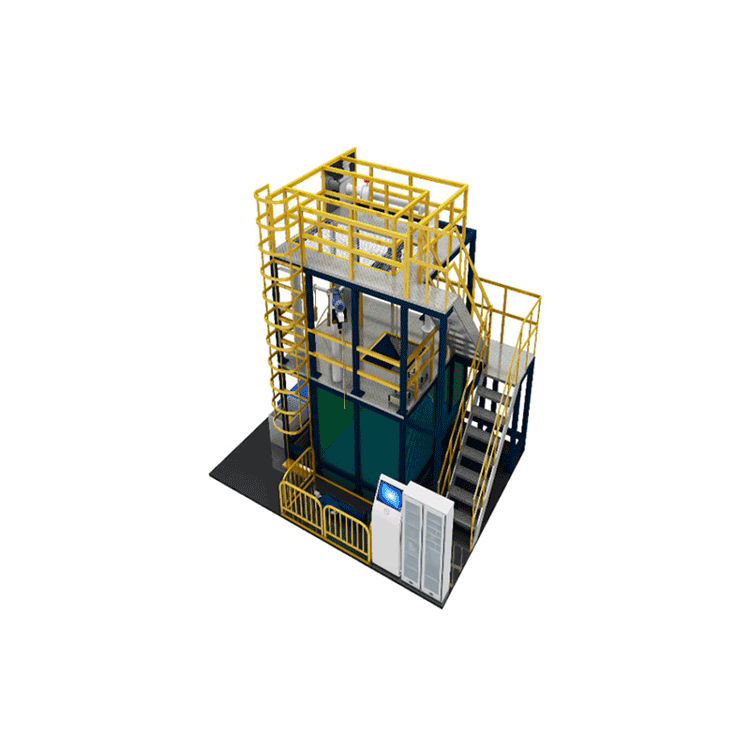
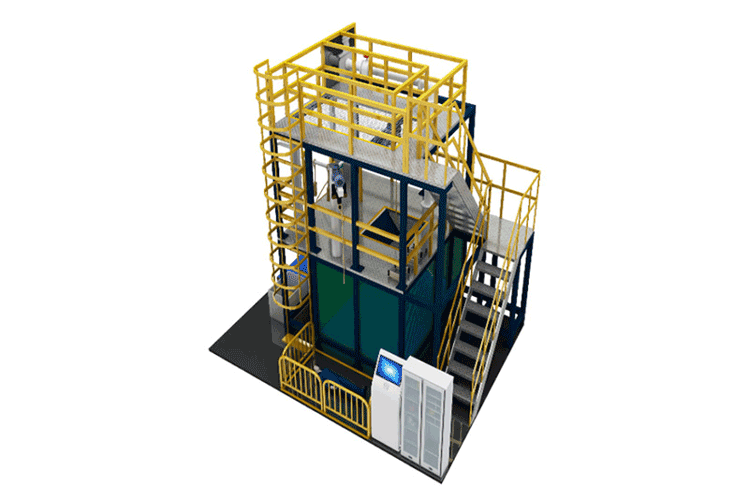
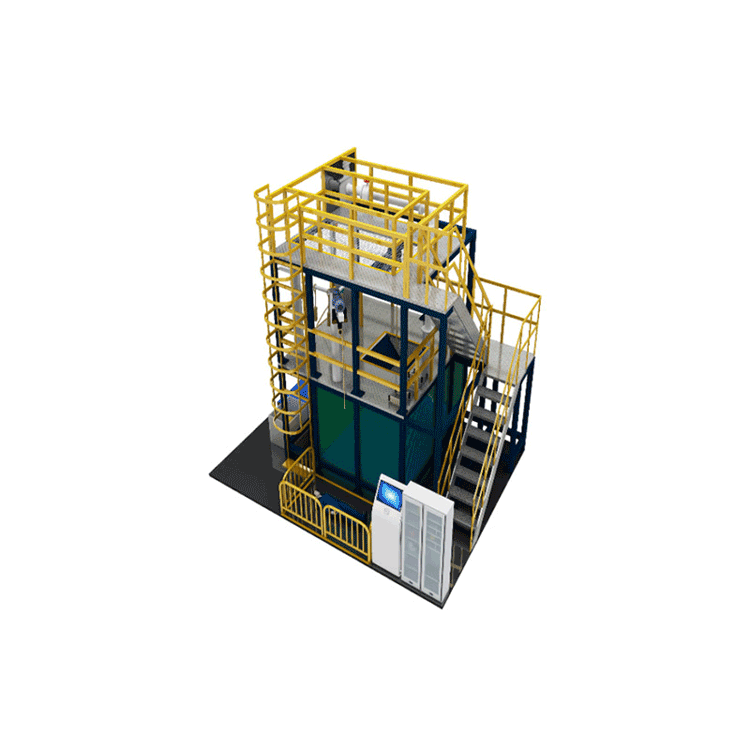
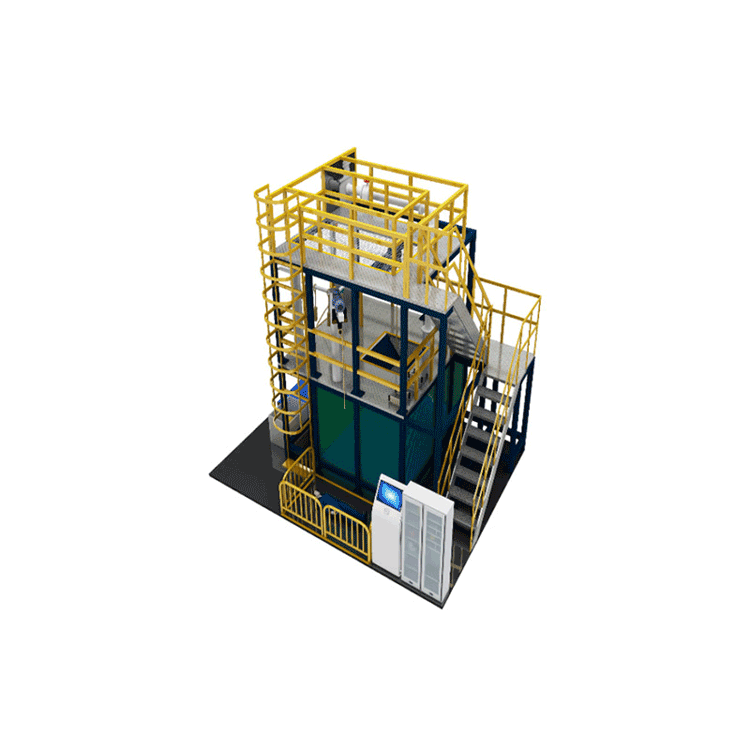
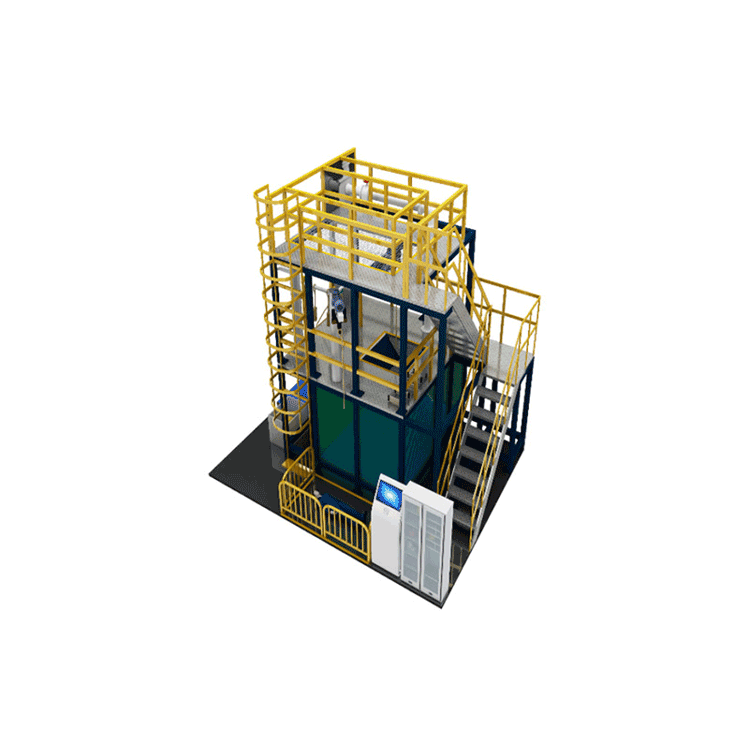
Climbing experience on high-altitude work platforms, single hook, double hook, full-body safety harness, horizontal lifeline, vertical lifeline, fall arrestor usage, proper safety belt fitting experience, and understanding common safety precautions for high-altitude work.
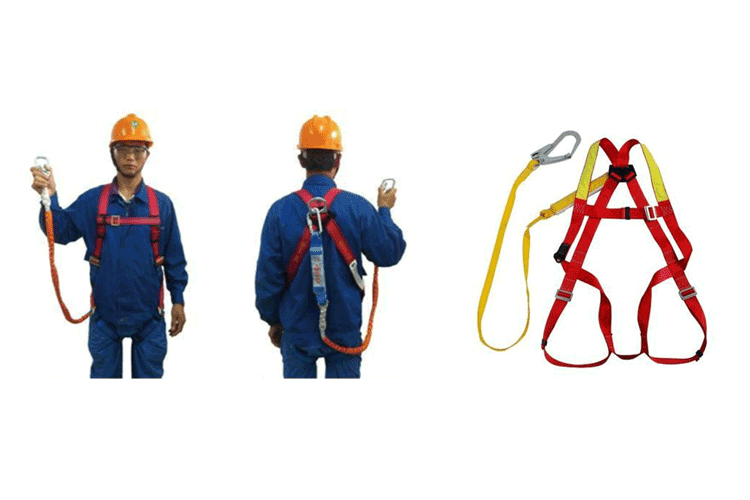
Experience Projects: Proper Seatbelt Usage Experience, Learn Common Safety Measures Provided by Seatbelts.
Ten Basic Safety Operation Requirements to Prevent Falls from Heights and Object Impact (Must be completed under the supervision of a safety officer for the experience)
1. Workers at heights must be properly dressed; wearing shoes with hard plastic soles or high heels is strictly prohibited. Tools should be kept in tool bags at all times.
2. Employees working at heights are strictly prohibited from roughhousing with each other to avoid the risk of tripping and falling.
3. During climbing operations, the structure of climbing equipment must be sturdy and reliable, and usage must be correct.
4. All handheld tools should be inspected before use to ensure safety and stability. Prevent objects from falling during overhead or edge work.
5. Workers must enter and exit through designated pathways and shall not climb ladders, cross balconies, or climb or walk along unauthorized routes.
6. When performing suspended work, a secure foothold and proper safety harness attachment are required; on-site, protective barriers, railings, or other safety equipment should be installed according to specific conditions.
7. When working at heights, all materials should be stacked evenly, not placed near edges or openings, and must not obstruct passage.
8. During high-altitude demolition operations, all dismantled materials and construction waste must be cleaned up and promptly removed. They should not be carelessly placed on walkways or dropped downward; maintain the unobstructed flow of the work path.
9. No materials or tools shall be thrown down or upwards during elevated work.
10. At all construction sites, any materials that could potentially fall should be removed or secured first. Disassembly work must be carried out under the conditions of a designated restricted area and with supervision present.
Process Design
1. Proper Seatbelt Usage
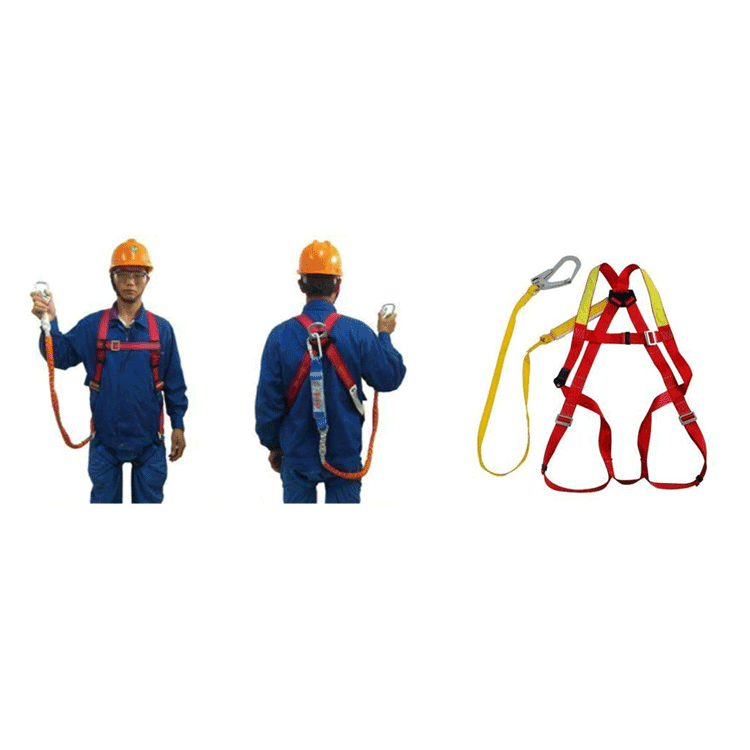
Safety belts, as one of the three essential safety tools in the construction industry, play a crucial role in ensuring safe production. The function of safety belts is to buffer the inertia of high-altitude falls by securing the waist, thereby reducing and eliminating the occurrence of personal injuries and deaths caused by high-altitude falls, and effectively increasing the safety coefficient of the workers.
Important Safety Belt Usage Precautions
(1) Select safety belts produced and sold by authorized manufacturers that have passed relevant department inspections, ensuring their validity during use.
(2) Knotting or splicing the seat belt during use is strictly prohibited.
(3) The seat belt should be securely fastened to a sturdy location during use, hung high and used low, and it must be prevented from swinging, avoiding exposure to open flames and sharp edges.
(4) Elevated work at heights over 2 meters requires the use of a safety harness. For ropes over 3 meters in length, a shock absorber must be employed.
(5) In areas where seat belts cannot be directly fastened, safety ropes, guardrails, and similar devices for securing seat belts should be provided. Proper use of the seat belts is also crucial for ensuring safe production.
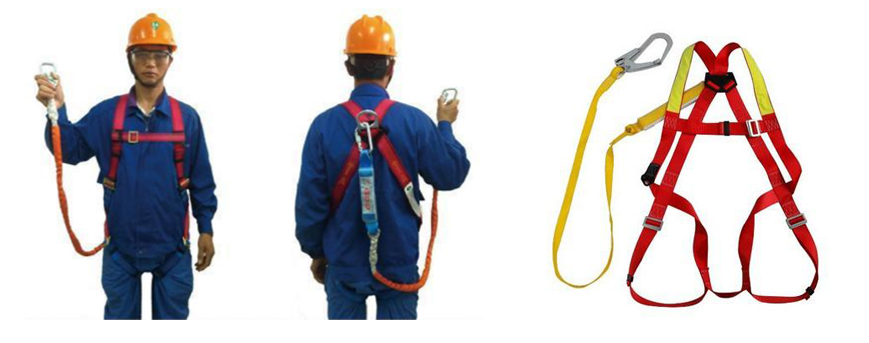
Full-body single ring harness belt
2. The Fall Protection Lifeline System is part of an anchoring device. It consists of an anchor bracket and φ8mm steel cable, known as the horizontal lifeline or safety line. This system is typically mounted on structures to ensure safe work at heights for one or more individuals, providing a greater degree of freedom of movement. According to operational requirements, it can be tilted up or down by 15° and can even be installed with a curve.

3. Vertical Lifeline
Vertical Lifeline Systems, also known as fall protection systems for high-altitude work, are common safety devices for elevated operations. These systems are primarily used in elevated structures, chimneys, or high-rise buildings.
The Vertical Lifeline is a ladder safety device, also known as a ladder fall prevention system. It consists of anchor brackets and vertical cables. Before climbing, the user attaches the slider to the safety hook on the chest harness. During the climb, the slider is locked upwards, allowing free sliding along the wire rope or guide rail as the climber ascends or descends. In case of an accidental fall, the slider lockhead immediately moves downwards, locking the slider on the wire rope or guide rail, and the user is suspended by the connected safety hook. The system reduces the impact force on the user through shock-absorbing and cushioning devices, preventing fall hazards. There are certain dangers when approaching high-altitude work locations through climbing. The system's purpose is to ensure the safety of the entire ascent process. The Vertical Lifeline is a mobile anchoring device that allows workers to move vertically safely without disconnecting from a fixed point, consisting of fixed points and independent movable equipment.
Straight climbing ladders with safety cages do not require vertical lifelines.

Vertical Lifeline System
4. Elevated Work Operations
In accordance with the National Standard "Classification of High-Work Operations": Any work conducted at a height above the 2-meter (inclusive) fall height reference level where a potential fall exists is classified as high-altitude work. During high-altitude operations on construction sites, falls from height can occur due to inadequate protection, poor protection, or improper work practices. Accidents involving a person falling from a height are termed "high-altitude fall accidents," while accidents where objects fall from height and strike individuals below are called "object impact accidents."
The fall arrester, also known as a speed limiter, is a protective device. It can quickly brake and lock the falling object within a limited distance, safeguarding the lives of ground personnel and preventing harm to suspended workers. During normal use, the safety rope can freely extend and contract with the body. Under the mechanism inside the device, it maintains a semi-tensioned state, providing operators with a sense of freedom. In the event of a slip and fall, the rope is pulled out at an accelerated speed, and the internal locking system automatically engages. This ensures that the rope is pulled out no more than 0.2 meters, with an impact force less than 2949N, causing no harm to the person who slips. The load is automatically released to restore operation. Upon completion of work, the safety rope retracts automatically into the device, making it easy to carry.

Falling Buffer Pouch
If a person suddenly falls, the buffer package will activate, opening and unfolding the flat strap inside.
Safety Distance > 3m
Buffer packs are disposable; they are no longer usable after use. Not to be used below 2 meters.
Equipment Illustration
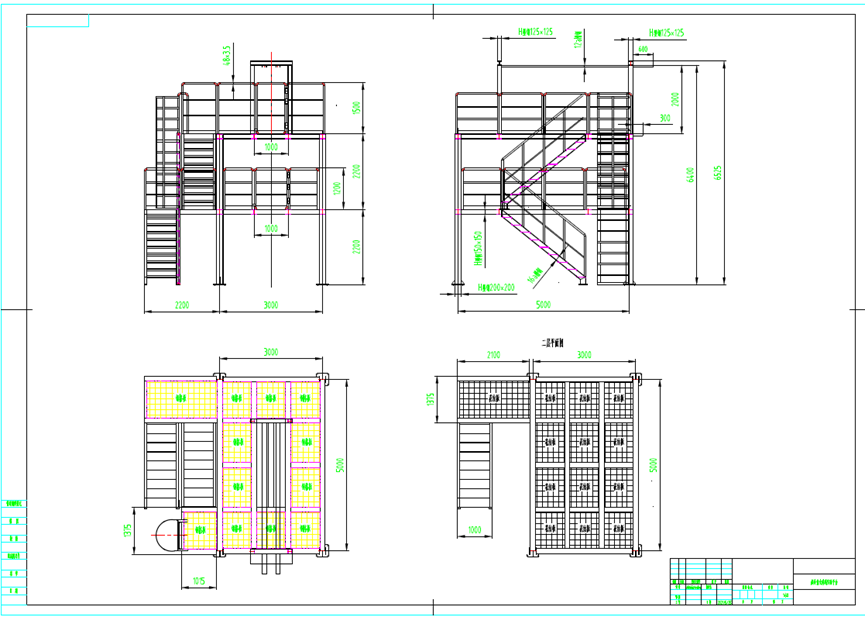
Module Function Requirements
Key Technical Specifications
Model: HK-ZHEHS 750
Rated Voltage: AC 220V/50Hz/10A
Pressure: 0.5-0.8 Mpa
Dimensions: 5150*5300*6525mm
Weight: 6T
Primary Configuration