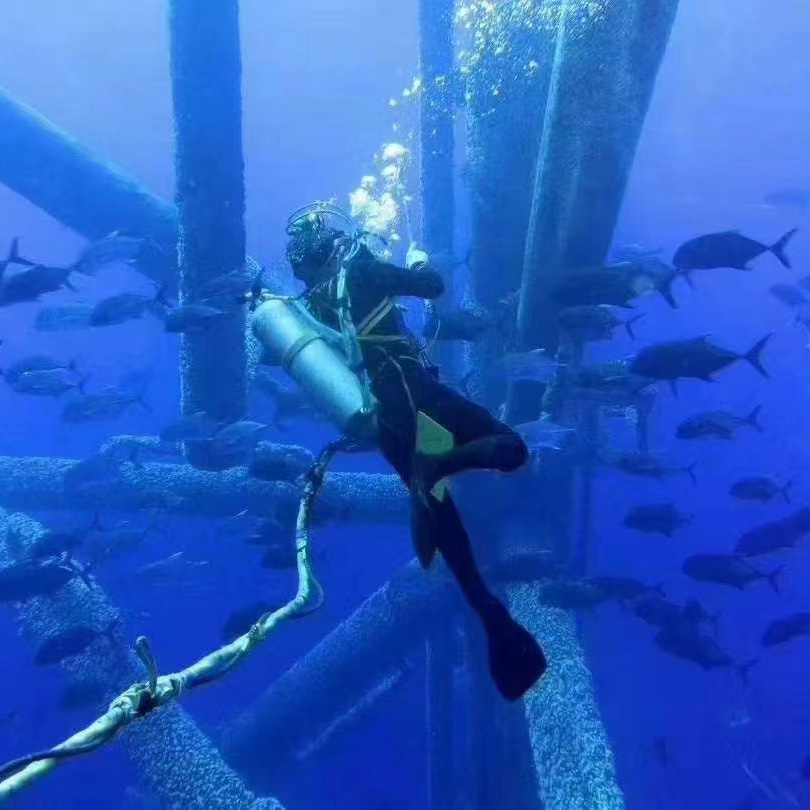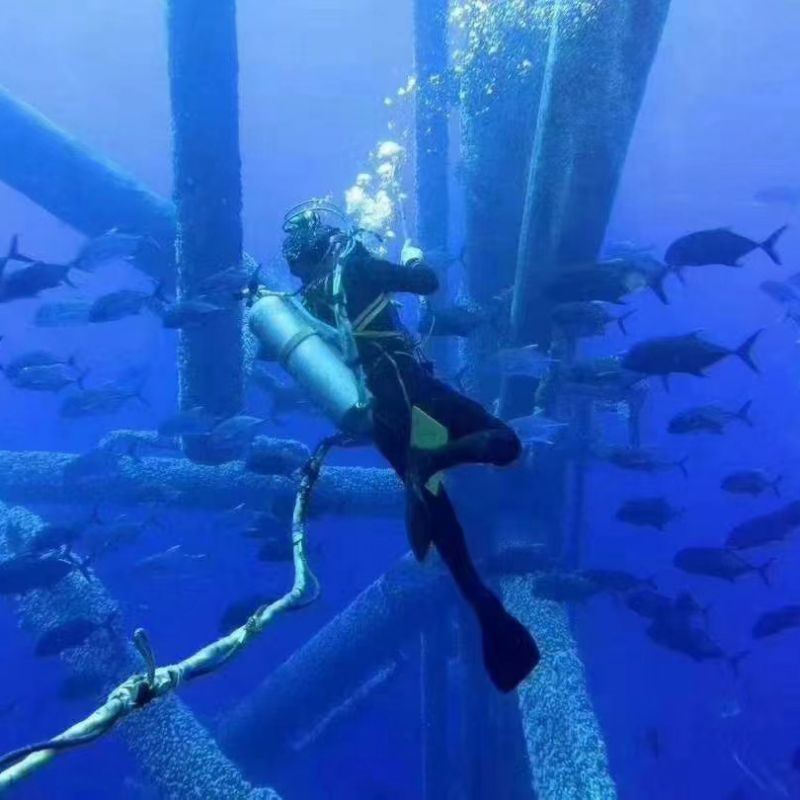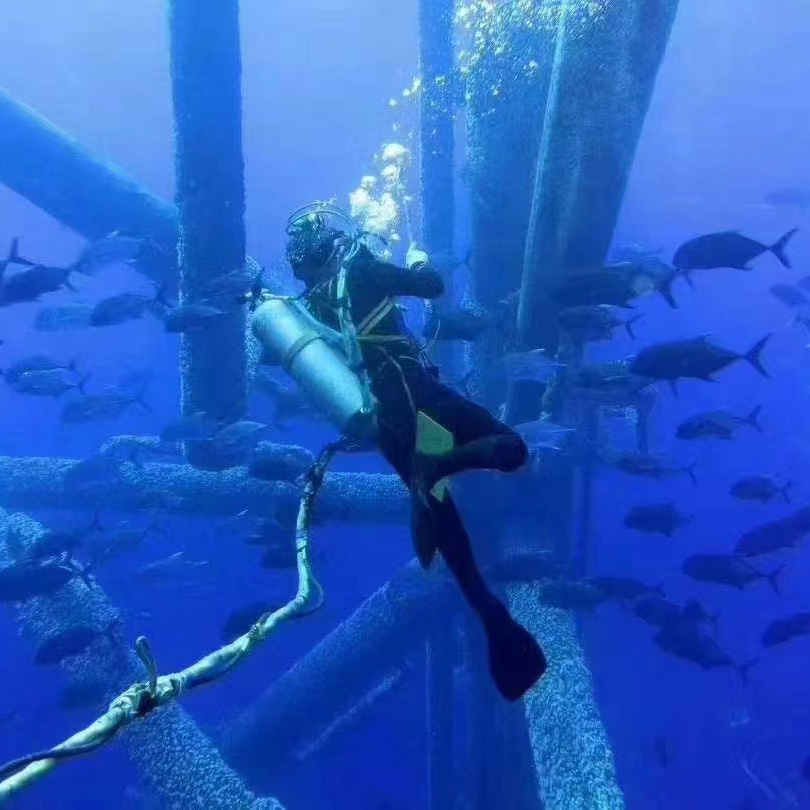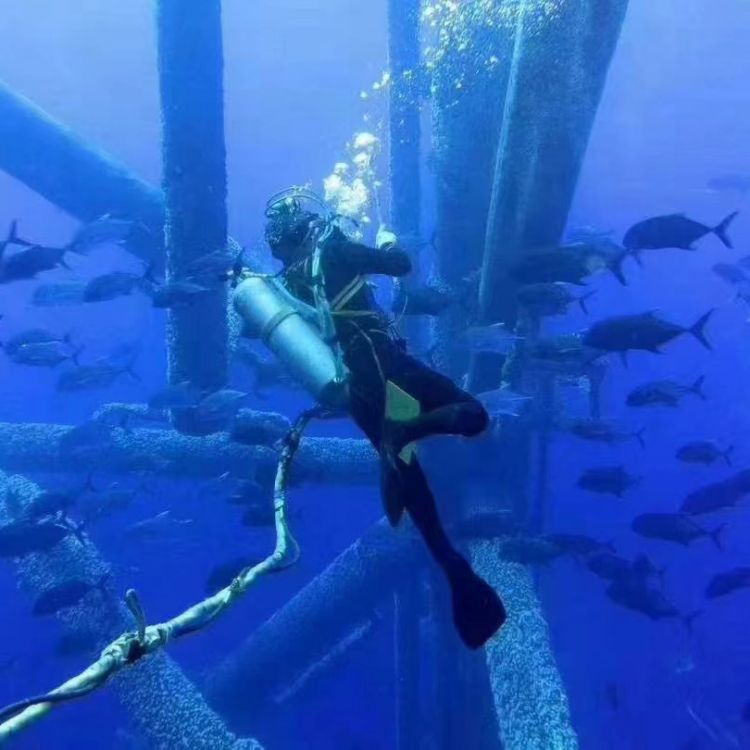


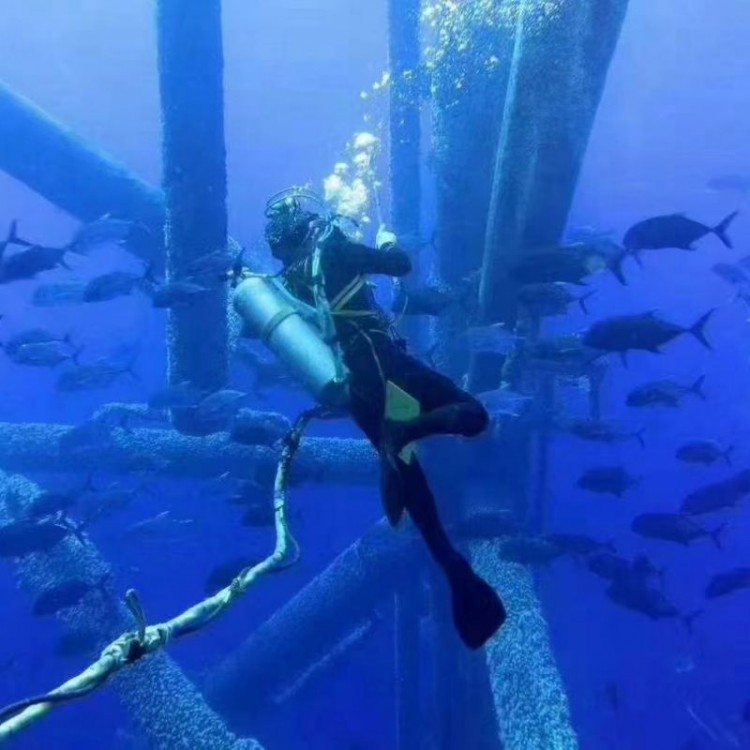
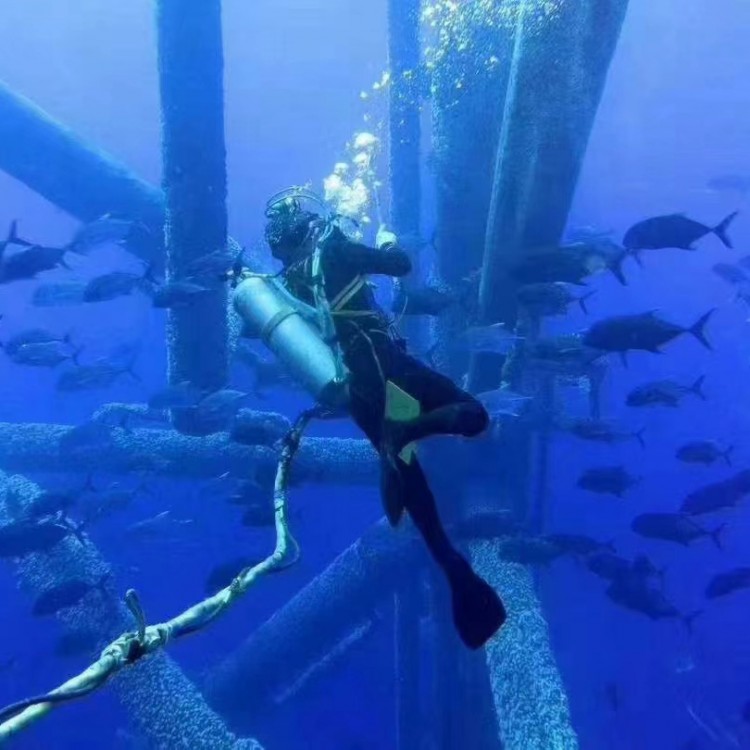










Underwater dredging refers to the process of clearing silt and debris from water bodies using specialized equipment and technology, thereby purifying and improving the water quality. Below, we introduce several common underwater dredging methods:
1. Mud Suction Dredging Method: Utilizing a mud suction vessel or pump, the sediment is drawn into the hold or pipeline, then discharged from the water surface or shoreline via conveyance pumps and other equipment.
2. High-Pressure Water Jet Dredging Method: Utilizes a high-pressure water jet to wash away silt and debris, allowing them to float or flow downward, then extracts the sediment with a suction device. This method is suitable for water bodies with relatively thin layers of silt.
3. Bubble Sediment Removal: By injecting air into the bottom of the sediment, bubbles lift the sediment to the water surface, which is then cleared using a sediment suction device. The bubble sediment removal method is generally used in sensitive water bodies, such as coral reefs.
4. Mud Agitation Method: Utilize an agitator to stir at the bottom of the sludge, loosening it and causing it to float, followed by mud suction and cleaning.