








I. Usage and Function
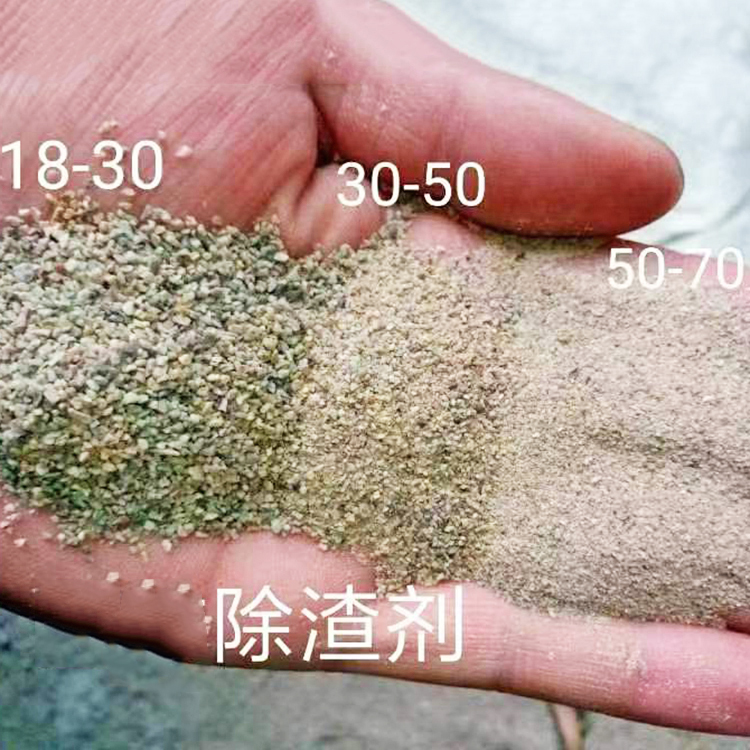
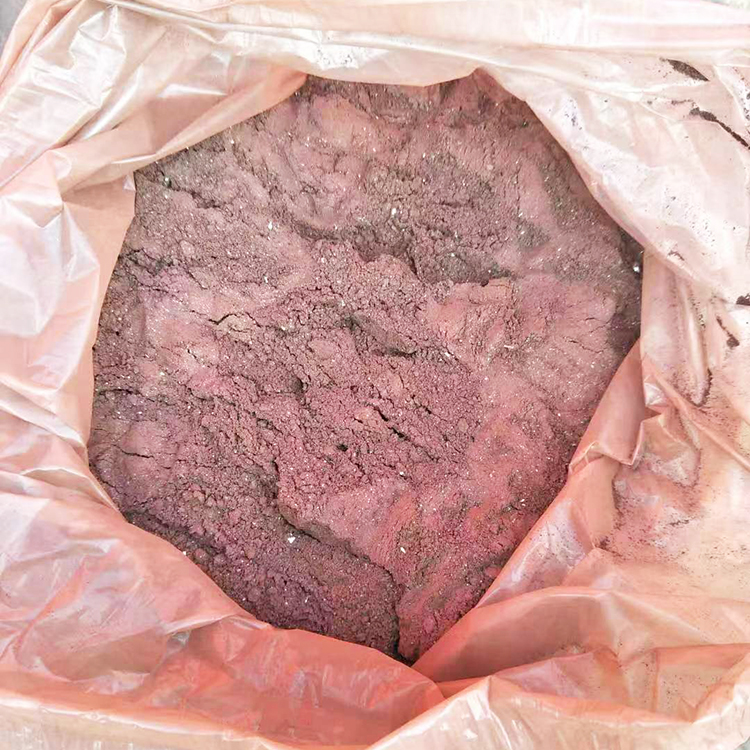
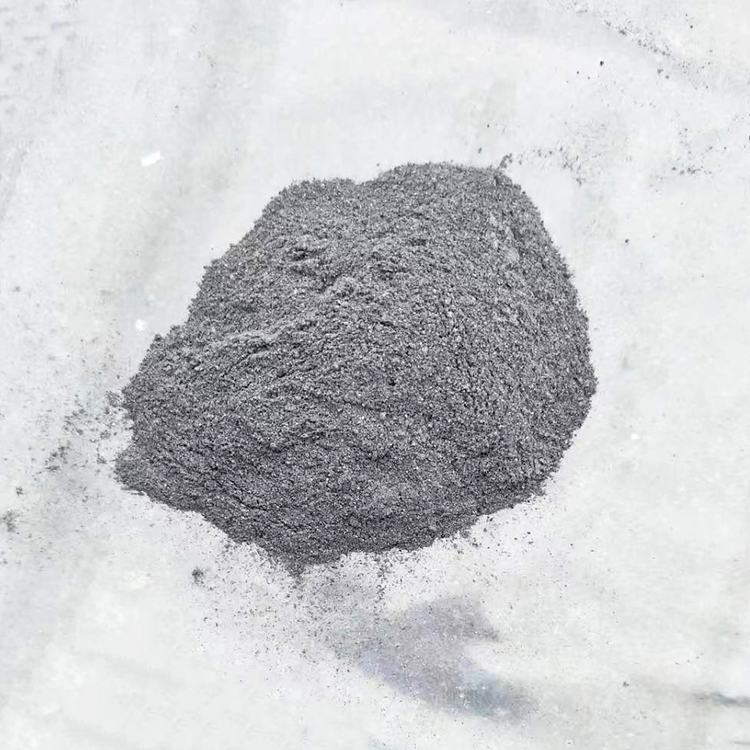
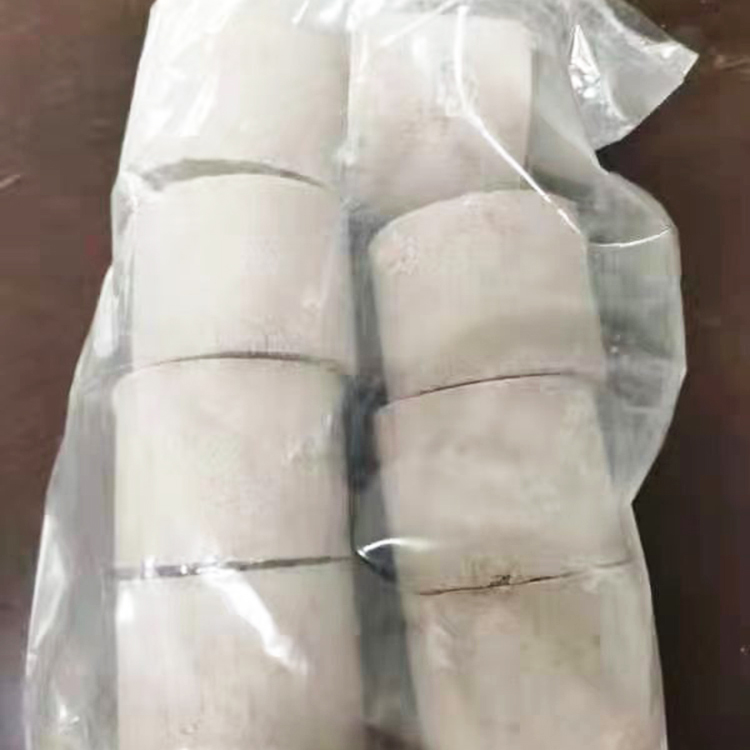
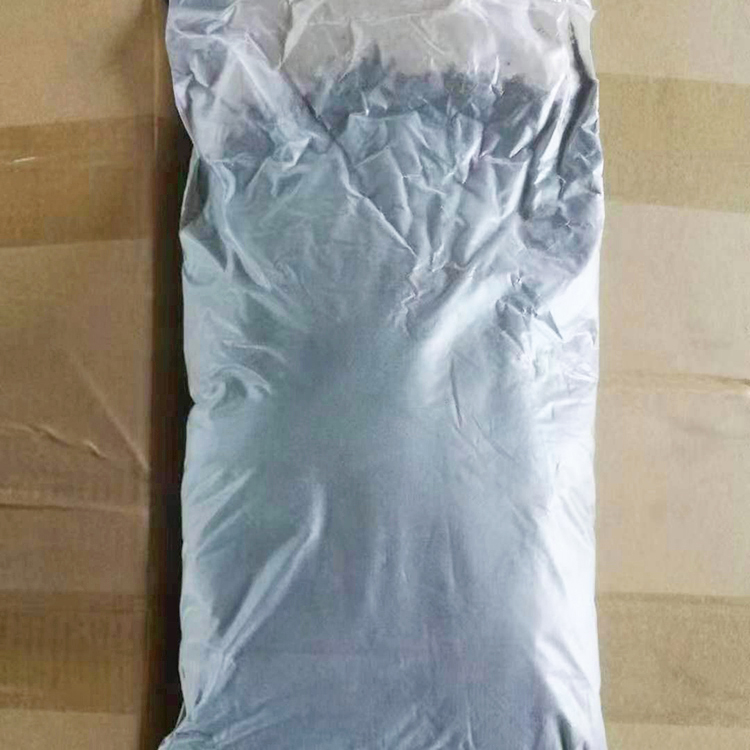
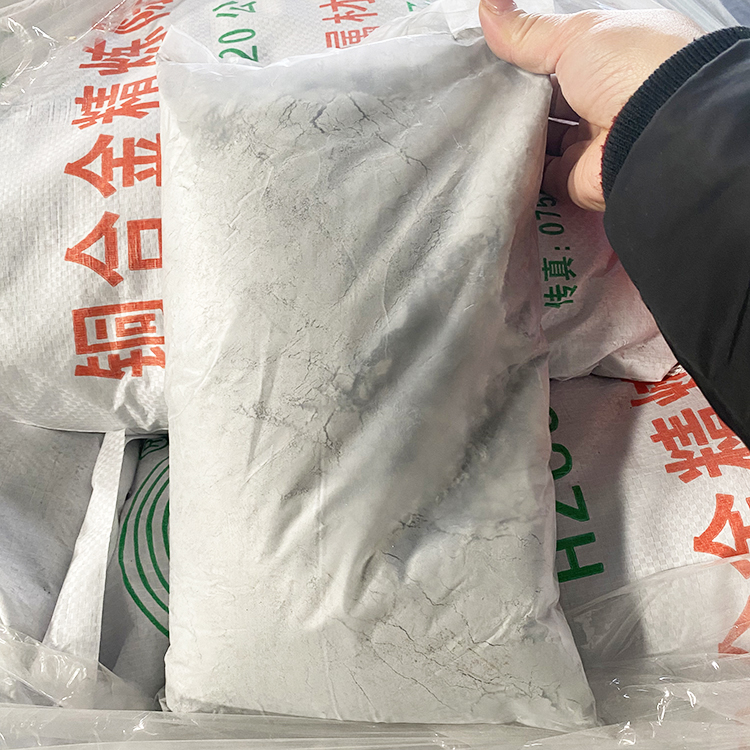
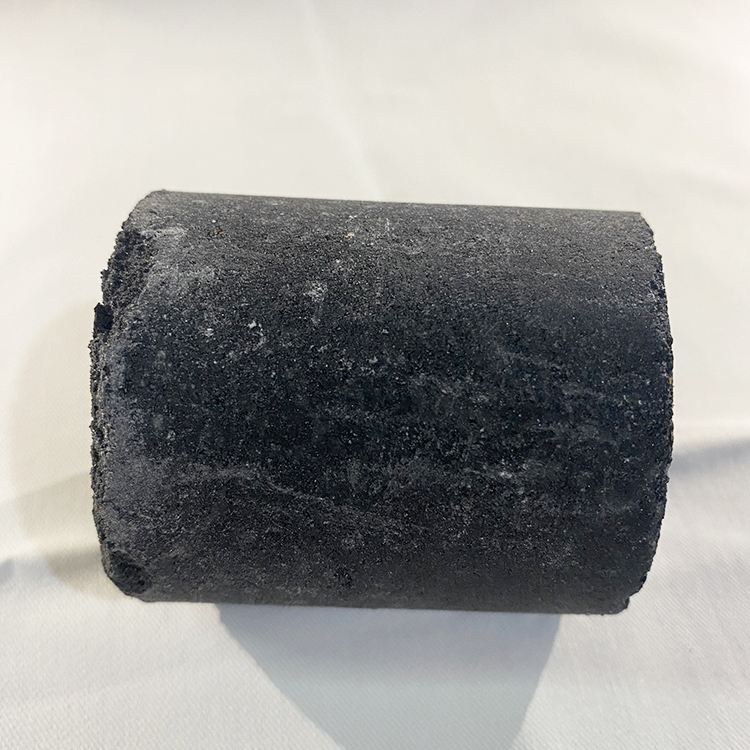
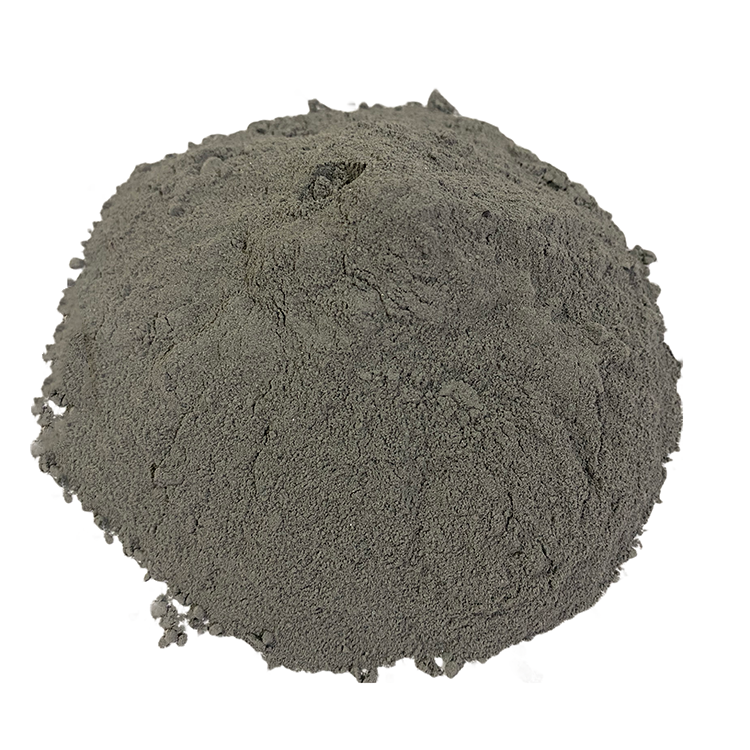
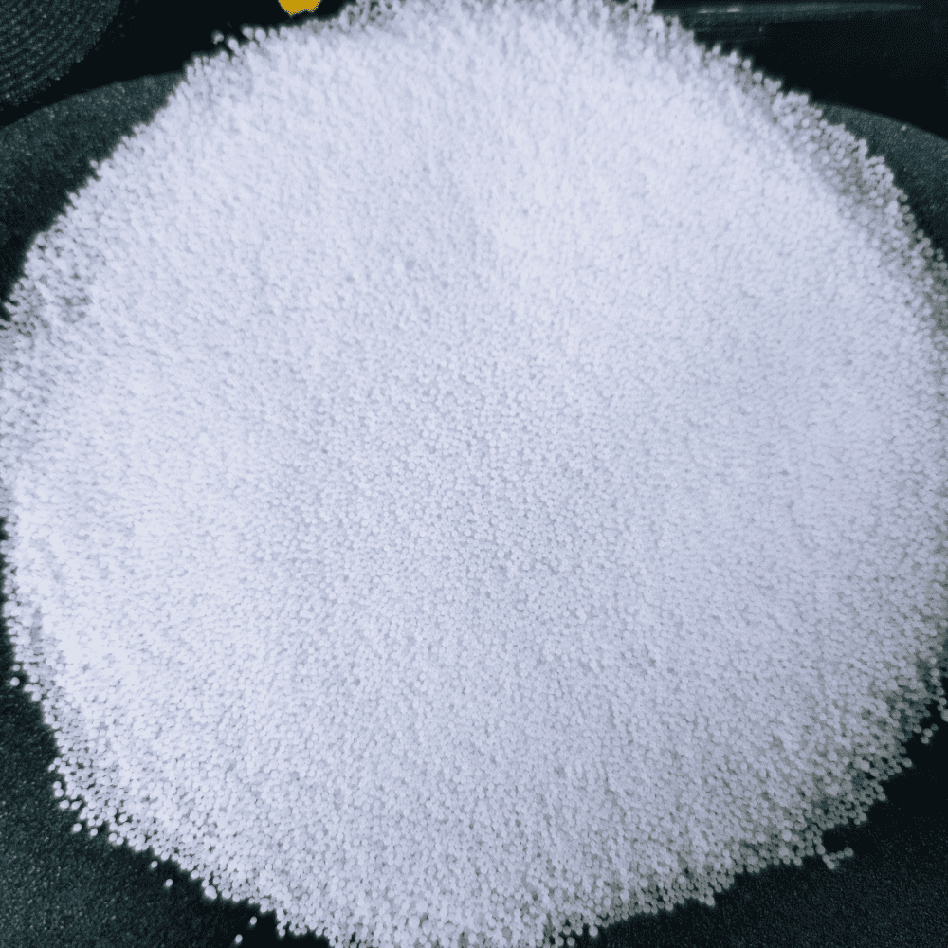
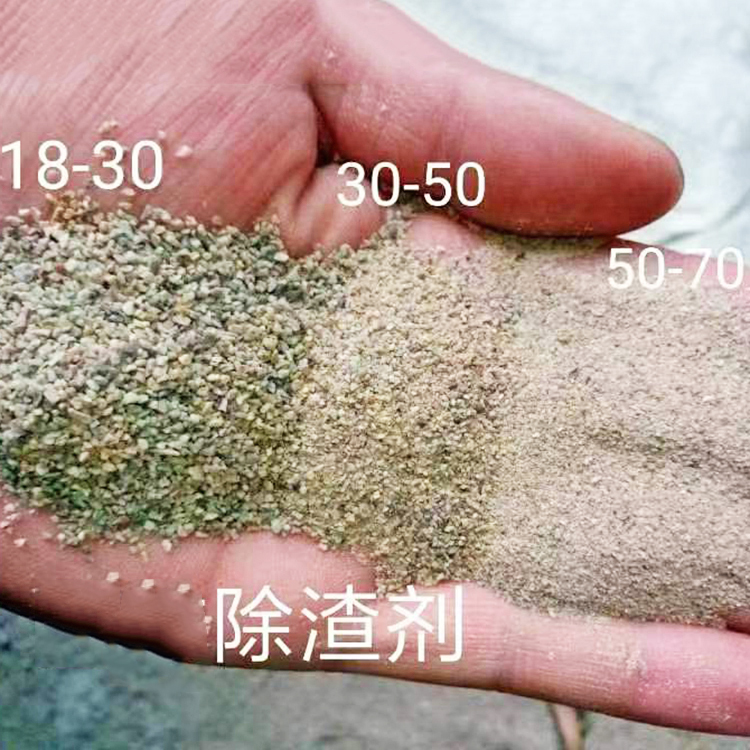
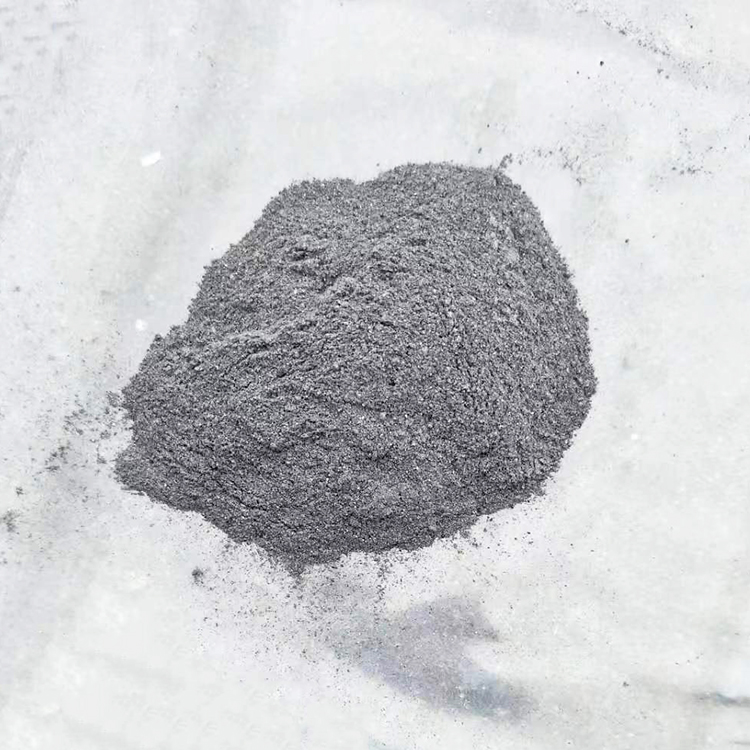
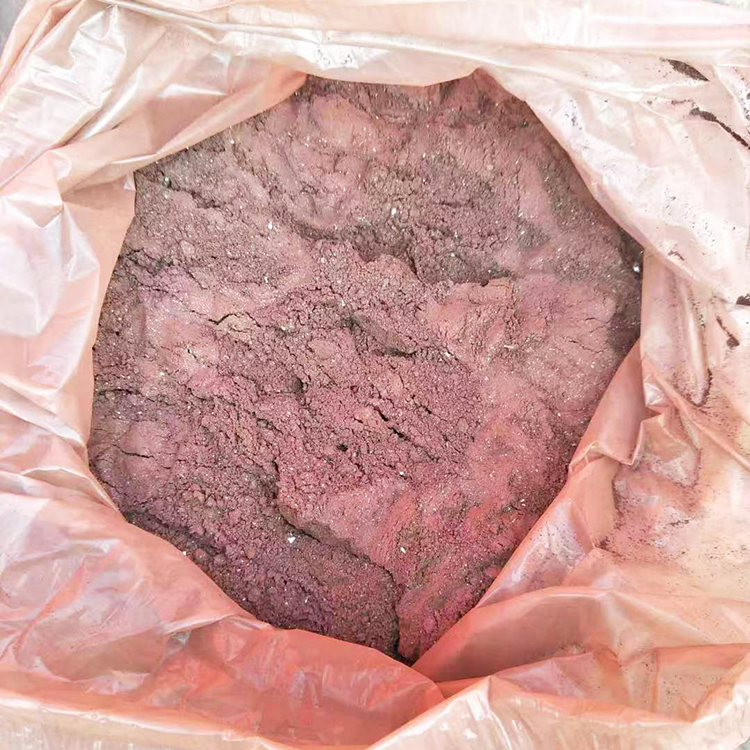
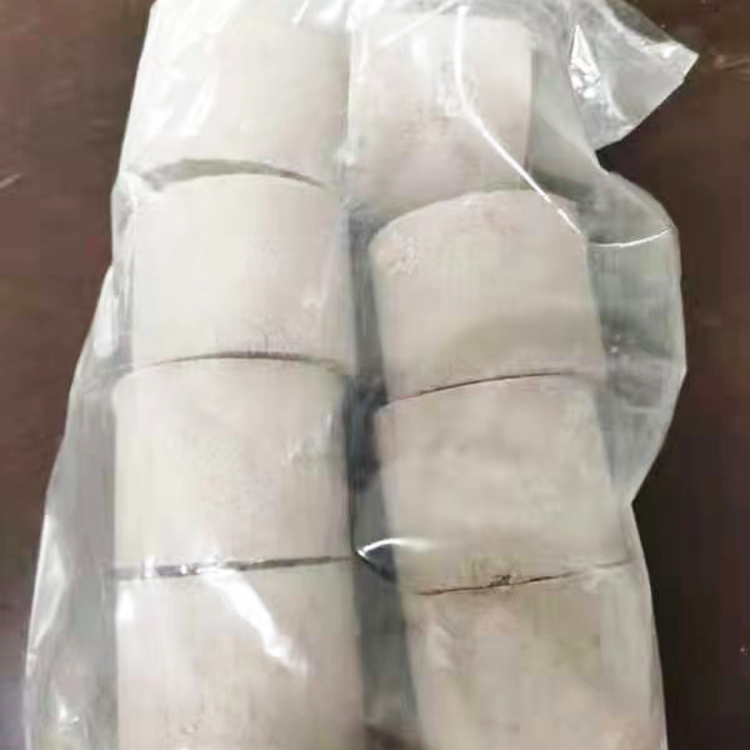
Molding agents can adjust the refractory slag formed during the melting process of cast iron, cast steel, and copper-nickel alloys, etc., among certain non-ferrous metal alloys. They facilitate the aggregation and condensation of the slag into a thick, plastic layer, making it easy, complete, and clean to remove the slag from the melting process. This prevents inclusion of slag in castings, reduces the rate of defective castings, improves the utilization of melted metal, enhances casting quality, lowers energy consumption, shortens the operation cycle, and facilitates operation.
1. Easy to remove slag: Slag removal during the refining process is a crucial operation, which is also a labor-intensive, high-temperature task. The slag collector has a significant slag-gathering effect on both ferrous and non-ferrous metal alloys. Whether in a ladle or in a crucible furnace, reverberatory furnace, or electric furnace, when the original slag is mixed with the slag collector, it quickly forms a slag layer that is easily separated from the metal melt. This facilitates quick, clean, and efficient slag removal, ensuring the metal liquid enters the next process cleanly.
2. Effective Slag Blocking: Adding slag agglomeration agents to the ladle or furnace before slag removal and casting can form a floating layer on the surface of the metal melt. It can adhere to and block scattered slag, eliminating the need for manual slag blocking and improving production efficiency. Floating layers or strip-like floating dams can be formed at the ladle or furnace opening as required.
3. High Insulation Performance: The floating layer formed on the surface of the metal liquid by the slagging agent provides excellent thermal insulation for the metal liquid. This makes it an ideal thermal insulation cover for intermediate subcontracting or for metal liquids that require extended storage.
4. The slag collector is non-polluting and non-penetrative to the metal melt, without affecting its chemical composition or the mechanical properties of the castings.
5. The slag collector not only reduces the labor intensity of high-temperature slag removal operations, but also contributes to pollution control and environmental purification, fostering civilized production.
Usage and Dosage
The slag collector is easy to use. When clearing slag, simply sprinkle the collector evenly over the solution surface and gently stir to remove the slag. For slag removal, apply the collector uniformly on the ladle (or at the furnace mouth). If there is a covering agent on the surface of the metal solution (such as charcoal), push it inward from the ladle opening before adding the collector. The slag collector forms a self-sealing shell to create a float dam (do not break it), acting as a slag barrier. The general dosage of the slag collector is 1-3 kg per ton of metal solution. The application amount should be adjusted according to the exposed surface area of the metal solution and the temperature.
Section 3: Packaging and Transportation
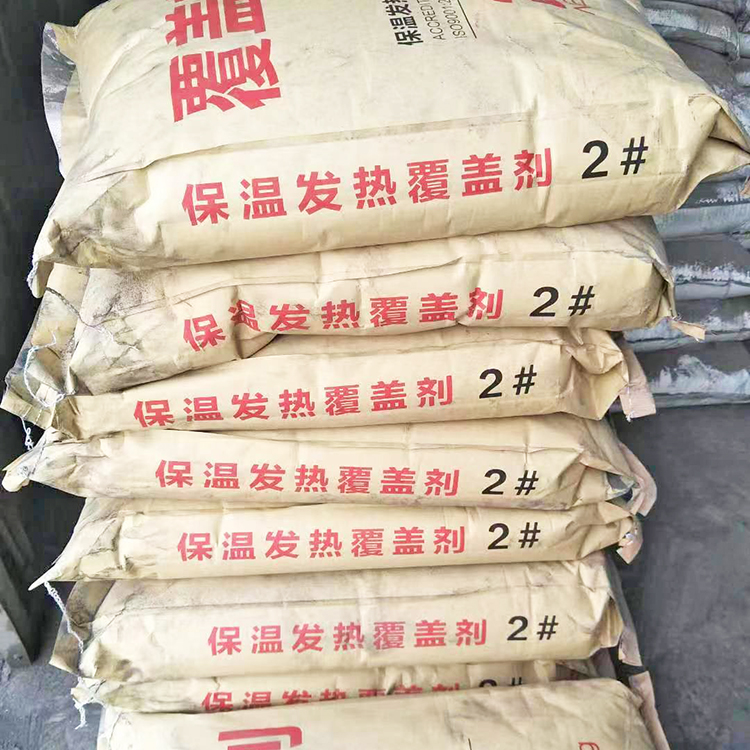
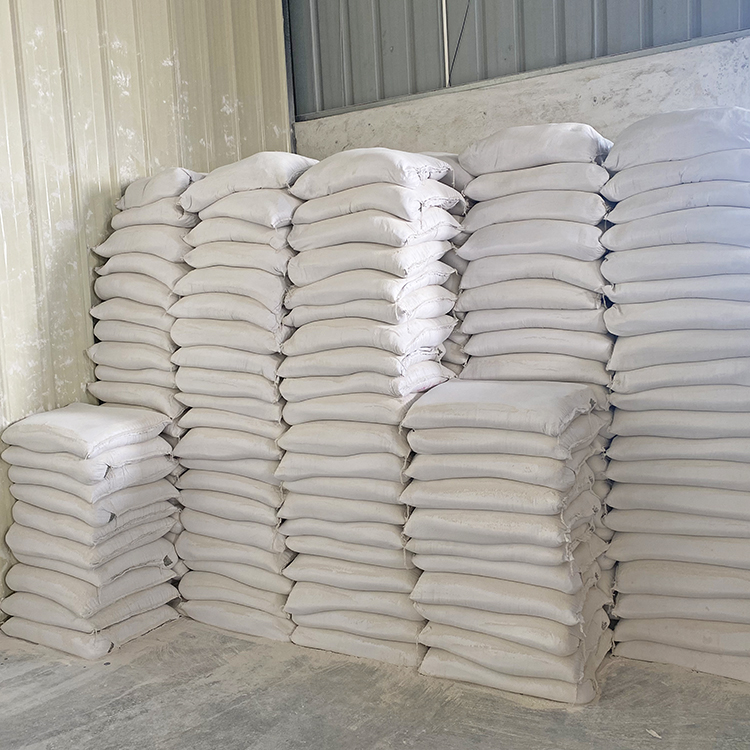
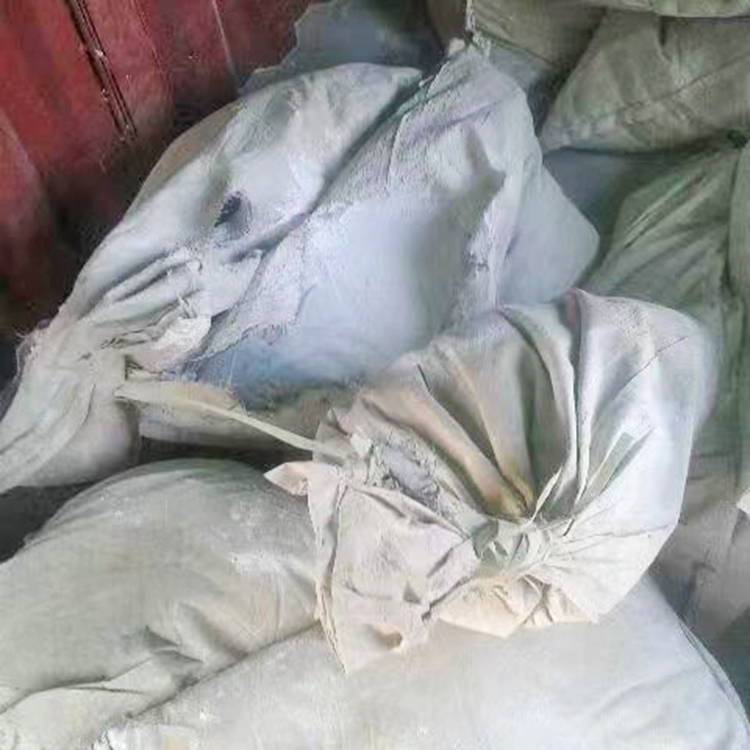
Each bag contains 25 kg or 50 kg. Store in a well-ventilated, dry warehouse.