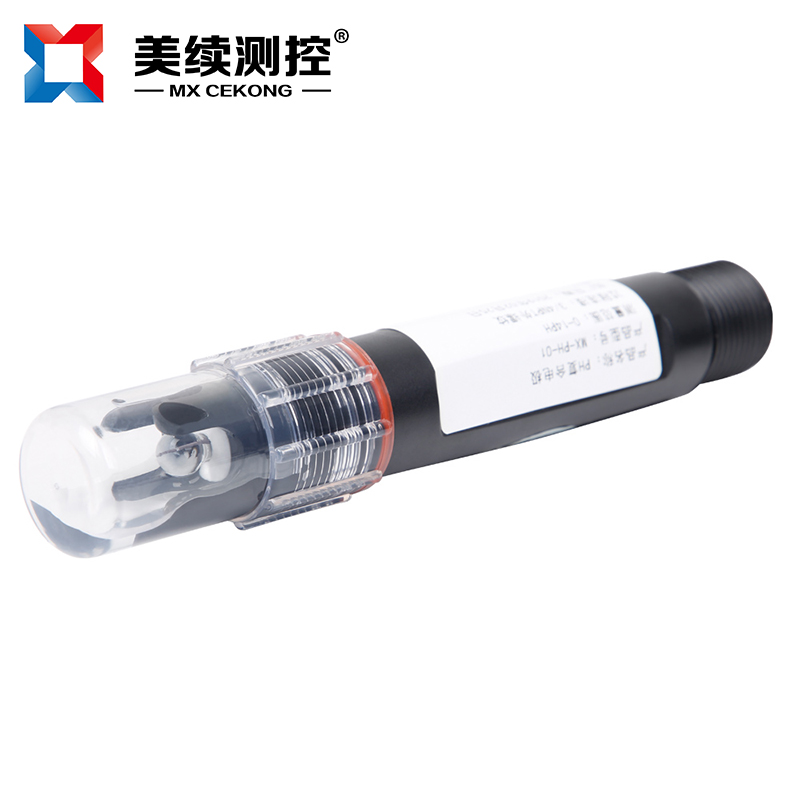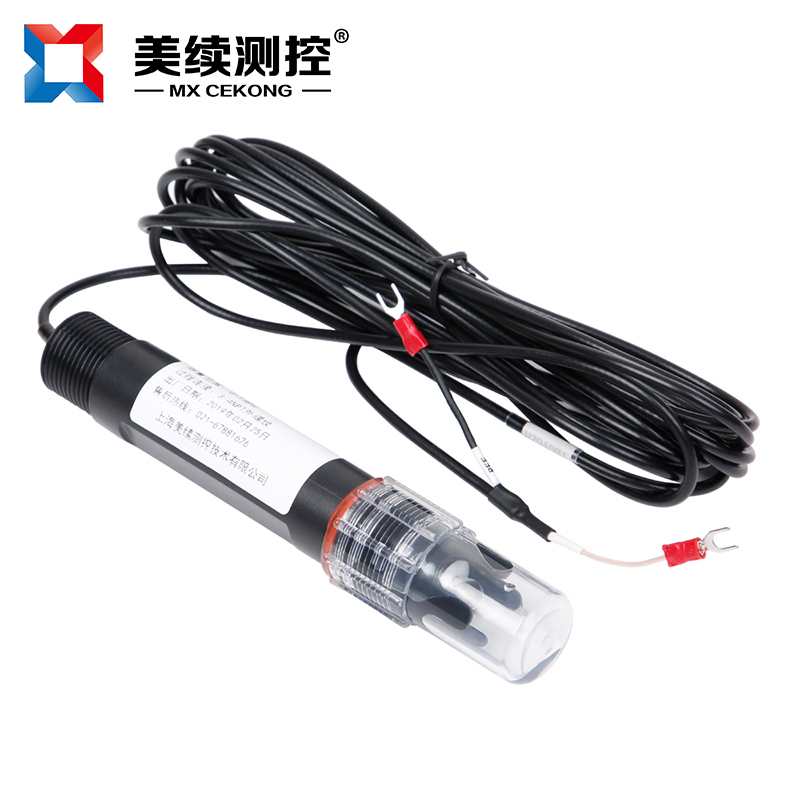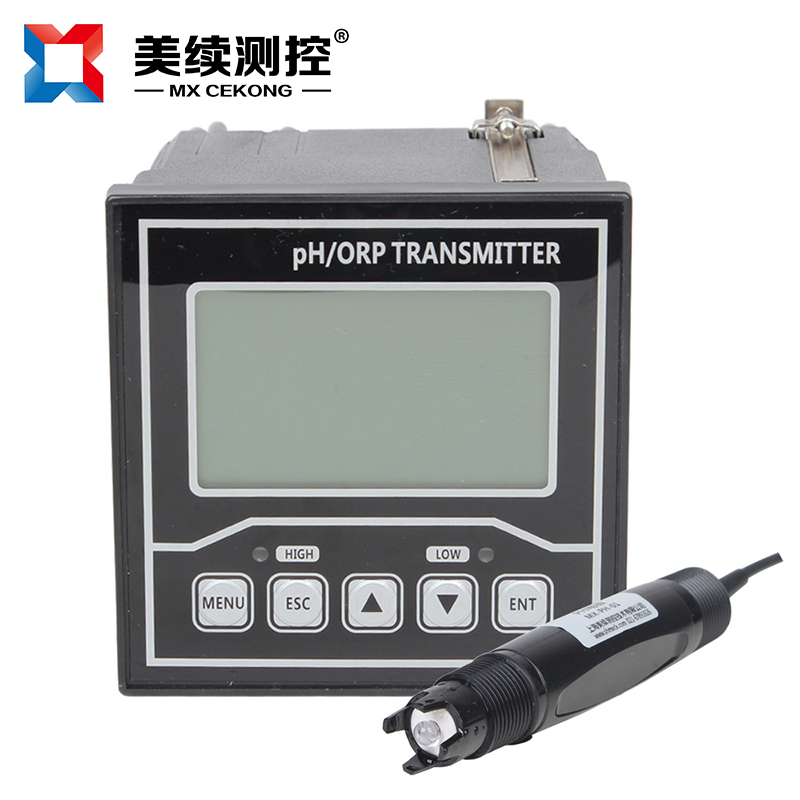

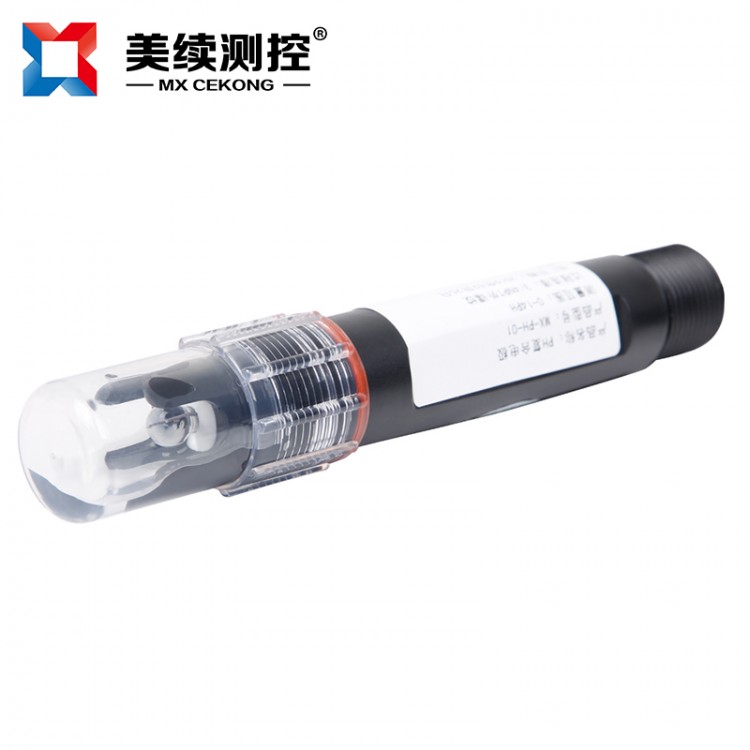


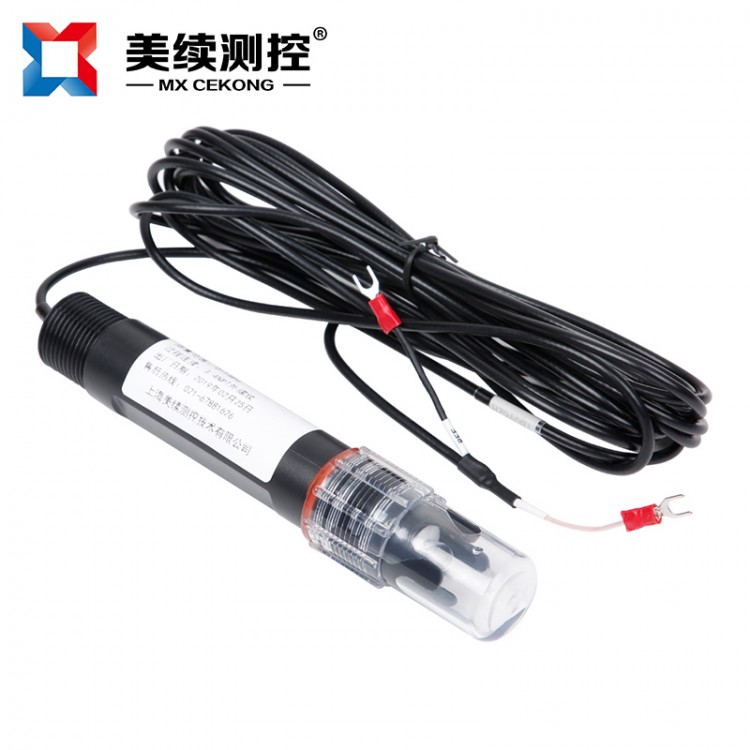
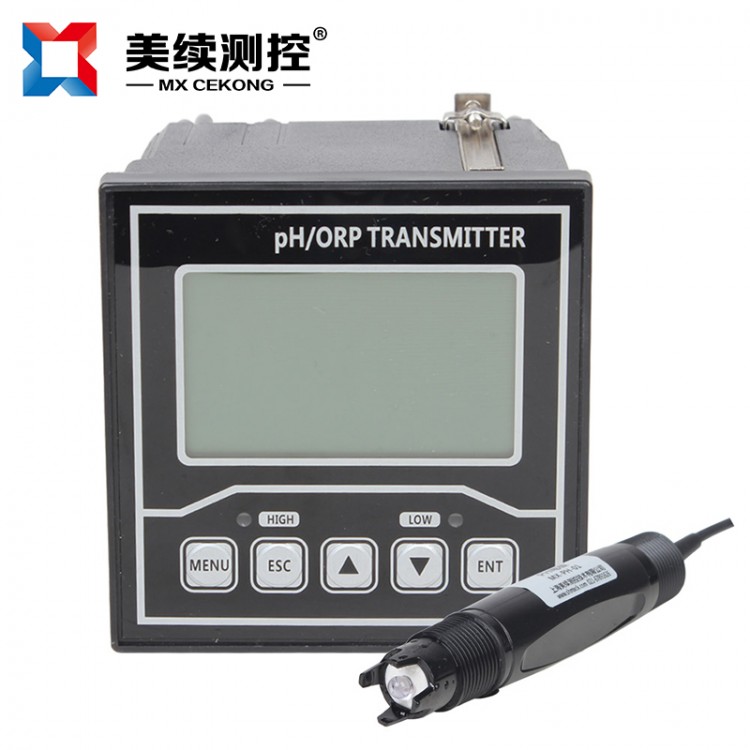







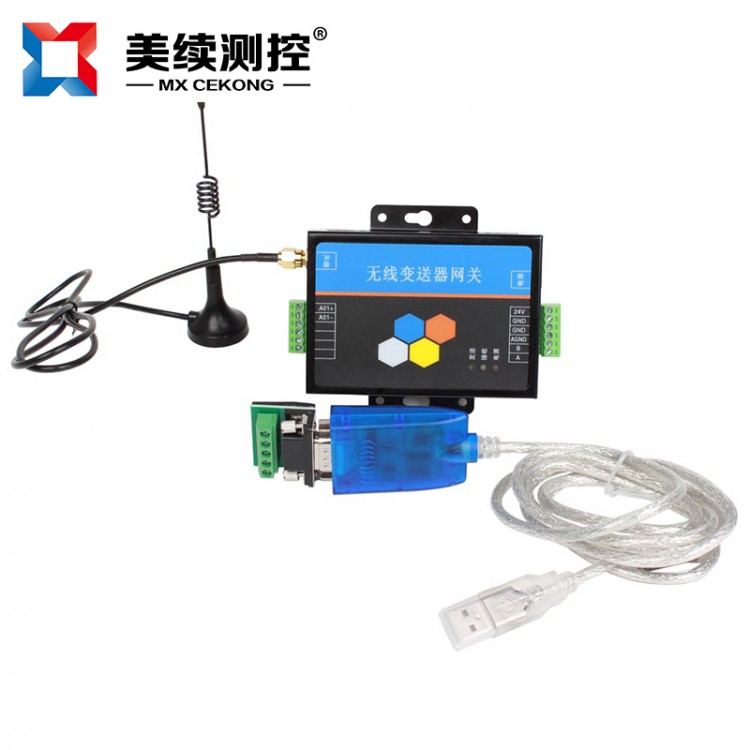
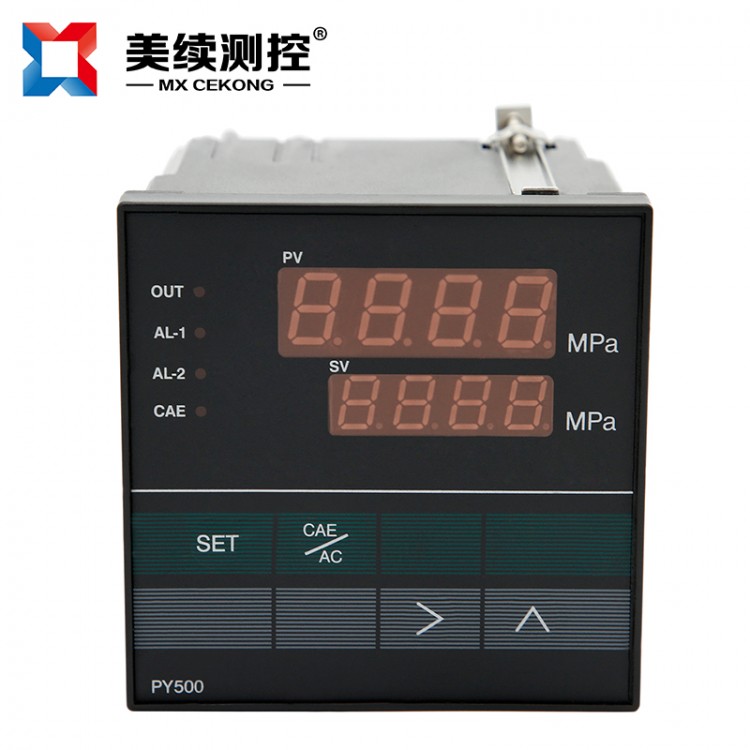
H meter: It is an instrument used to determine the pH value of a solution. The pH meter operates based on the principle of a primary cell, where the electromotive force (EMF) between the two electrodes of the primary cell is determined by the Nernst equation, which is related to both the inherent properties of the electrodes and the concentration of hydrogen ions in the solution. There is a corresponding relationship between the electromotive force of the primary cell and the concentration of hydrogen ions, and the negative logarithm of the hydrogen ion concentration is the pH value.
Excessive hydrogen ions (H+) make the solution acidic. Acids are substances that liberate hydrogen ions (H+) in aqueous solutions. Similarly, if hydroxide ions (OH-) are freed, the solution becomes alkaline. Therefore, the H+ value is sufficient to indicate the nature of the solution, whether acidic or alkaline. To avoid calculations involving the negative logarithm of this molecular concentration, the biologist Soemsen suggested in 1909 to replace this inconvenient value with a logarithm and define it as the "pH value." Mathematically, the pH value is defined as the negative logarithm of the hydrogen ion concentration. That is, pH = -log[H+]
The commonly used industrial method for measuring water pH levels is the potentiometric analysis: the electrodes used in potentiometric analysis are known as primary cells. A primary cell is a system that converts chemical reaction energy into electrical energy. The voltage of this battery is called electromotive force (EMF). This EMF is composed of two half-cells, one of which is called the indicator electrode, whose potential is related to specific ion activities, such as H+; the other half-cell is the reference half-cell, usually referred to as the reference electrode, which is typically in contact with the solution being measured and connected to the measuring instrument (MX-PHYB-01). This allows for effective measurement and detection of the acidity or alkalinity of water quality.
Application Fields
Industrial Automation Application Fields
Wastewater treatment, wastewater detection
Mining and smelting, papermaking, pulp concentration
Environmental Protection Industry, Desulfurization and Denitrification, Waste Water Evaporation
Sanitary applications, food and beverage processing industry
Laboratory or testing equipment, waterworks
Petroleum & chemical industry, textile spinning, etc.
Product Features
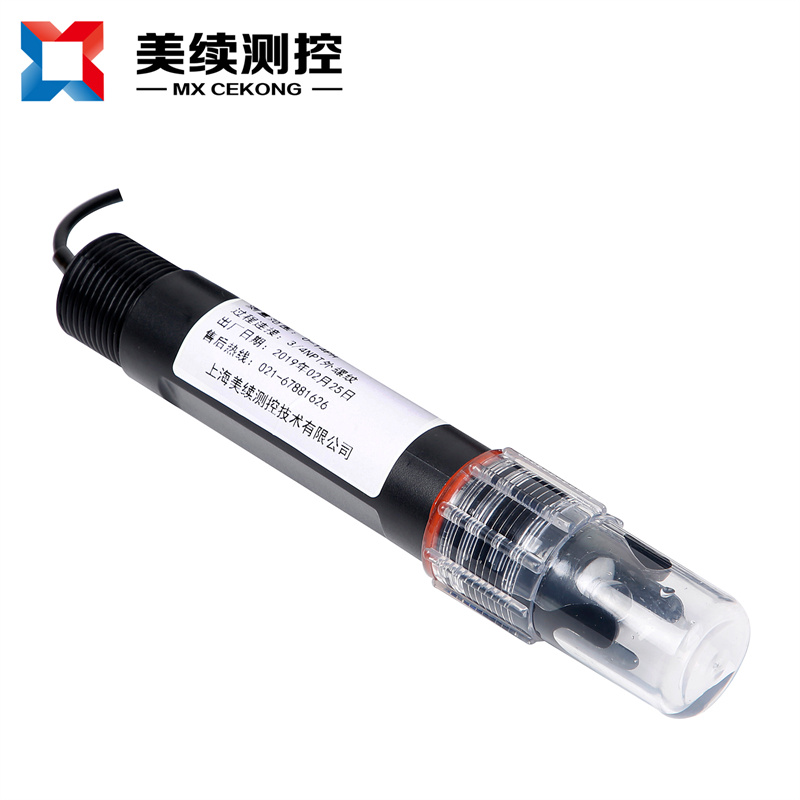
Electrode plastic shells are made of PON material, suitable for various complex environments.
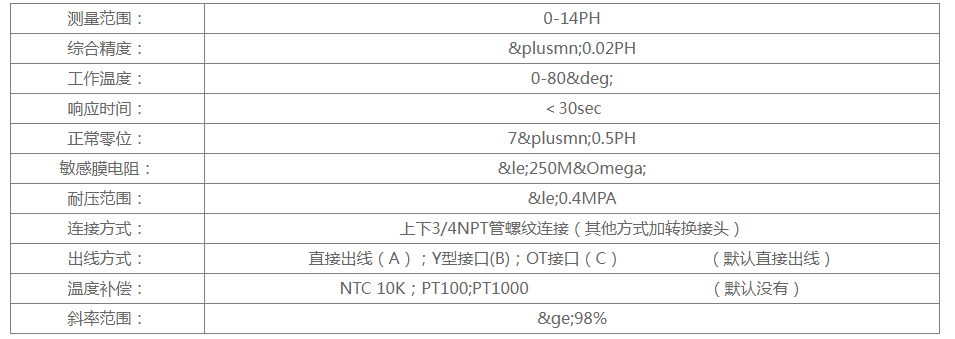
Withstanding high temperatures up to 80°C and resistant to strong acid and alkali erosion.
This electrode is made from low-impedance glass film, suitable for pH measurements under various conditions.
Features: fast response, excellent thermal stability; good reproducibility, not easily hydrolyzed, basically eliminates alkali error.
The electrode itself uses a cylindrical globe shape, featuring a large contact area and sensitive region, which accelerates response time and enhances signal stability.
Glass has high impact resistance, over 35% higher than that of ordinary electrodes.
Excellent waterproofing and strong resistance to UV corrosion
Technical Specifications
Ordering Guide