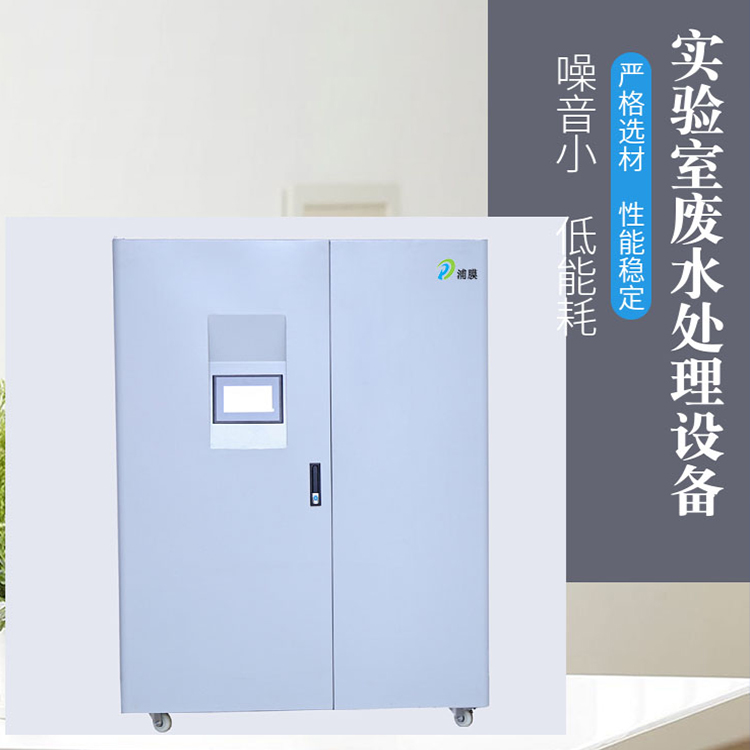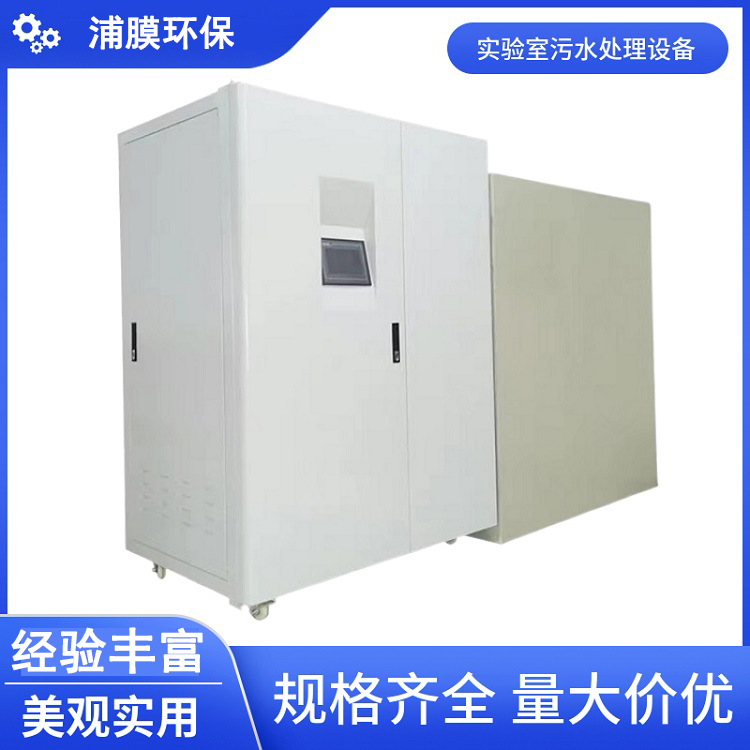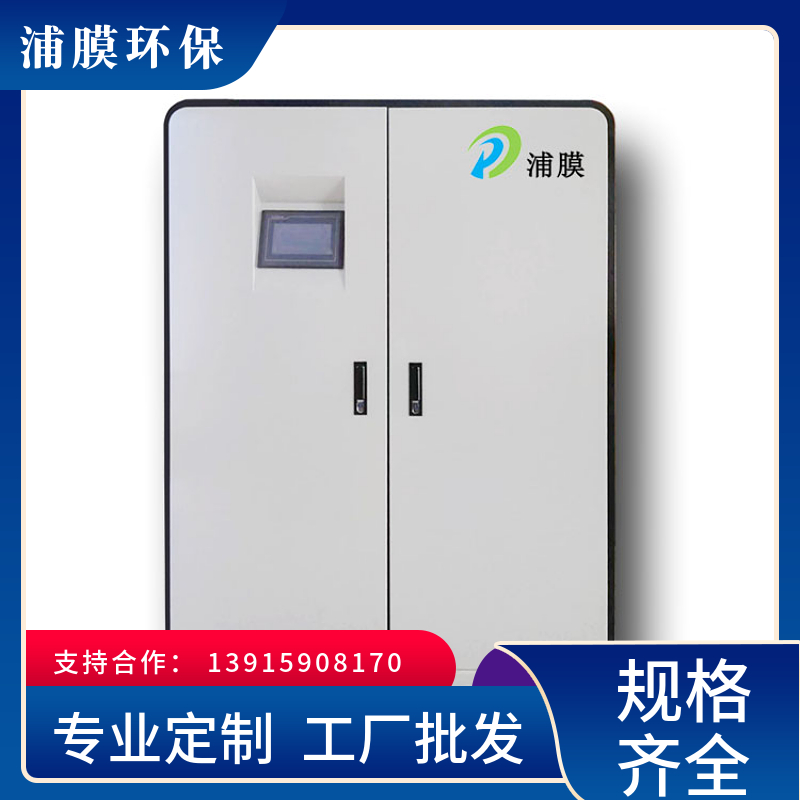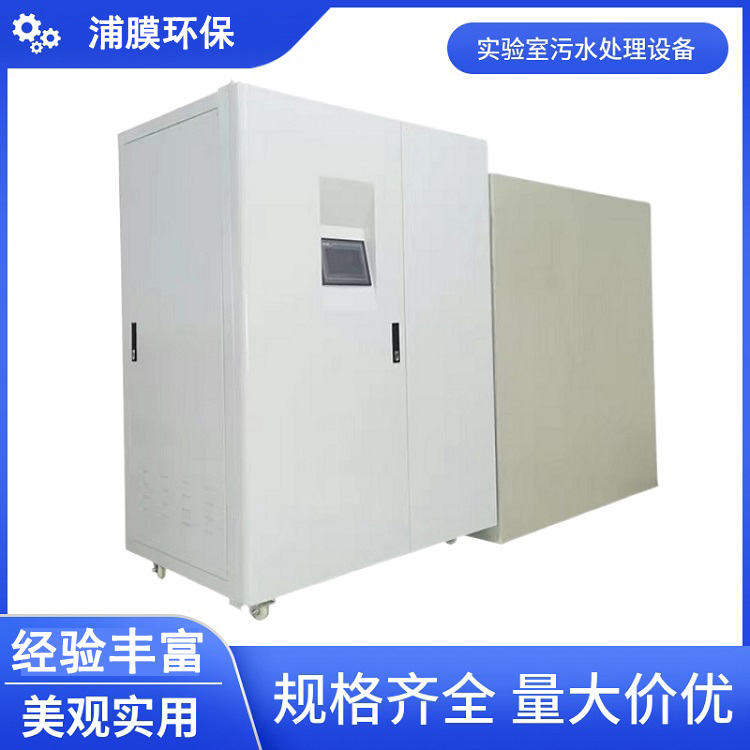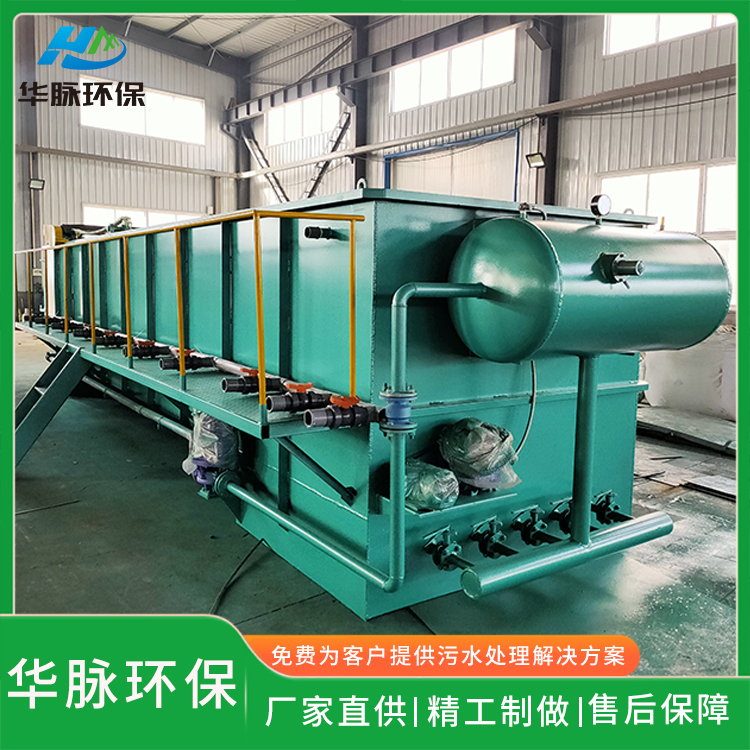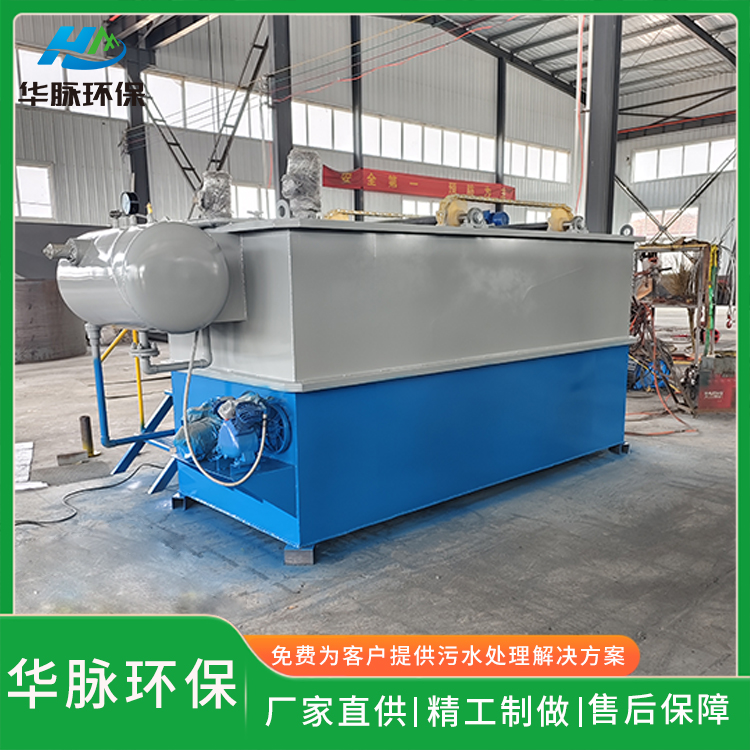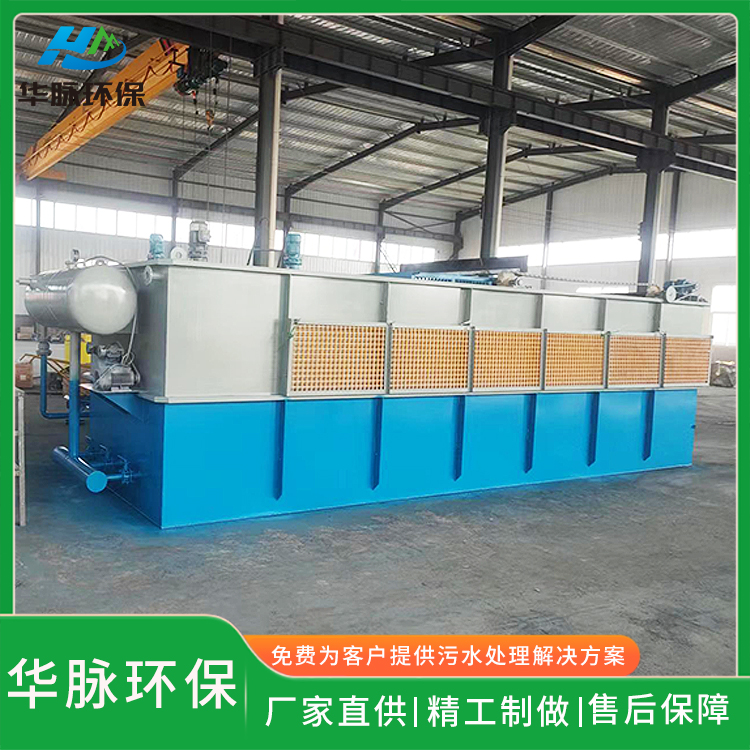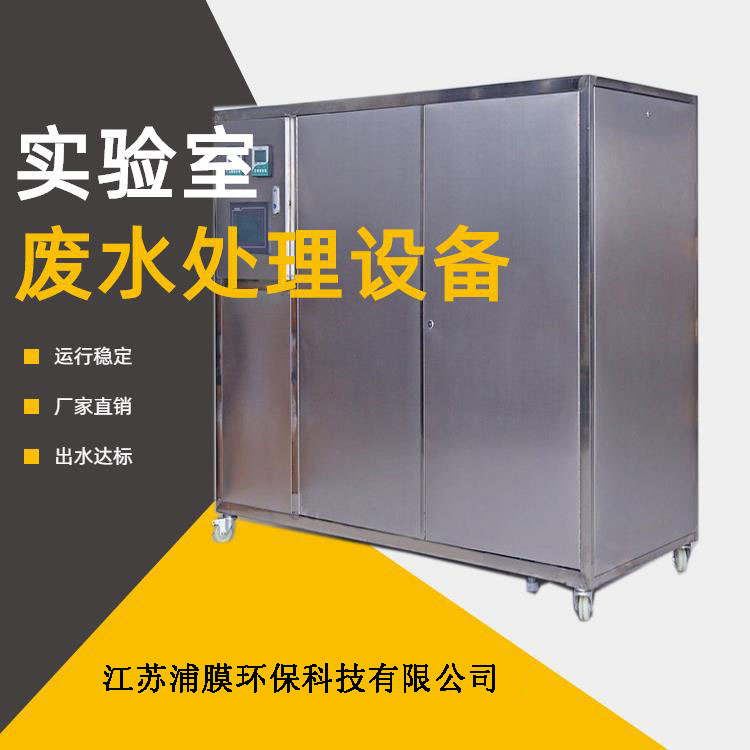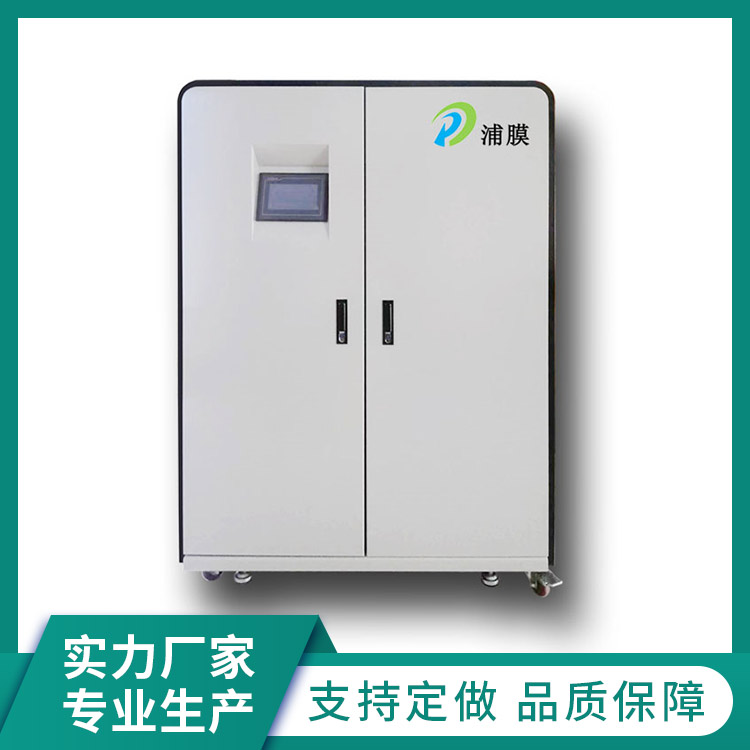

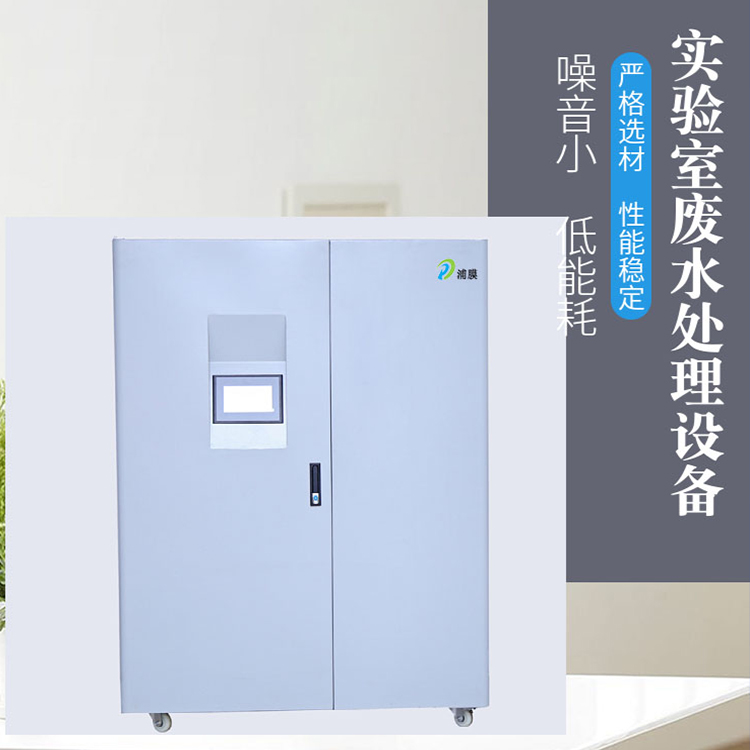

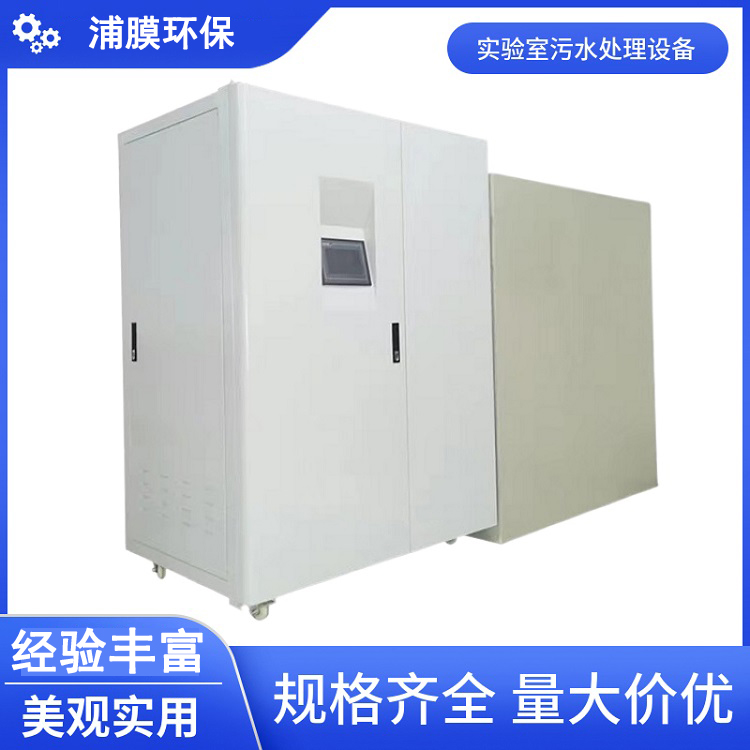
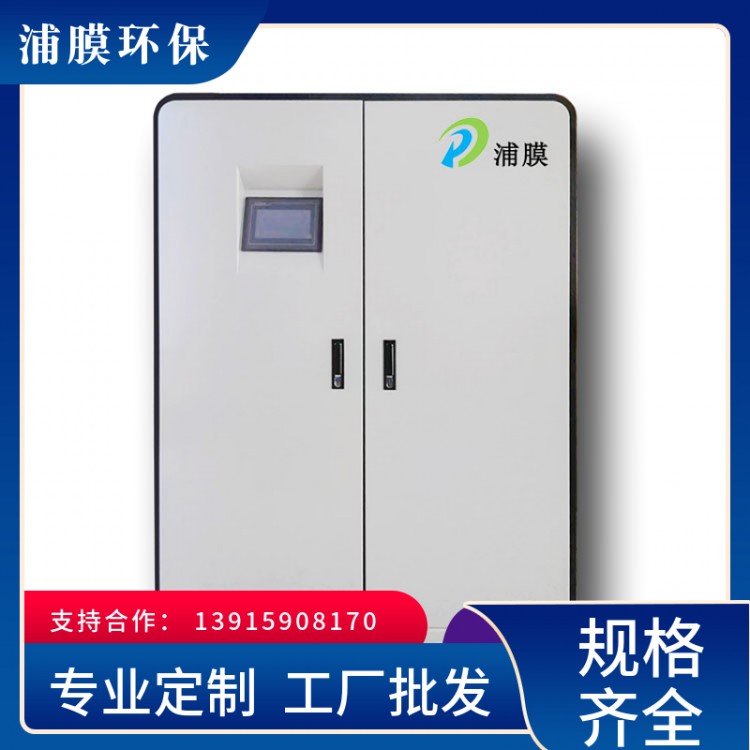


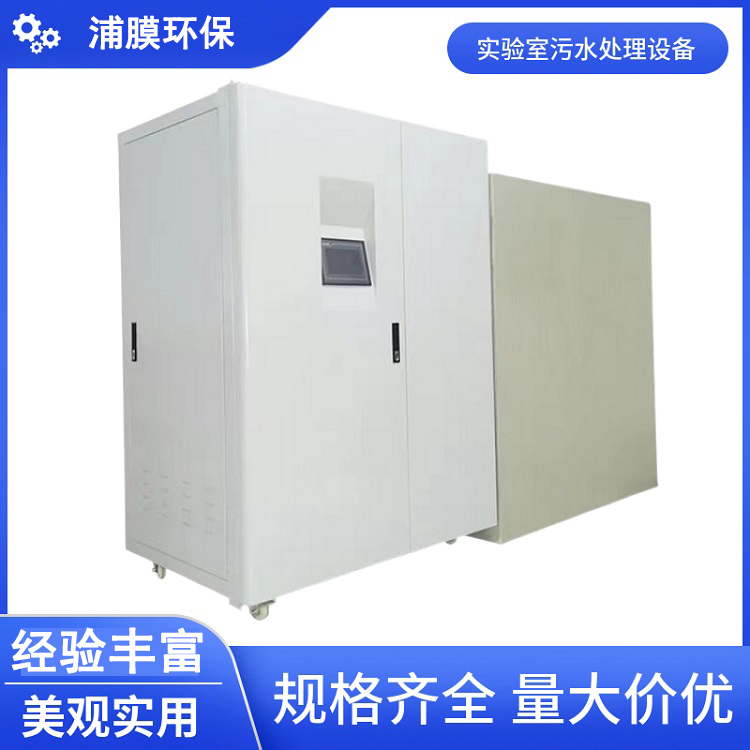
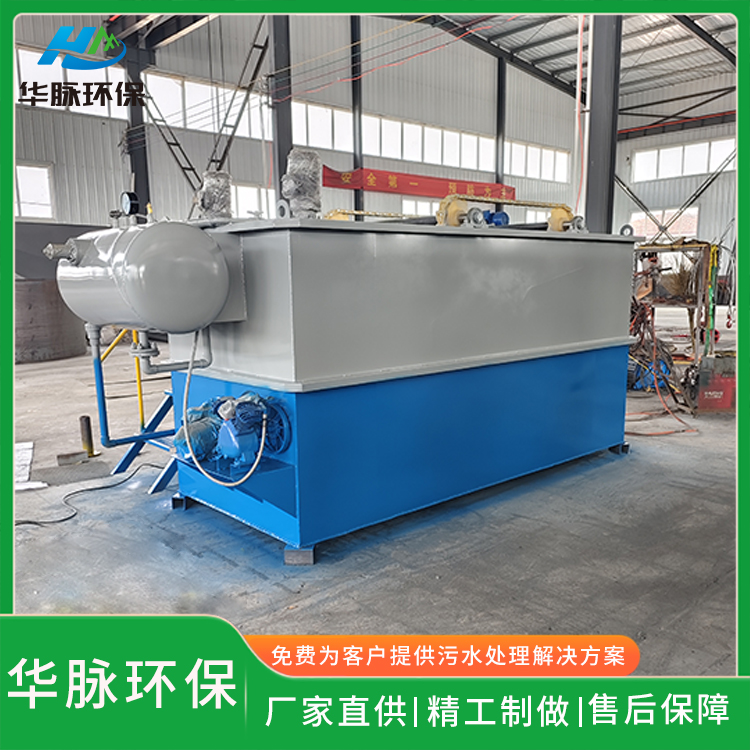
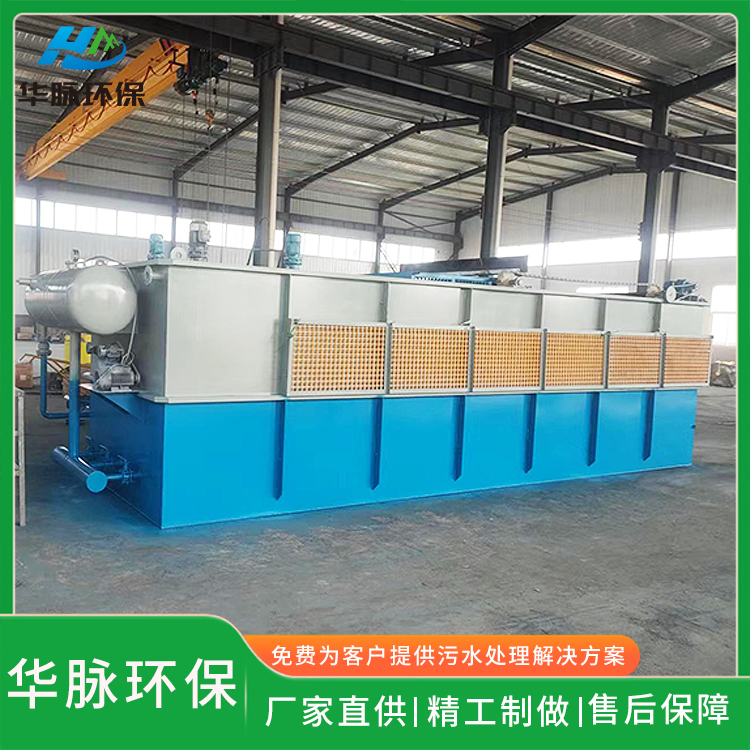





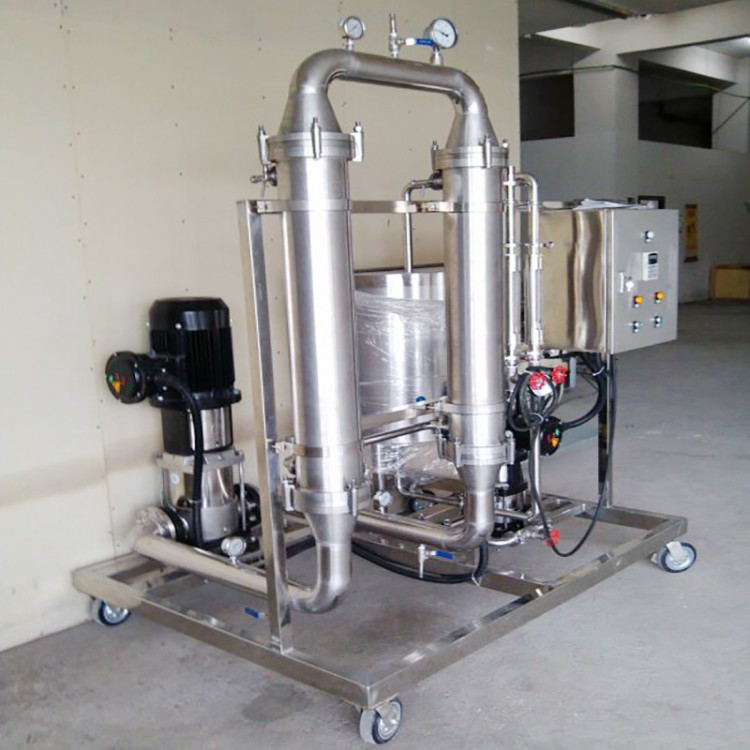
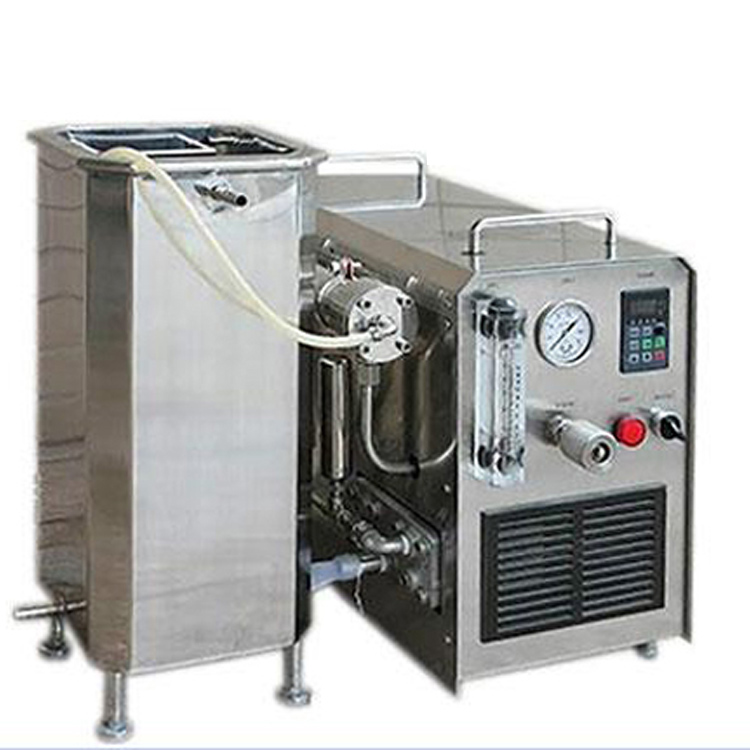
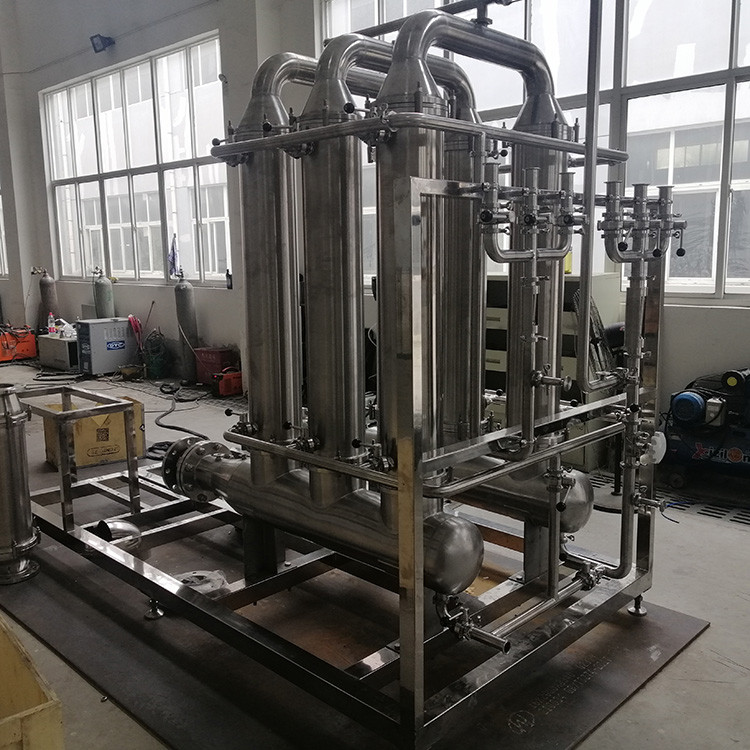
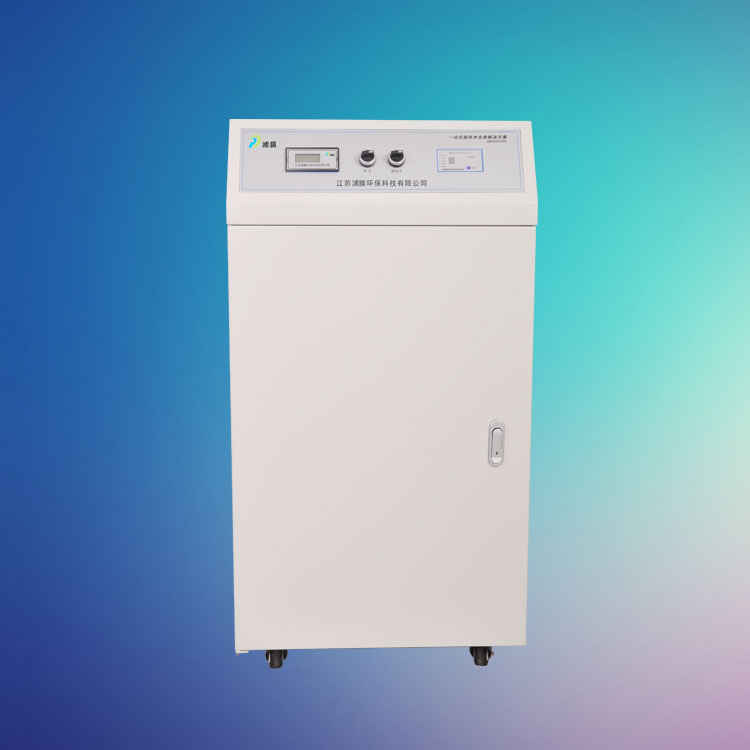
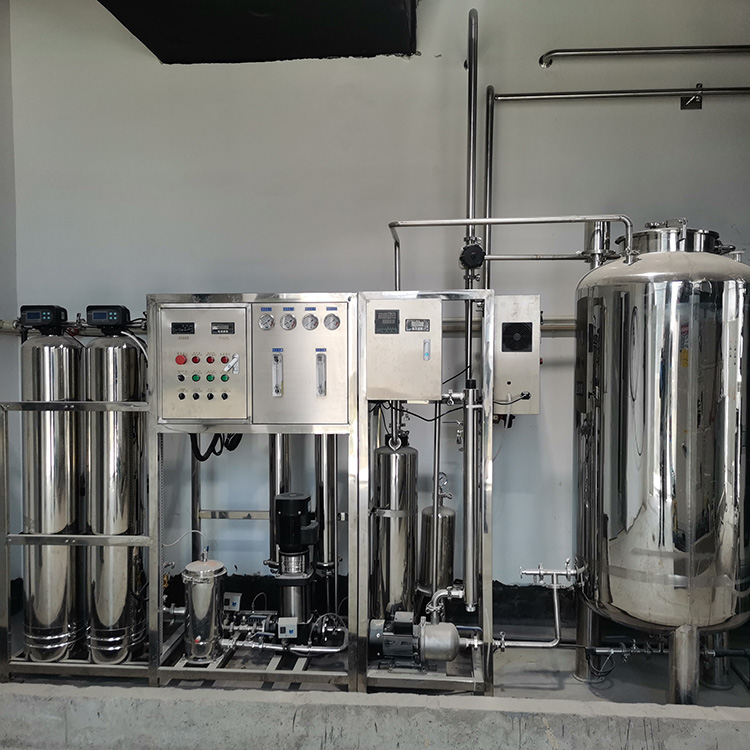
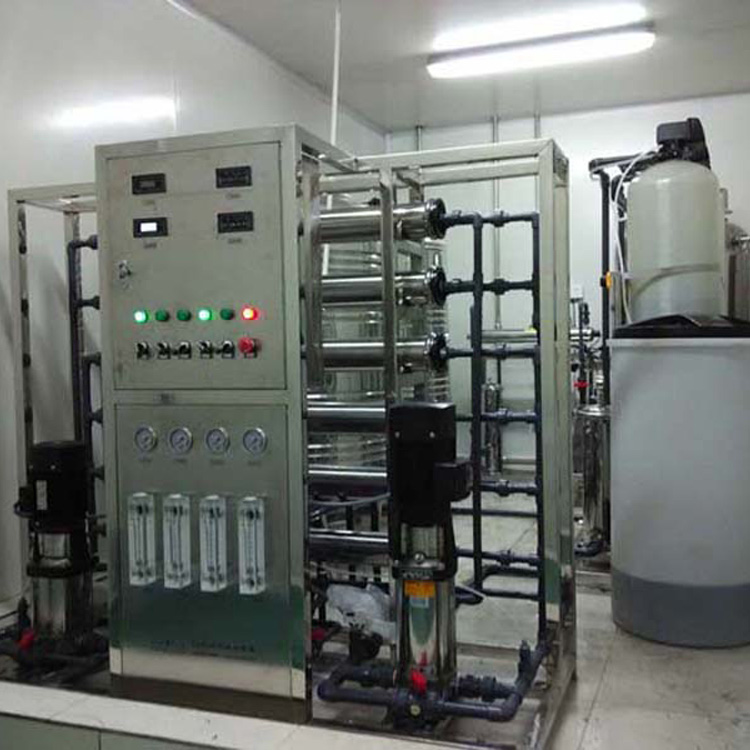
Integrated Laboratory Wastewater Treatment EquipmentDifferent treatment technologies and comprehensive treatment methods are adopted for organic, inorganic, and biological wastewater components and concentrations generated by various laboratories, effectively removing wastewater contaminants from the laboratory's integrated wastewater system.Processed laboratory integrated wastewater containing COD, BOD, SS, chromaticity, viruses, organic solvents, and heavy metal ions can be directly discharged into the municipal wastewater comprehensive discharge standard [GB8978-1996] and the national urban wastewater quality standard for wastewater discharge [CJ339]. Treated wastewater can be directly discharged into the municipal wastewater pipeline or reused through further treatment processes.
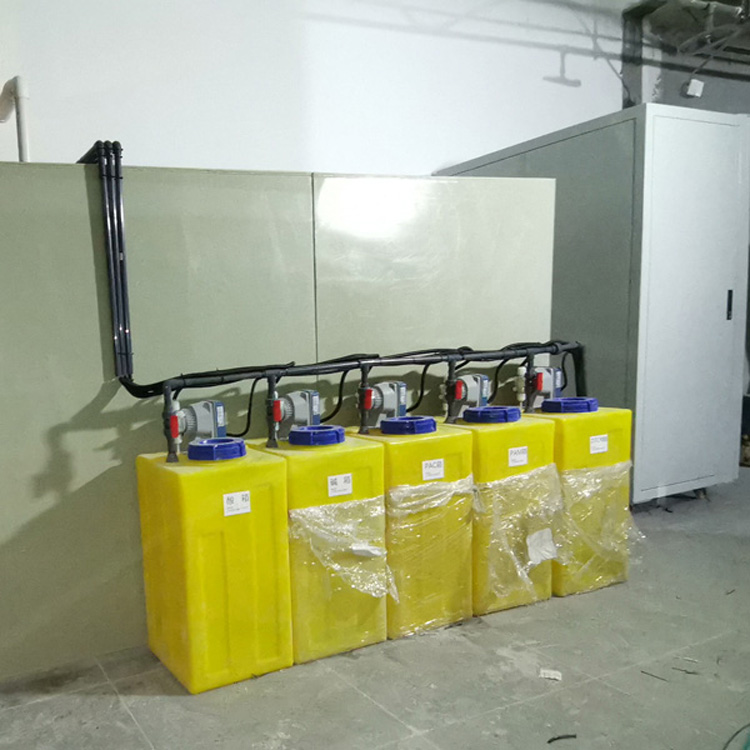
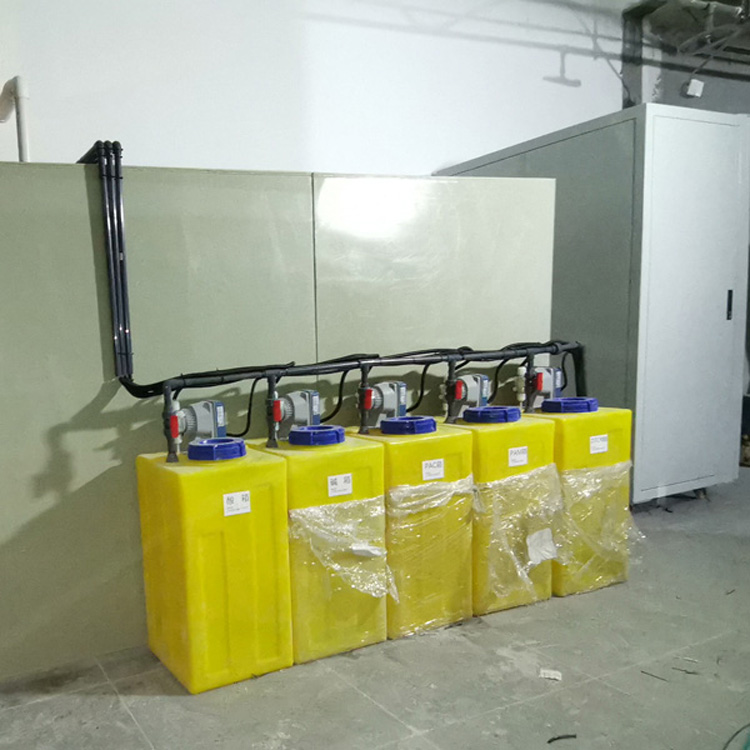
The Comprehensive Laboratory Wastewater Treatment System is a new equipment developed and sold by Jiangsu Quankun based on their experience in treating laboratory wastewater. It employs a combined treatment process of acid-base neutralization, oxidation-reduction, multi-stage filtration, and sterilization, featuring compact size, low noise, and no secondary pollution. The system is easy to install, maintain, and operate, and is widely used in research institutions, university and college laboratories, middle and primary school chemistry labs, and corporate testing departments. The comprehensive laboratory wastewater treatment system mainly consists of wastewater collection units, neutralization and adjustment units, dosing and reaction units, filtration units, biological activated carbon oxidation units, and ozone sterilization units.
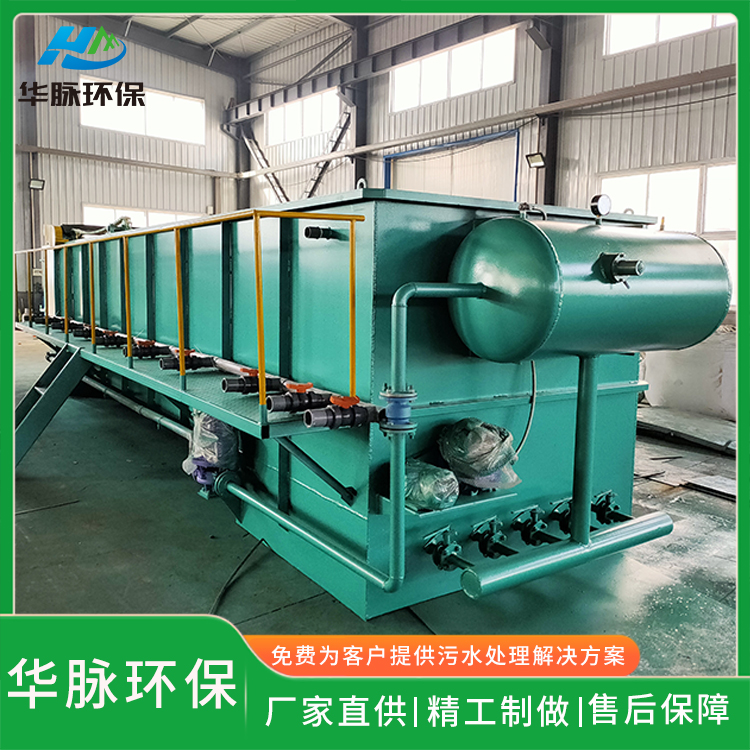
Wastewater treatment is quite complex; the choice of treatment methods must consider the quality and quantity of the wastewater, as well as the receiving water body or its intended use. Physical processes are used to treat, separate, and recover pollutants from wastewater. After secondary treatment, the water generally meets agricultural irrigation and wastewater discharge standards, making secondary treatment the main part of wastewater treatment. However, the water after secondary treatment still contains a certain amount of suspended solids, undecomposable dissolved organic matter, dissolved inorganic matter, and algal growth nutrients like nitrogen and phosphorus, along with toxic substances and bacteria. Clearly, secondary treatment is costly, but it maximizes water resource utilization. Common basic wastewater treatment methods can be divided into the following: Physical Treatment Methods; the selection of wastewater treatment methods depends on the nature, composition, and state of pollutants in the wastewater, as well as the required water quality standards.
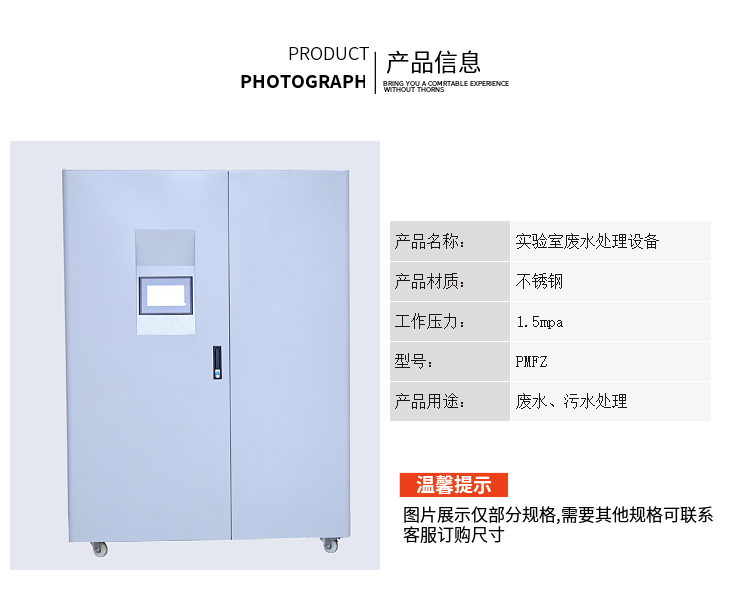
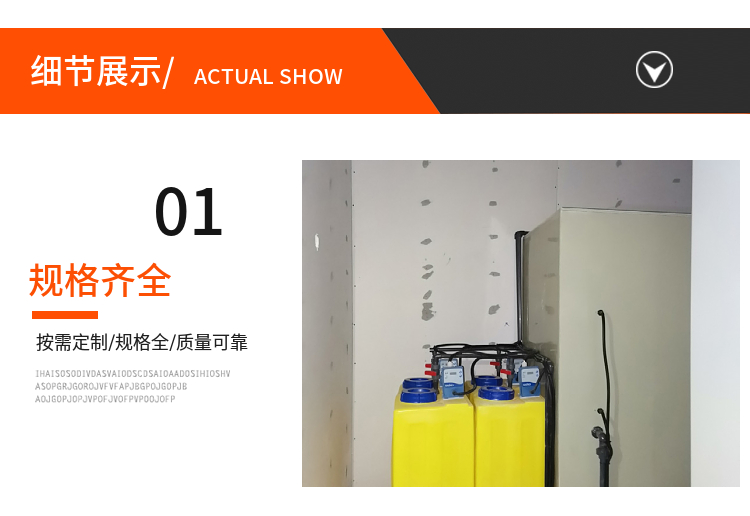

Features of Laboratory Wastewater Treatment Equipment:
Integrated design, easy to operate, stable performance, no need for dedicated staff; equipment uses chemical-grade materialsUPVC piping, resistant to acid and alkali corrosion; equipped with PLC human-machine interface for automatic high and low voltage protection, as well as automatic leak and electric leakage protection; capable of scheduled on/off, no wastewater protection, and liquid level protection for storage tanks; modular integrated technology with excellent processing, no waste residue or wastewater produced, preventing secondary pollution; advanced technologies applied for multi-stage treatment and purification of wastewater to meet discharge standards.
Laboratory Wastewater Treatment Equipment Process Flow
This equipment consists of the wastewater classification collection unit, wastewater acid-base neutralization unit, advanced wastewater treatment unit, sedimentation separation unit, physical treatment unit, biological treatment unit, and comprehensive wastewater purification unit. It effectively removes...COD, BOD, SS, color, and heavy metal ions, etc., for the varying compositions of different wastewater, different treatment technologies and control systems are employed for wastewater processing.
Laboratory wastewater treatment equipment application scope:
Widely applied in laboratories, analytical rooms, and wastewater treatment facilities of colleges and universities, research institutions, disease control centers, environmental supervision, product quality inspection, pharmaceutical inspection, blood stations, animal husbandry, and enterprises.
For detailed technical specifications, please contact Jiangsu Pufu Sales. They can provide a detailed technical solution.