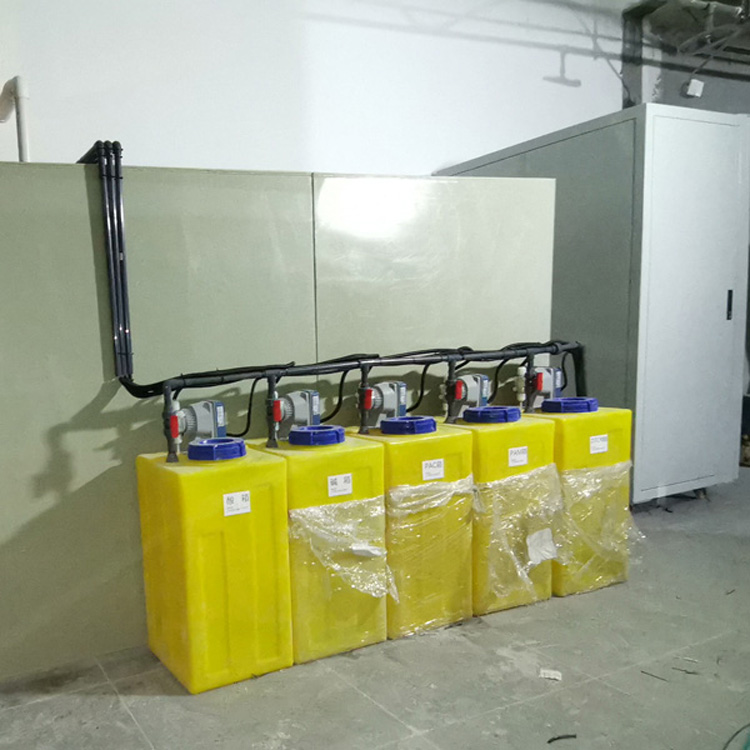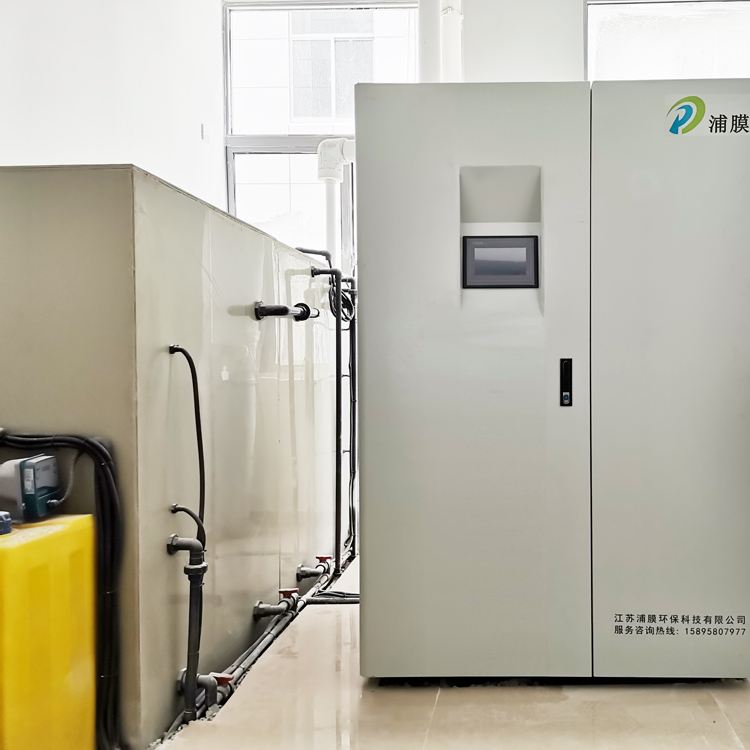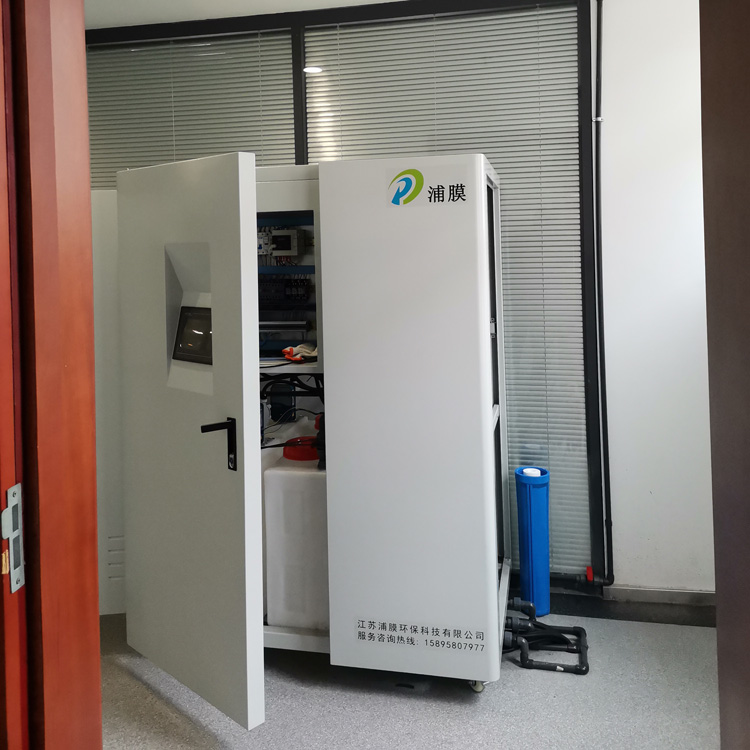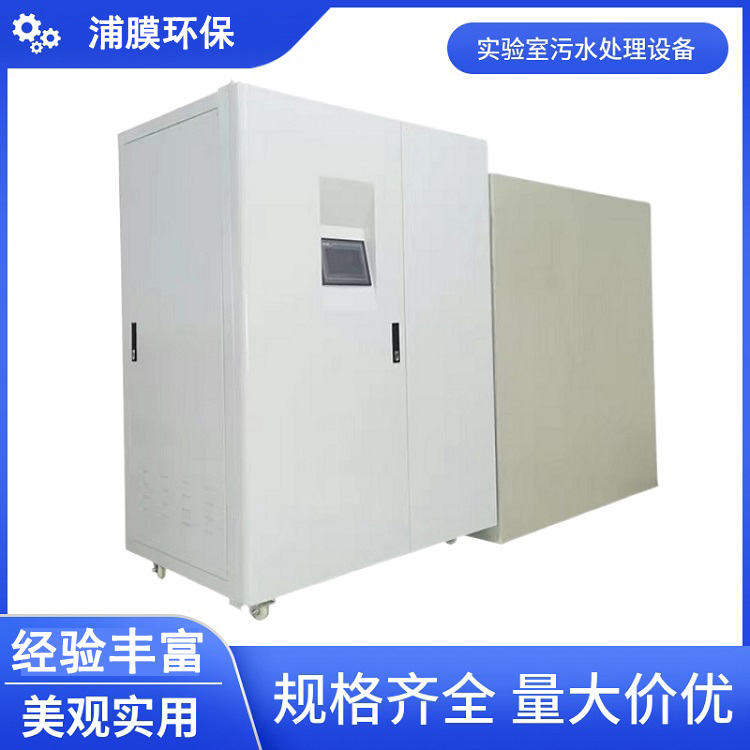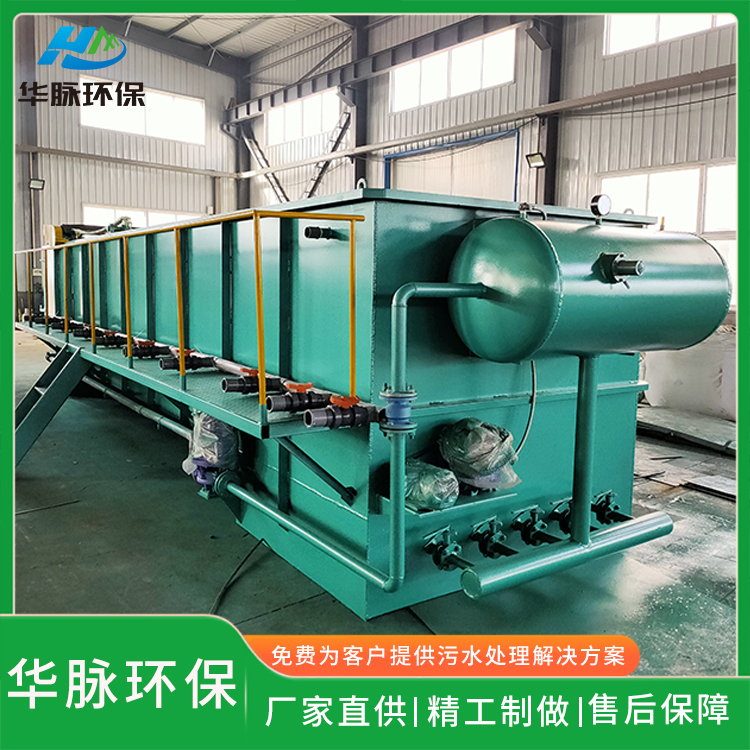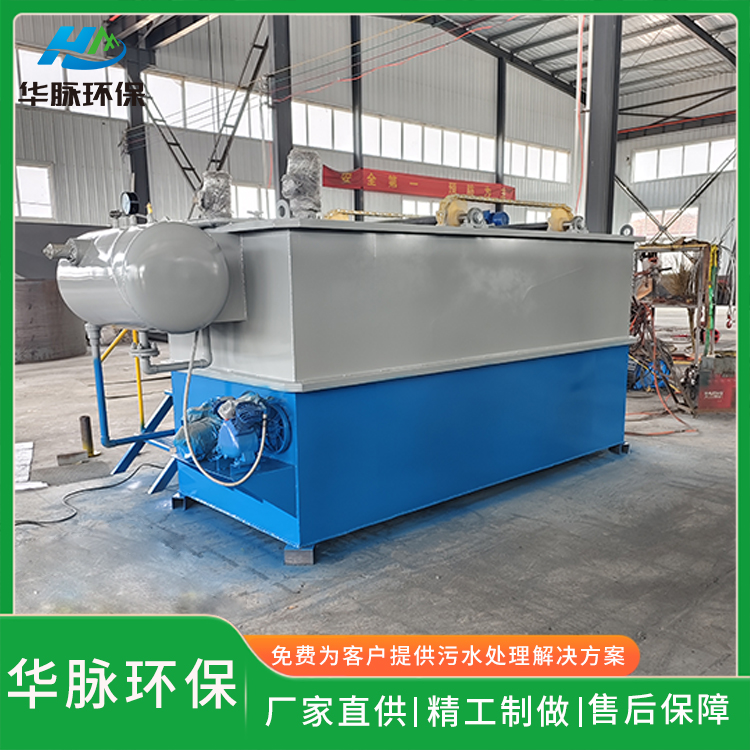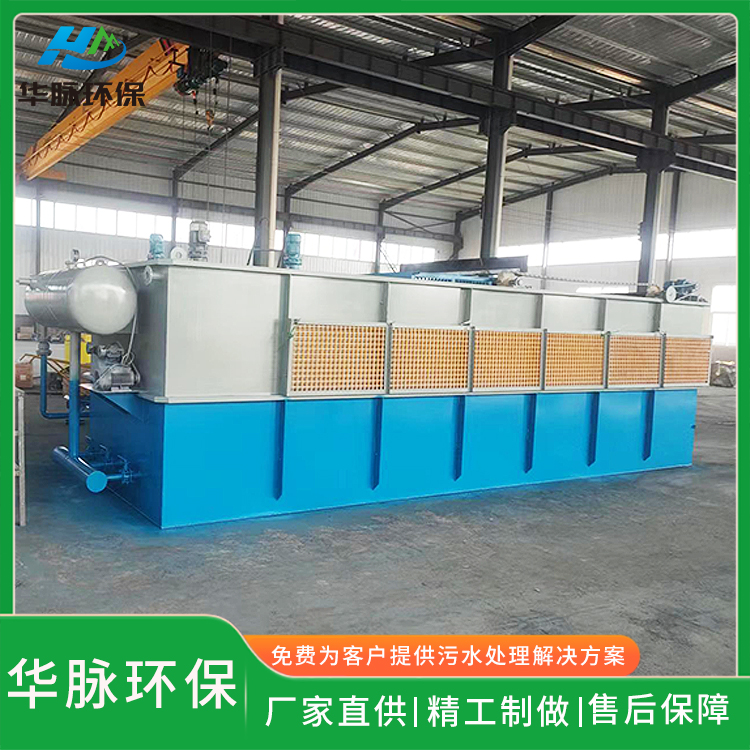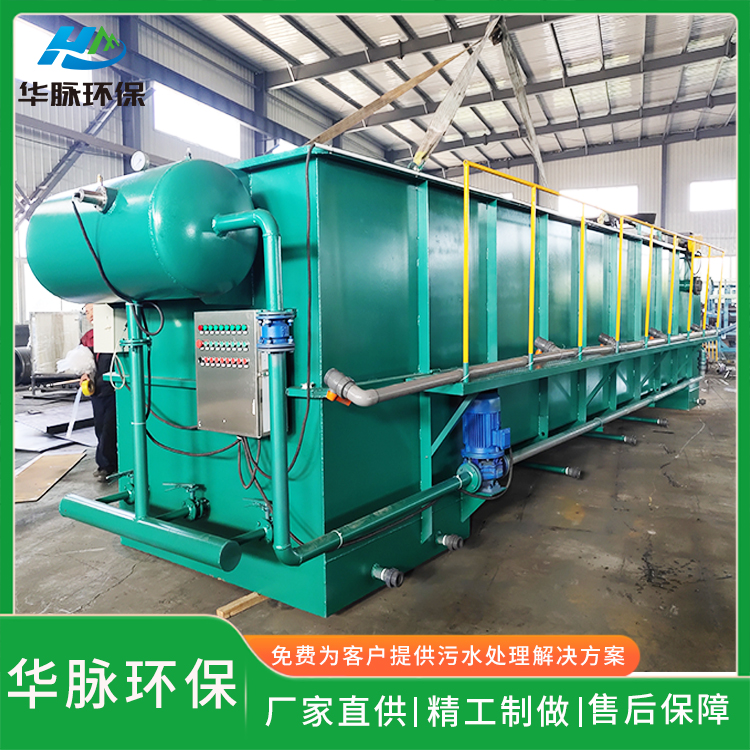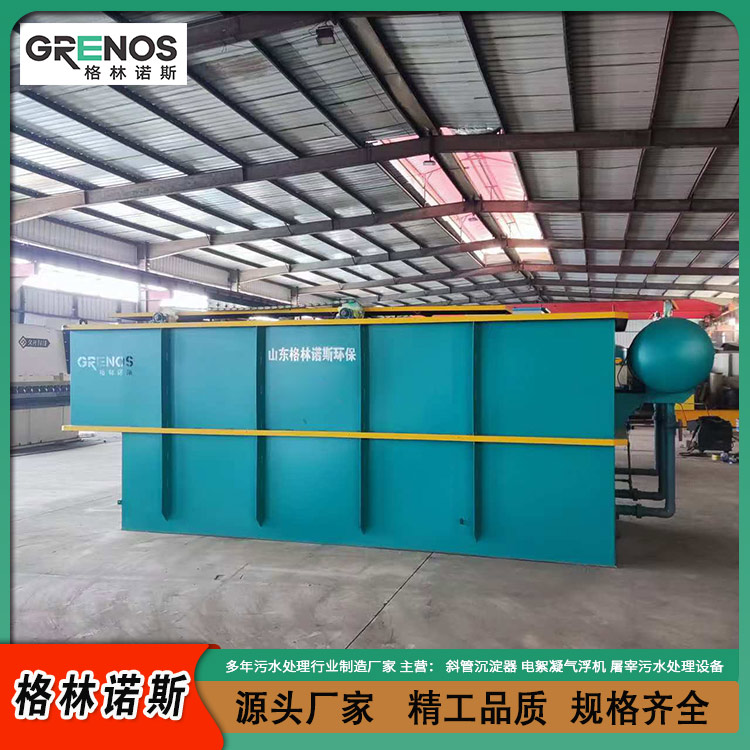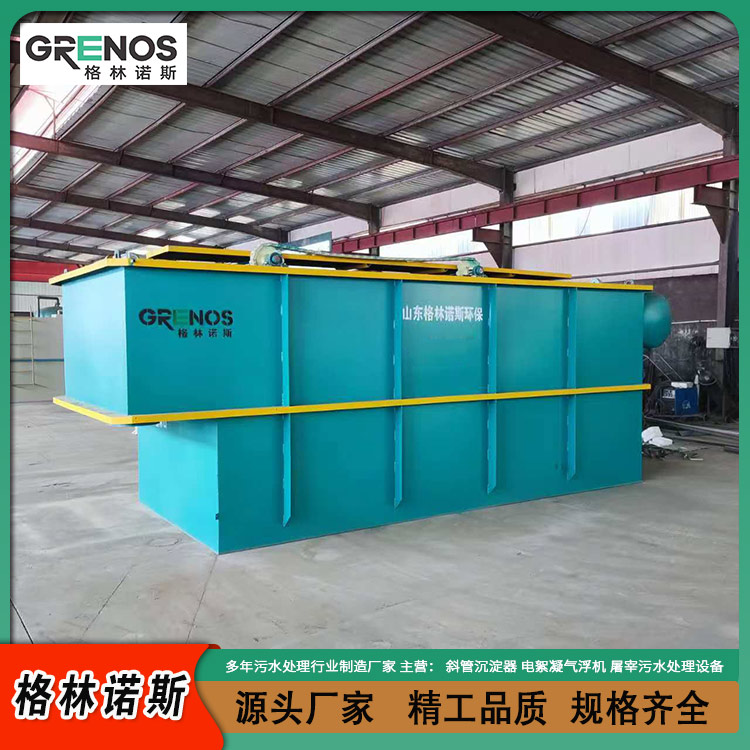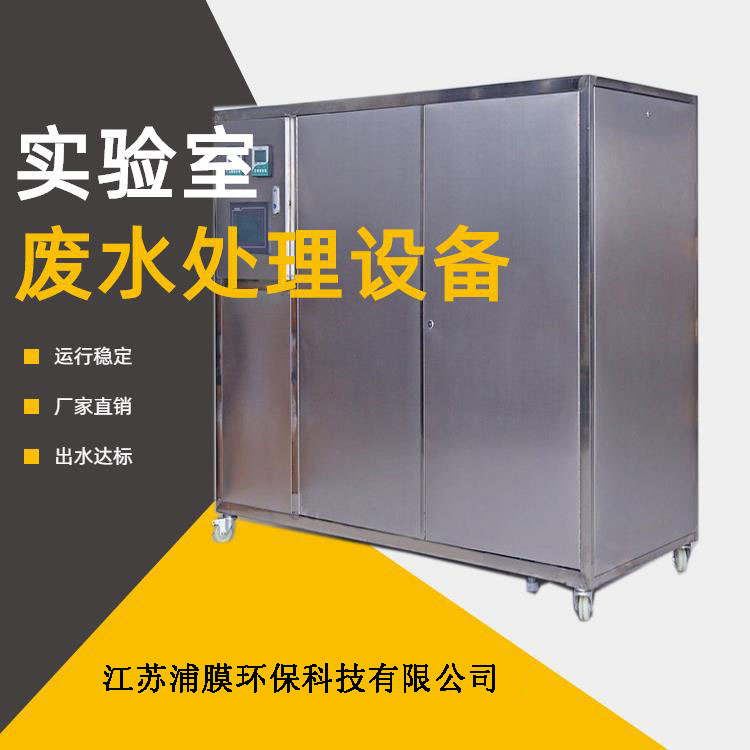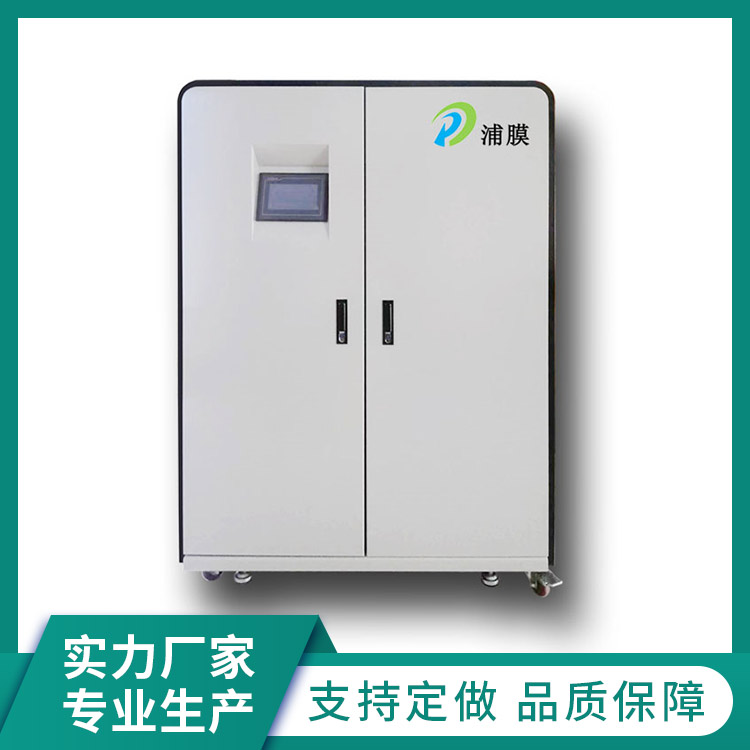

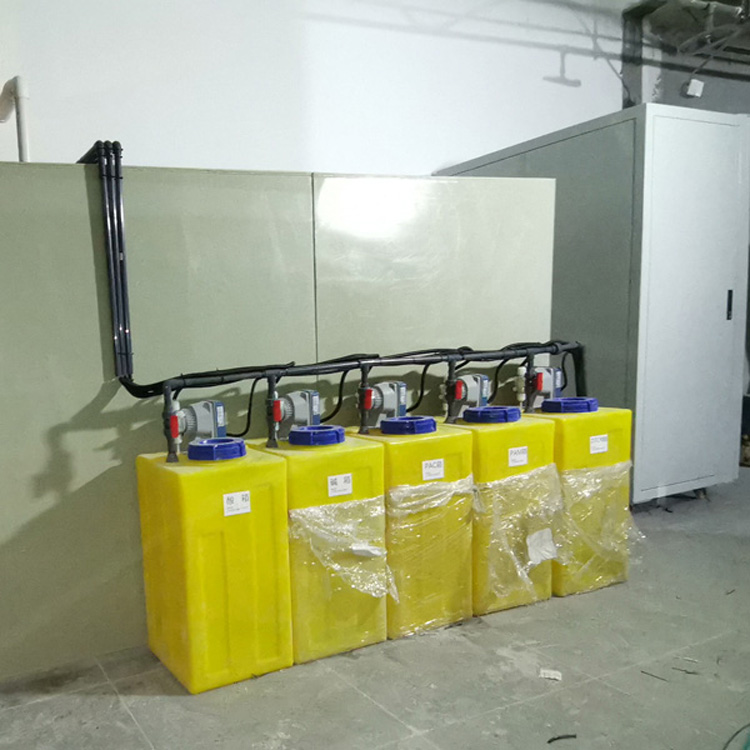

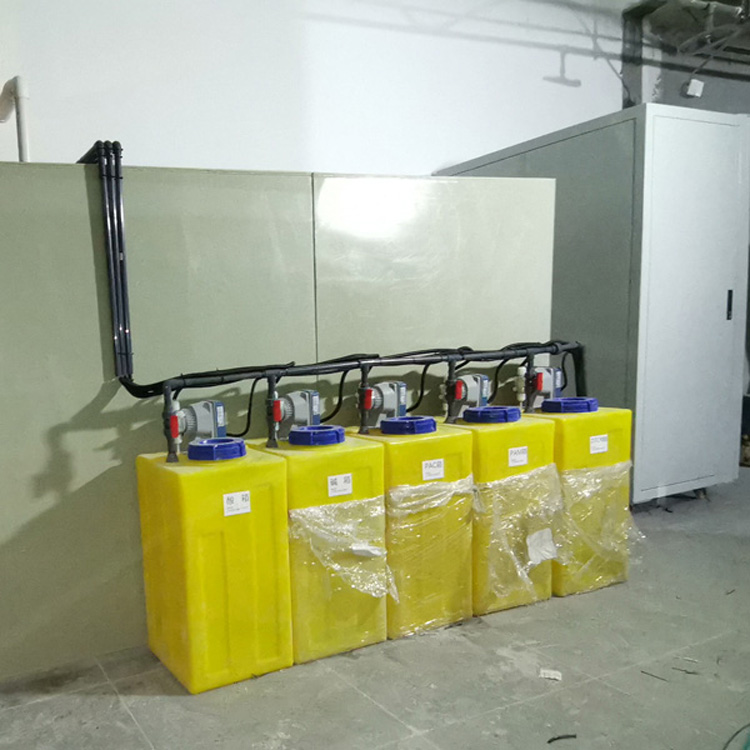
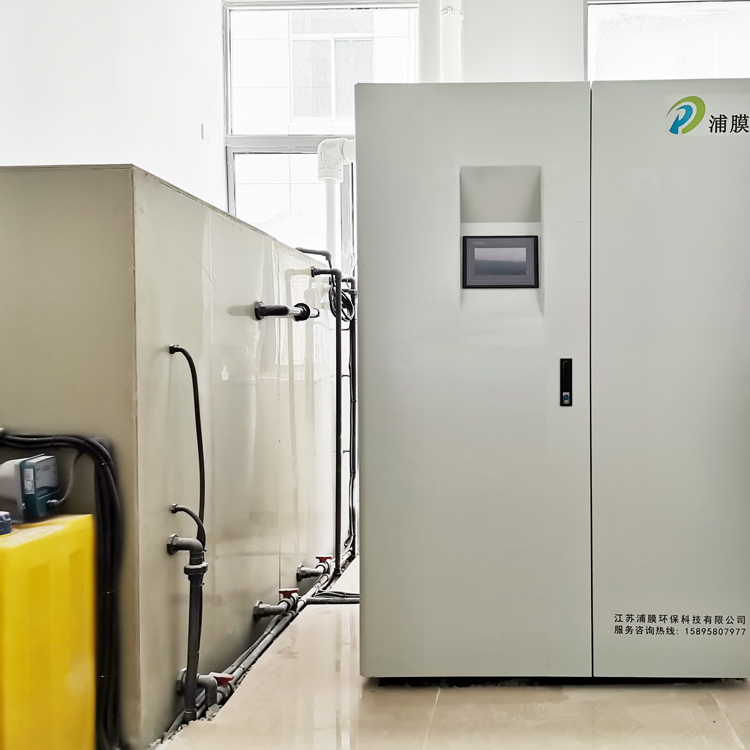
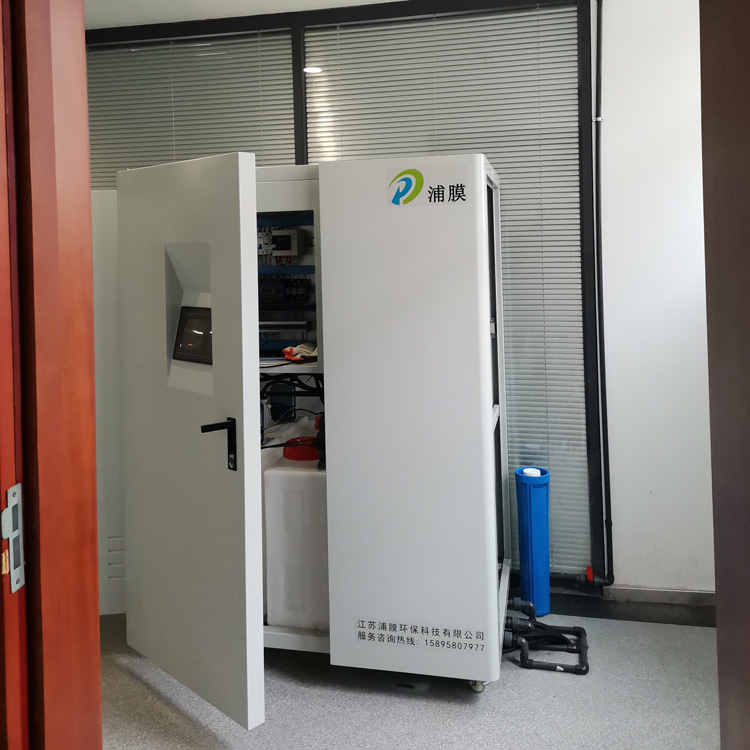


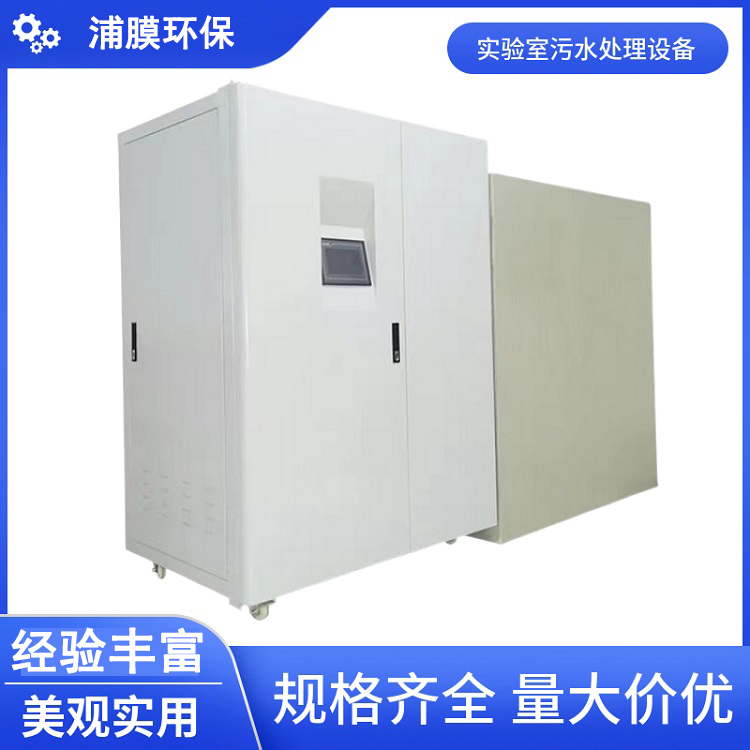
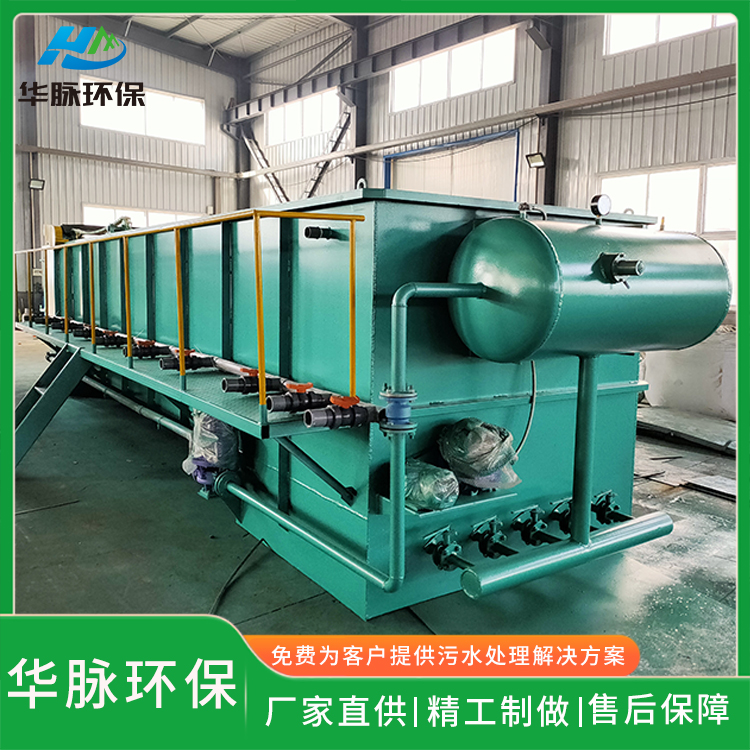
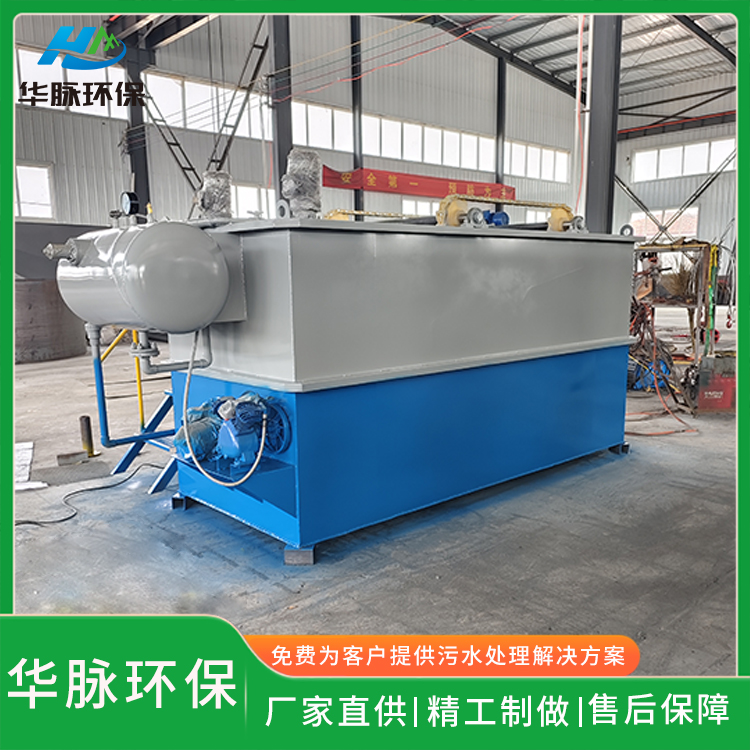
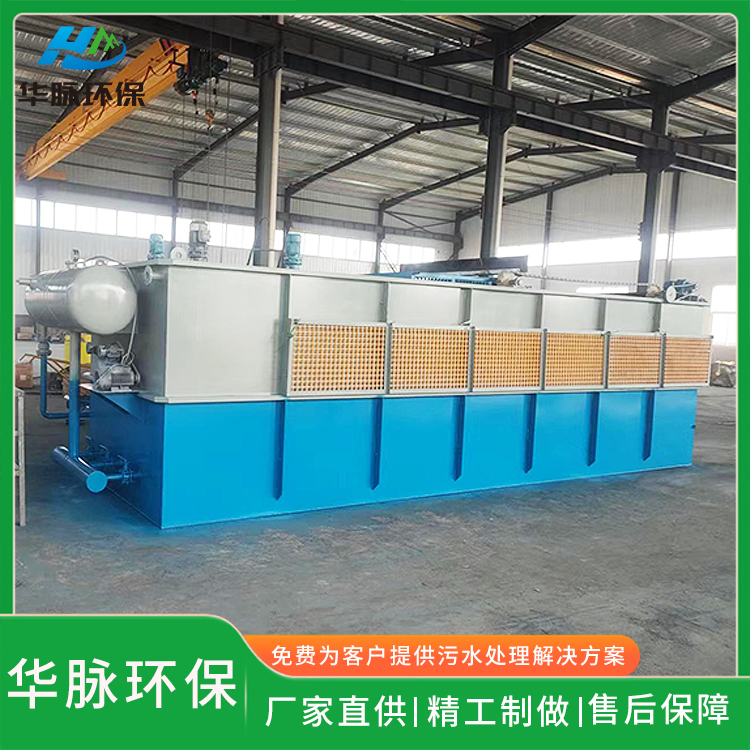





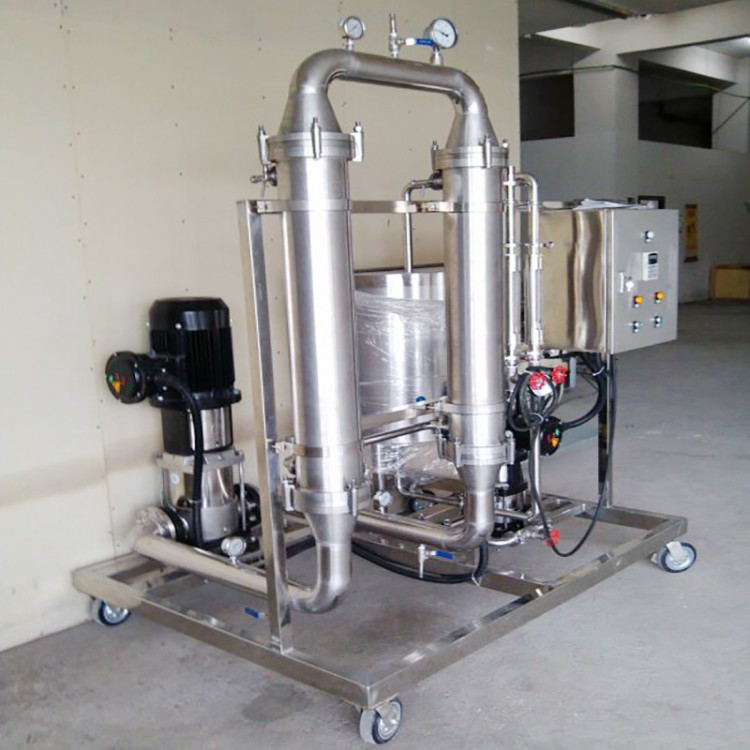
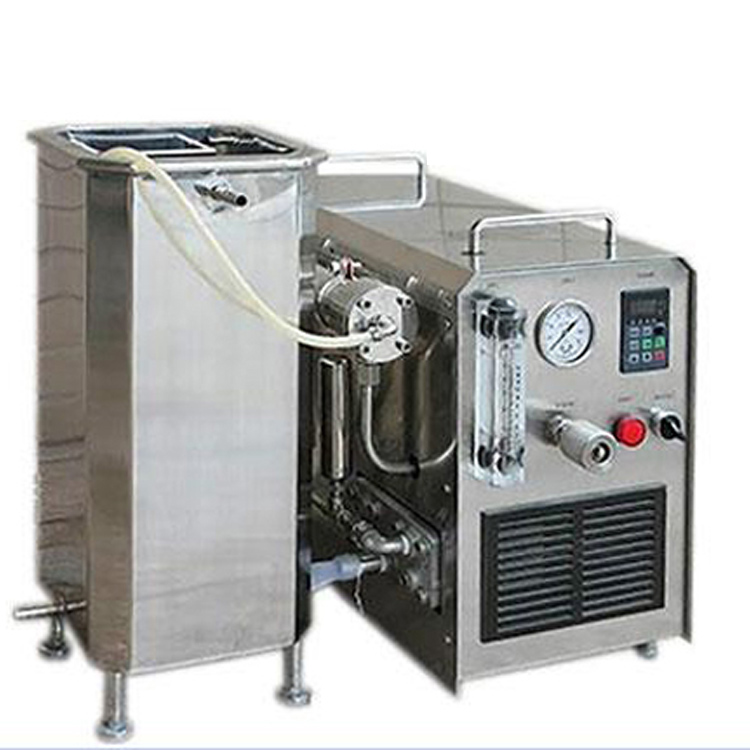
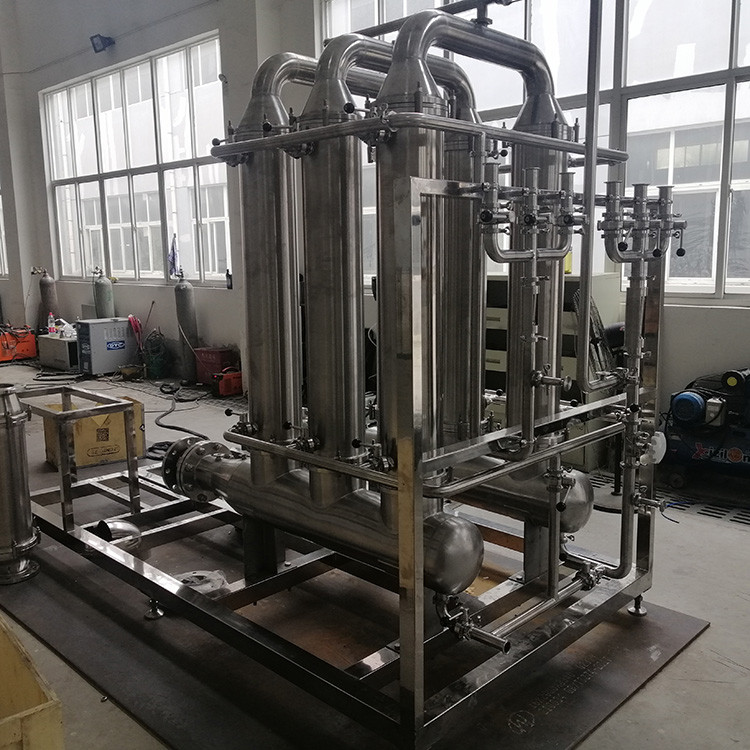
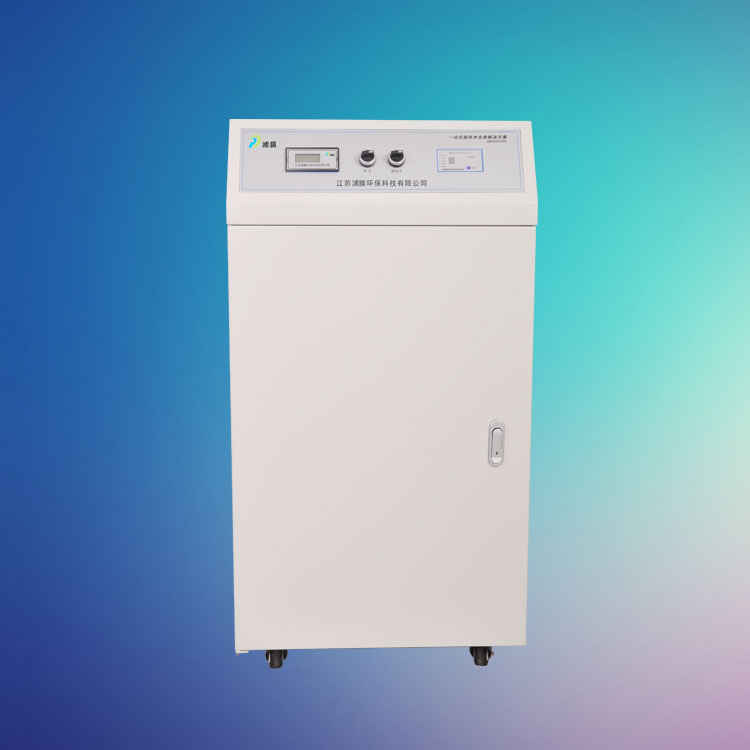
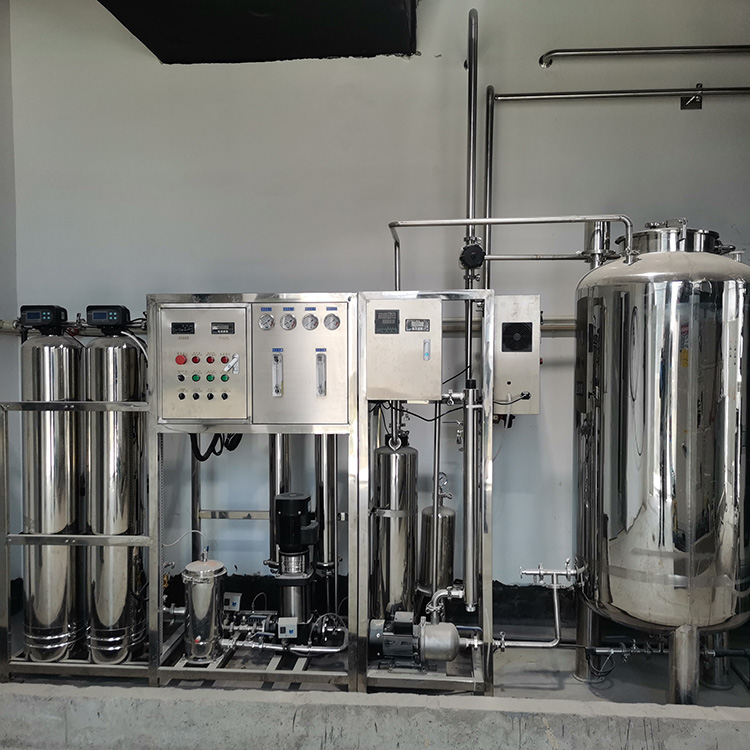
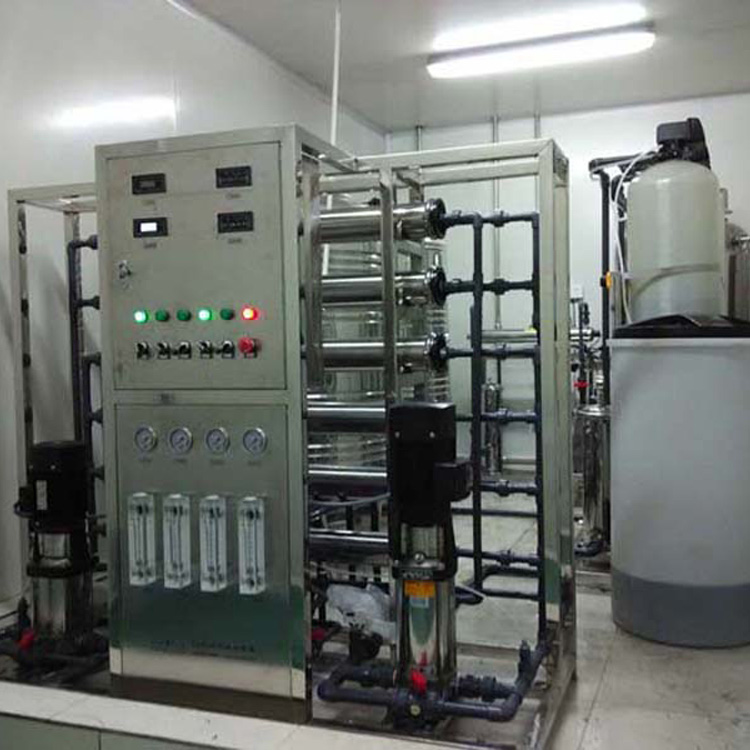
Chemical laboratory acid and alkali wastewater treatment equipment for waste waterPHValue, add a certain proportion of acid or alkali to maintain the wastewaterPHPlease provide the Chinese content to be translated.7Left. If wastewaterPHIf the value fluctuation is minimal, the facility can be omitted. Wastewater treatmentpHAfter neutralization, the mixture is sent to a biological aeration pond for biological treatment. The nutrient tank supplies essential nutrients to the microorganisms during the wastewater treatment process, helping them maintain a stable population and survive stably. Blower24Continuous aeration of the biological aeration pond for hours. The function of the defoamer tank is to effectively remove foam by adding a certain proportion of defoamer into the tank. While microorganisms are growing, they often release a large amount of heat due to metabolism. If the heat is not released in time, it will directly affect the reproduction of the microorganisms. This requires a heat exchanger to alter the temperature of the microorganism environment. Stabilizing the temperature of the microorganism environment at40Approximately Celsius. Wastewater is treated with biological aeration and then sent to a sedimentation pond for secondary treatment. After sedimentation, part of the sludge is recycled to the aeration pond for treatment, while the remaining portion is dewatered and discharged externally. By adding a certain amount of acid or alkali and a certain amount of nutrient solution, the biological filter can sustain the continuous growth of microorganisms, further biologically treating the malodorous gases, significantly reducing harmful substances. It can be directly discharged to meet standards.
Process Flow: Experimental Waste Water Collection Pipeline—— Raw Water Collection — Electrolysis Treatment — Adjustment TreatmentPHAdjustment, Ozone,CODDecomposition, flocculation and sedimentationMBRFilm Depth Treatment - UV Treatment - Microfiltration Treatment - Discharge
Laboratory wastewater contains acids, bases, organic pollutants, heavy metal ions, and pathogenic microorganisms.pHValues vary significantly.CODHigh concentration, mainly divided into three categories:
1Organic wastewater: Main sources include laboratory reagents and solvents.
2Inorganic wastewater: Main sources include acid and alkali reagents, as well as heavy metal reagents.
3Biological Pathogenic Wastewater: Main sources include microbiological, blood biochemical experiments, blood stations, disease control centers, etc.
 Features: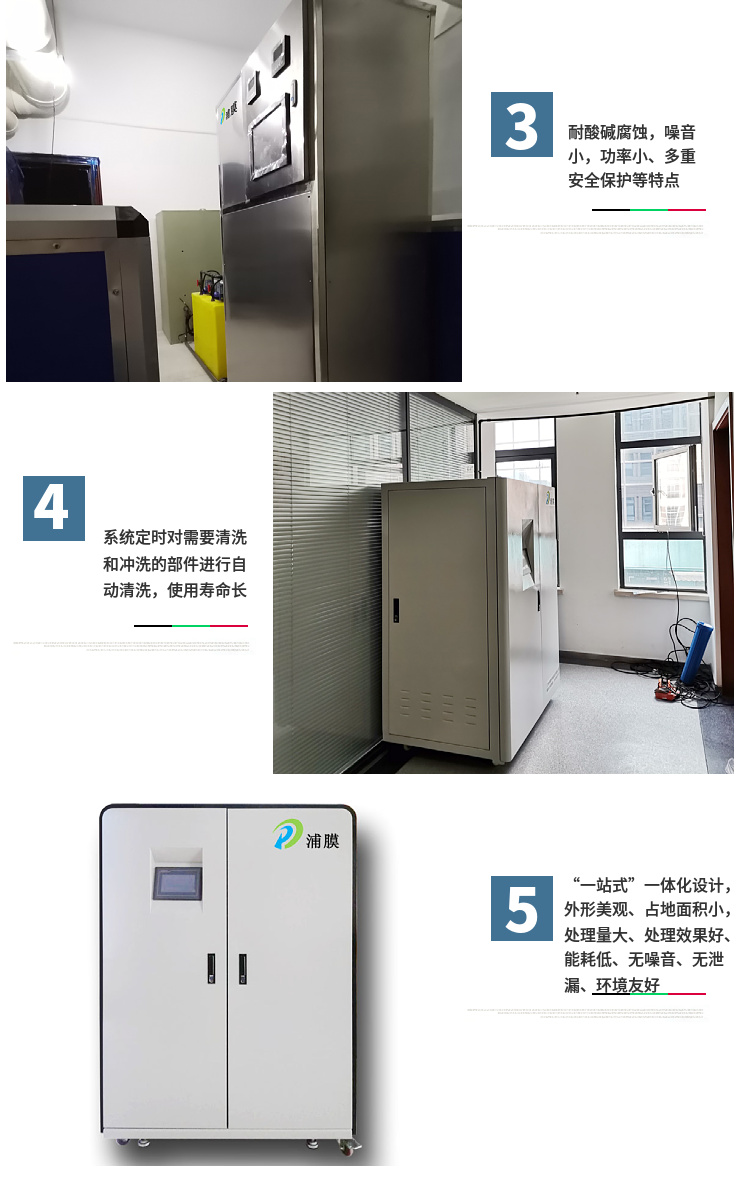
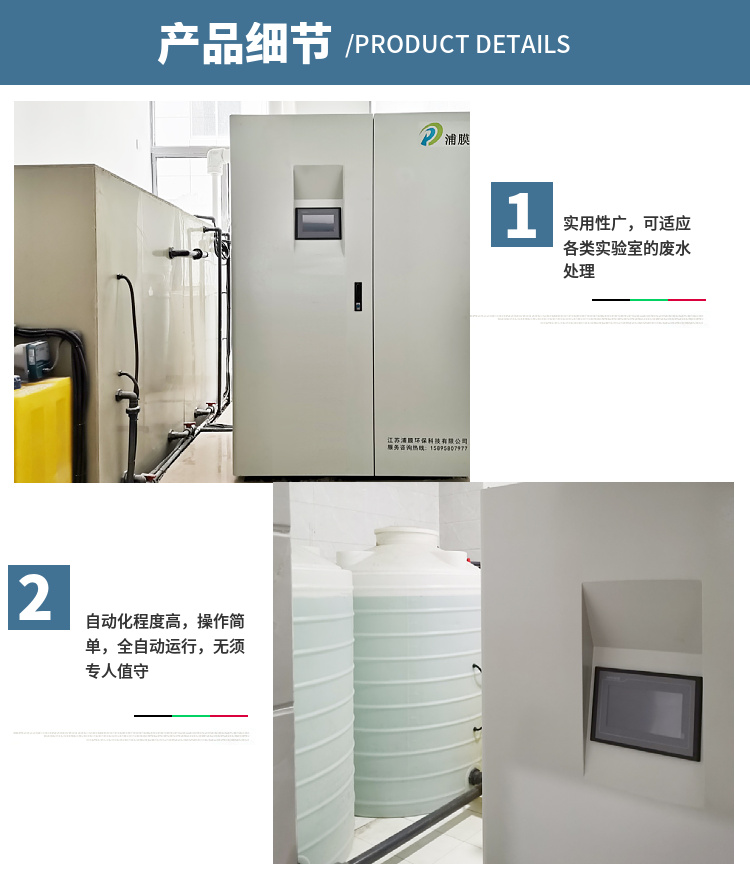
1Utilize technologies such as neutralization and precipitation, flocculation and precipitation, heavy metal capture, micro-electrolysis, chlorine dioxide disinfection, and activated carbon or quartz sand filtration to treat various pollutants in wastewater.
2UsedPLCThe system monitors and controls water quality changes and wastewater treatment processes in real-time, operating 24/7 automatically without the need for constant supervision.
3Precisely control the dosage of medication, with features including liquid level control and medication shortage alarms.
4Easy to operate, stable performance, long service life, and low maintenance costs.
5Compact in size, can be placed indoors or outdoors as needed.
6Custom design and manufacturing according to different customer requirements.
Widely used in domestic research institutes, universities, monitoring, product inspection, food inspection, entry and exit quarantine, disease control centers, geological and mining centers, analysis centers, water resource monitoring, grain and oil quality inspection, petrochemical industry, animal husbandry, agricultural product inspection, central blood stations, and other industrial laboratories, as well as化验室wastewater treatment.