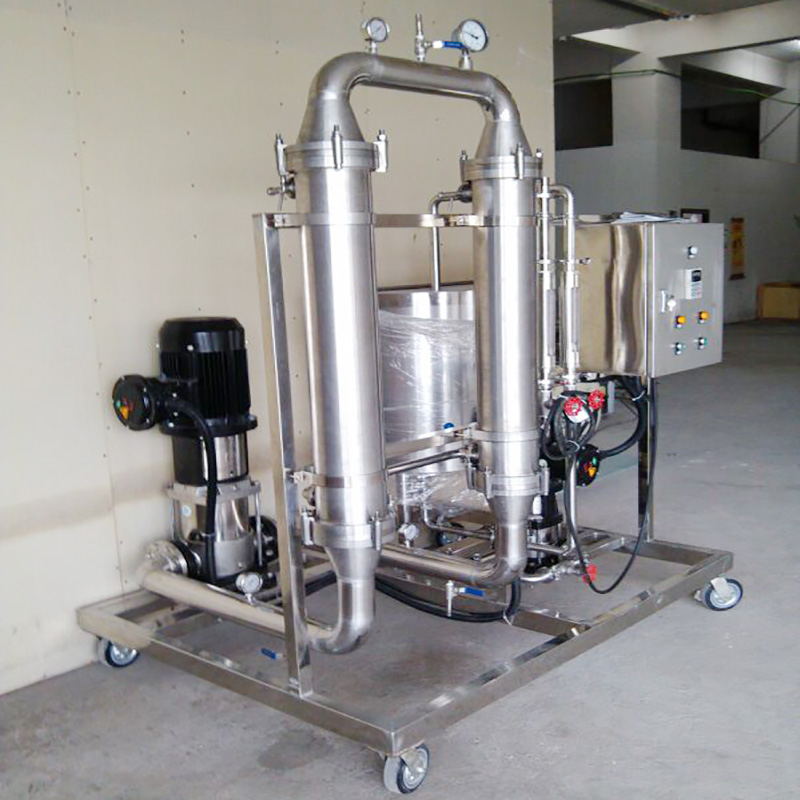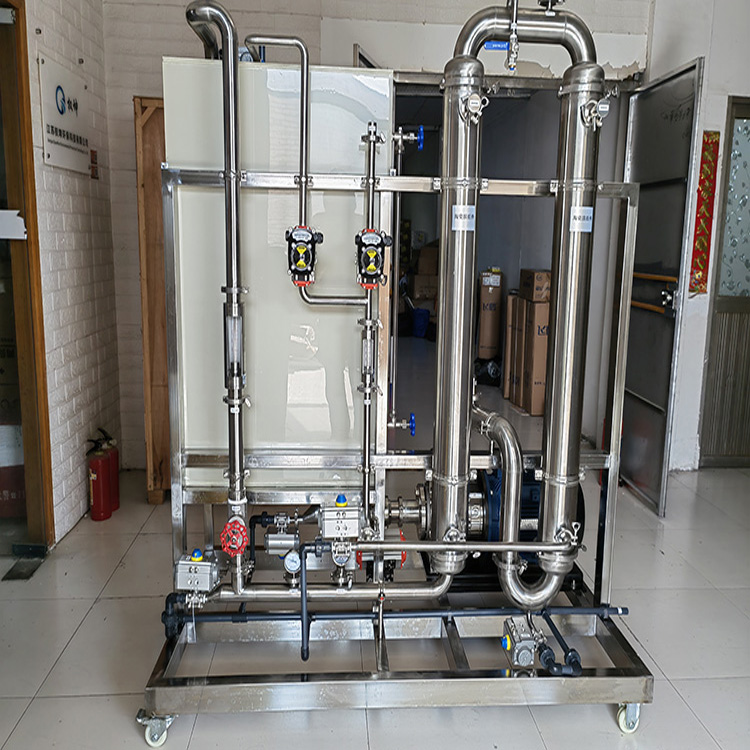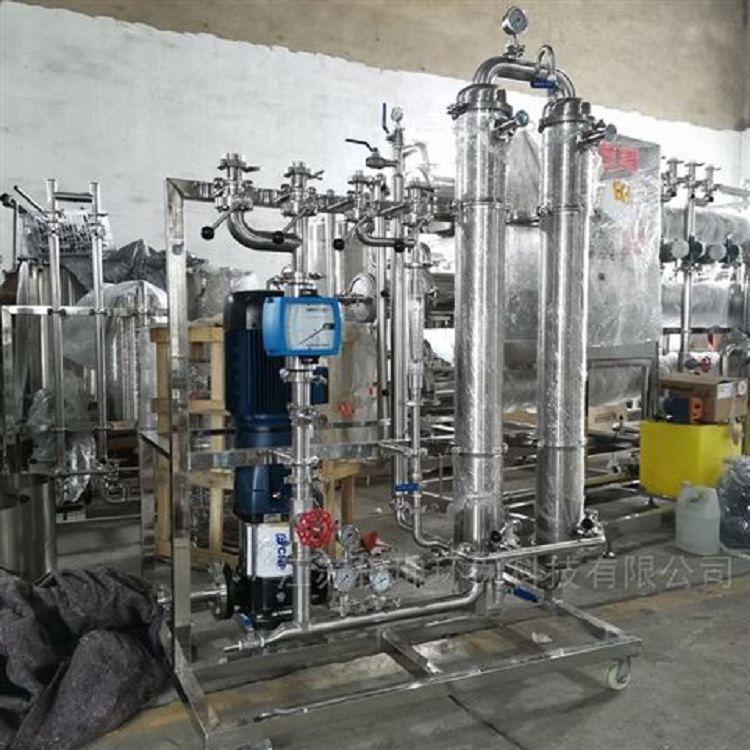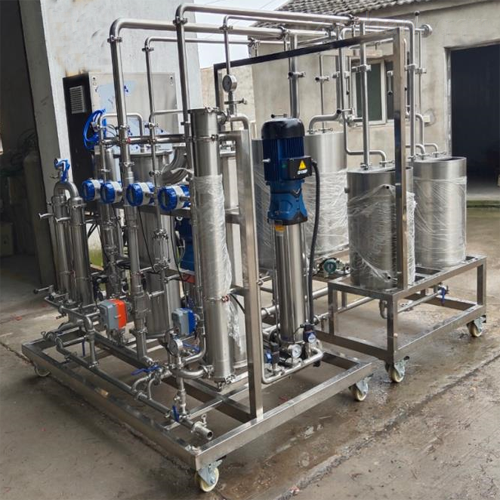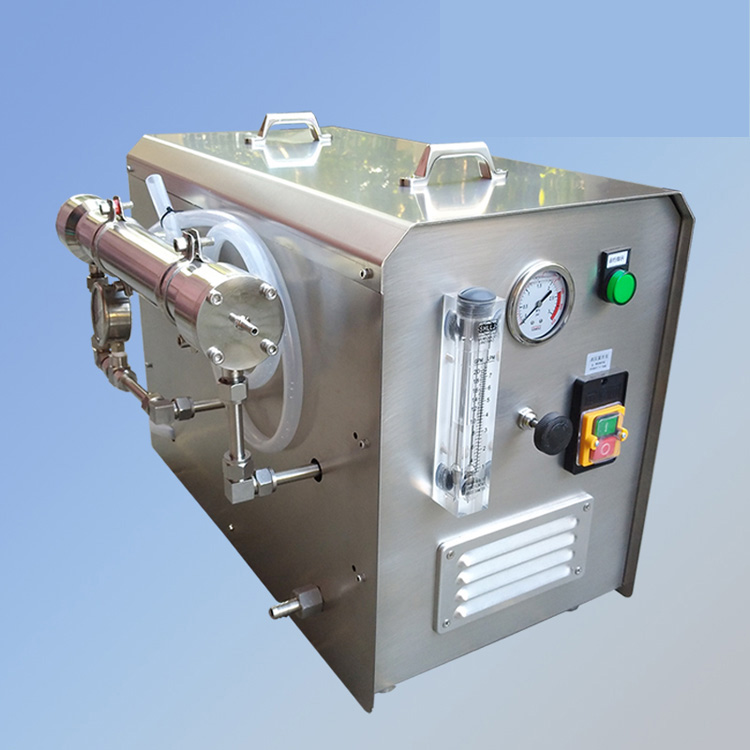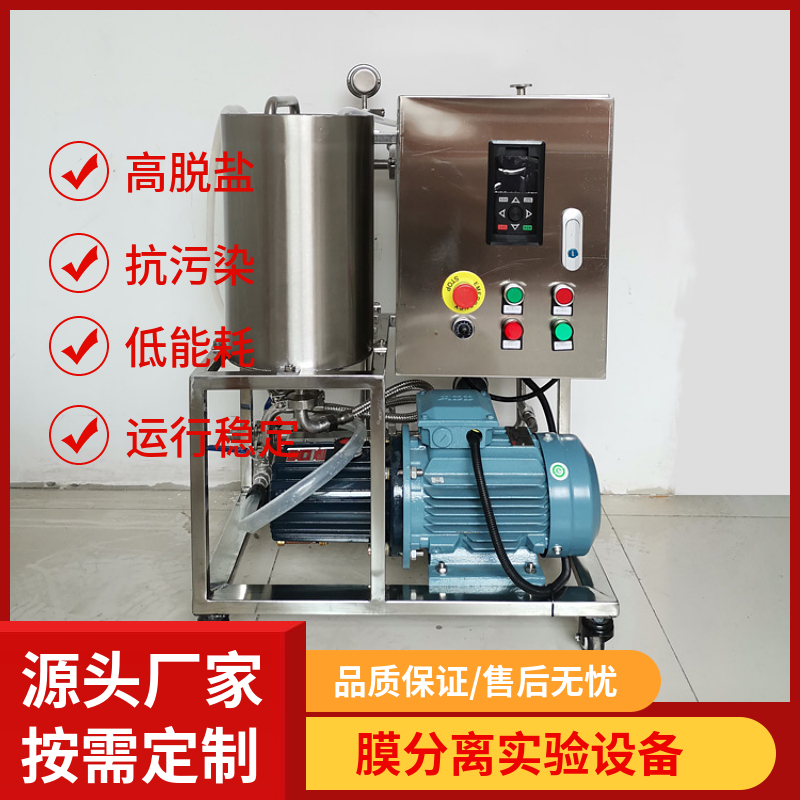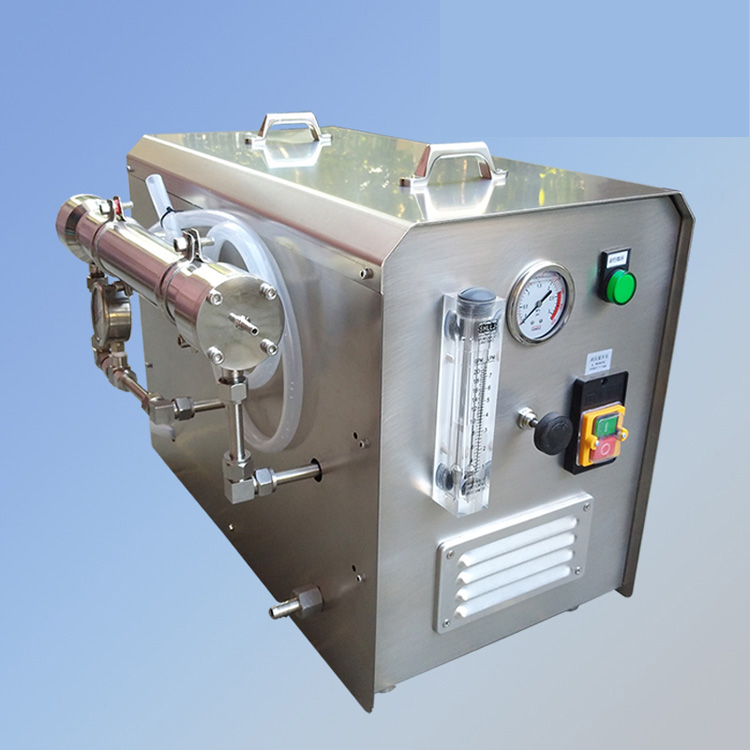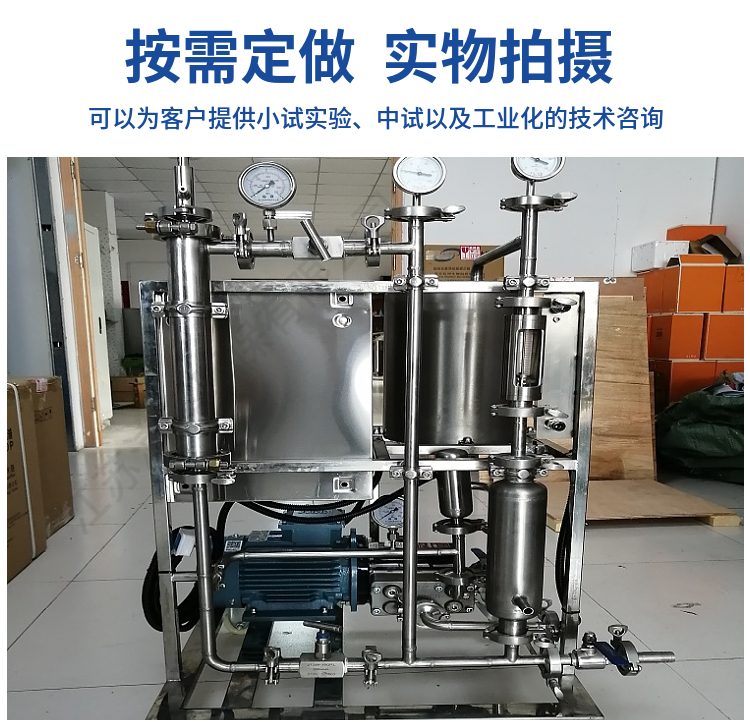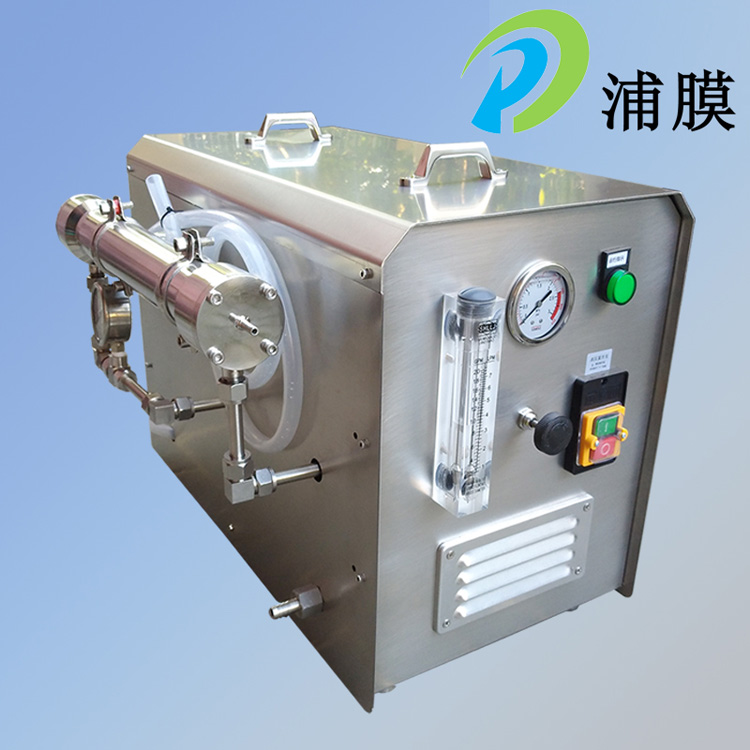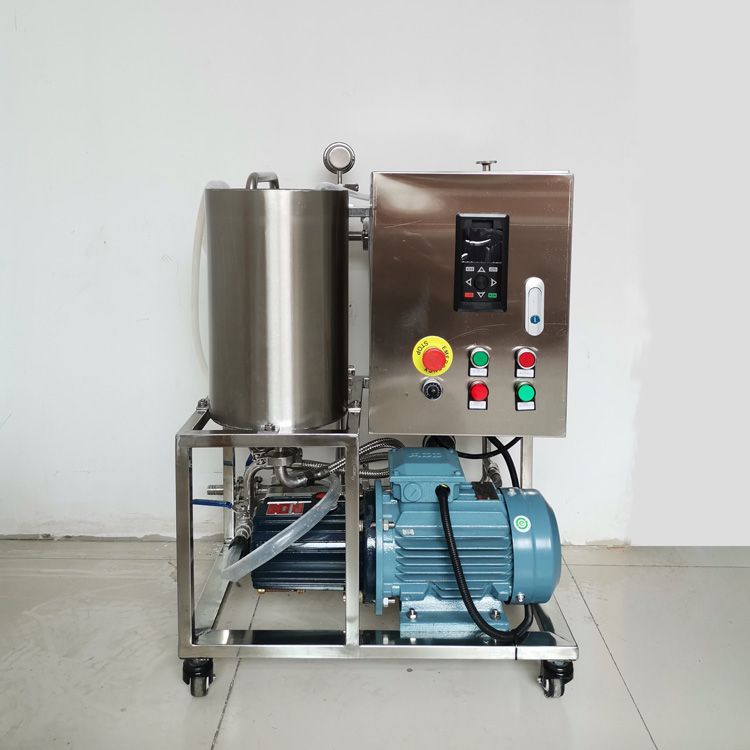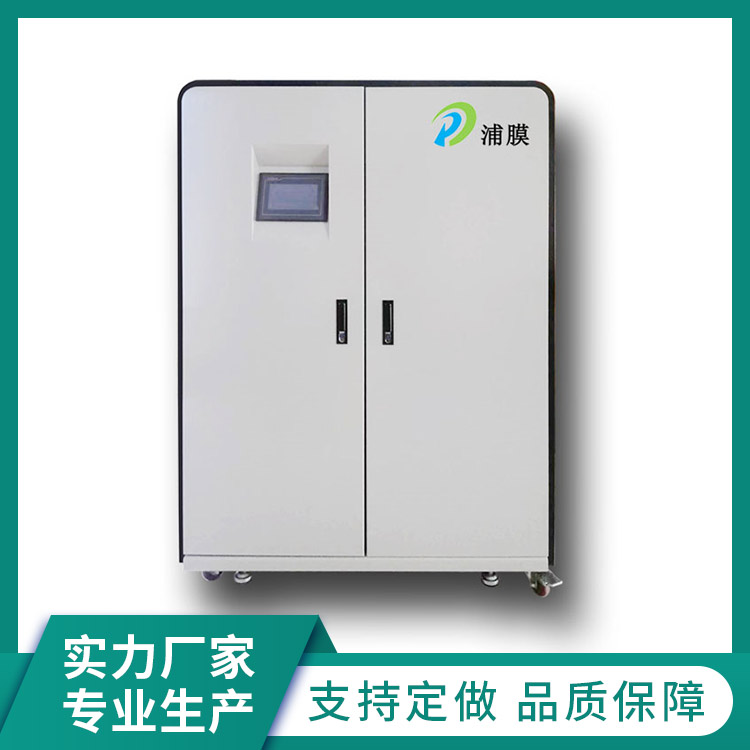


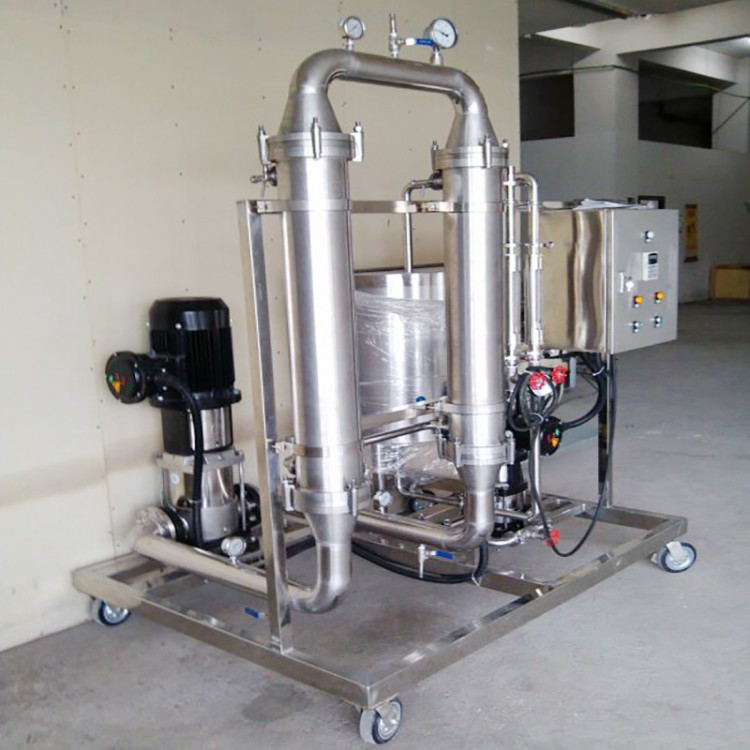







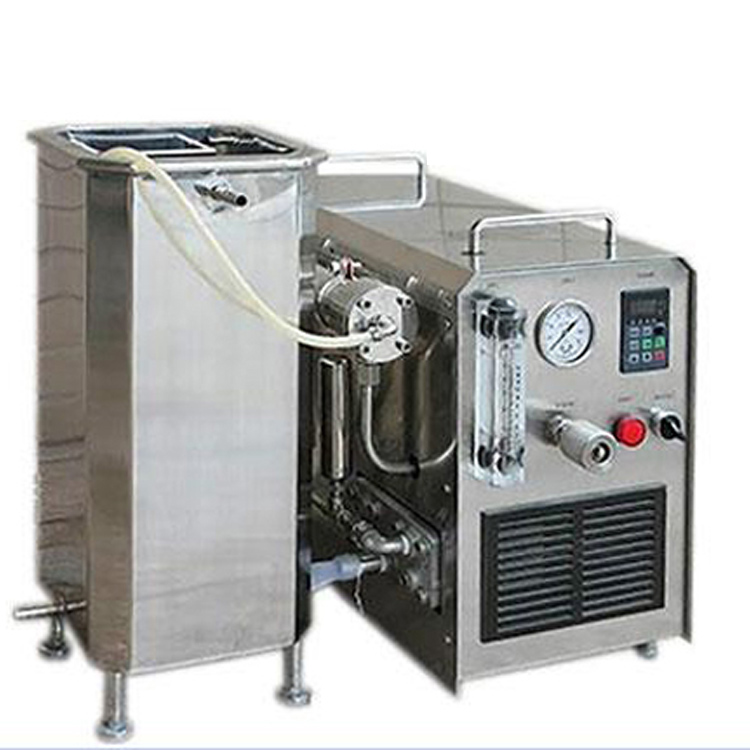
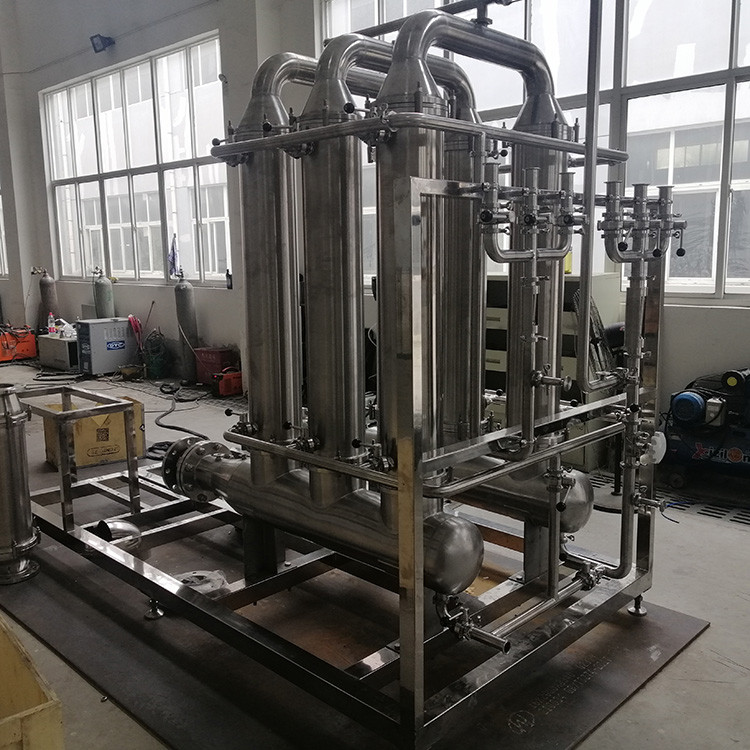
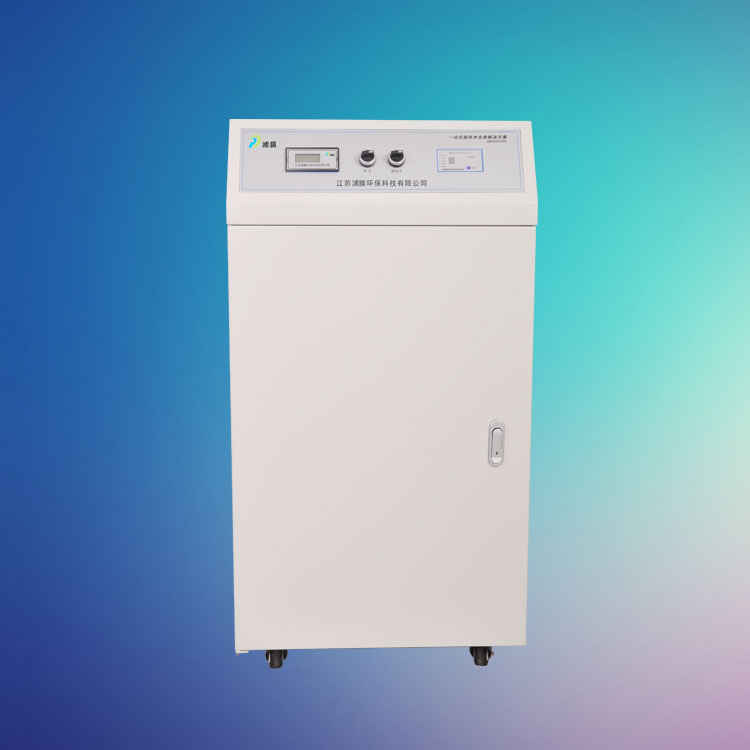
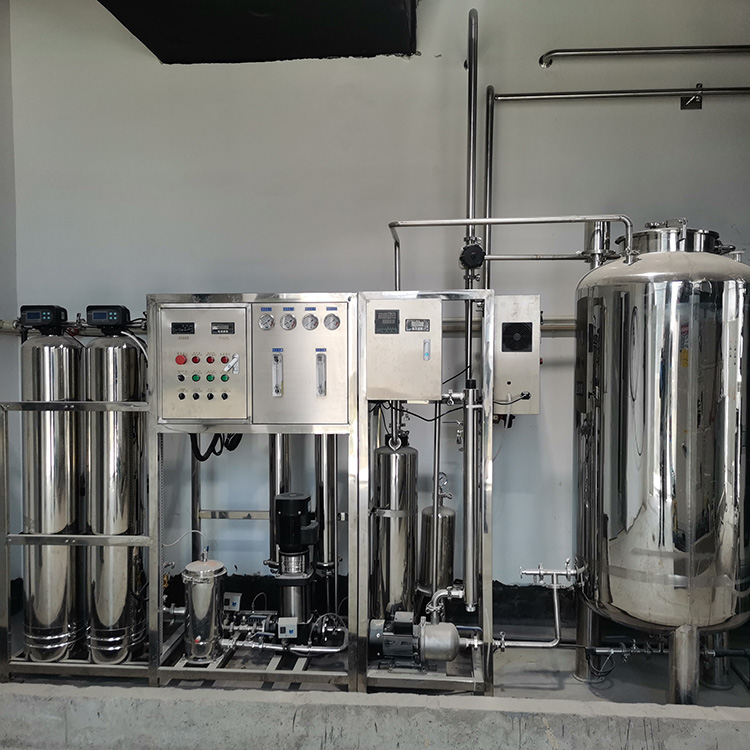
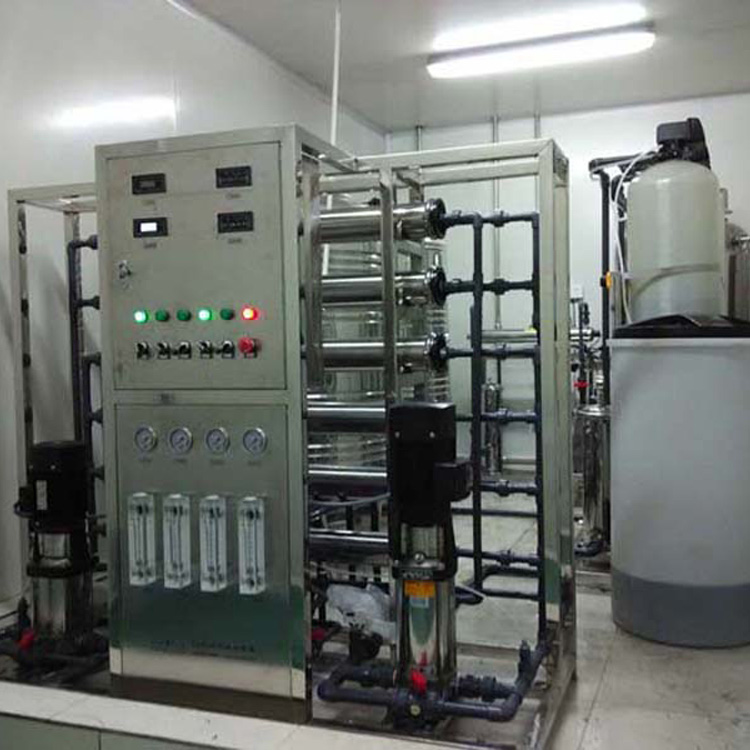
Ceramic membrane equipment is a separation unit with inorganic ceramic membrane elements as the core separation components. The ceramic membranes are made by sintering porous inorganic pressure-resistant materials (such as alumina, titanium oxide, zirconia, silicon carbide, titania, etc.) at high temperatures. With the membrane pore size distribution, driven by pressure, the raw material liquid flows cross-currently inside the membrane tubes. Small molecule substances pass through the membrane, while the liquid containing large molecule components is retained by the membrane, forming a concentrated liquid. This process achieves the purpose of separation, concentration, and purification of the fluid.Ceramic membrane equipment applications mainly depend on the viscosity of the material and the concentration of suspended solids, choosing different pore sizes accordingly.0.05um, 0.1um, 0.2um, 0.5um, 1.2um ceramic membranes for clarification and separation. Inorganic ceramic membranes feature high-temperature resistance, chemical corrosion resistance, high mechanical strength, strong antimicrobial ability, large permeability, strong cleanability, narrow pore size distribution, excellent separation performance, and long service life. They are widely used in fields such as plant extraction, biotechnology and pharmaceuticals, food and beverage, and chemical and petrochemical industries.
Key Features of Ceramic Membrane Equipment:
High mechanical strength, excellent wear resistance.
2. Withstanding high temperatures, suitable for high-temperature filtration processes.
3. Long service life, low overall equipment cost, high cost-performance ratio.
4. Wide pH tolerance range; excellent resistance to acids, alkalis, organic solvents, and strong oxidizers.
5. Easy to clean, suitable for high-temperature sterilization and reverse flushing, ideal for sterilization and filtration processes.
6. Long lifespan of 3-5 years, with low overall equipment cost and high cost-performance ratio.
7. High degree of automation allows for continuous feeding, continuous discharge of filter sludge, and filtrate.

Primary Application Fields:
Clarification and filtration of extracts from animals and plants (e.g., tea, rhubarb, animal organs, etc.)
2. Clarification and filtration of enzyme fermentation broth, sterilization filtration.
3. Sterilization and clarification filtration for wines, draft beers, yellow rice wines, millet wines, and the like.
4. Clarification and sterilization filtration for health wine, fruit wine, fruit vinegar, and condiments (soy sauce, vinegar, oil), etc.
6. Clarification and sterilization filtration for juices, milk, and beverages.
7. Catalysts, titanium dioxide, nanometer powder recycling and filtration, washing and concentration.
8. Oil-containing emulsified wastewater and other wastewater pretreatment.