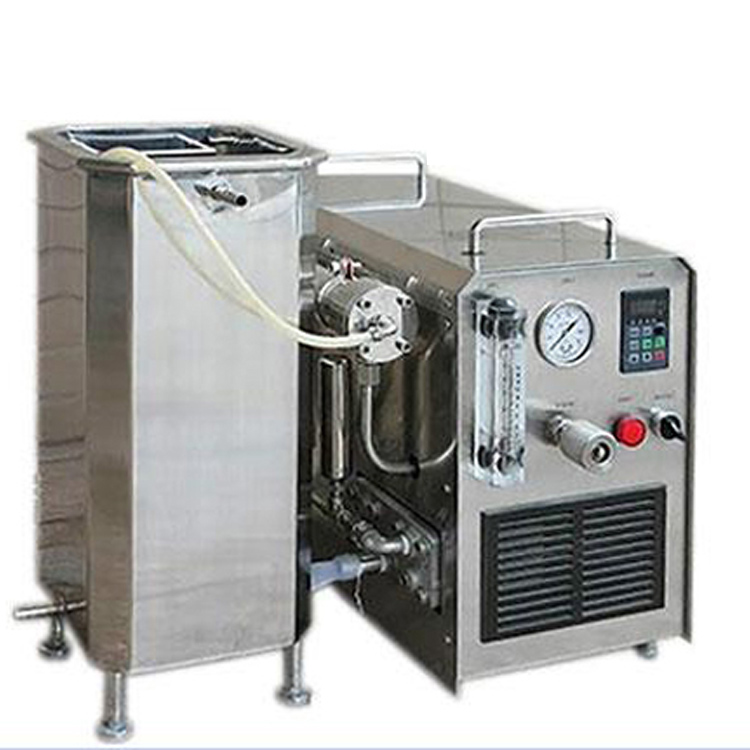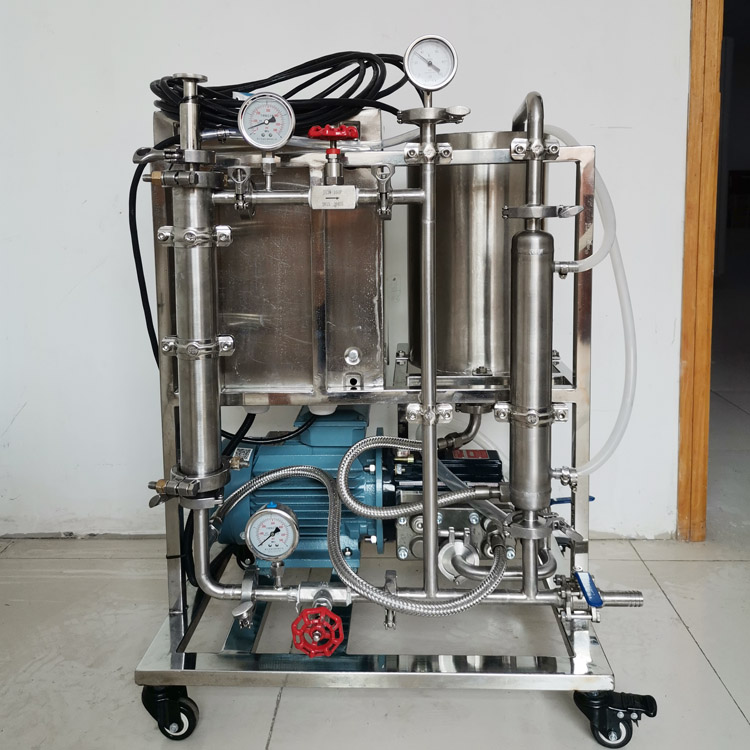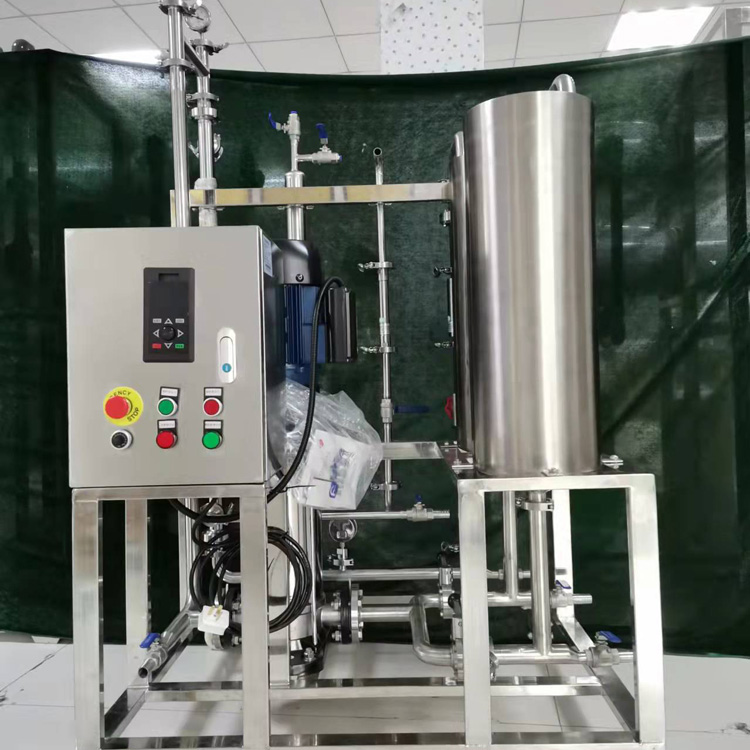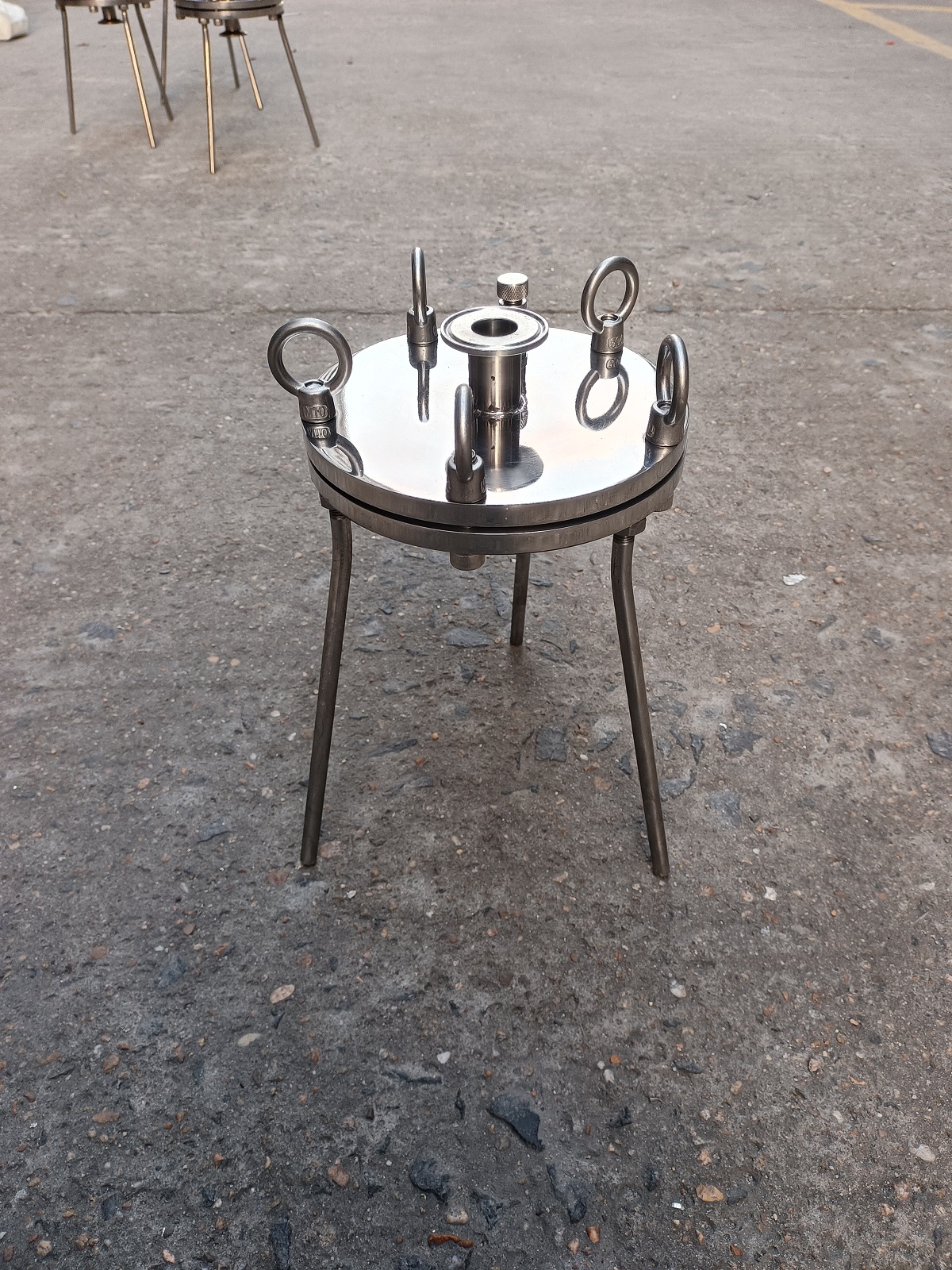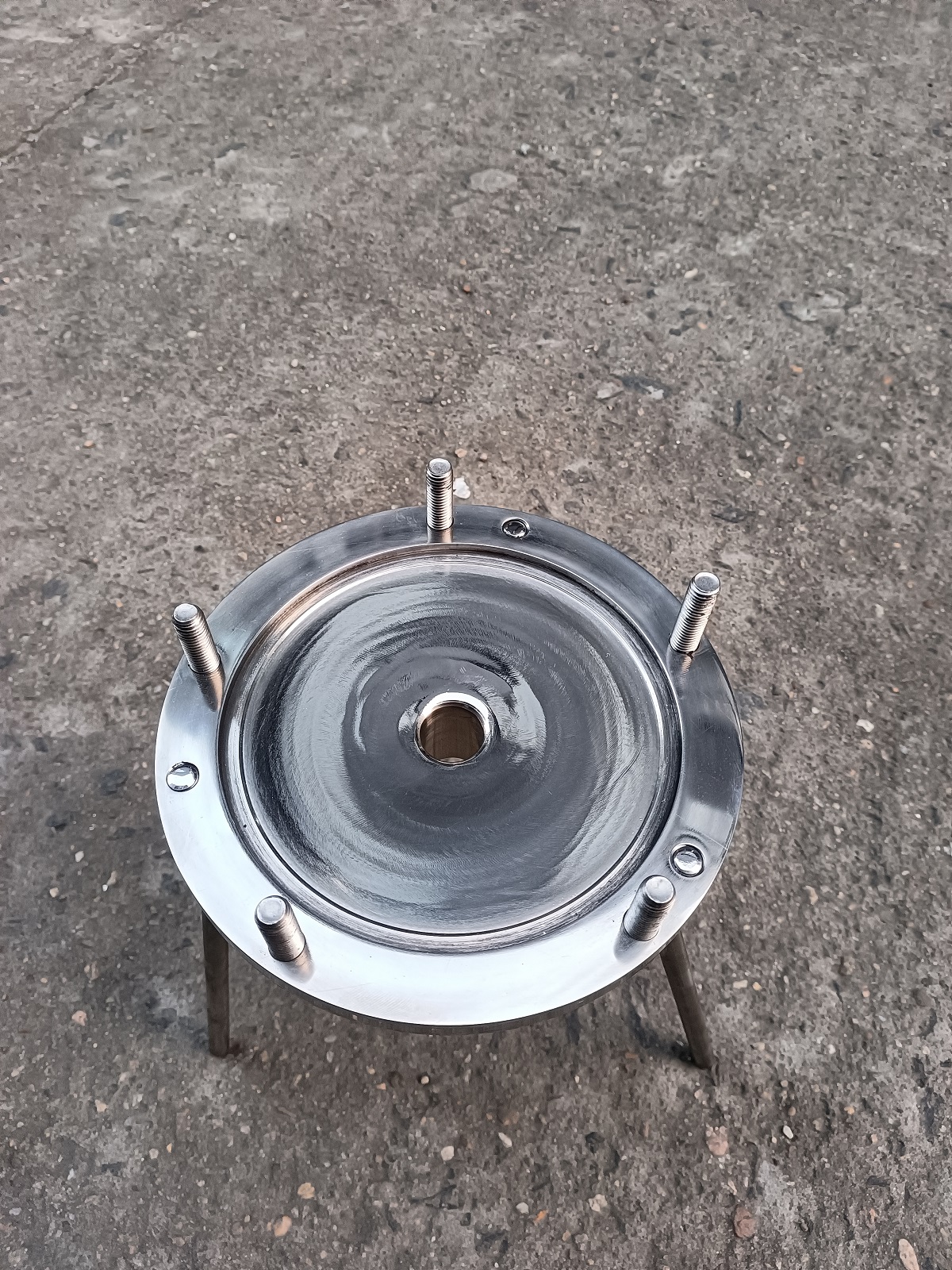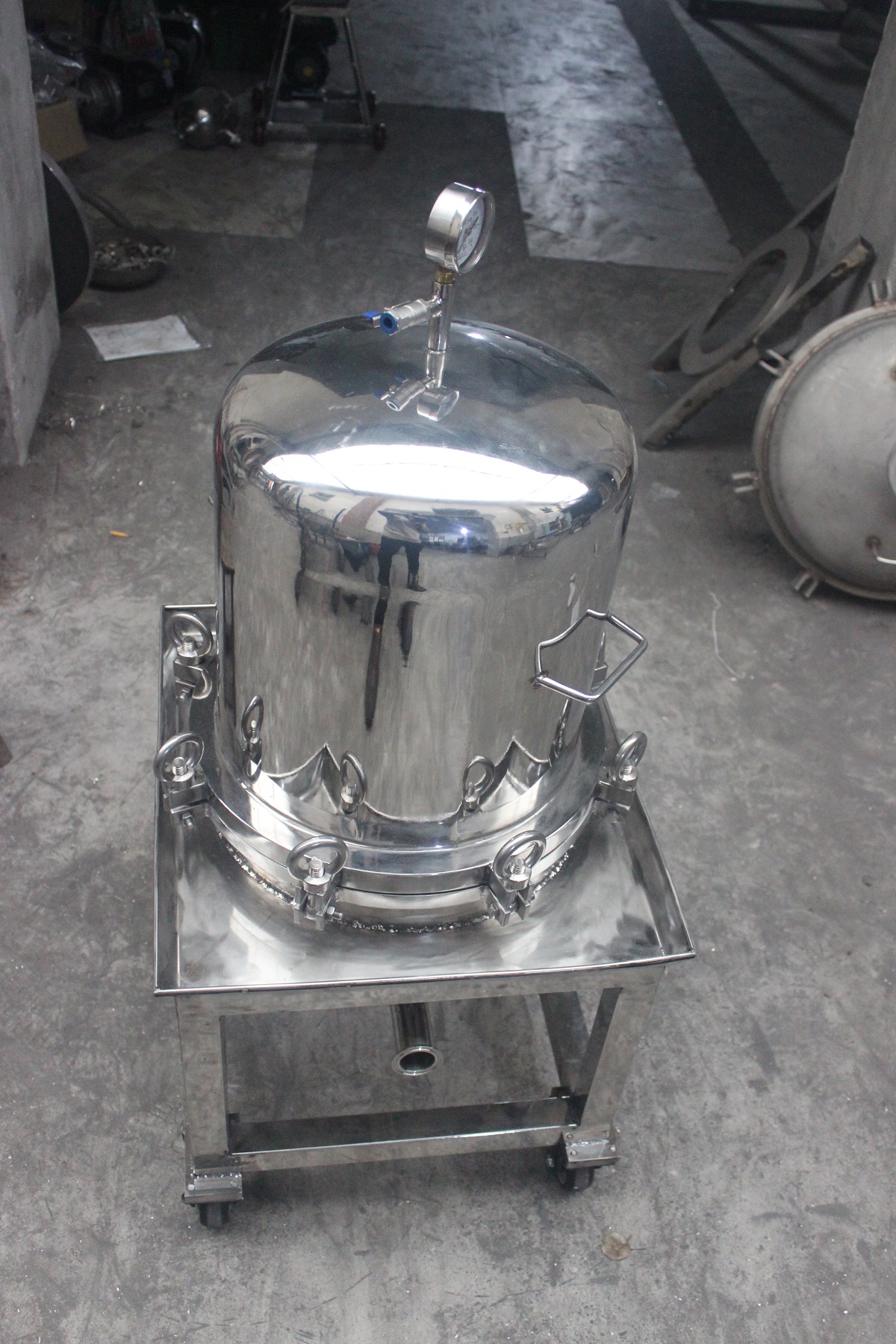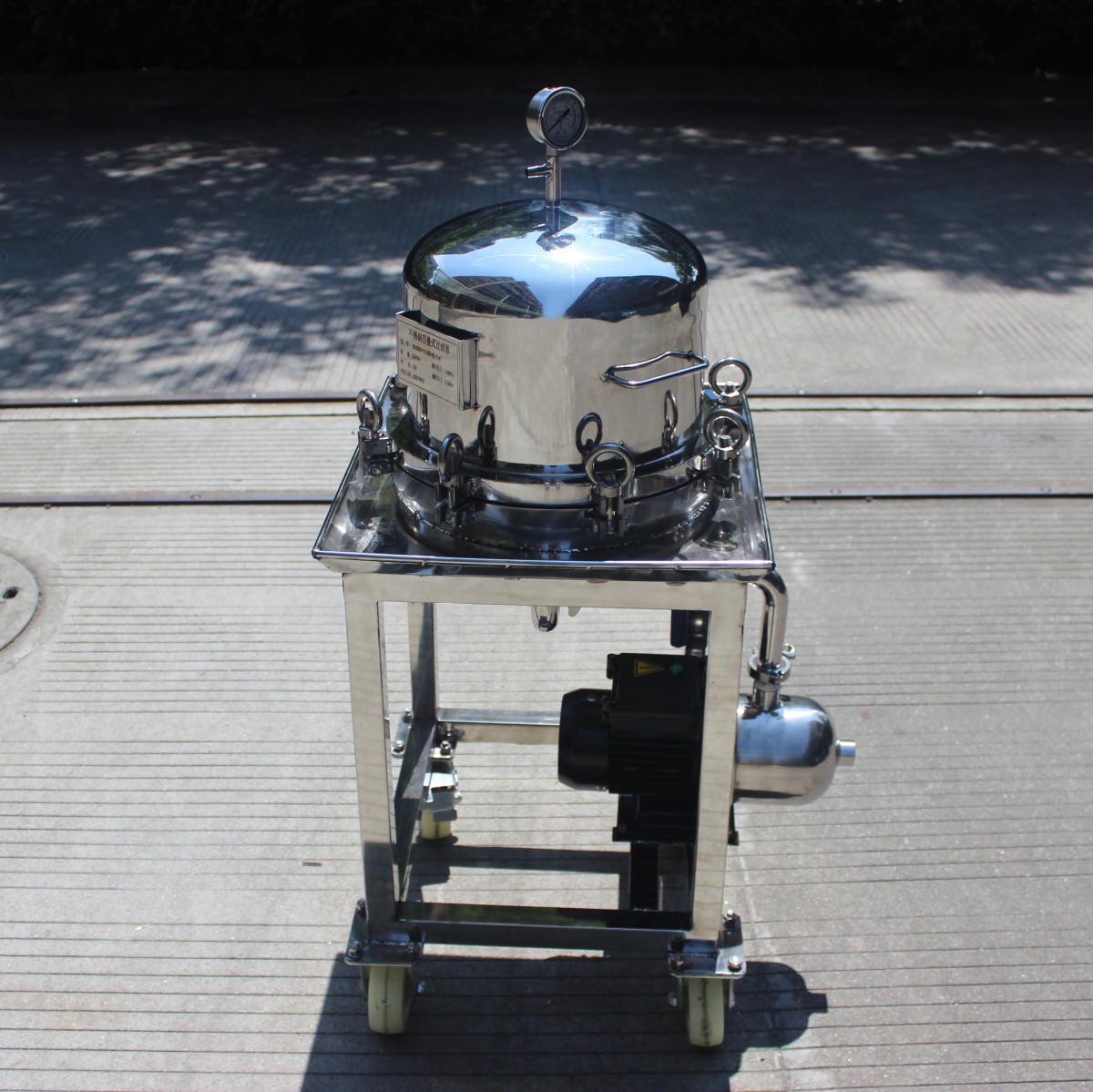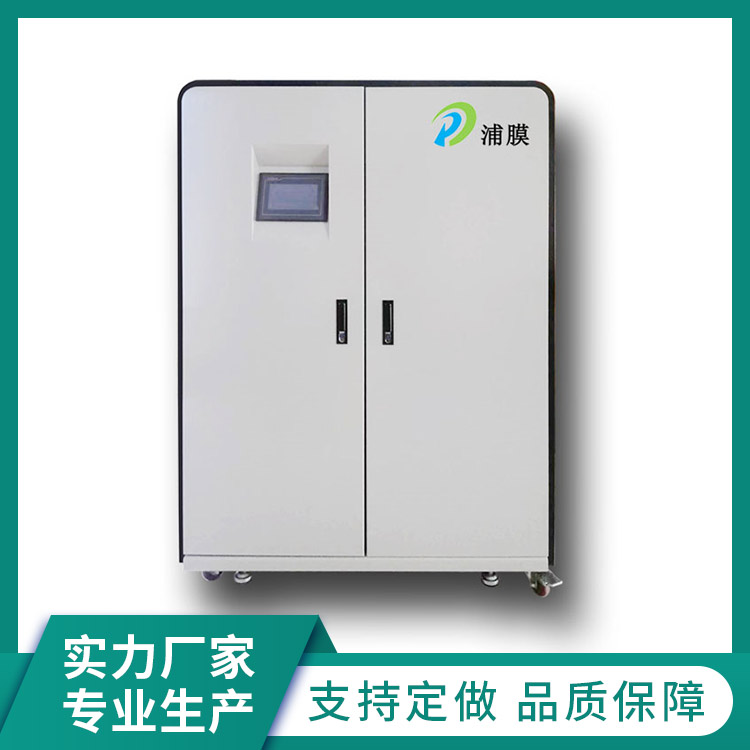

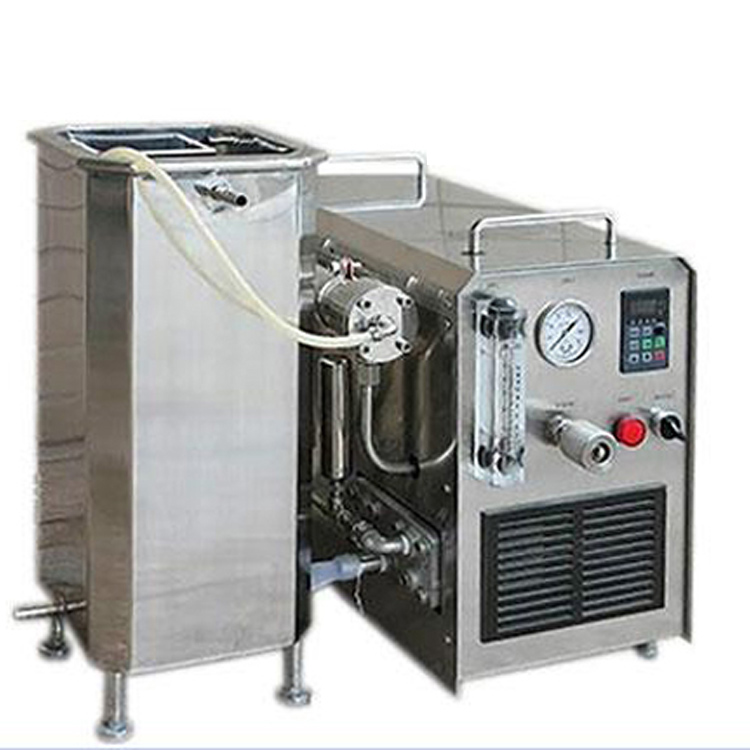

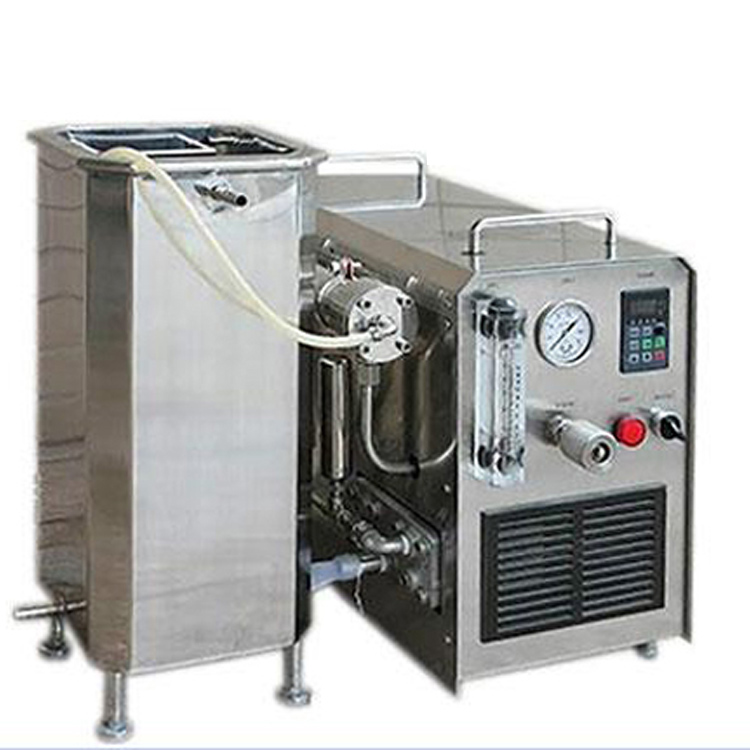

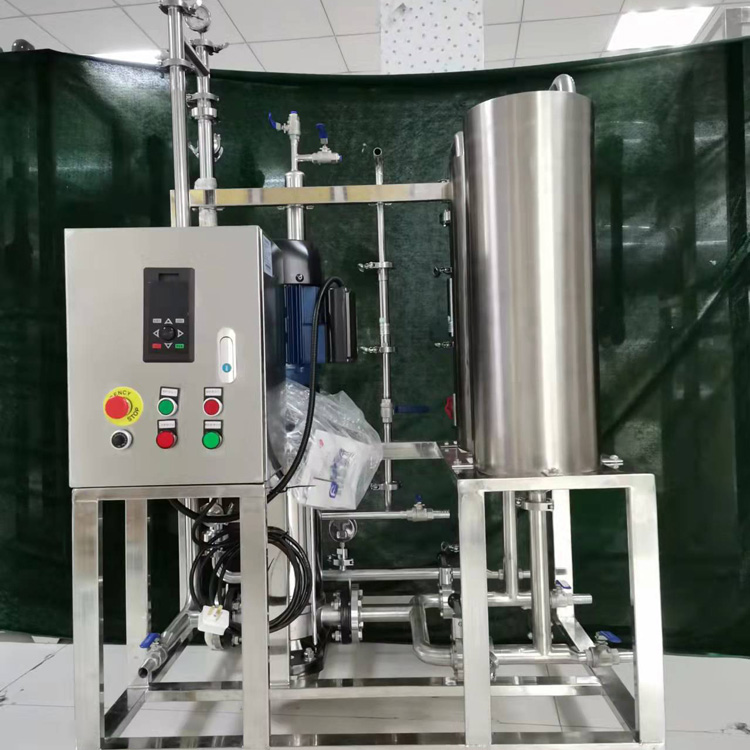


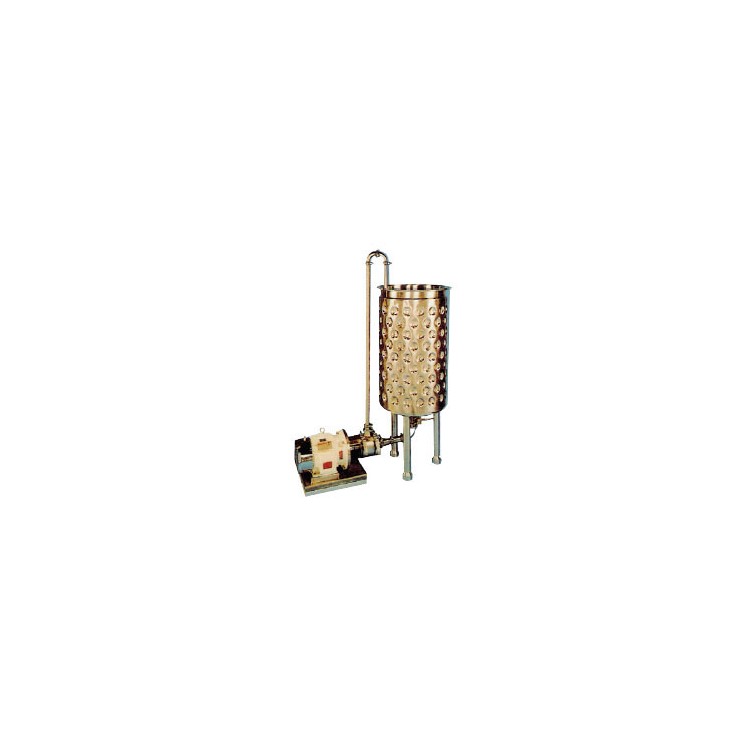

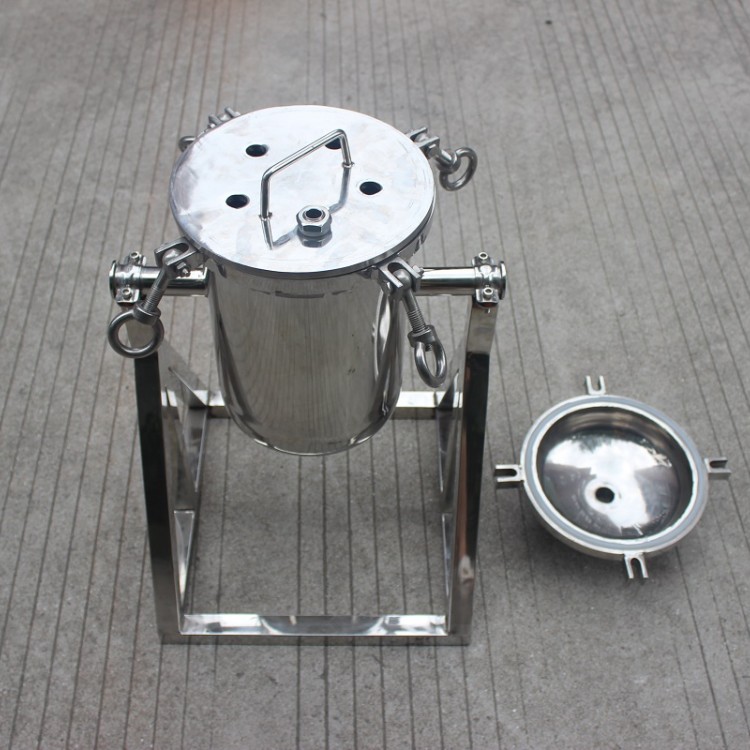





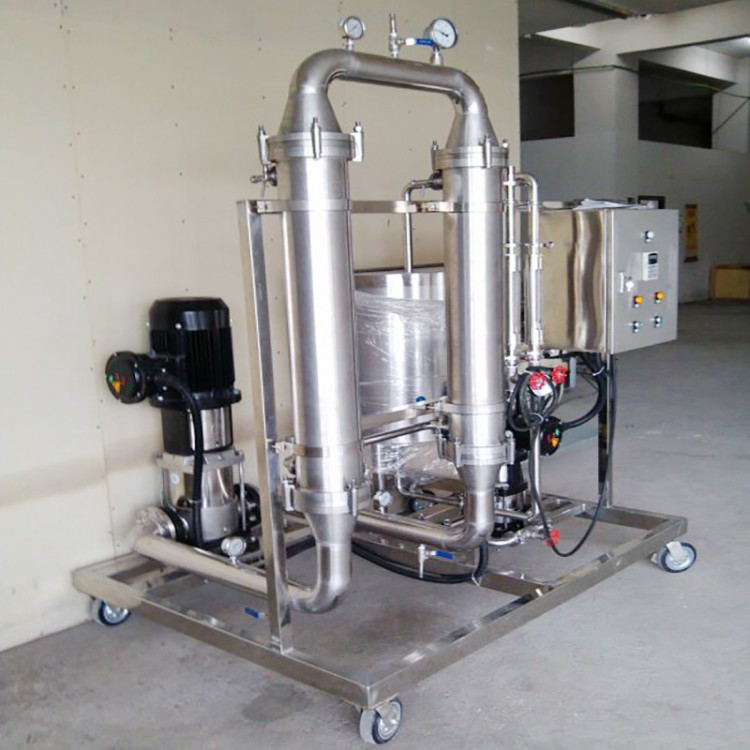
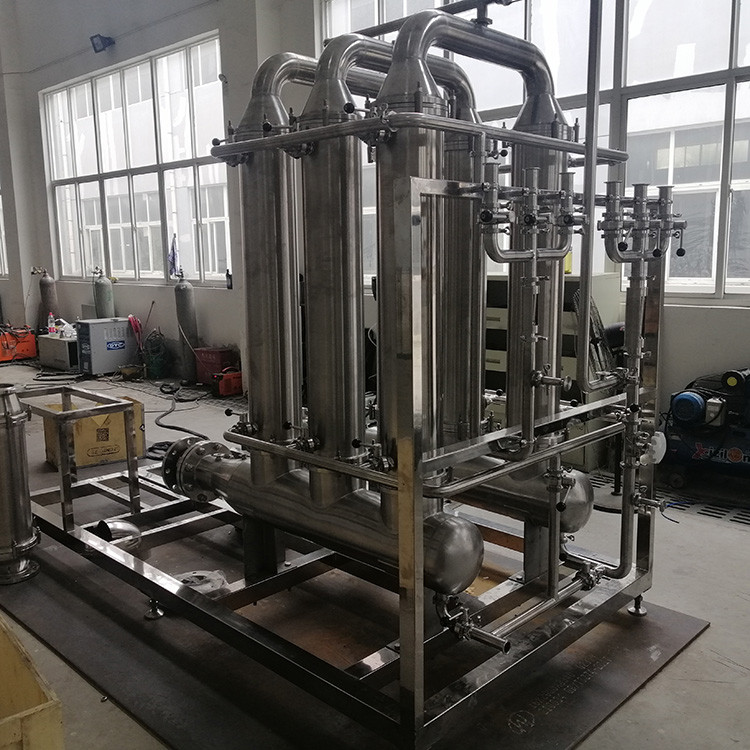
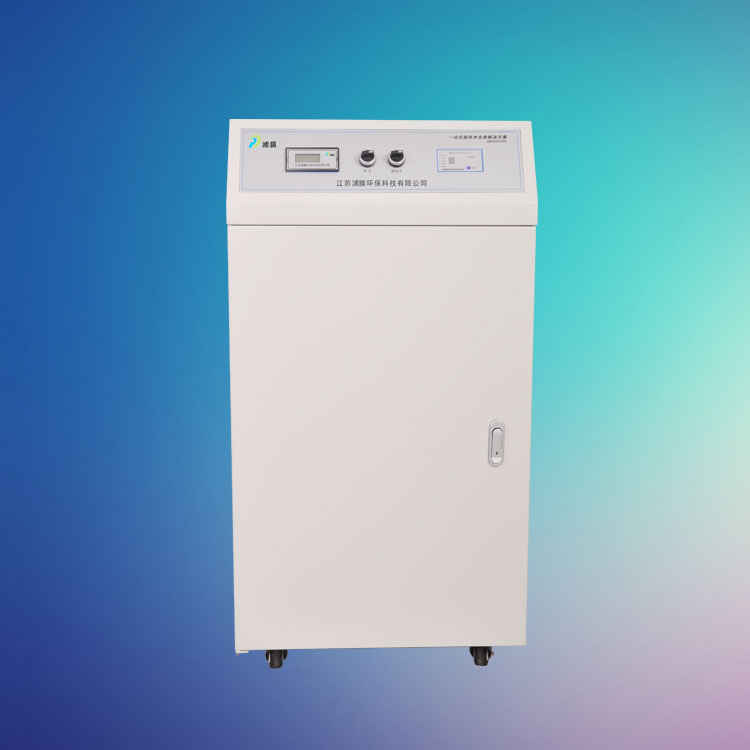
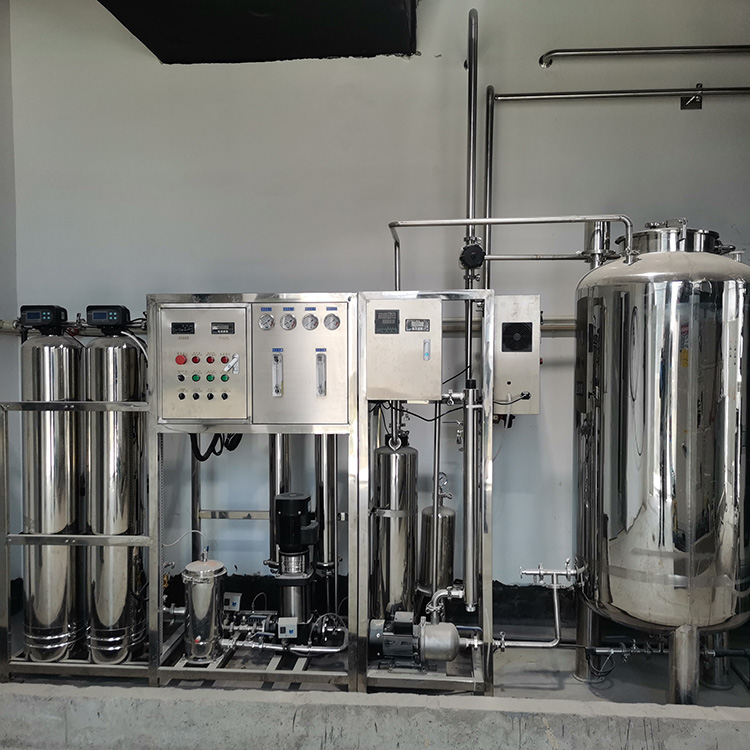
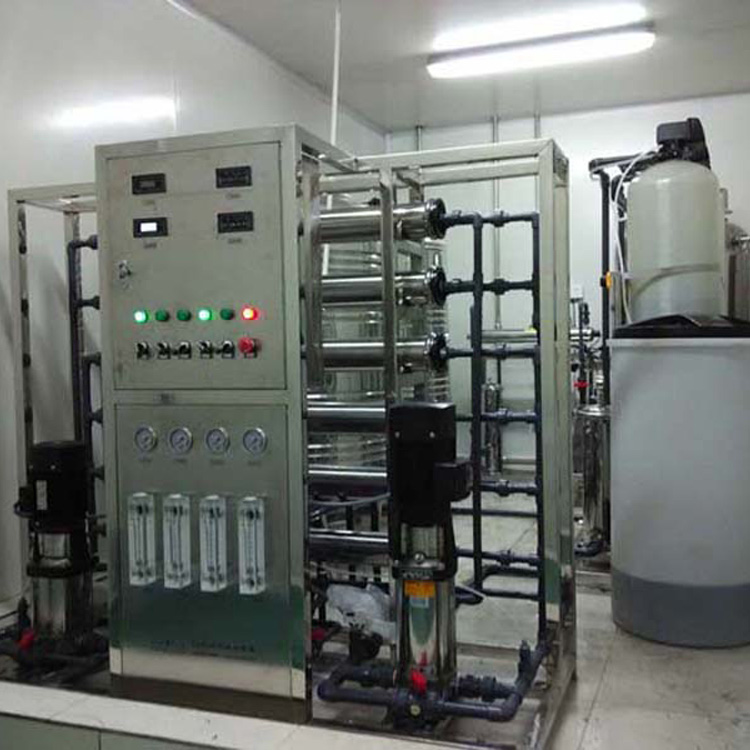
Ceramic membrane equipment achieves efficient separation through core materials such as alumina and zirconia, combined with crossflow filtration and surface modification technology to enhance performance. The intelligent cleaning system extends the lifespan to7Year, the cutting-edge direction focuses on intelligent perception and release design, with energy consumption as low as 1.5kw/m³. The ceramic membrane core is a porous asymmetric membrane, mainly composed of materials such as alumina, iron oxide, and zirconia, prepared through special processes. Its filtration pore size range is extensive, varying from 0.01 to 10 micrometers, covering microfiltration, ultrafiltration, and nanofiltration among various types.
Types and characteristics
Microfiltration ceramic membrane core:Aperture size0.1Micron to10Between micrometers, mainly used for intercepting larger particles such as bacteria, microparticles, and suspended matter. Widely applied in the food and beverage industry, such as removing yeast and impurities in wine production to enhance quality and taste; in the pharmaceutical field, used for sterilization filtration of injections.。
HoleUltrafiltration Ceramic Membrane CorePillow diameter1Nano to0.1At the micron level, it can trap larger molecular weight substances such as proteins, colloids, and viruses. Used in biopharmaceuticals for protein separation and concentration, such as in the production process of insulin.。
Nanofiltration ceramic membrane core:Aperture size0.5Nano to2Approximately 100 nanometers, selectively retaining ions of different valences, commonly used in drinking water treatment to remove hardness ions and organic matter, enhancing water quality.。
Reverse Osmosis Ceramic Membrane CoreExtremely small aperture, less than1Nanotechnology, with an extremely high desalination rate, used for seawater desalination and high-salinity wastewater treatment, removing all ions and microorganisms.。
Catalytic Ceramic Membrane CoreCatalytic active components are loaded onto ceramic membranes, providing both separation and catalytic functions. Used in petrochemical applications for organic synthesis reactions, enhancing reaction selectivity and efficiency.。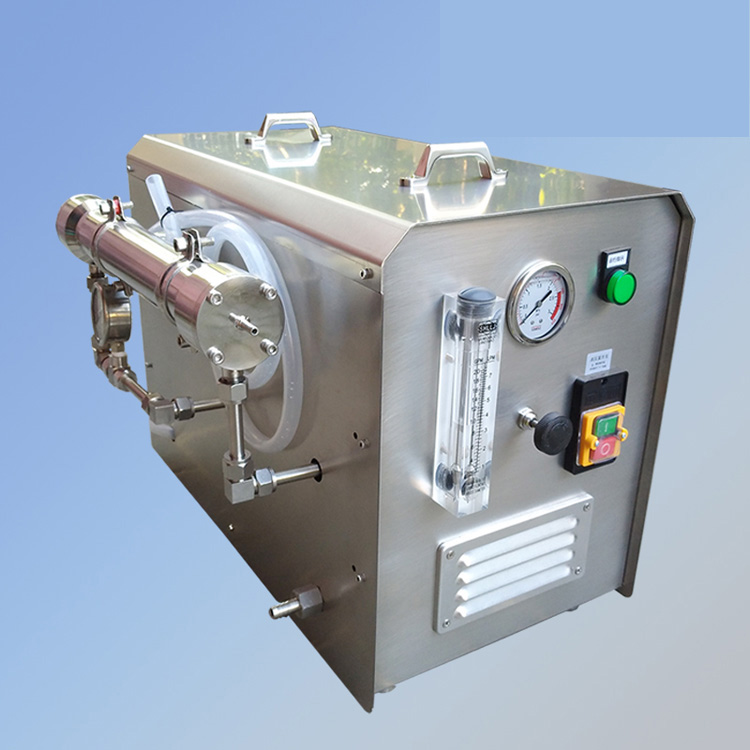
Application Fields
Food and Beverage Industry:Clarification and filtration for wines, beers, huangjiu, etc., to remove impurities and bacteria。
Pharmaceutical Industry:Sterilization filtration for injections, protein separation and concentration。
Biological Fermentation:Filter and separate in fermentation systems containing antibiotics, organic acids, etc.。
Electronics Industry:Used for the preparation of ultra-pure water, meeting high purity water quality requirements.。