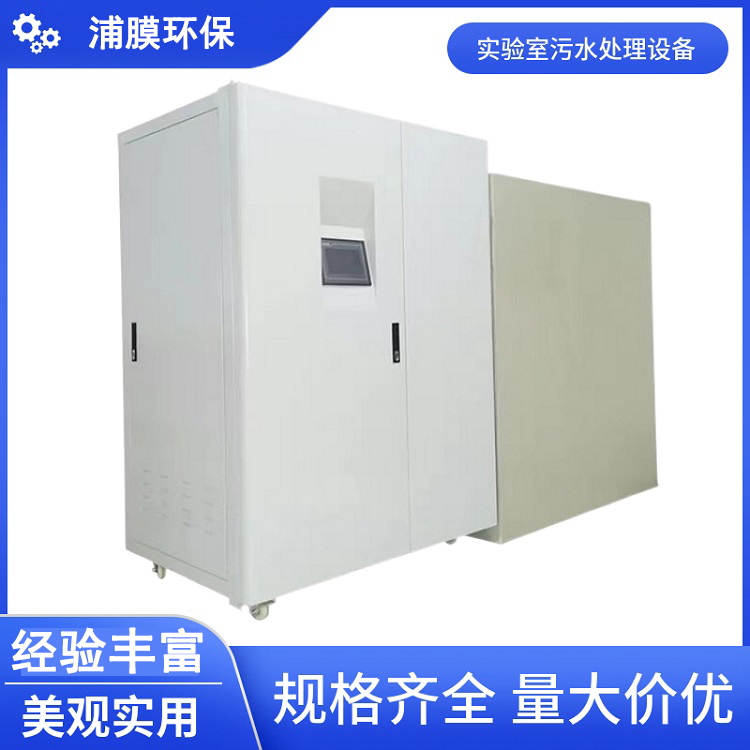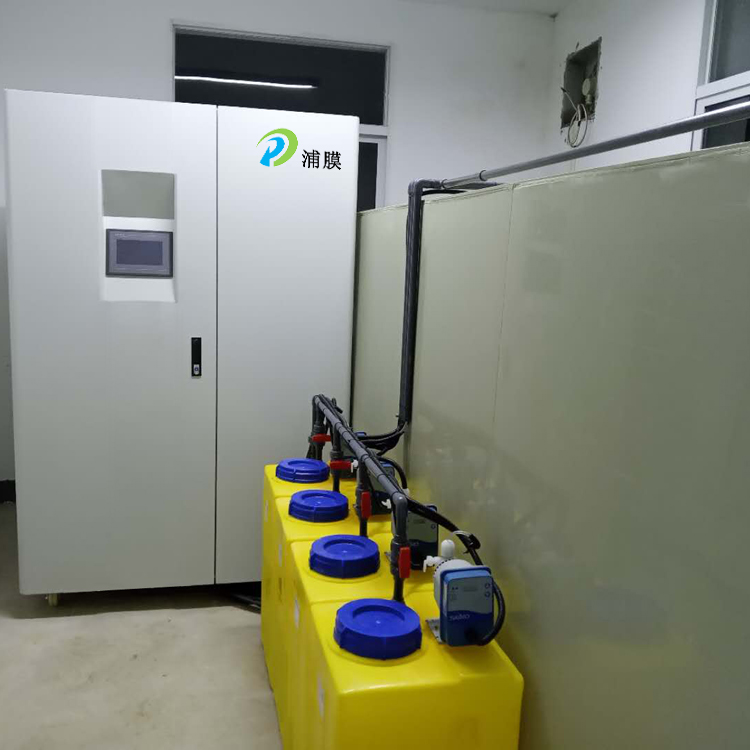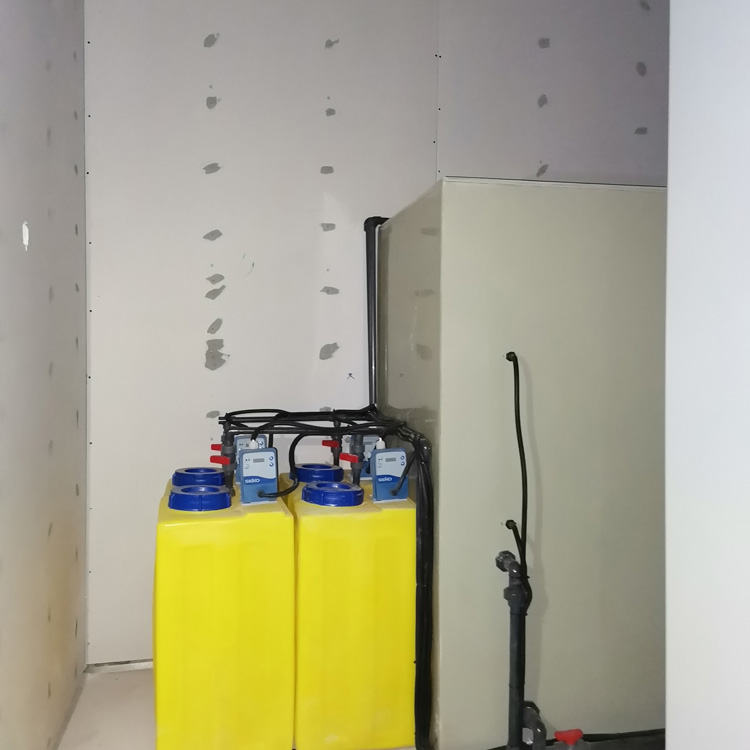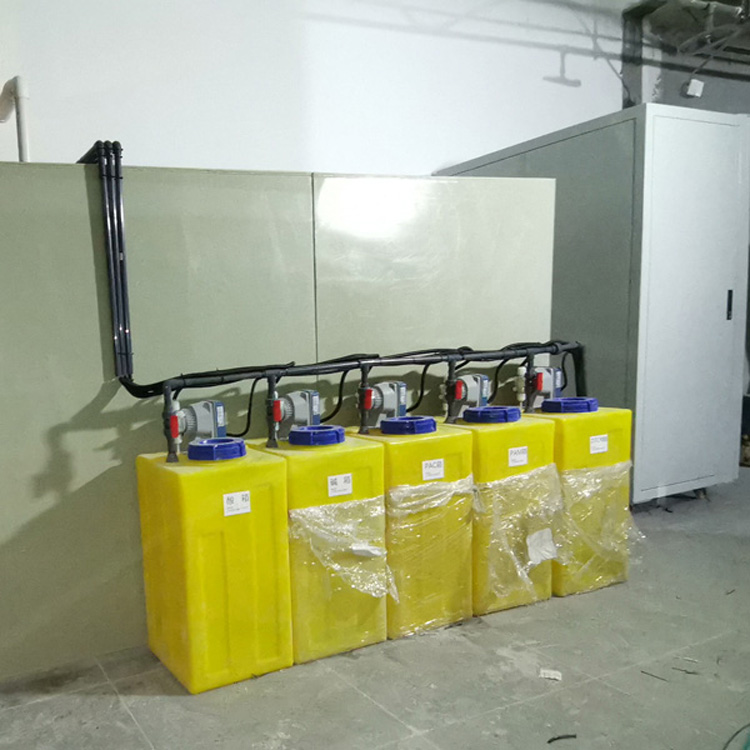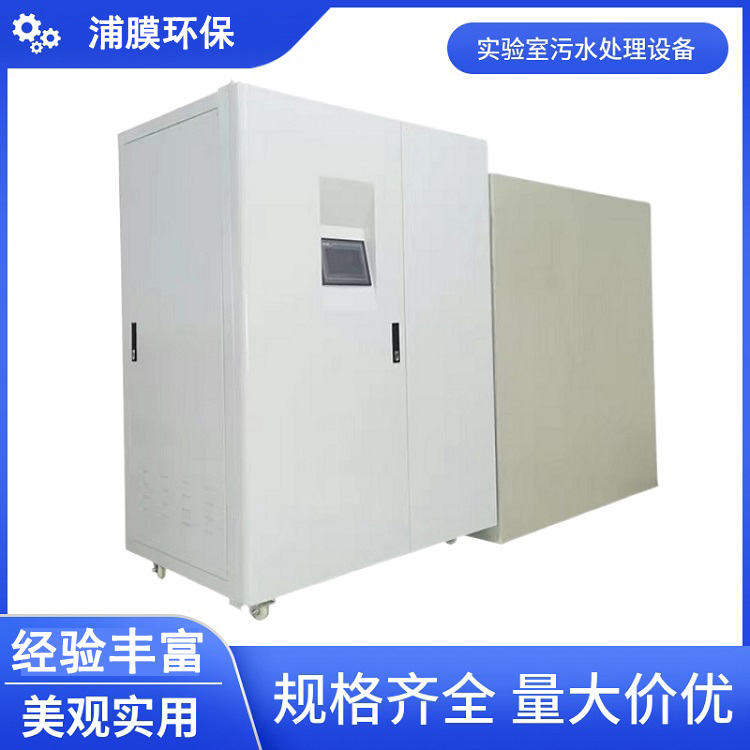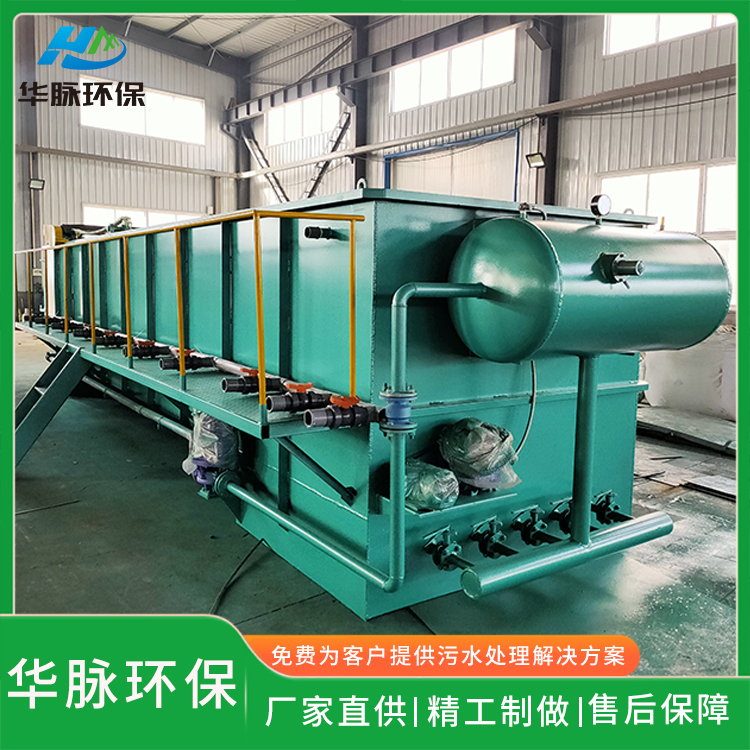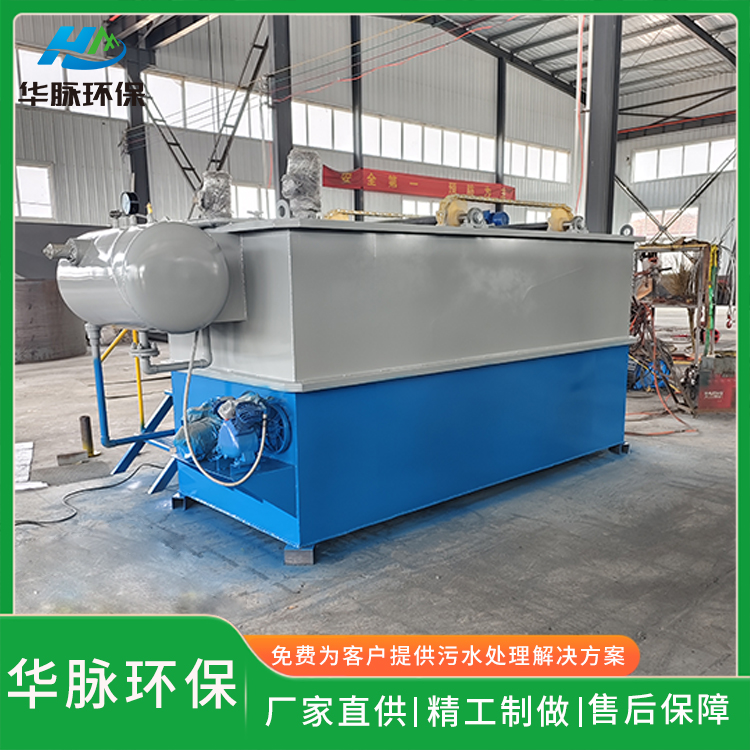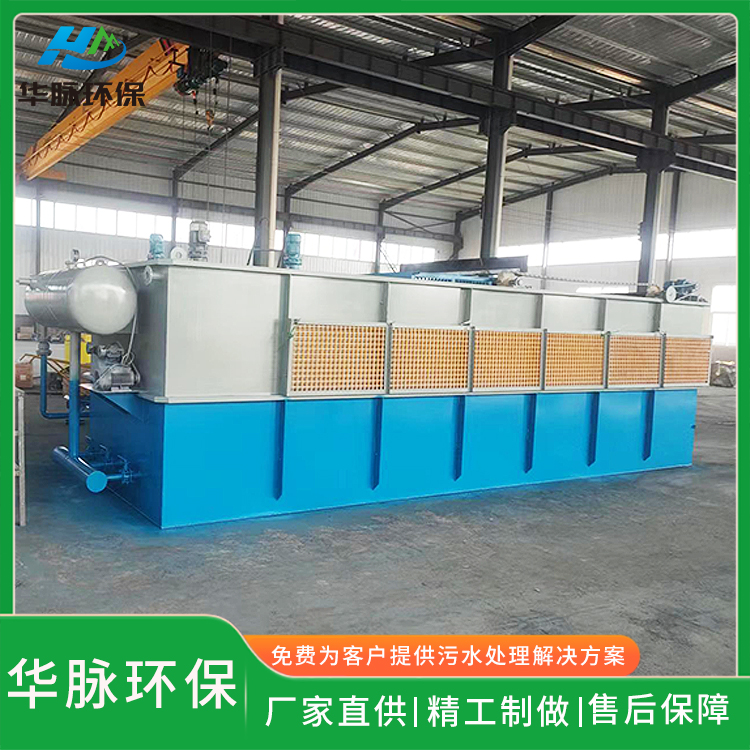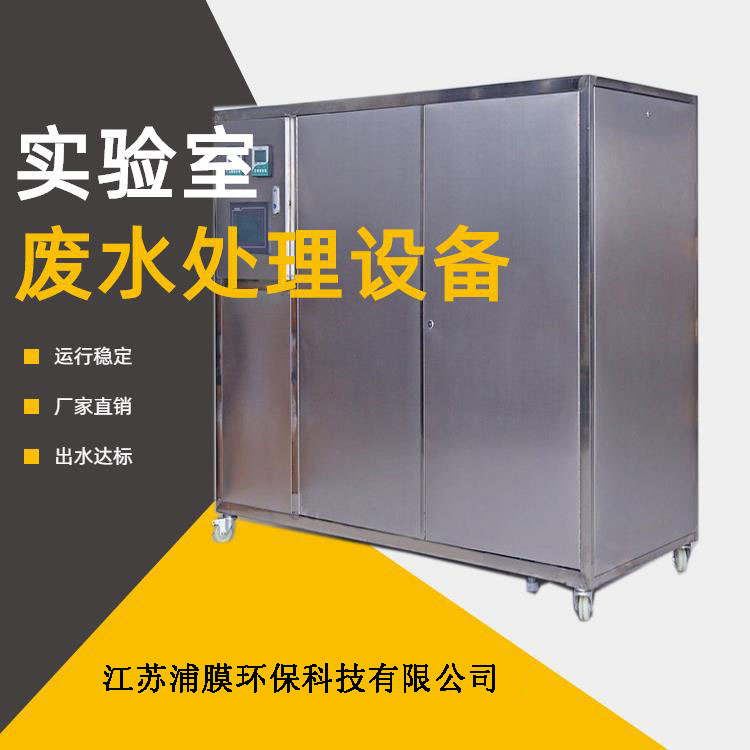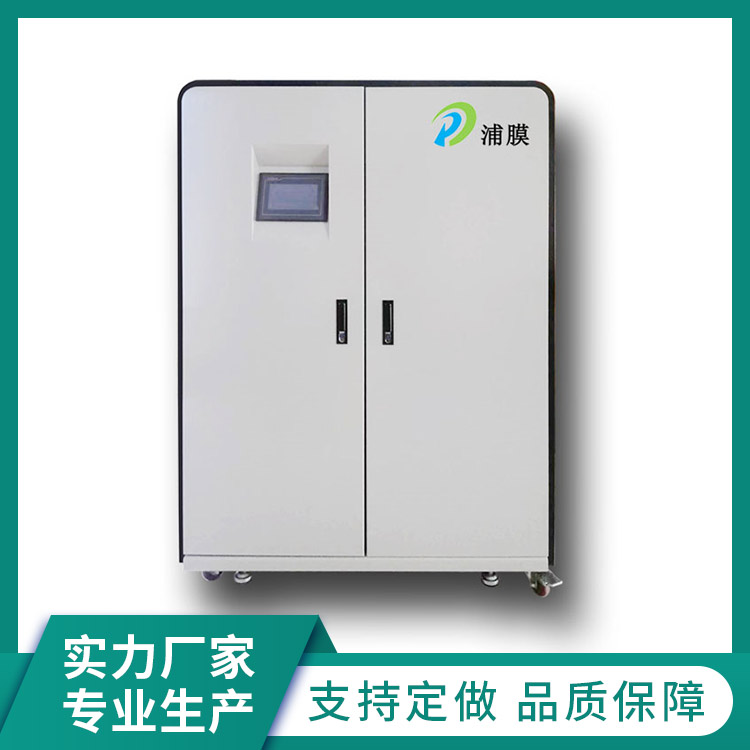

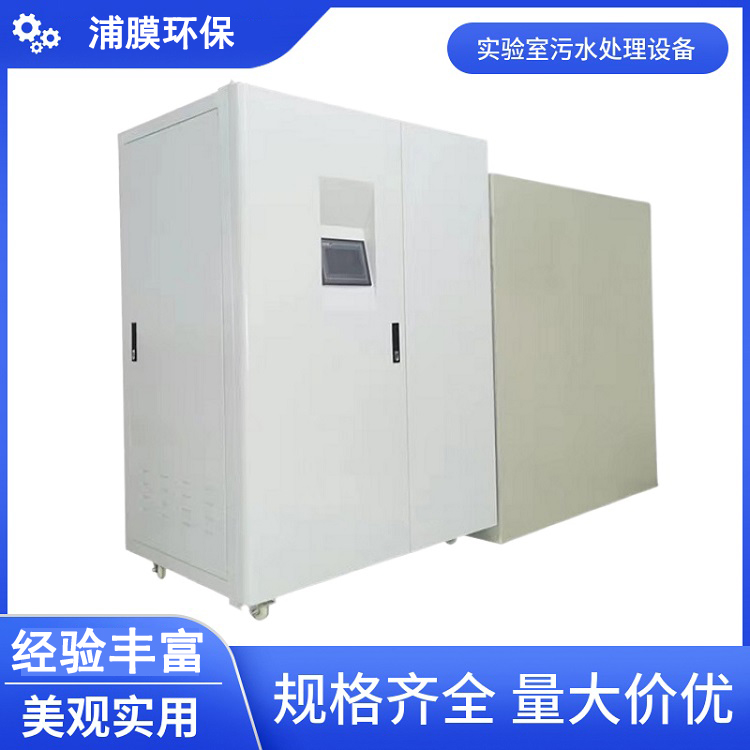


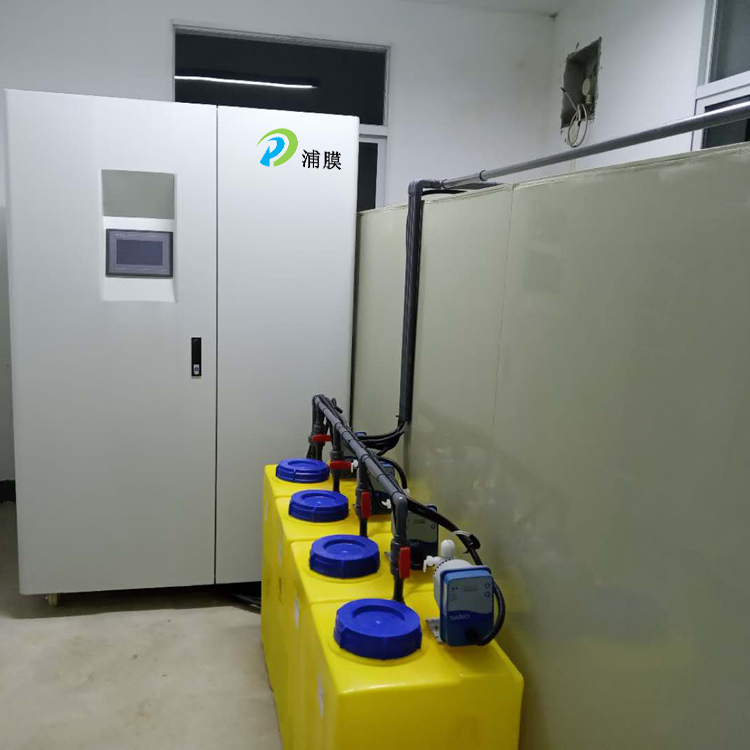
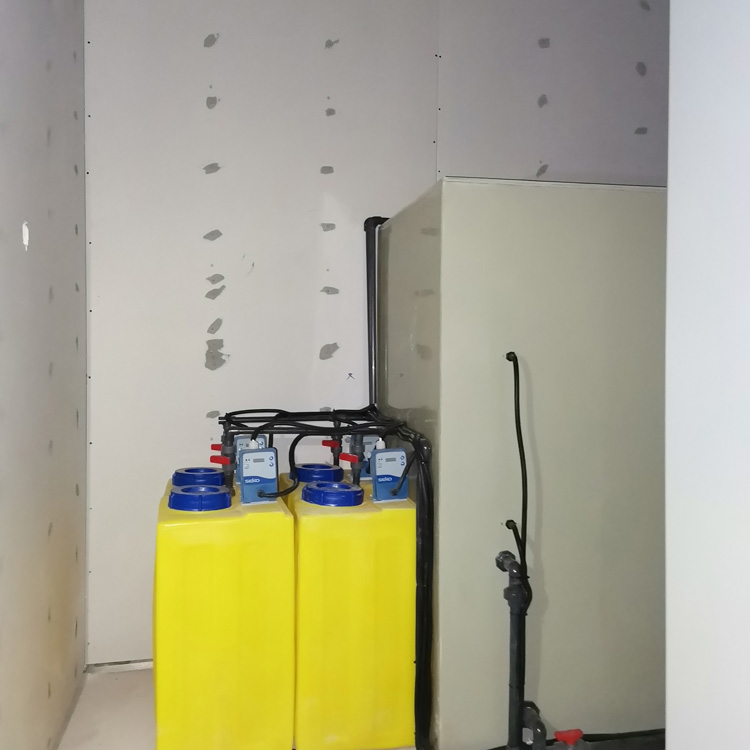


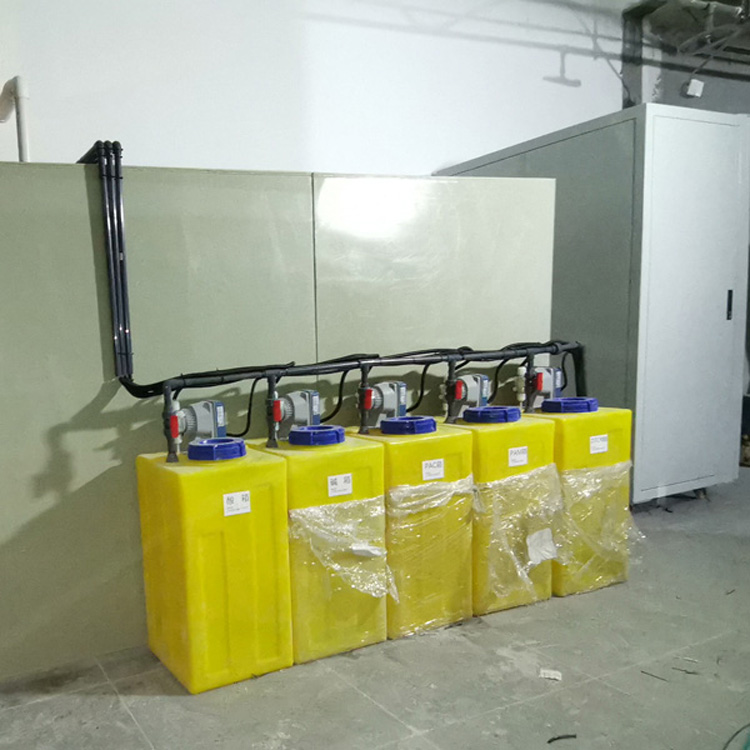
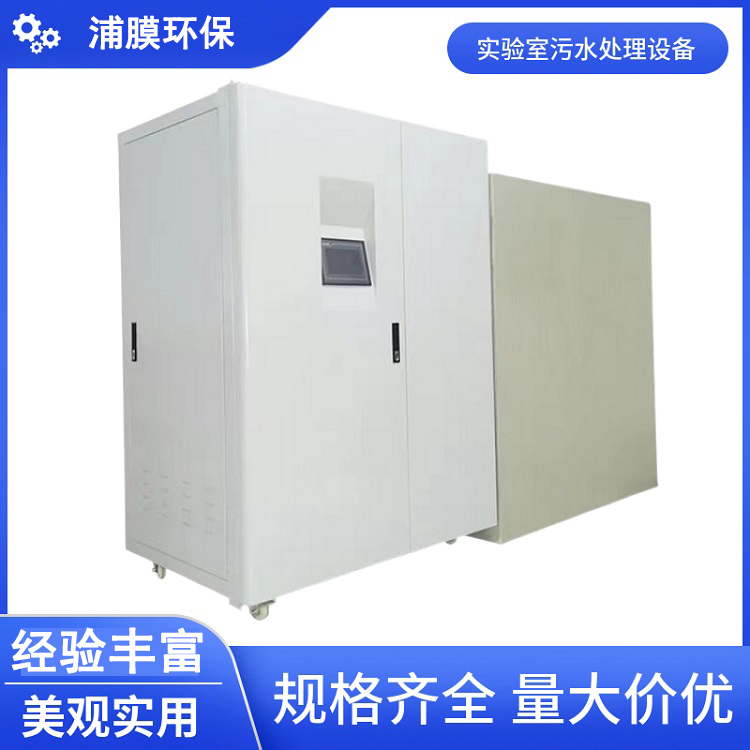
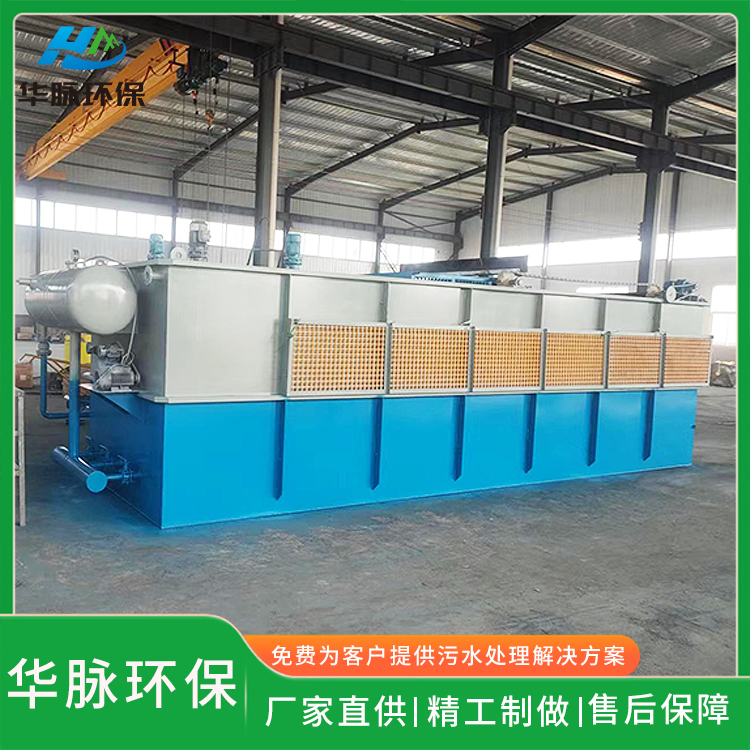





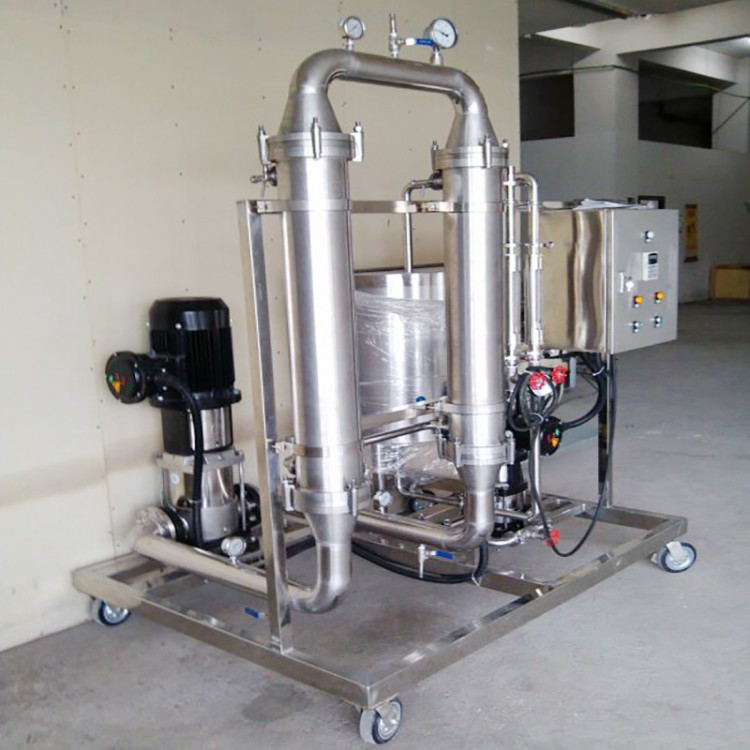
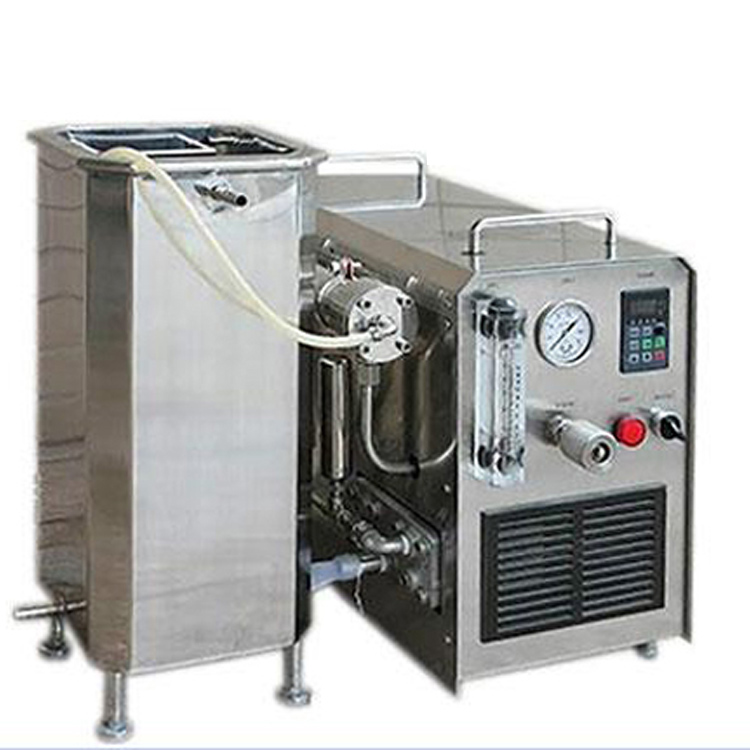
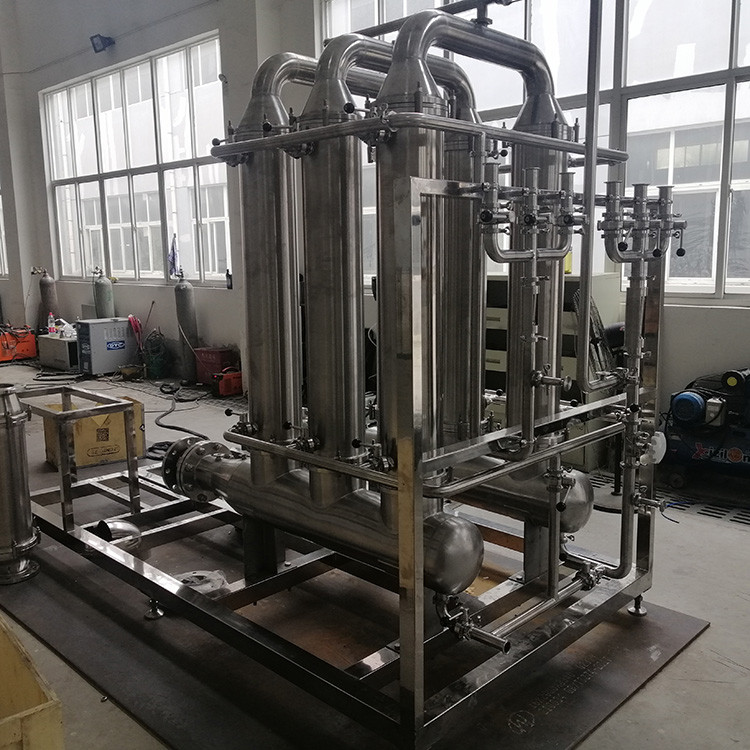
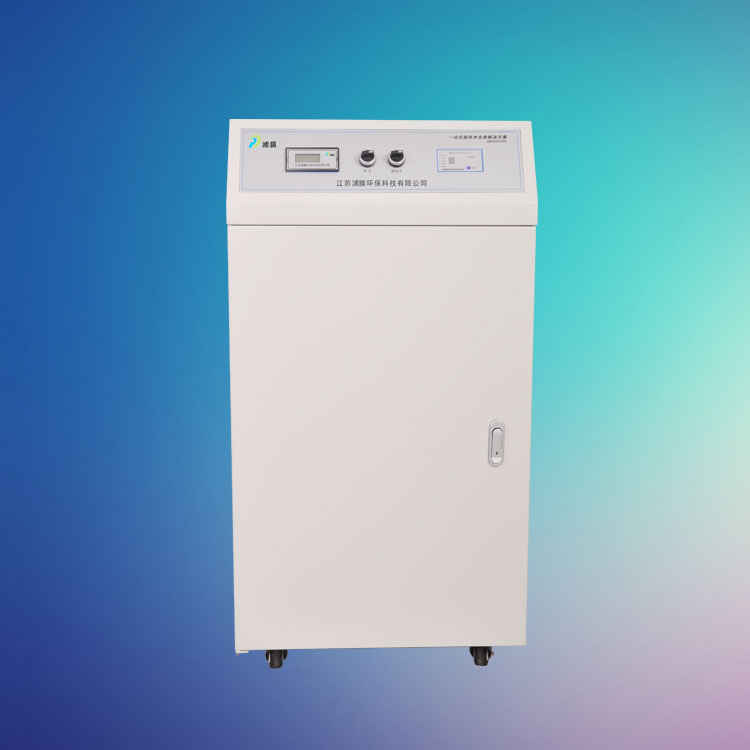
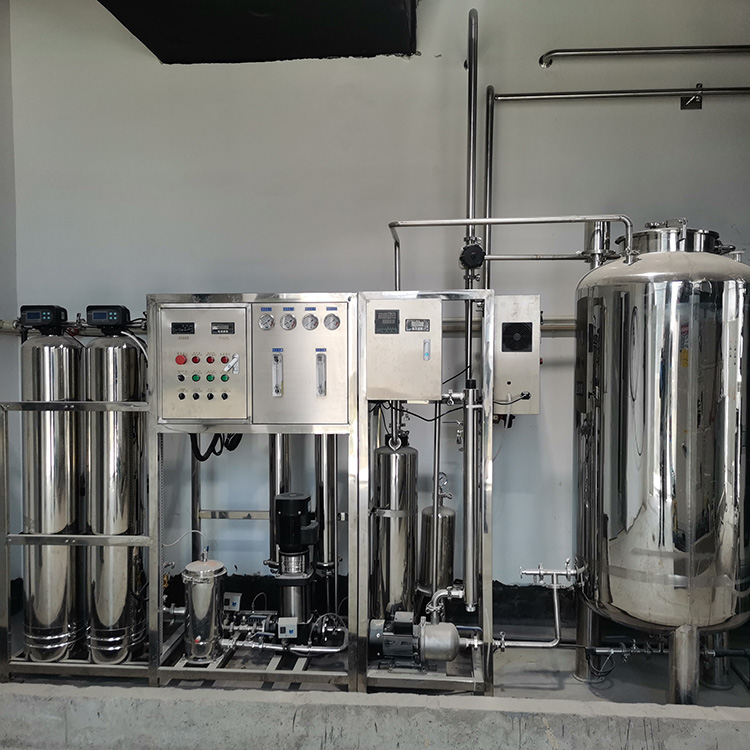
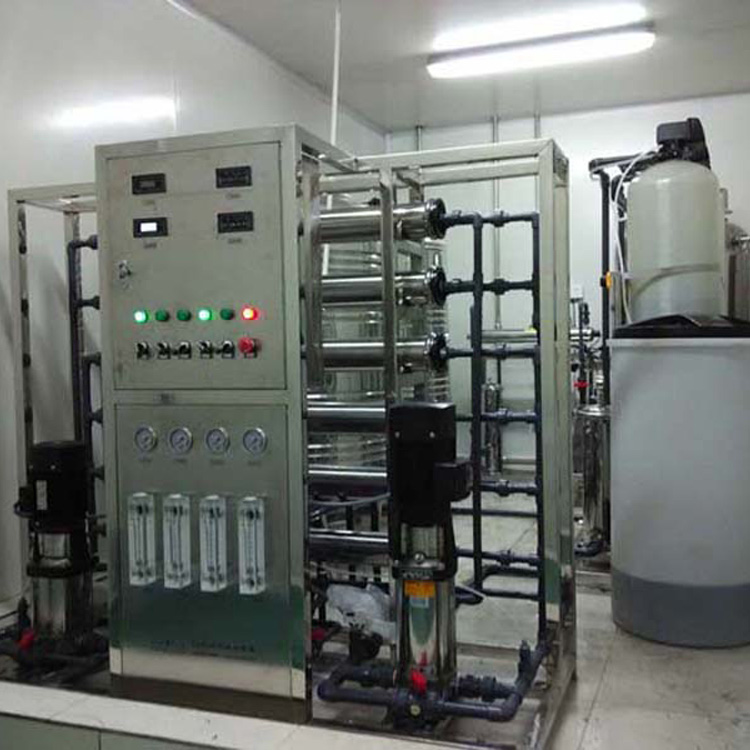
RootSurveys indicate that most laboratories simply treat and discharge their wastewater without any additional processing. It is understood that laboratory wastewater has complex water quality, irregular discharge cycles, and irregular drainage. The pollutants in the wastewater are also complex, containing not only organic substances like detergents but also acids, bases, and toxic or harmful materials. If such wastewater containing heavy metals and other complex substances is discharged untreated, it can pose hazards to human health and the surrounding environment.Laboratory Wastewater TreatmentThe equipment consists of waste water classification collection units, acid-base neutralization units, advanced treatment units, BOD, SS, colorant, and heavy metal ion precipitation and separation units, utilizing a variety of treatment technologies and control systems. It is composed of physical, biological, and comprehensive purification units tailored to different waste water compositions. It effectively removes COD from the waste water and handles water treatment. This product boasts advanced technology, high level of automation, no need for dedicated personnel, excellent processing results, compact installation space, and convenient operation and maintenance.
Process Flow: Experimental Waste Water Collection Pipeline—— Raw Water Collection —— Electrolysis Treatment —— Adjustment TreatmentPHAdjustment, Ozone,CODDecomposition and flocculation precipitation —— MBRFilm depth treatmentUltraviolet Treatment - Microfiltration - Emission
Laboratory wastewater contains acids, bases, organic pollutants, heavy metal ions, and pathogenic microorganisms.pHThe value fluctuates significantly.CODHigher concentration, mainly divided into three categories:
1Organic wastewater: Primarily sourced from laboratory reagents and solvents.
2Inorganic wastewater: Main sources include acid and alkali reagents, as well as heavy metal reagents.
3Pathogenic biological wastewater: Main sources include microorganisms, blood biochemical tests, blood stations, disease control centers, etc.
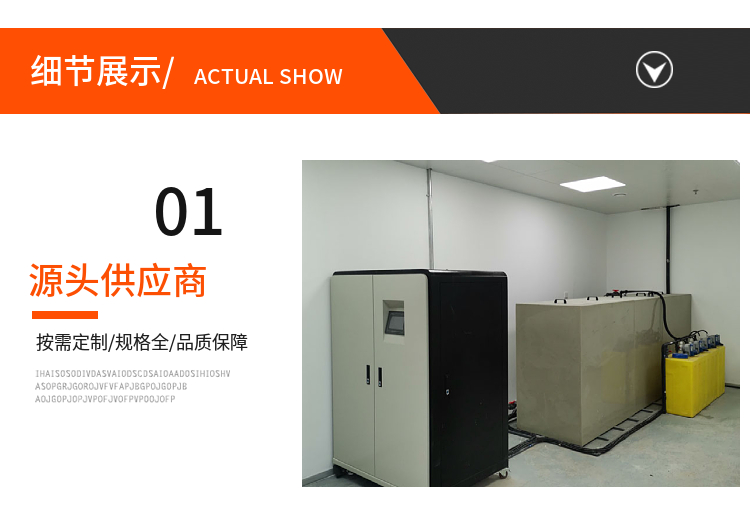
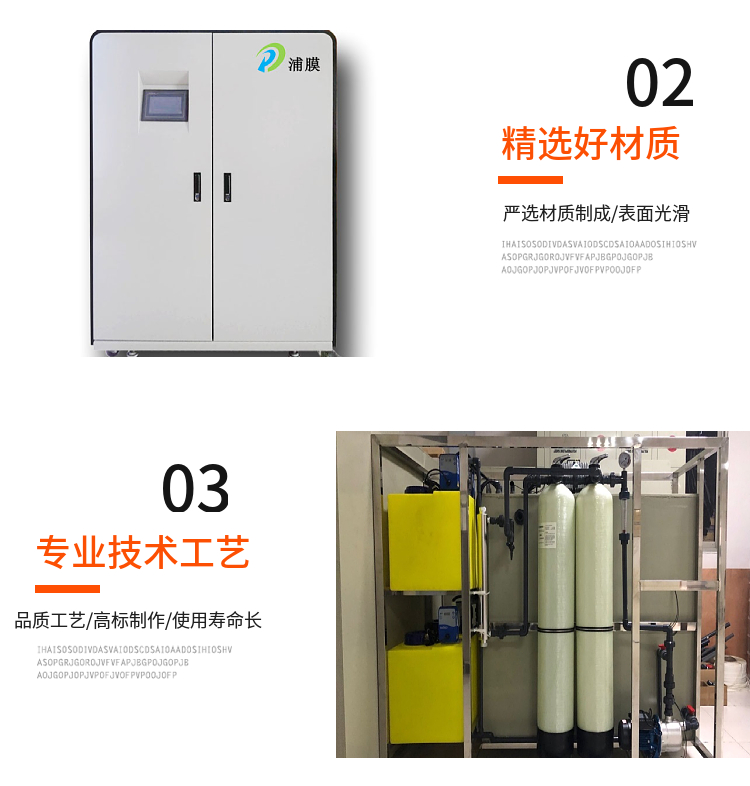
Features and Advantages:
1. Miniaturization: Compared to traditional wastewater treatment equipment, the miniaturized microbial laboratory wastewater treatment unit is smaller in size and occupies less space, making it suitable for installation in a microbial laboratory.
2. High Efficiency & Energy Saving: The small-scale microorganism laboratory wastewater treatment equipment utilizes advanced treatment technology, enabling the processing of wastewater in a shorter period, thereby reducing processing time and costs.
3. High Automation: The small-scale microorganism laboratory wastewater treatment equipment is highly intelligent with features such as automatic monitoring, alarm, and control. It is easy to operate and requires low labor costs.
4. Eco-friendly and Sustainable: The small-scale microbial laboratory wastewater treatment equipment utilizes environmentally friendly materials and technology, ensuring no secondary pollution during the treatment process. The treated water quality meets the discharge standards and complies with environmental protection requirements.
Application Range: Widely used in domestic research institutions, universities, monitoring, product inspection, food inspection, entry-exit inspection and quarantine, disease control centers, geological and mineral centers, analysis centers, water resource monitoring, grain and oil quality inspection, petrochemical industry, animal husbandry, agricultural product inspection, central blood stations, and various industrial laboratories and化验室 wastewater treatment facilities.