








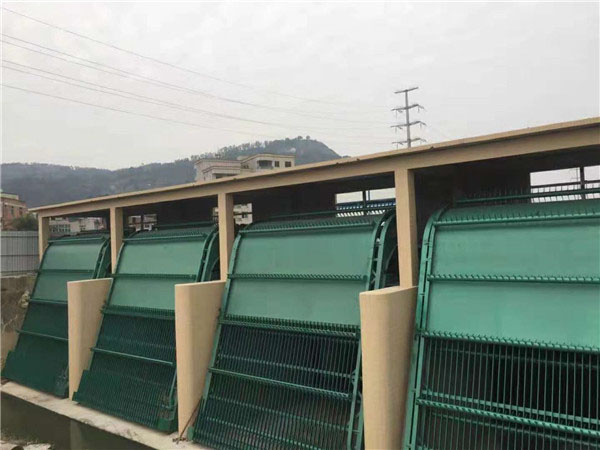
Product Overview:
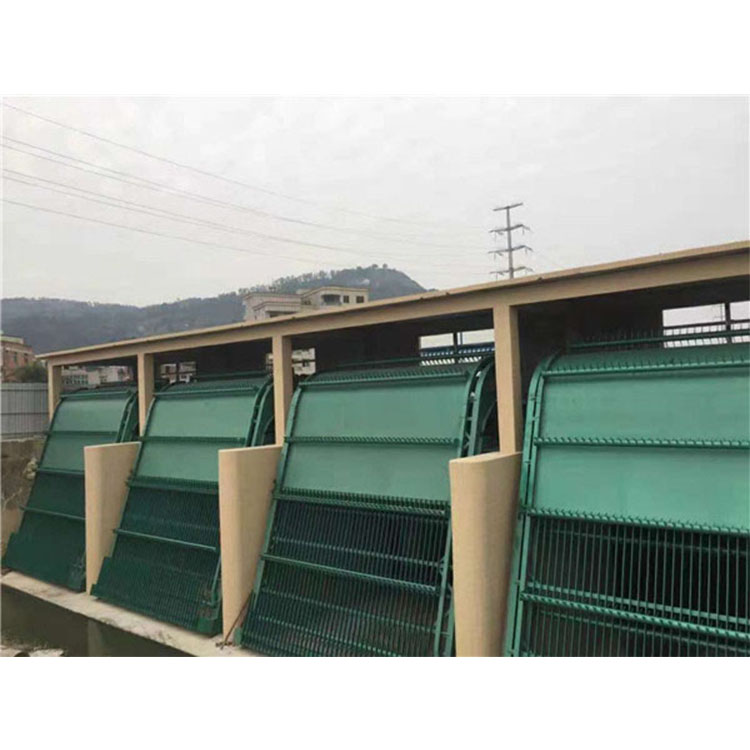
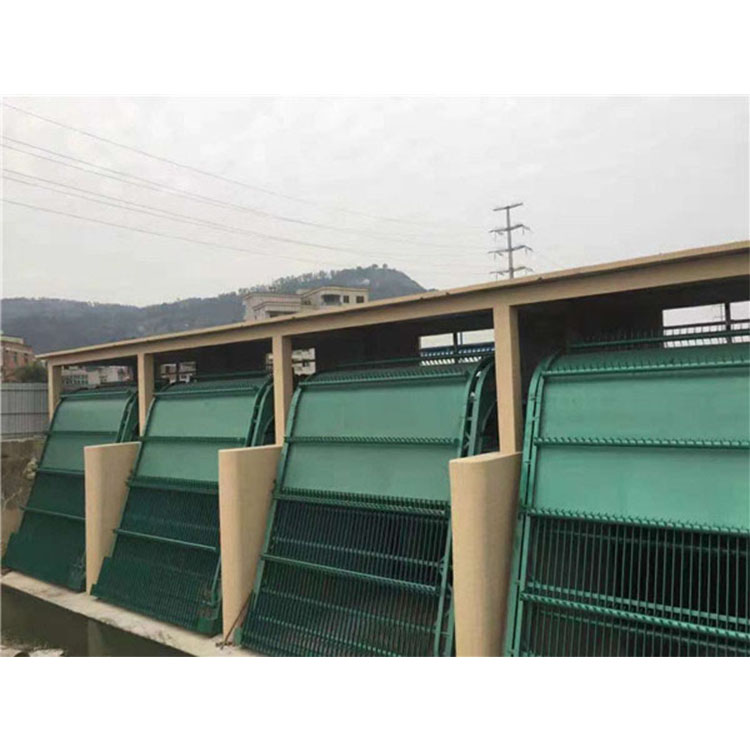
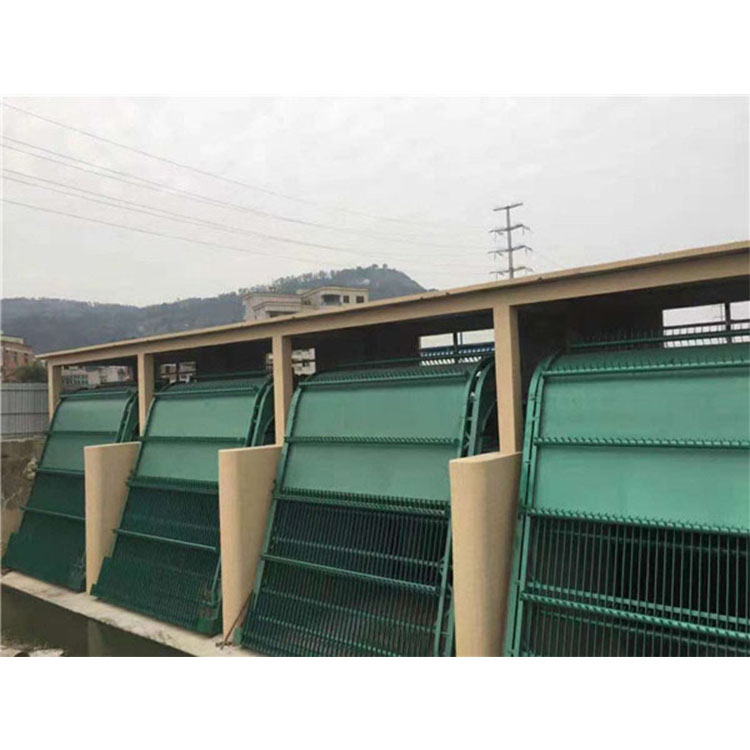
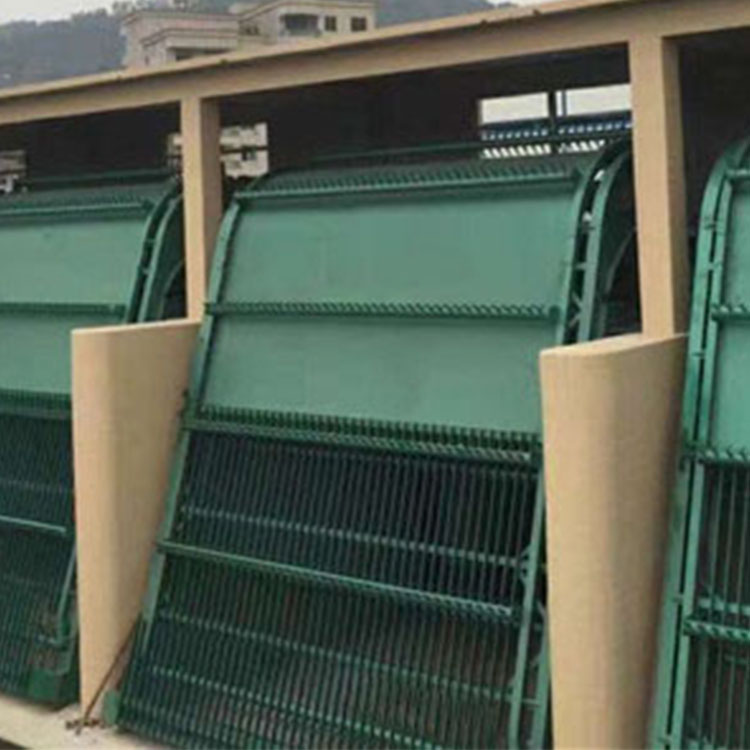
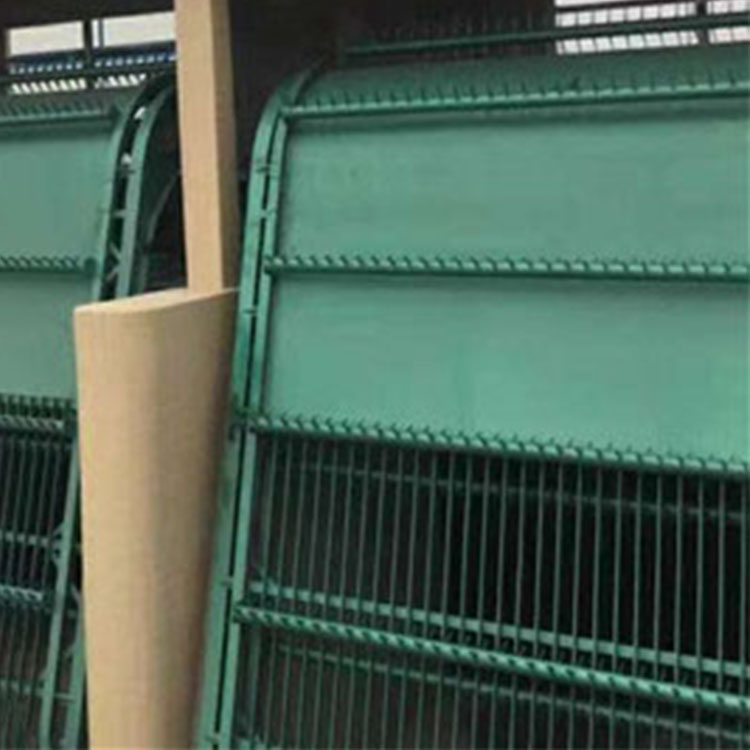
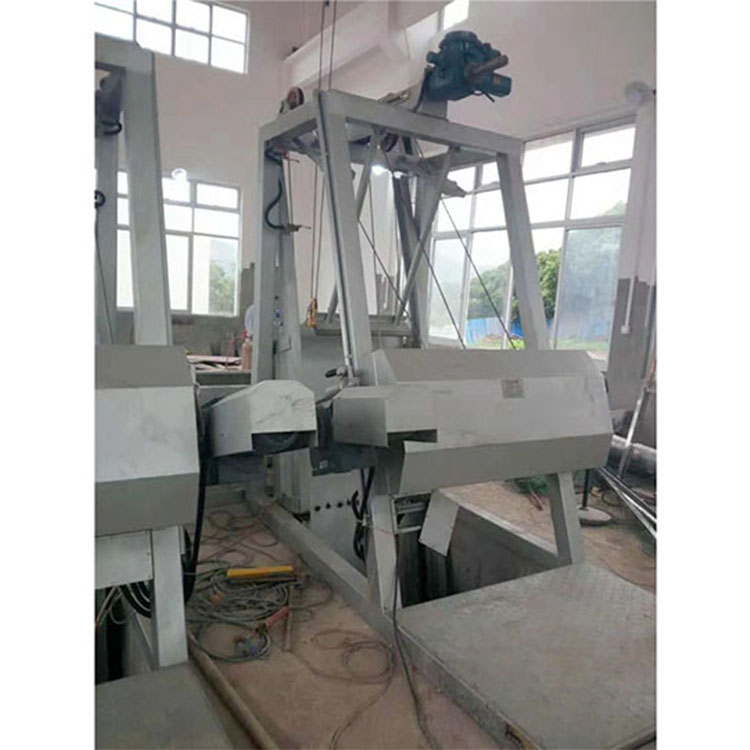
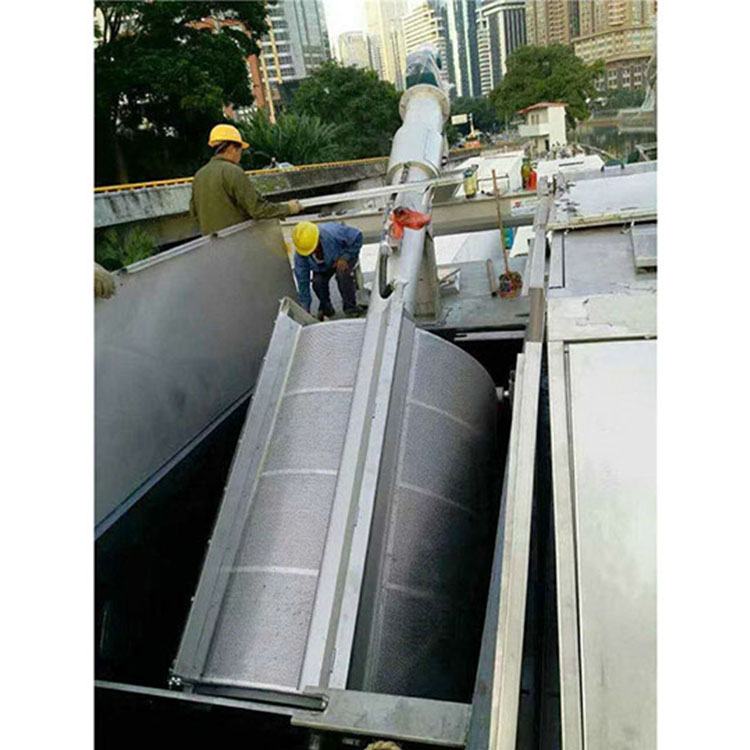
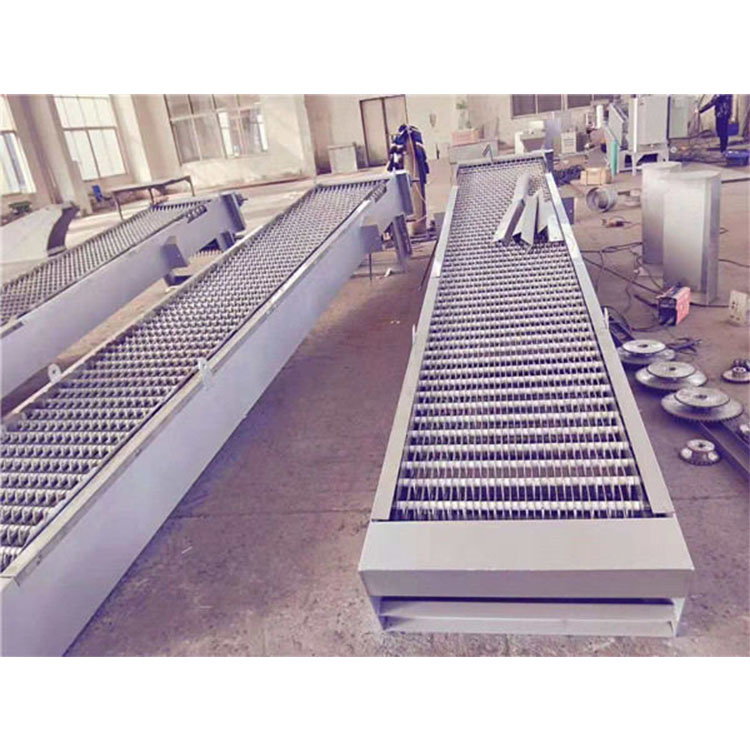
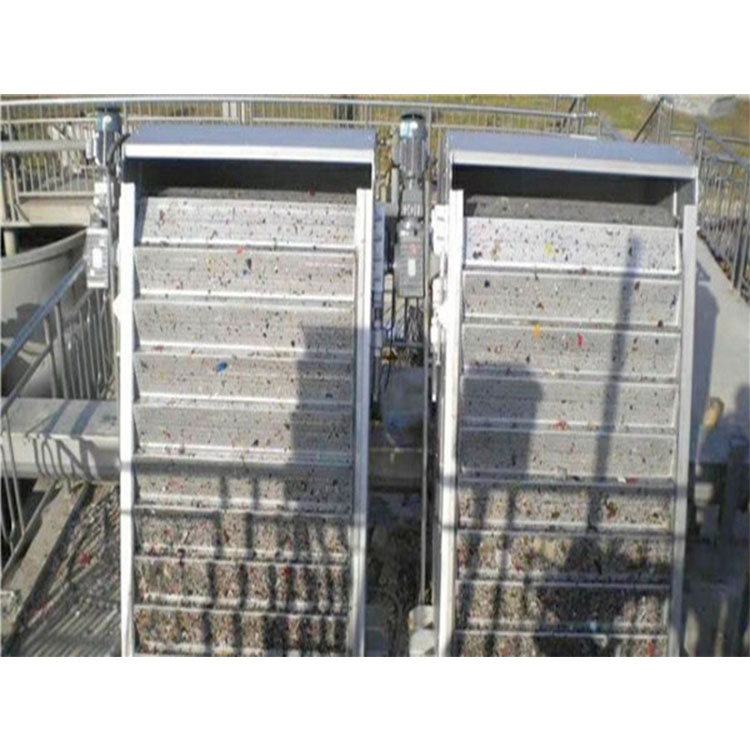
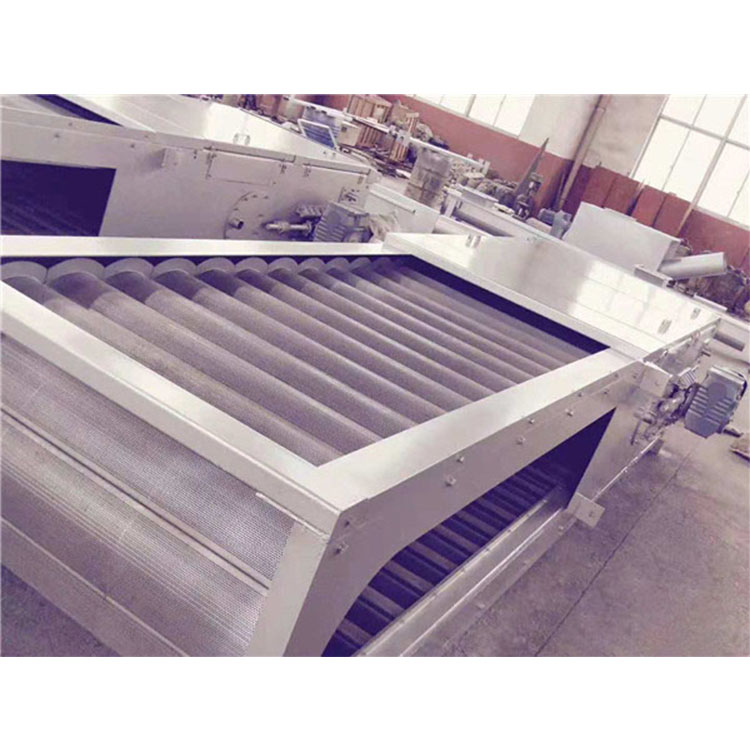
River channel格栅de污染物去除机,also known as rainwater格栅 or rotary格栅machine, is a large-scale coarse格栅equipment designed for removing heavy solid suspended particles from water bodies. This unit can continuously remove solid suspended particles from liquids, featuring reasonable design, simple structure, safe and reliable operation, high level of automation, and is widely applicable in urban wastewater treatment, water intake of waterworks, rainwater pump stations, and cooling water intake of power plants, etc., where high flow rates of water treatment are required. The equipment structure incorporates the advantages of the rotary格栅de污染物去除 machine, utilizing a unique working principle, where the rake chain rotates in front and behind the格栅. When the rake teeth reach the upstream side of the格栅 bars, they insert into the gaps and perform cleaning actions from bottom to top. The rake chain is enclosed to prevent debris from entering, ensuring smooth operation. During installation, the entire unit is hoisted, requiring only two steel plates pre-buried on the ground at the sides of the collecting well, making civil construction simple and installation/maintenance convenient.
Operating Principle:
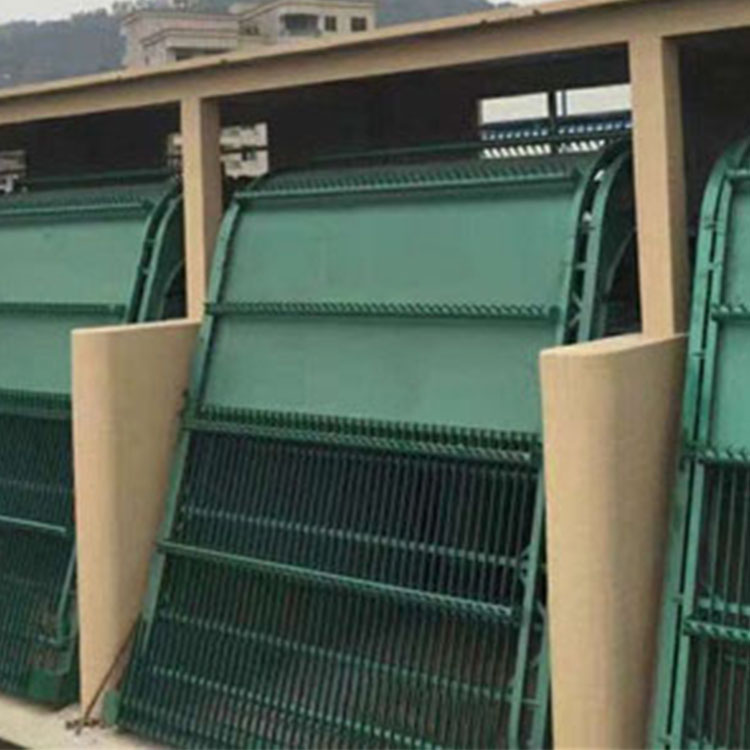
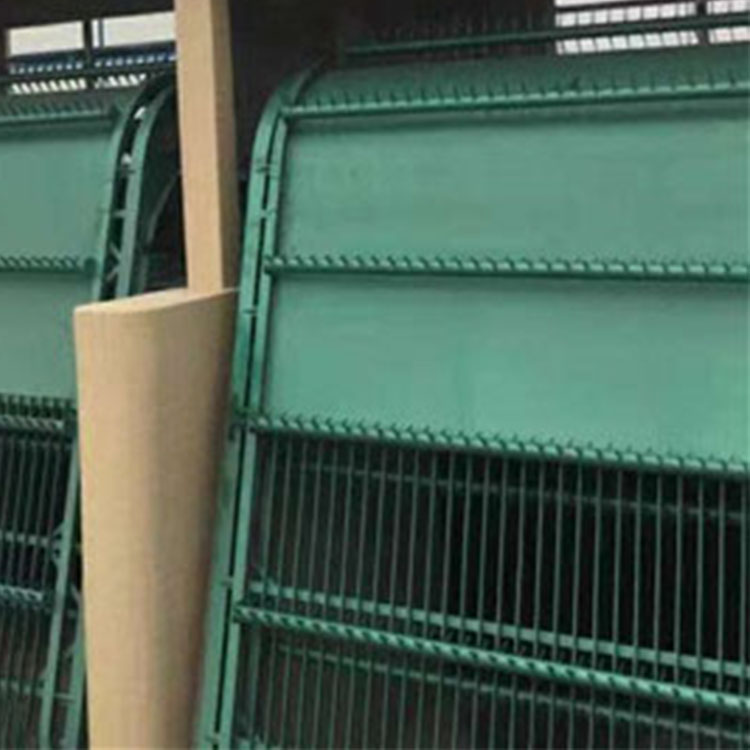
The channel grate cleaner is composed of a frame, drive unit, transmission guide wheel, rake chain assembly, rake teeth, slag baffles, and slag boards. Under motor drive, the traction chain rotates from bottom to top on the upstream side. When the rake teeth shaft on the traction chain reaches the upstream side of the baffles, the rake teeth are inserted into the gaps between the baffles and perform a cleaning action from bottom to top, scraping off debris caught on the baffles into the rake, ensuring high and thorough cleaning efficiency. As the rake teeth rotate to the machine, debris falls off by gravity into the container or conveyor, effectively removing the debris.
Features & Applications:
During operation, debris may enter the traction chain, causing it to jam. Therefore, a sealed traction chain has been designed. It is mainly composed of chain plates, pin links, and roller wheels. It operates with guidance from the guide rails on the frame, where the roller wheels roll, offering low resistance and smooth operation.
The underwater swivel wheel is made of stainless steel, equipped with wear-resistant copper bushings and self-lubricating bearings, eliminating daily maintenance of underwater components.
The slag retaining section is designed with fixed bars, offering strong impact resistance and the ability to withstand significant water level differences.
Based on these advantages, the reverse-suction grate is applied in large-volume water treatment sites such as wide river pollution control, rainwater pumping stations, river intake ports, and primary格栅 in wastewater treatment plants.
Order Parameters:
1. Channel (Equipment) Width 2. Channel Depth 3. Discharge Height 4. Rake Tooth Spacing 5. Installation Angle 6. Frame Material 7. Rake Tooth Material 8. Other Requirements
Illustration of外形示意图
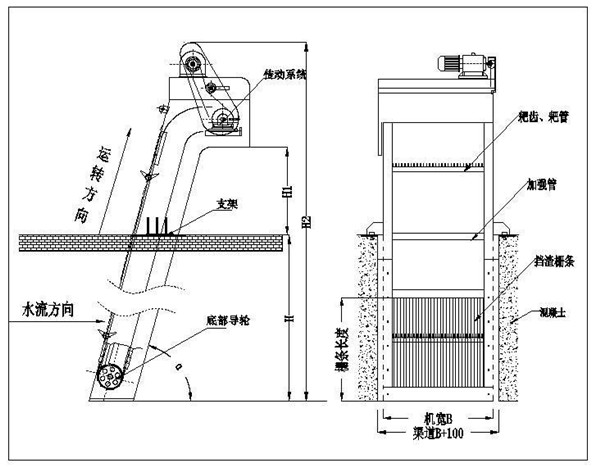
B=Machine Width; H=Channel Depth; H1=Slag Ejection Height; H2=H+H1+2000; α=Installation Angle.
Flow Rate Calculation
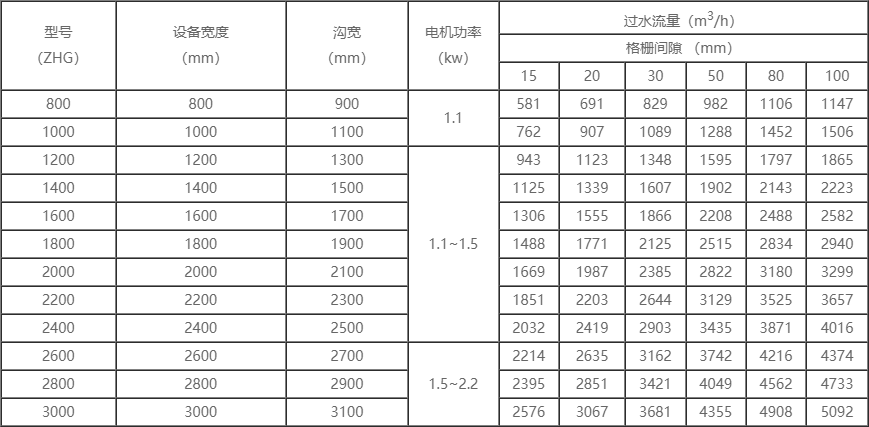
Hourly water flow rate of the reverse recovery grid: Q = K * (B - 160) * h * V * 3600, where:
Q=Flow Rate Through Water (m³/h); K=Flow Coefficient Related to Grating Spacing (refer to coefficient table); B=Width of Grating Machine (m); h=Water Depth Before Grating (m), usually 1m or more than 0.3m below the channel depth; V=Flow Velocity, generally 0.6~1m/s.
Key Technical Parameters:
Current Overflow Coefficient K

Note: The approximate value of K for other gaps can be obtained using the interpolation method.
Key Technical Parameters: