









Product Overview:
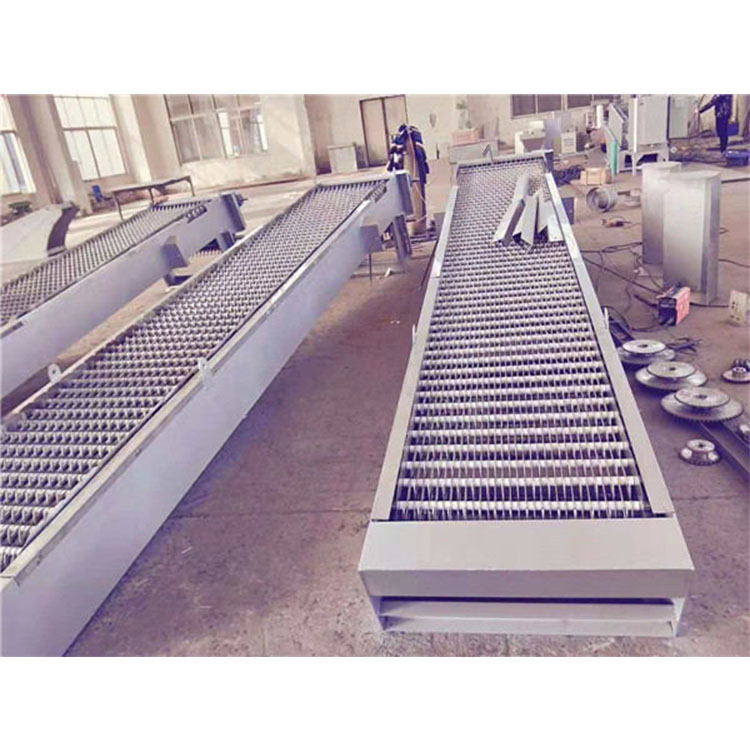
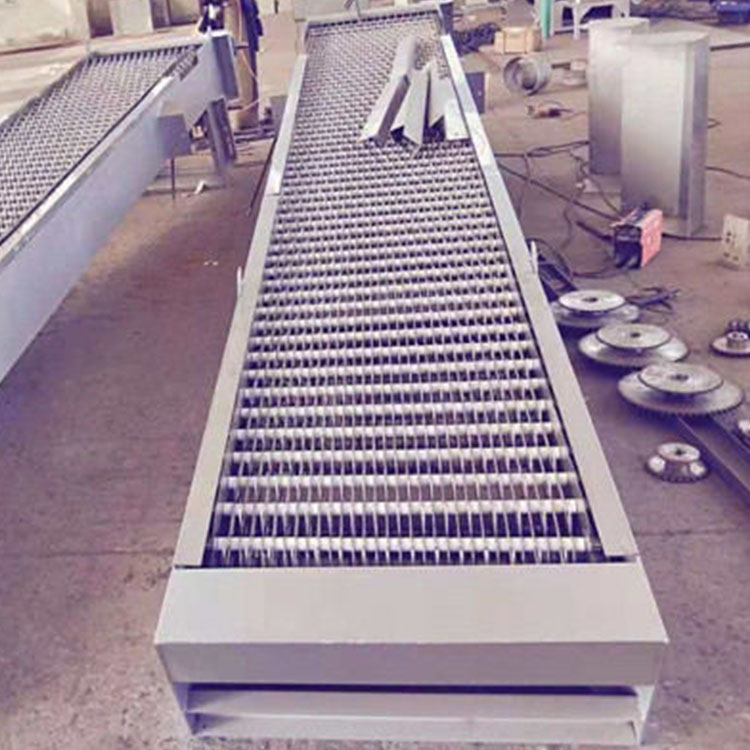
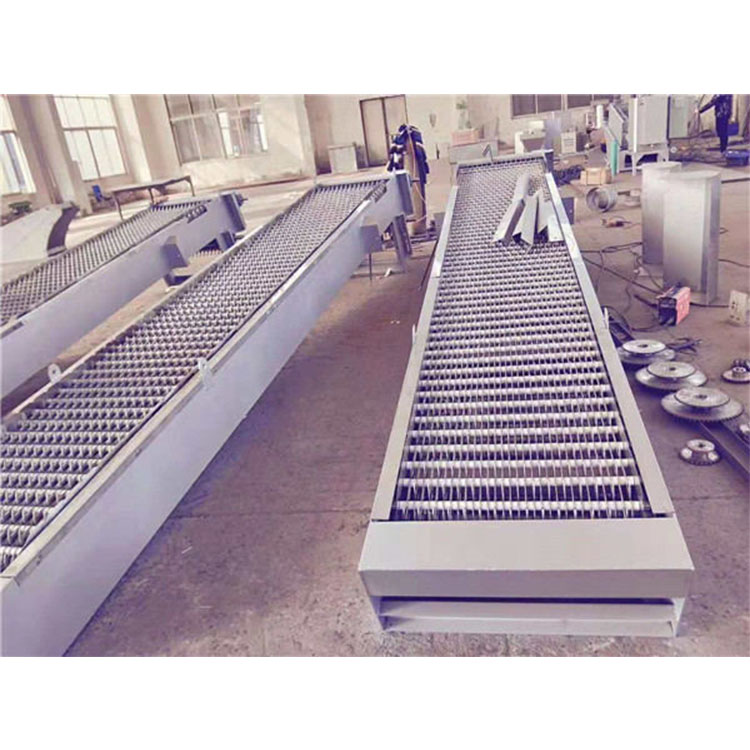
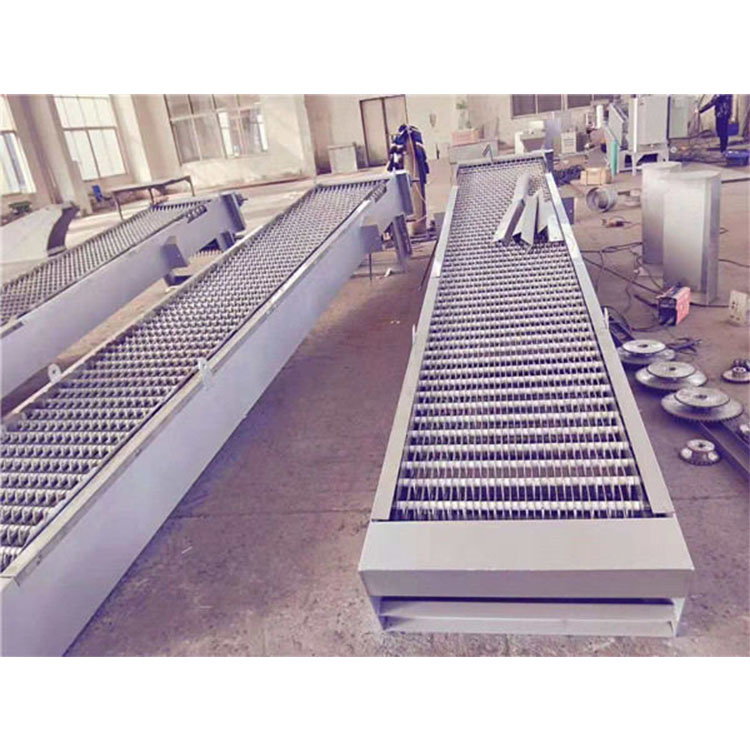
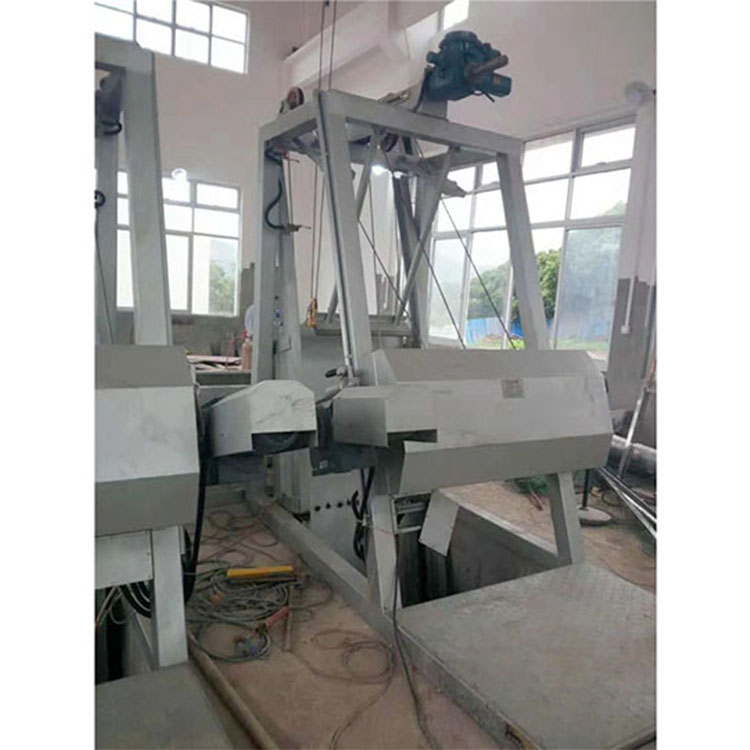
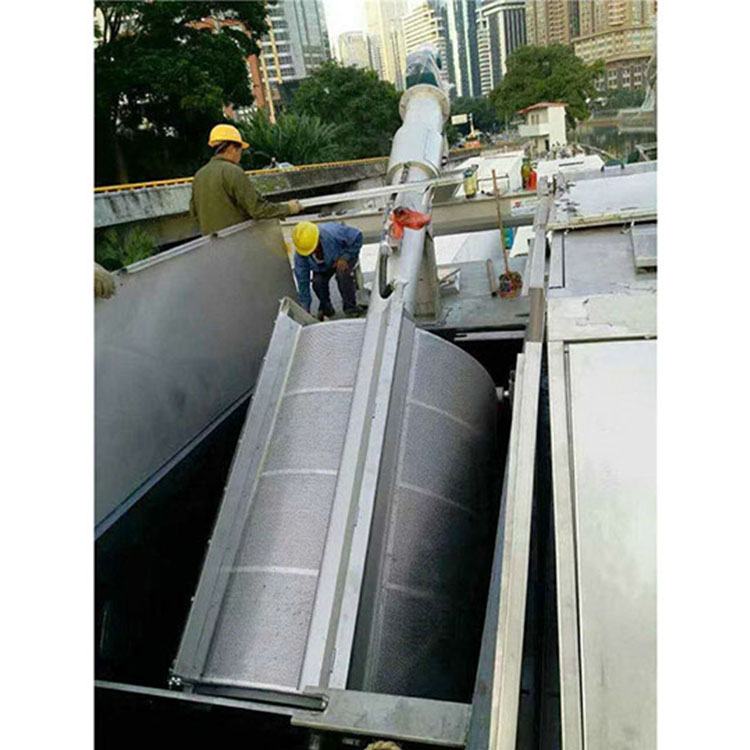
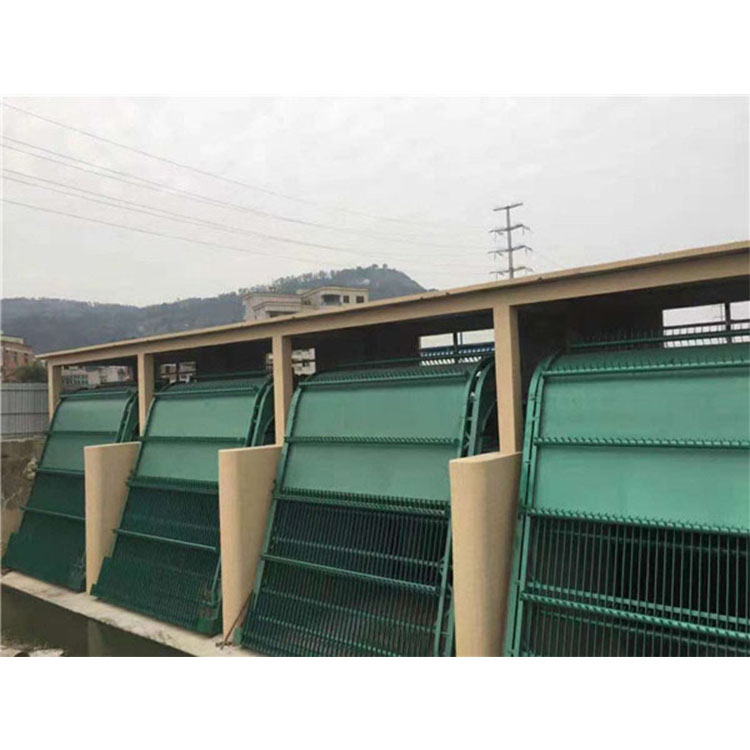
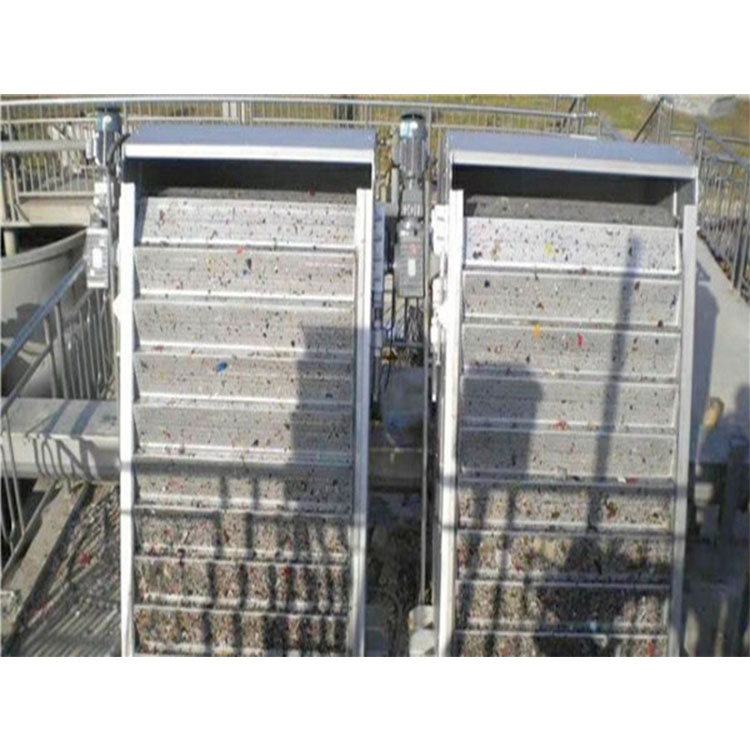
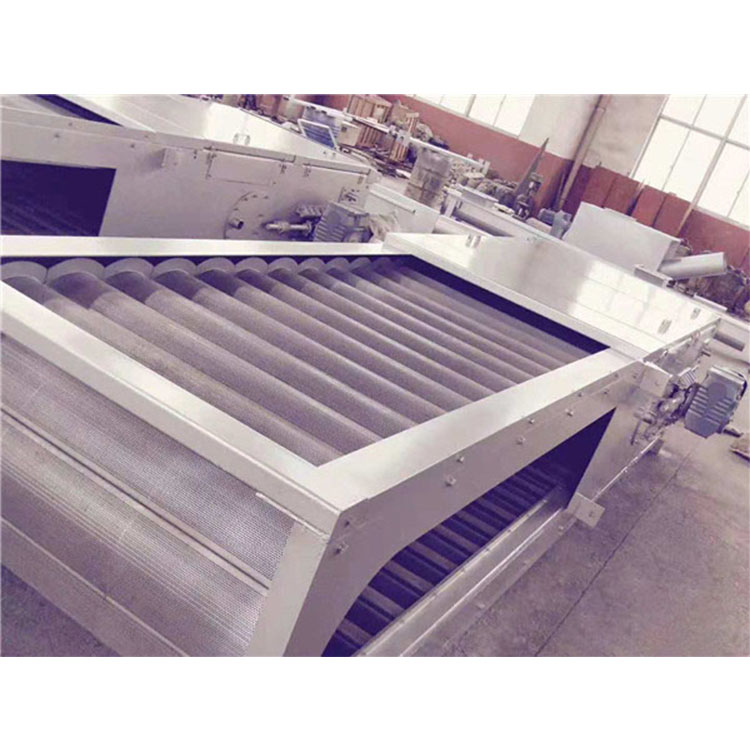
Mechanical格栅污物清除机, also known as a Reciprocating Rake Grating Cleaner or a Rotating Solid-Liquid Separator, is a specialized water treatment equipment capable of continuously and automatically intercepting and removing variously shaped debris from fluids. It is widely used in urban sewage treatment, potable water industry, power plant intake, and can also serve as a preliminary screening device in the wastewater treatment processes of industries such as textiles, food processing, papermaking, and leather. It is one of the currently most effective solid-liquid separation devices.
Working Principle:
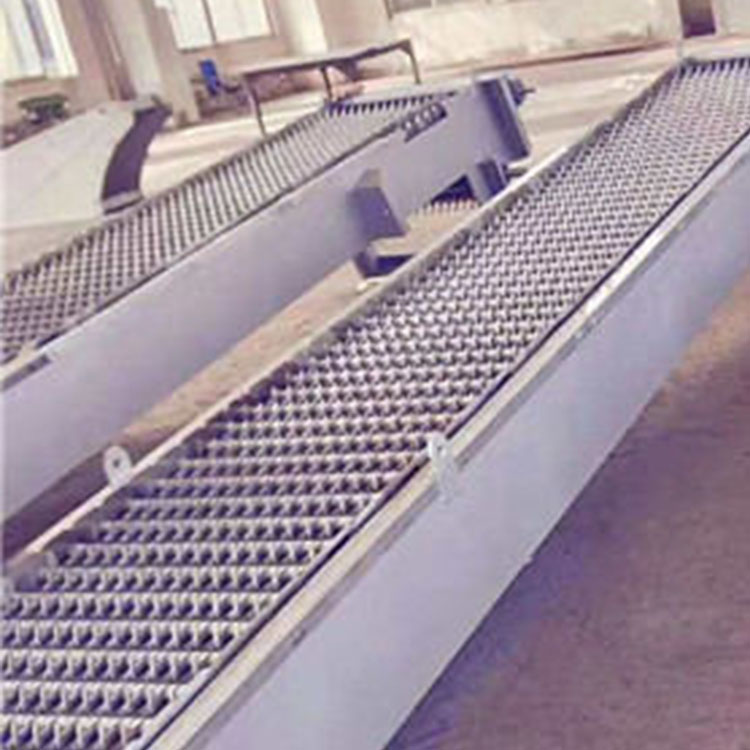
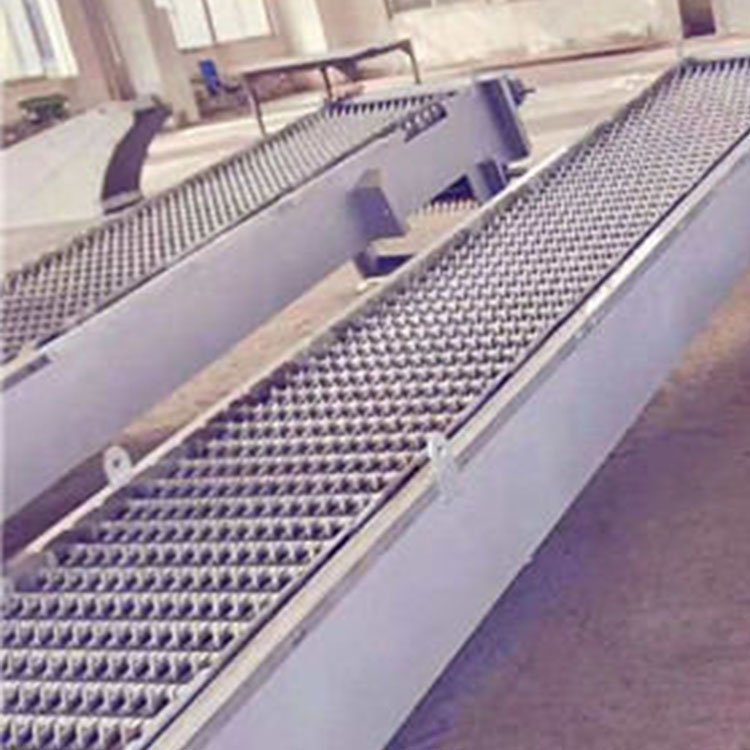
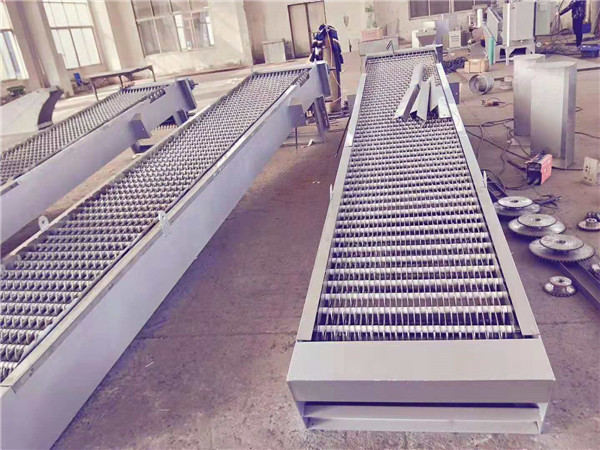
The Mechanical格栅污物清除机 consists of a unique assembly of rake teeth forming a rotating格栅chain, which rotates against the water flow direction under the power of a motor reducer.
As the rake chain moves to the top of the equipment, it is guided by梅花 wheels and curved tracks, creating a relative self-cleaning movement between each rake tooth. The majority of solid material falls freely under the force of gravity, while the remaining part is cleaned by the scraper's reverse motion, removing debris stuck to the rake teeth.
Rake chain, similar to a grate, follows the water flow direction. The gap between the rakes on the rake chain shaft can be selected according to operating conditions. After the rakes separate solid suspended particles and floating matter from the fluid, it ensures unobstructed water flow. The process can be continuous or intermittent.
Features and Applications:
The advantages of this equipment are as follows:
(1) Possesses a certain self-cleaning capability, operates smoothly with no noise.
(2) No clogging occurs, making it highly suitable for manufacturing fine格栅screening machines with spacing of 1~10mm. In actual production, the use of medium to coarse格栅screening machines with a spacing of 10~20mm also yields satisfactory results.
(3) Due to the support from the tines with bent hooks, the trapped debris does not fall down, and it is easy to remove the debris when flipping to the top.
(4) High degree of automation, high separation efficiency, low power consumption, noiseless operation, excellent corrosion resistance; it can ensure continuous and stable operation without supervision, equipped with overload protection. It can also be adjusted to any desired operational interval for periodic operation; it can be automatically controlled based on the liquid level difference before and after the grate, and has manual control for convenient maintenance, with minimal daily maintenance required.
Given these advantages, it can be widely applied in: waste screening for municipal channels, preliminary screening in wastewater treatment, intake points of water supply plants and intake ports for power plant cooling water, as well as preliminary screening in wastewater treatment for industries such as textile, dyeing, chemical, leather, papermaking, and winemaking to prevent pump clogging.
Equipment Specifications:
Equipment specifications are divided into HF300-3600 based on machine model size. If the machine width exceeds 1800mm, it is made into a parallel machine. Rake gap sizes include 1mm, 3mm, 5mm, 10mm, 20mm, 30mm, 40mm, and 50mm, etc. Selection is based on flow rate, lifting height, total solid-liquid separation, and the shape and particle size of the separated material. Different materials can be optionally selected, and the equipment length is customized according to the design channel size.
Illustration of Appearance:

B=Machine Width (Channel Width B1-100)
Rake tooth working face = machine width - 160
H=Channel Depth; H1=Slag Ejection Height
H2 = H + H1 + 1400, α = Installation Angle (65°~80°), specific parameters are listed in Table 1-2: HF Grille Equipment Parameters.
Flow Rate Calculation Through Water
Grille hourly water flow rate: Q = K * (B - 160) * h * V * 3600
Where:
Q=Flow Rate through Water (m/h)
K=Flow coefficient related to the spacing of the grille (see coefficient table)
B = Grid Machine Width (m)
h = water depth in front of weir (m), generally 1m or more than 0.3m below the channel depth.
V=flow velocity, generally taken as 0.6~1 m/s.
Main Technical Parameters:
Overcurrent coefficient K

Control System:
The control system is either selected by the user or provided by them. It can be operational by simply connecting to a three-phase power supply on-site.
The field control box features on-site start/stop control buttons. The field electrical control box is equipped with start, stop buttons, and start/stop, accident signal lights. To save energy consumption, all signal lights are energy-saving types. Motor protectors are installed inside the electrical control box, and the control cabinet can be fitted with a PLC remote control interface. This electrical control box is made of carbon steel with anti-corrosion treatment or stainless steel housing, and is designed to be weatherproof for outdoor use.
HF Equipment Parameters:

Order Parameters:
1. Channel (equipment) width; 2. Channel depth; 3. Discharge height; 4. Rake gap; 5. Installation angle; 6. Frame material; 7. Rake tooth material; 8. Other requirements
Description: 1. Racks are available in carbon steel and stainless steel options.
2. Rake teeth are available in stainless steel and nylon (note: regular nylon is not suitable for low temperatures, users in northern regions should be cautious).