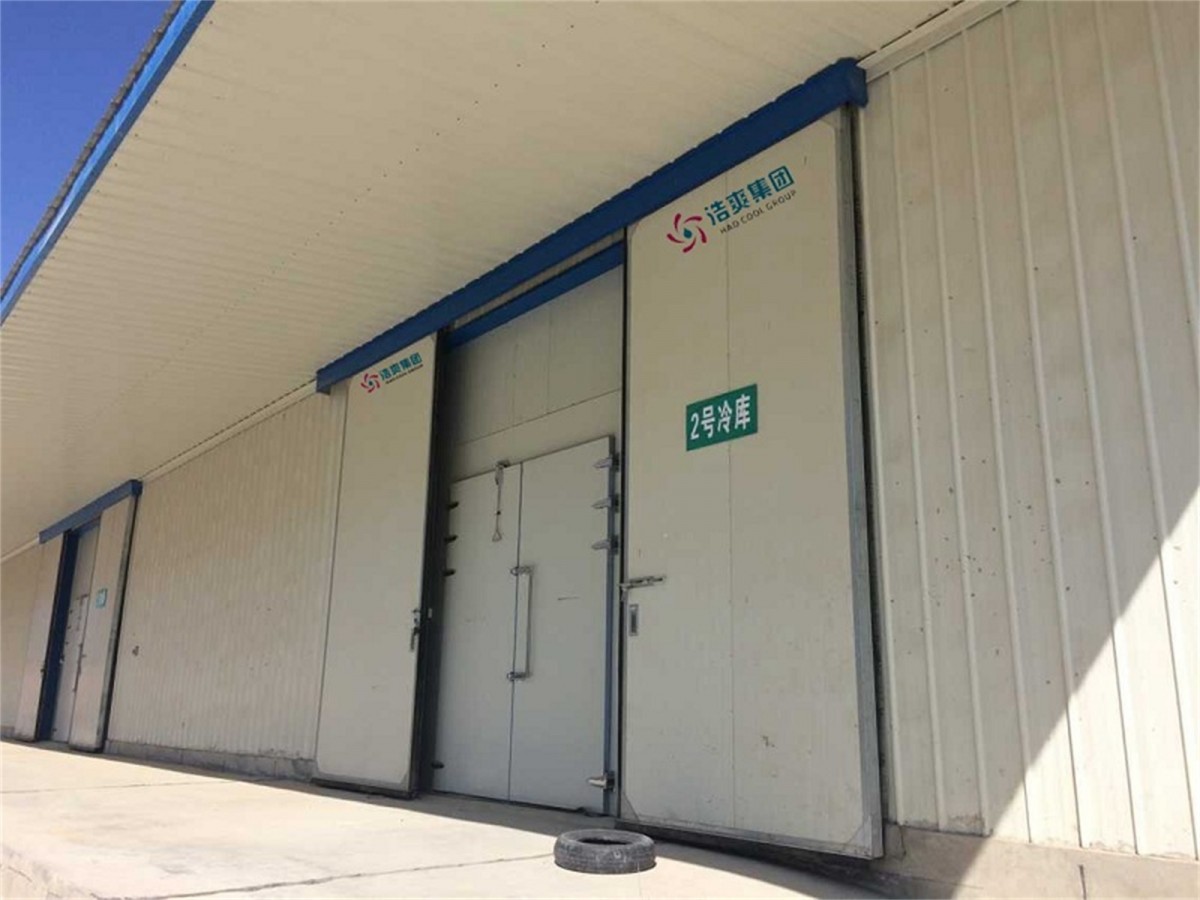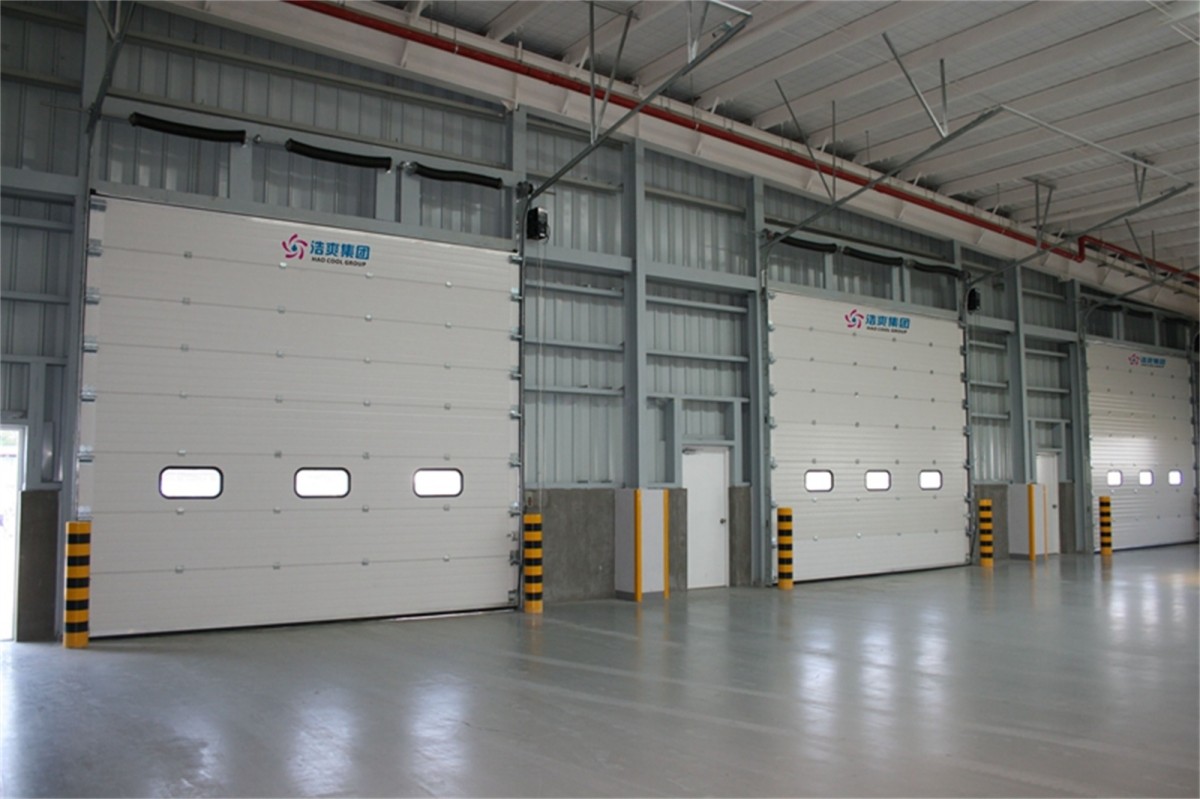

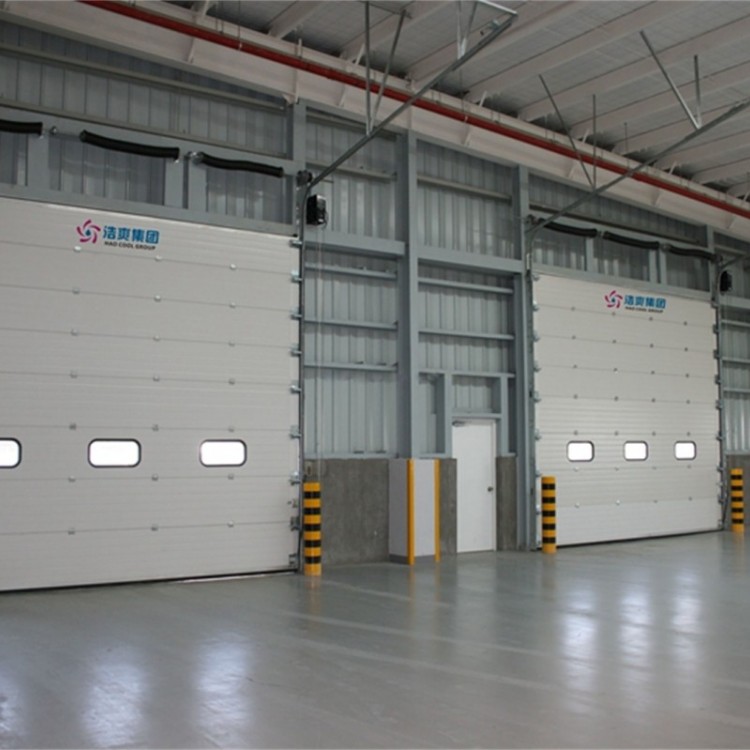
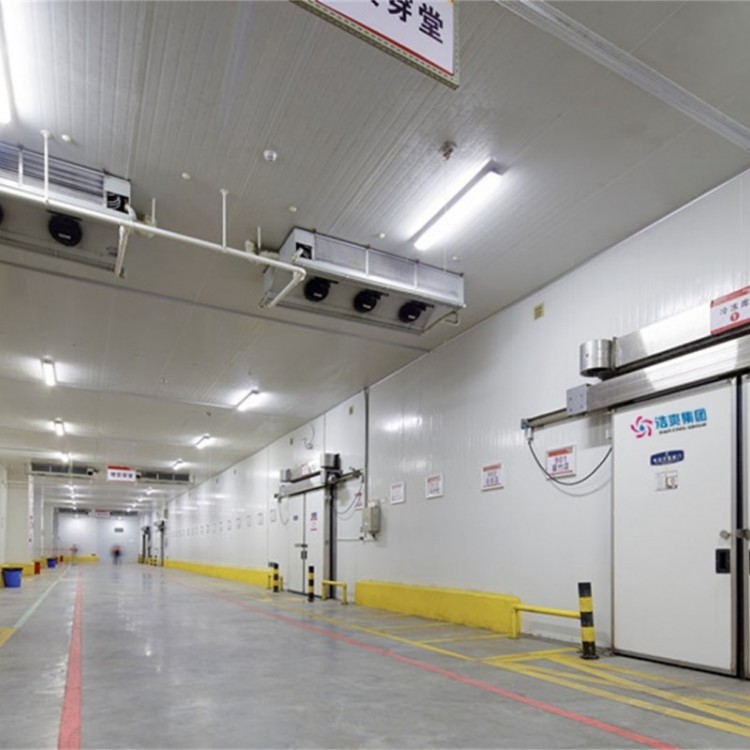











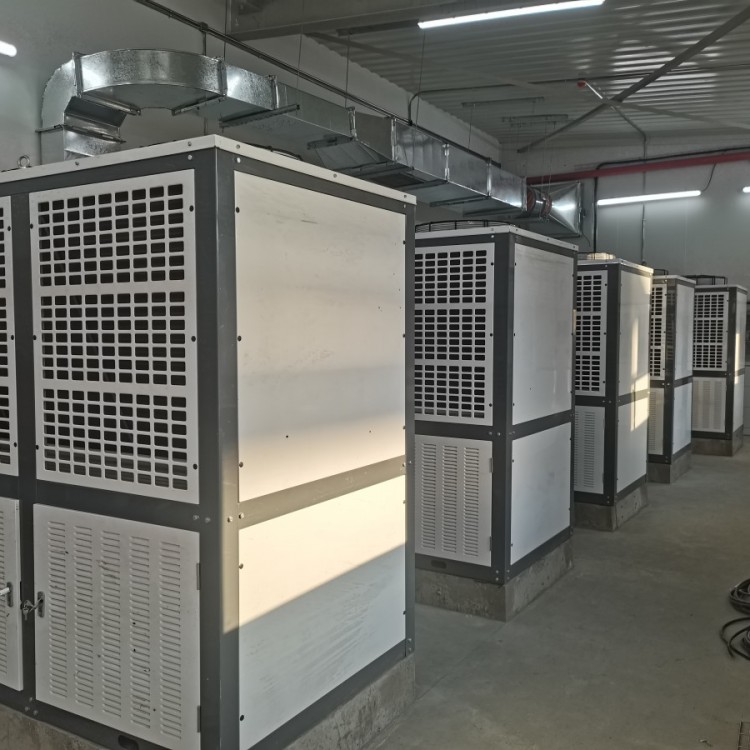

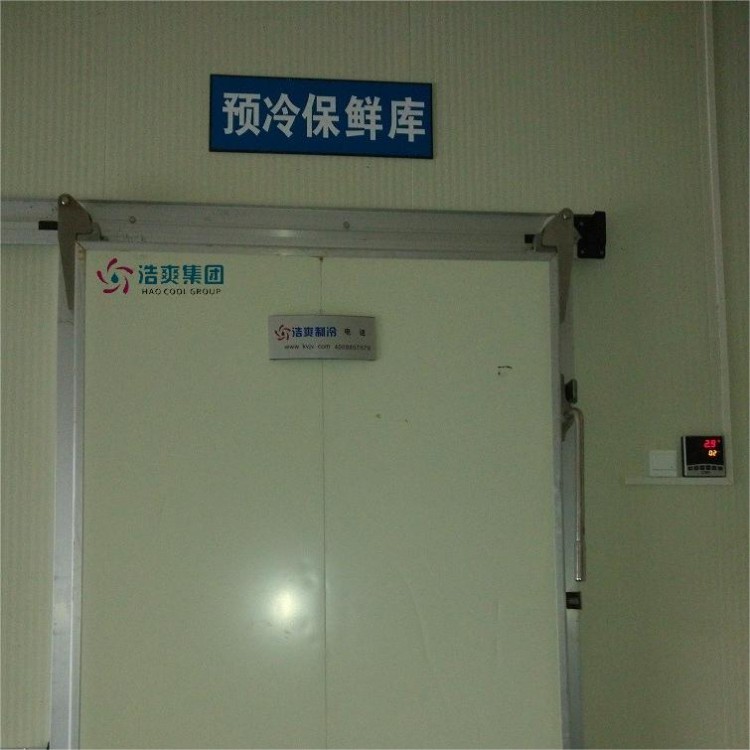
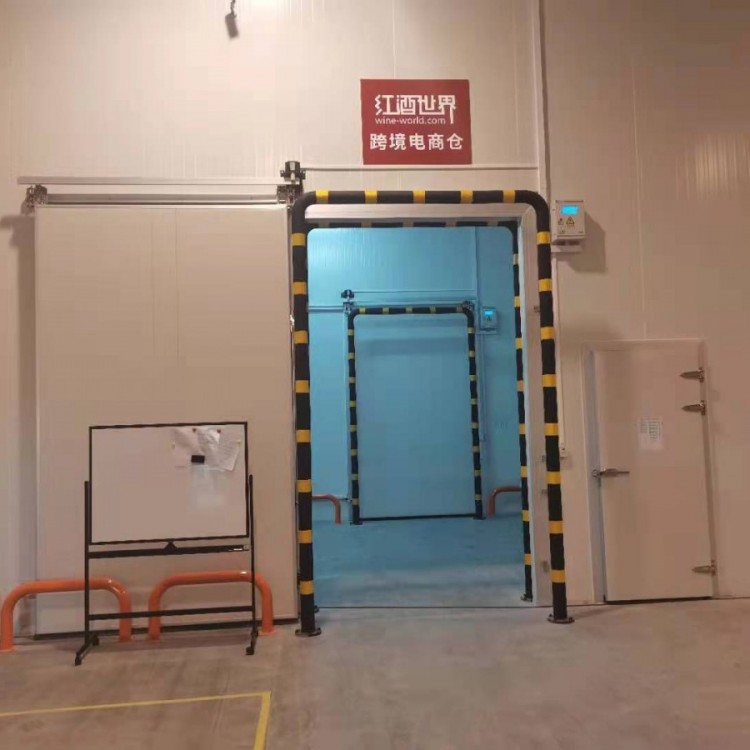
The storage temperature in a controlled atmosphere warehouse is typically between 0℃ and 5℃. It regulates the temperature, humidity, carbon dioxide, oxygen concentration, and ethylene concentration within the storage environment, adding gaseous component regulation to the refrigerated storage.
Modified Atmosphere Storage effectively suppresses the respiration of fruits and vegetables, delays their metabolic process, and better preserves their freshness and marketability, extending their storage time and shelf life. Generally, modified atmosphere storage can extend the storage time by 0.5 to 1 times; fruits and vegetables stored in modified atmosphere "awaken" from a "dormant" state after leaving the cold storage, which effectively extends their shelf life post-dispensation, up to 2 to 3 times the storage time in a refrigerated warehouse.
Refrigerated storage
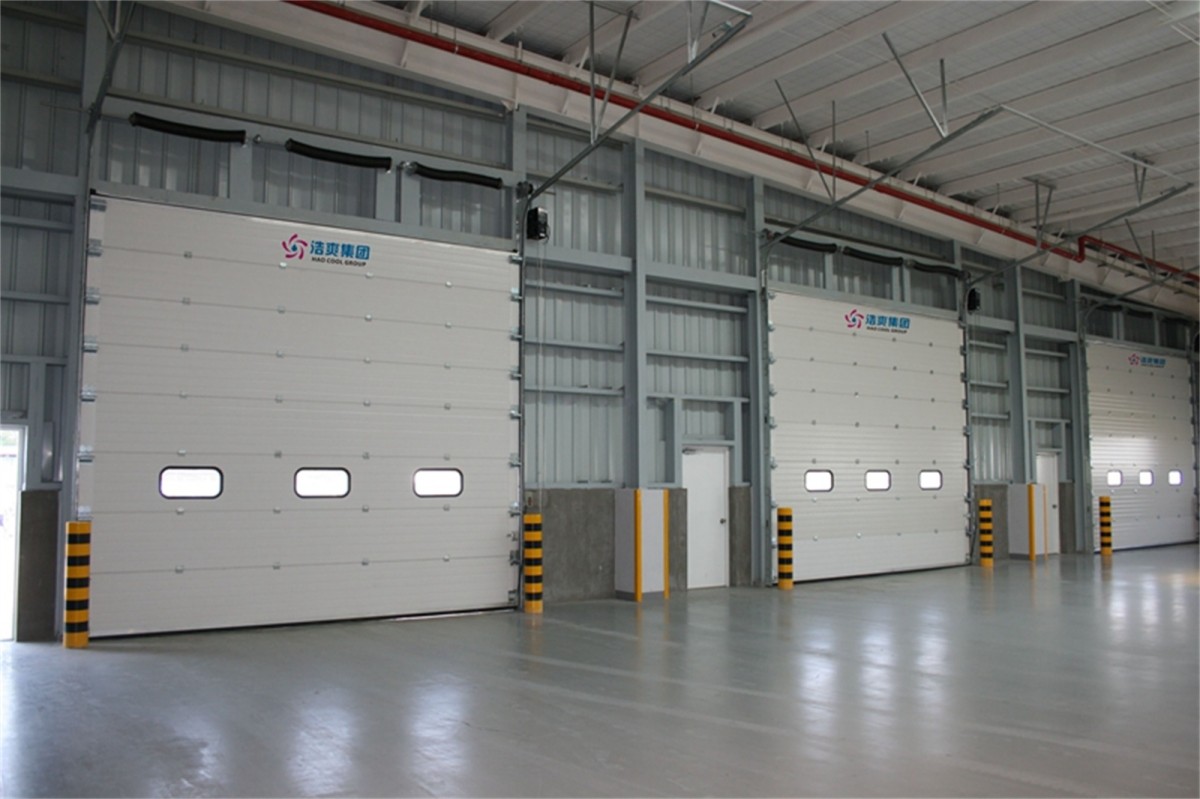
The storage temperature in the refrigeration room is generally 0℃ to 5℃, which reduces the life activities of fresh food, crops, seeds, and fruits through low temperatures to extend their shelf life. At this point, the life activities of the food still exist, but the cells are in a state of dormancy, remaining in a dormant state during the refrigeration process to minimize nutrient loss and maintain their fresh quality. This is commonly applicable to fruits and vegetables. Currently, the fruit and vegetable industry is largely concentrated in cultivation, and during transportation and sales, it is inevitable to use cold storage to maintain the required nutrients in fruits and vegetables.
The differences between the two.
1. Nitrogen generators, CO2 removal units, ethylene removal units, gas storage detection and control equipment, and humidifiers are required for the controlled atmosphere storage.
2. The storage temperature for the same fruits and vegetables in modified atmosphere storage should be 0.5 degrees lower than that in normal storage.
Modified atmosphere storage time is 2 to 3 times longer than refrigerated storage. For example, apples and pears can be preserved for over 10 months, and they look good upon release with high nutritional value.
4. Modified Atmosphere Storage requires high air-tightness for the storage structure.
5. Modified atmosphere storage facilities are more expensive to build than refrigerated warehouses.