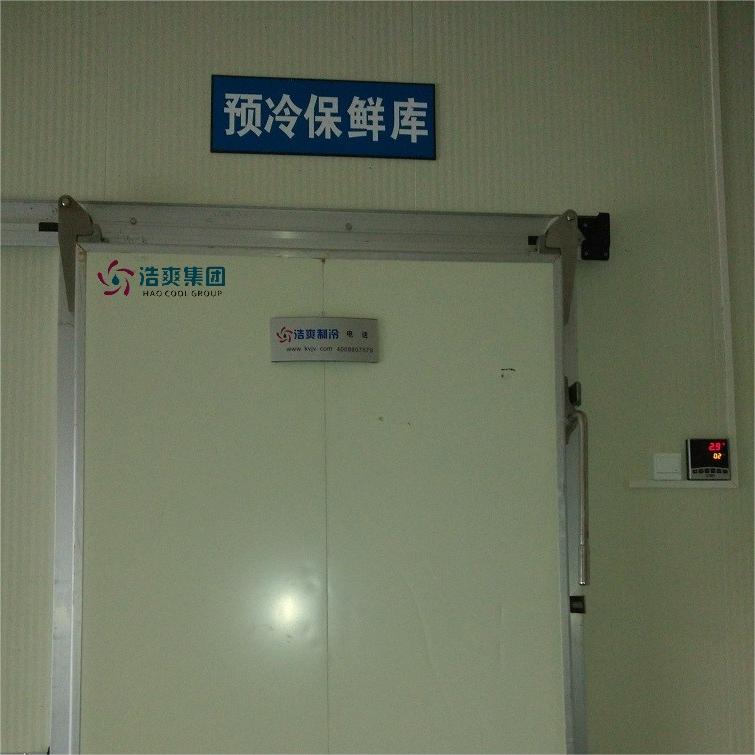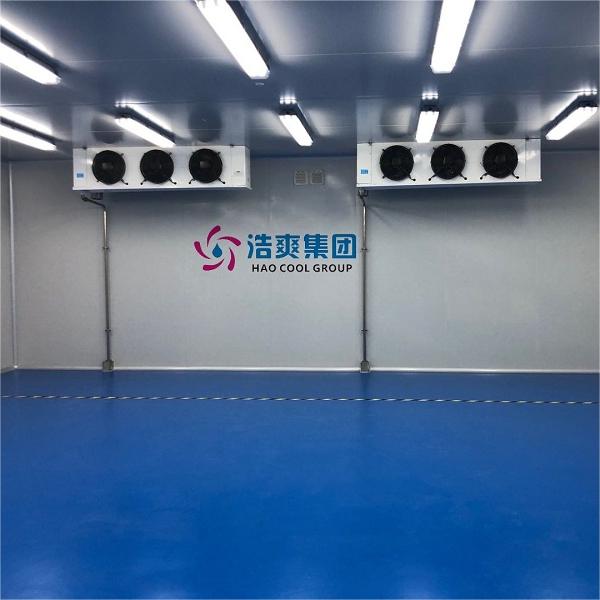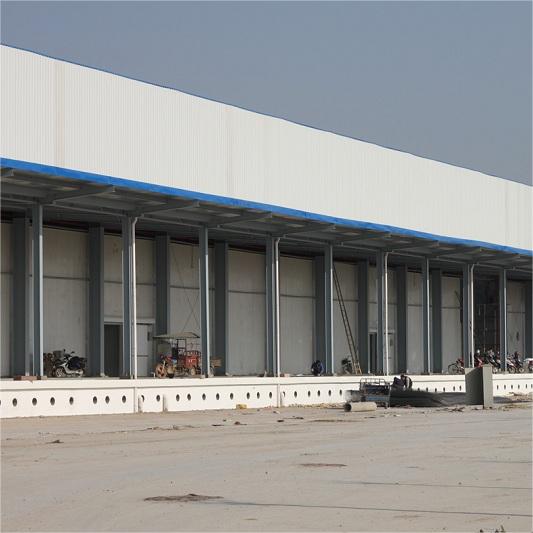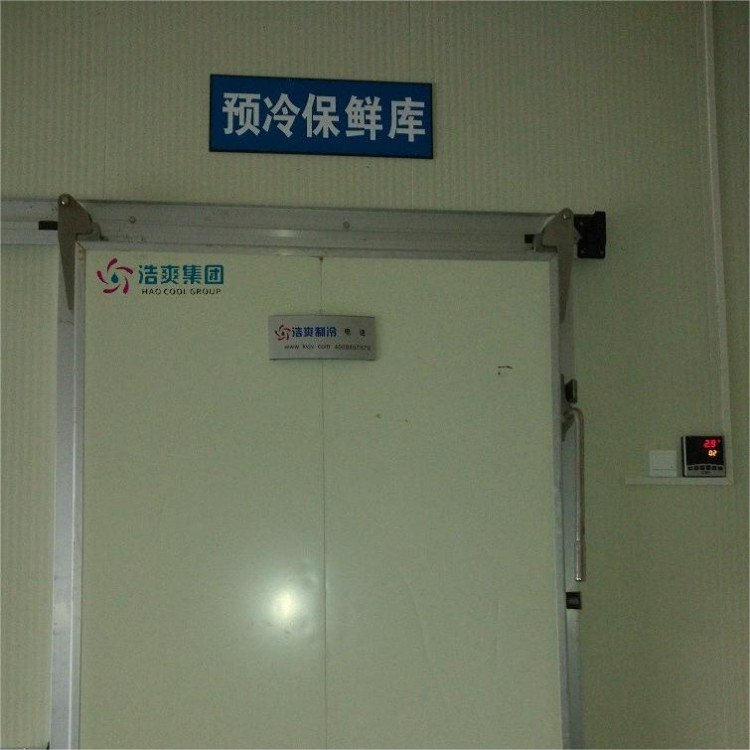

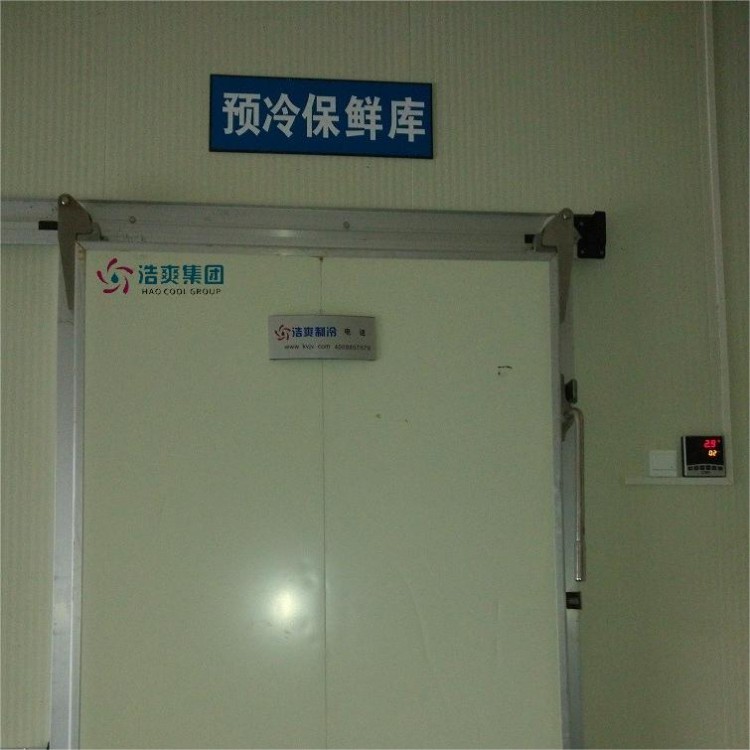
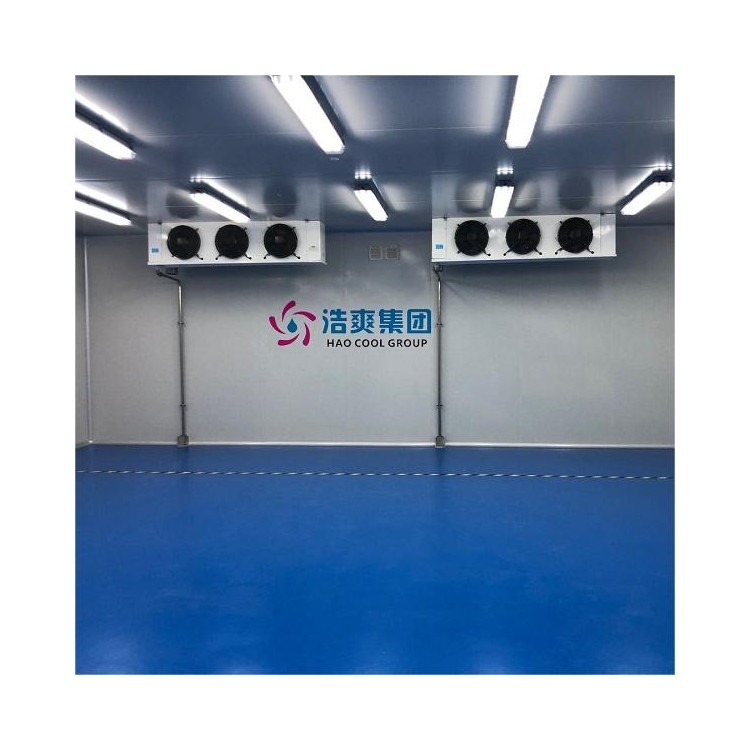
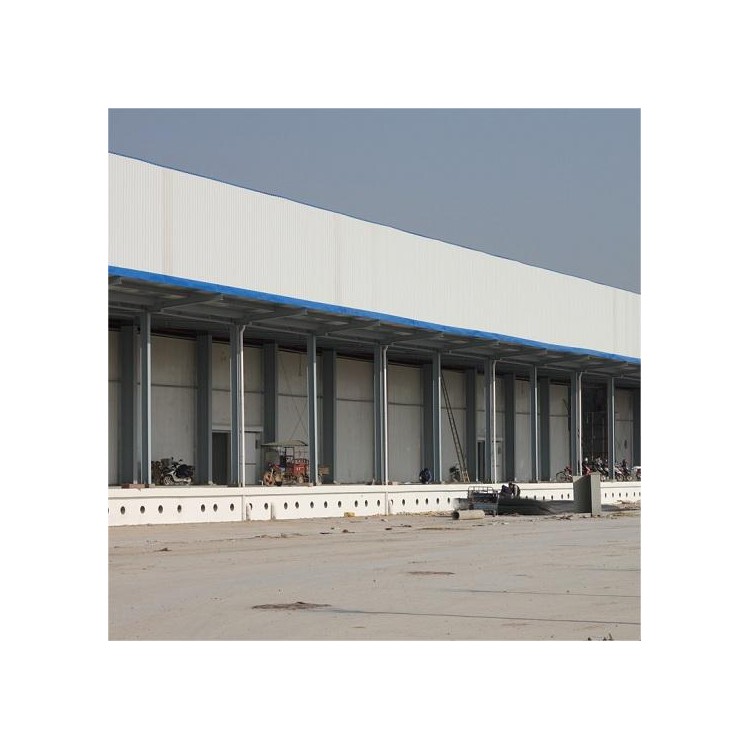









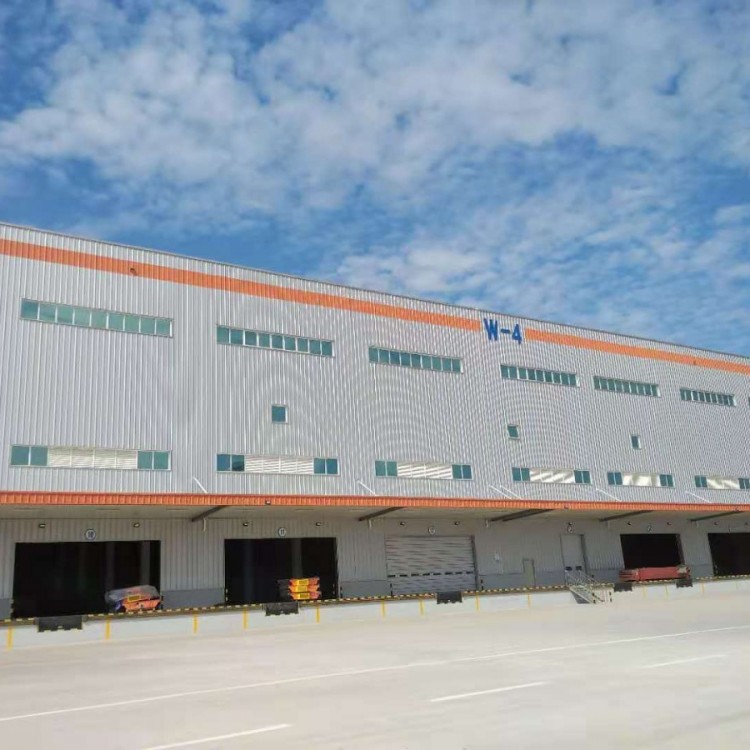

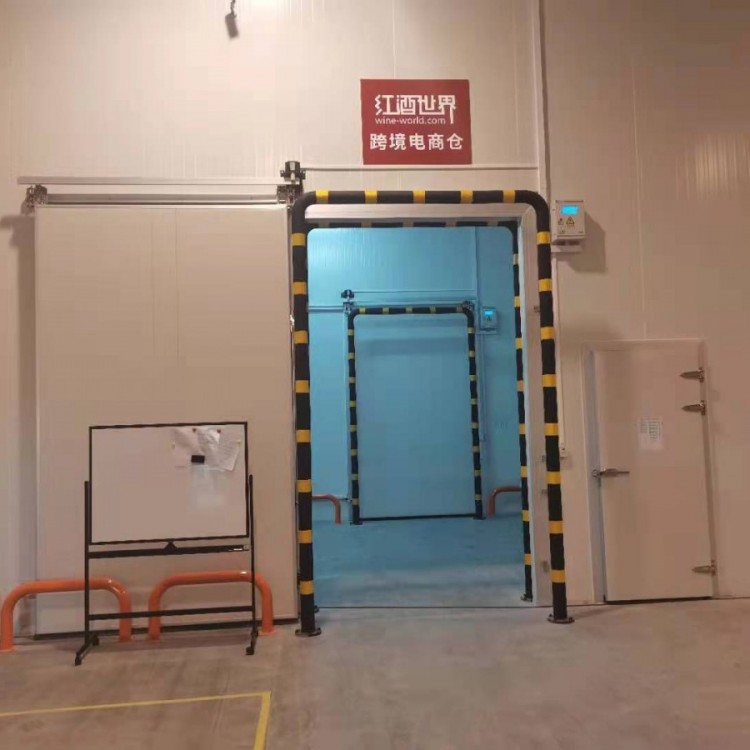
The temperature in the cold storage is around 0°C. It is mainly used for storing fresh fruits and vegetables. When it comes to fruits, they are rich in nutrients and are loved for their aroma and delicious taste. However, they are prone to spoilage, with annual losses of approximately 30% to 40% of the total produce. Therefore, cold storage is necessary to reduce losses and preserve the original quality of the fresh fruits. As for vegetables, due to their varying types, varieties, and biological characteristics, they exhibit different preservation properties. To achieve ideal preservation effects for vegetables, different cold storage facilities must be selected.
Insulation system for cold storage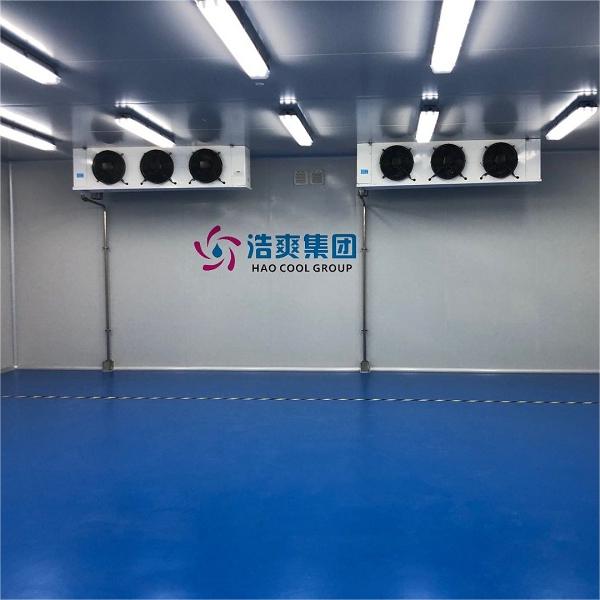
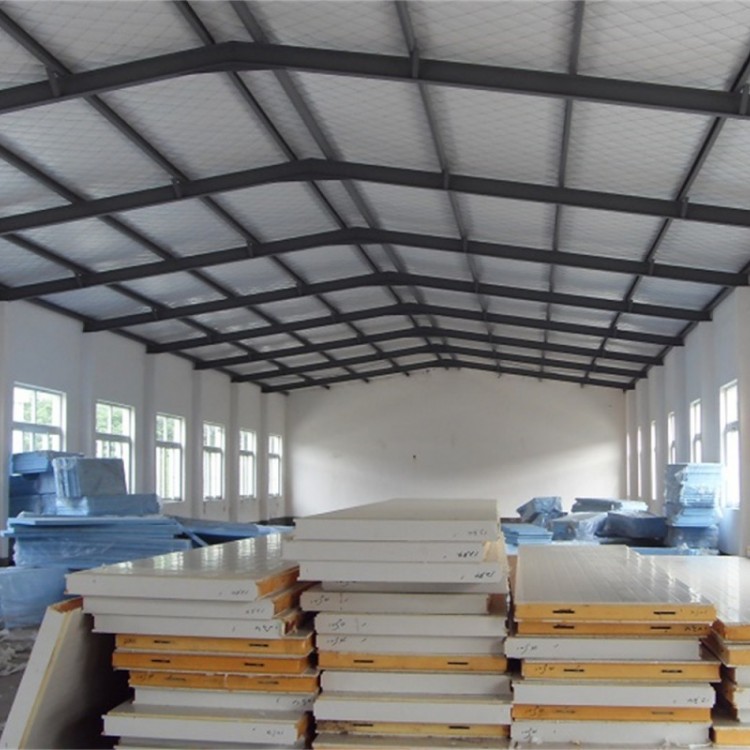
Refrigeration warehouses utilize 10-inch polyurethane panels. The panels are connected with eccentric hooks. The joints between panels are sealed with silicone to prevent cold air from escaping. Small refrigeration warehouses can be constructed with a body made of panels that are all polyurethane. For large refrigeration warehouses, the roof and sides should be lined with polyurethane panels, the floor with extruded boards, covered with cement, finished with an epoxy coating.
The refrigeration principle of a cold storage mainly involves the liquid refrigerant absorbing a large amount of heat when it turns into a gas, i.e., latent heat of vaporization. This principle is utilized to cool down the cold storage, thereby chilling, freezing, and preserving food.
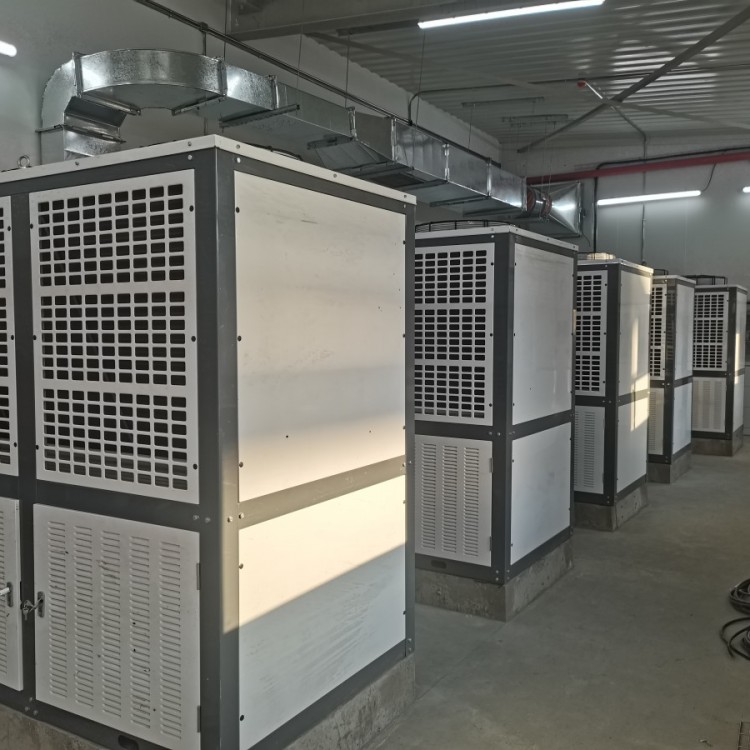
Refrigerated warehouses typically use ammonia or R404A as refrigerants. The refrigeration system mainly consists of components such as compressors, condensers, liquid receivers, expansion valves, and evaporators.
The role of the compressor in the refrigeration storage is twofold: first, it draws in the vaporized refrigerant from the evaporator through the piston movement; second, it compresses the intake gas into a high-pressure state, which then enters the condenser. Here, it absorbs heat using cold water or air, causing the high-pressure gas to condense into a liquid and enter the storage cylinder. The intake and discharge of the compressor occur simultaneously. The section from the compressor to the expansion valve is the high-pressure part, and only high pressure can maintain the refrigerant in a liquid state.
The膨胀阀, also known as a regulating valve, controls the flow of liquid refrigerant into the evaporator and serves to reduce pressure. After vaporization, the refrigerant returns to the compressor from the evaporator, absorbing again, and this phase is the low-pressure section. This repeated cycle achieves the cooling effect.