
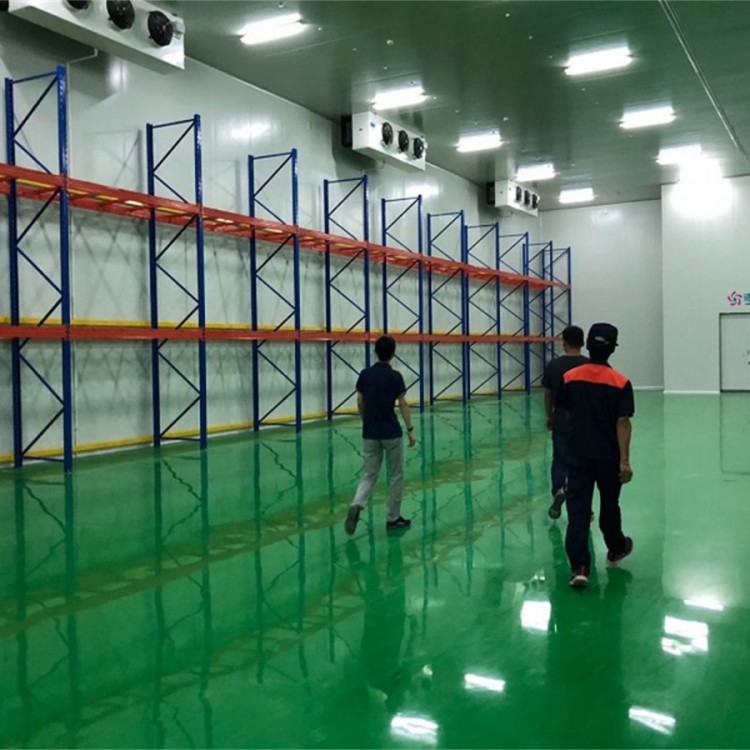











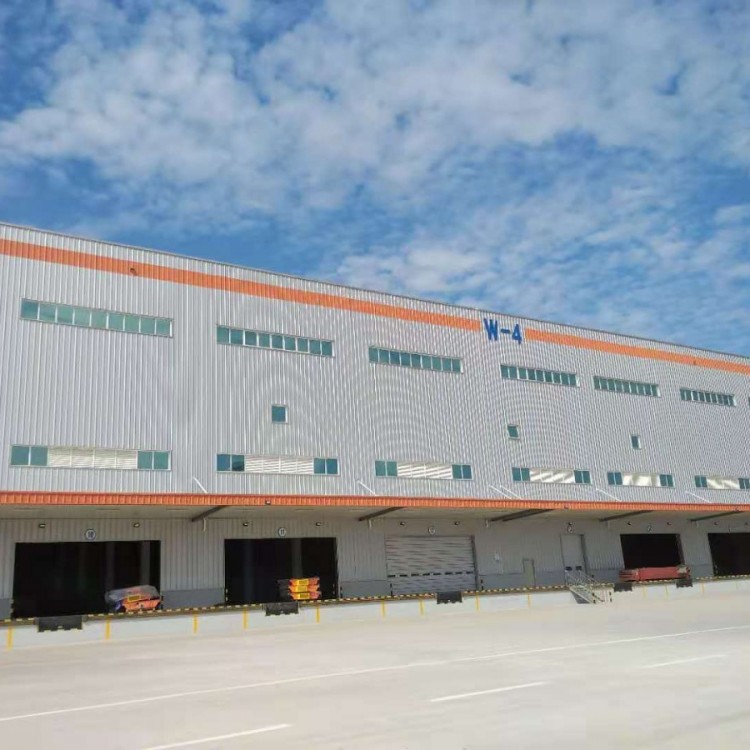

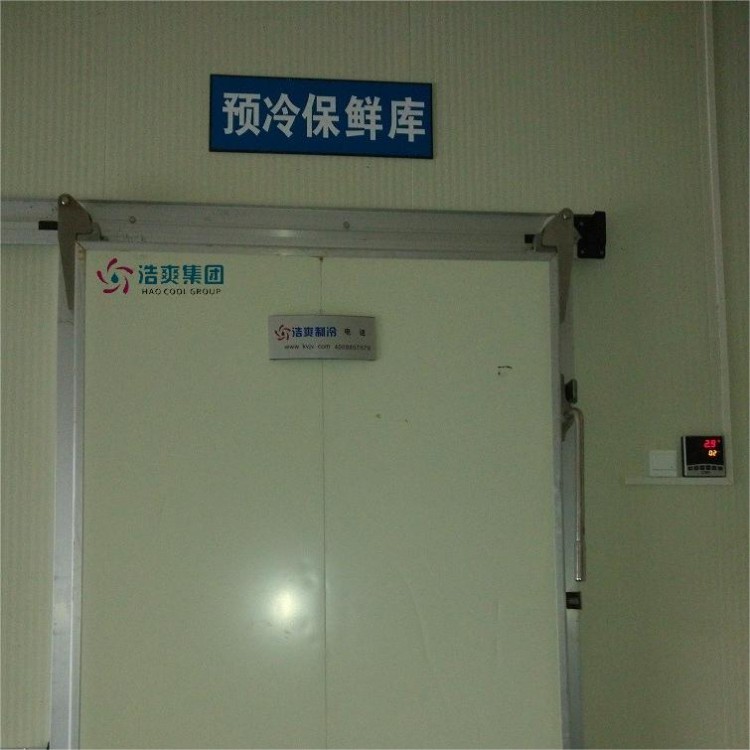
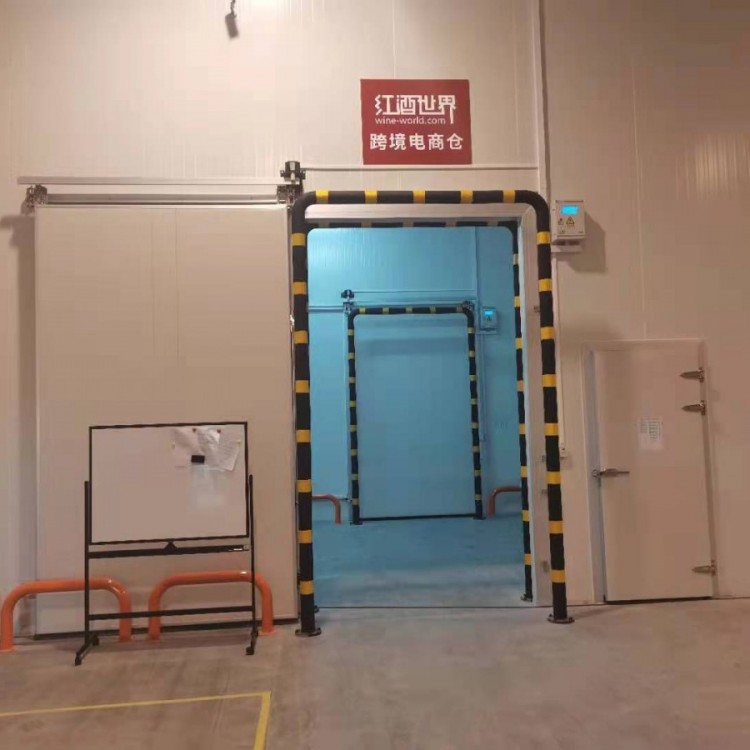
A quick-freezing cold storage refers to a method where food is rapidly frozen by passing through its ice crystal formation zone when the average temperature reaches -18℃. During the freezing process, various changes occur in the food, such as physical changes (volume, thermal conductivity, specific heat, moisture loss, etc.), chemical changes (protein denaturation, color change, etc.), cellular tissue changes, as well as biological and microbiological changes. The characteristic of rapidly frozen food is that it retains the original nutritional value, color, aroma, and taste to a great extent. This means that the various changes that occur in the food during freezing must be reversible.
Quick-freezing food offers the following advantages:
Avoid the formation of large ice crystals between cells
(2) Minimize intracellular water exudation, resulting in less juice loss during thawing
(3) The time for contact between concentrated solutes within the cell tissue and food tissue, colloids, and various components is significantly reduced, minimizing the harmful effects to a low degree.
(4) Rapidly lowering food temperatures below the level of microbial growth activity effectively resists microbial proliferation and their biochemical reactions.
(5) Short stay time in the freezing equipment is conducive to improving equipment utilization rate and continuous production.
Most foods begin to freeze when the temperature drops to -1°C, with most ice crystals forming between -1°C and -5°C, a stage known as the high ice crystal formation phase. Rapid freezing can significantly shorten the freezing time at this stage, quickly expelling this heat, which is crucial for improving the quality of quick-frozen foods.
Technologically advanced:
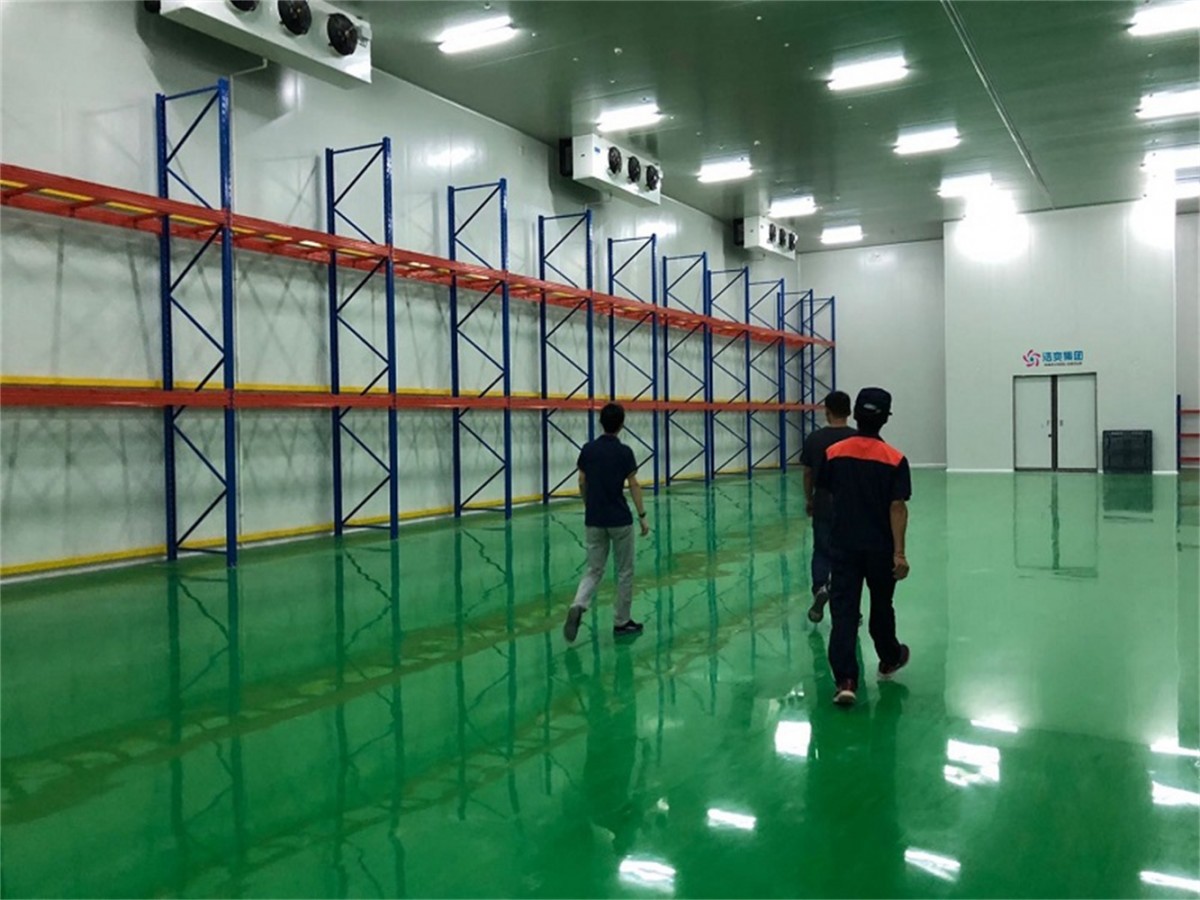
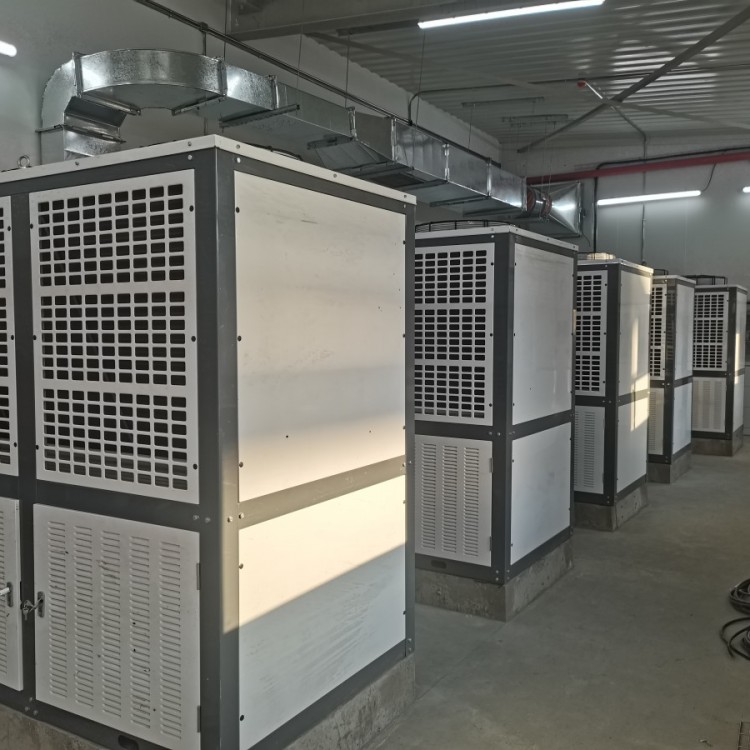
The Xueyang series cold storage utilizes frost-free rapid freezing refrigeration technology, equipped with branded compressors and refrigeration components. It features automated defrosting and is controlled by a microcomputer intelligent control system. The refrigeration system employs green refrigerant, which falls under the advanced refrigeration technology of the 21st-century international standards.