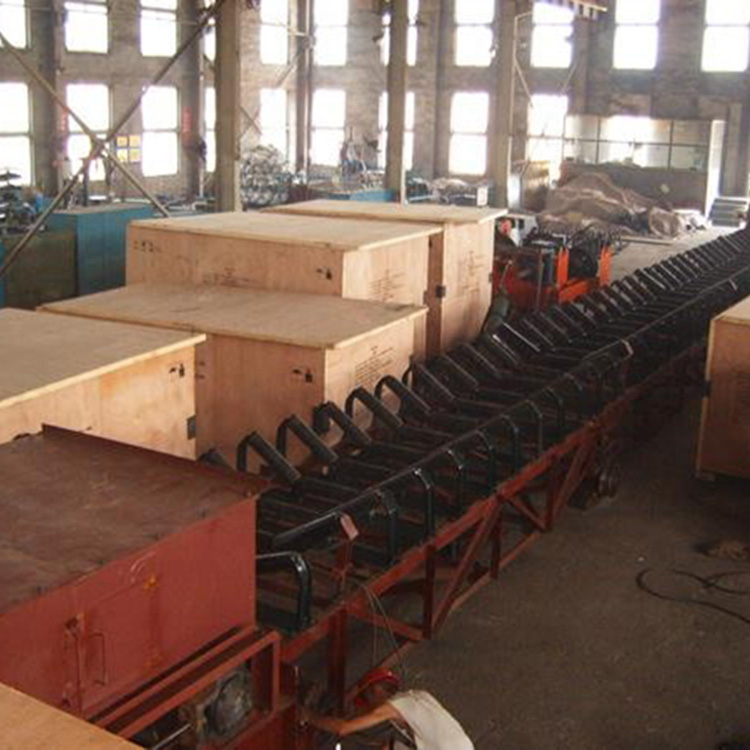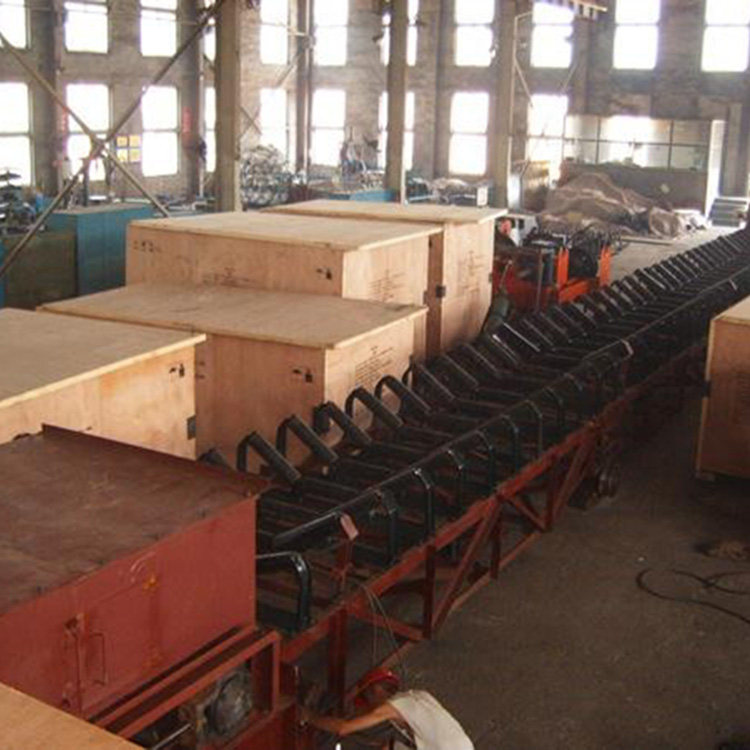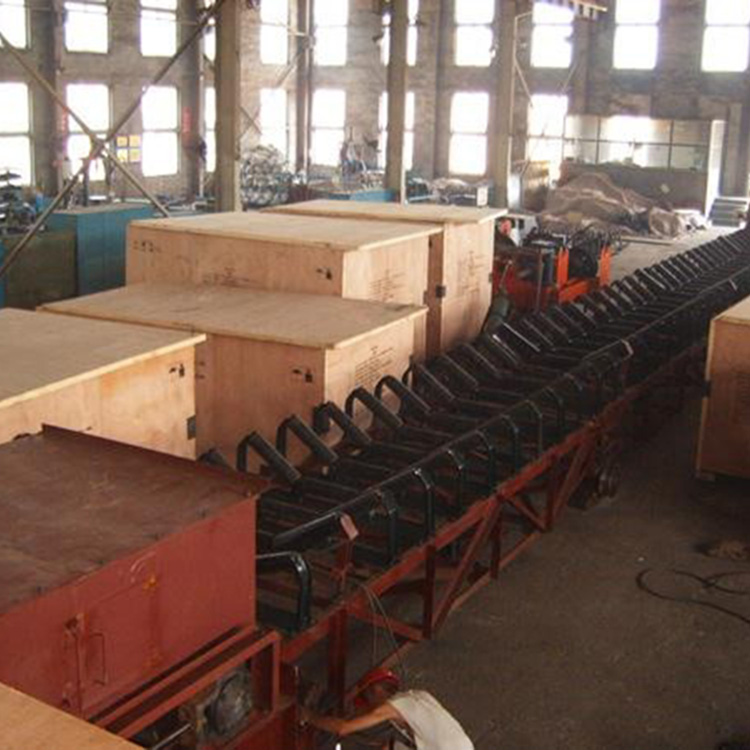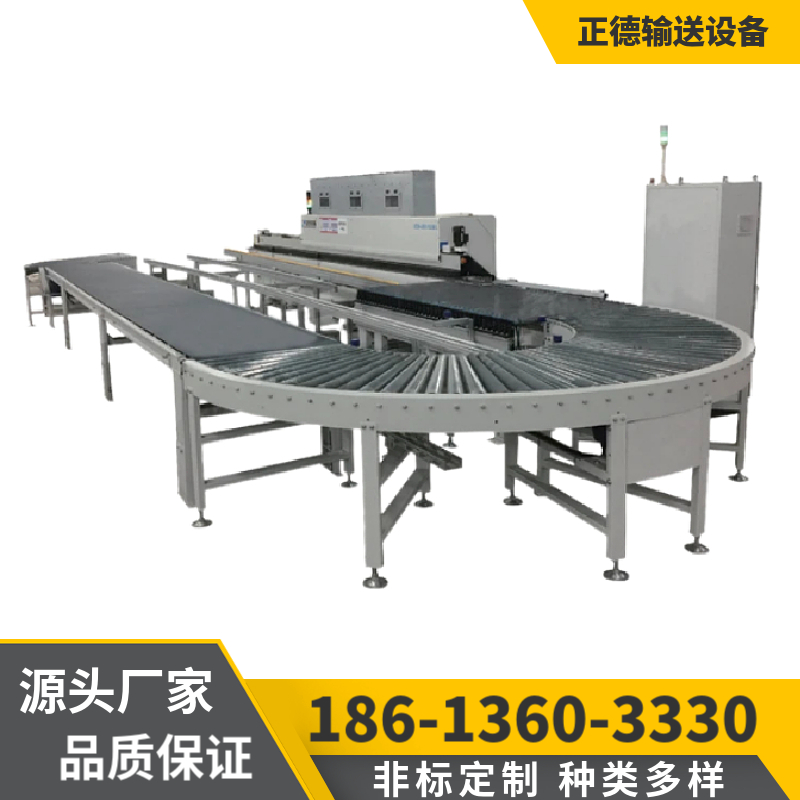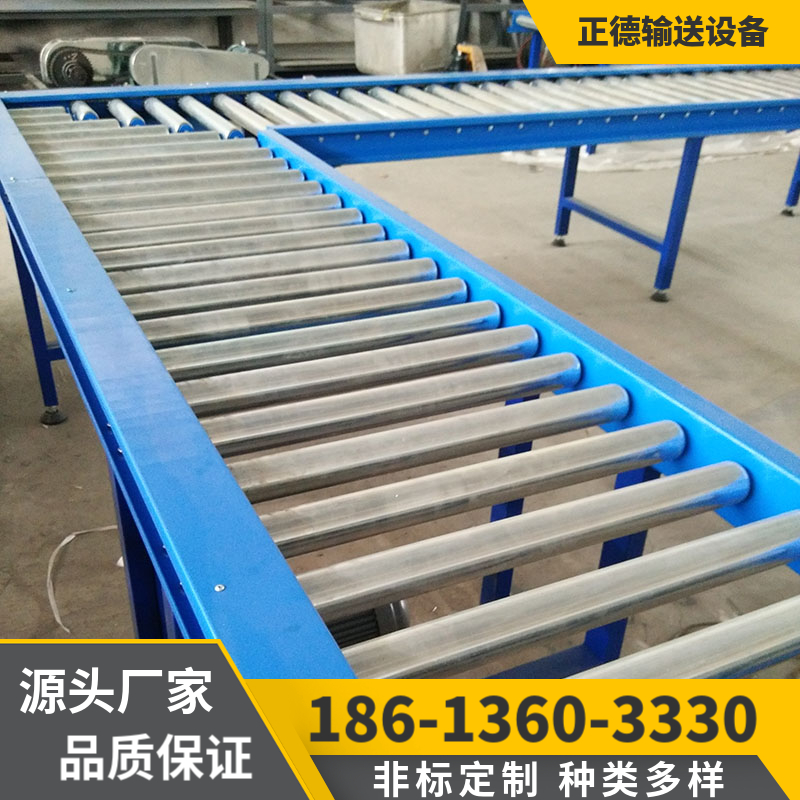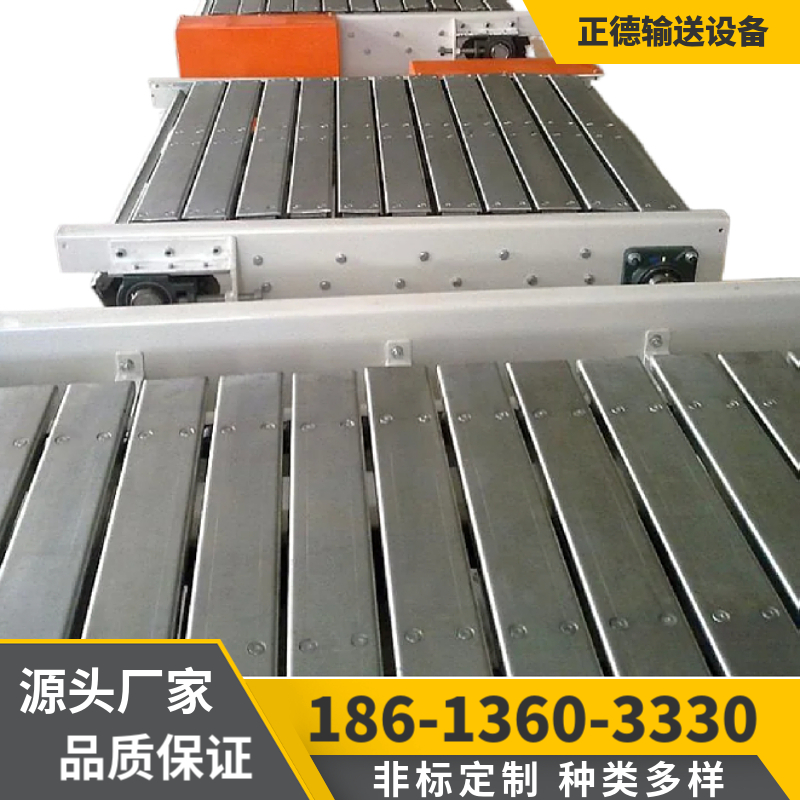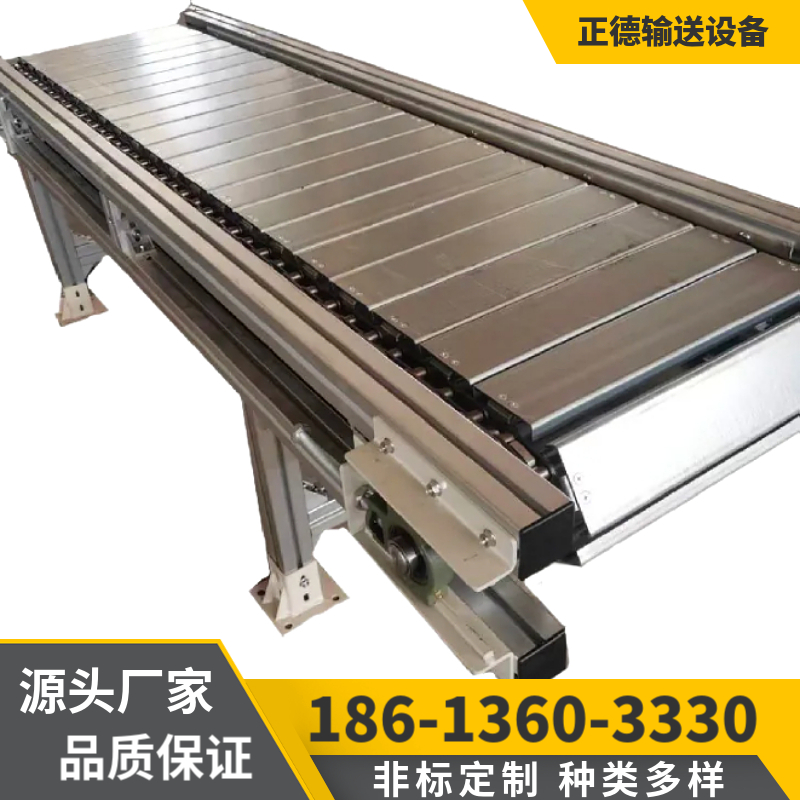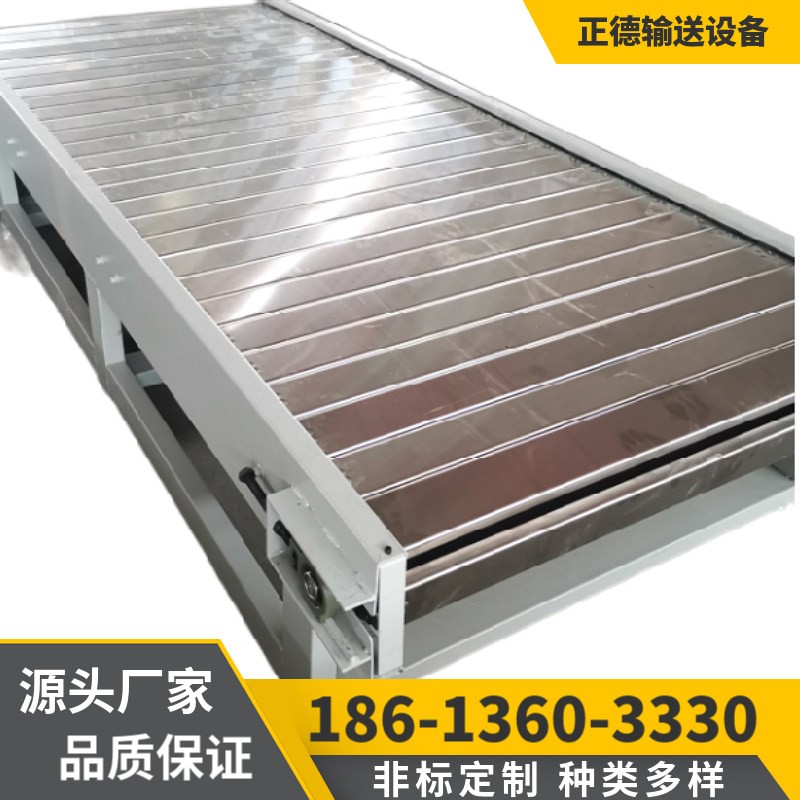

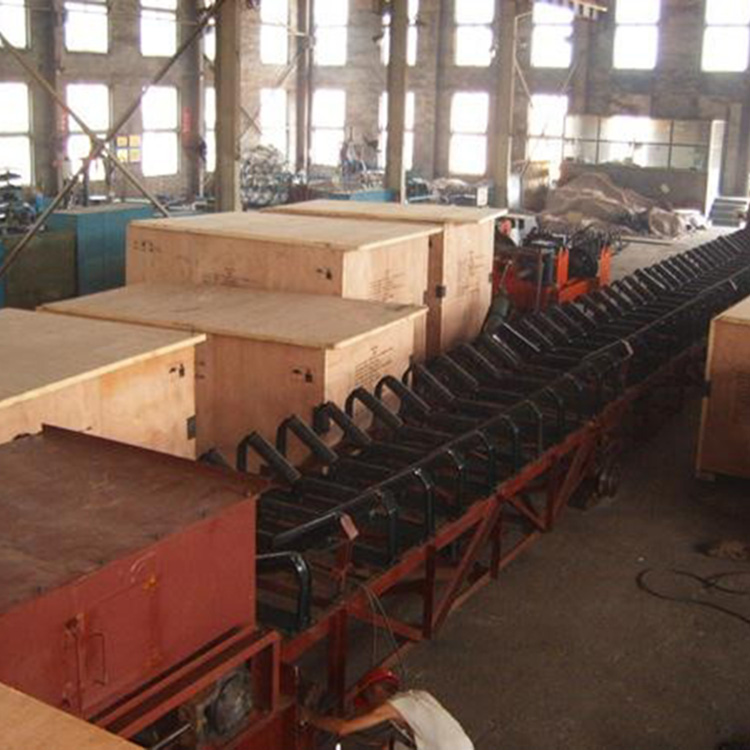

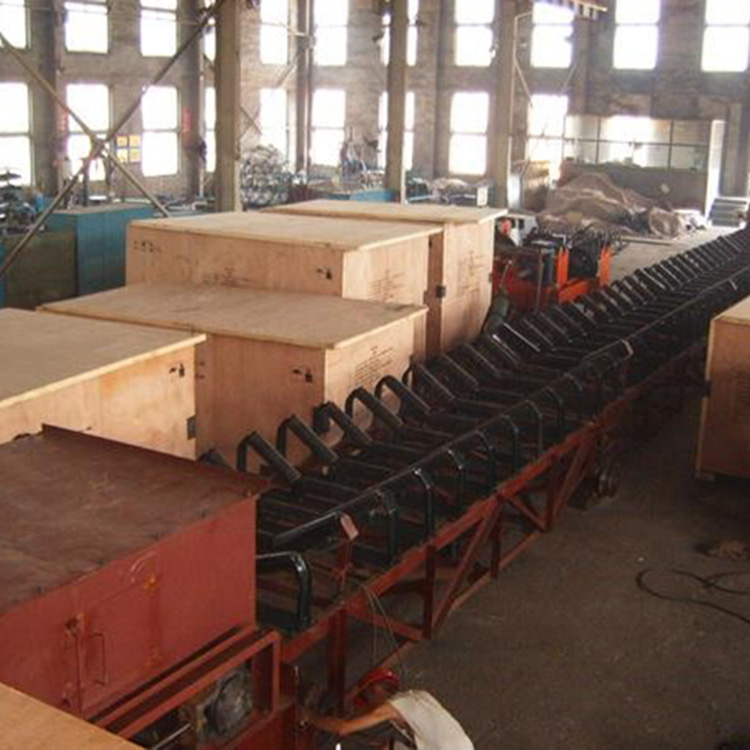
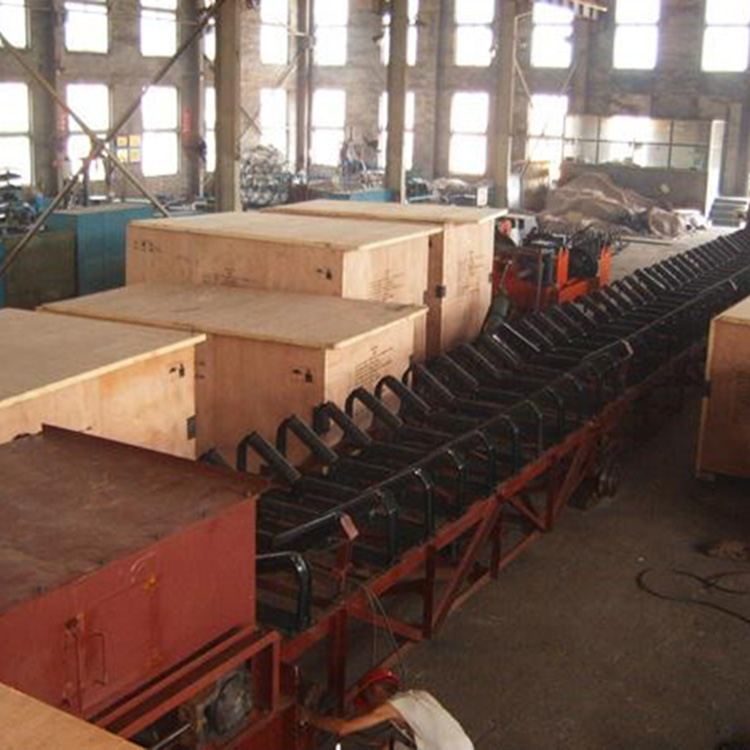


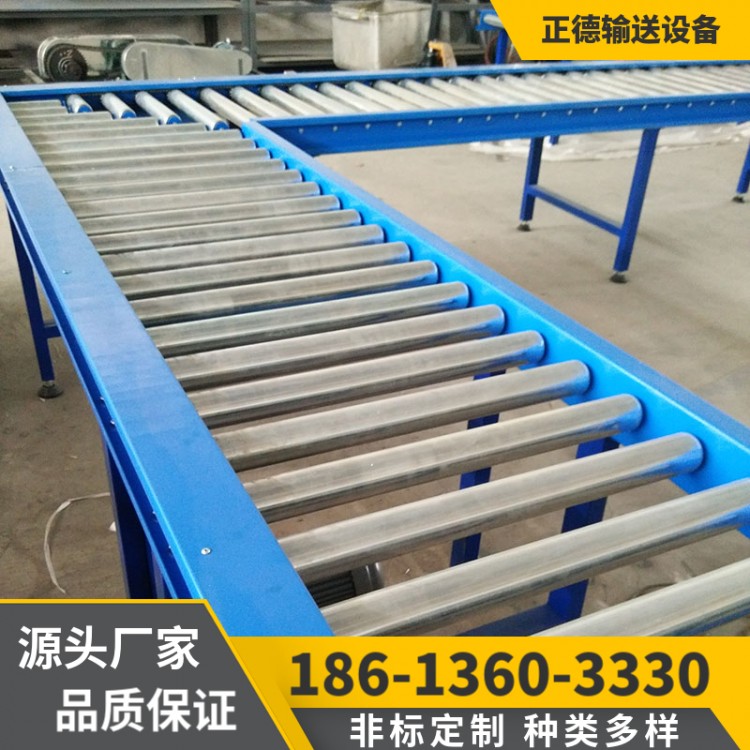
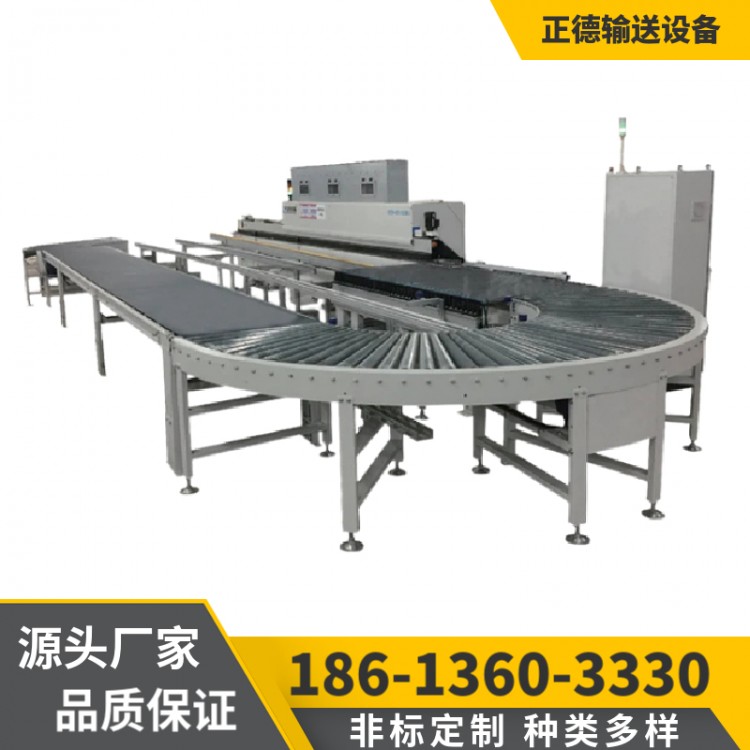
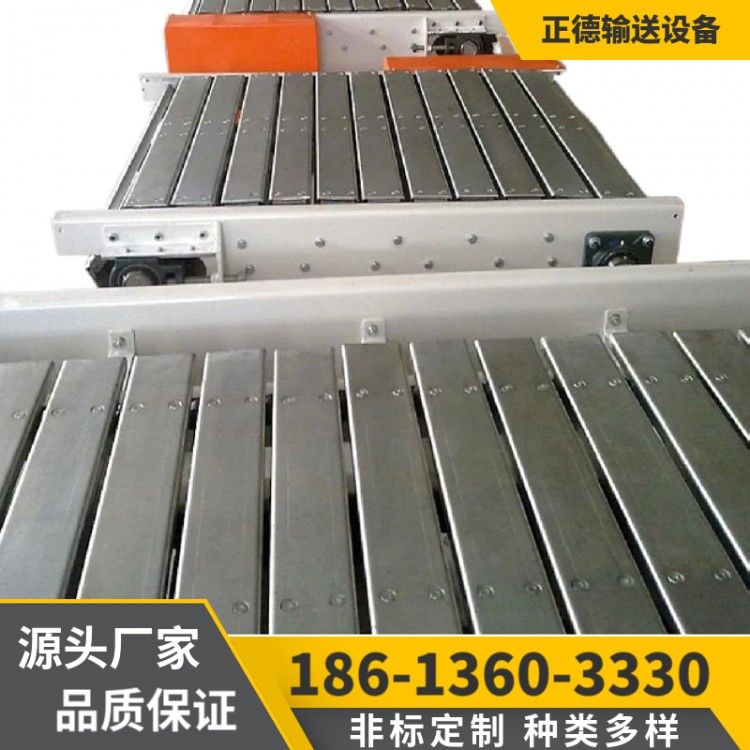
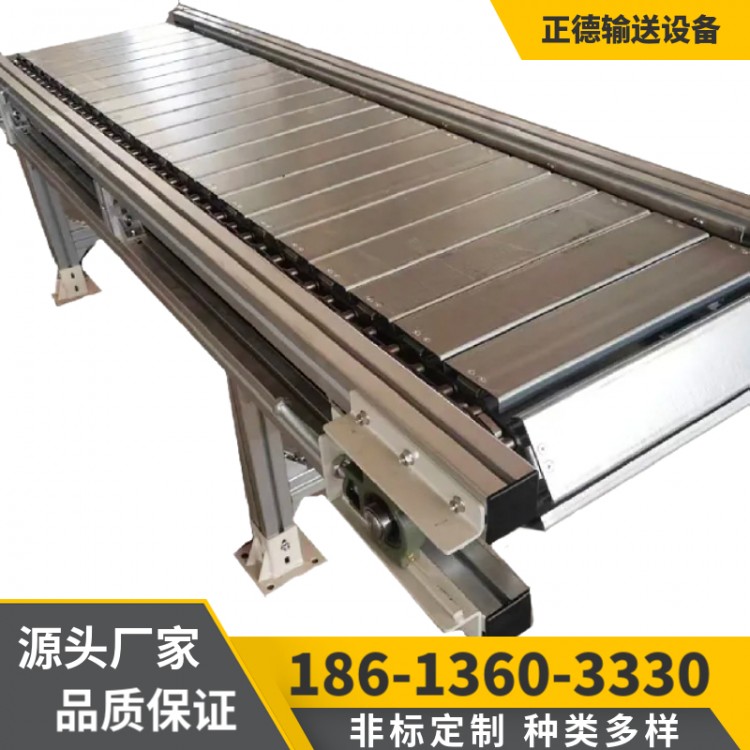





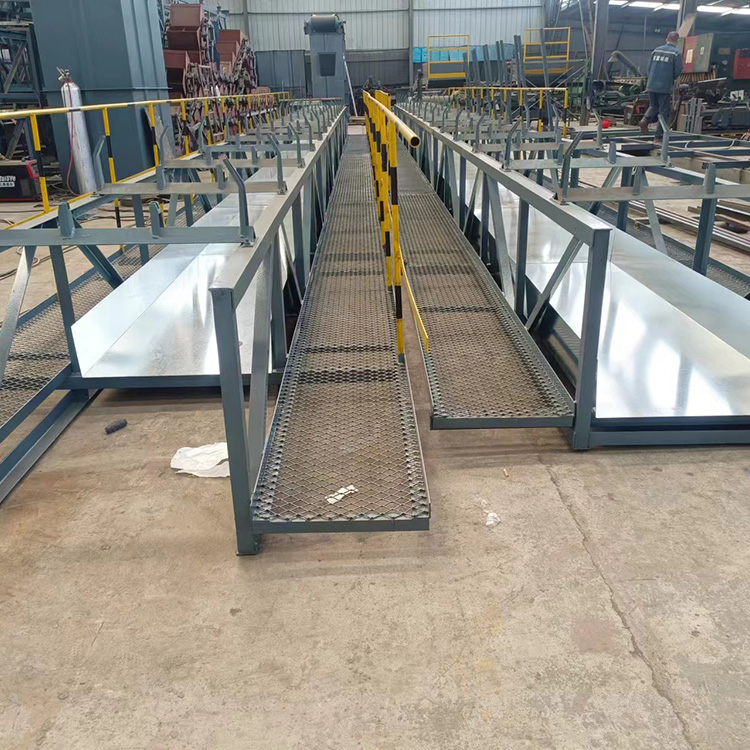
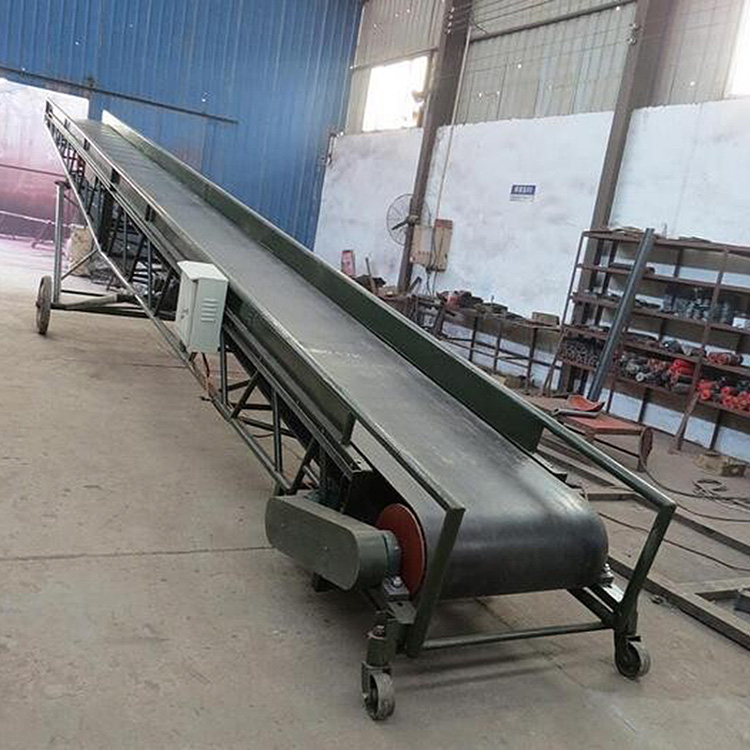
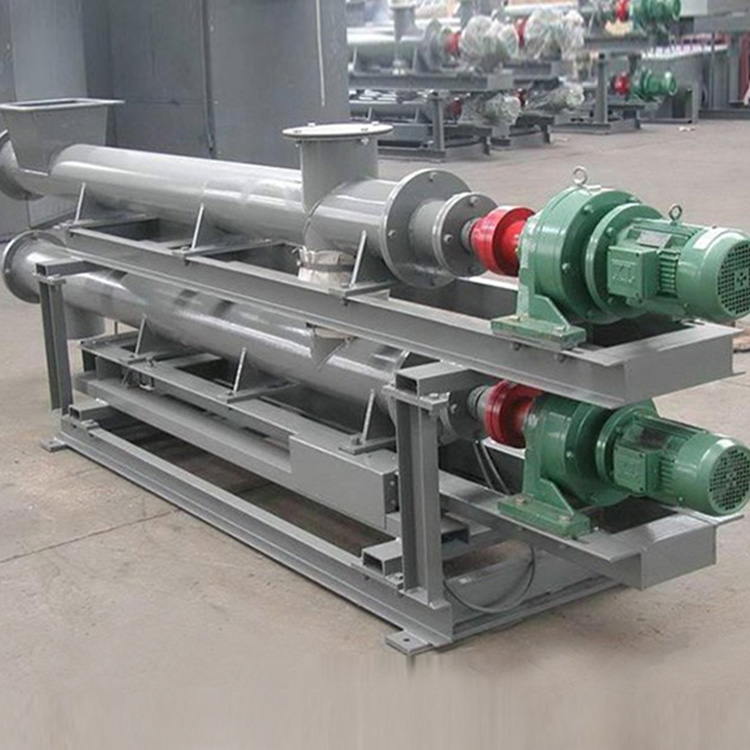
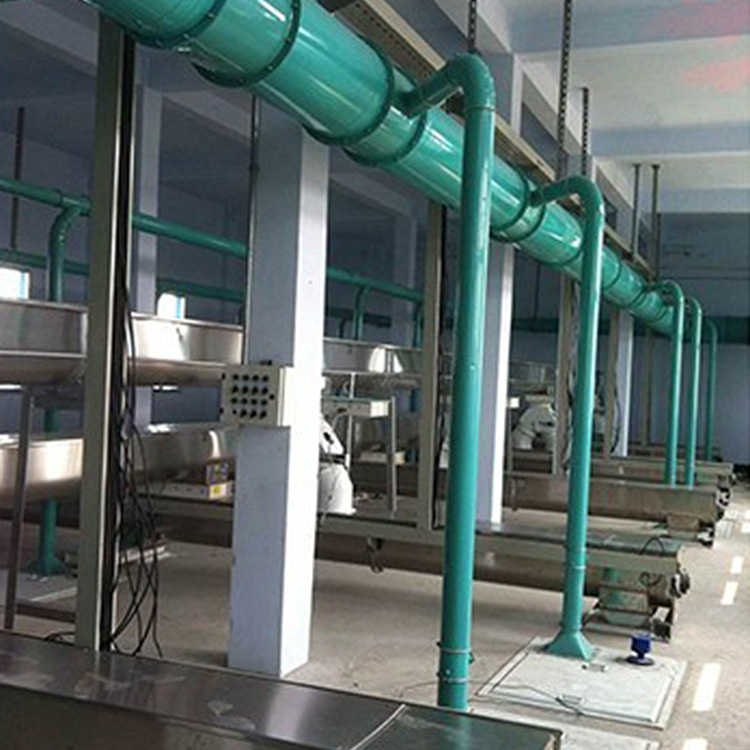
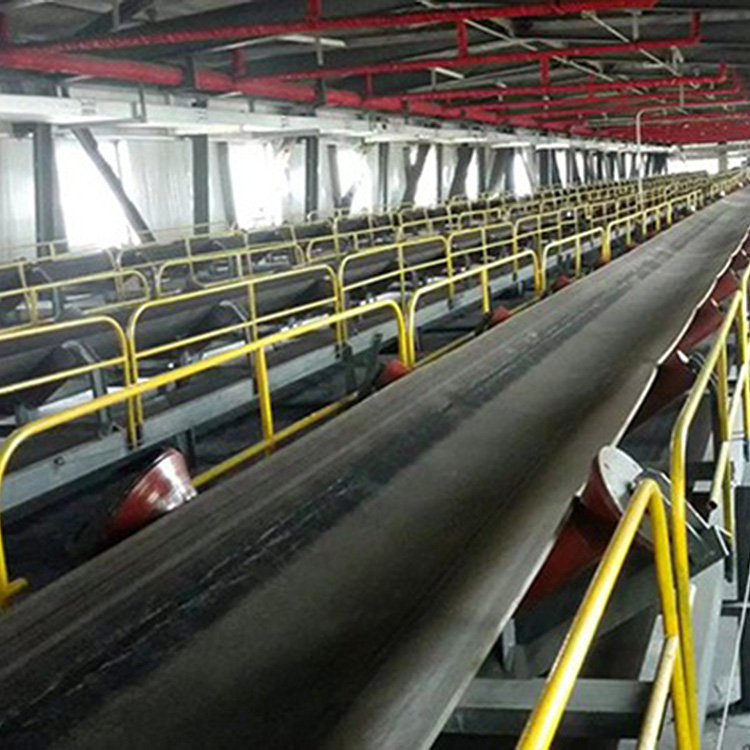
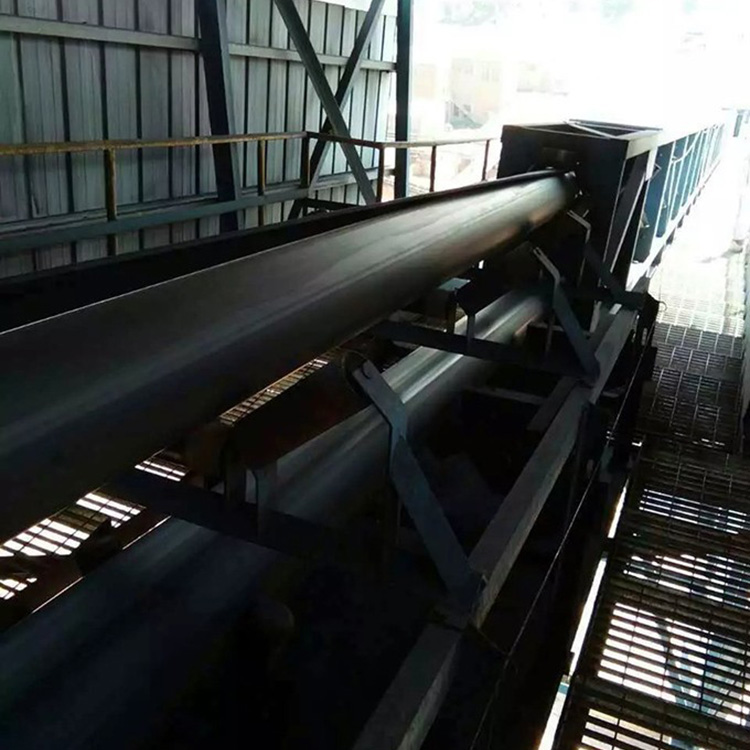
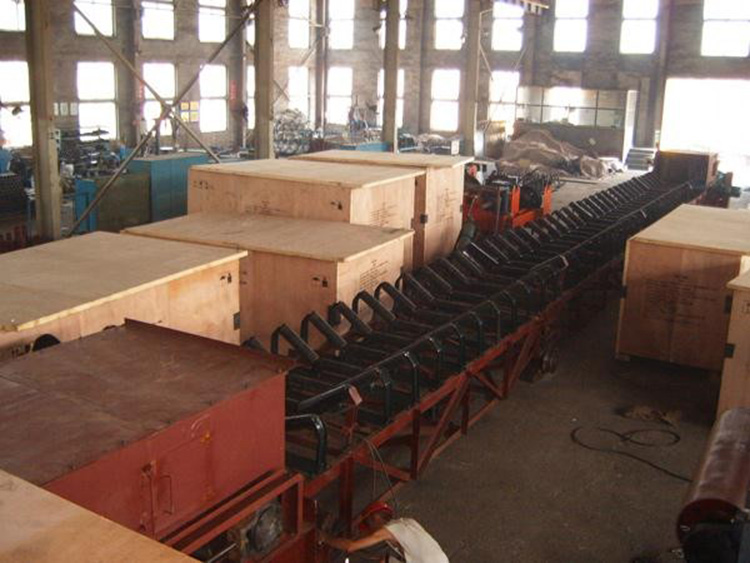
Belt conveyors, short for belt-driven conveyors, use the continuous or intermittent movement of belts to transport various items of different weights and sizes. They can handle a wide range of bulk materials as well as single items like boxes and bags with light weights, making them highly versatile in use.
Belt conveyor features:
The belt conveyor features a simple structure, ease of maintenance, low energy consumption, and low operating costs, in addition to the following characteristics:
1. A wide variety of materials can be conveyed, including various loose materials, lightweight products such as boxes and bags, and items for conveyor systems at large supermarket checkout counters, with versatile applications.
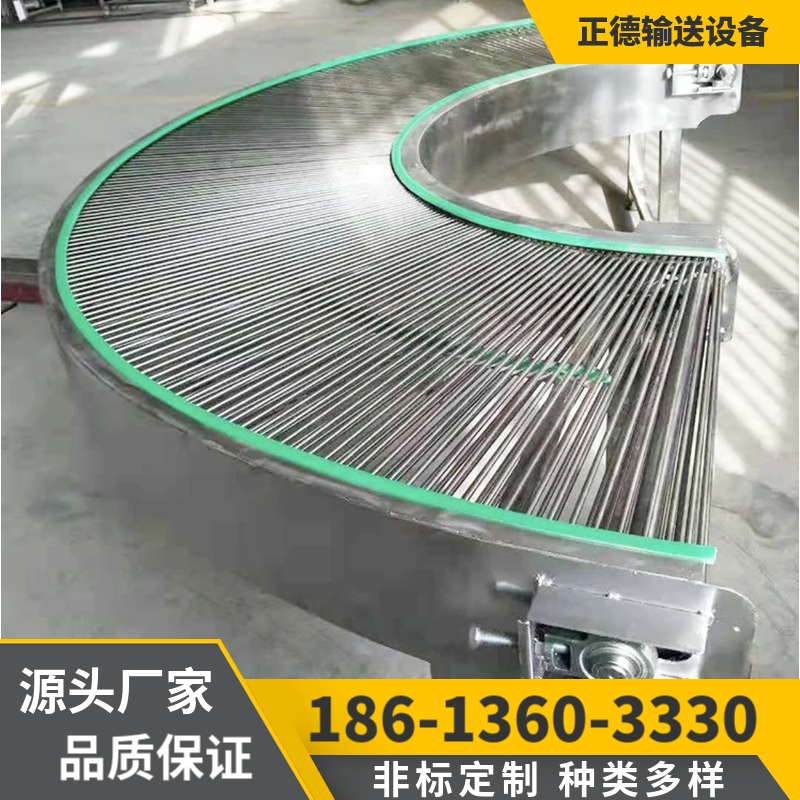
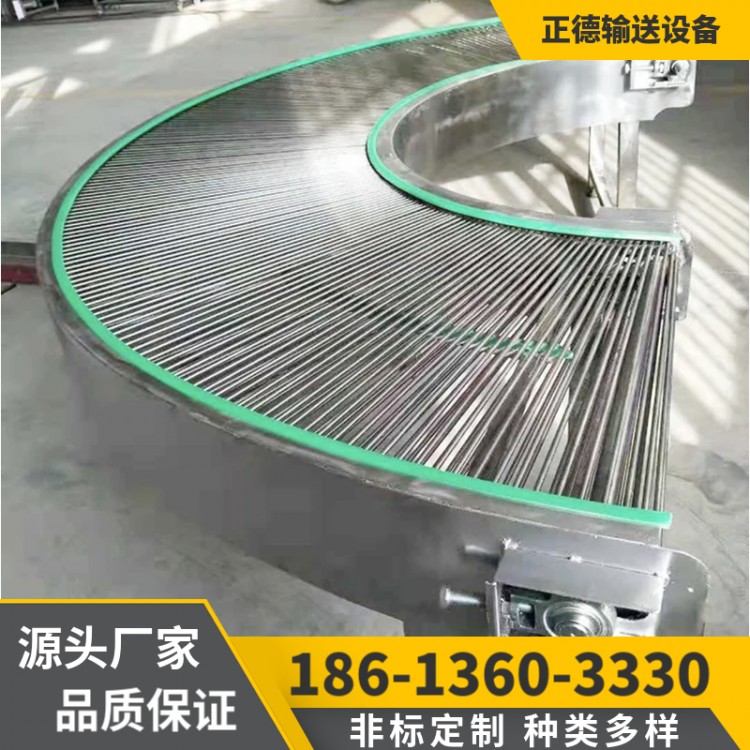
2. Belt conveyors come in various structural types, including troughed belt conveyors, flat belt conveyors, incline belt conveyors, side倾斜 belt conveyors, and bend belt conveyors, among others. The conveyor belts can also be equipped with additional accessories such as push plates, side guards, and aprons to meet various process requirements.
3. The belt conveyor utilizes a specialized food-grade conveyor belt, meeting the requirements of industries such as food and daily chemical products.
4. Smooth conveying; no relative movement between the material and the conveyor belt, which can prevent damage to the conveyed items.
5. Offers lower noise compared to other conveyors, ideal for environments requiring a quieter work setting.