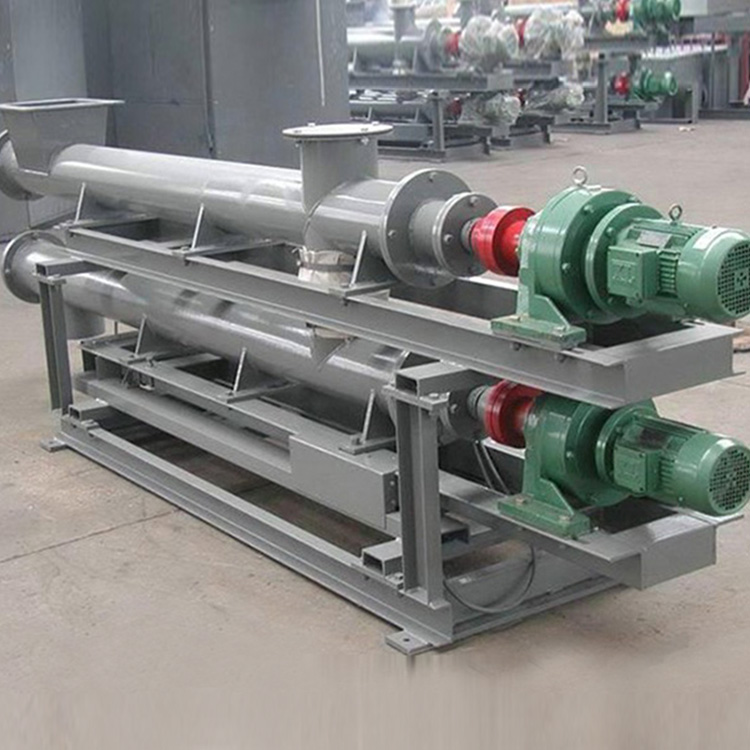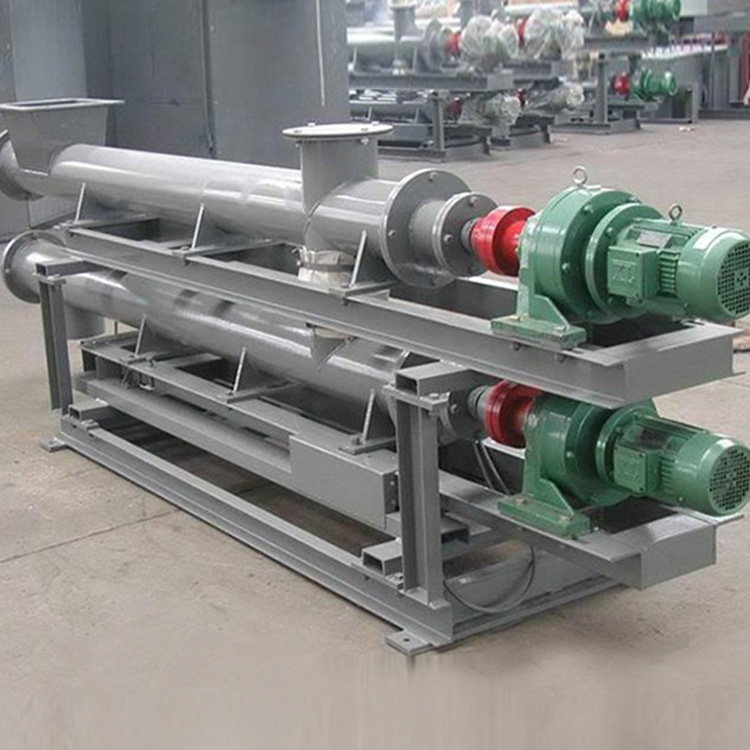

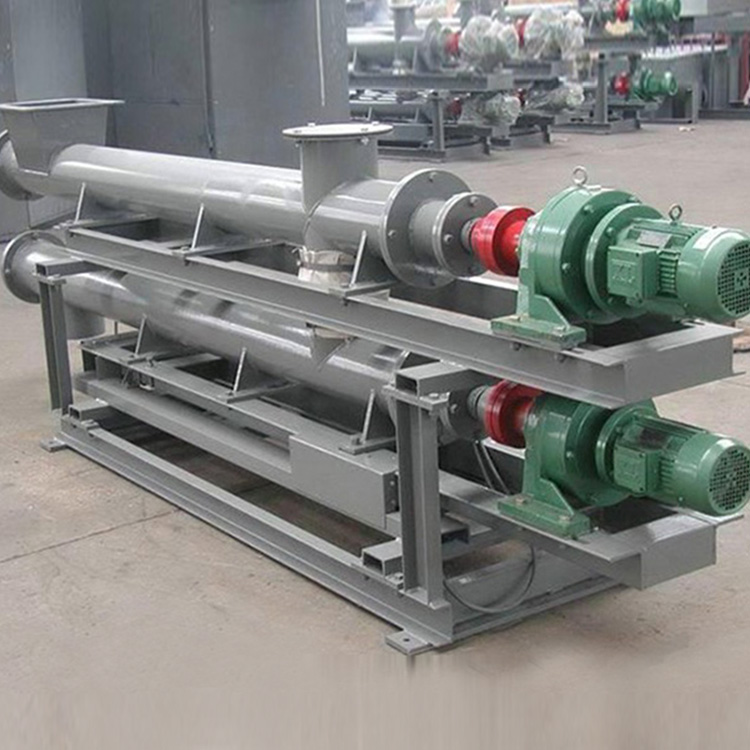

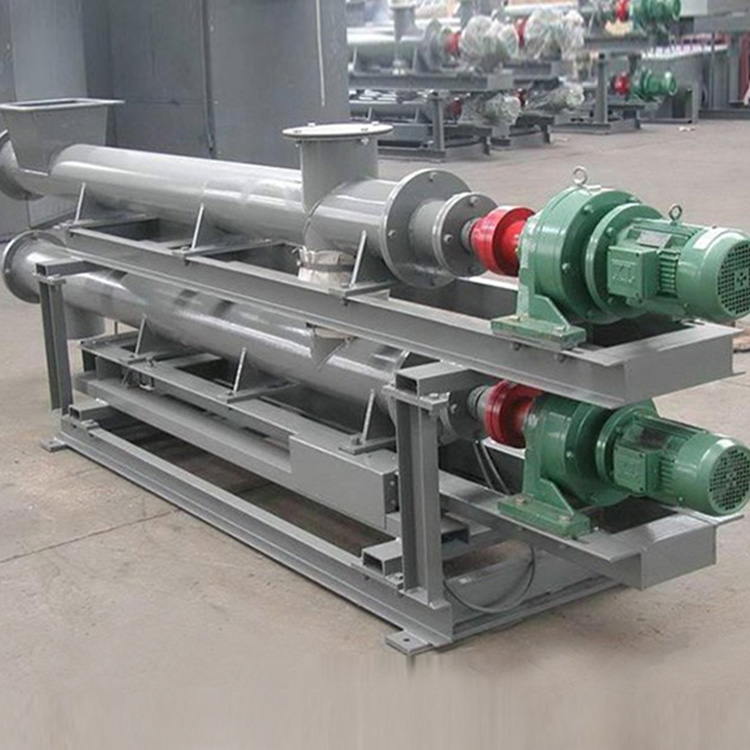
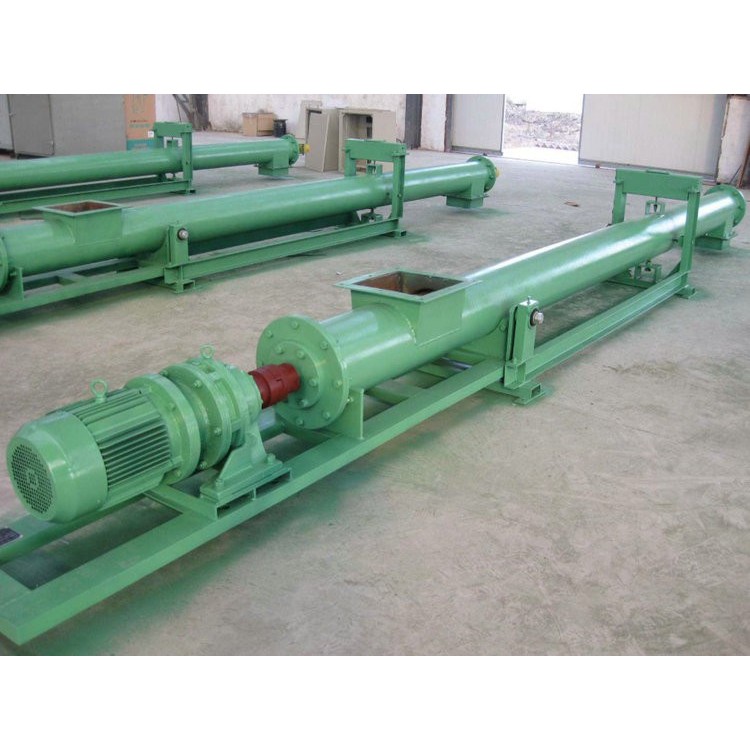
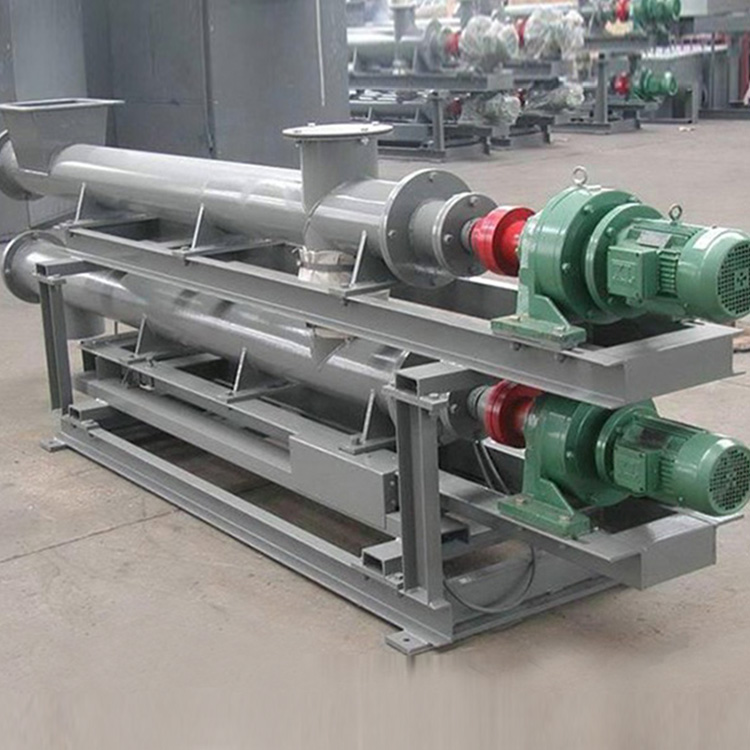







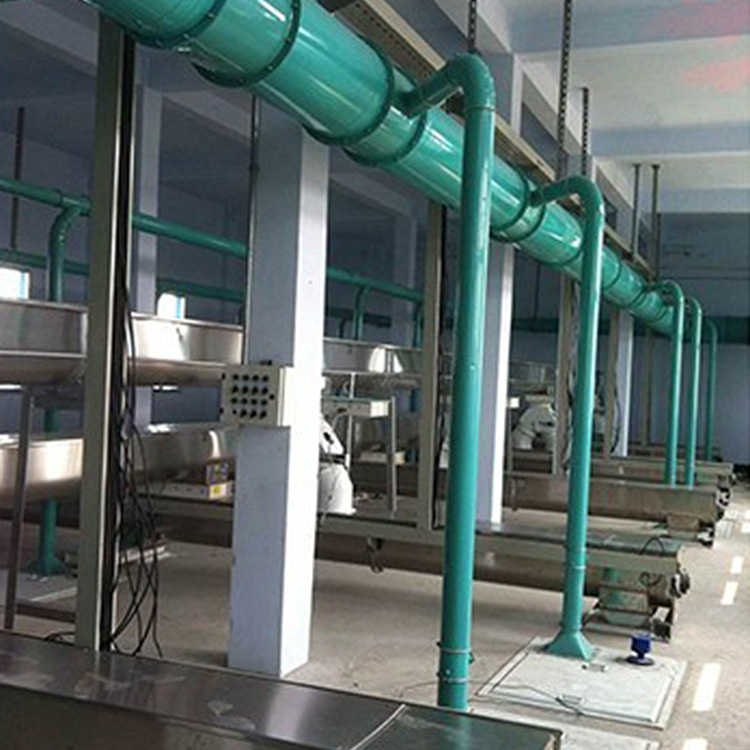
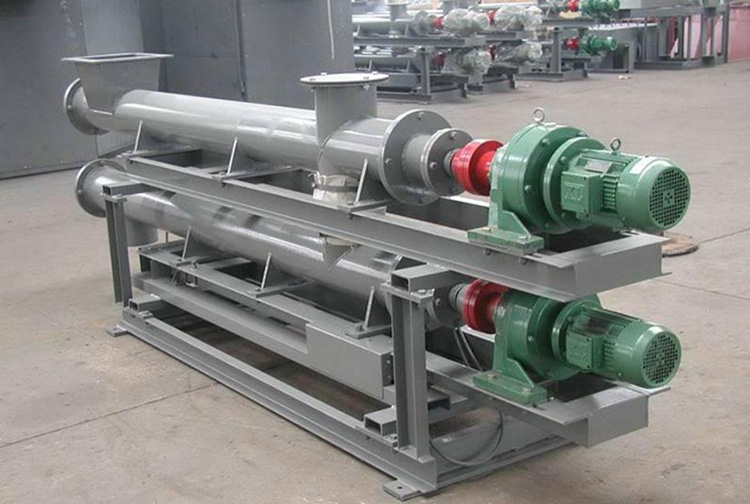
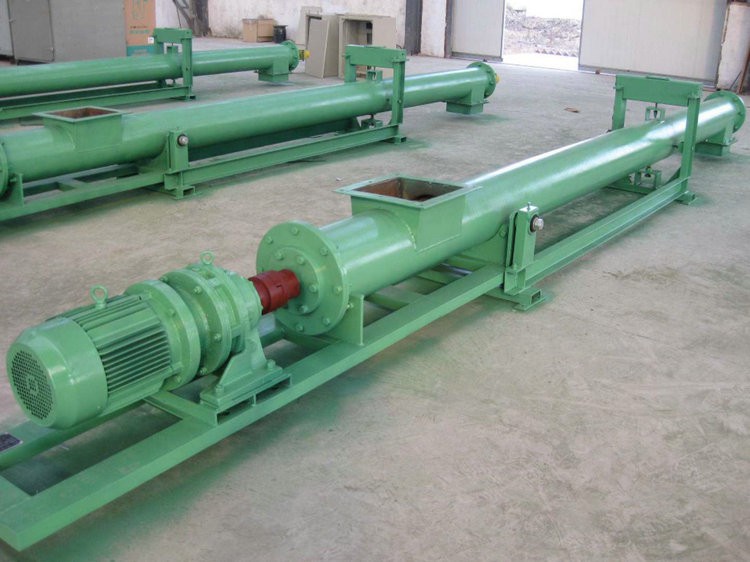
Screw conveyors, also known as auger conveyors, use rotating spiral blades to push materials through a spiral path, widely used across various industries. Suitable for horizontal or inclined conveying of powdery, granular, and small-sized materials with temperatures below 200°C. Spiral conveyors are not suitable for materials that are prone to spoilage, sticky, or caking.
Its structural features:
1. The spiral shaft,吊 bearing, head, and tail shaft connections all feature an embedded tongue design, allowing for easy installation and removal without the need for axial movement, and convenient maintenance. Longer core shaft, fewer suspensions, and less points of failure.
2. Utilizing a variable diameter structure to increase the volume at the hoist bearing area, preventing contact between the hoist bearing and material, the hoist bearing lifespan can exceed two years.
3. All transmission parts are equipped with floating connections, and the suspension bearings feature a universal joint structure. This allows the helical element, suspension bearing, and rear assembly to form an integrated rotating float. Within a certain range, it can freely rotate and avoid resistance, preventing material jams and blockages.
4. Both the front and rear bearing seats are outside the housing. All bearings are equipped with multi-layer sealing and matching sealing technology, ensuring a long service life for the bearings.
Operating Principle
The rotating spiral blades push the material for conveying by the spiral conveyor, and the force that prevents the material from rotating with the spiral conveyor blades is the material's own weight and the frictional resistance between the material and the conveyor housing. The spiral blades welded to the rotating shaft of the spiral conveyor come in various face shapes, such as solid, belt, and blade types, depending on the material being conveyed. At the terminal of the material movement direction on the spiral shaft of the spiral conveyor, there is a thrust bearing to accommodate the axial reactive force from the material. When the conveyor length is long, intermediate hanger bearings should be added.