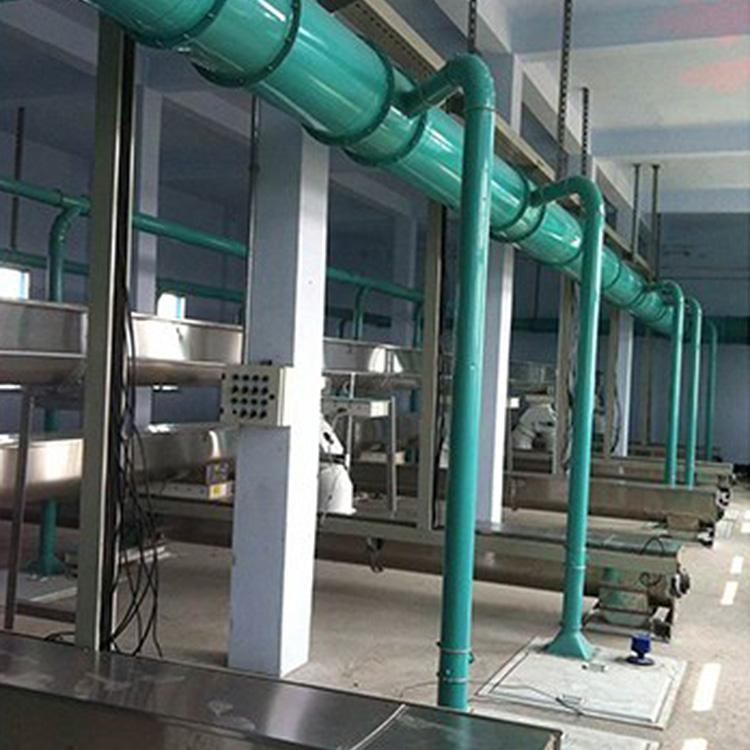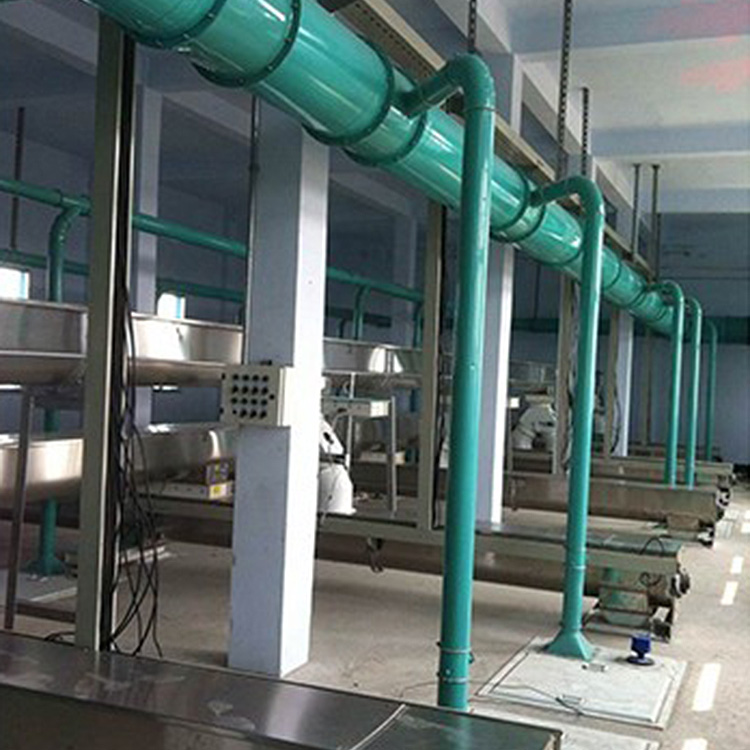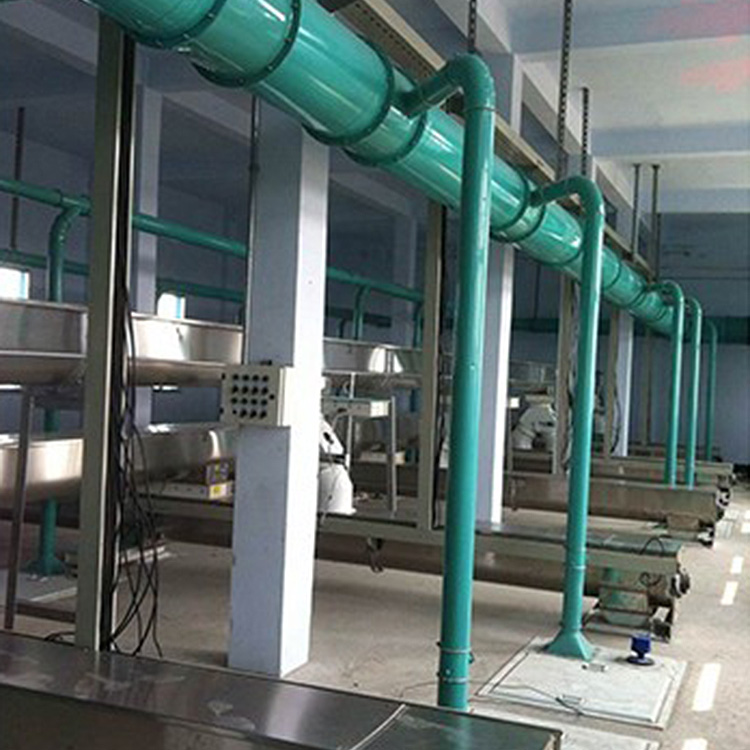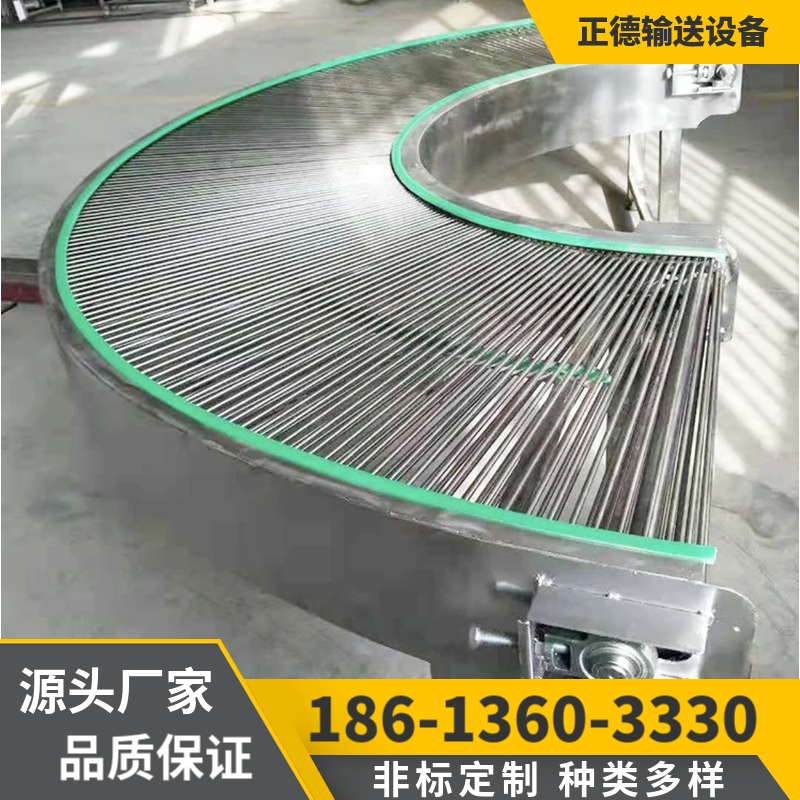

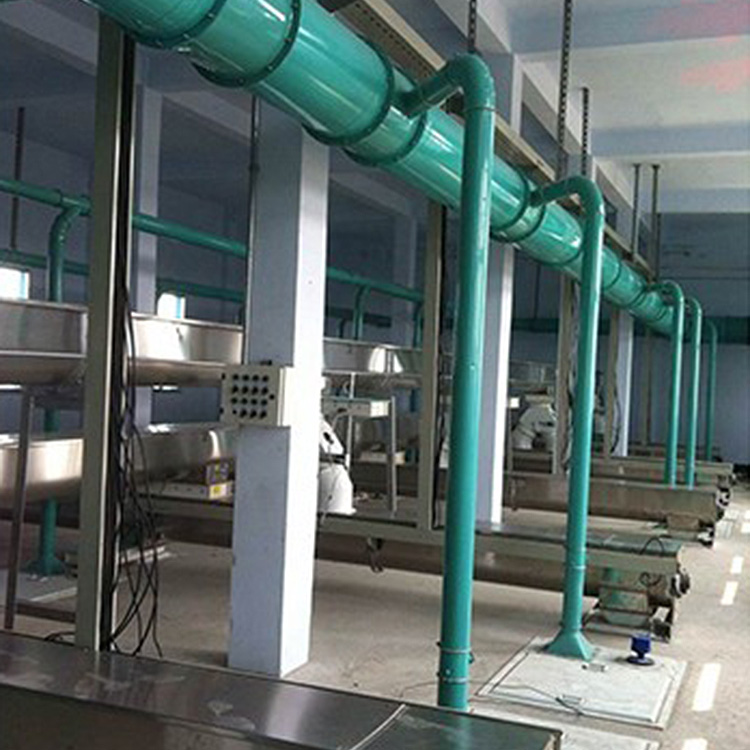

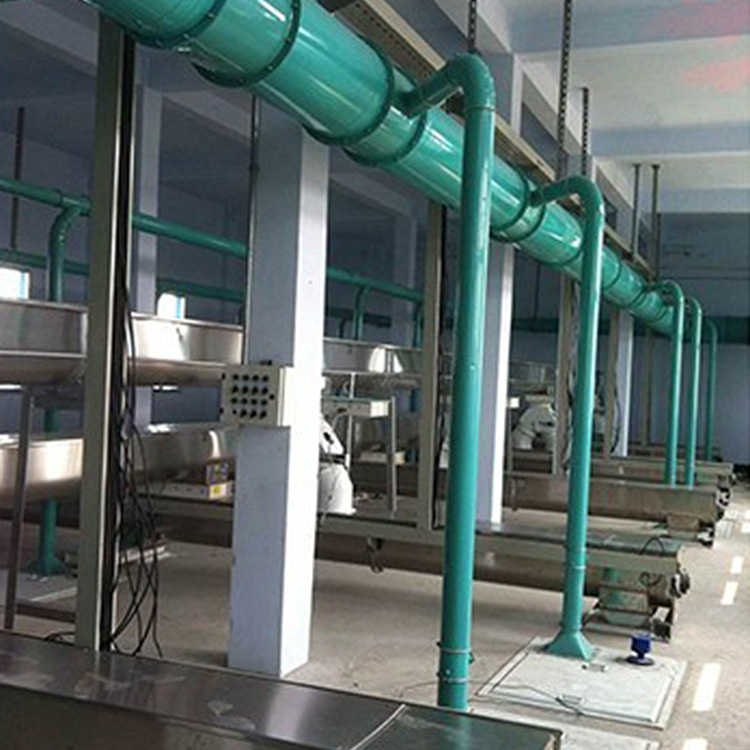

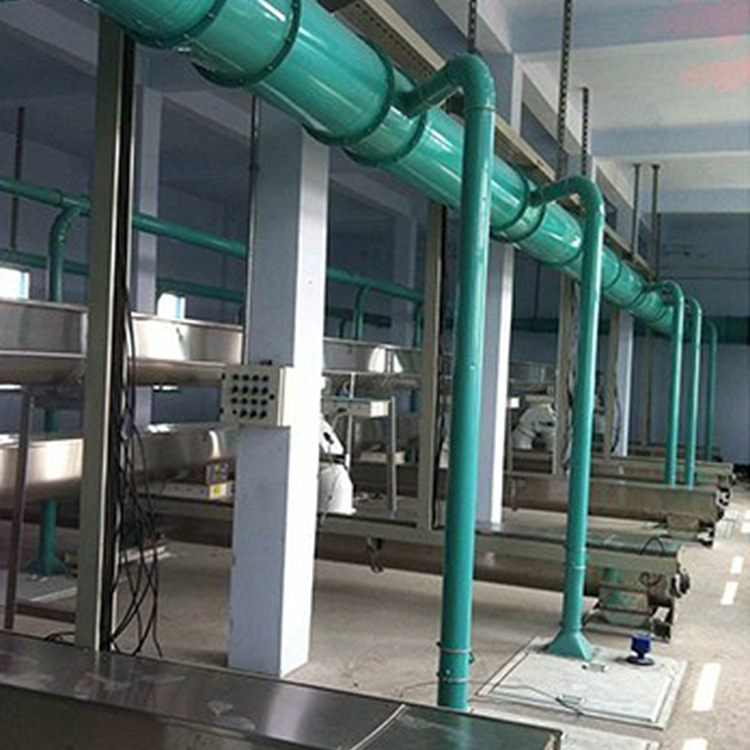


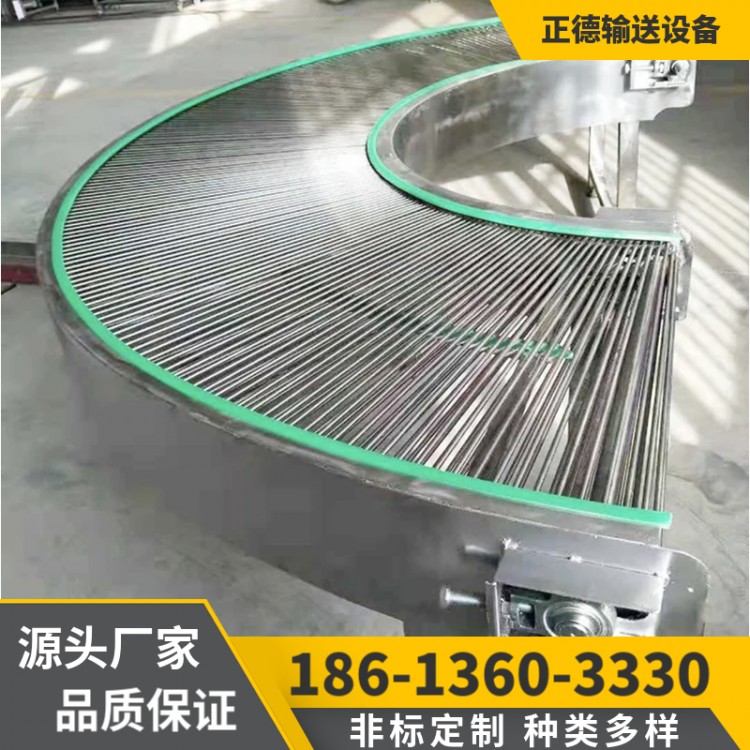
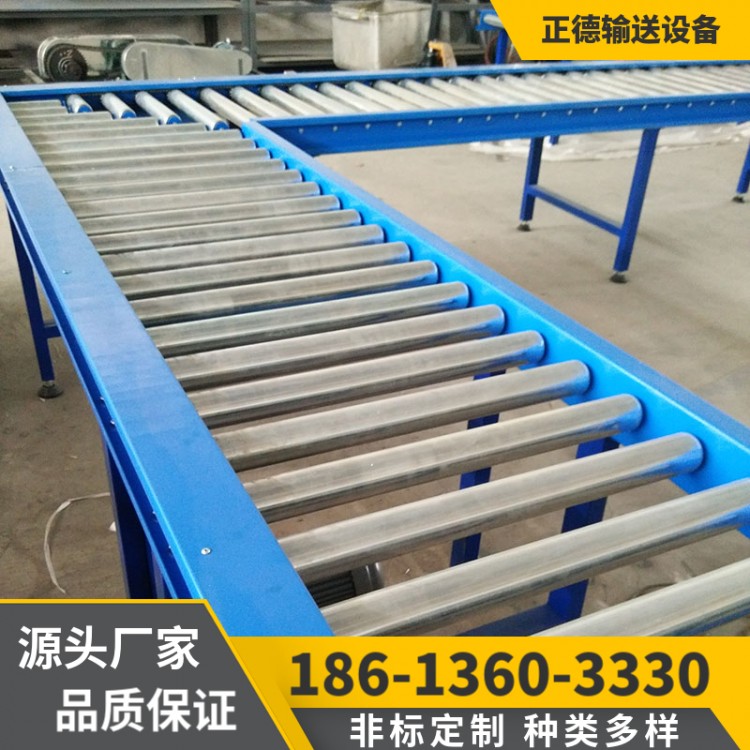
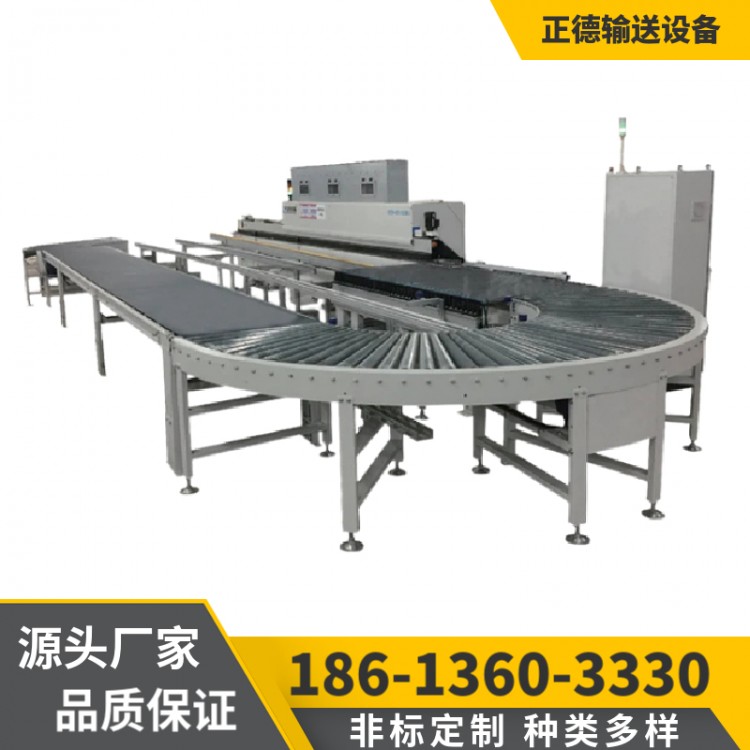





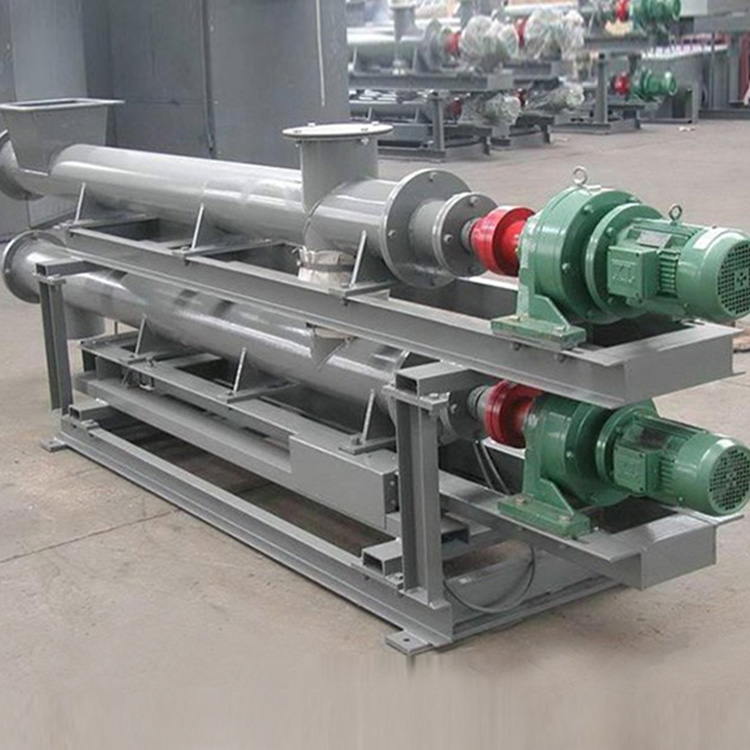
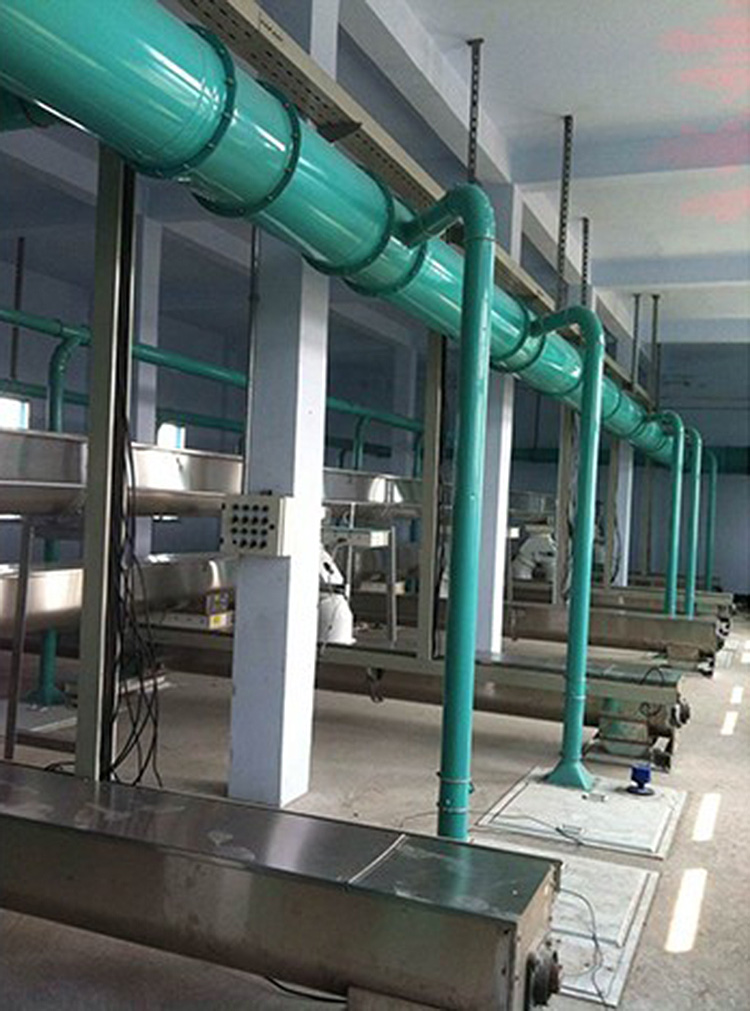
Screw conveyors are suitable for food transportation or high-temperature material handling, with a maximum resistance to temperatures up to 1000°C. They must be made of materials like stainless steel and copper, and their internal bearings cannot be lubricated, necessitating the use of sintered metal bushings containing oil and proper sealing measures. Screw conveyors offer advantages such as acid and alkali resistance, high or low-temperature tolerance, wear resistance, low corrosion, and non-contamination of materials. They can meet various transportation requirements for materials like dry powders, moist powders, high-temperature materials (up to 200°C), corrosion resistance, and airtightness. The materials can be 304, 316L, 321, or in some special cases, titanium steel.
The application of the screw conveyor:
Its usage primarily includes fields such as grain, chemicals, food, or environmental engineering wastewater sludge treatment equipment. In principle, conveyors of different models can be made of stainless steel, but the cost may be higher. Therefore, spiral conveyors are used for materials with acidic or alkaline properties.