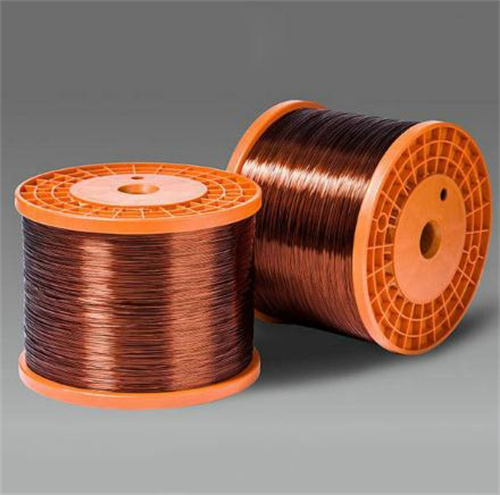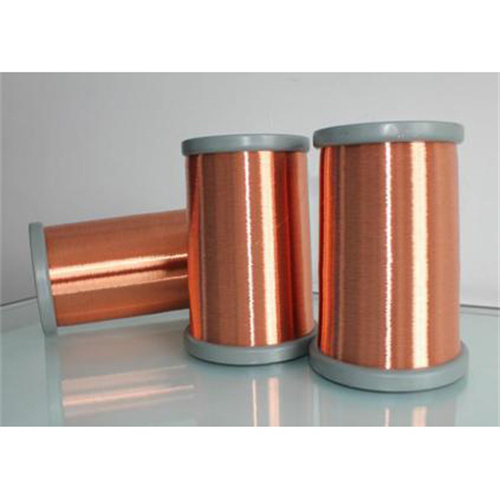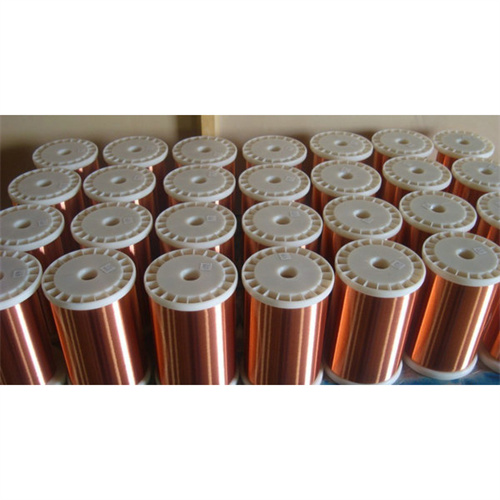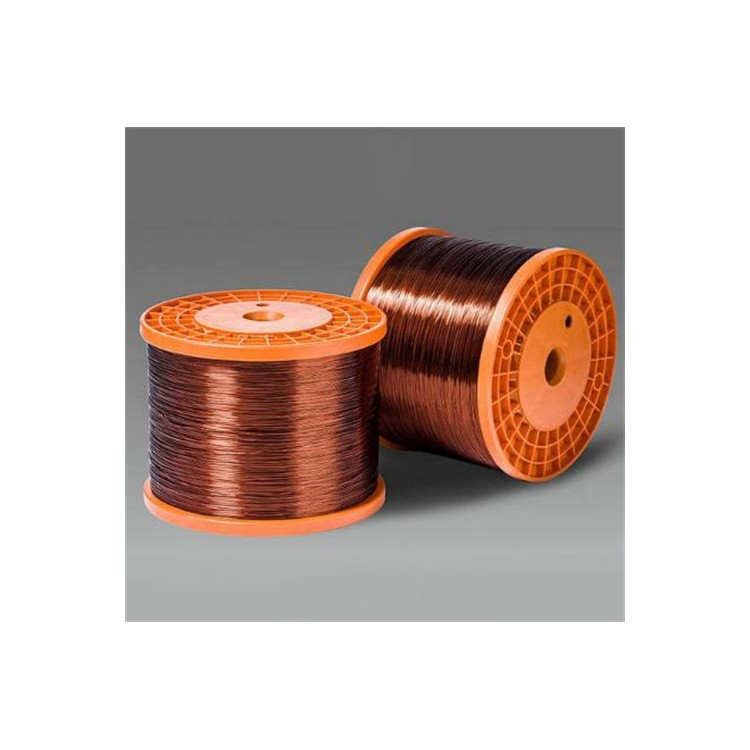

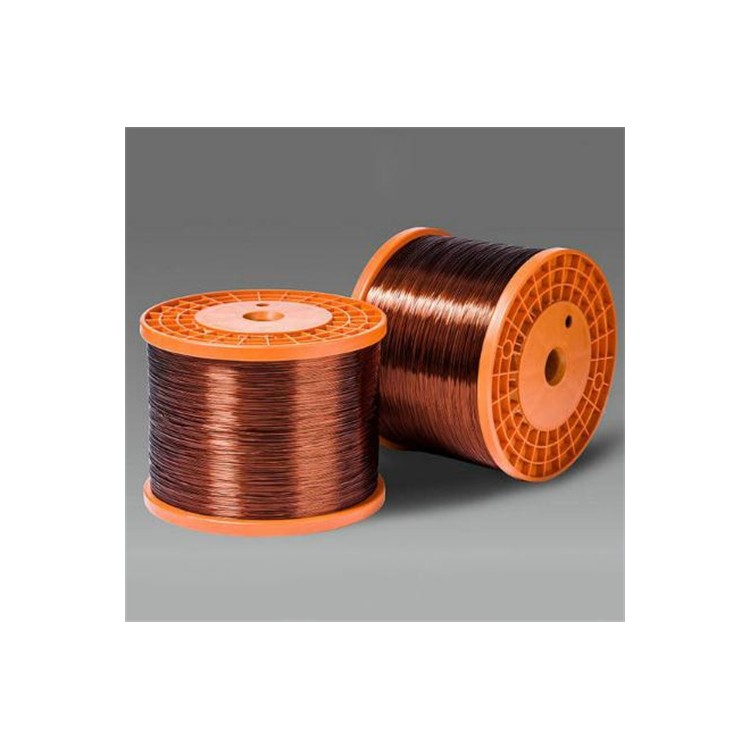
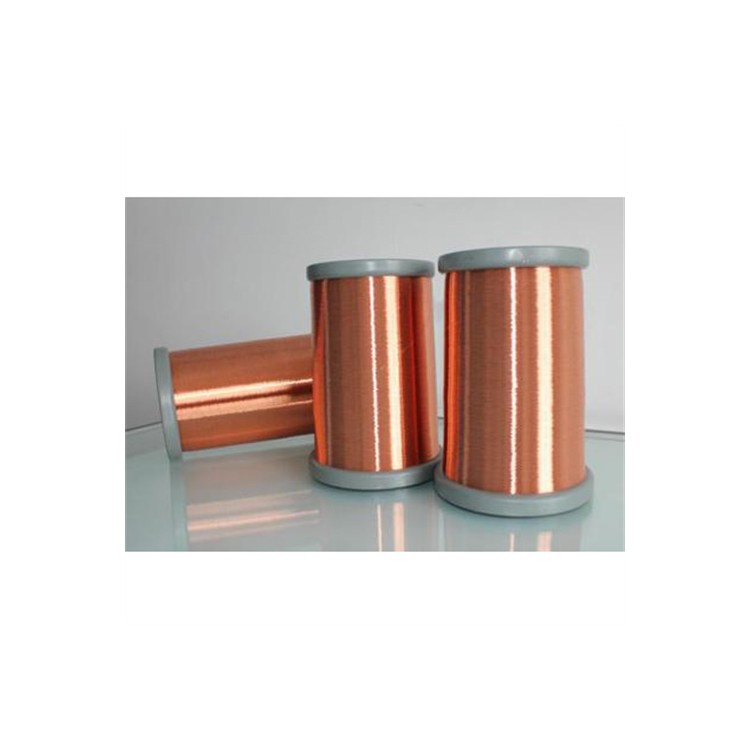
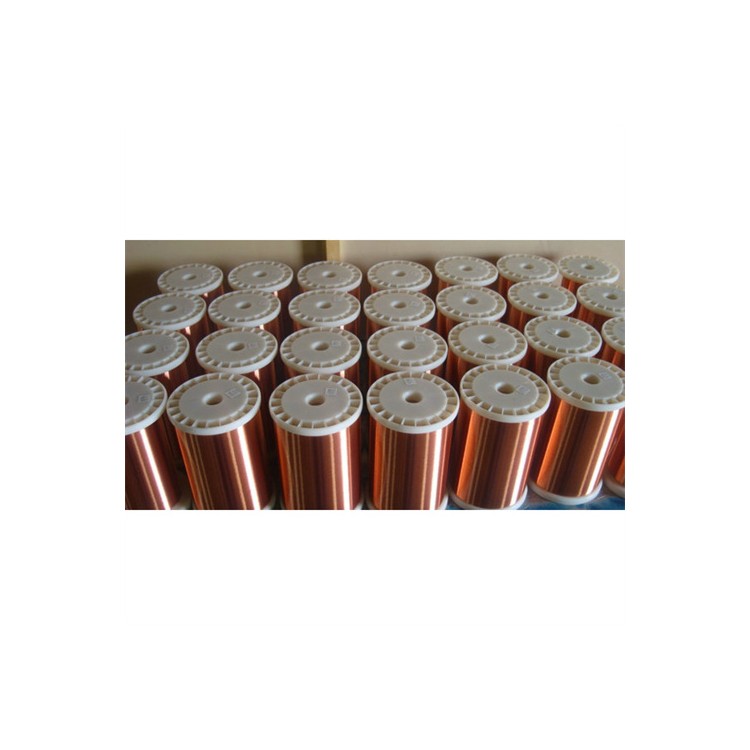









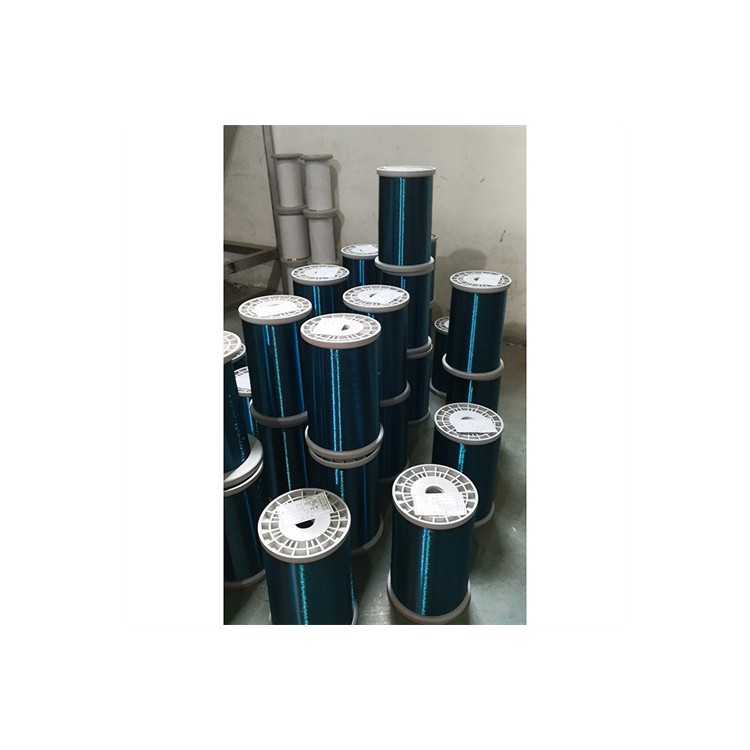
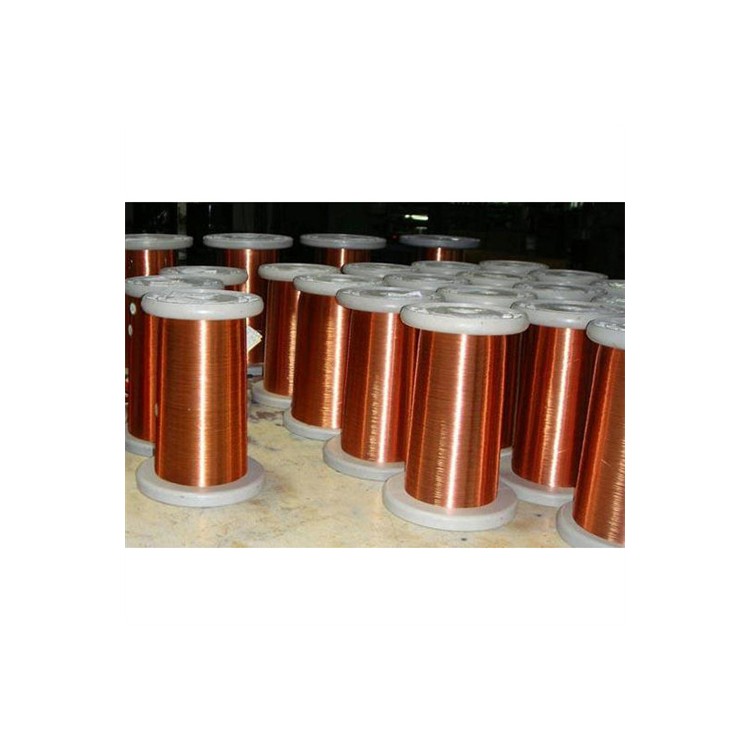
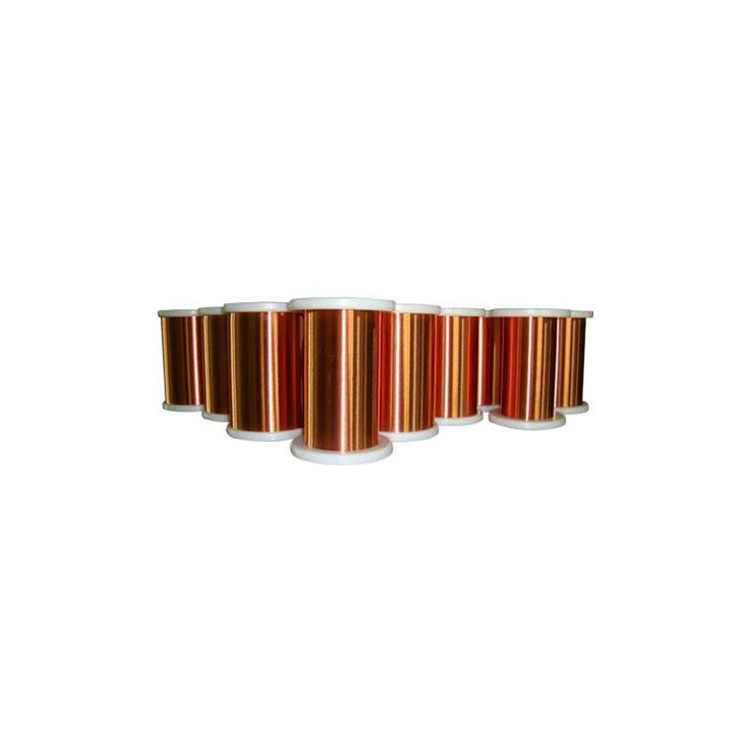
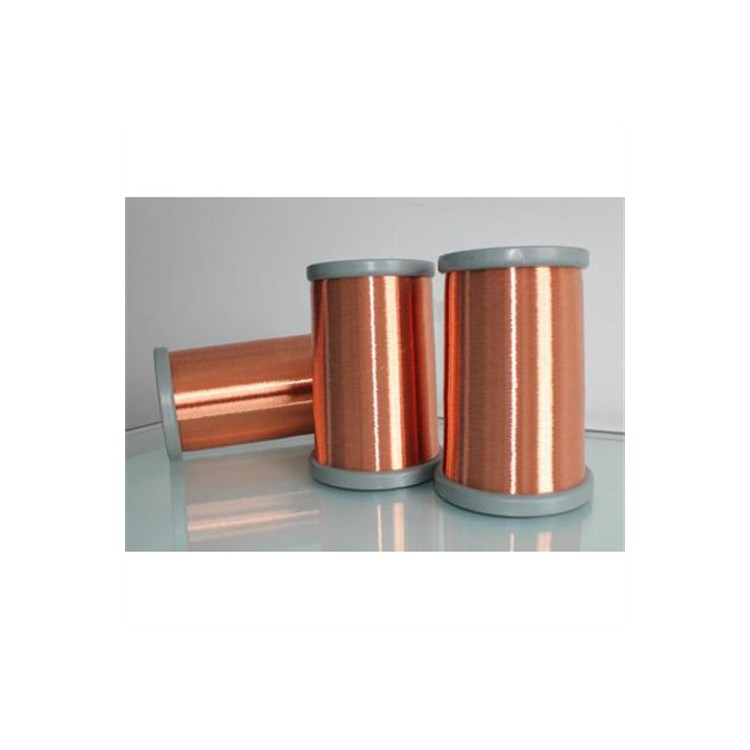
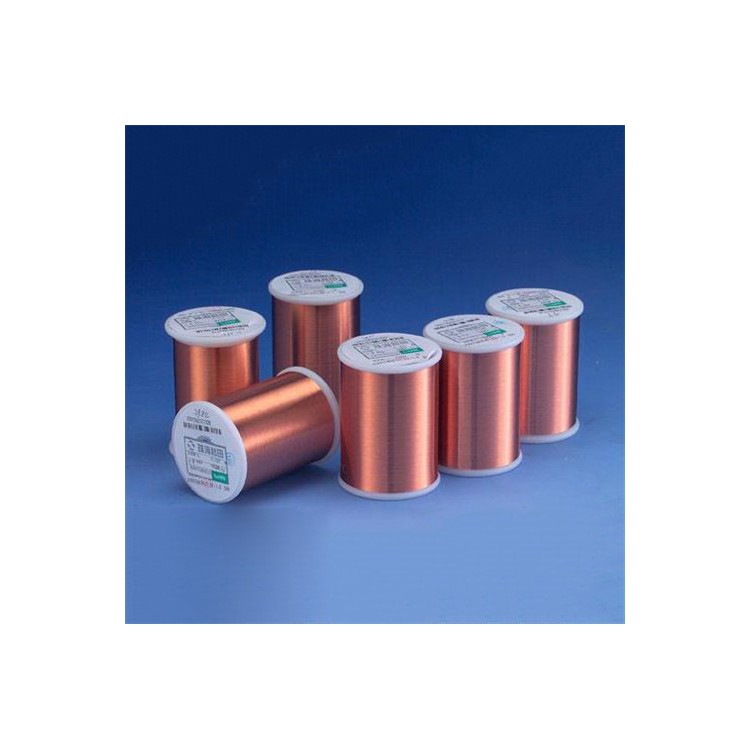
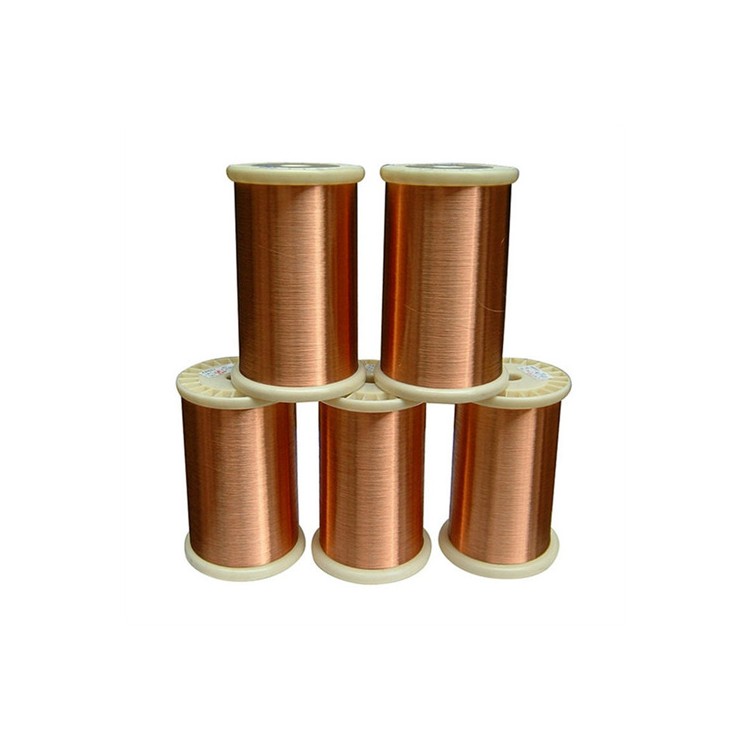
Enamelled aluminum wire is a major type of winding wire, consisting of a conductor and an insulating layer. After the bare wire is softened through annealing, it is then coated with paint multiple times and baked. However, producing a product that meets both standard requirements and customer expectations is not easy, as it is affected by factors such as raw material quality, process parameters, production equipment, and environment. Therefore, the quality characteristics of enamelled aluminum wire differ from those of enamelled copper wire, but both possess mechanical, chemical, electrical, and thermal properties.
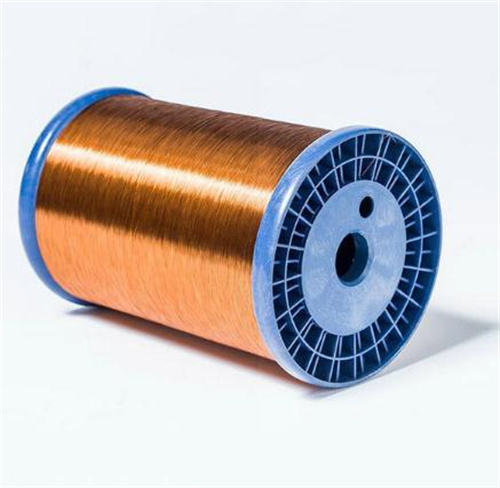
Enamelled aluminum wire boasts excellent high-temperature resistance, mechanical, electrical, and chemical properties, as well as superior cold resistance, making it suitable for long-term operation under 200℃ conditions in refrigeration equipment, electrical equipment subjected to chemical erosion, dry-type transformers, oil-immersed transformers, and epoxy-impregnated transformers, as well as magnetic separators, electromagnets, and other electromechanical equipment. Not only is it used in equipment, but it is also a primary raw material commonly used by aluminum craft artists. The use of enamelled aluminum wire in art crafts originated from a spontaneous idea by aluminum craft master Yang Liehuo, whose unique color and physical properties determine the elegance and nobility of the crafts.