










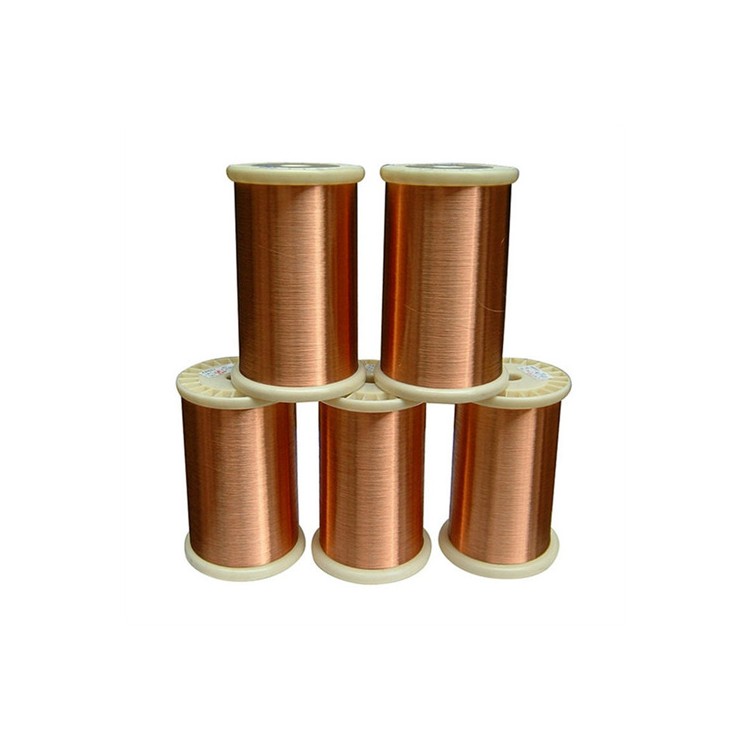
The difference between QA and QZ insulated wire
QA enameled wire can be directly soldered, whereas QZ enameled wire requires the enamel coating to be scraped off. The parameters (temperature, current) I found are the same, so why do some products use QZ enameled wire?
QZ: Polyester, typically with a temperature rating of 130, 155, offering excellent temperature stability and insulating properties. Characteristics:
(a) Excellent crack resistance, wear resistance, chemical resistance, and temperature stability.
(b) Its physical properties, such as flexibility, wear resistance, and adhesion, are all superior to those of PVF wire types.
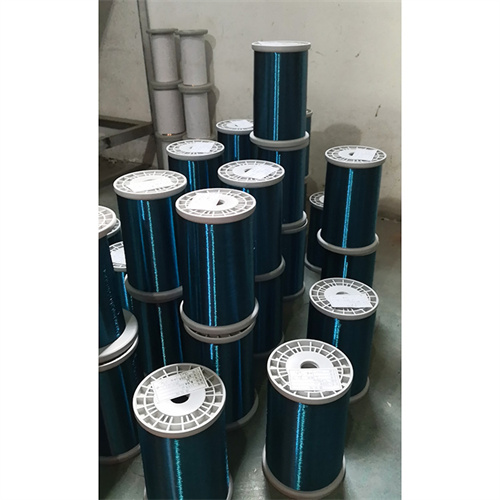
What's the difference between baked enamel copper wire and regular enameled wire?
Enamel-coated copper wire is a newly launched product, widely used in the craft industry. Due to the softness of the copper wire, it can be crafted into various exquisite items. After being treated with enamel, the styles and colors of the crafts break through the limitations of the original copper wire.
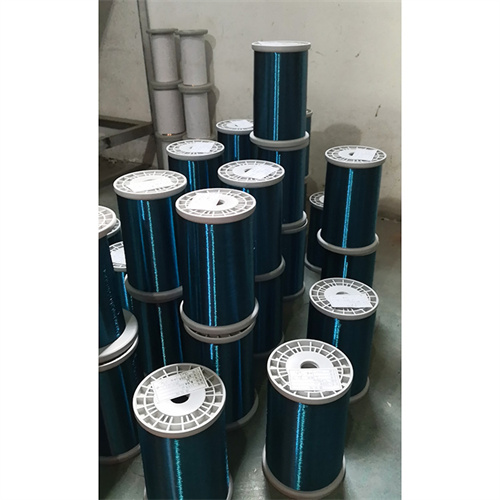
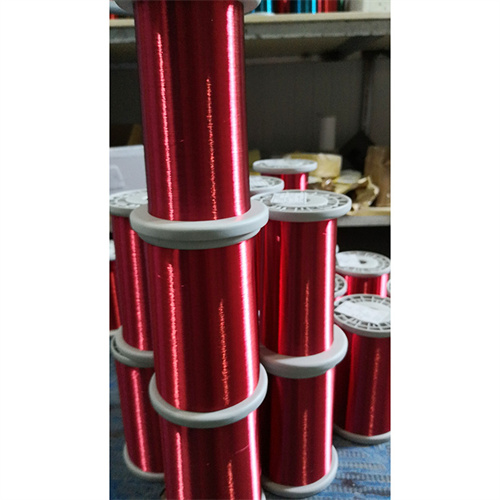
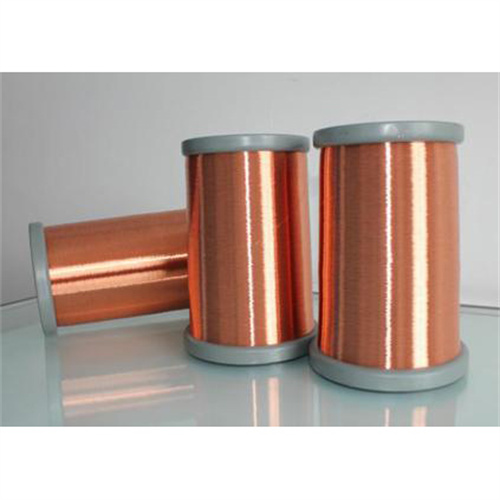
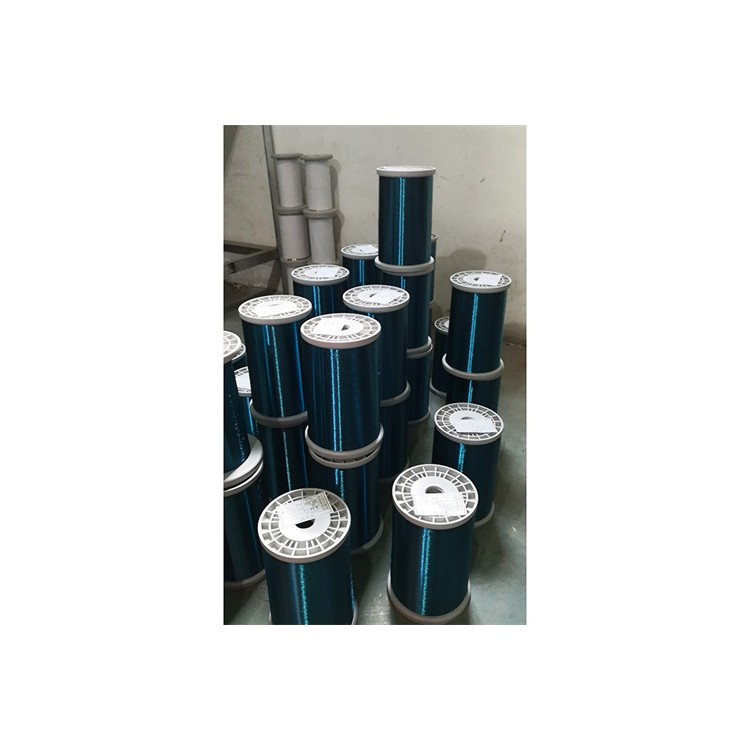
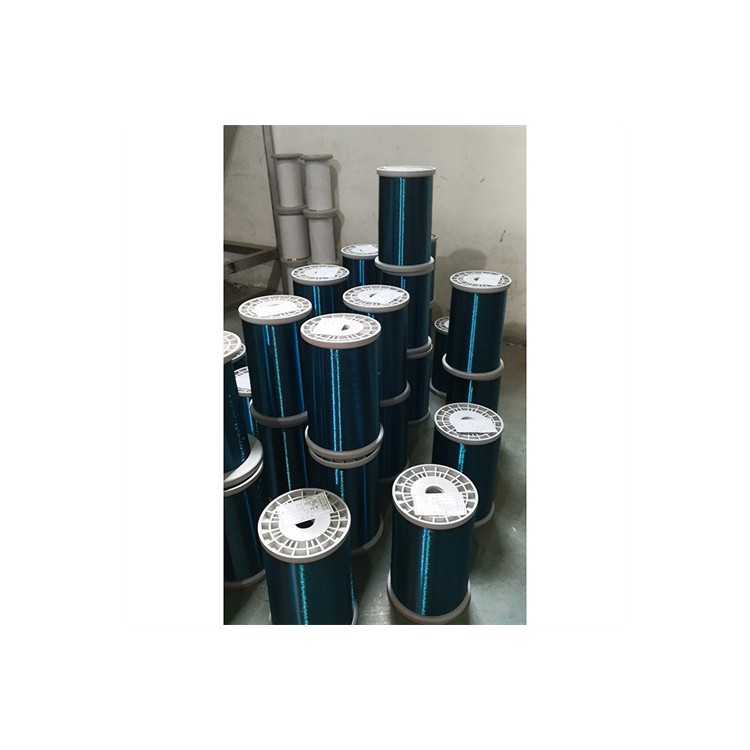
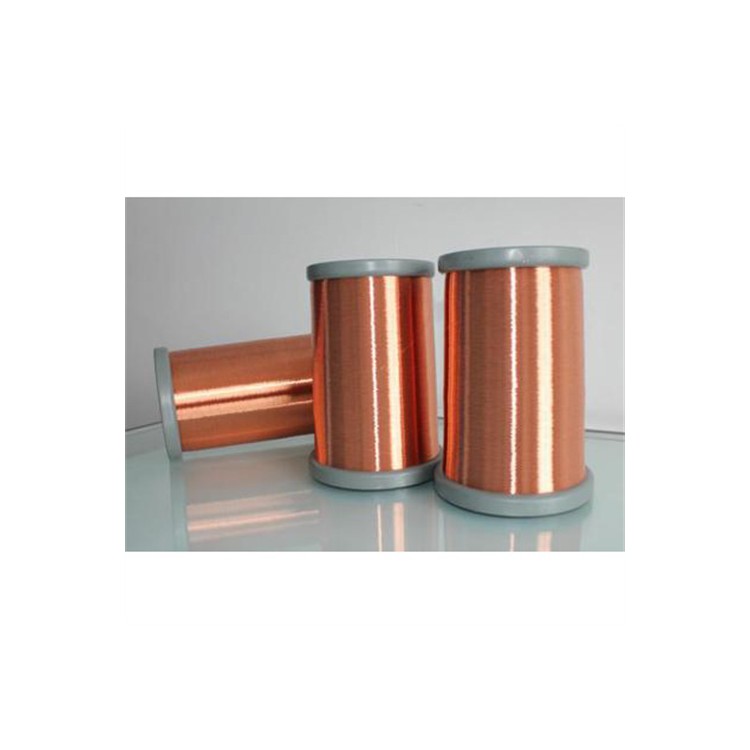
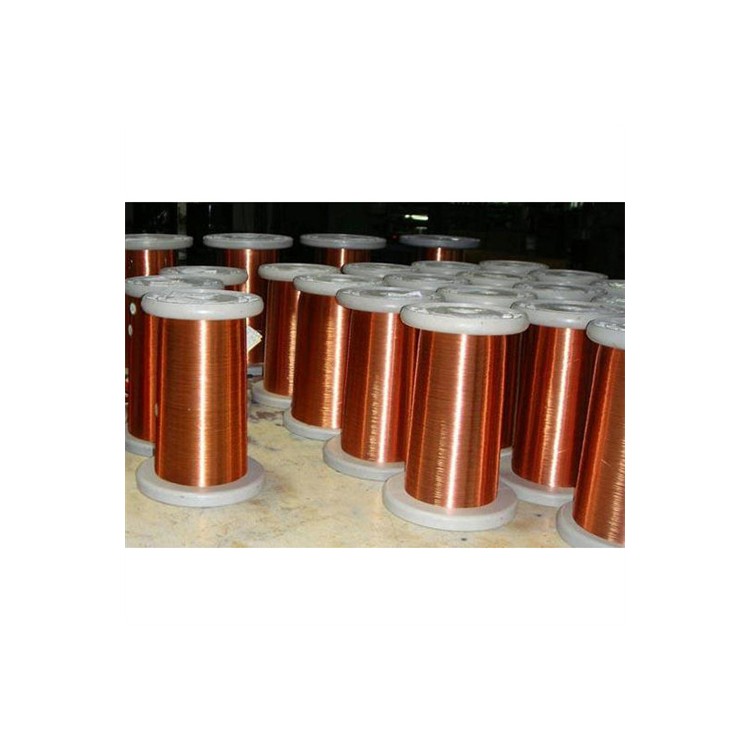
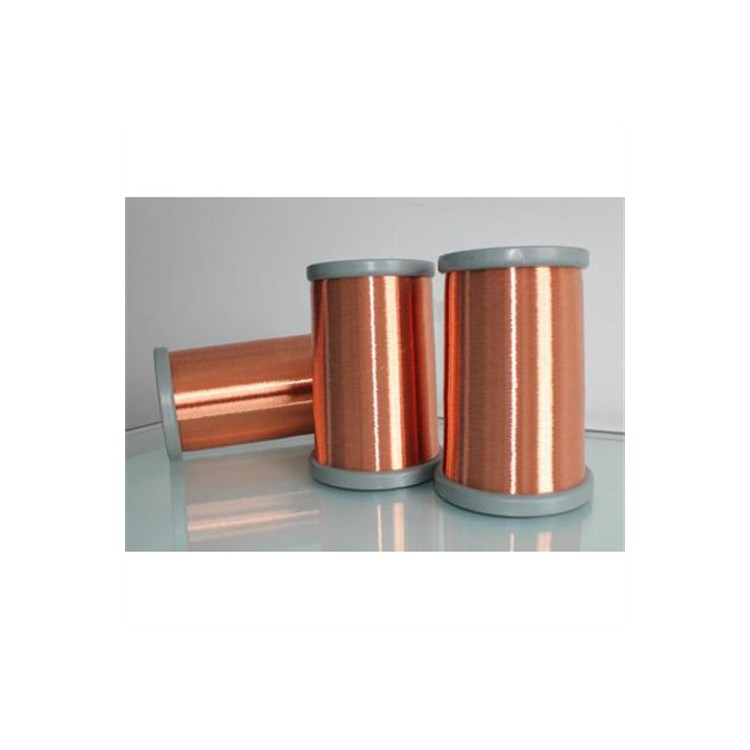
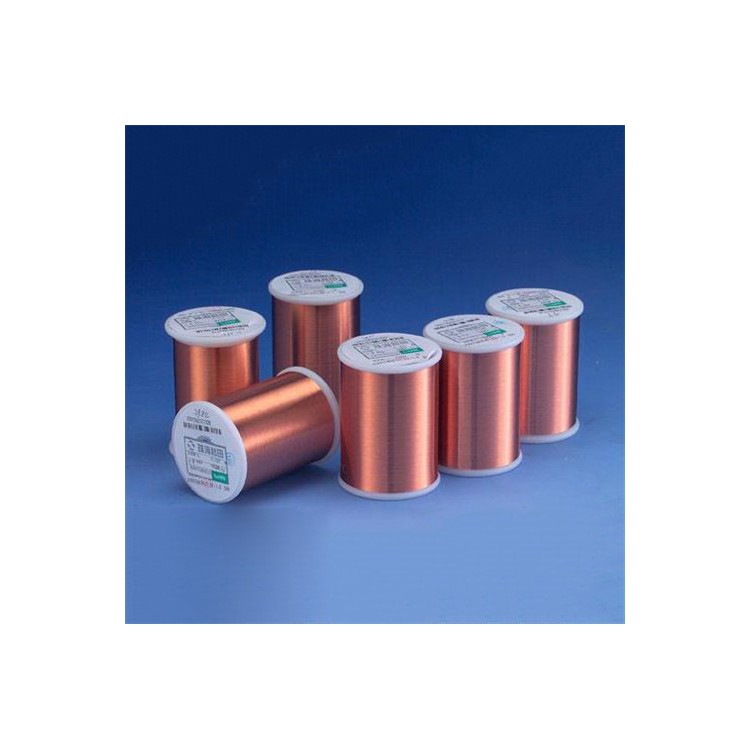
Enamelled wire is a copper wire (or conductor) coated with varnish on its surface through a processing method. Due to the insulating properties of the varnish, the copper wire, when wound into a coil, can be used in various electromagnetic induction applications, such as motors, transformers, etc.
Enamelled wire is a conductor coated with one or more layers of insulating varnish on its surface, which is then dried and shaped. The characteristics and applications vary depending on the type of varnish and the thickness of the varnish layer. It is primarily used in motors, electronic products, and component coils.