









What special requirements do motors have for enameled wire?
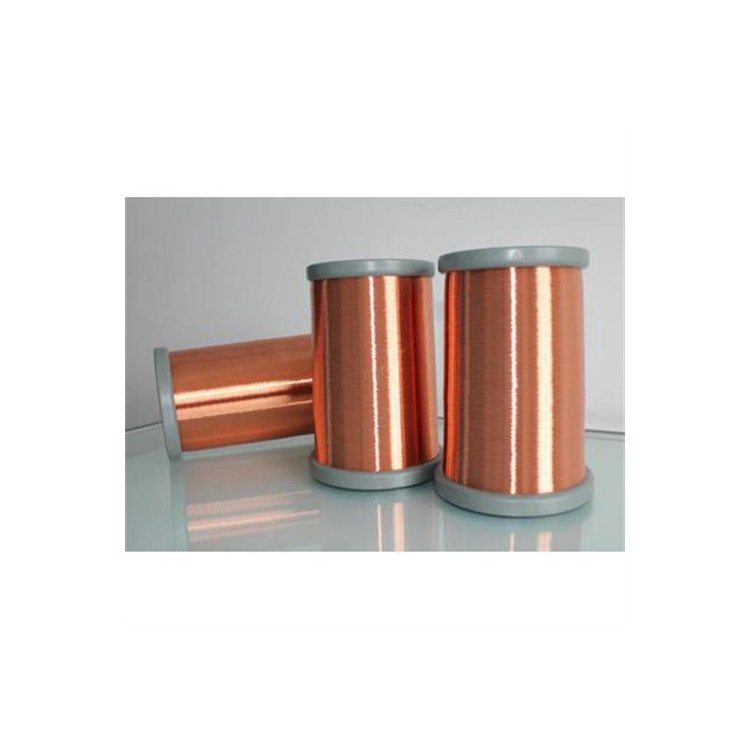
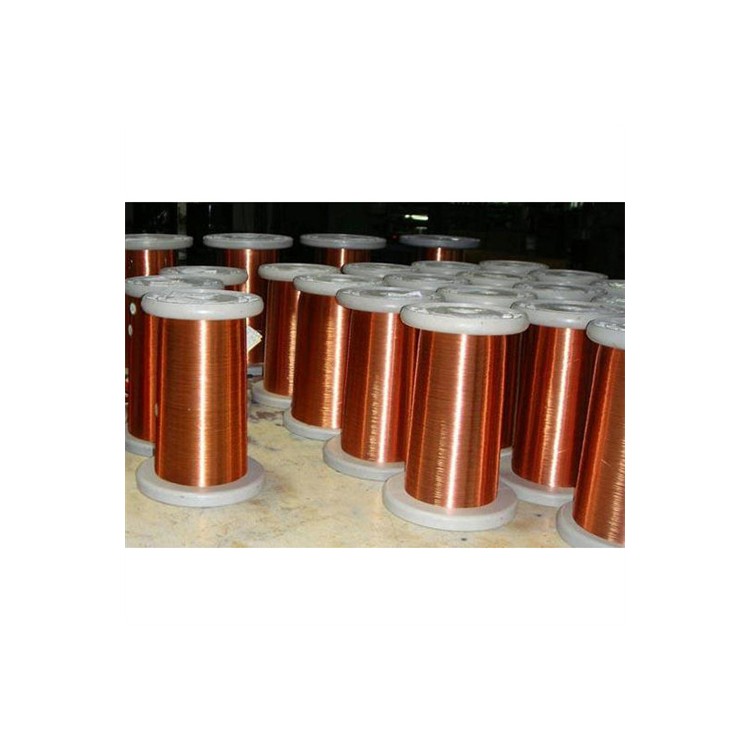
The motor has no special requirements for enameled wire; any QZ-2/155 enameled wire will suffice. The motor mainly focuses on energy-saving. There is a specific national standard, GB18613-2006, which outlines the efficiency requirements for motors. The motor's performance primarily relates to its design and silicon steel sheet material.
Motors, typically referring to energy-saving indexes, have low requirements for varnished copper wire, with the quality of silicon steel sheets being the main concern. They require low losses and high magnetic conduction efficiency. The main models currently available are the YX2 series.

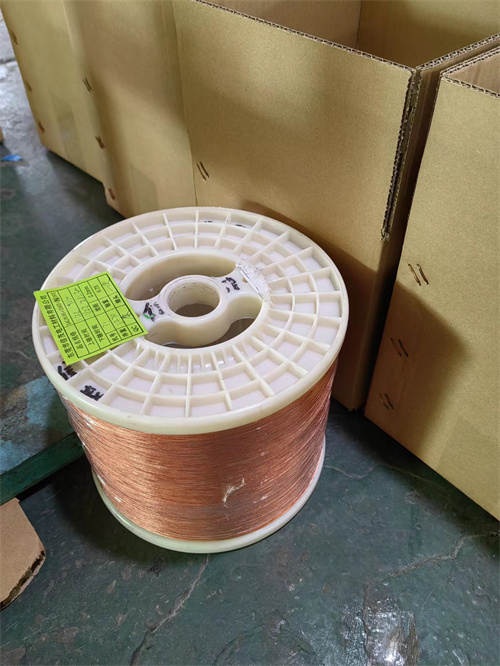
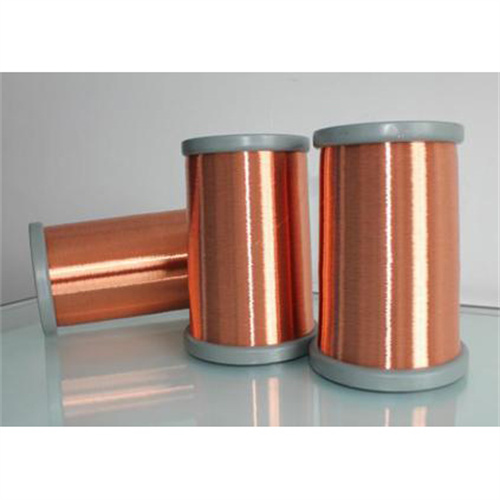
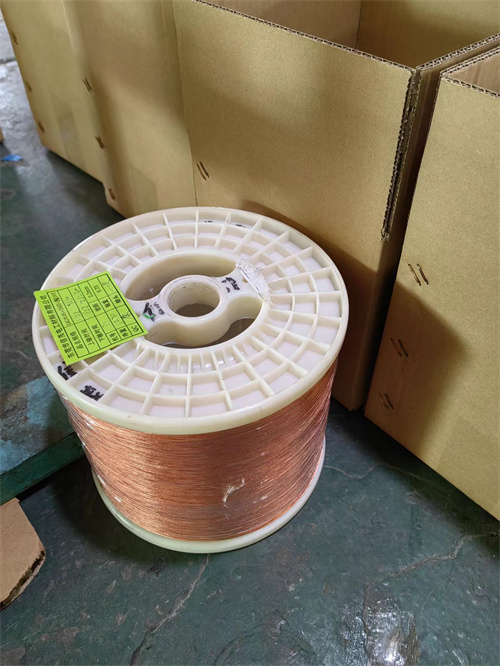
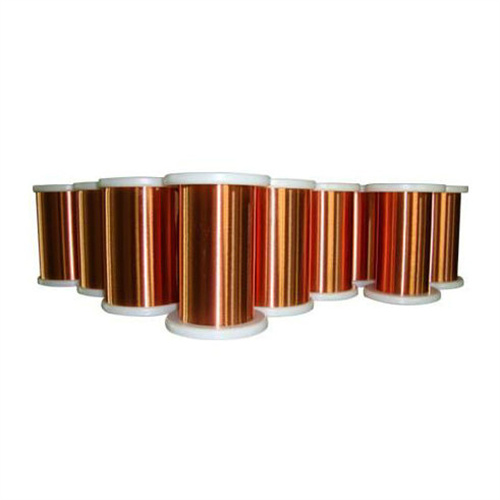
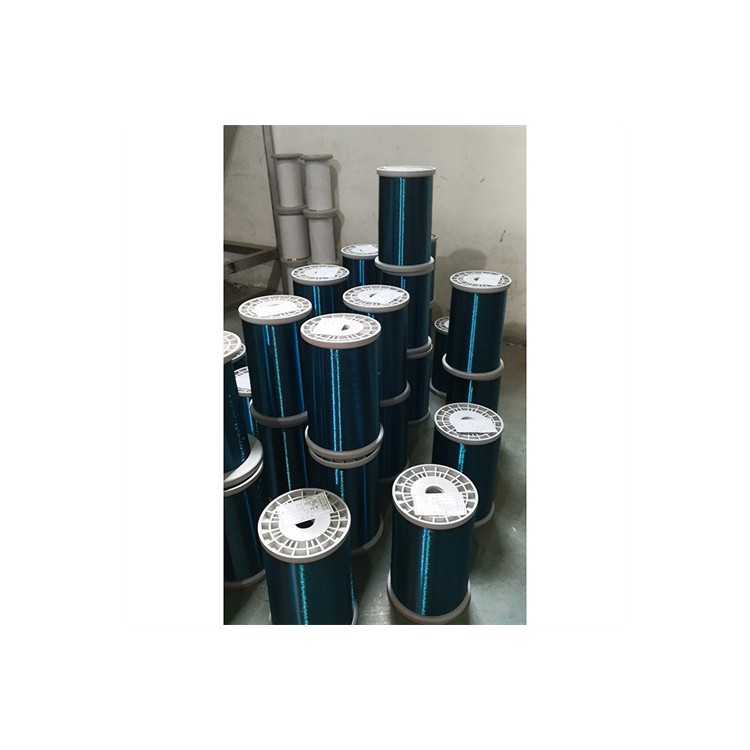
Enamelled copper wire with multiple cores
Because the winding machine for insulated wire is single-head spooling and single-head winding, there are no multi-head spools.
In reality, most "multi-end" issues occur at the user's end---the electronics factory. During the spooling process, the machine needs to be stopped every few minutes to change the transformer frame. When the machine is stopped, some stations may not have proper tension control for the spooling, causing the coils above to collapse due to inertia, which then crushes the lower wire ends. Upon restarting, the wire ends are crushed and break, leading to the tangled mess at the start.
If the thread breaks, it cannot be used normally and must be removed from the winding machine for processing. Once processed, it can be used continuously. However, during the process of dealing with tangled threads, if one thread is accidentally broken, it becomes three ends; if two threads are broken, it becomes five ends... In this way, the shaft becomes unprocessable and is returned to the warehouse from the production process. The warehouse then returns it to the production factory under the name of "multiple thread ends." This is the process of "multiple thread ends" occurring and being returned. In fact, dealing with multiple thread ends is simple: use a sharp blade to cut through several circles of thread, grip the cut thread end and pull it upwards until only one end remains.