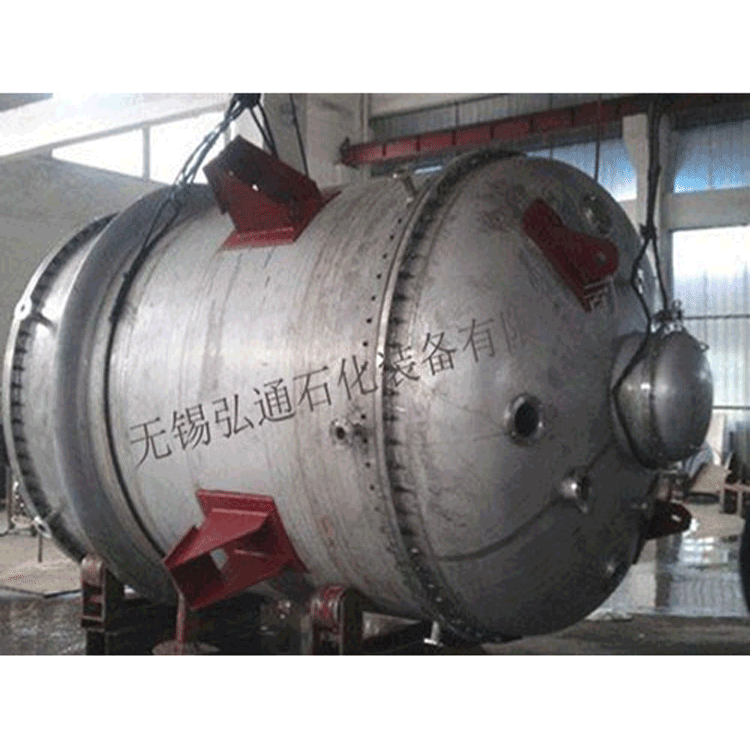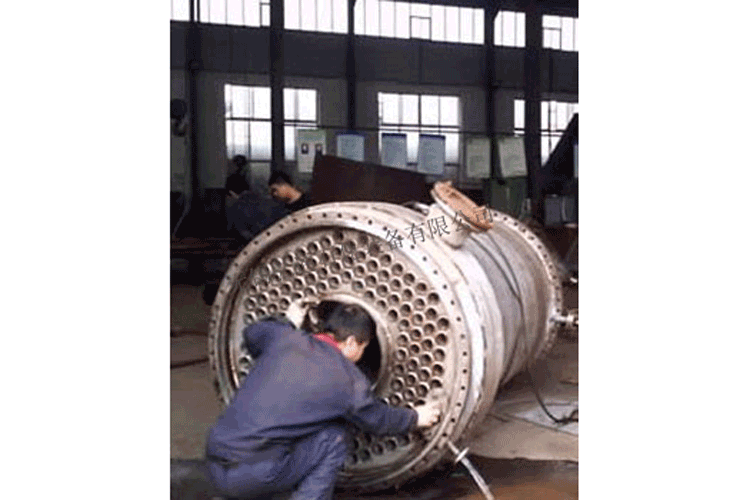







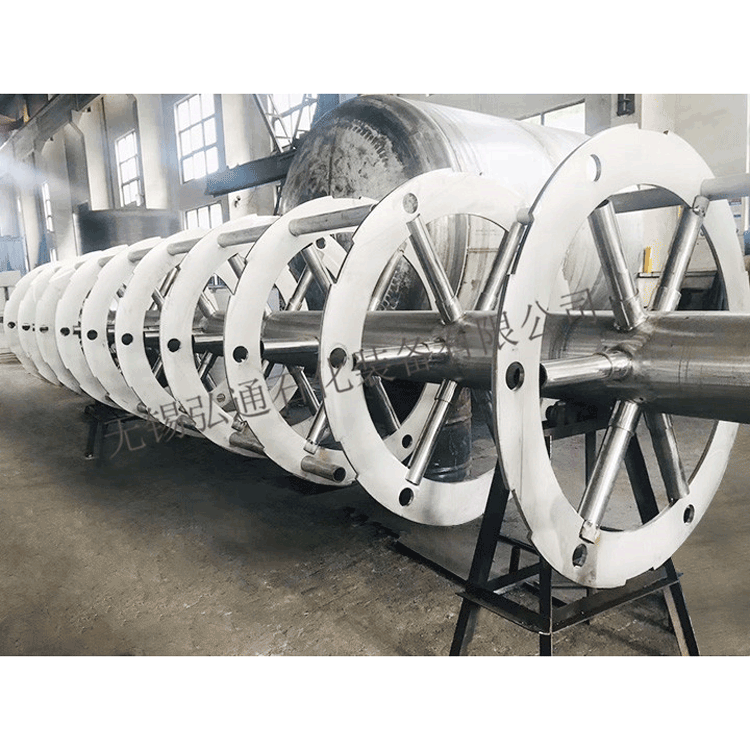
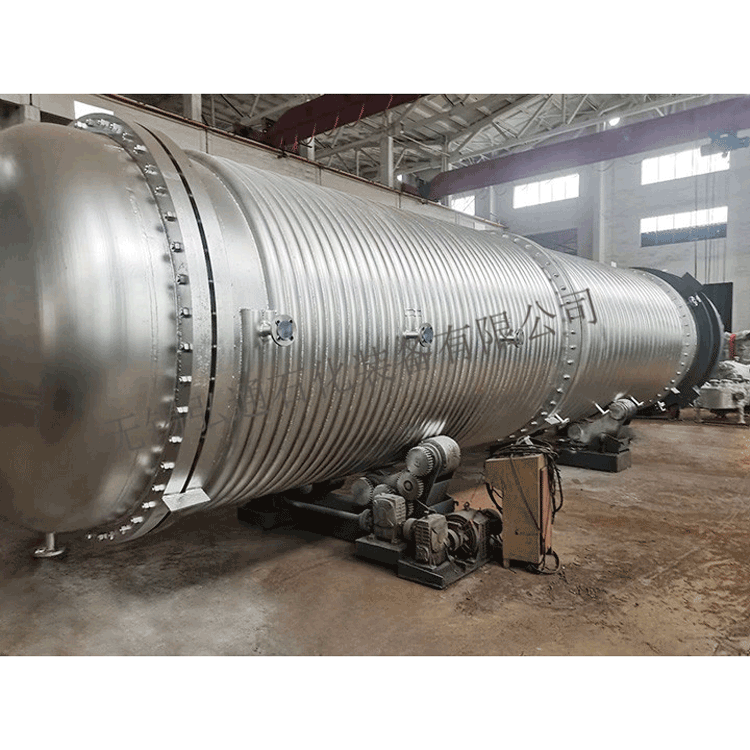
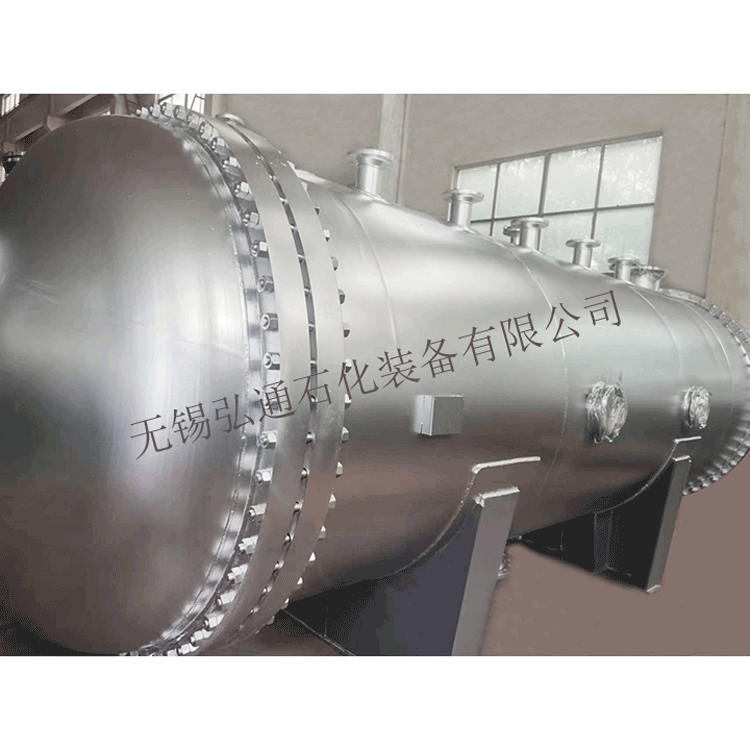
Molten Crystallizer

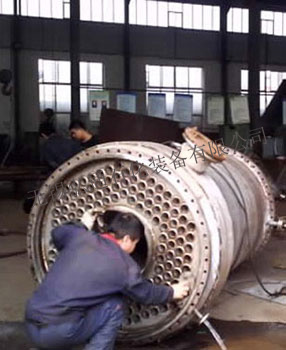
Melt Crystallizer (Static/ Dynamic Falling Film)
Fusion crystallization is not widely used in China yet, so there isn't much engineering experience to draw from. Therefore, our company's fusion crystallizer design is based on the development of fusion crystallization technology by the Crystallization Process Research Lab at Tianjin University of Science and Technology. Click on the Fusion Crystallization Industrial Application Product Statistics, or directly click on the website's Crystallization Technology Blog to view related fusion crystallization process development and equipment information.
Melting crystallizer has not been widely used in China at present, so there is no more engineering experience for reference. Therefore, our design of melt crystallizer is based on the melt crystallization process of the Crystallization Process Research Institute of Tianjin University of Science and Technology. Please click on the melt crystallization industrial application statistics, or the website of crystallization technology blog to obtain the relevant melt crystallization process development and equipment information.
Application Scope / Applied Range
The molten crystallizer is used for producing high-purity crystal products for chemical intermediates, pharmaceutical intermediates, and biochemical products.
Melt crystallizer is widely used in the production of chemical intermediates, pharmaceutical intermediates and high purity crystal products of biochemical products.
Product Categories / Product Classification
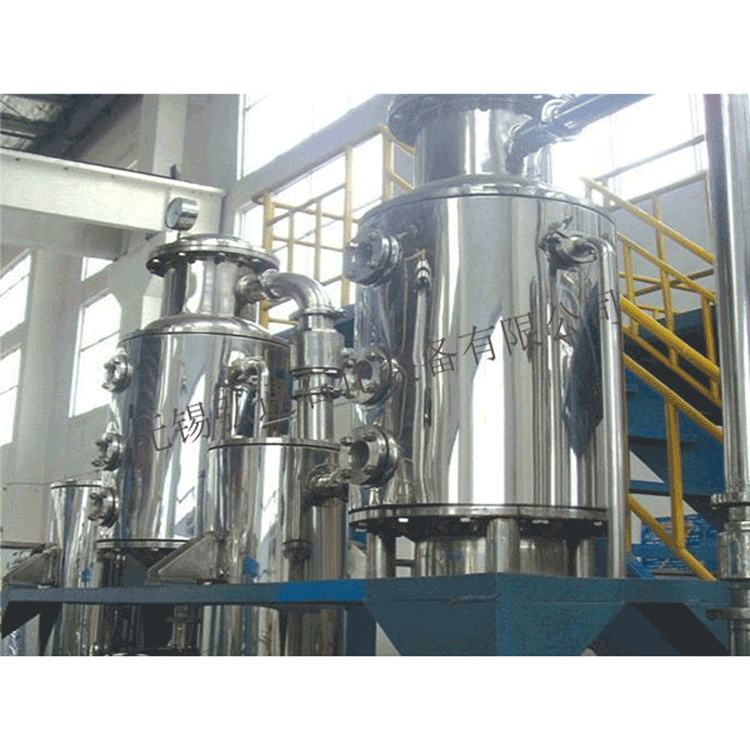
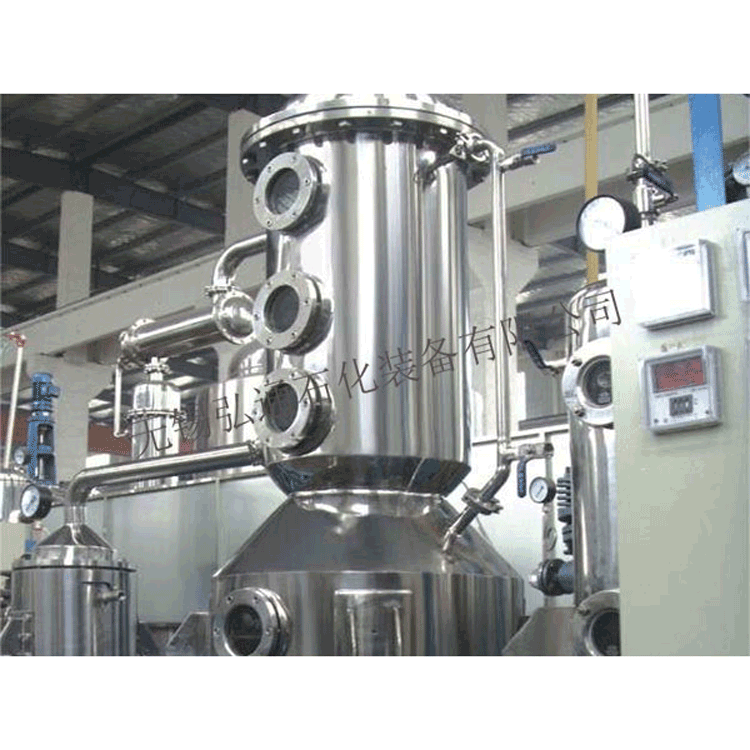
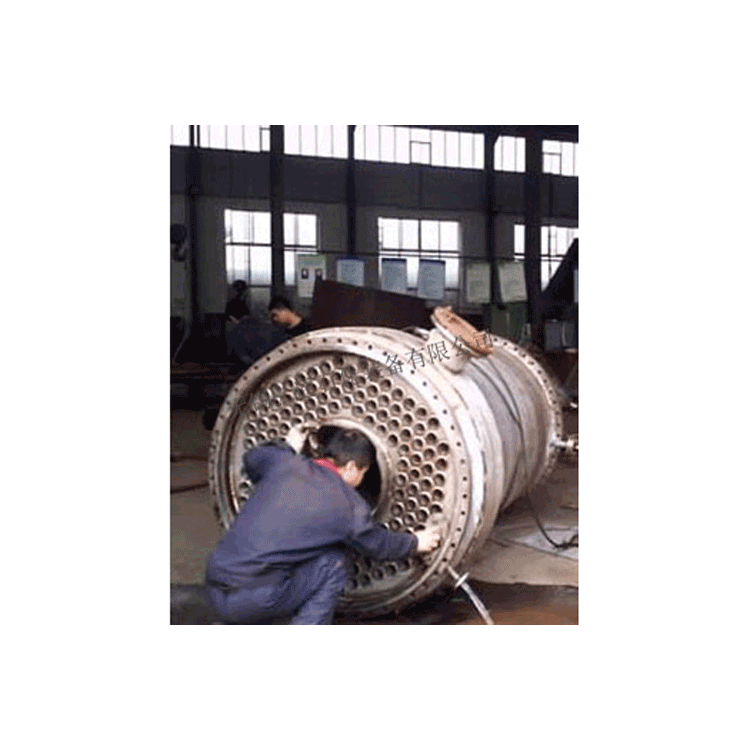
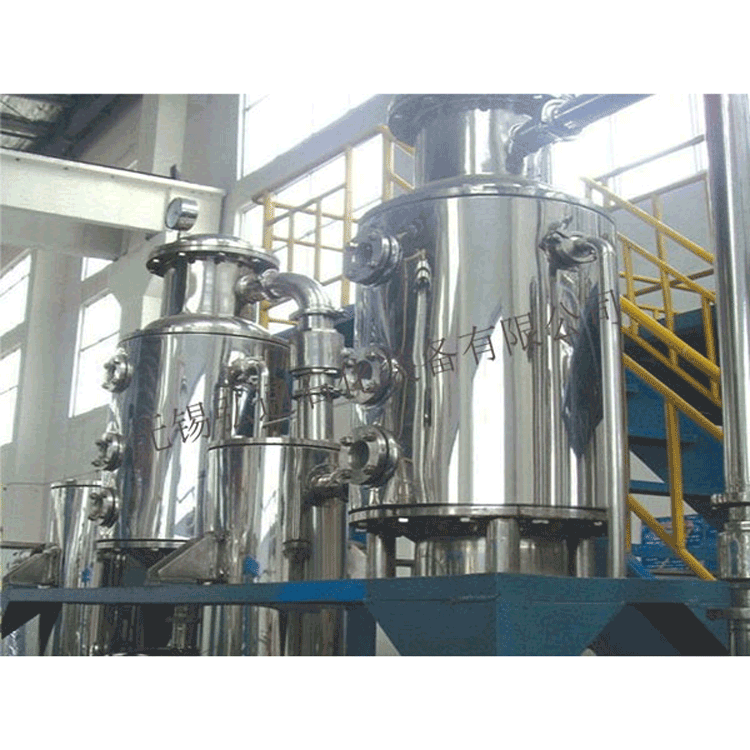
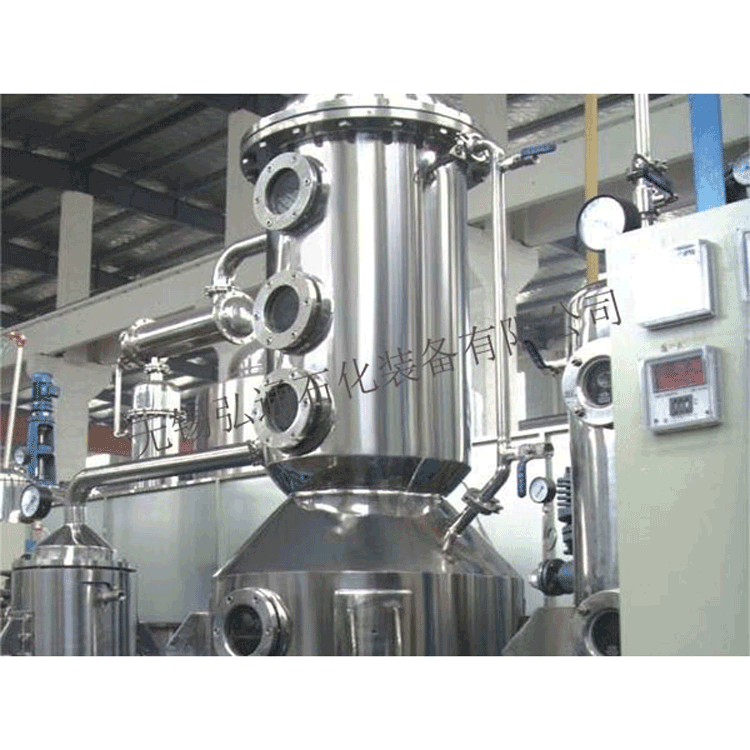
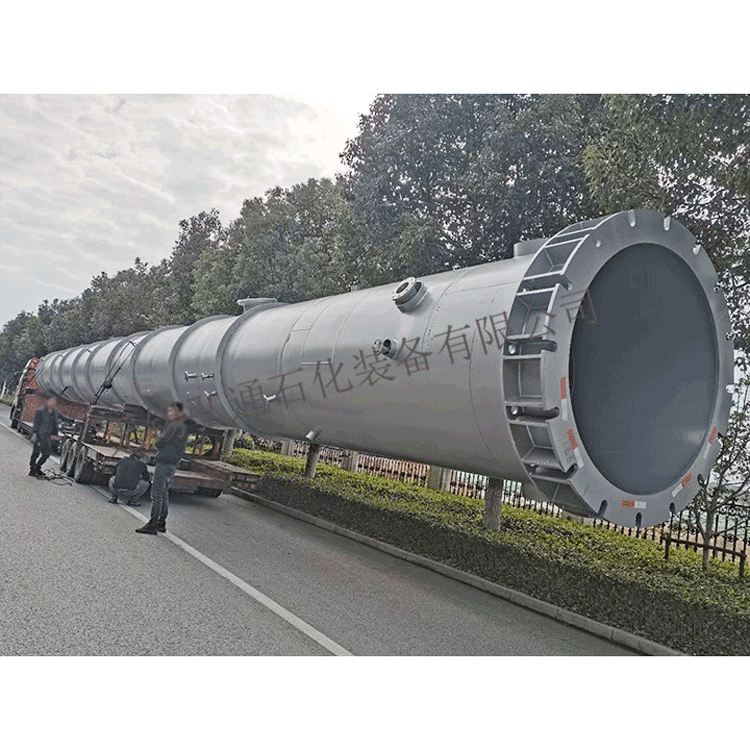
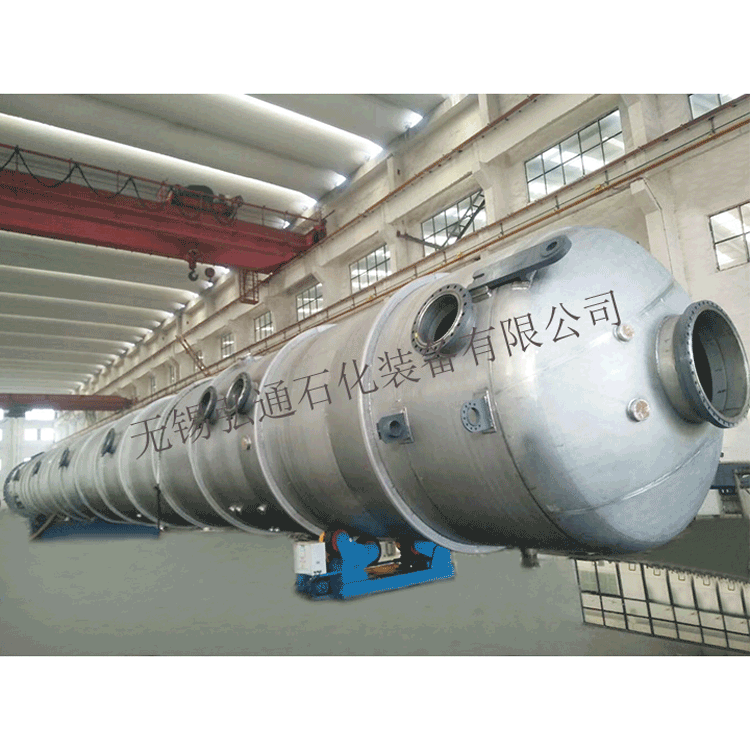
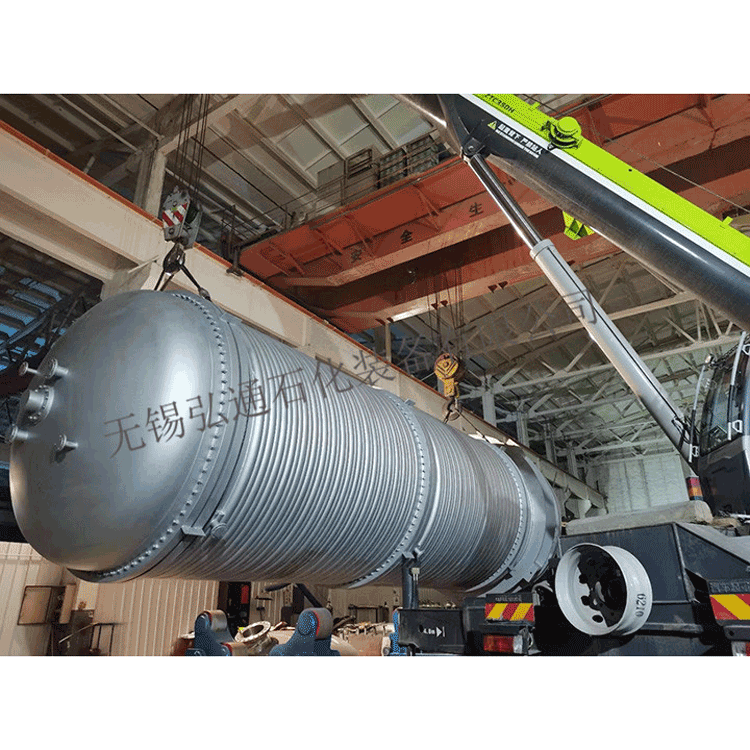
It can be divided into two types: static melt crystallizer and dynamic tower-type falling film melt crystallizer.
It can be divided into two types: high-efficiency static melt crystallizer and dynamic tower falling film melting crystallizer
Crystallizer Material
Materials available based on material characteristics include: carbon steel, stainless steel, and special metal alloys.
carbon steel, stainless steel and special metal materials.
Melt Crystallizer Benefits
Highly practical, selecting different types of equipment based on various process requirements.
strong practicability, and different types of equipments are selected according to different technological requirements
Low investment cost, prices are only 1/5-1/10 of similar products overseas and 1/2-1/6 of domestic prices.
Low investment cost, the price is only 1/5-1/10 of the same price abroad; 1/2-1/6 of the domestic price
③ High operational flexibility; can be automatically controlled or manually operated.
Operation flexibility, automatic control and manual operation are both ok.
④ Equipment is compact and rational.
compact and reasonable
⑤ Excellent practical application with low crystalline loss.
good application effect and low crystallization loss
⑥ The application of the melt crystallization process can make some complex processes particularly simple.
Some complex processes become especially simple
Melt Crystallizer Drawbacks
The crystallizer's structure is slightly more complex compared to the distillation tower. It requires sweating and washing steps. The process is more complex and its continuous operation is more challenging.
The structure of the mold is a little more complicated than that of the distillation column. It needs Sweating, washing, etc. The process is complex and difficult to be continuous.
Compared to the operation of other thermal separation units, molten crystallization offers the following advantages:
Compared with other heat separation units, melt crystallizer has the following advantages:
High selectivity, low energy consumption, low operating temperature, solvent-free, waste-free, and vapor-free. Compared to melting crystallization and distillation, it boasts outstanding advantages such as lower operating temperature and smaller energy consumption required. In addition to the above two points, the third advantage is the ability to utilize waste heat generated by other operational units within the factory. This is because the melting points of most organic compounds are within the range of factory waste heat temperatures.
High selectivity, low energy consumption, low operating temperature, no solvent, no waste liquid, no gas phase. Compared with distillation, it has many advantages, such as low operating temperature and small energy consumption. Besides, Waste heat from other operating units in the plant can be utilized. Because most of the organic compounds’ melting point is in the range of the waste heat in the factory.
Compared to solution crystallization, melt crystallization avoids the post-processing of solvents due to the absence of new solvents added, an advantage often compensating for other drawbacks of melt crystallization.
Compared with solution crystallization, melt crystallization avoids the post treatment process of the solvent without adding new solvent, and this advantage can often compensate for other shortcomings of the melt crystallization.
Molten crystallization processes handle liquid substances, which require less volume compared to gases, leading to smaller equipment size and lower investment. However, this advantage diminishes if longer residence times are needed for molten crystallization. There is no gas produced during the molten crystallization process, making leaks easier to control. Moreover, the entire equipment can be sealed, contributing to environmental safety. No substances need to be added during molten crystallization, thus eliminating waste liquids and other chemicals (solvents). It's worth noting that the cost of solvent recovery often accounts for a significant portion of the total crystallization cost. For non-solids solution systems, theoretically, the crystallization process exhibits high selectivity and high product purity.
Melt crystallizer deals with liquid substance, which requires a small size and a small amount of equipment, therefore needs less investment. However, if melting crystallization takes longer residence time, then this advantage is not obvious. During crystallization, no gas is produced, and leakage is easy to control. Moreover, the whole equipment can be closed and is more conducive to environmental safety. Molten crystallization does not require the addition of any substance, so no waste liquid or other chemical substance (solvent) is produced. The cost of solvent recovery often accounts for most of the cost of the crystallization process. For the non solid solution type system, the crystallization process has high selectivity and high product purity.